The Culinary Core
The design envisions a Culinary Incubation Center that empowers home-based food entrepreneurs through shared kitchens, mentorship, and vibrant public hubs, blending culture and community.
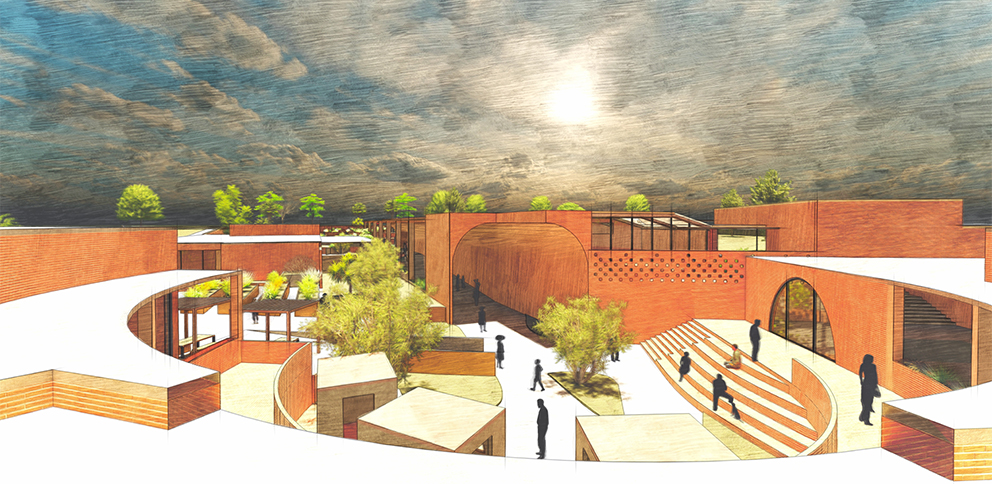
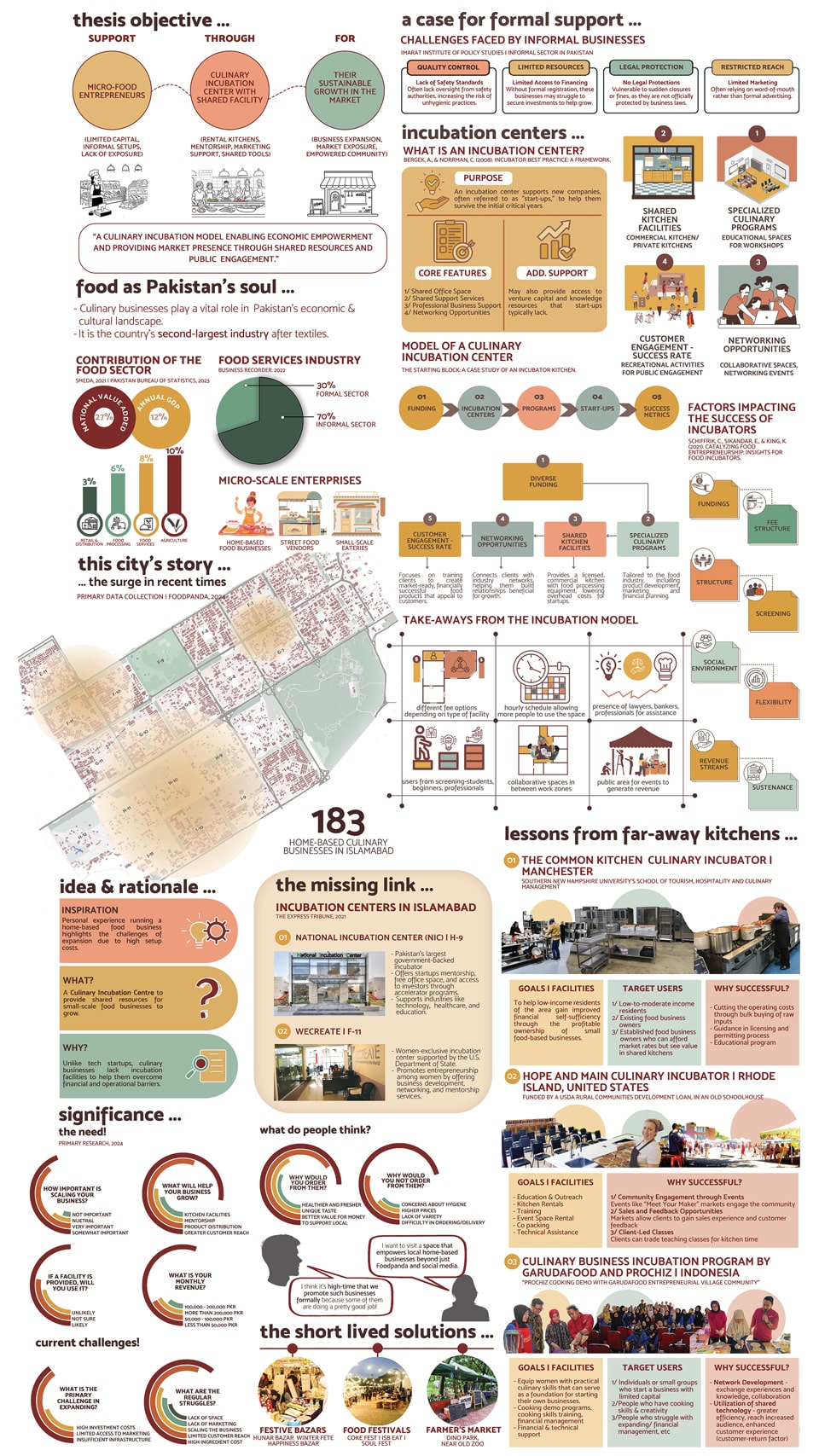
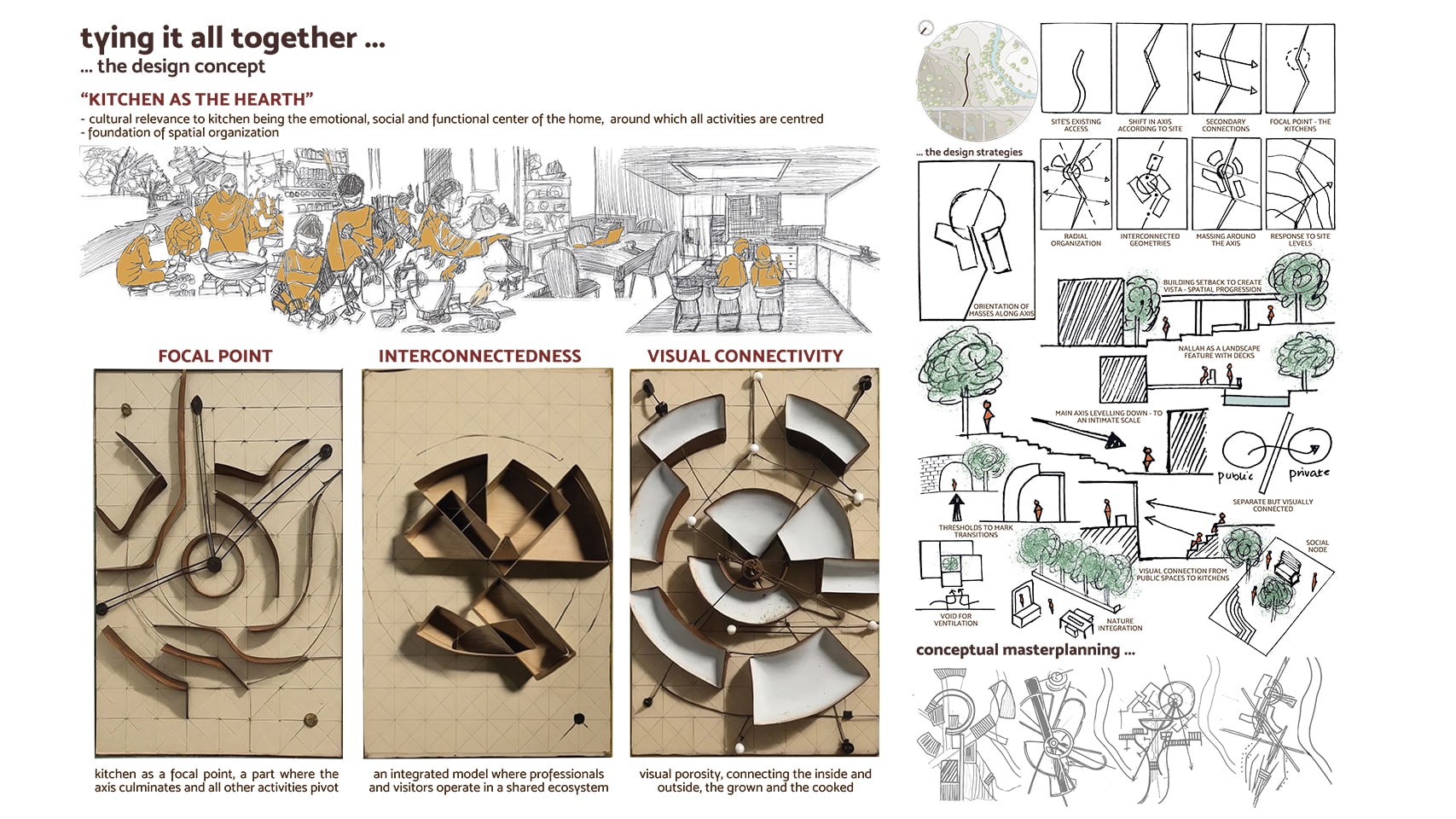
Food has always been a powerful connector of culture, community, and creativity, playing a significant role in Pakistan’s socio-economic landscape. Areeba Arif’s undergraduate thesis proposes a Culinary Incubation Center tailored to address the challenges faced by home-based culinary entrepreneurs. It aims to bridge the gap between informal food ventures and formalized economic growth by providing a platform where these businesses can expand in a sustainable, community-driven manner. The center integrates both public and private realms, combining shared professional-grade facilities, mentorship opportunities, and market access with eventful public spaces such as farmers' markets and pop-up food hubs. These components are designed not only to support small-scale entrepreneurs throughout every stage of their journey but also to serve as a culinary hub, a space that brings people together through food-related activities, community engagement, and shared experiences.
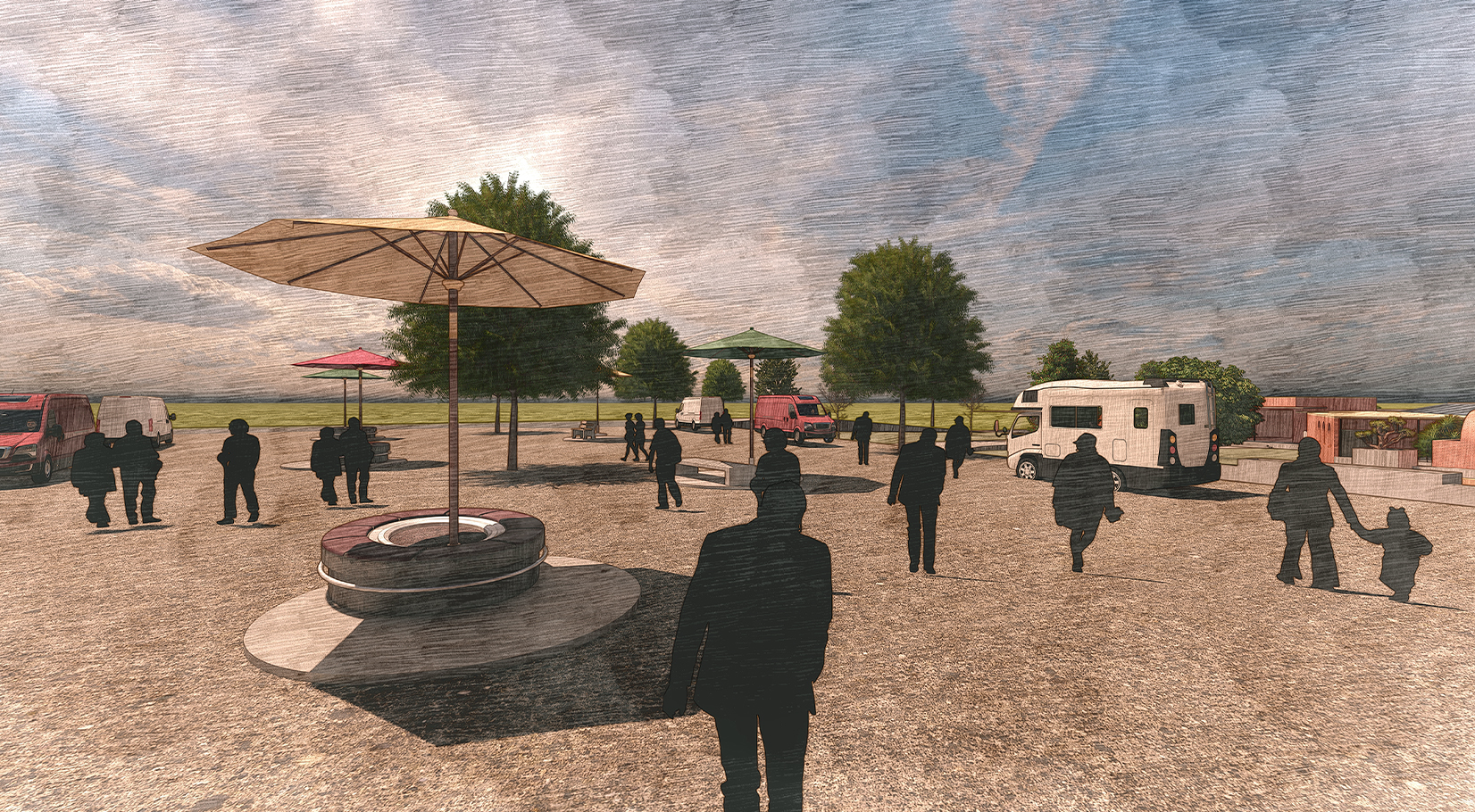
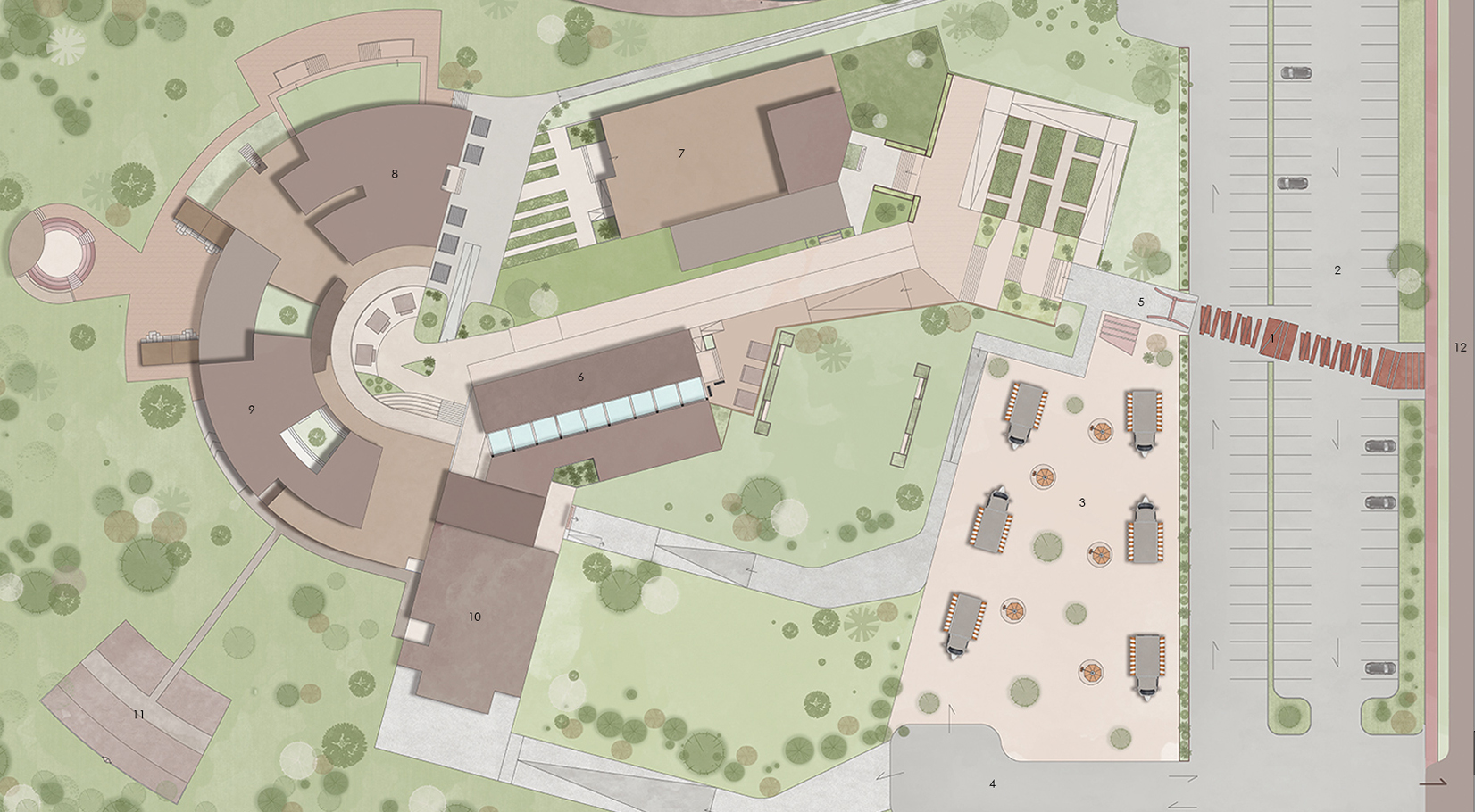
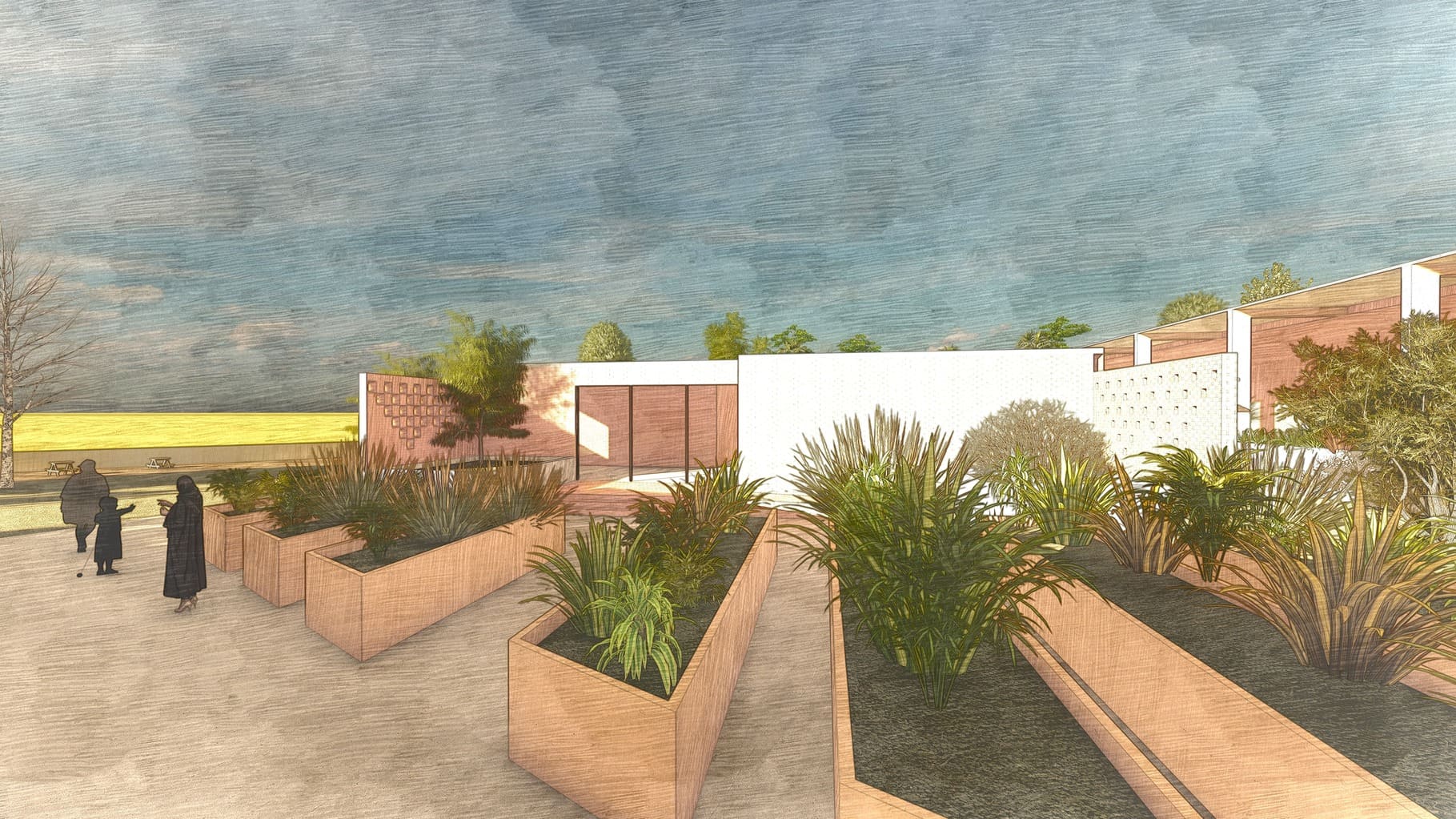
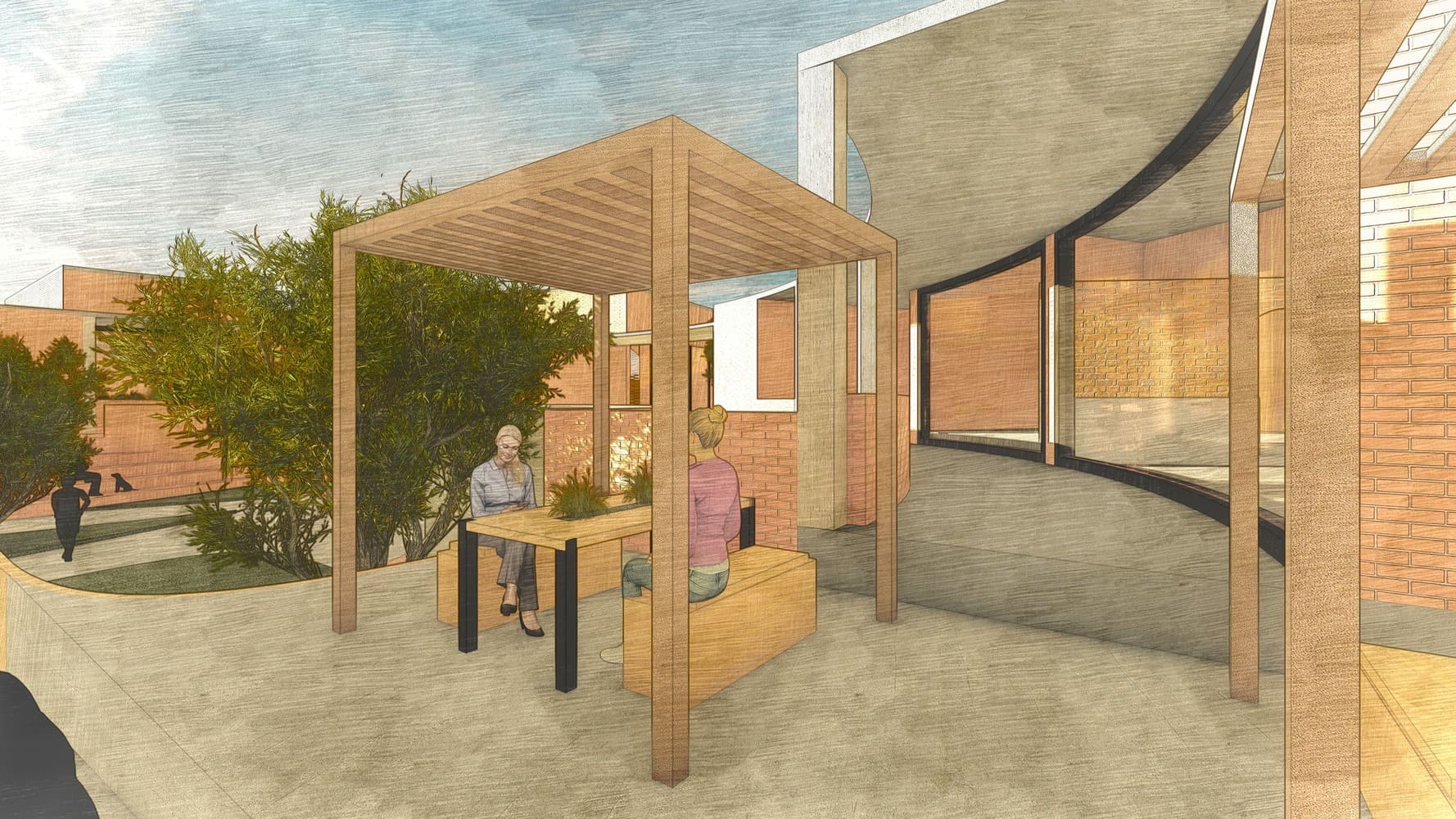
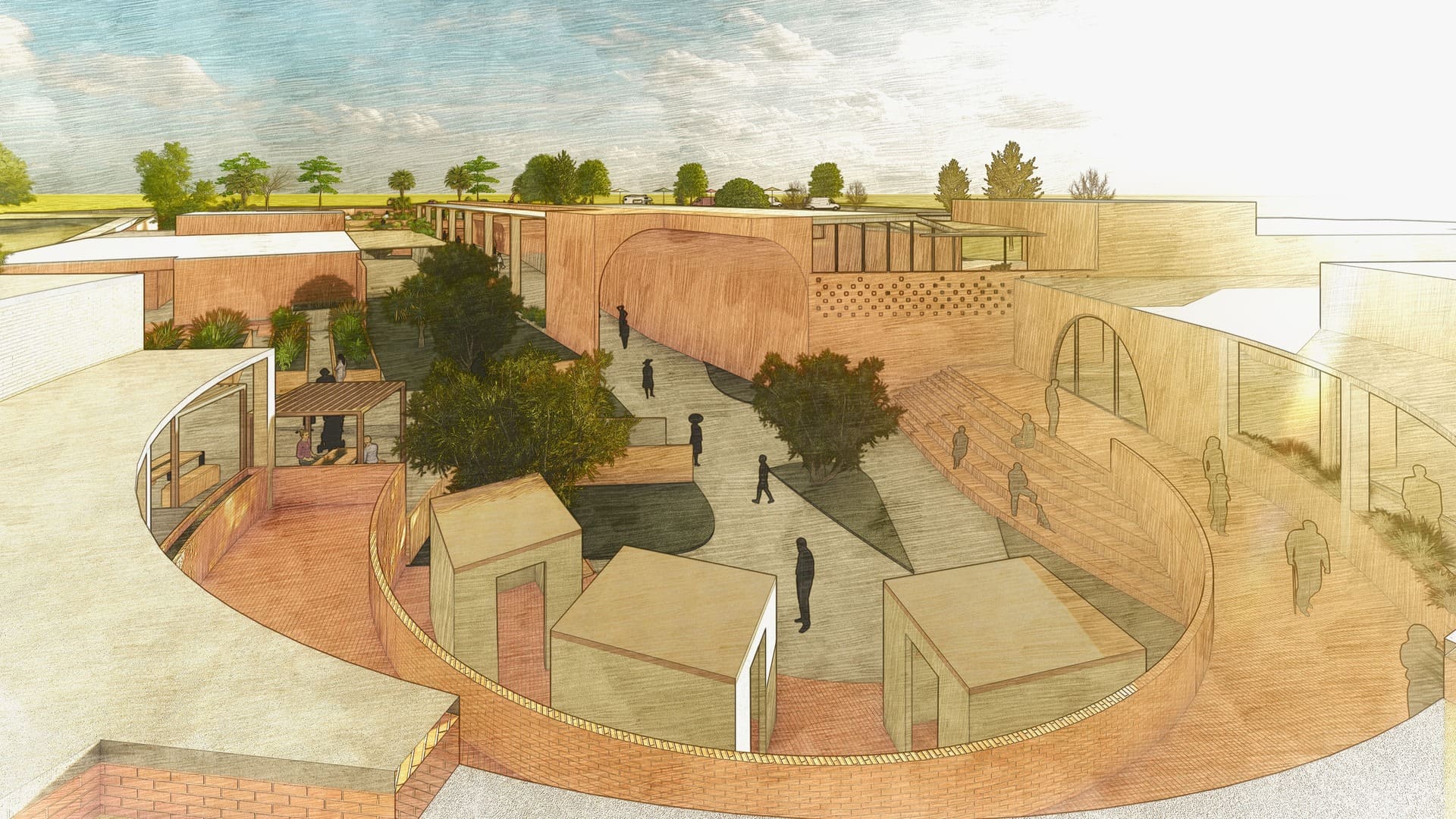
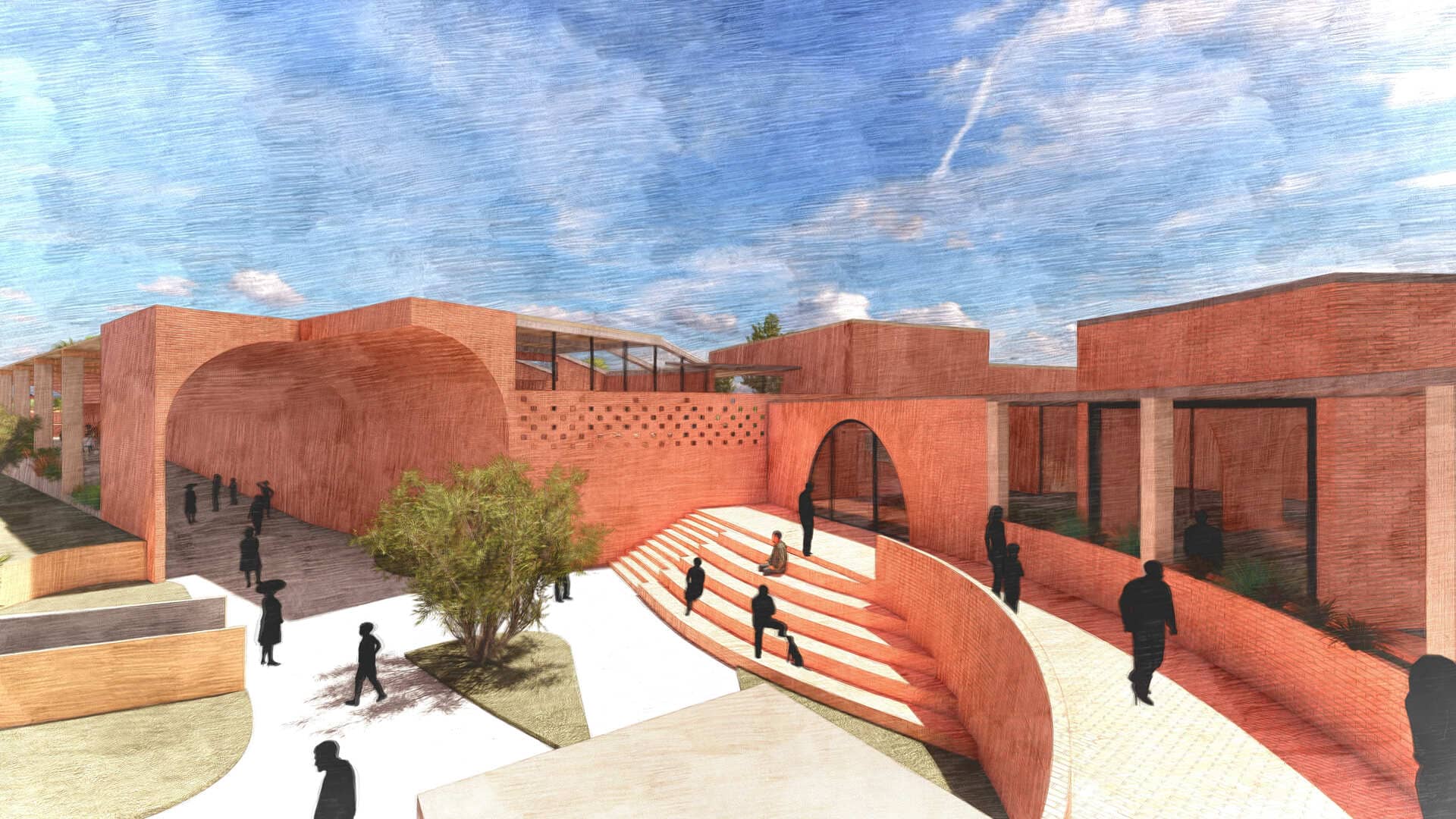
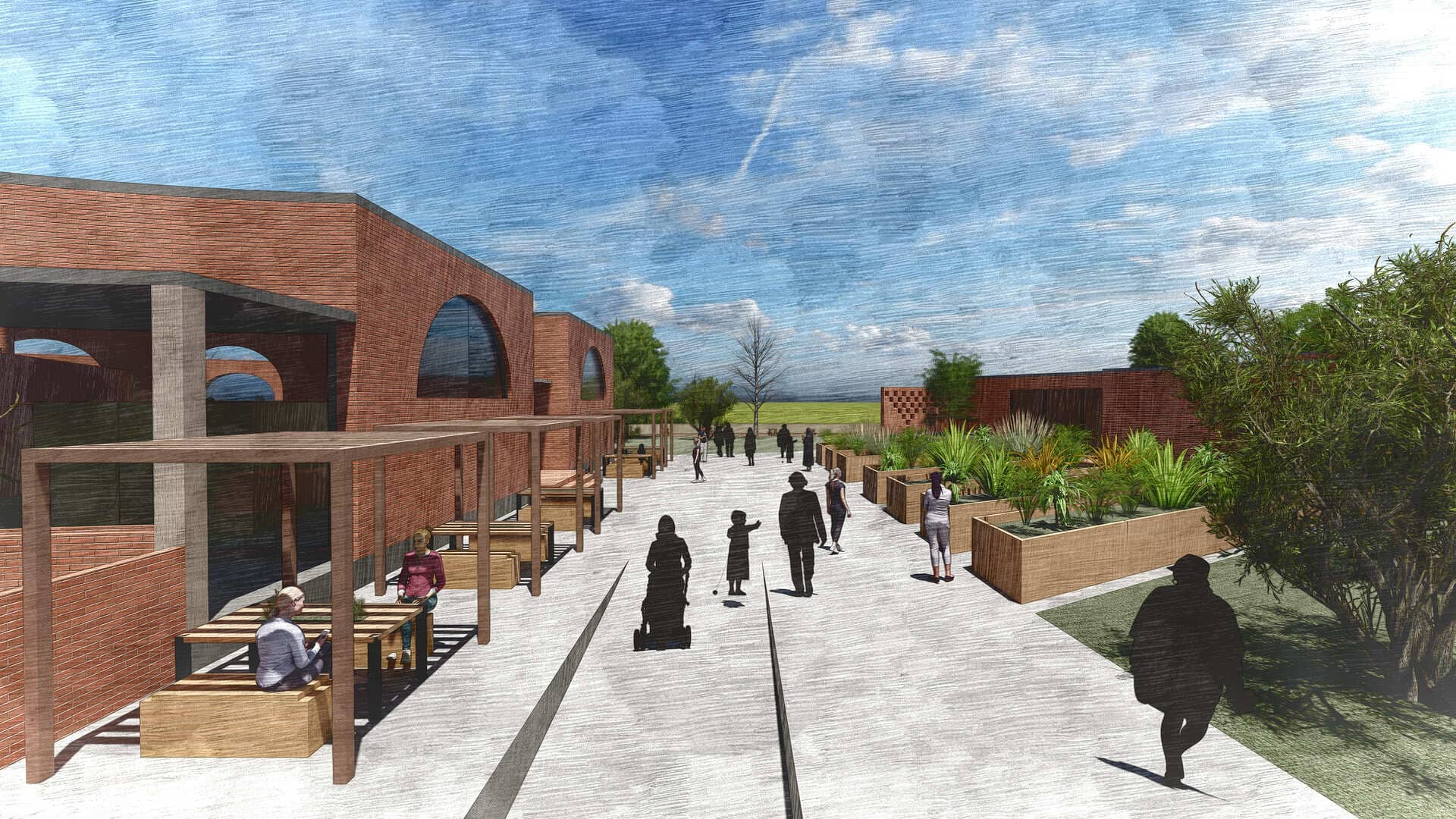
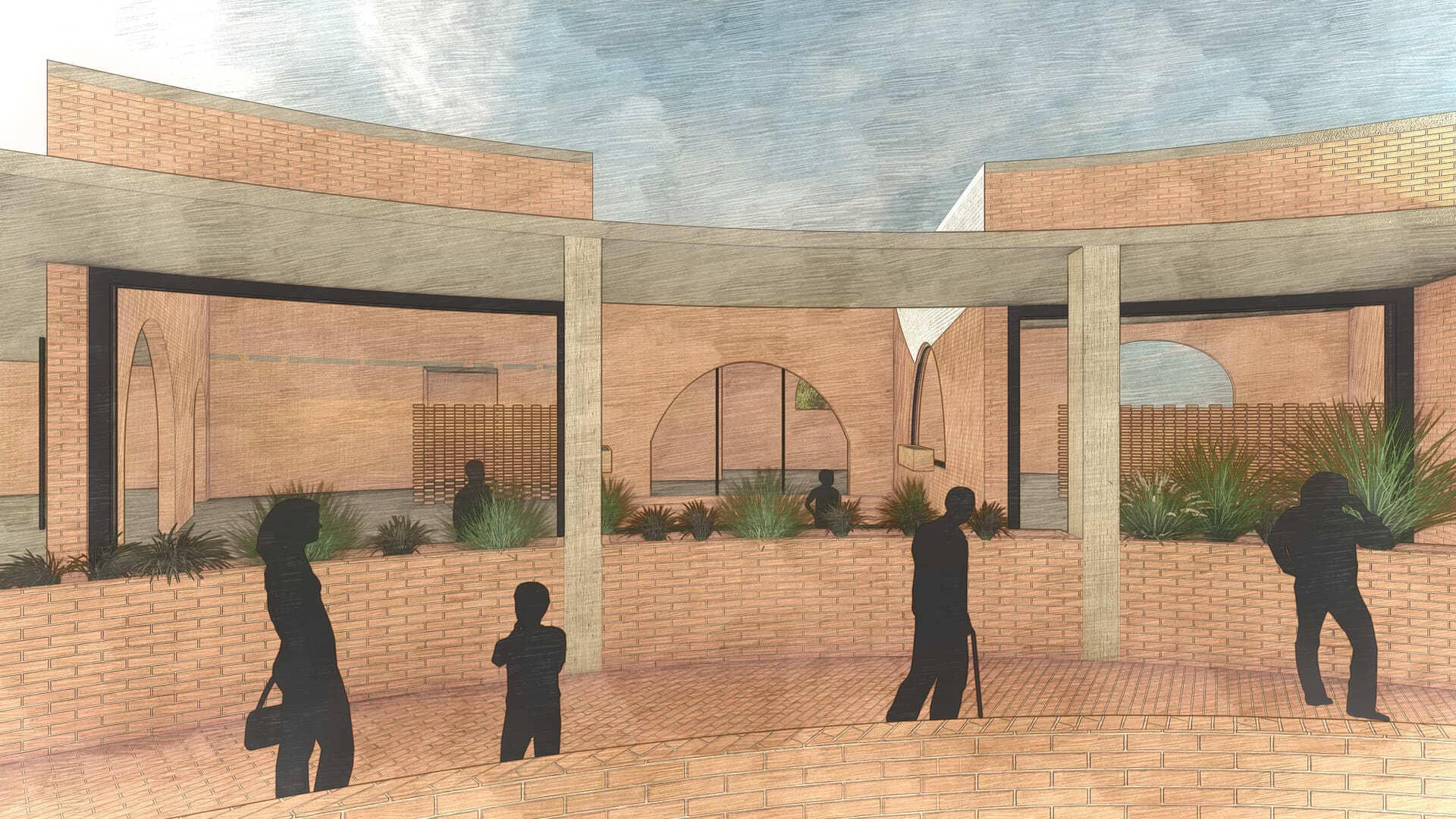
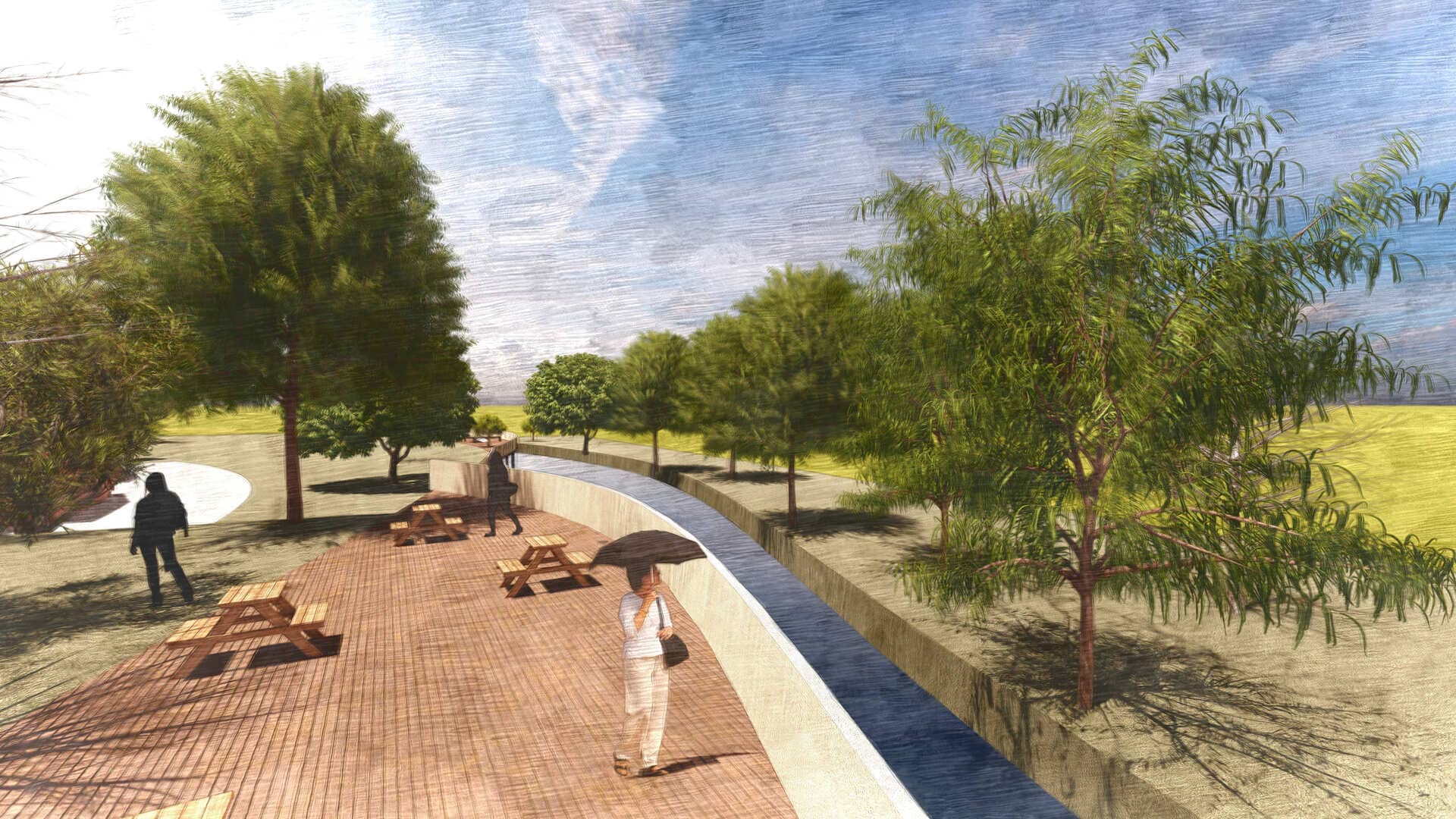
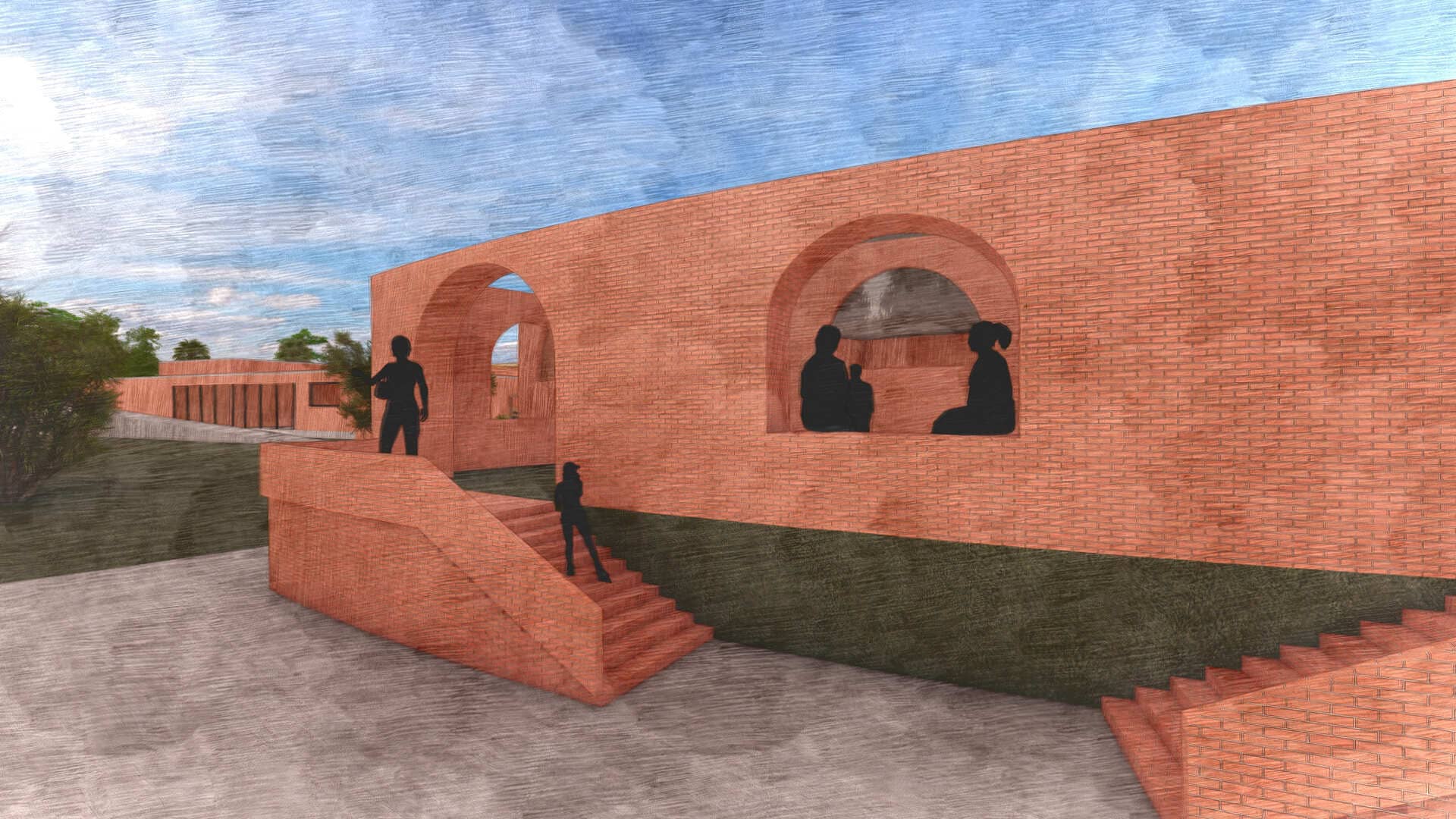
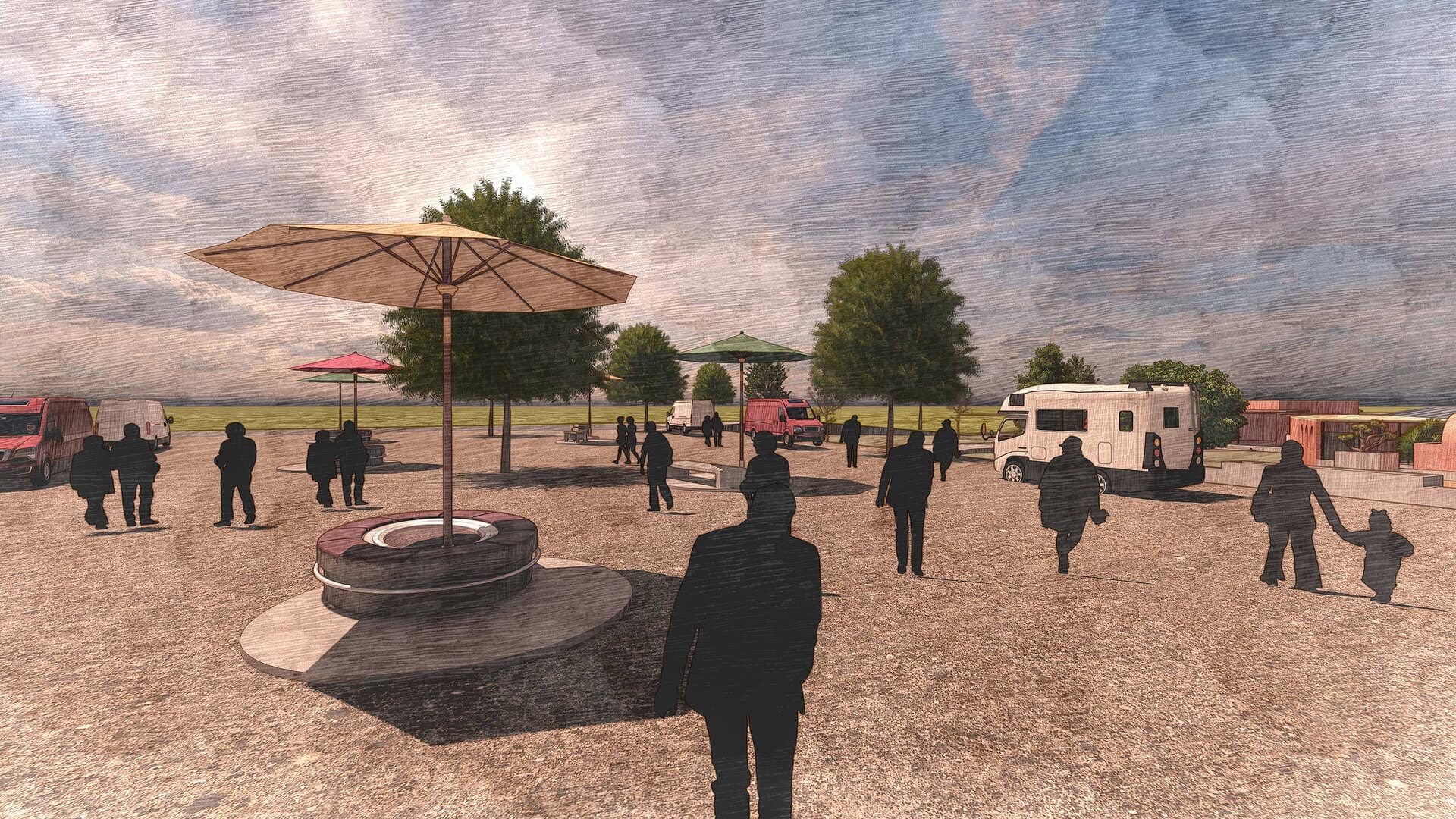
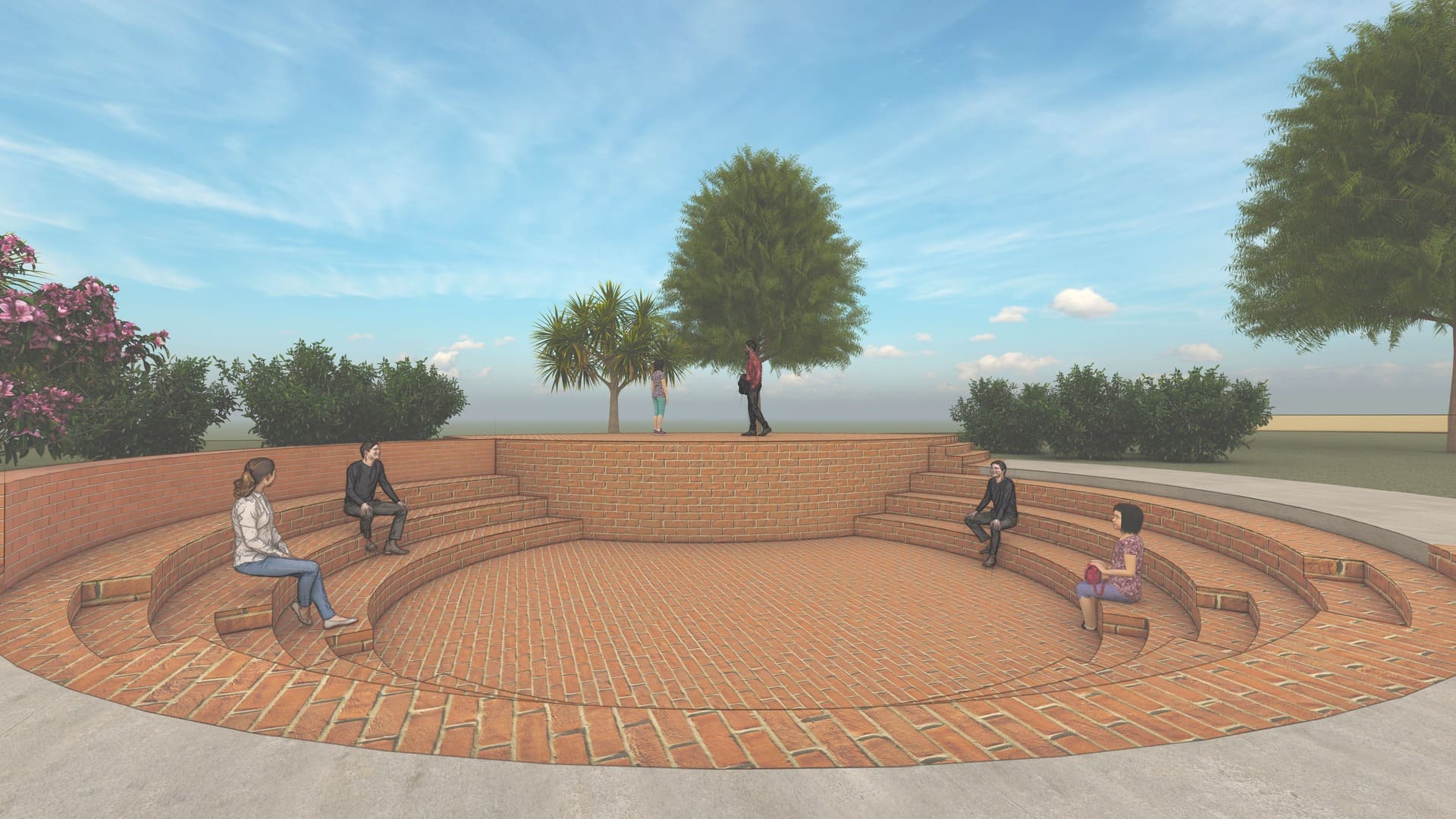
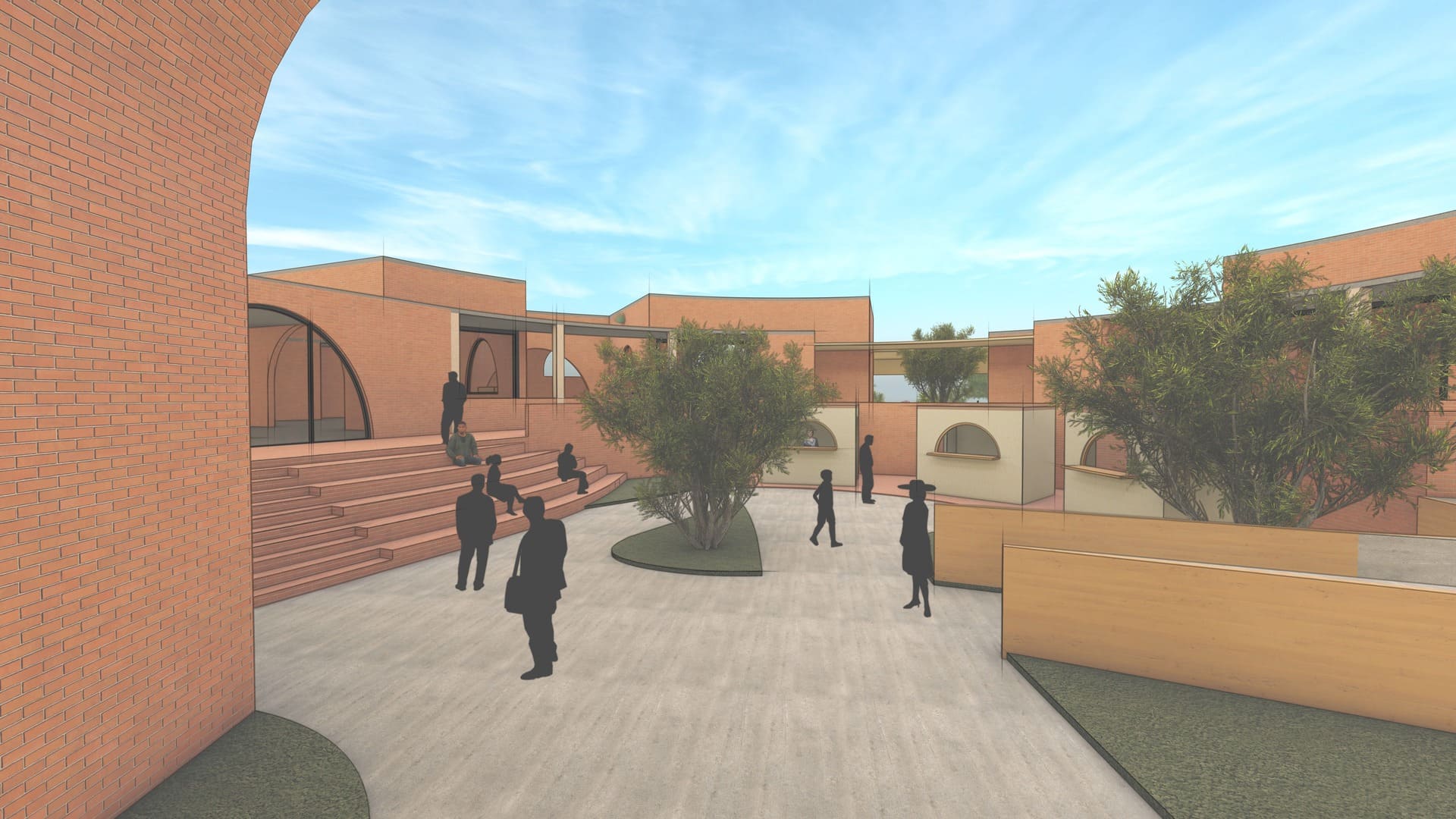
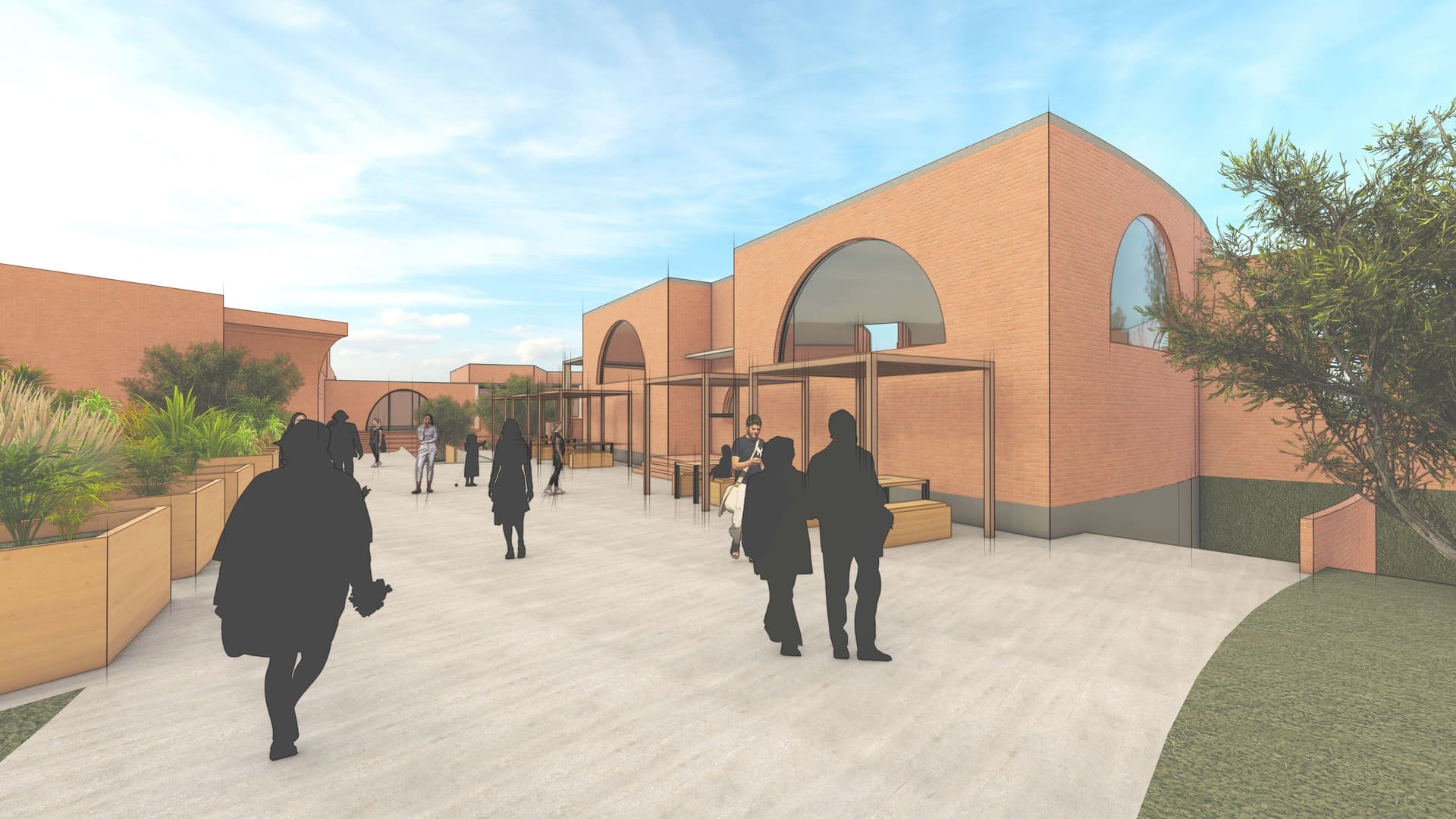
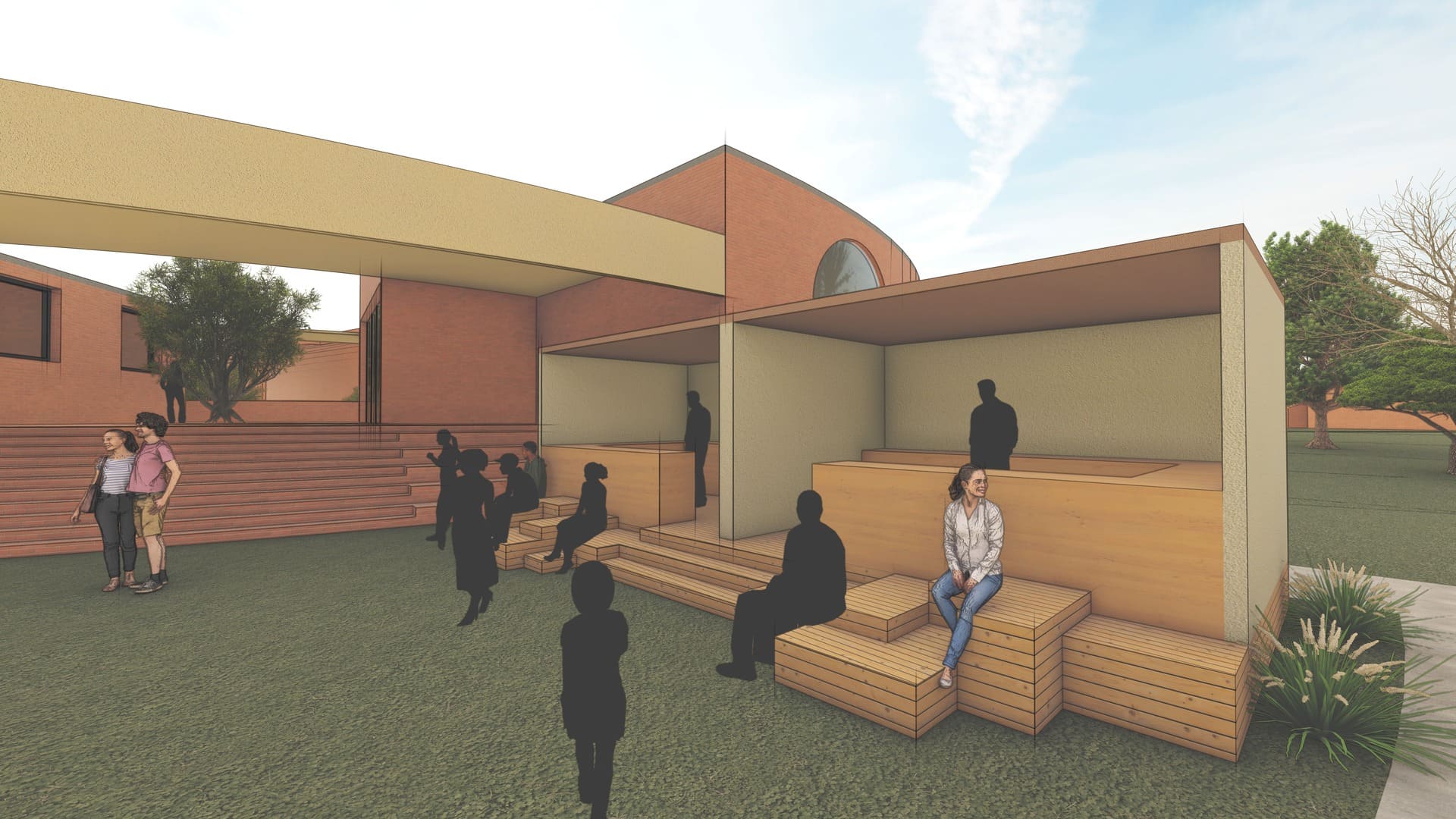
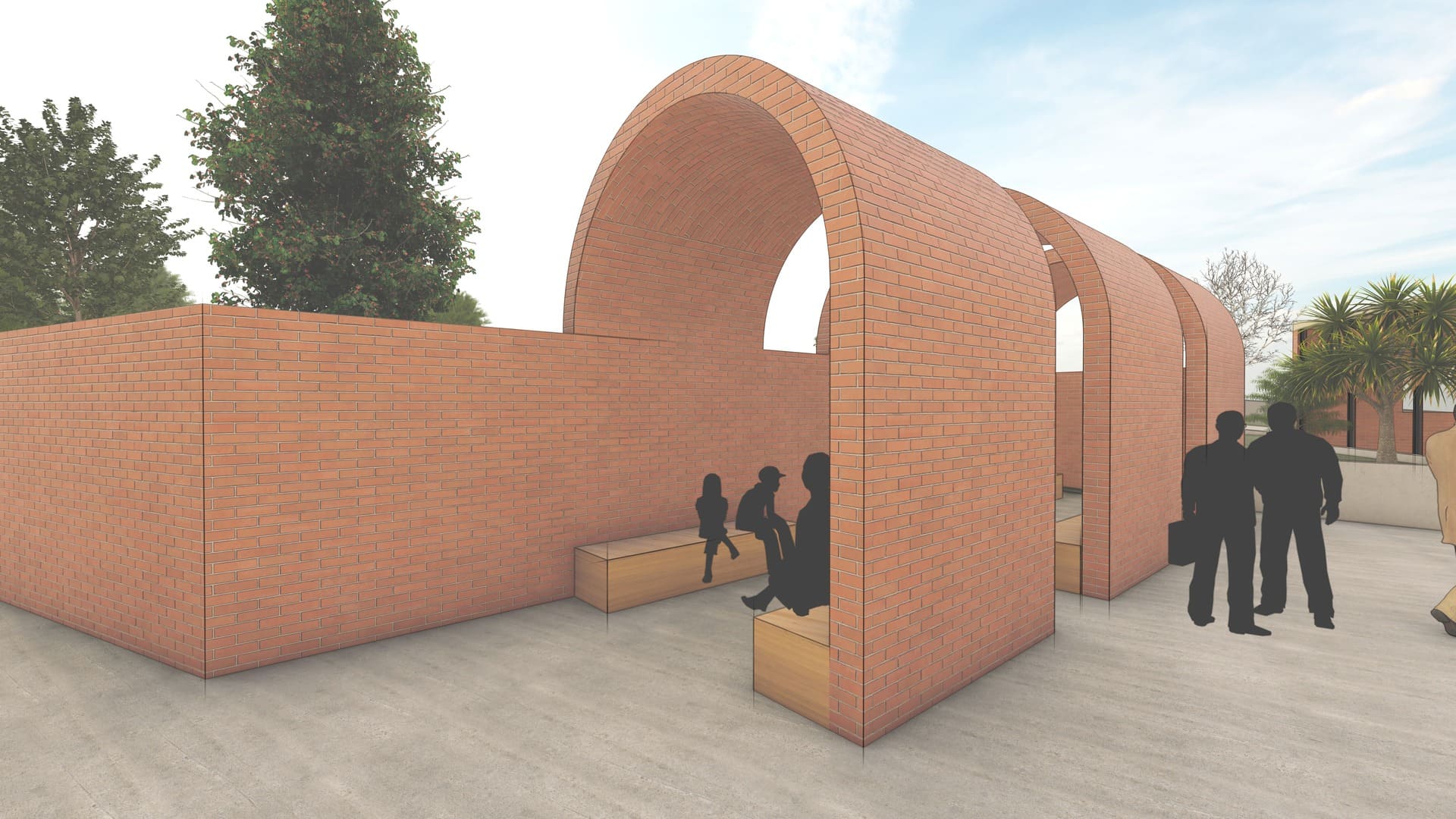
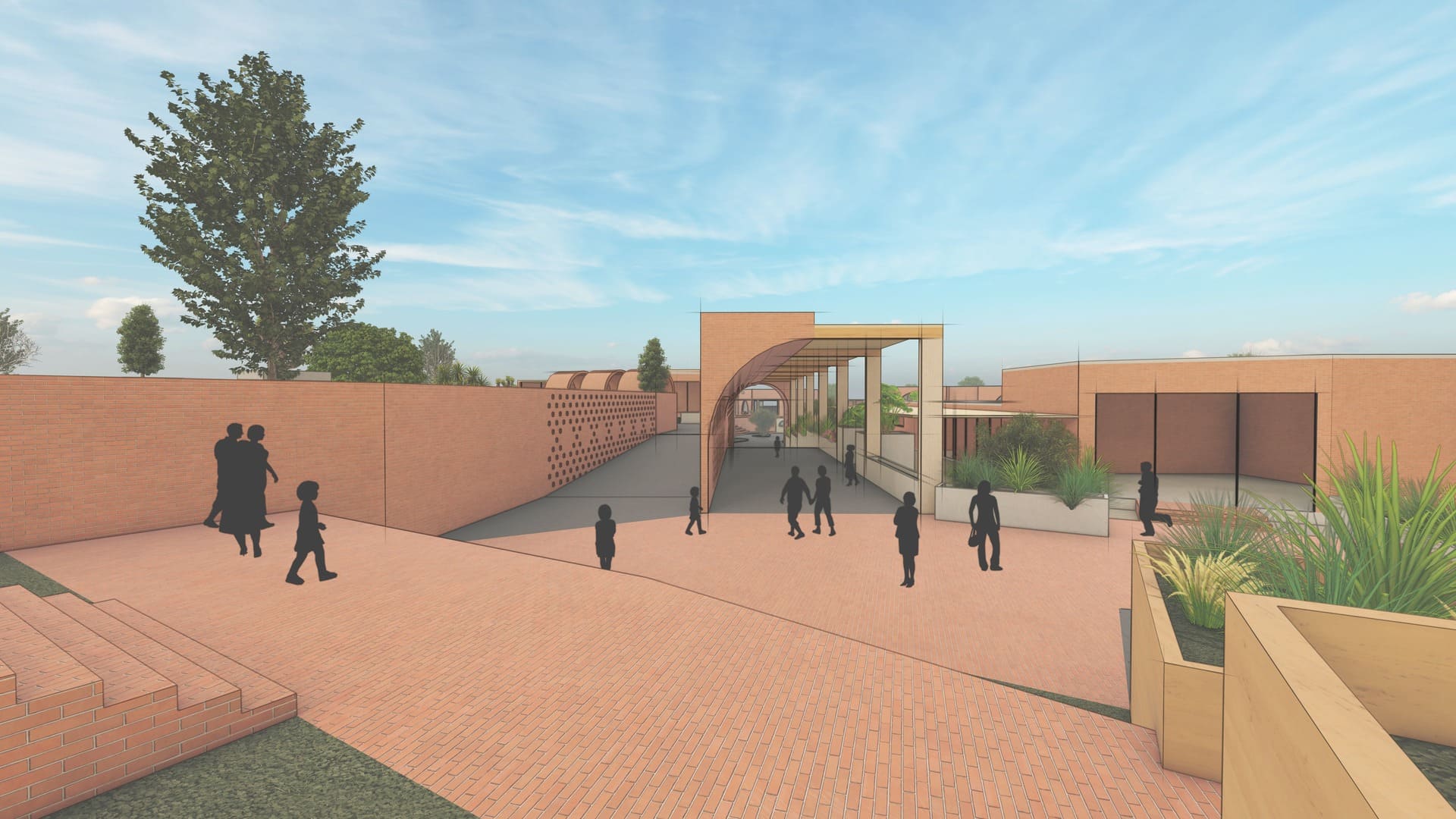
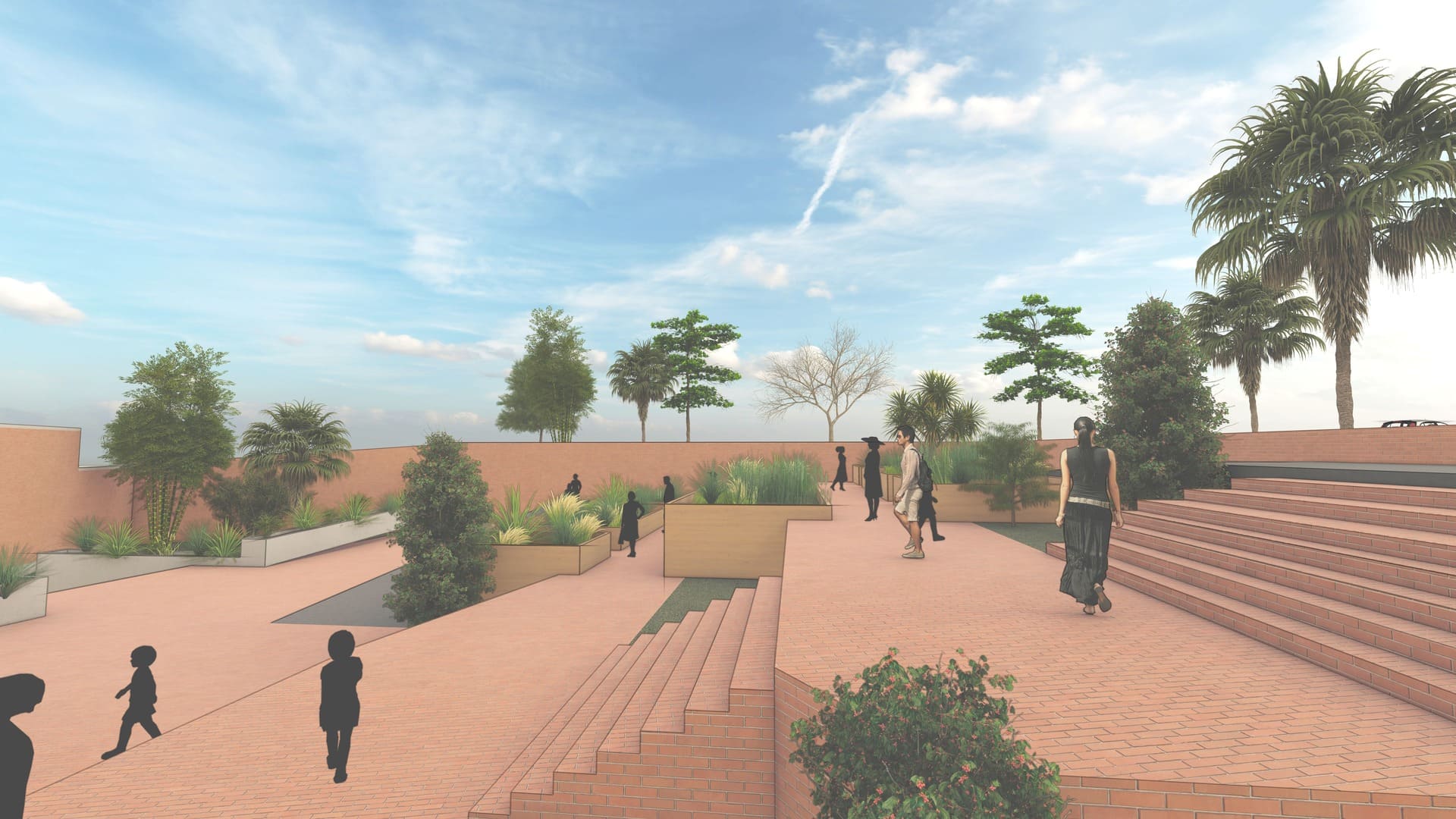
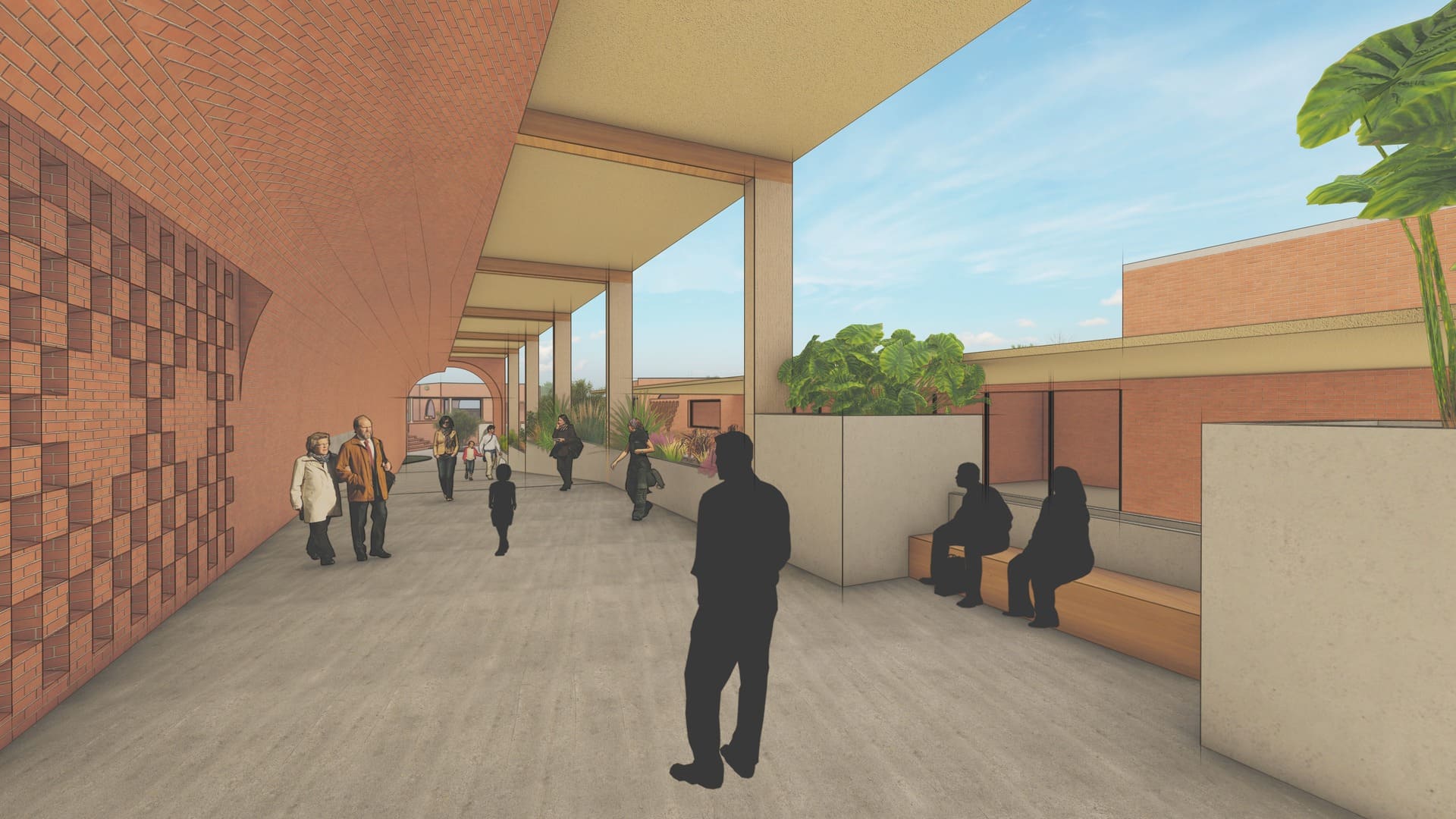
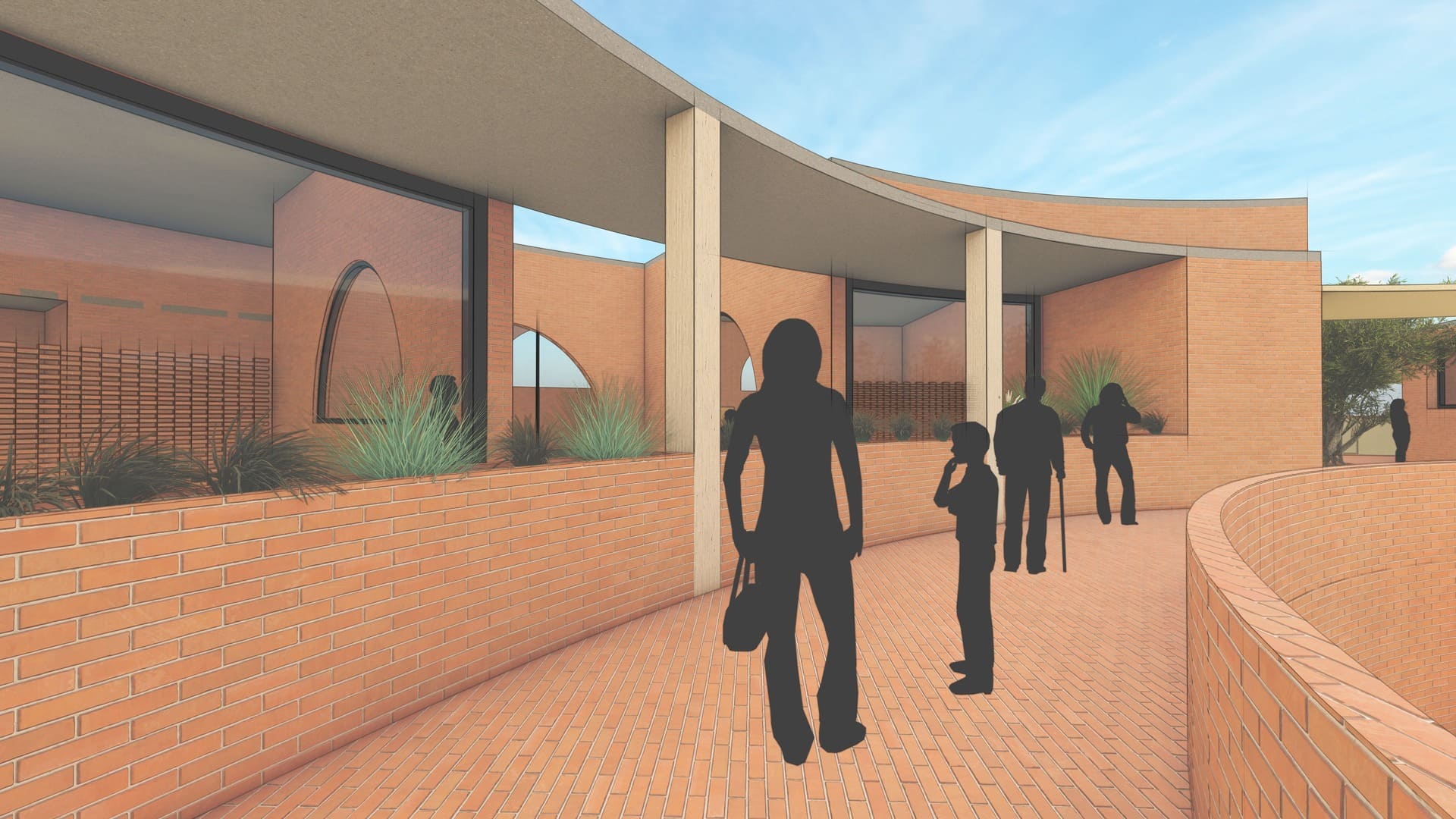
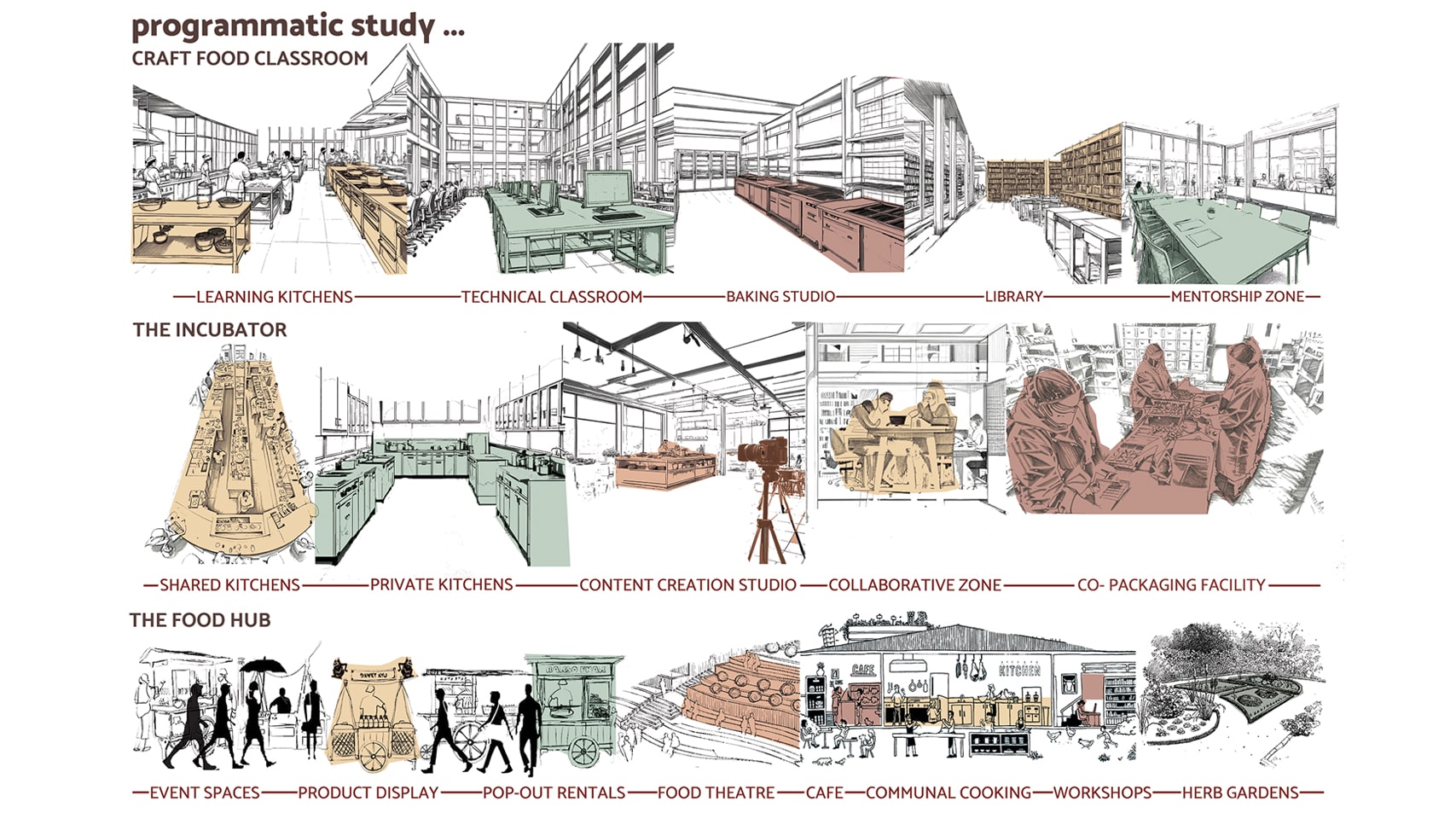
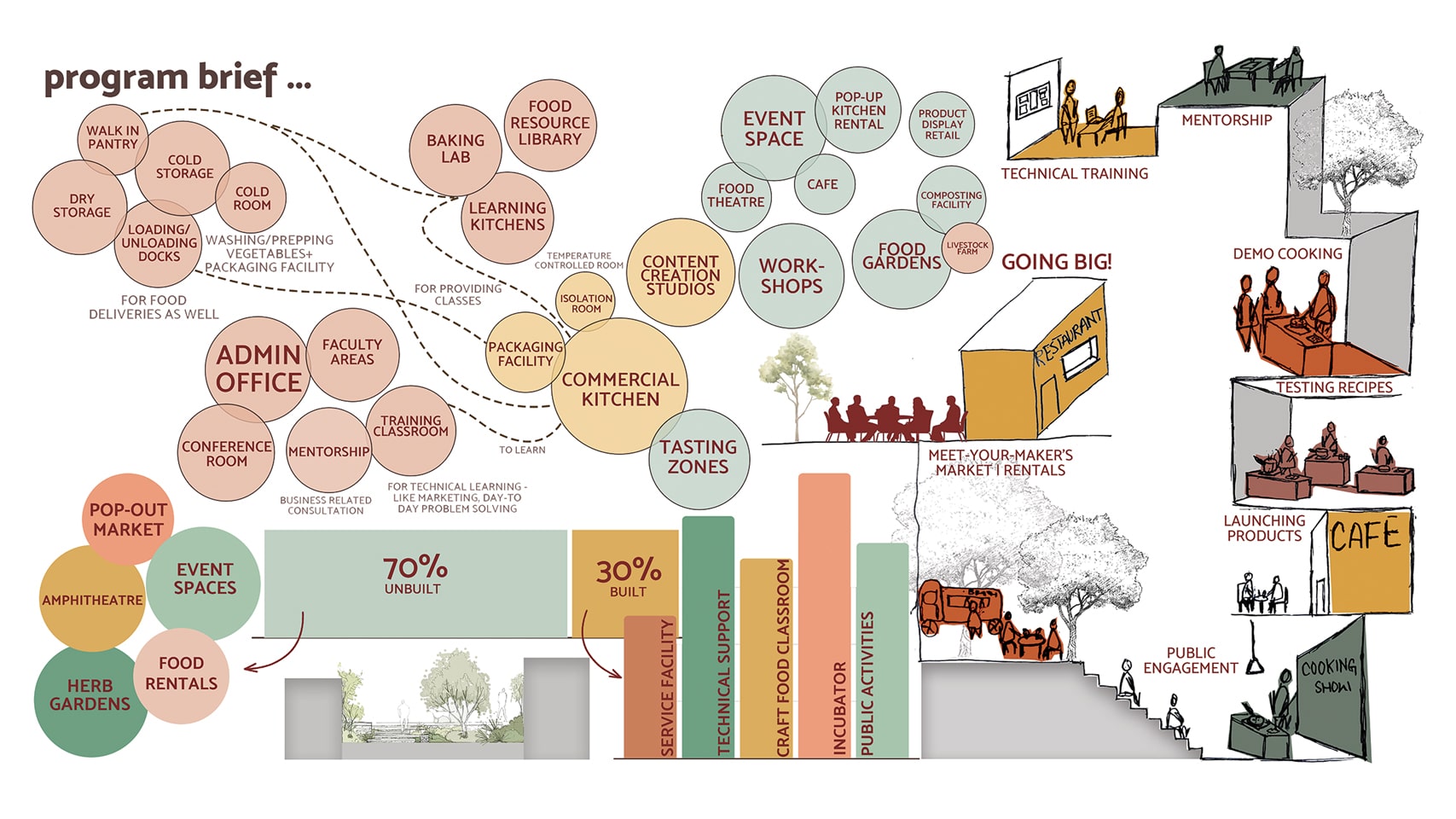
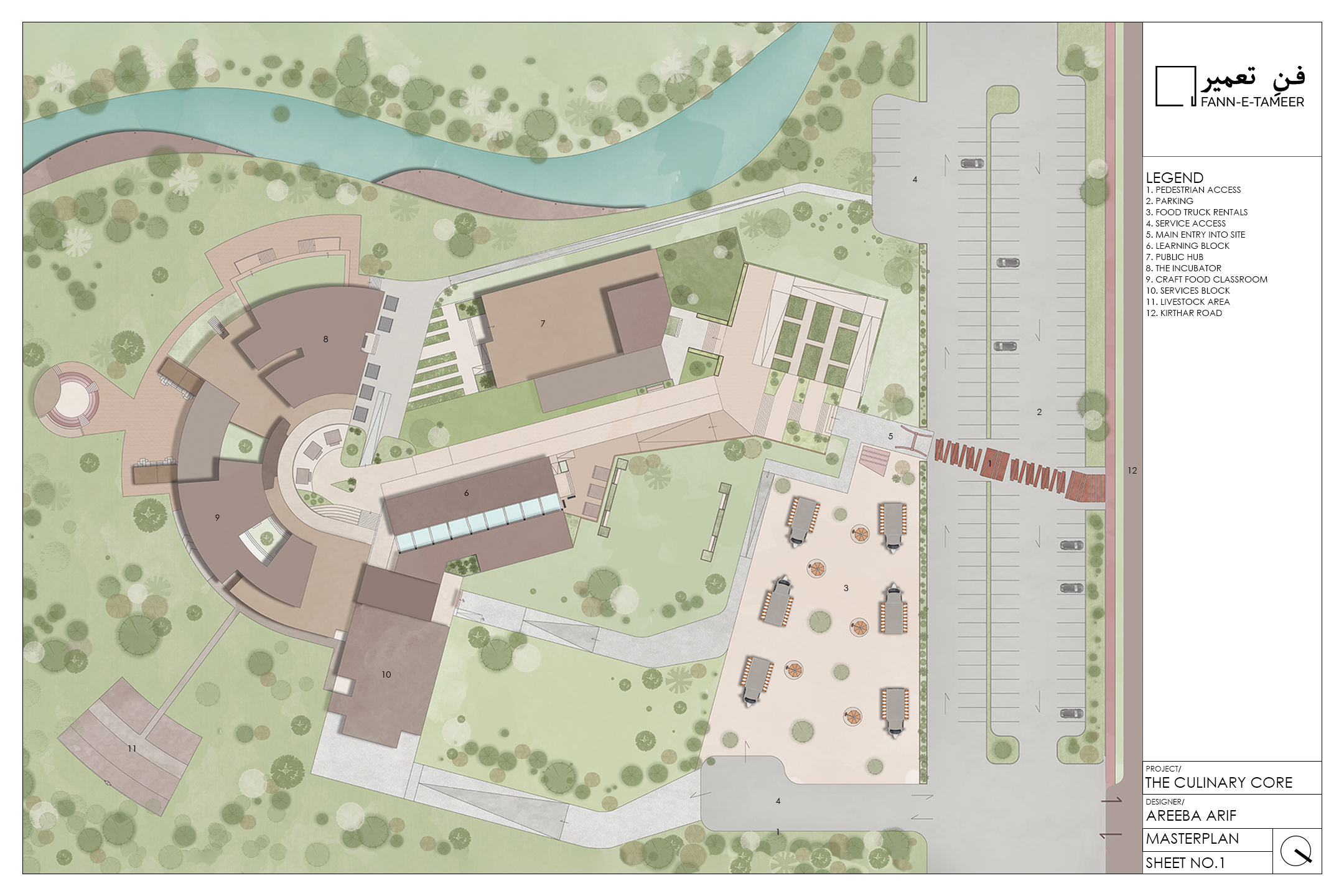
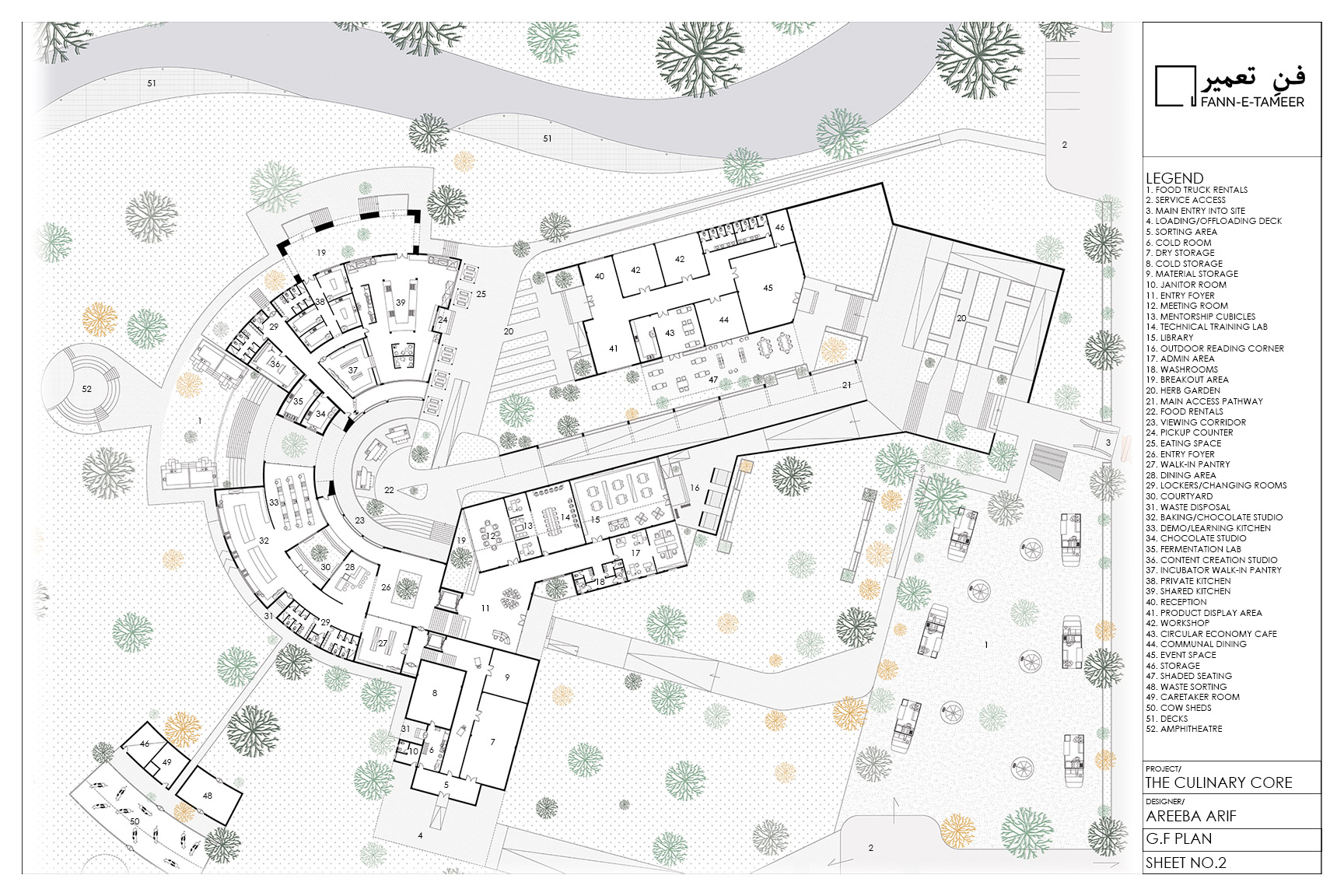
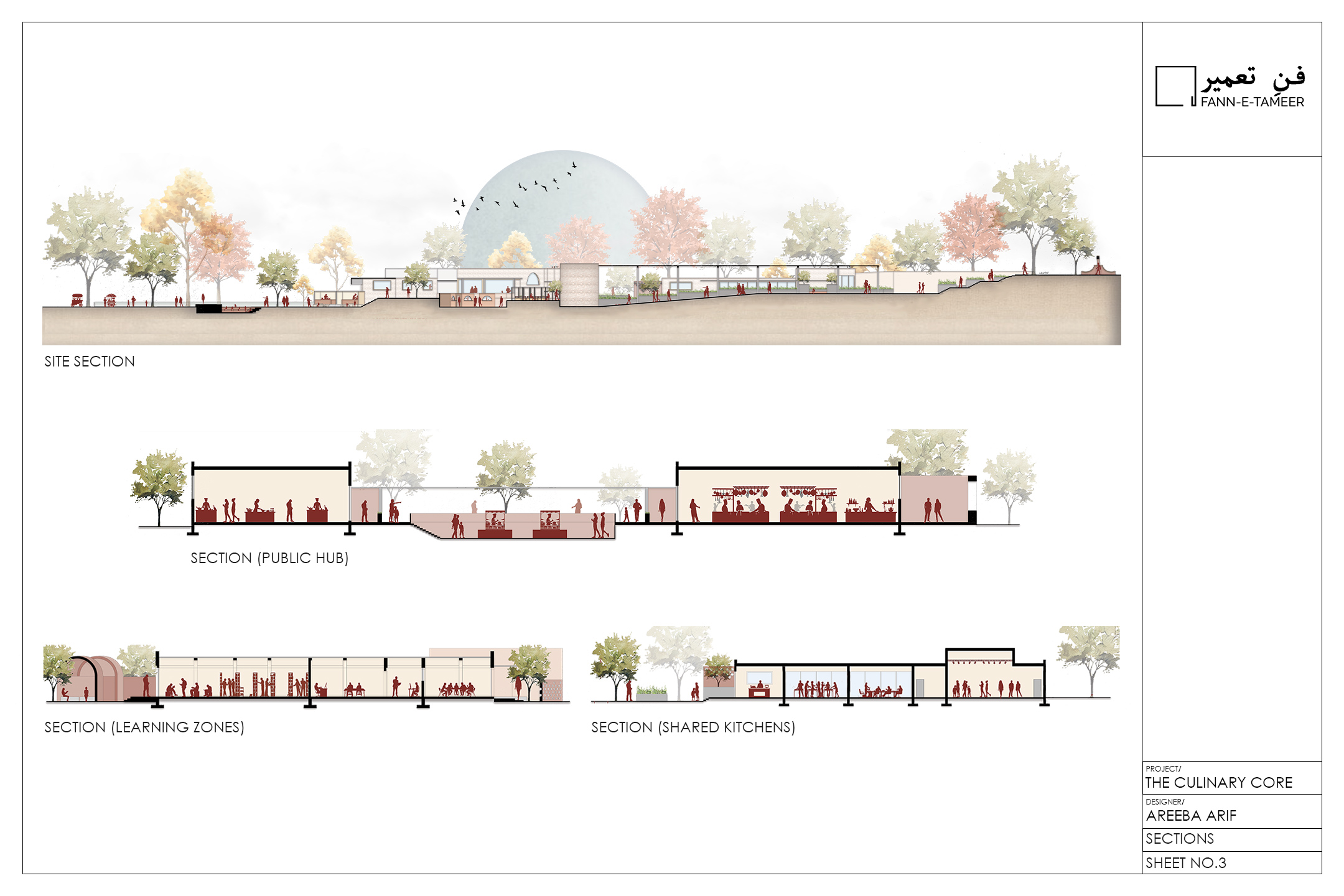
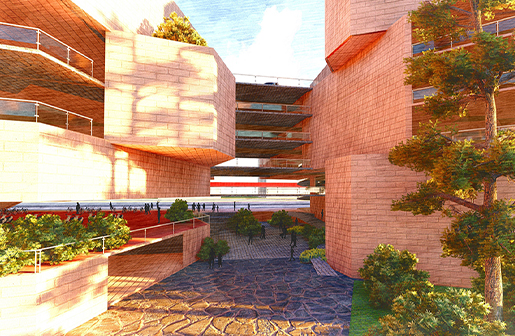
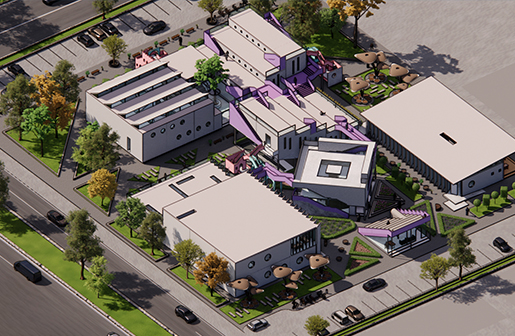
The design is articulated through three primary zones; the kitchen classroom, the incubation facility, and the public hub. The kitchen classroom houses technical and practical learning studios, a culinary-focused library, and demonstration spaces. Designed for creators to develop, test, and launch their food products, the incubation wing integrates shared kitchens, private kitchens, and content creation studios to support various scales of entrepreneurship. The public hub serves as a dynamic, interactive space comprising product display zones, communal kitchens, workshop spaces, a pop-up marketplace, and event areas, encouraging direct consumer engagement with the food production process.
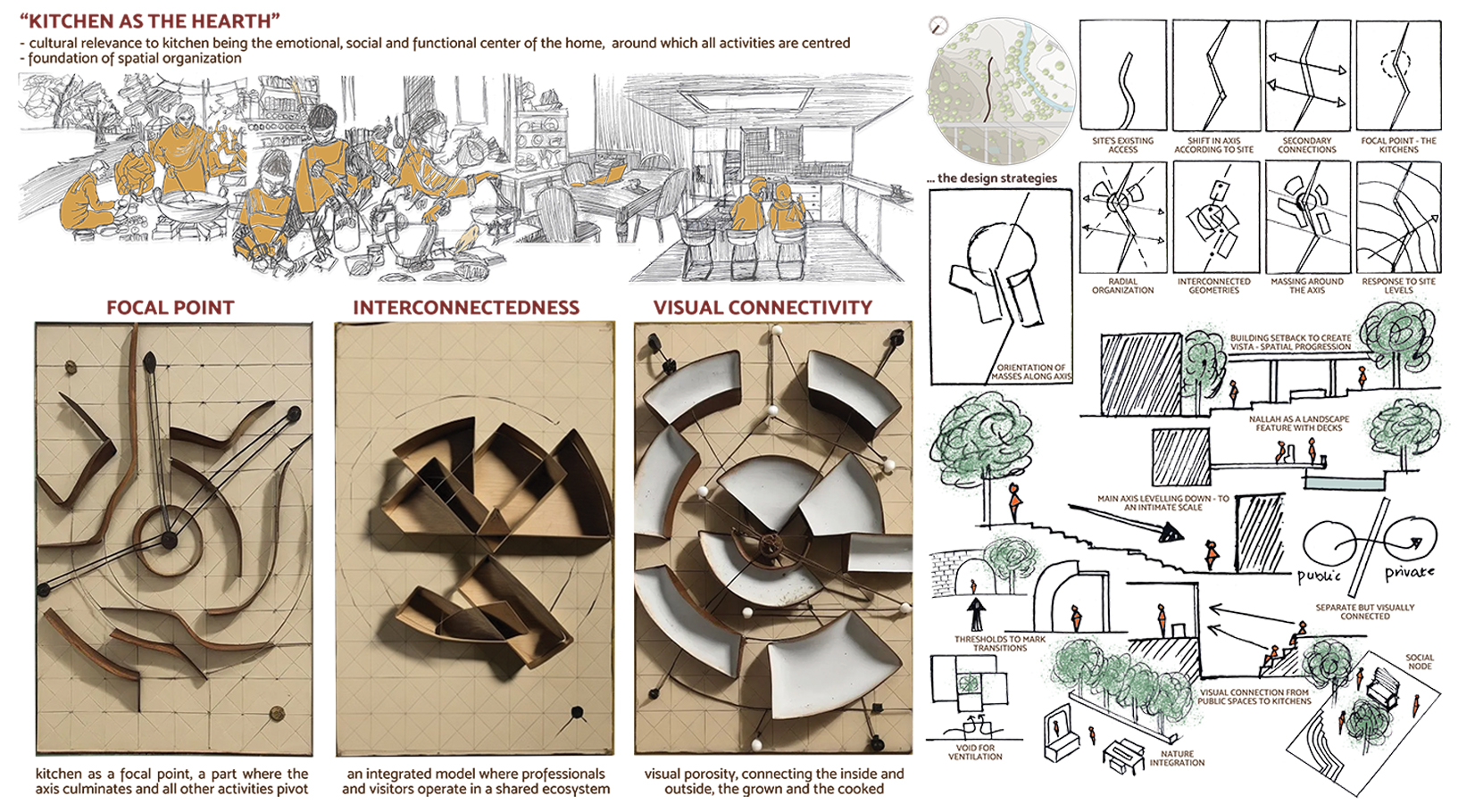
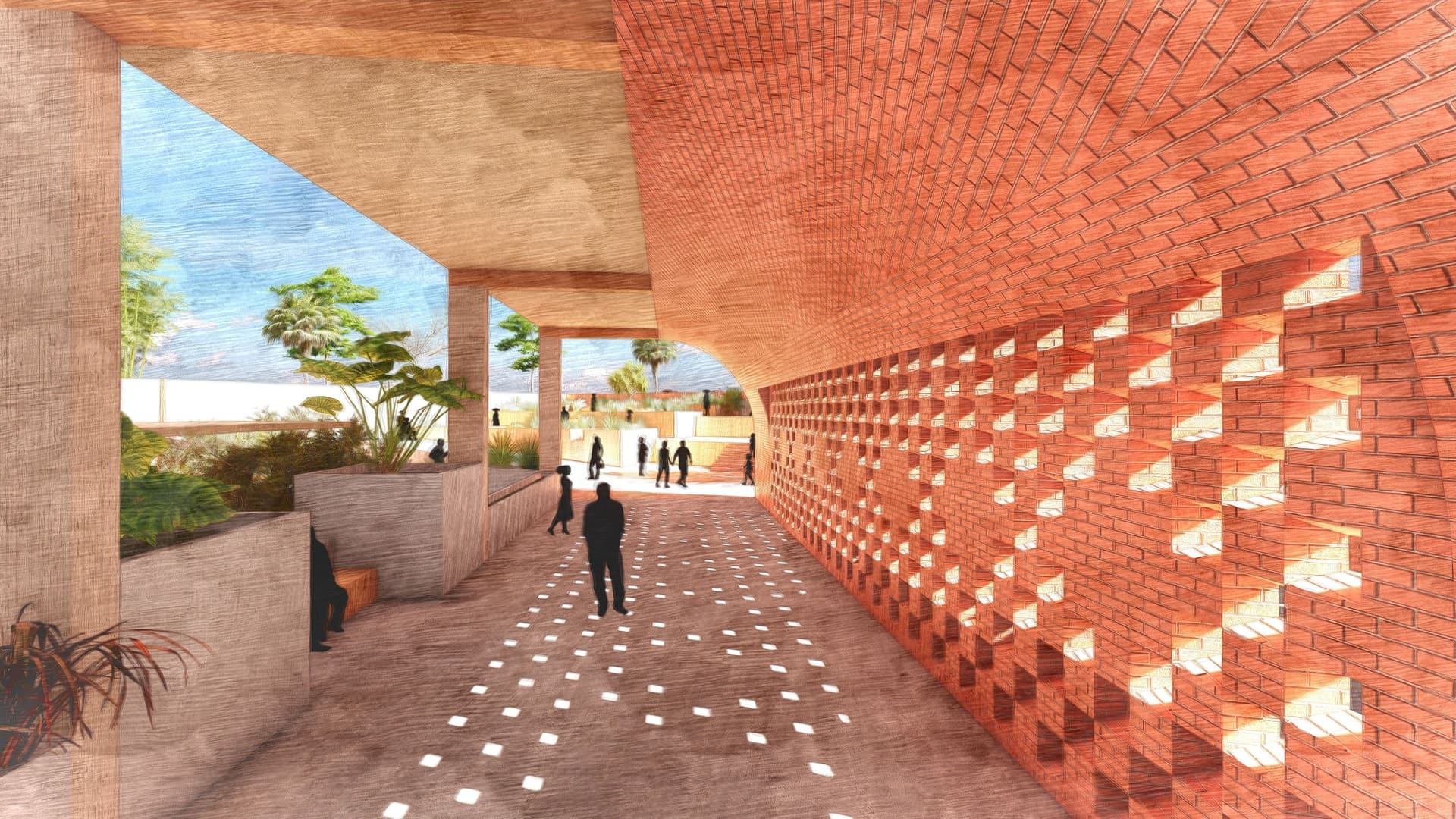
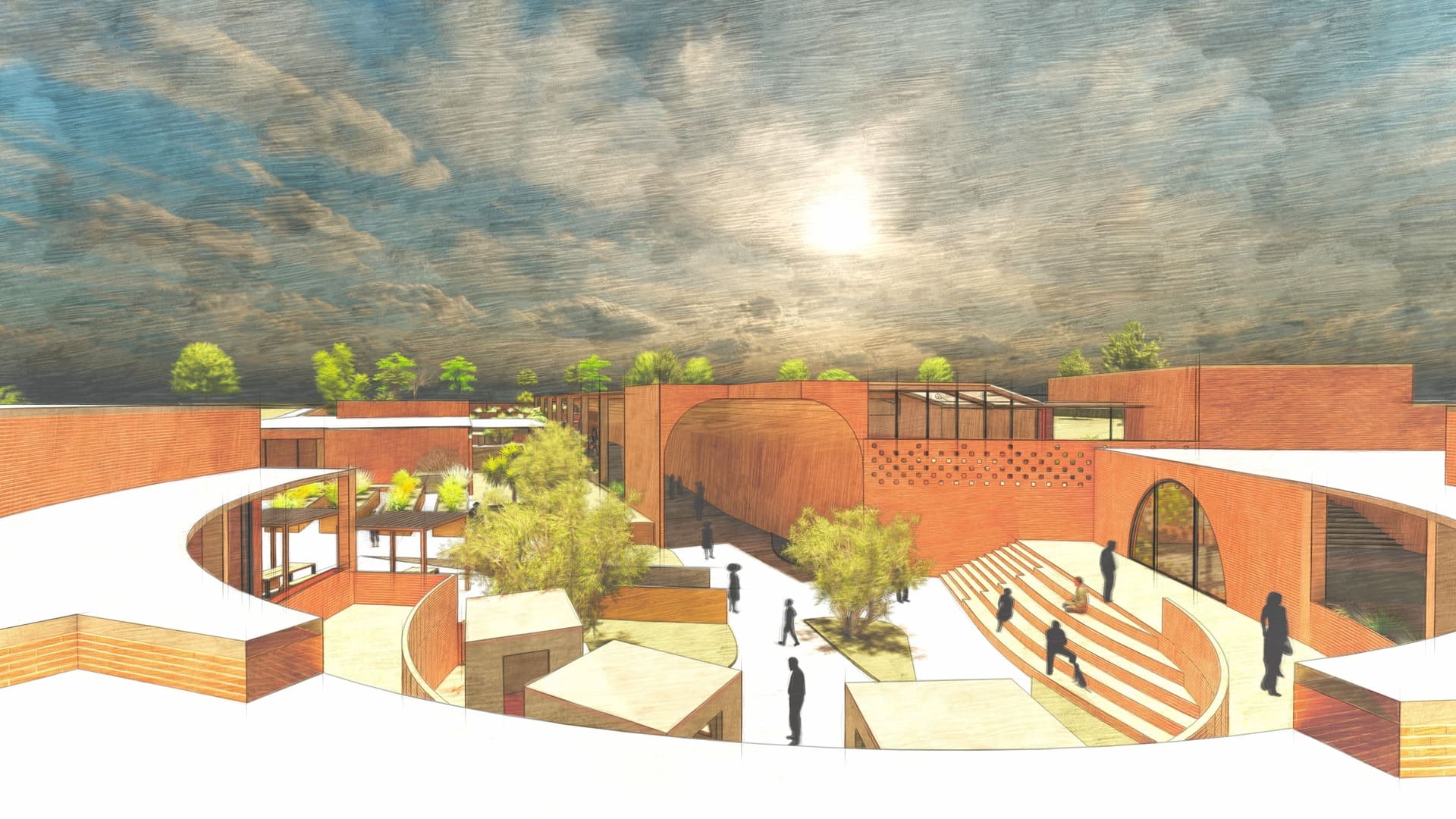
The architectural proposal is structured around a central node, with kitchens around it. It acts as a multifunctional heart of the project that defines the movement and interaction between different functional zones. This node visually connects to the shared kitchen spaces and physically extends into a gallery space, featuring tasting zones where creators can engage directly with the public. It acts as a dynamic interface for dialogue, showcasing the creative process behind food products. The central space also accommodates food rental kiosks for incubatees who have graduated from the incubation program, providing them temporary retail spaces to gain market experience and customer interaction.