Girh-e-Fazal
A multifunctional community and cultural center that aims to create architecture as an extension of memory, culture, and empathy for the people of Channan Pir.
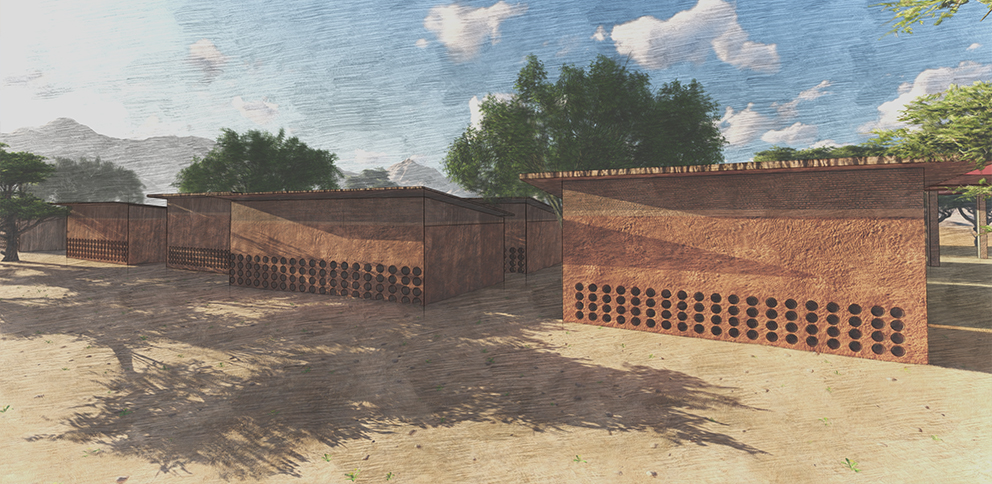
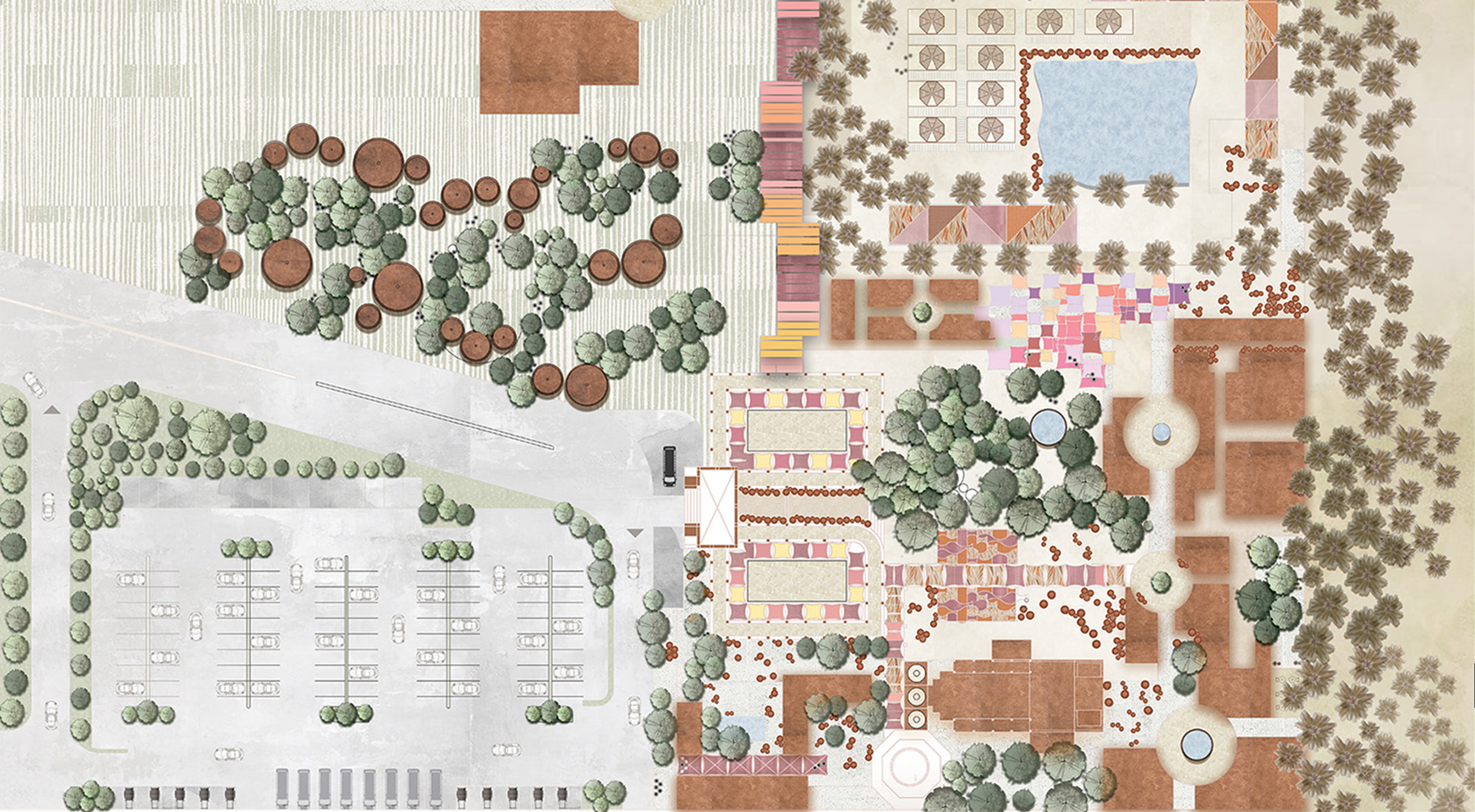
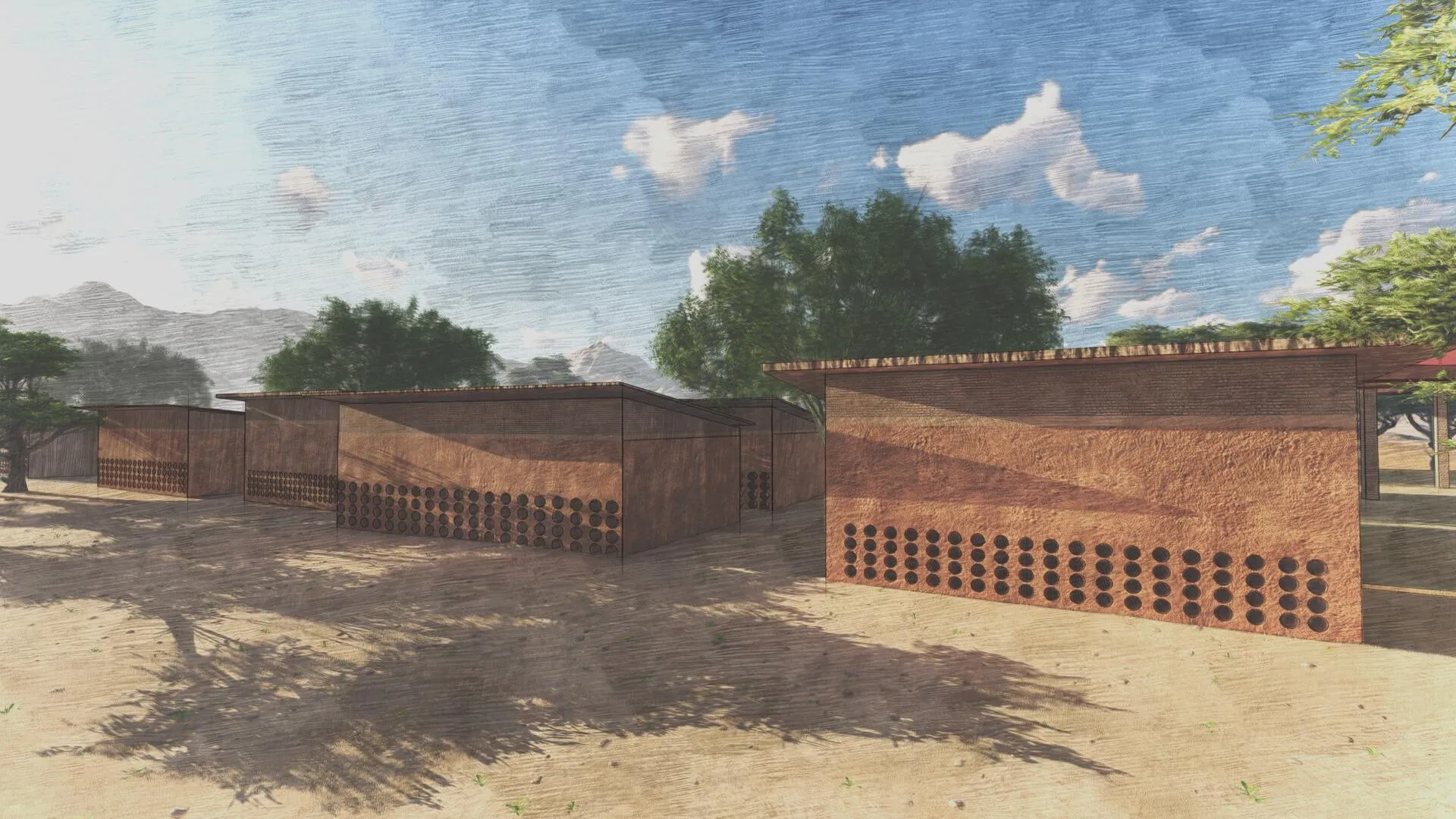
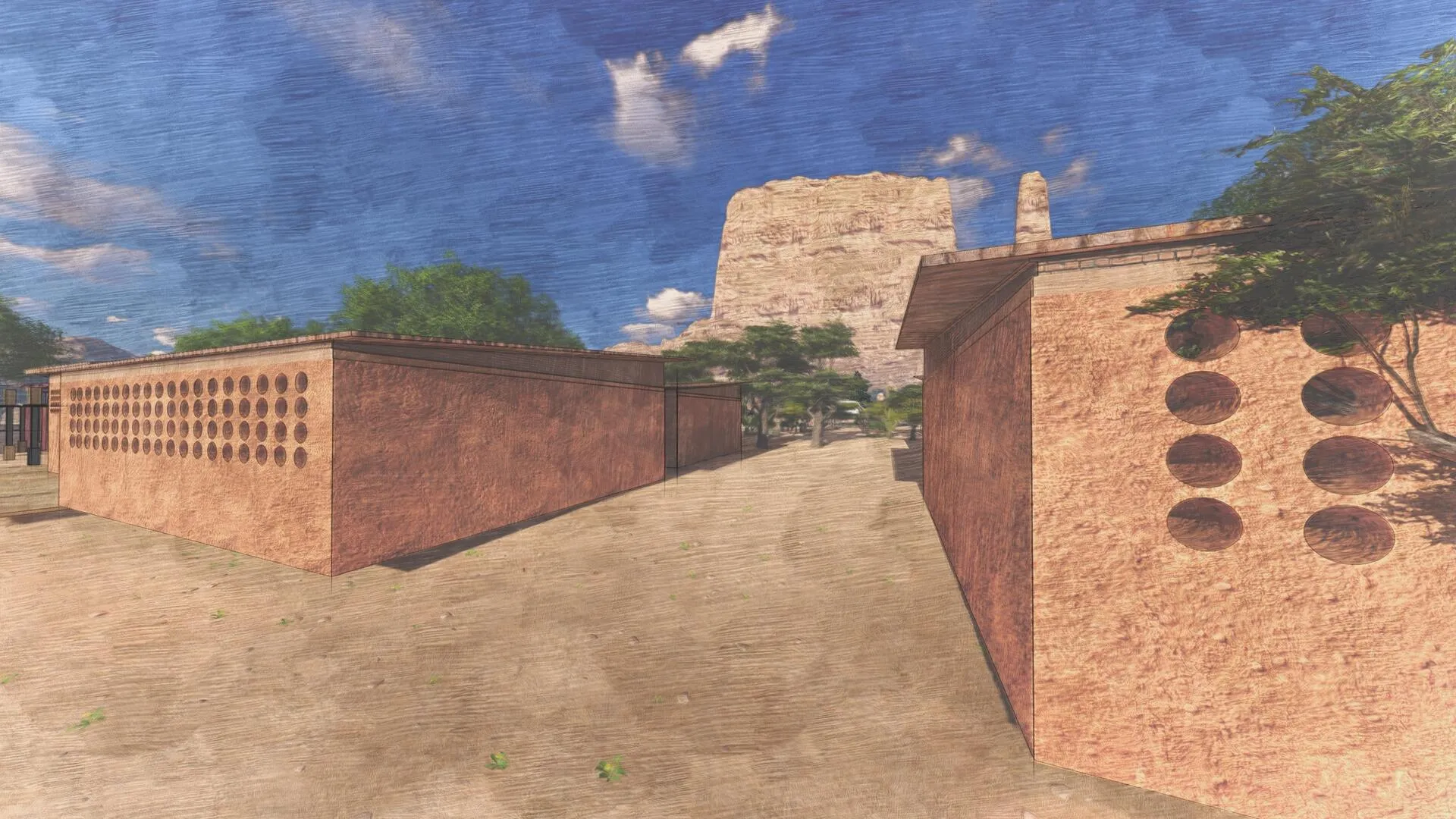
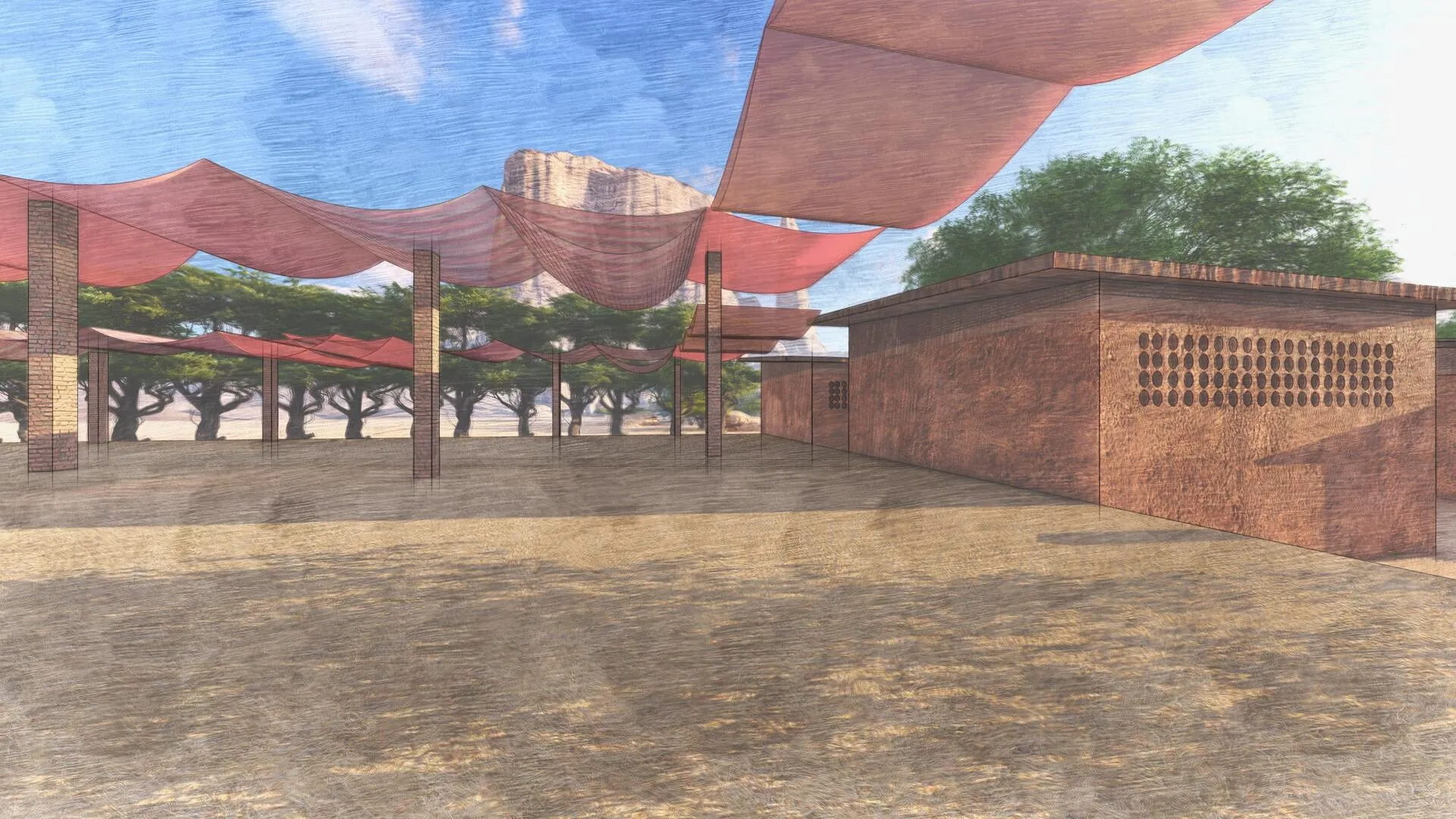
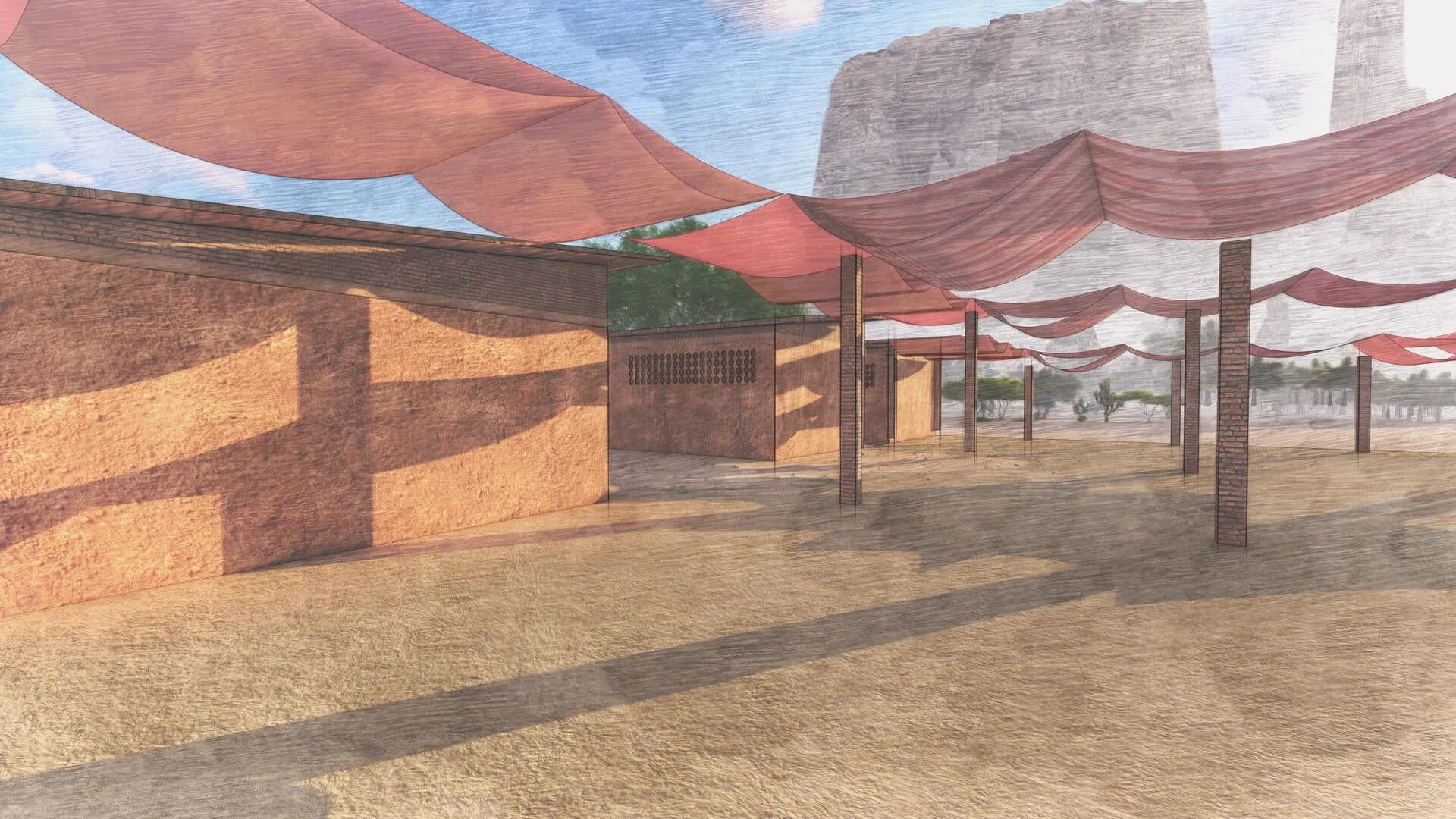
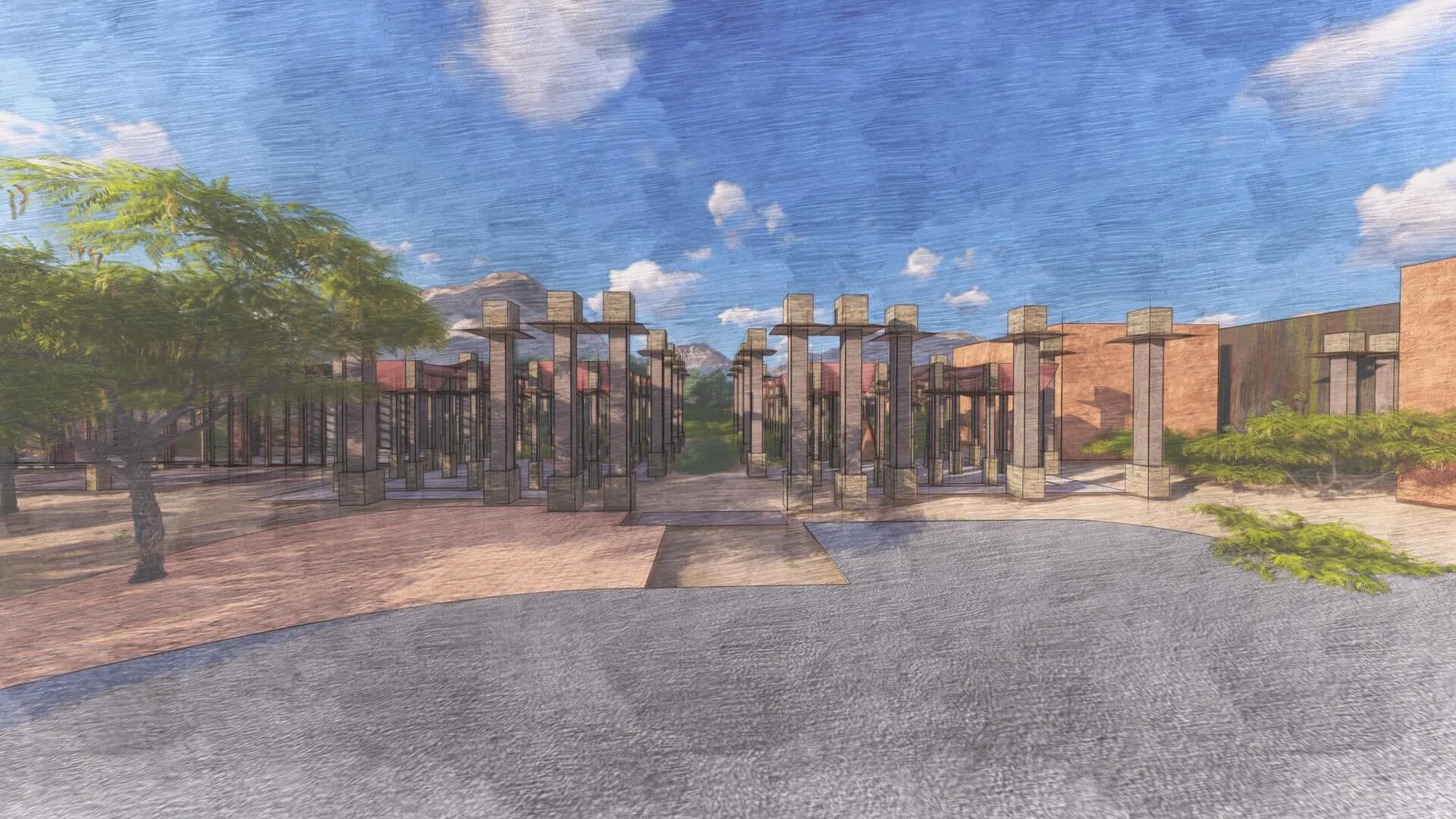
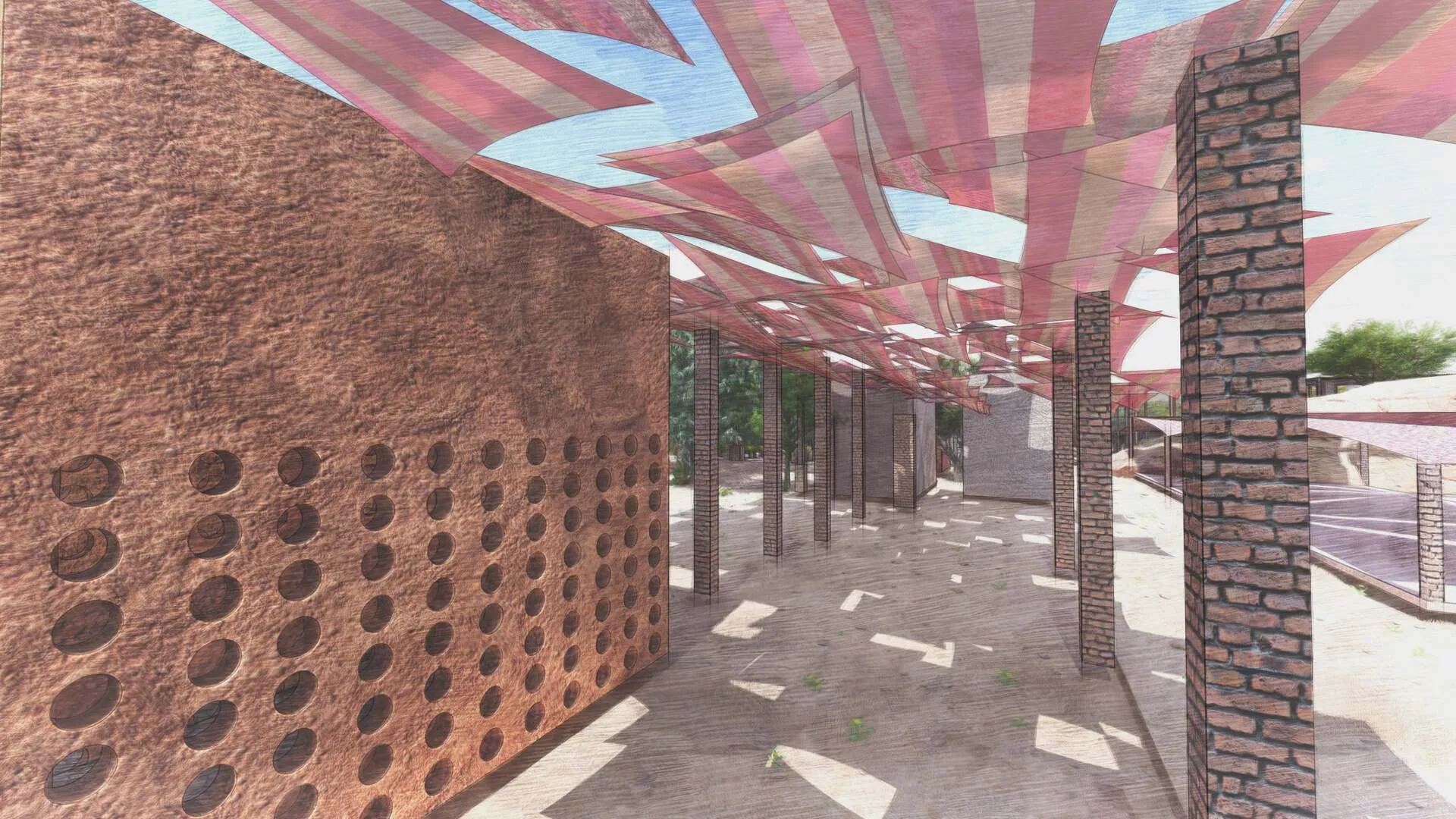
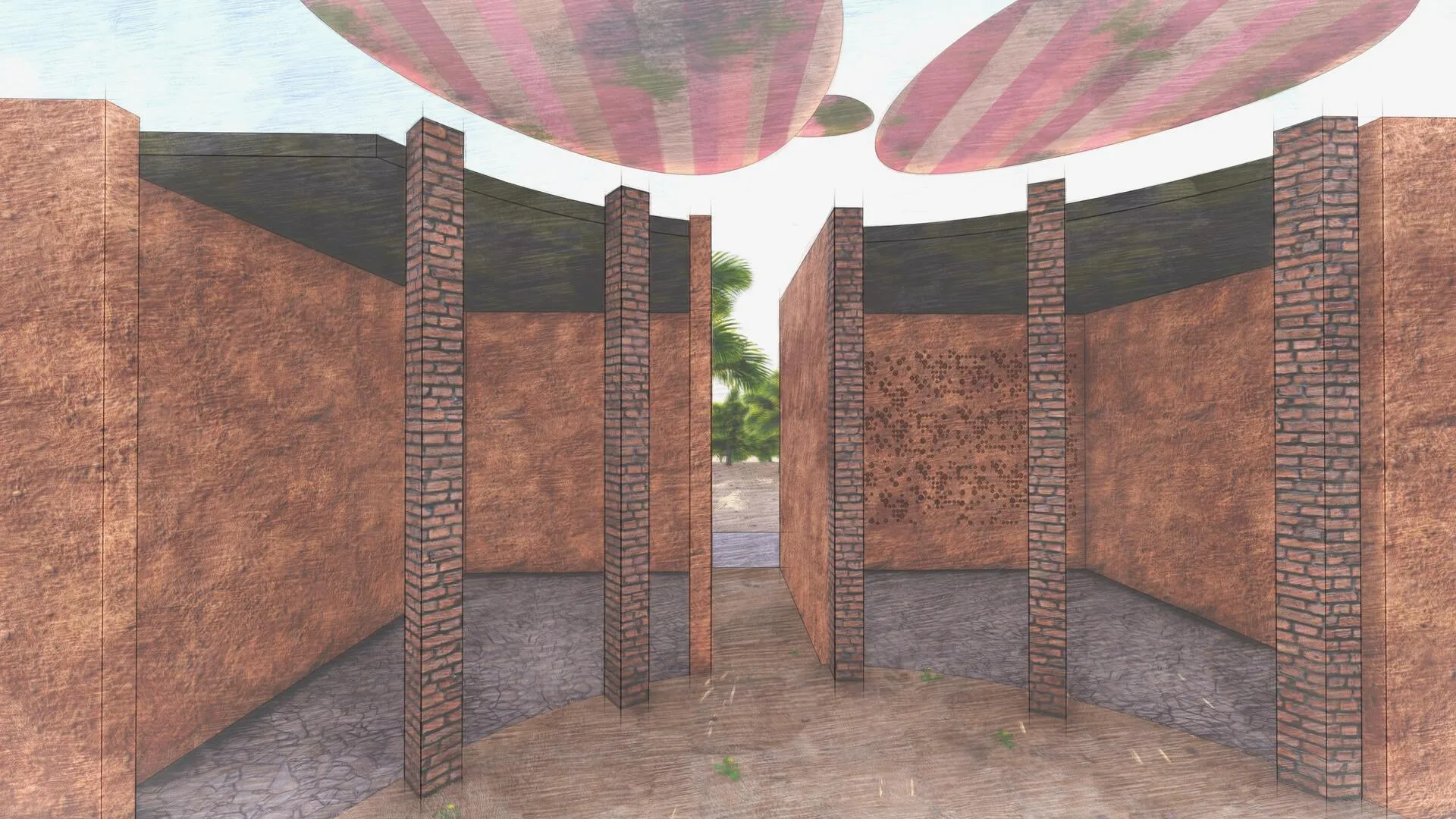
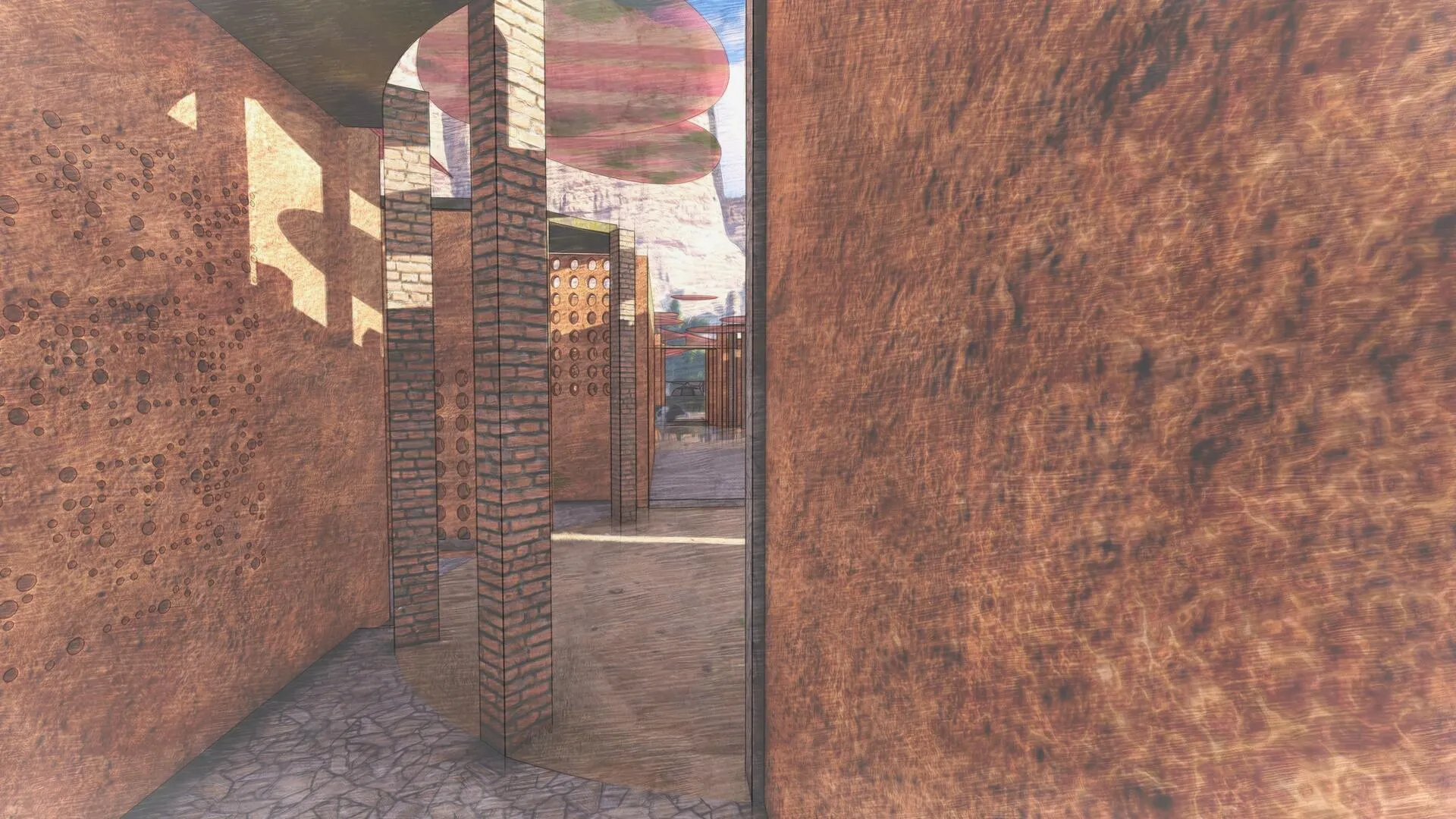
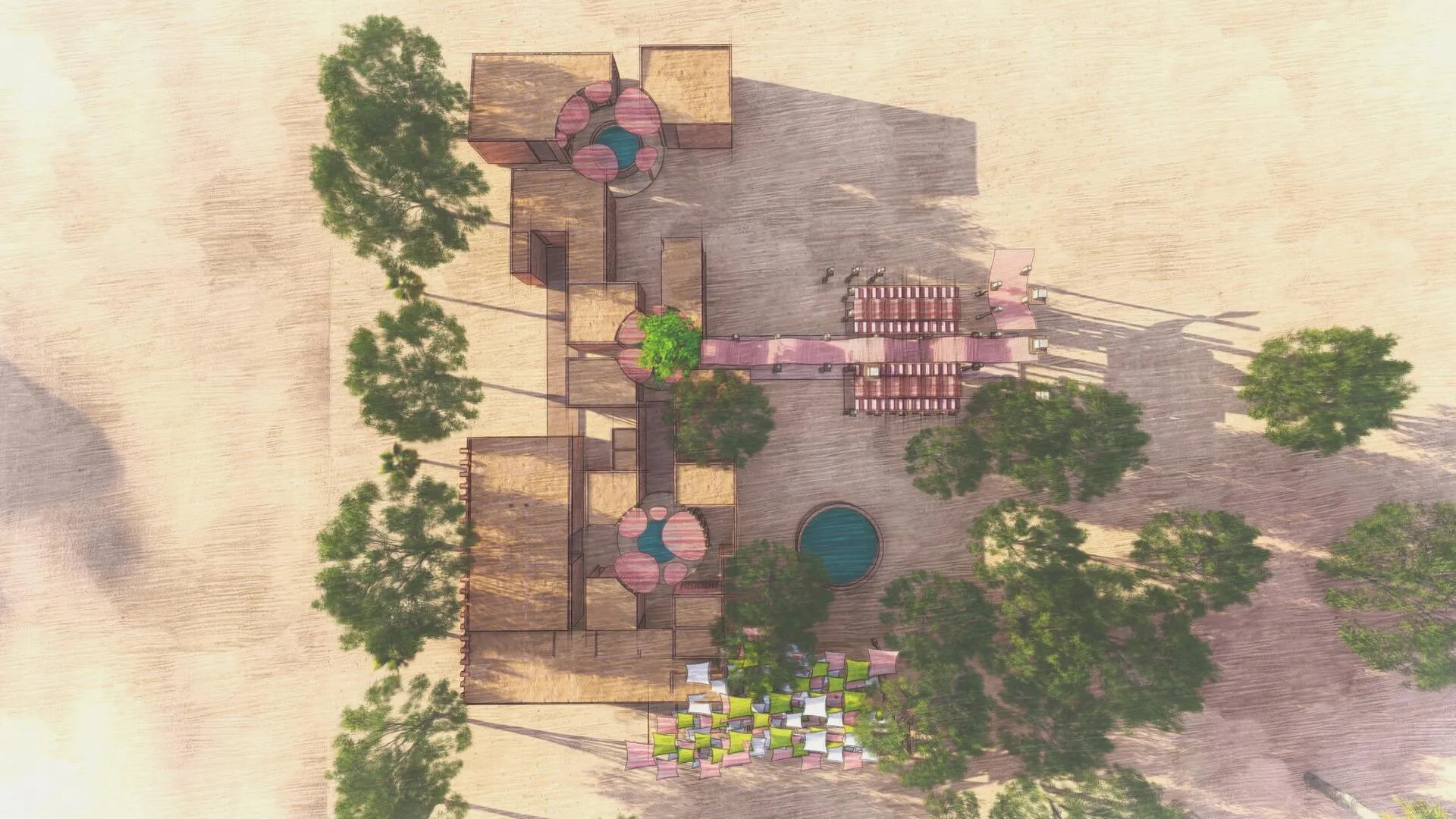
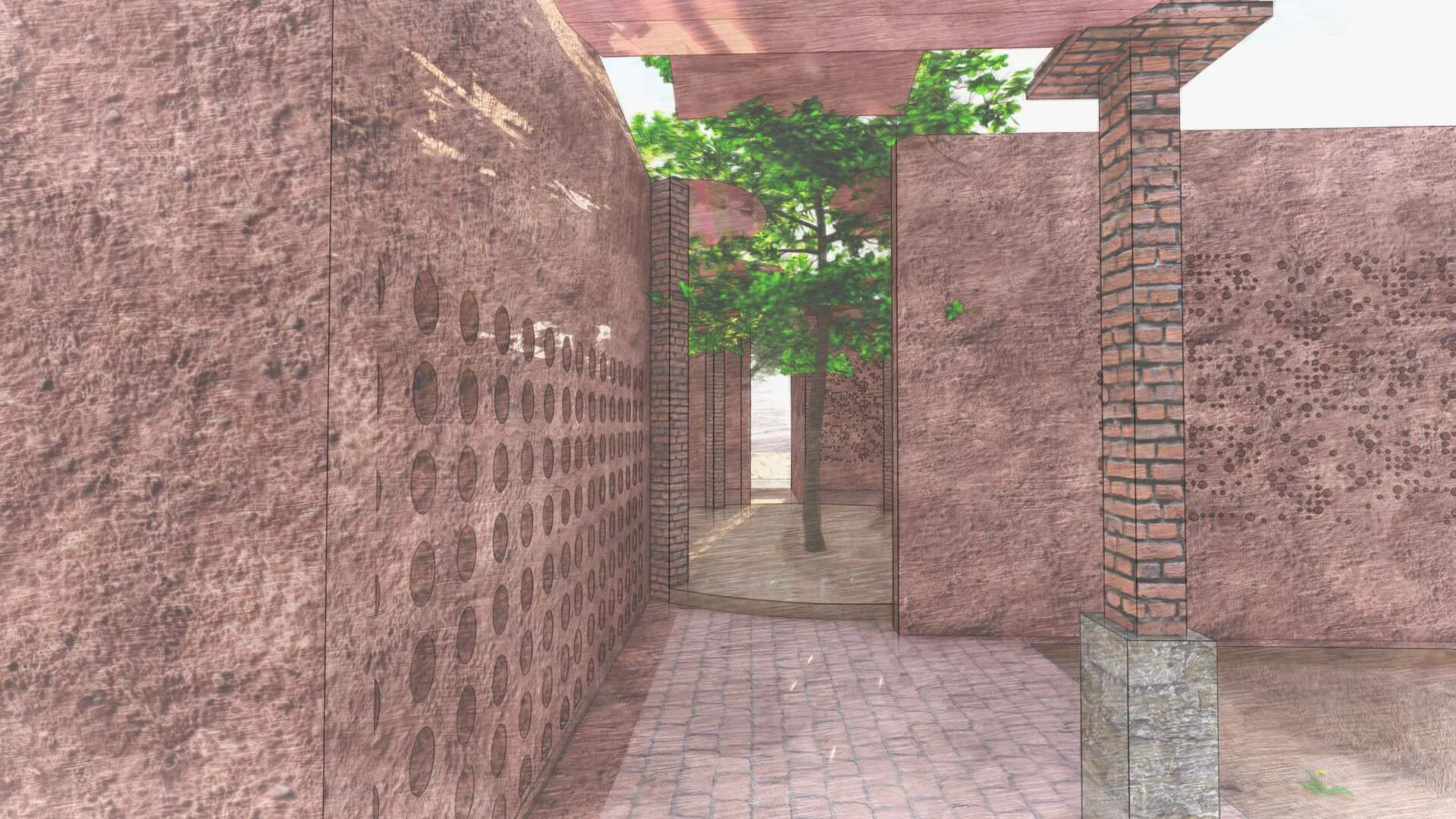
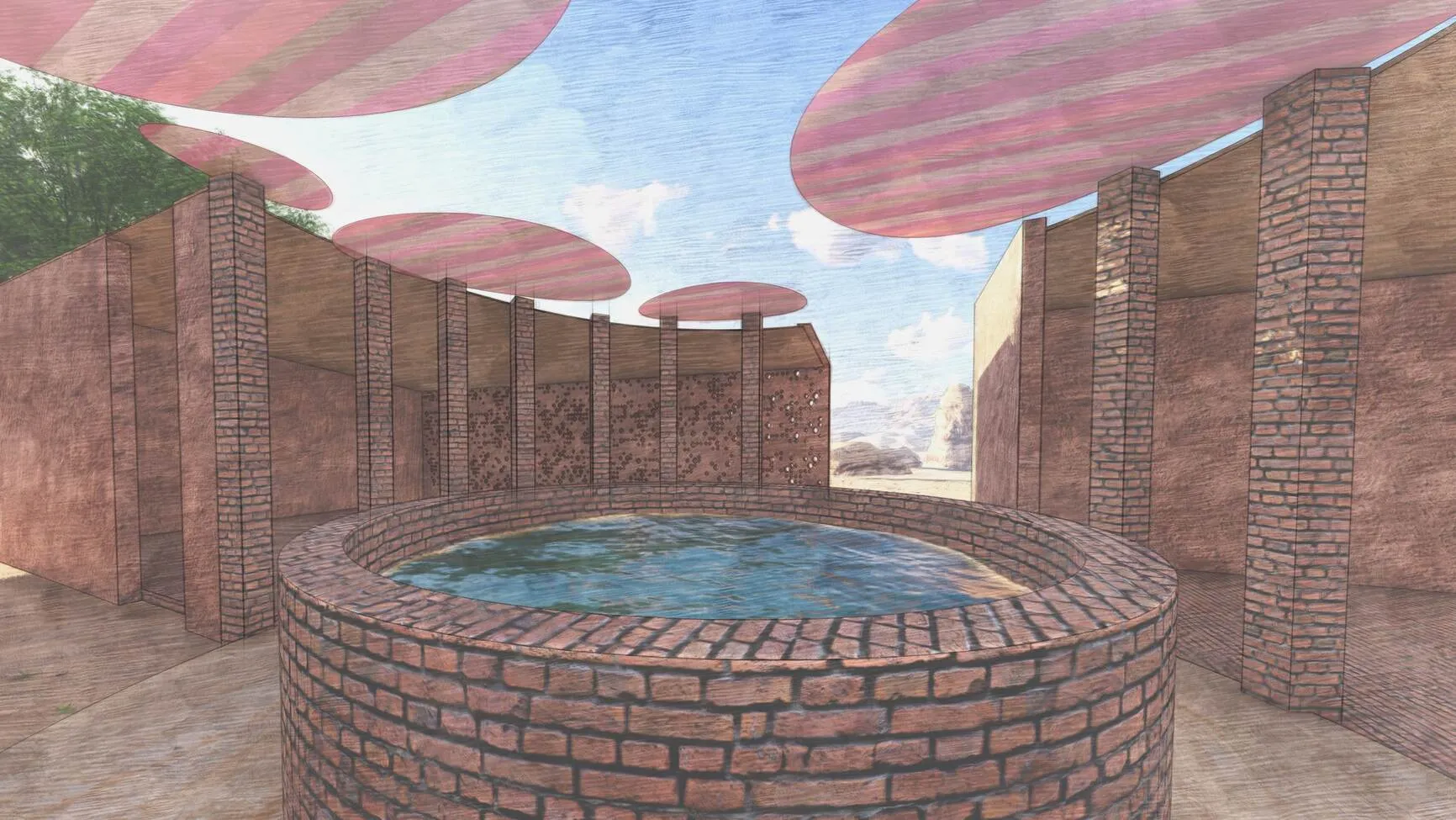
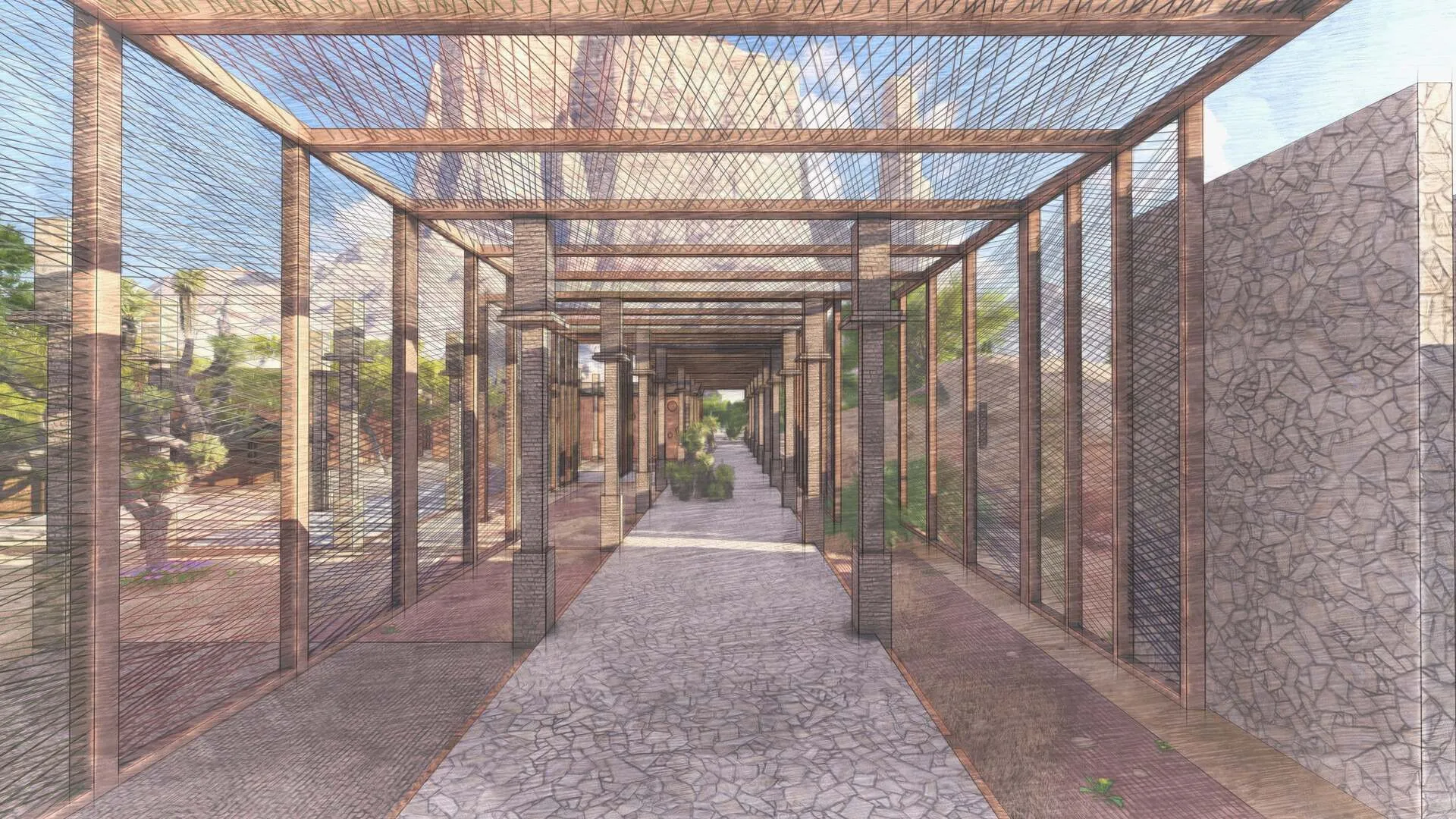
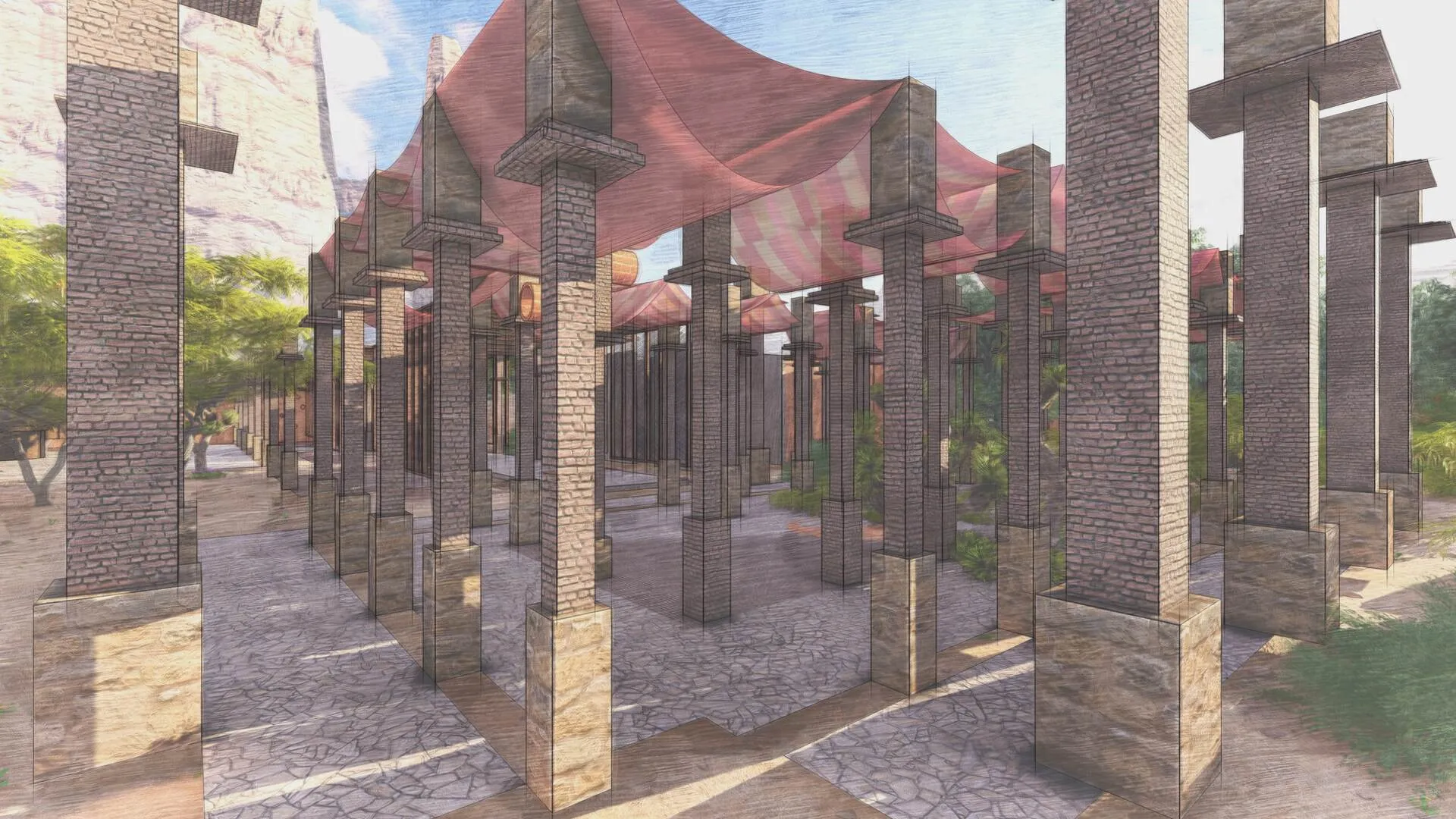
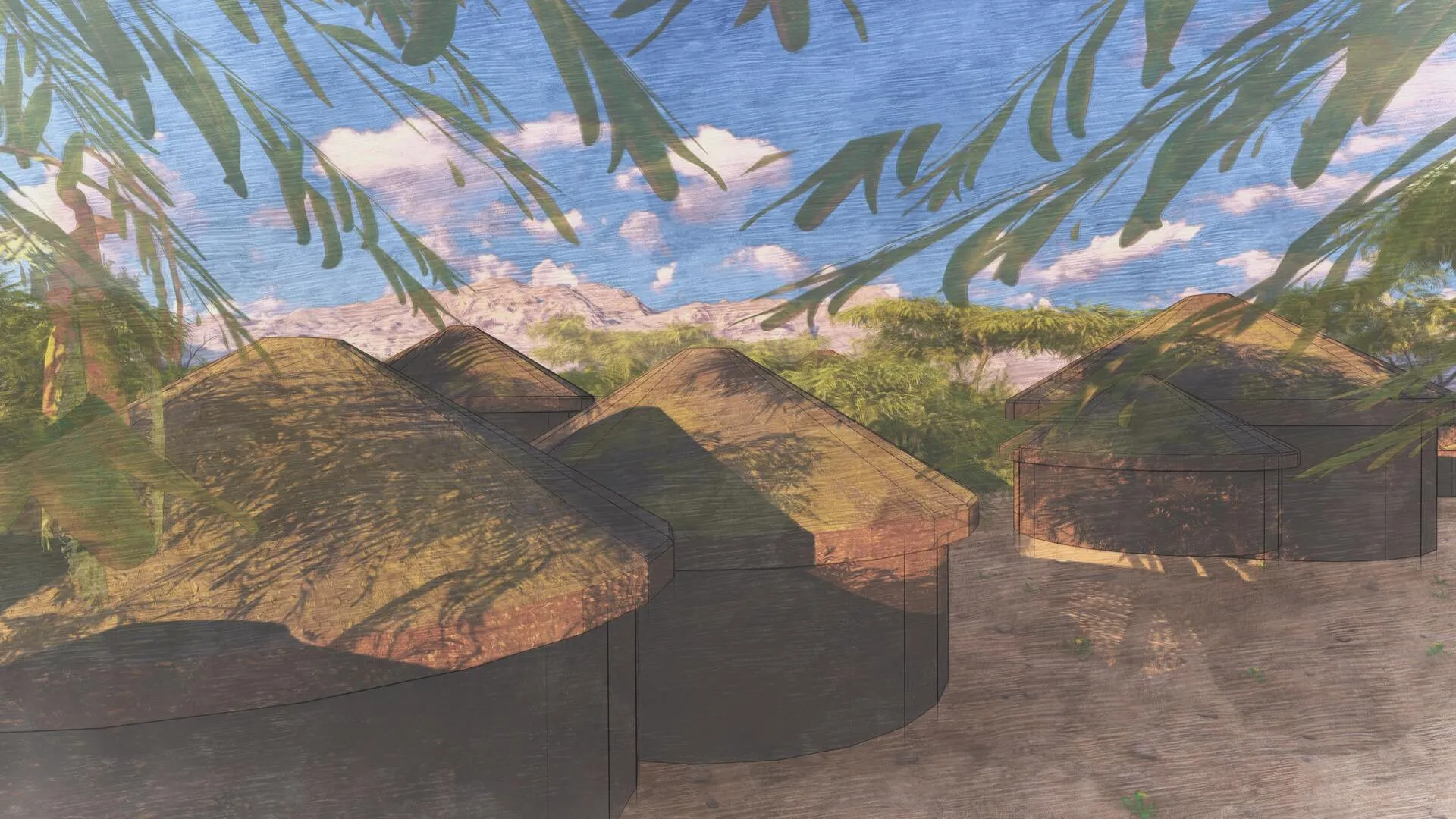
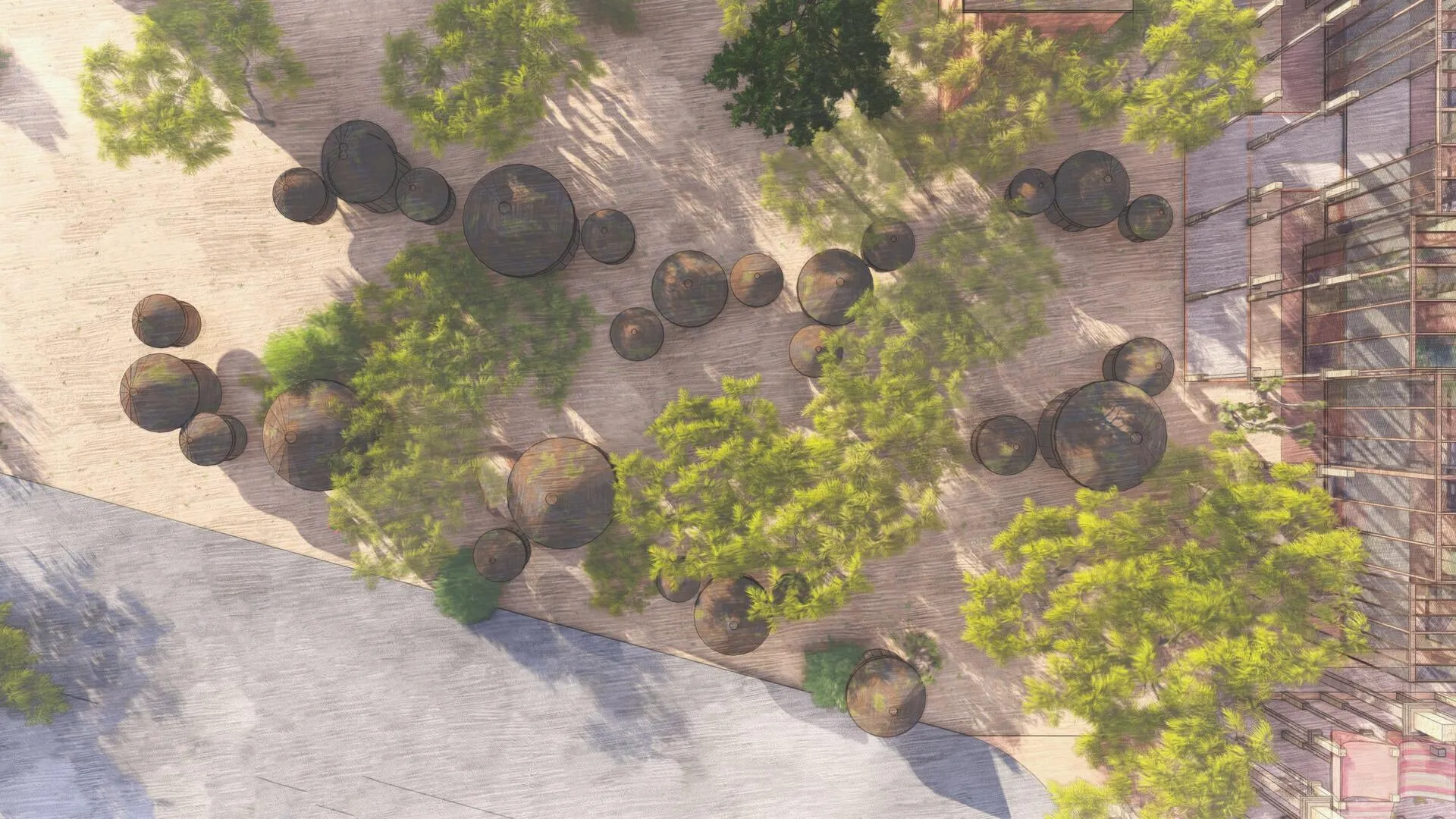
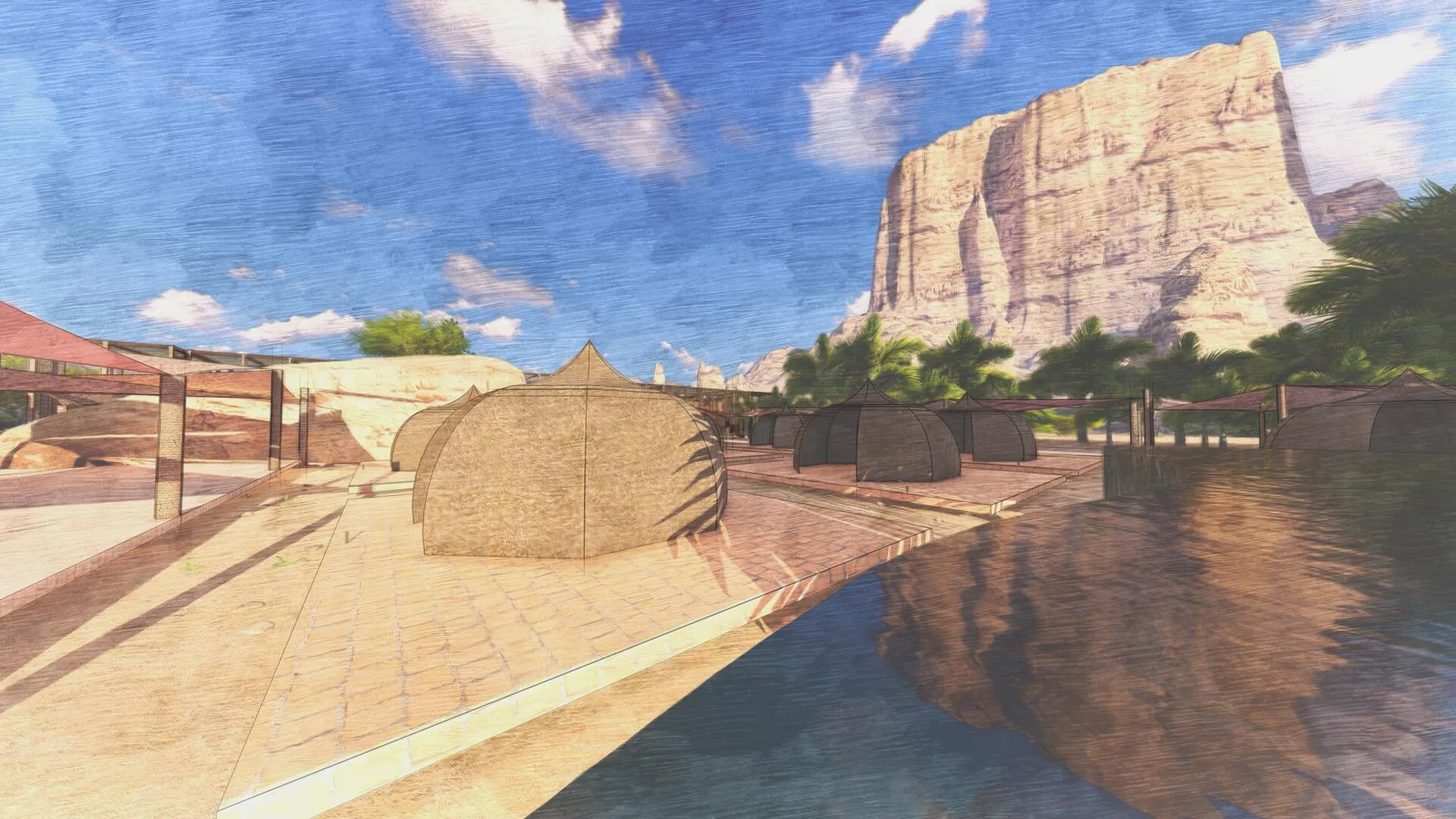
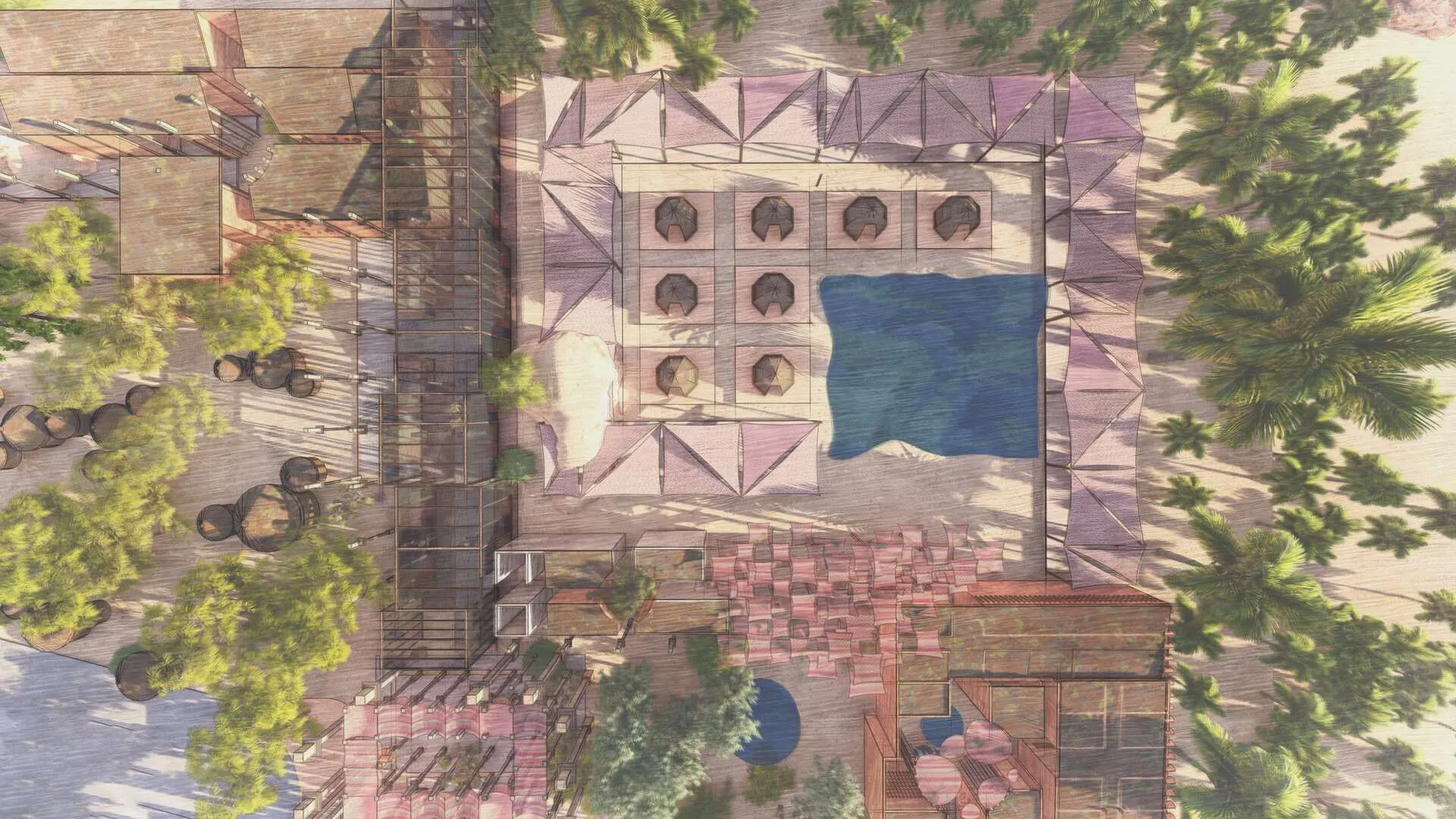
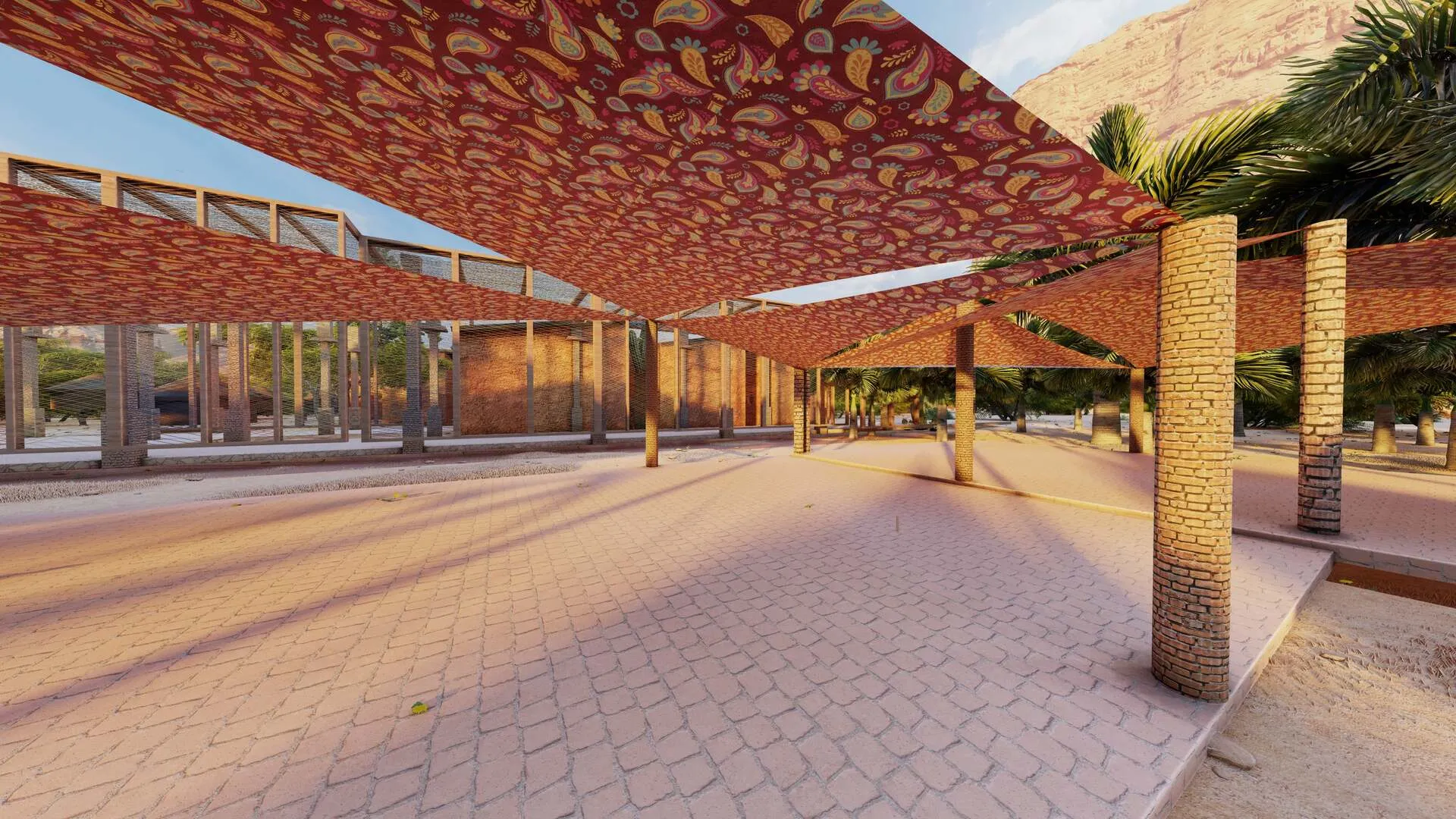
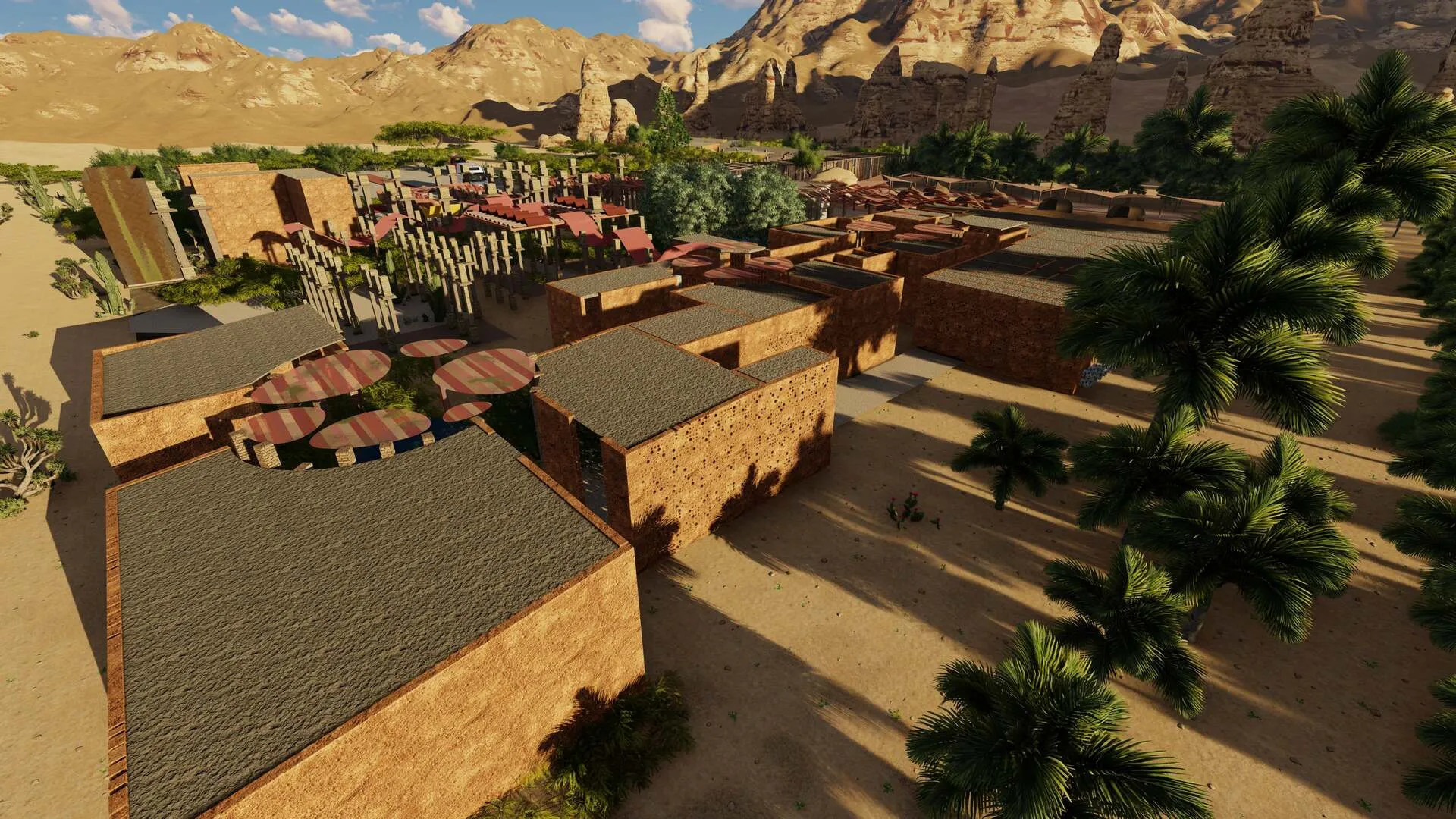
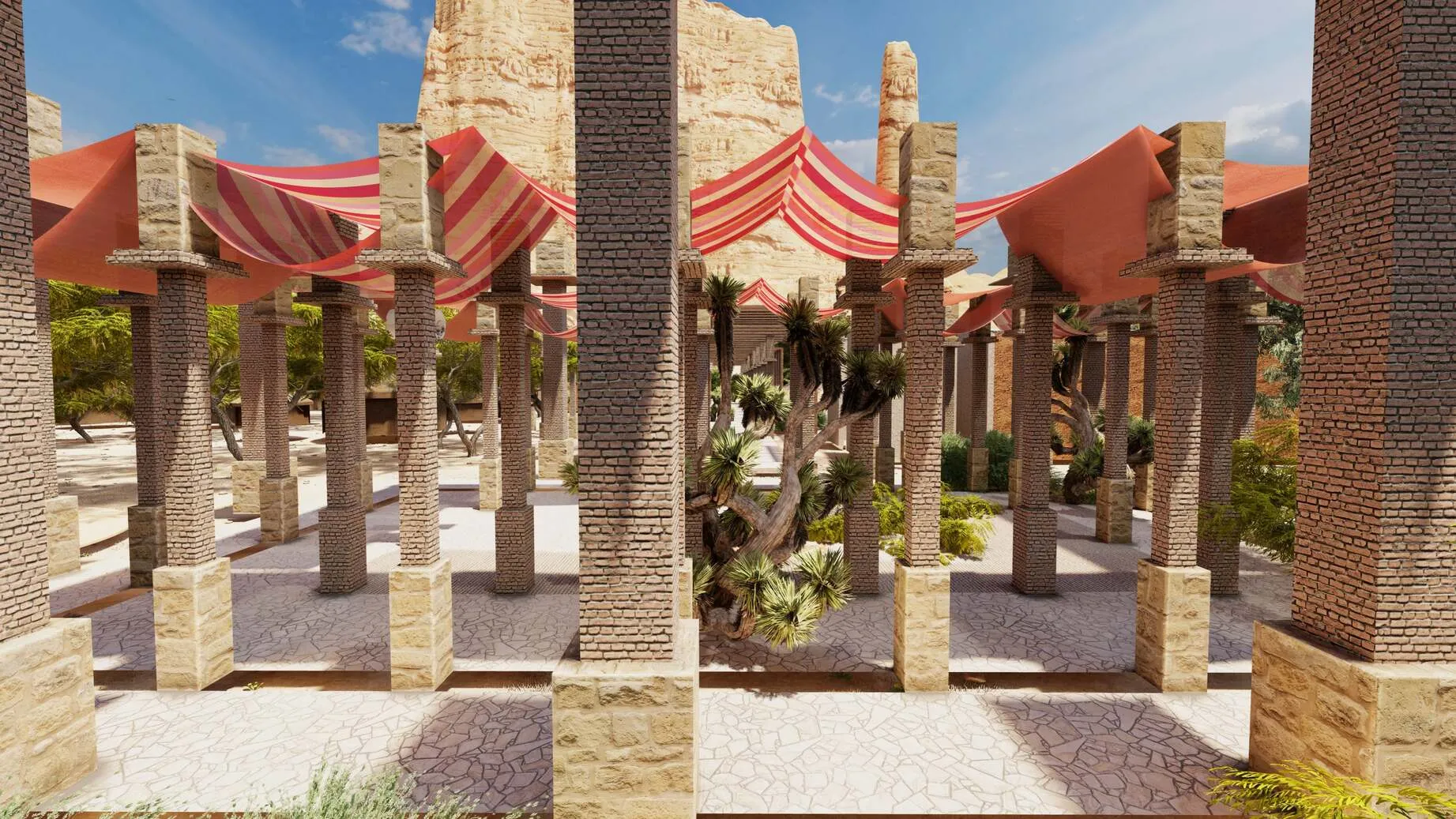
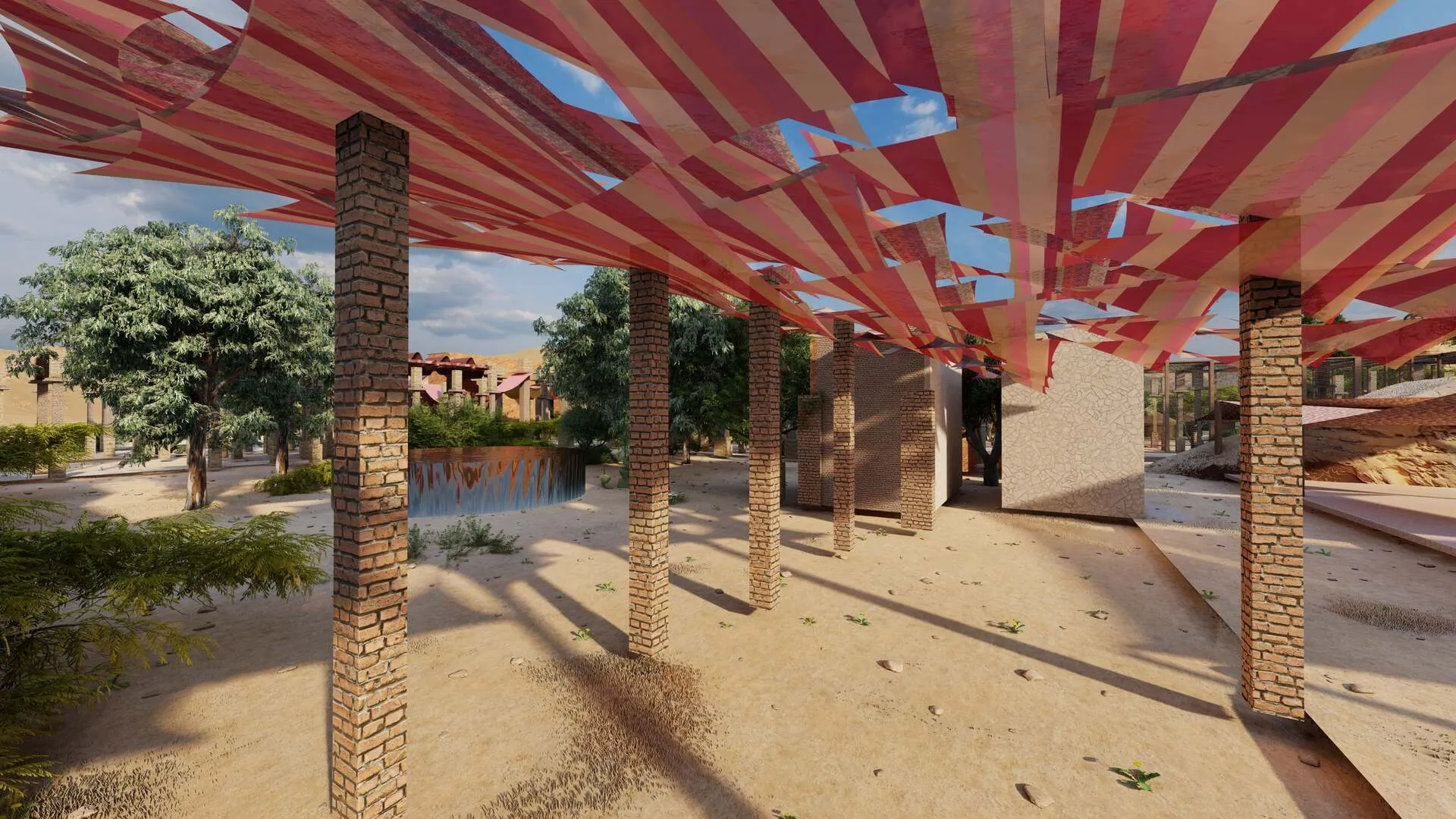
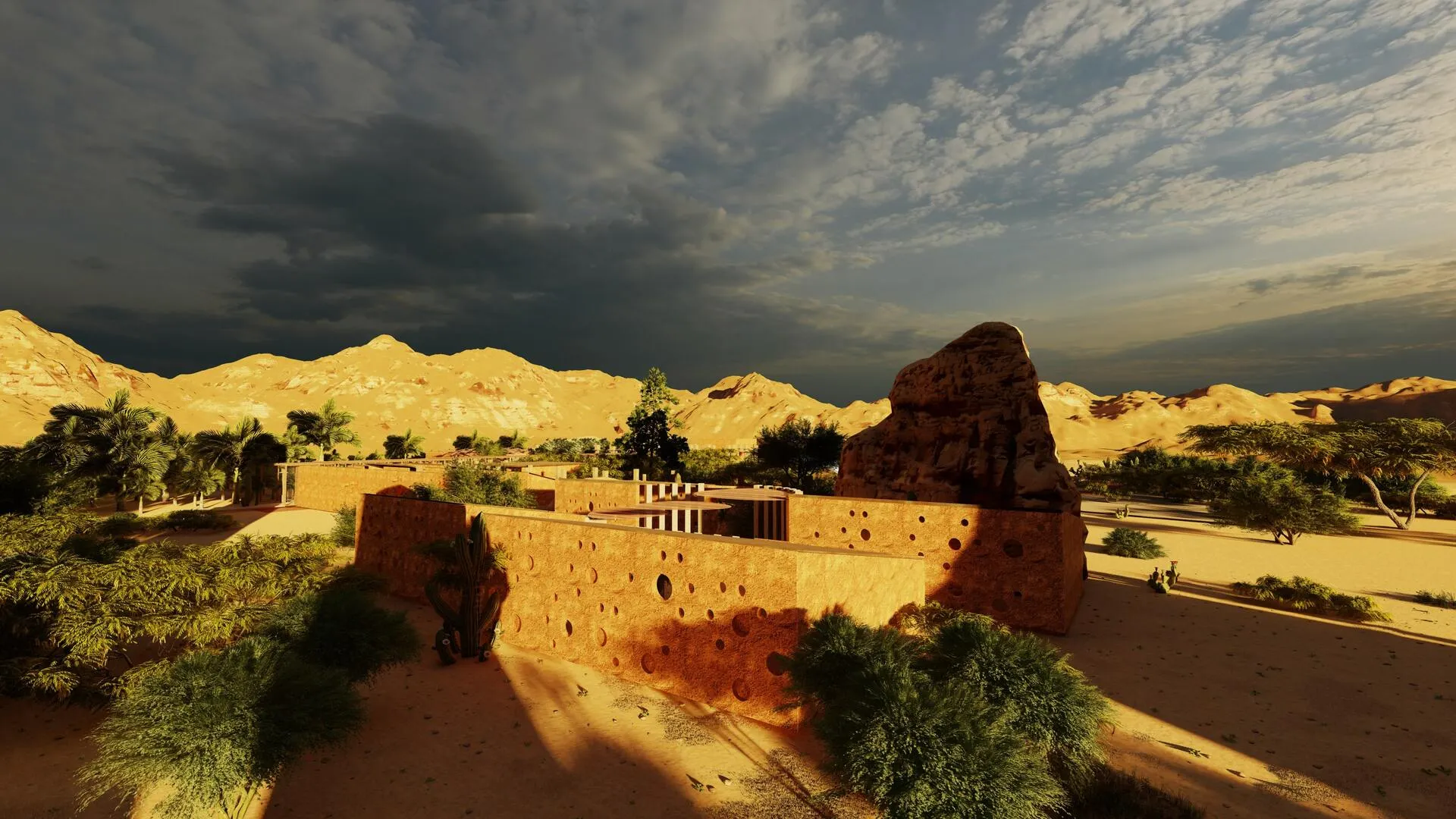
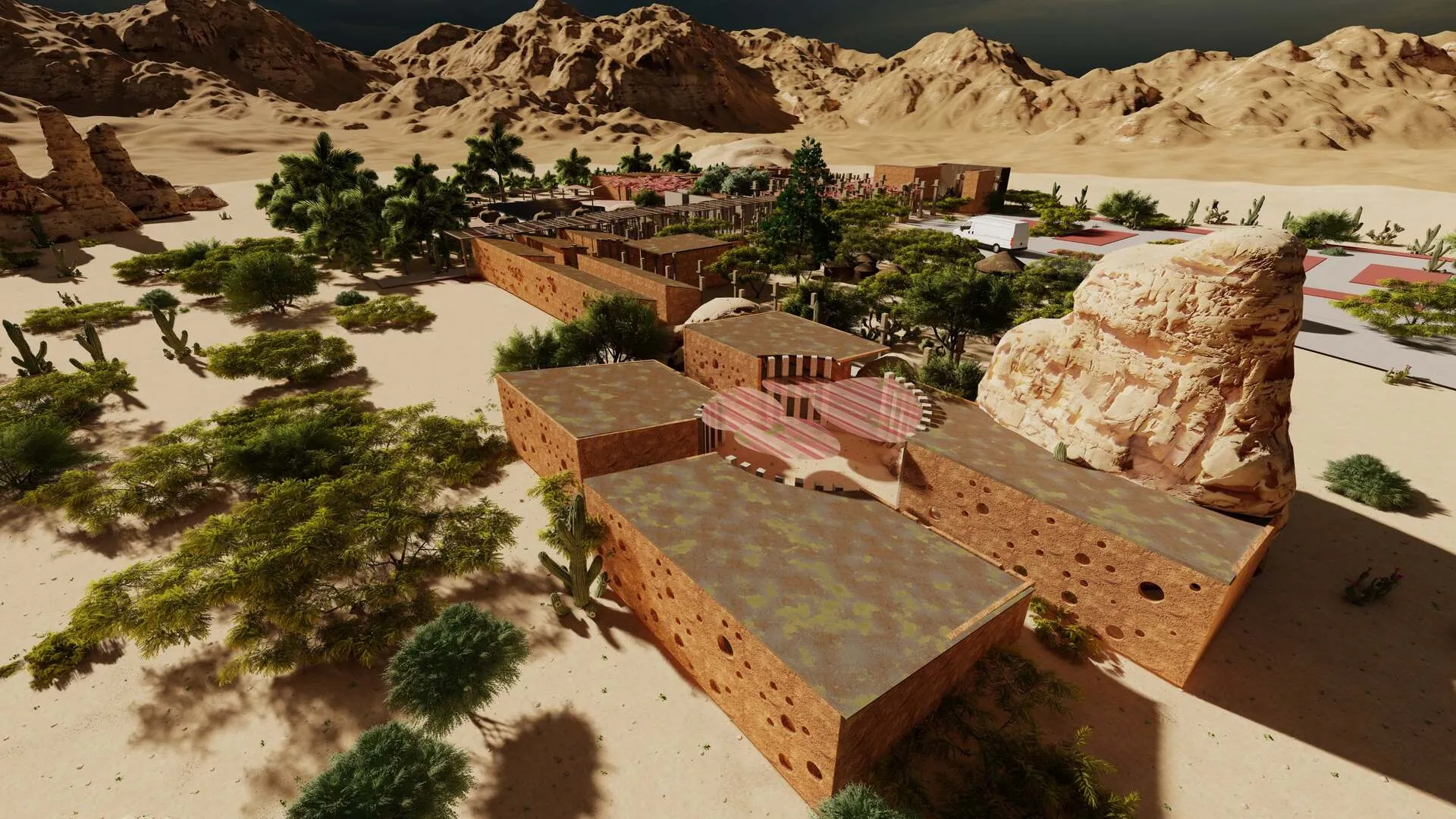
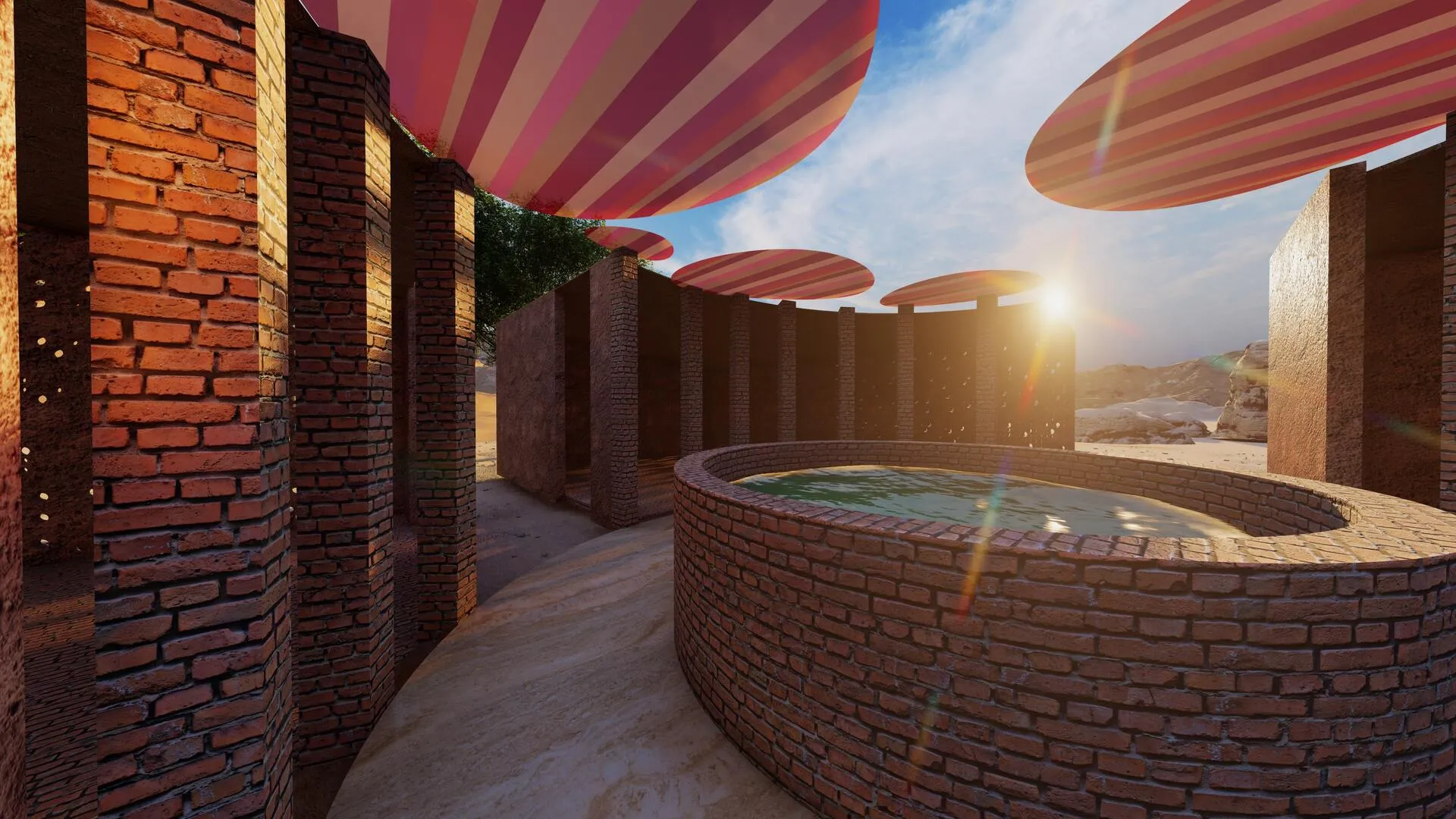
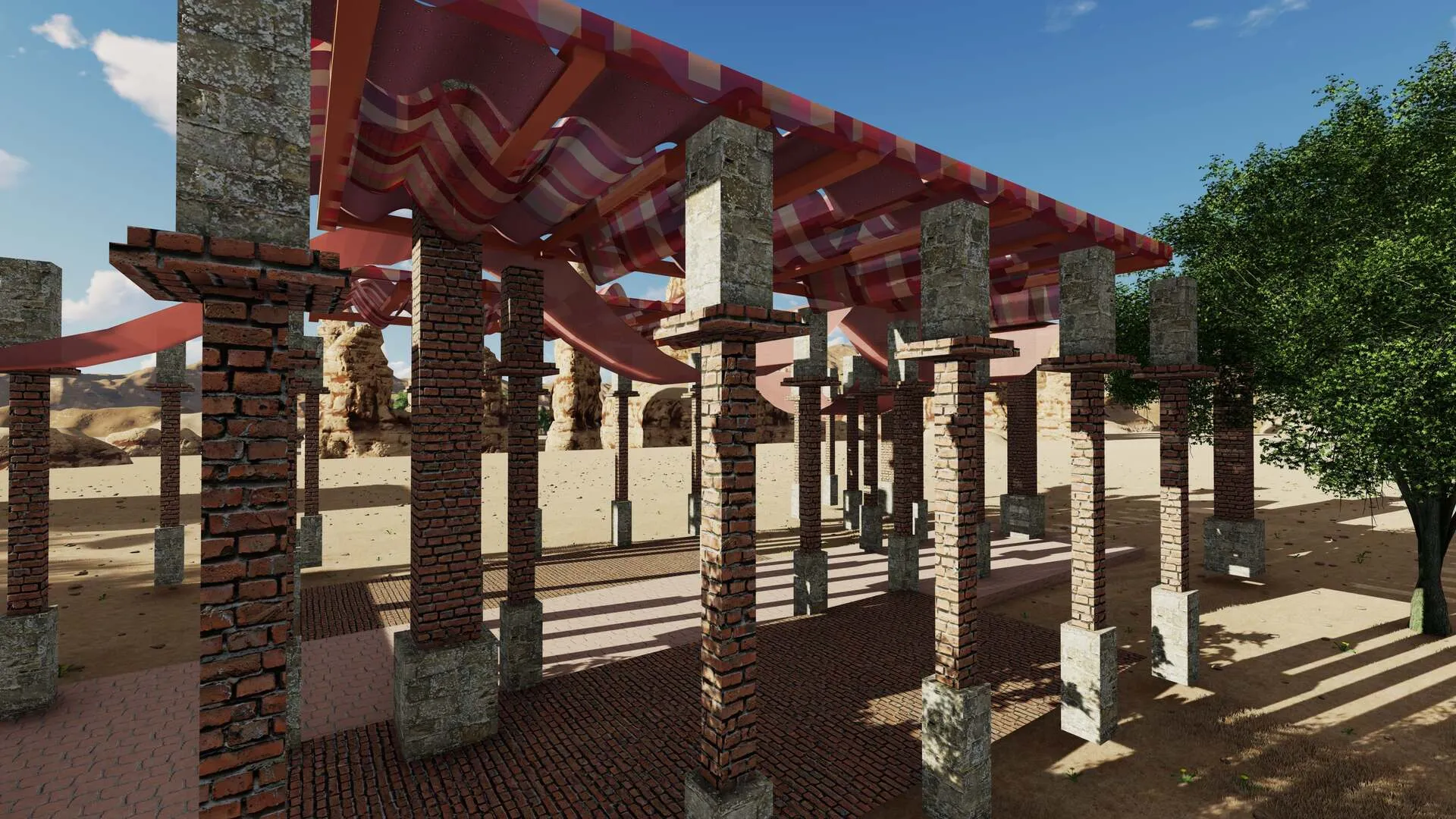
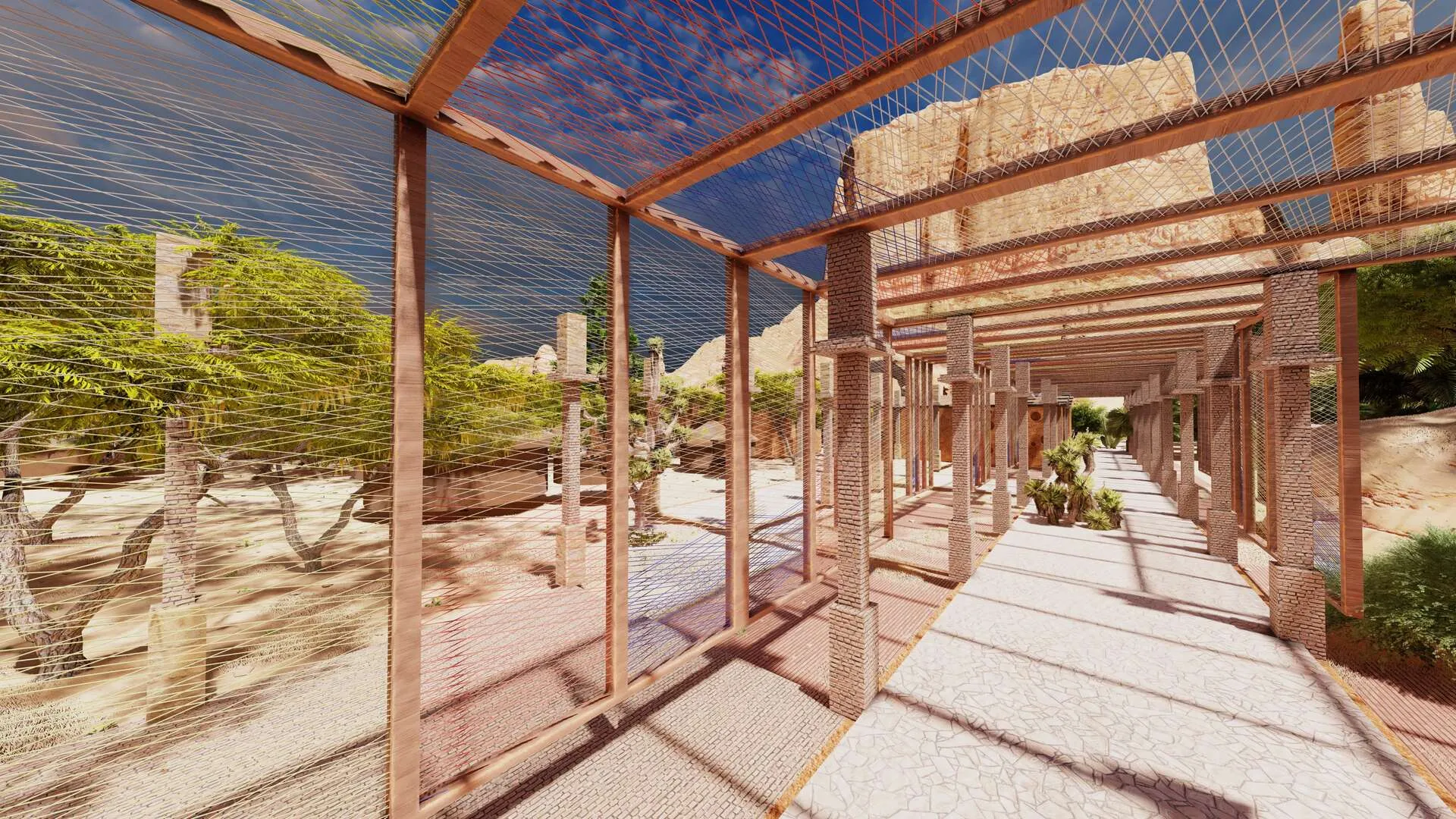
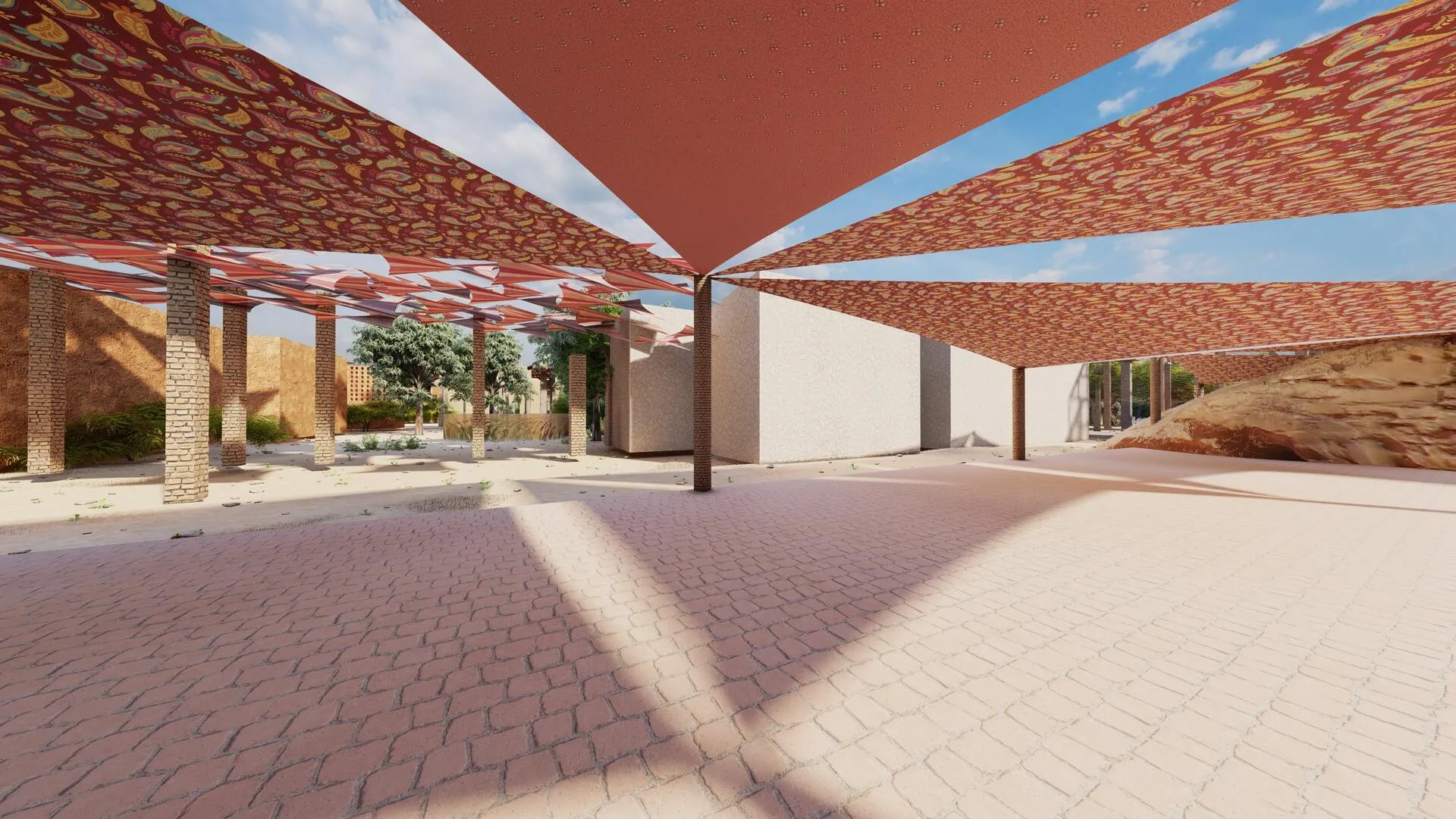
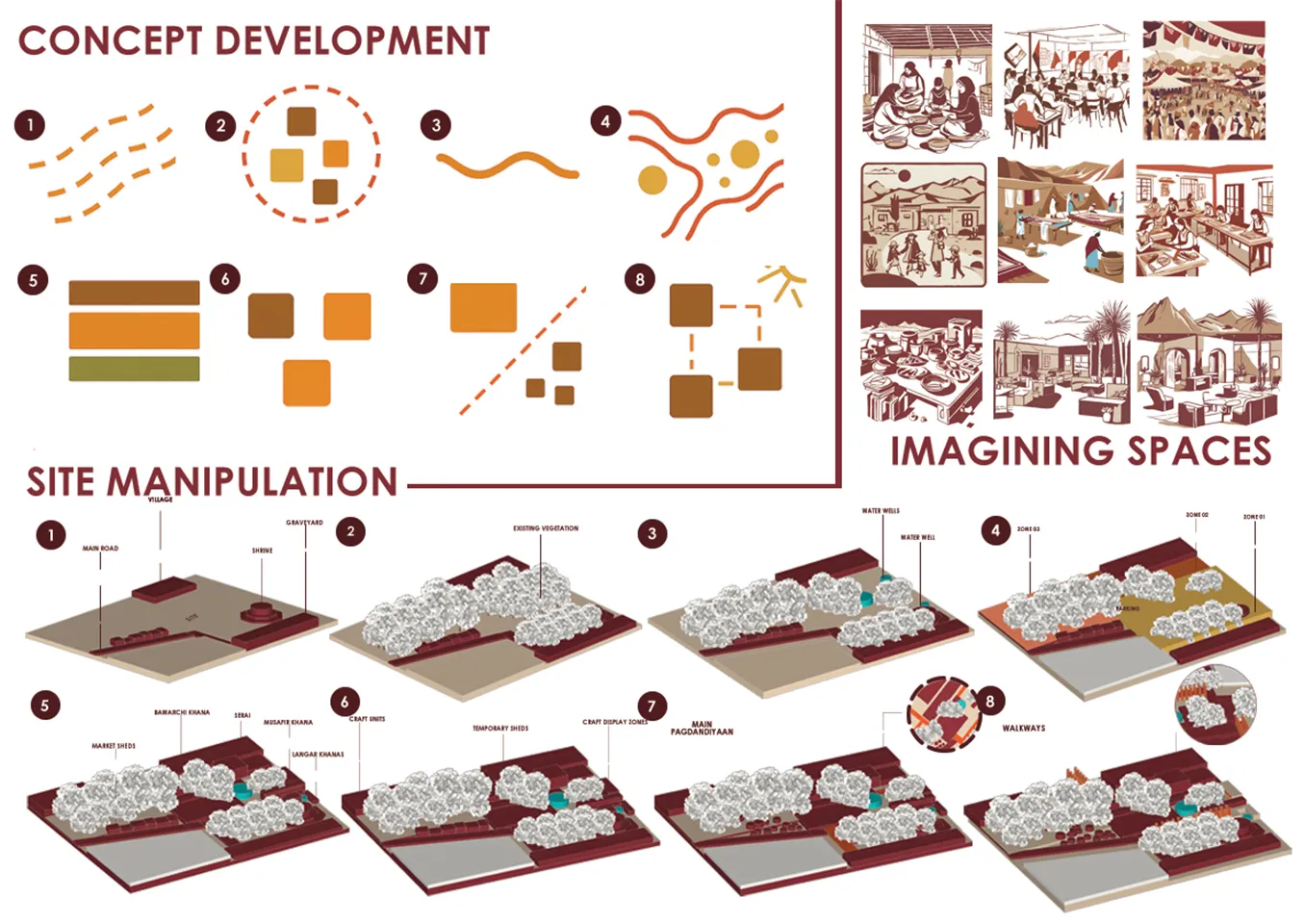
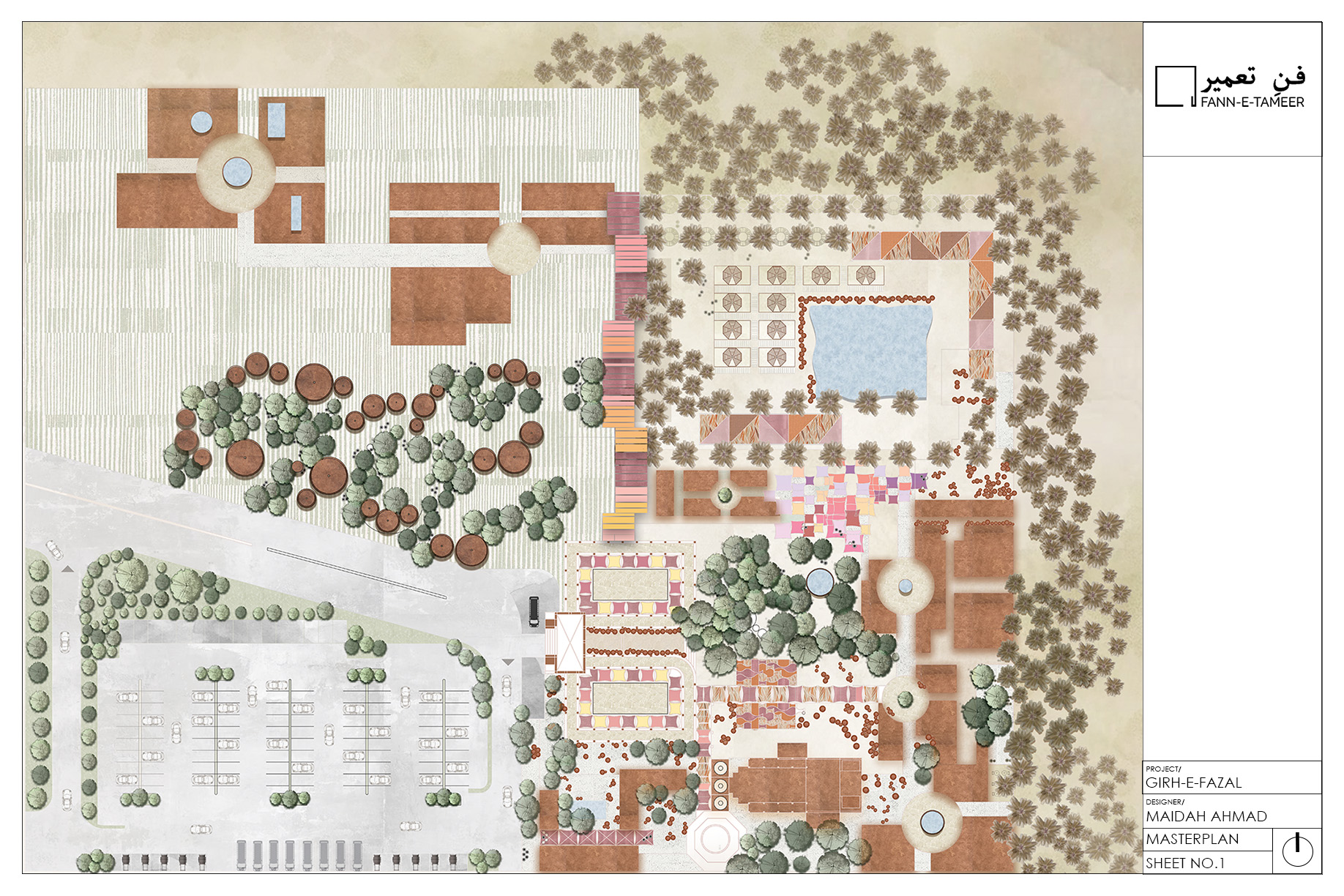
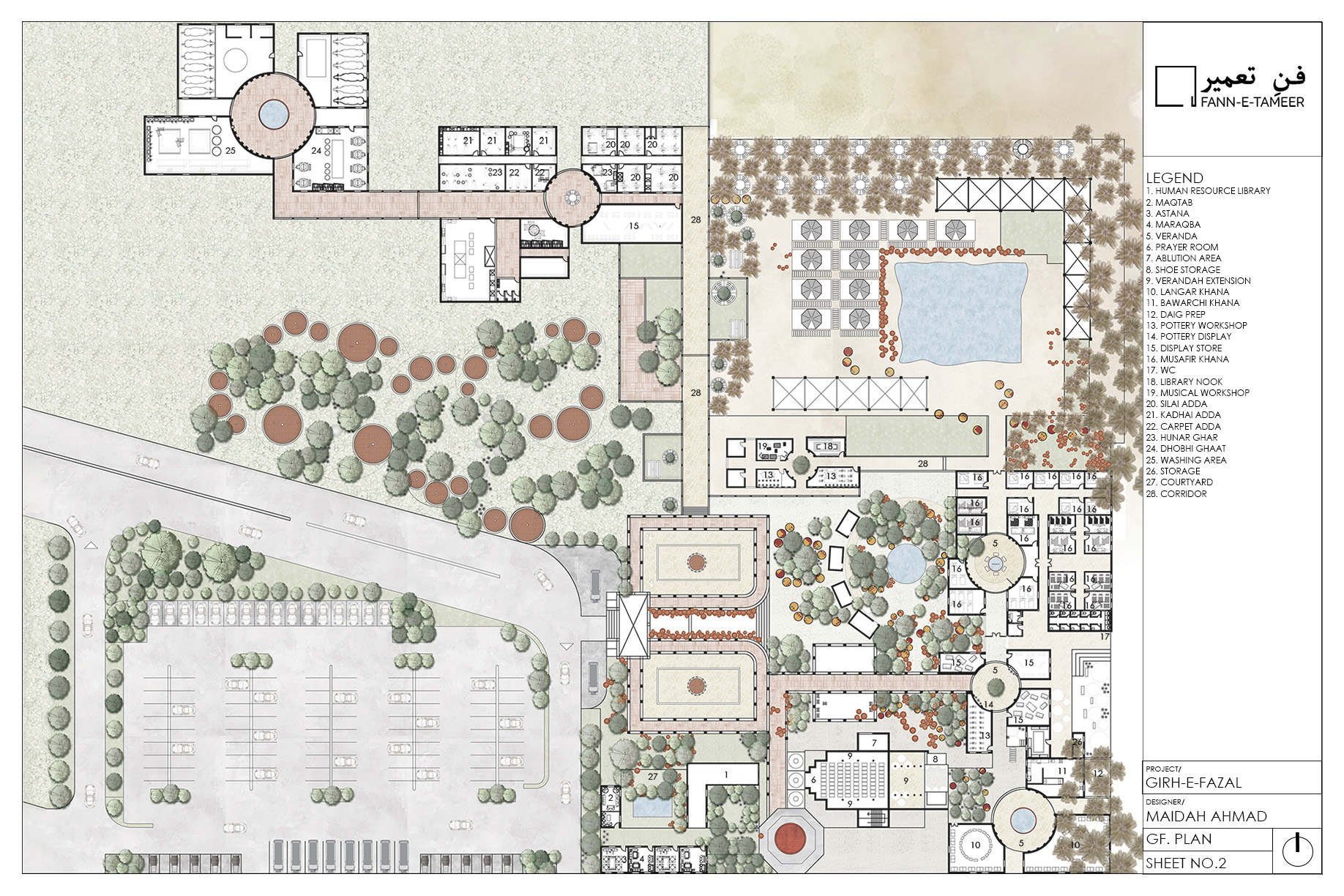
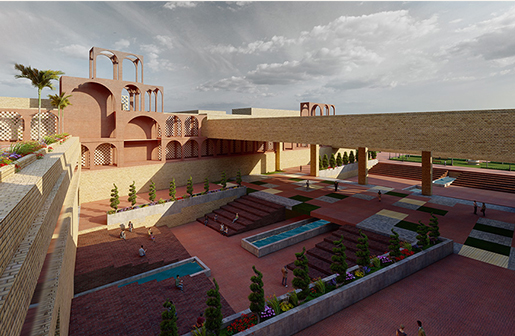
Maidah Ahmad’s undergraduate thesis aims to empower the people of Channan Pir in Cholistan by restoring traditional crafts like khussas, gindi, and rilli and utilizing local architectural methods. In order to meet the growing needs of the Historic Channan Pir Mela, Girh-e-Fazal suggests creating a "Living Heritage Centre" that would work as a year-round cultural center and provide helpful assistance during the mela. This plan combines passive cooling strategies. Situated at Channan Pir, about 30 kilometers southeast of Bahawalpur, the multifunctional community and cultural center transgress the boundaries of physical space into what can be described as a living landscape of reflection, celebration, and collaboration. It opens itself through three linked zones - Fikr, Mehemaan, and Ahangi-each of which embodies some unique experiential layer in relation to the sociocultural and environmental parameters of Cholistan.
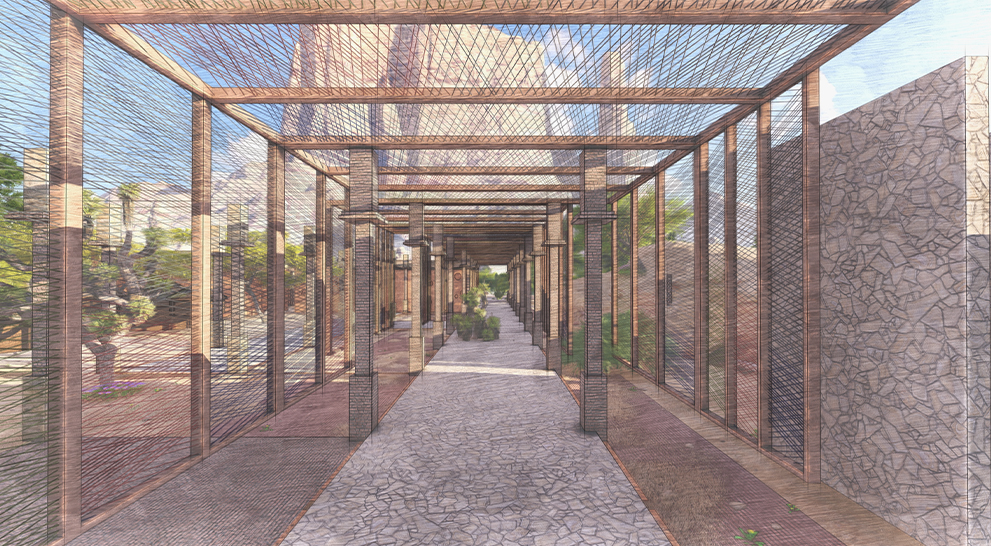
Fikr, meaning literally thought or reflection, is the spiritual and intellectual core of the project. This zone, centered on the Channan Pir shrine, provides areas for spiritual anchor, contemplation, and the safeguarding of oral traditions. It is a refuge for those in search of tranquility and proximity to the divine and the shared past. Ahangi, or harmony or rhythmic order, is the dynamic communal heart of the proposal. It caters to the daily aspirations and needs of the local population through spaces that revive ancient crafts, celebrate indigenous wisdom, and promote economic and cultural empowerment. In this scenario, architecture becomes a facilitator of livelihood, learning, and common expression. "Mehemaan" is the ancient and abiding value of hospitality common to desert societies. It is the most vibrant of these zones, playing out seasonal changes during Channan Pir Mela and receiving pilgrims throughout the year. It is the zone that embodies the Sufi values of sharing and openness.
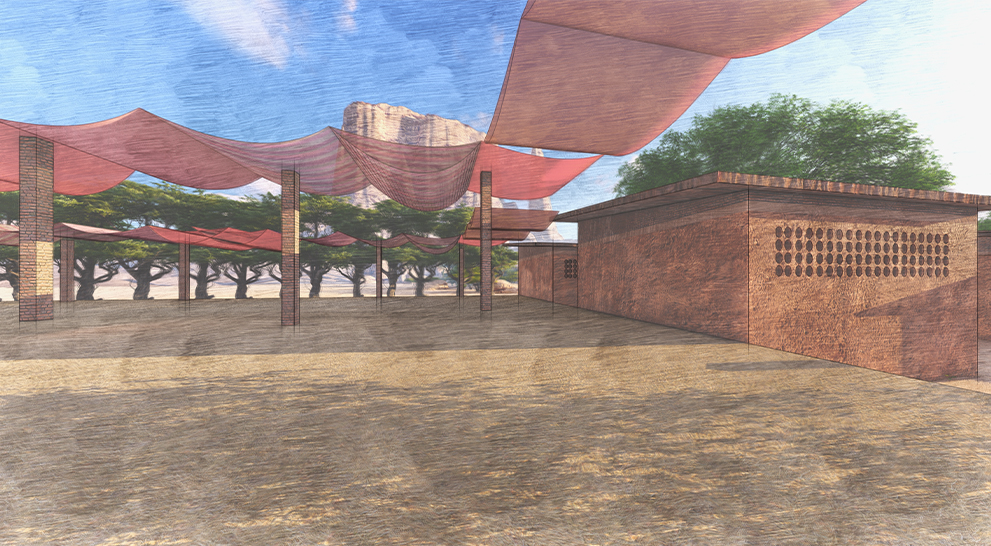
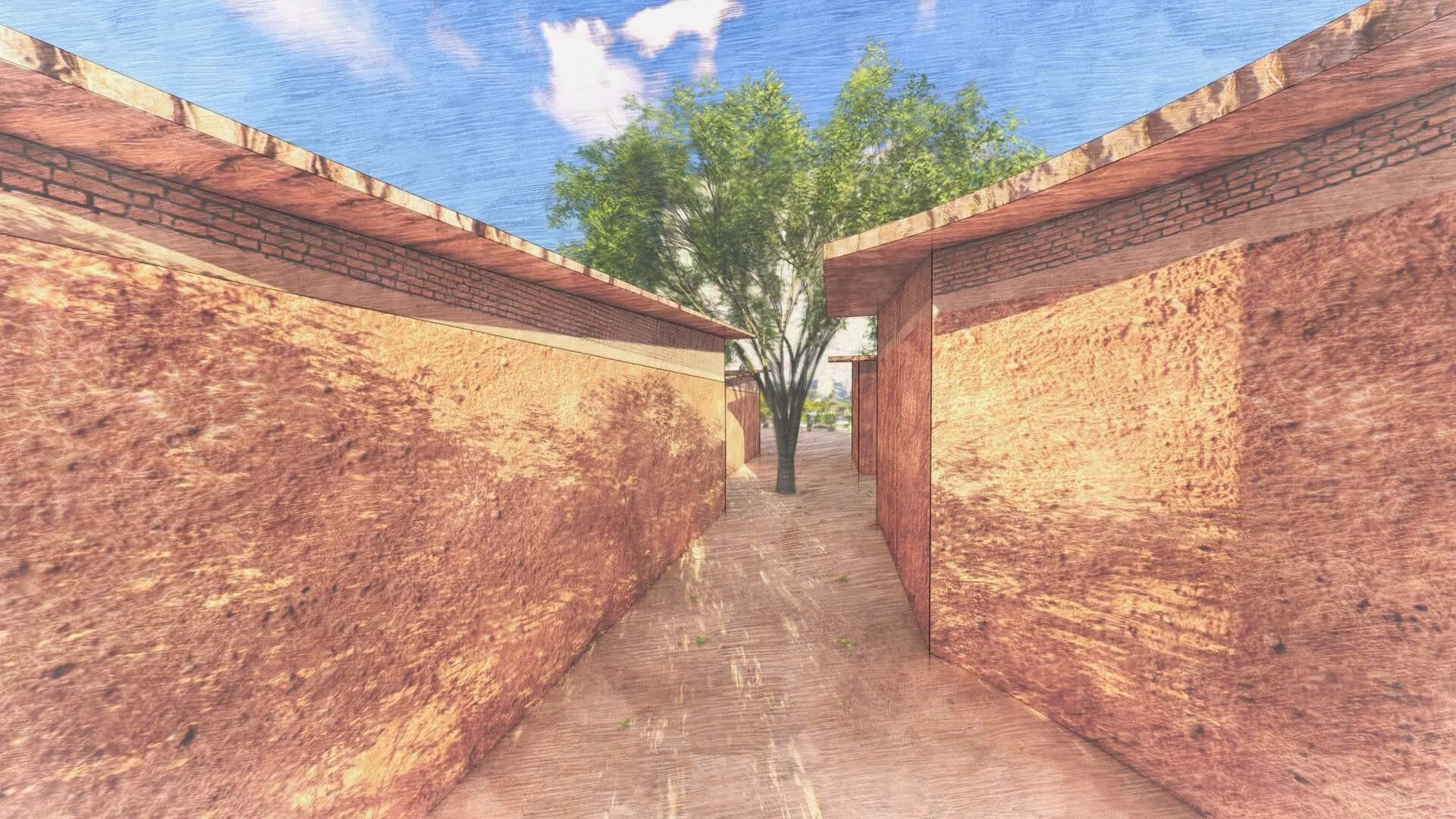
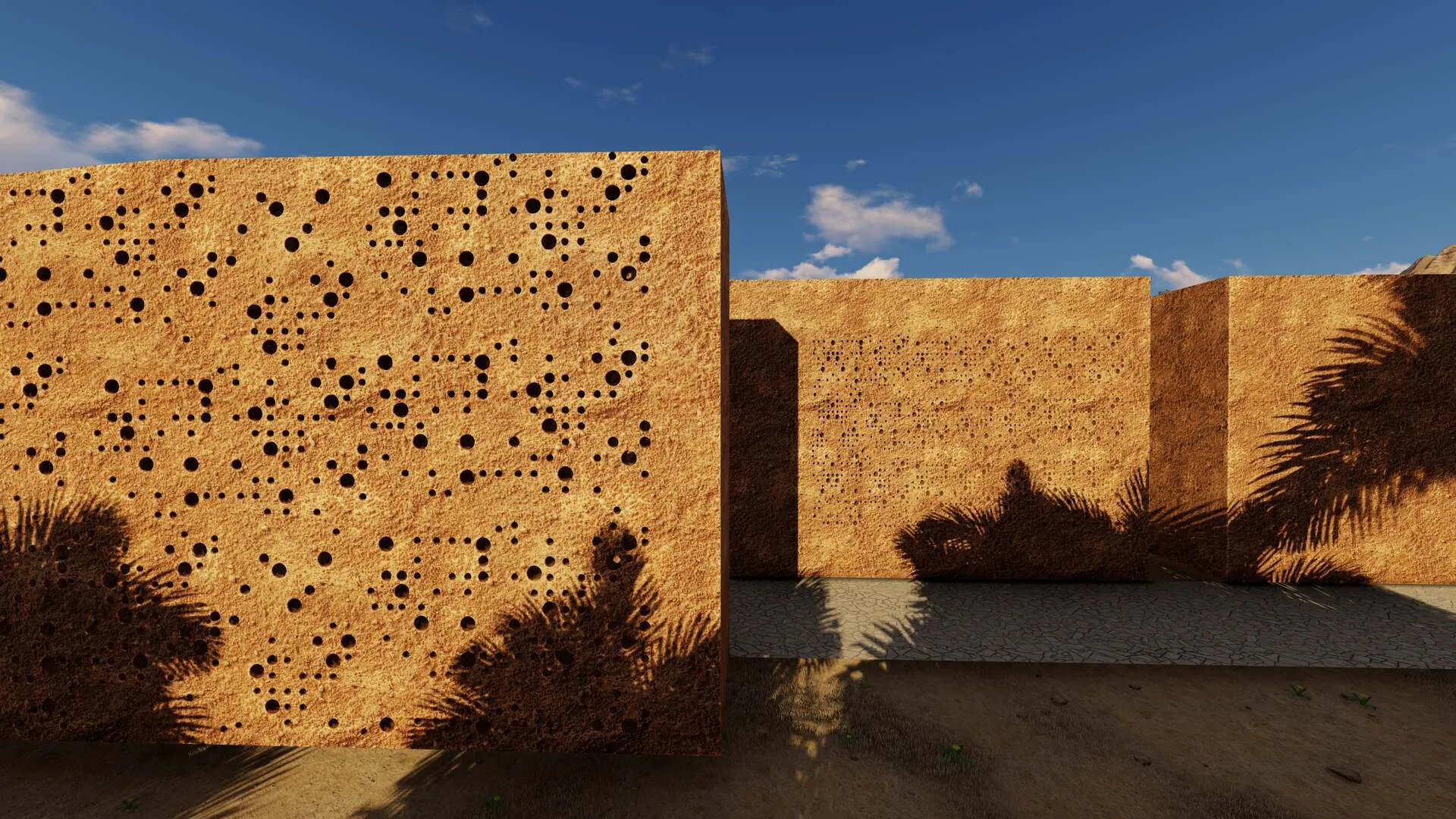
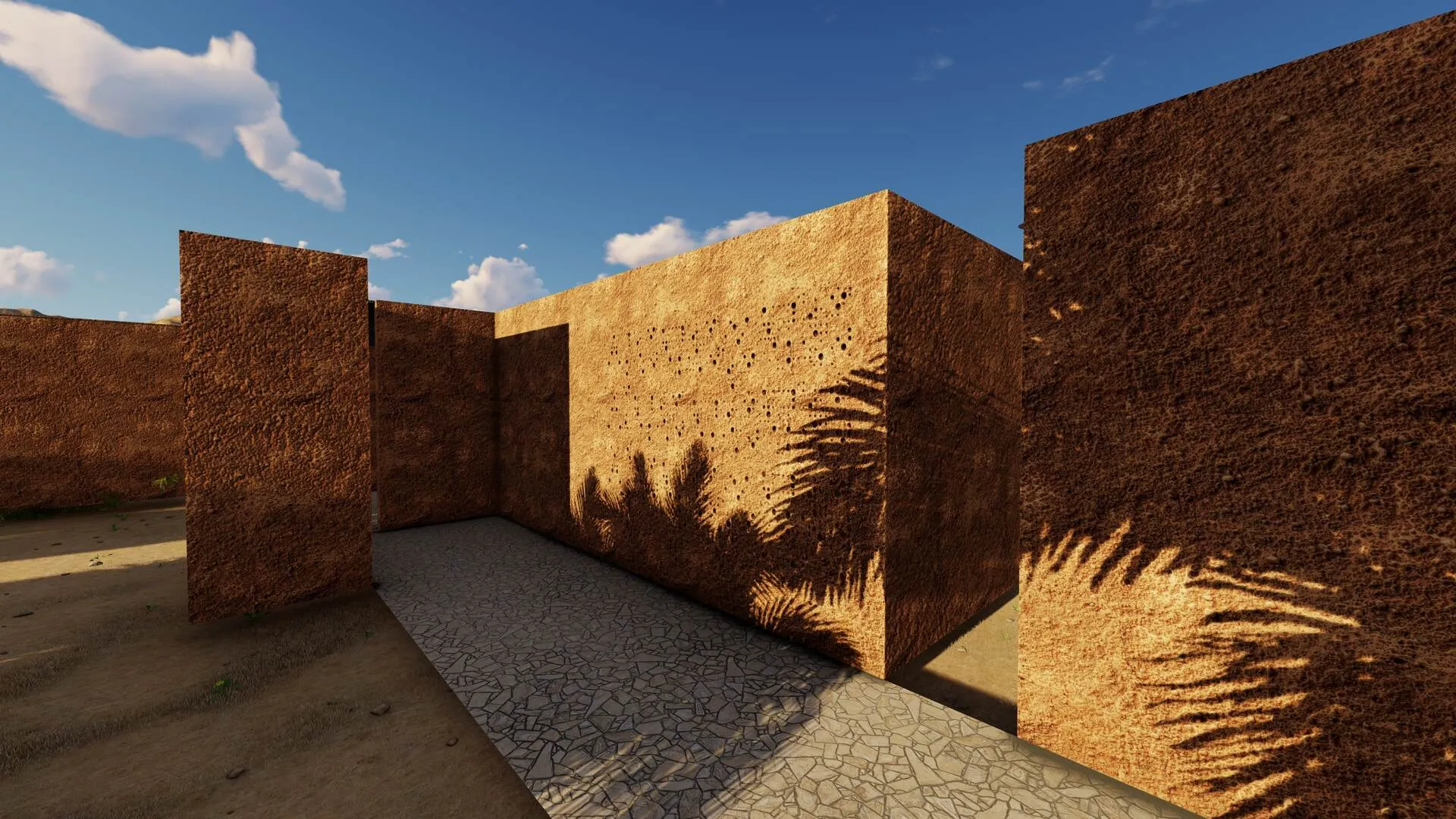
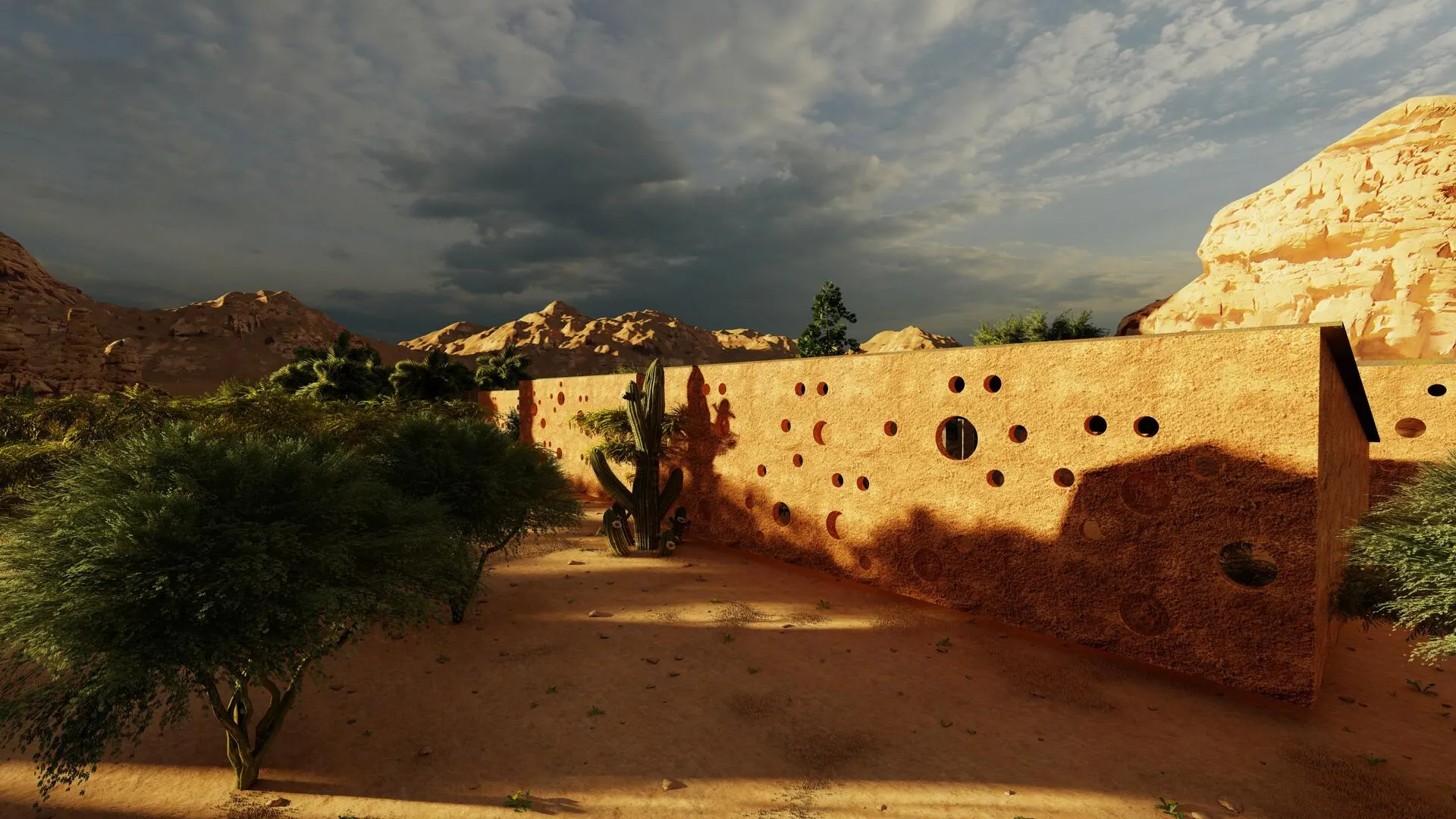
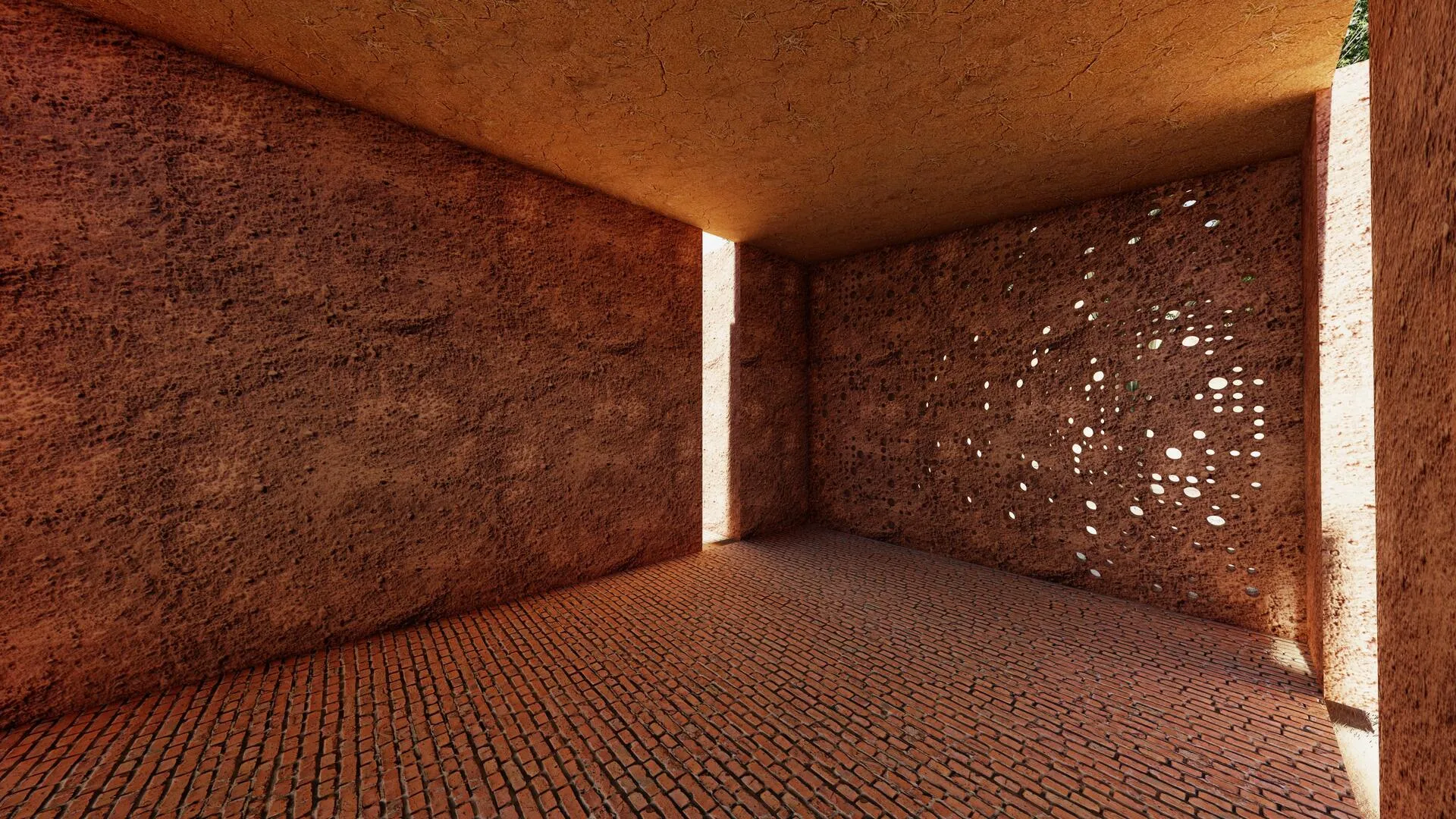
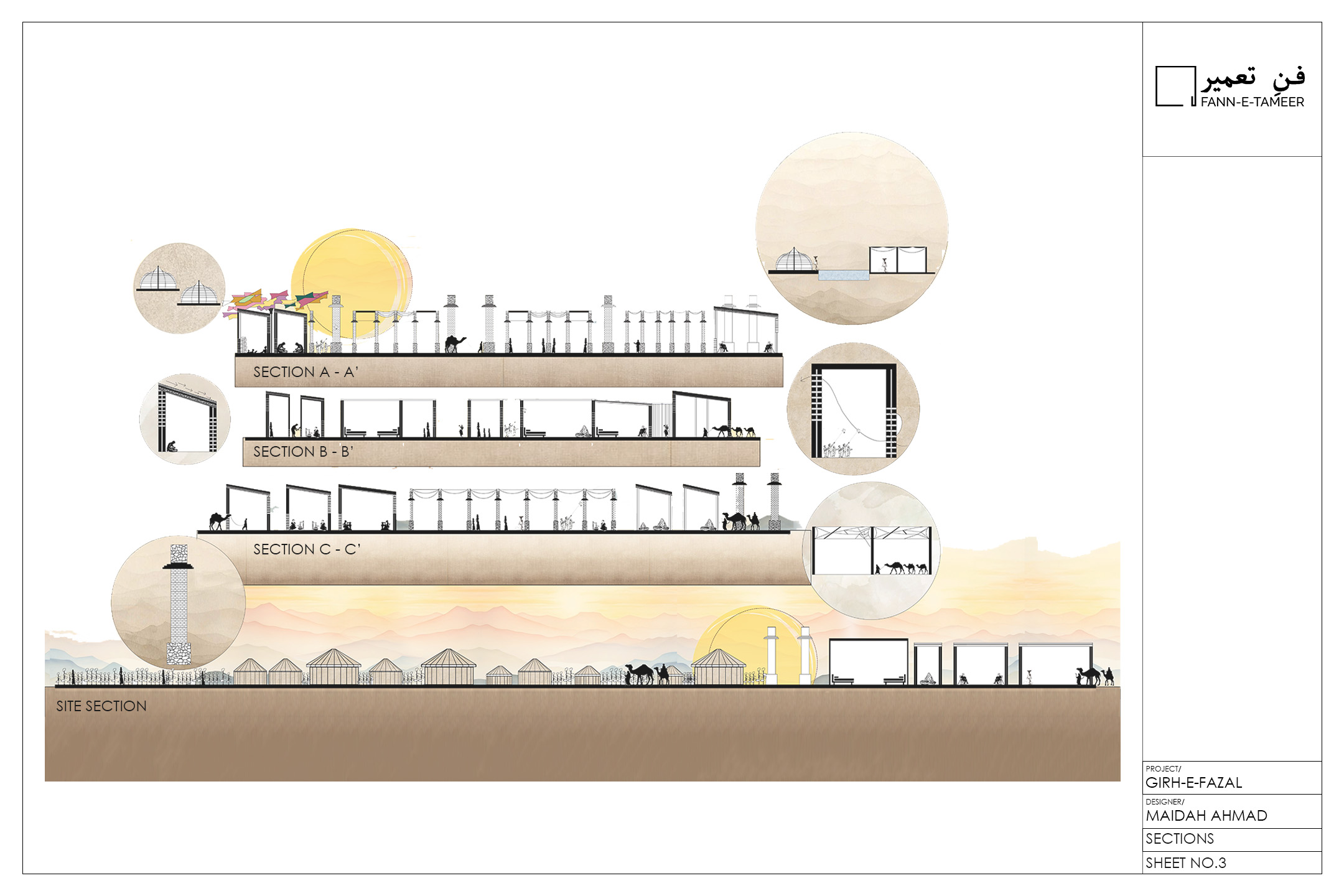
The building materials are not imported illusions; they are sun-dried, earth-grown, context-approved. The structural system is mudbrick with cavity walls, based on Anna Heringer's methods. Cavity walls provide natural insulation, maintaining the inside much cooler in summer and warmer in winter. Mud is readily available and culturally acceptable, which enables local labor and generates a sense of ownership among the occupants. The thesis bases itself on the proposition that architecture will always be an extension of memory, culture, and empathy. Surrounded by the spiritual, seasonal rhythms, and resilience of a marginalized community, it presents architecture as a link between the past and the present, utilizing design to promote opportunity, honor, and a sustainable future for the underprivileged people of Cholistan.
Contact Designers || Portfolio
You Might Find These Interesting
 DESIGNED BY: Huzaifah Fakher
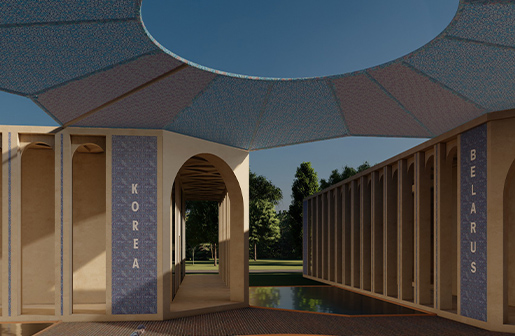
The Bridge: The Architecture of Cultural Diplomacy
Islamabad, Punjab
 DESIGNED BY: Ali Shehroz
Borderless Architecture: Bridging the Divide
Wagah-Attari Border