Microscopic Macrocosm
Reviving the Tasweer Mahal Cinema in Lalkurti through narrative-driven design, this project blends heritage, film, and community to reimagine public space as a cultural epicenter.
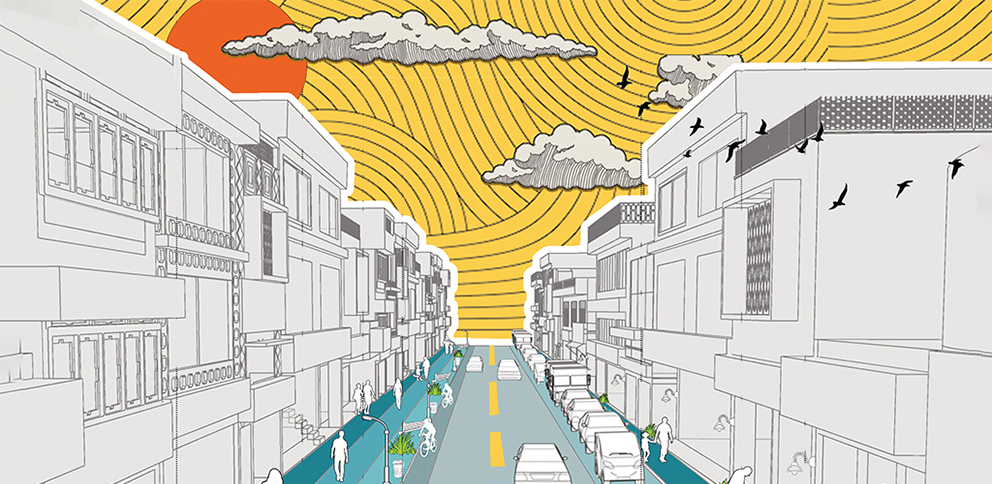
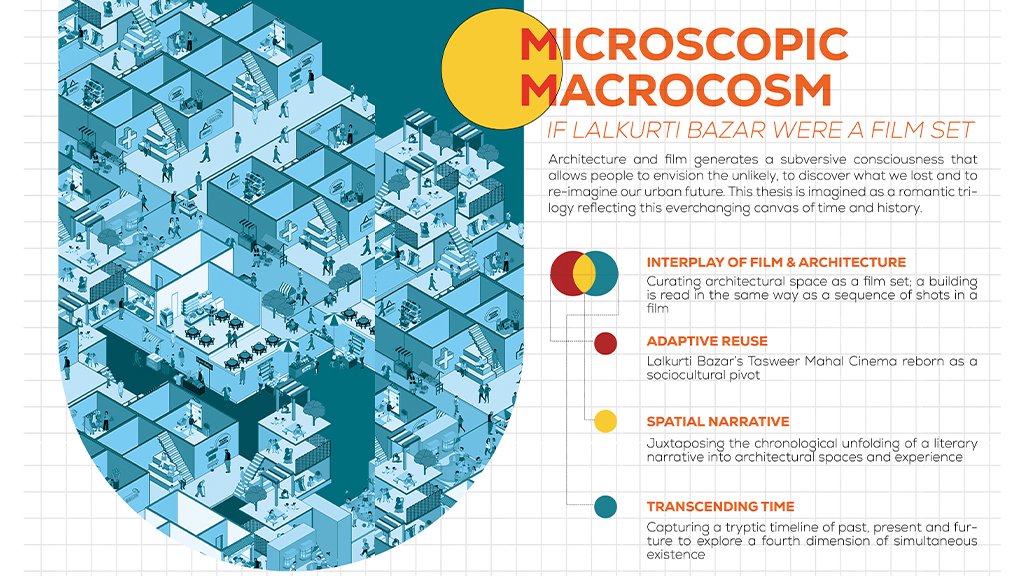
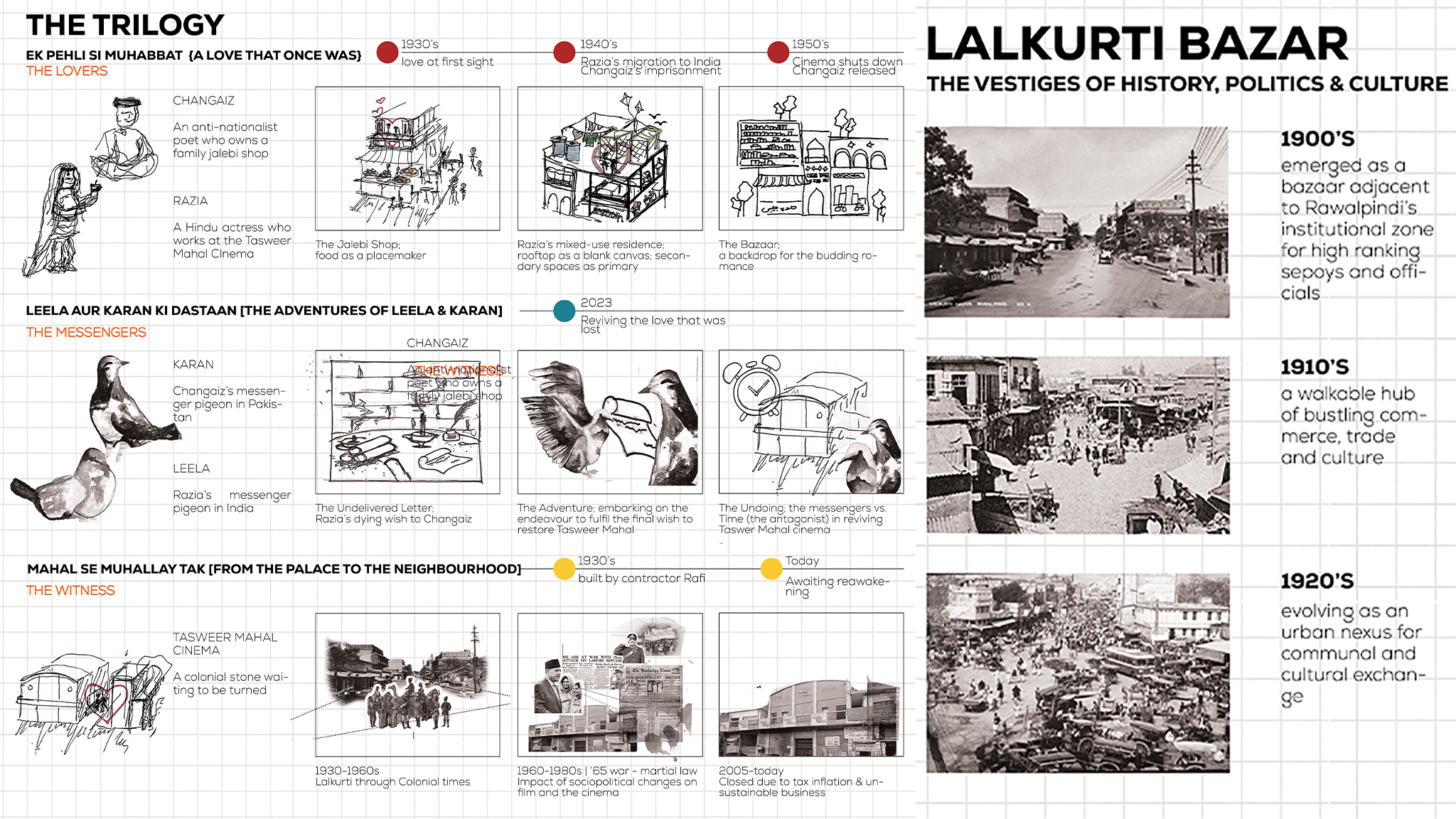
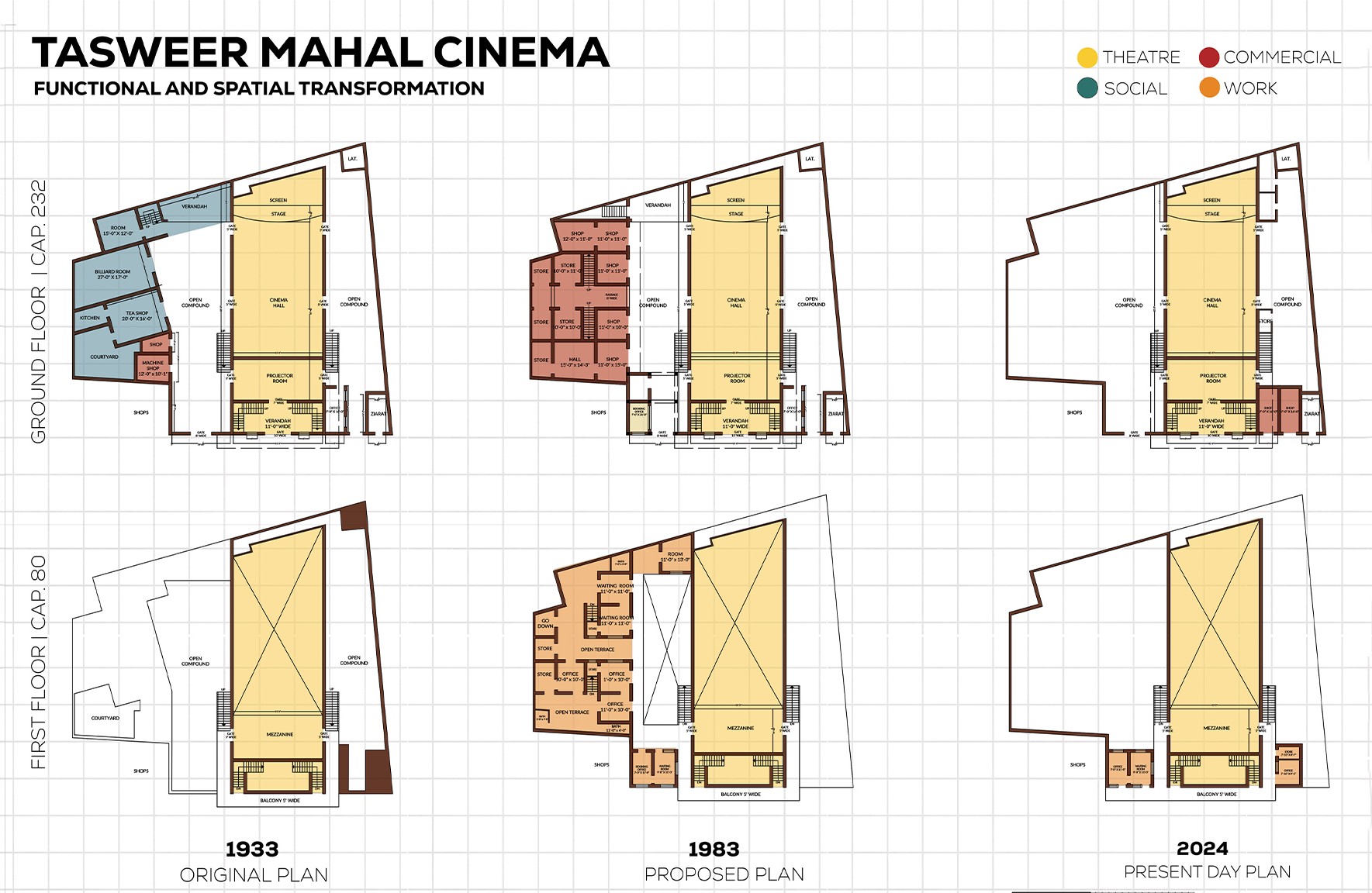
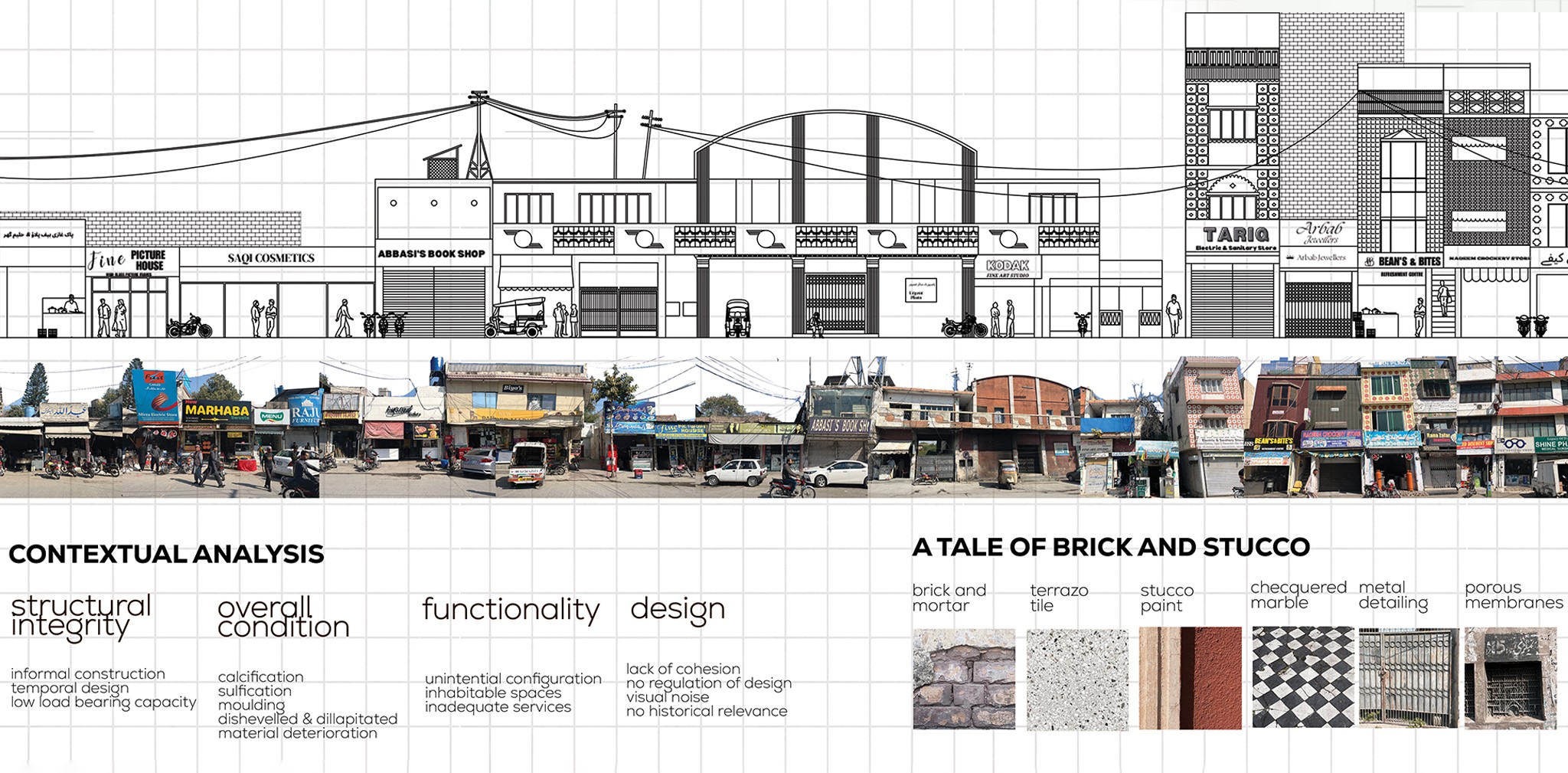
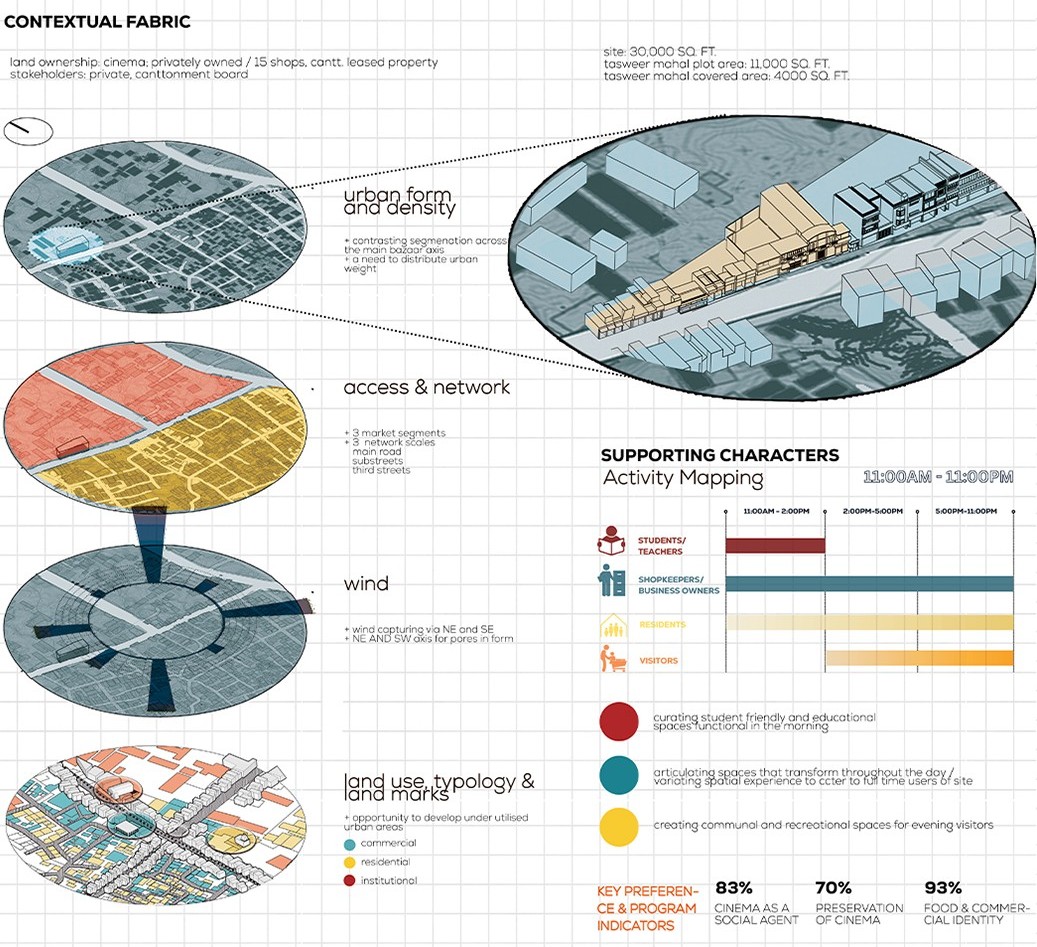
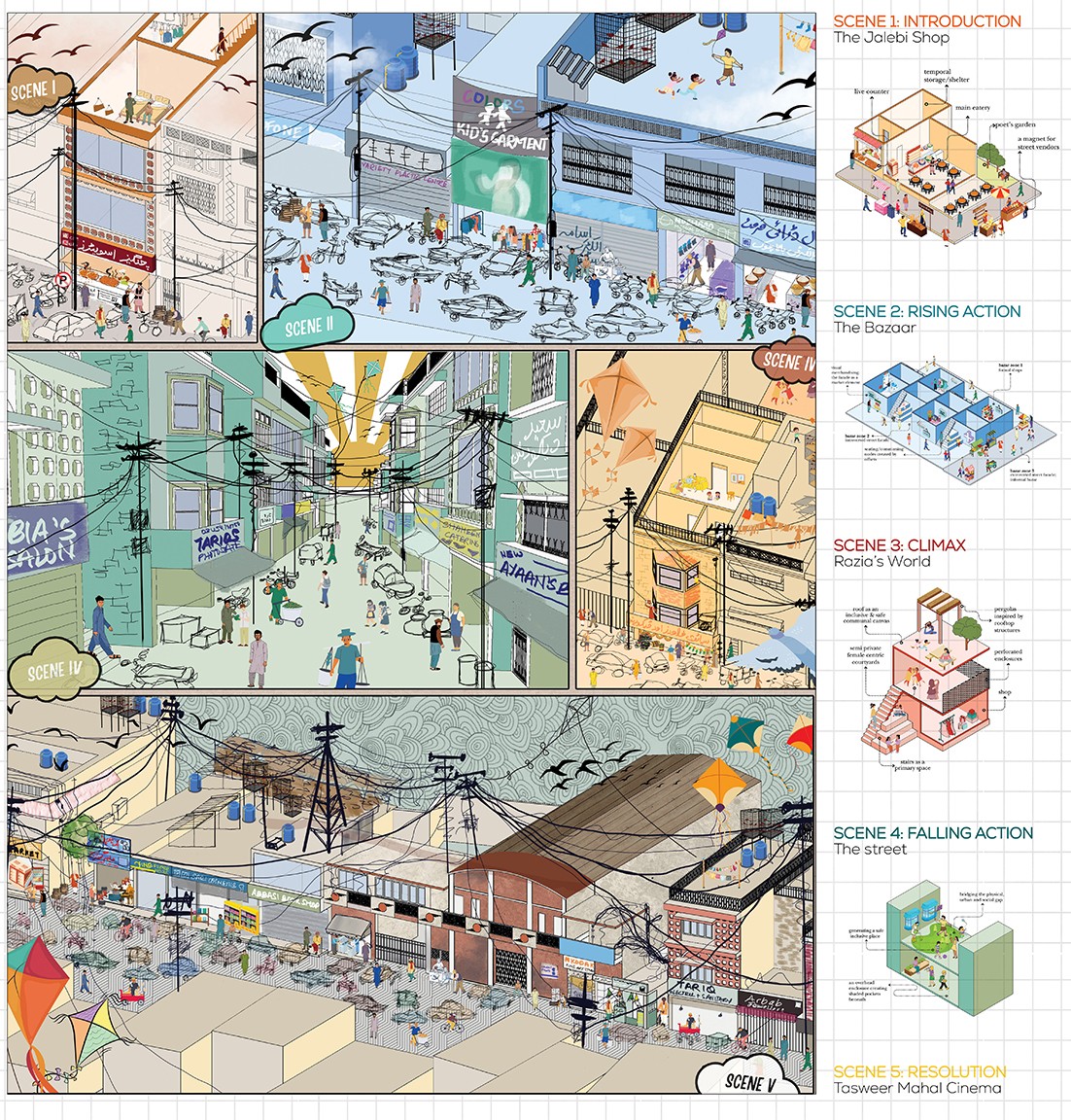
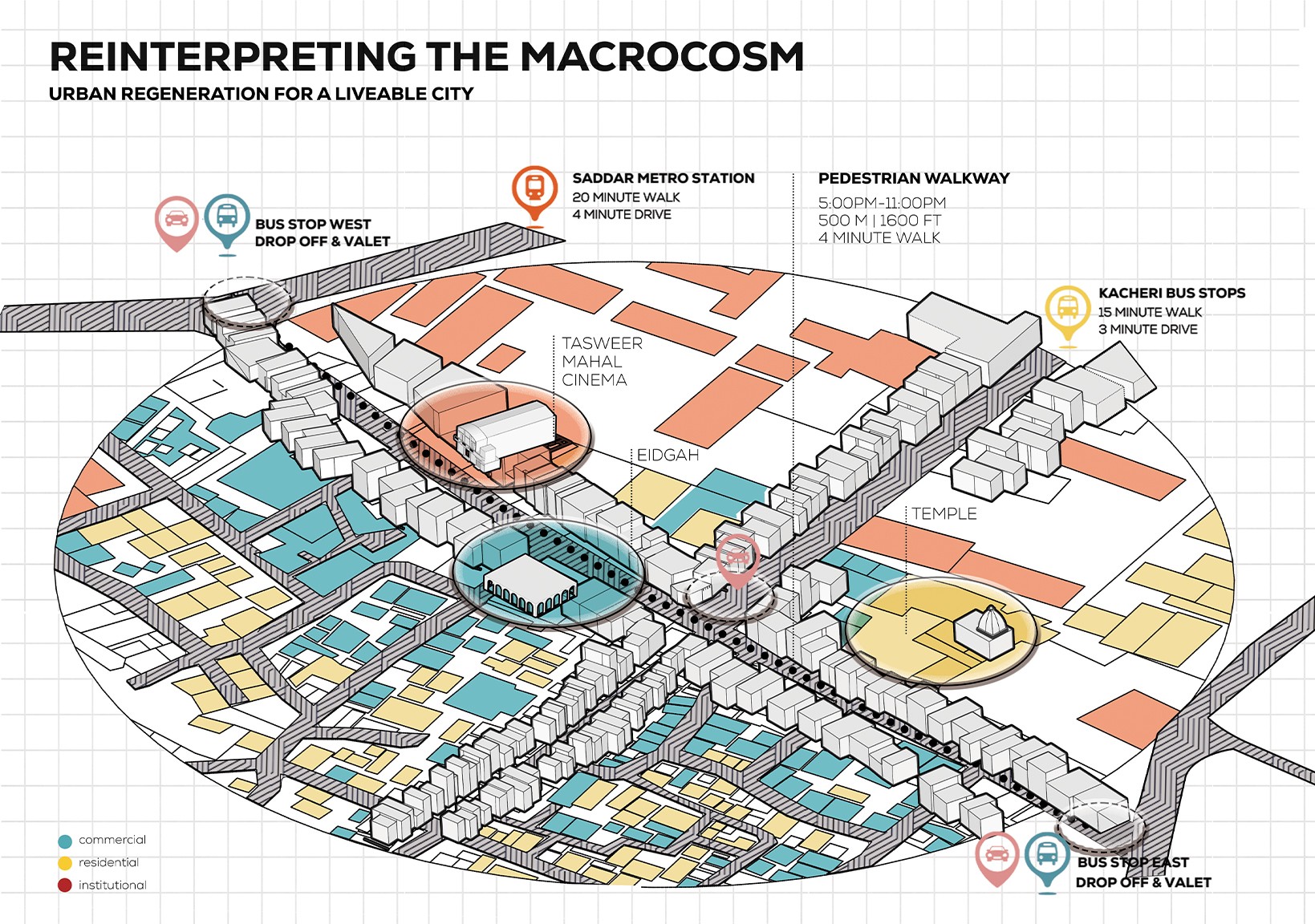
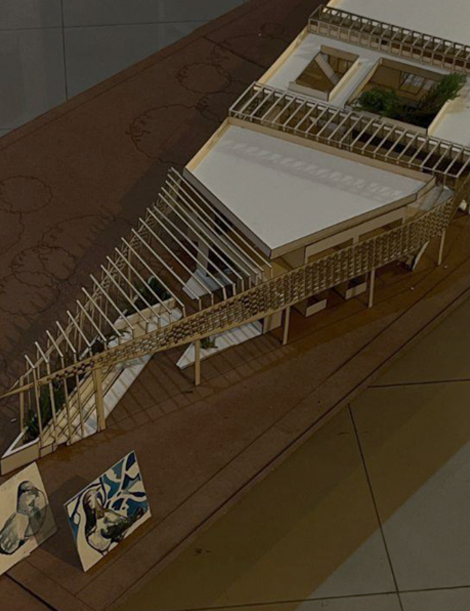
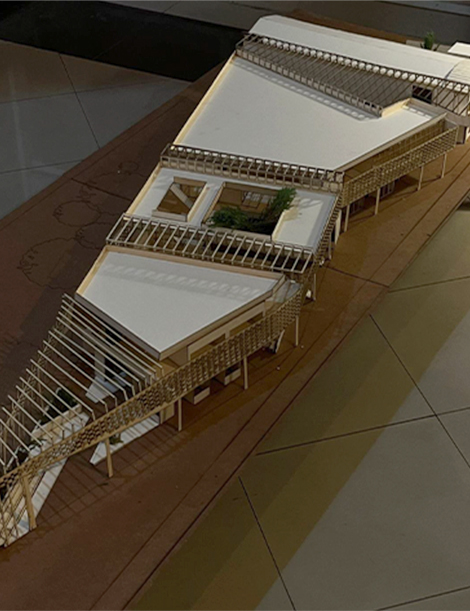
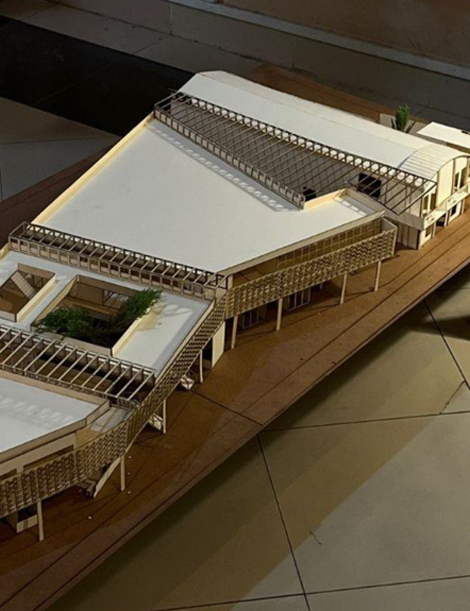
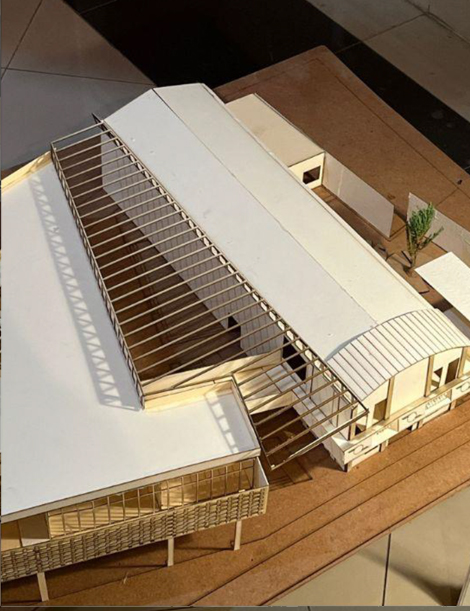
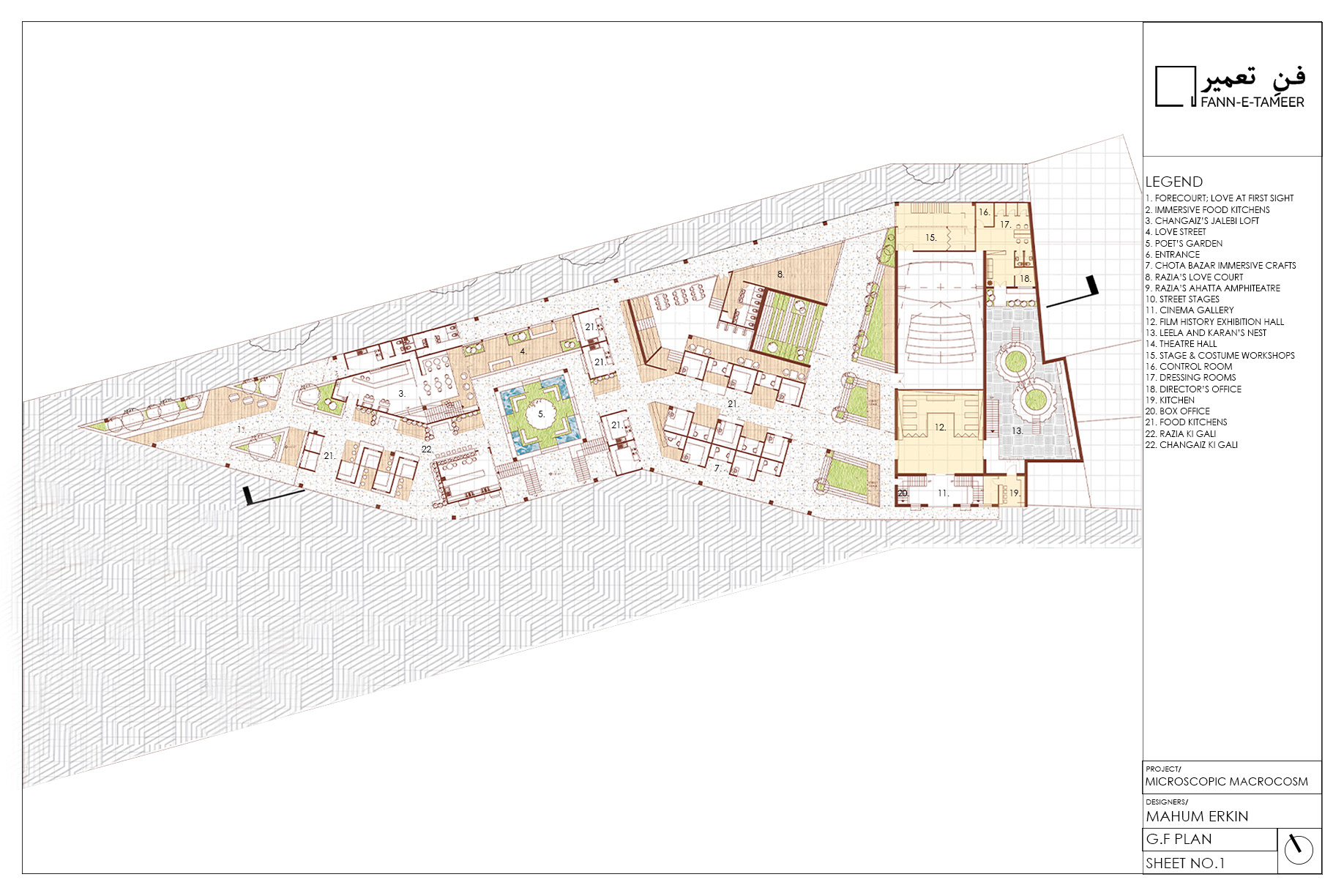
In the evolving urban fabric of Rawalpindi, the decaying Tasweer Mahal Cinema in Lalkurti Bazar stands as a poignant relic of the 1930s, quietly calling for revival as a space of cultural and community value. Mahum Erkin’s thesis explores its adaptive reuse through the lens of placemaking and community building, unfolding as a narrative shaped by the interplay of film and architecture. The architectural proposal takes the form of a romantic trilogy, rooted in a human-centric approach. Ethnographic studies guide the process, drawing on the voices, traditions, and aspirations of the Lalkurti Bazar community. The Tasweer Mahal Cinema is reimagined as a stage for real-life stories, where spaces unfold like film scenes and architecture becomes a vehicle for dialogue and renewal. Through this transformation, the spirit of the community is revived, and the cinema becomes a beacon of heritage conservation and social cohesion, exemplifying the power of narrative-based design to rekindle collective memory and identity. The romantic trilogy reflects the fluidity of time, engaging Lalkurti's present-day community as romanticized characters in a story that envisions Tasweer Mahal's revival as a vibrant cultural epicenter.
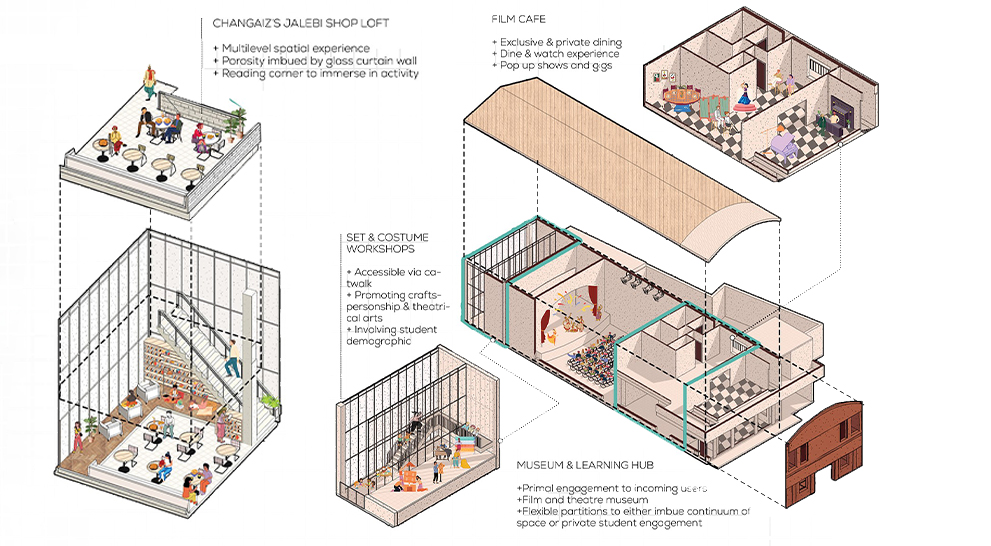
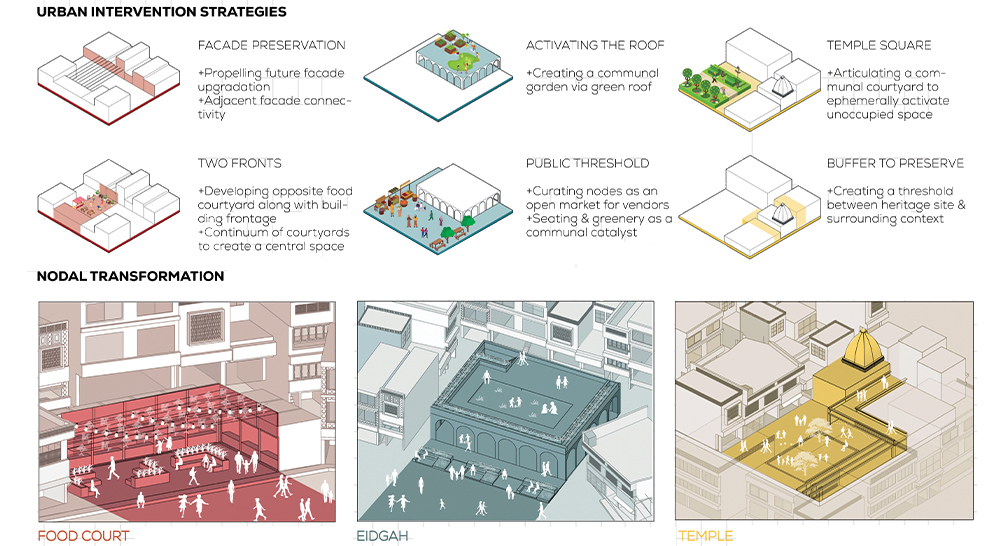
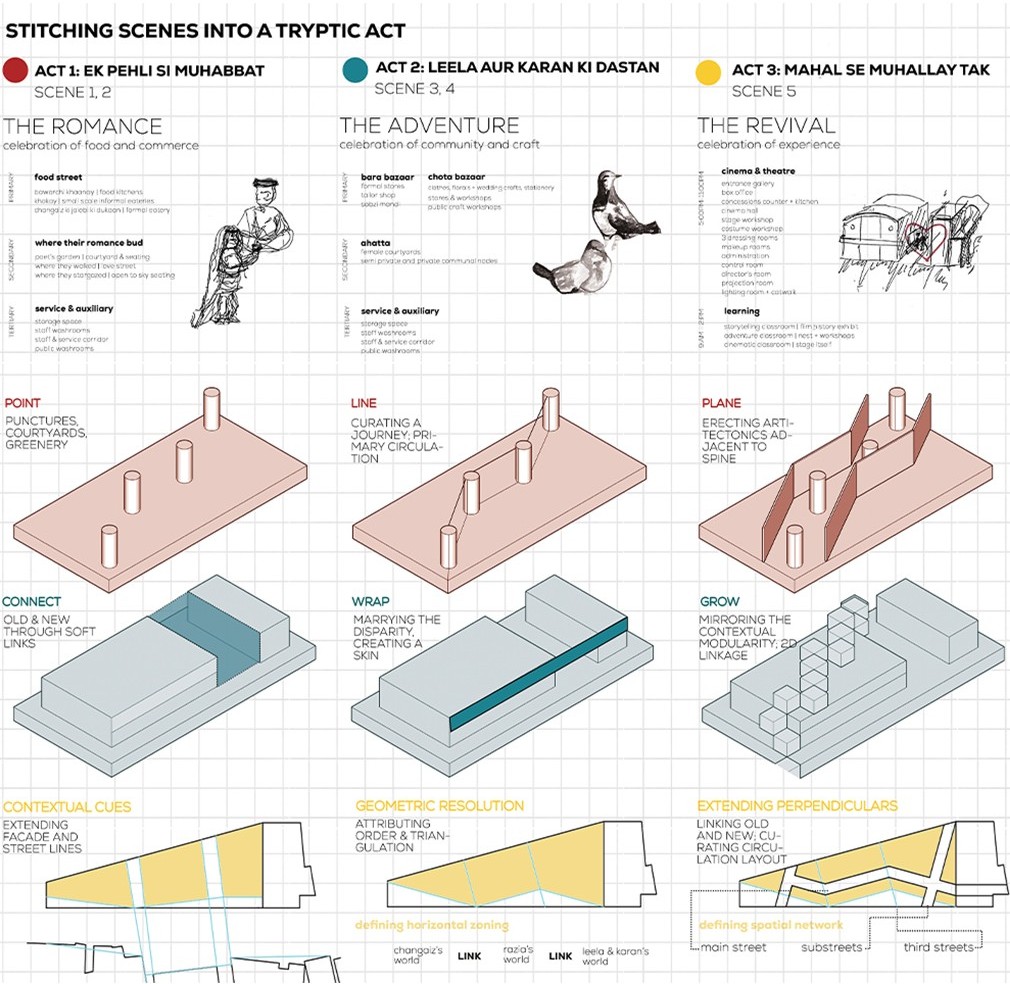
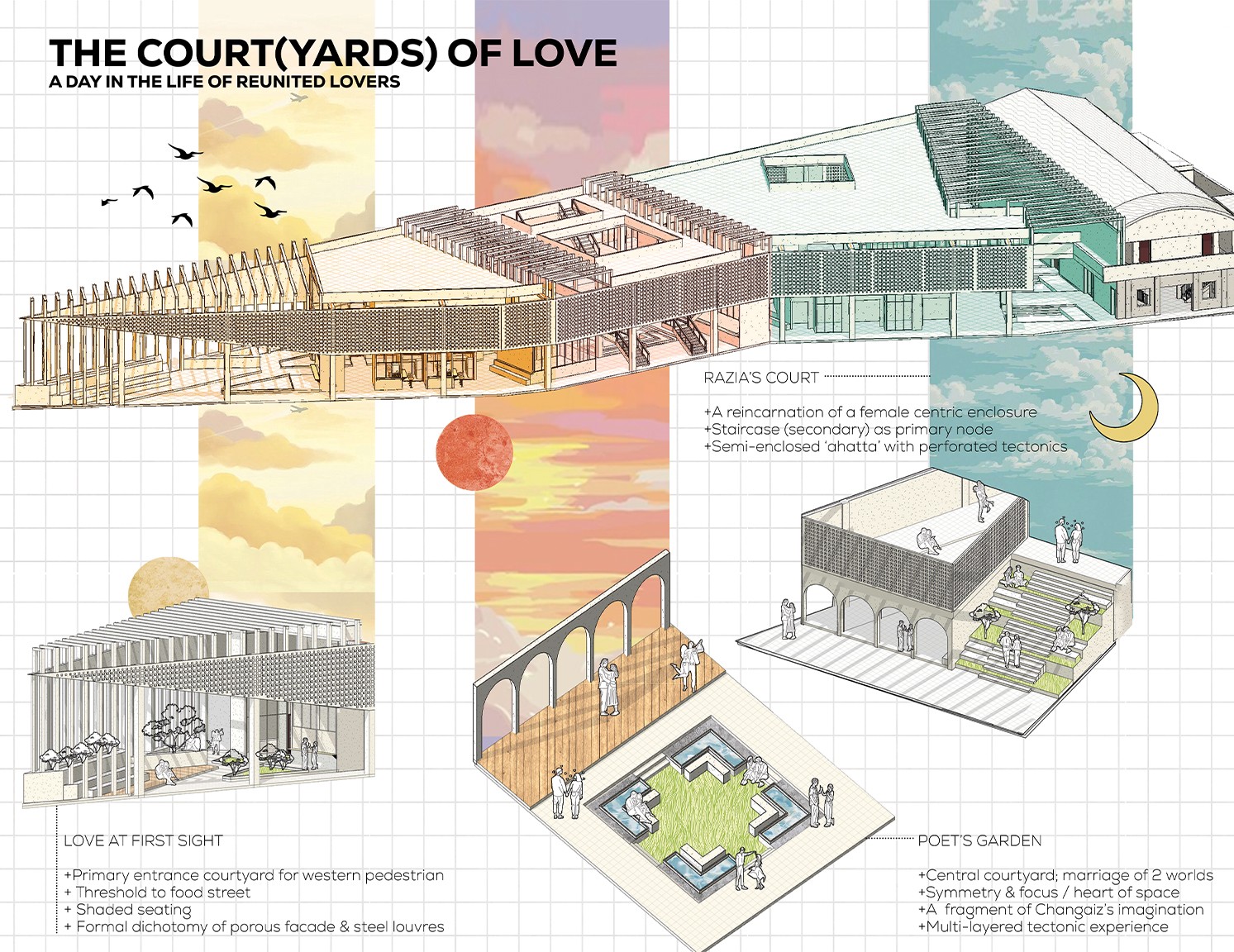
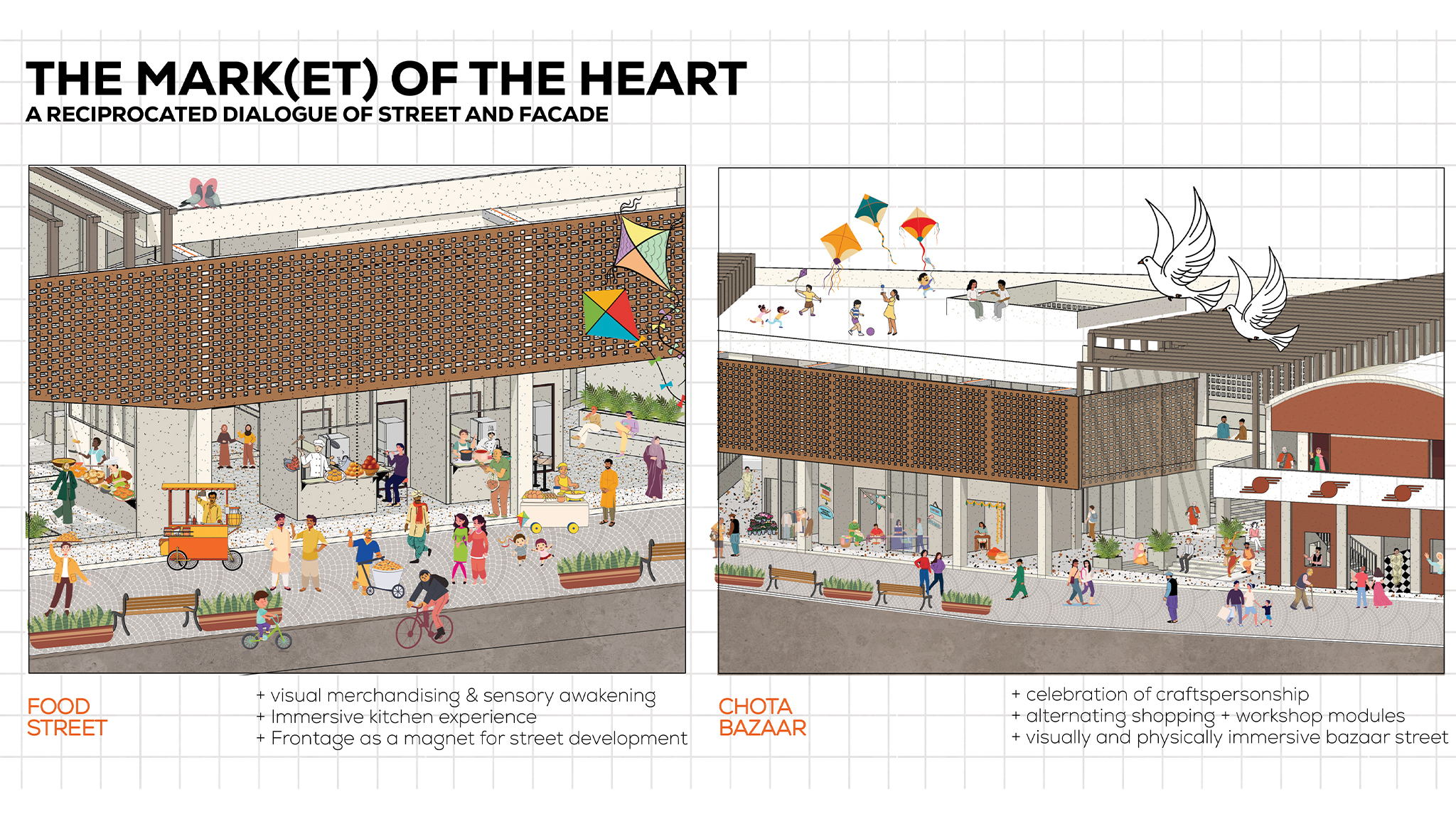
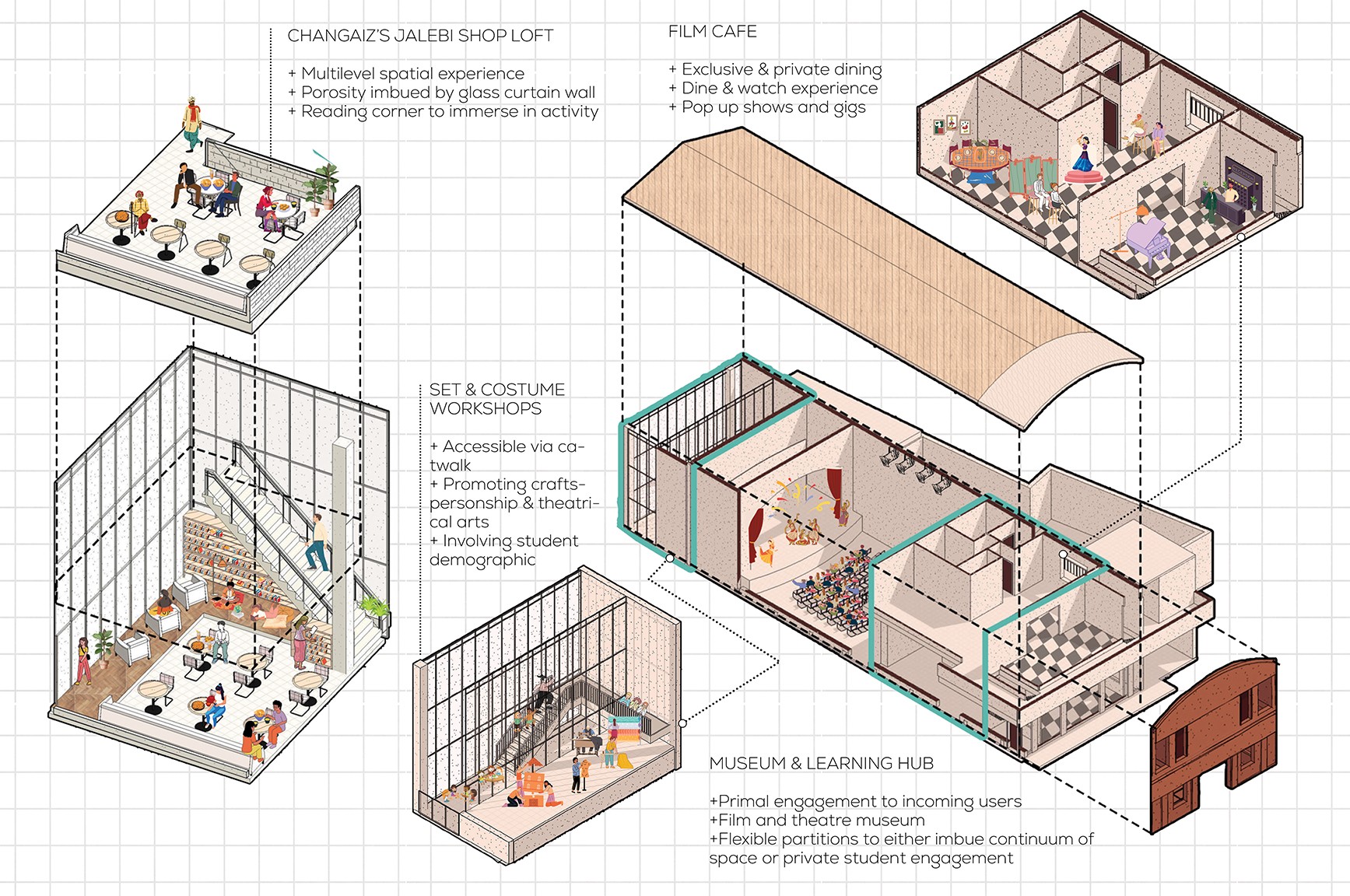
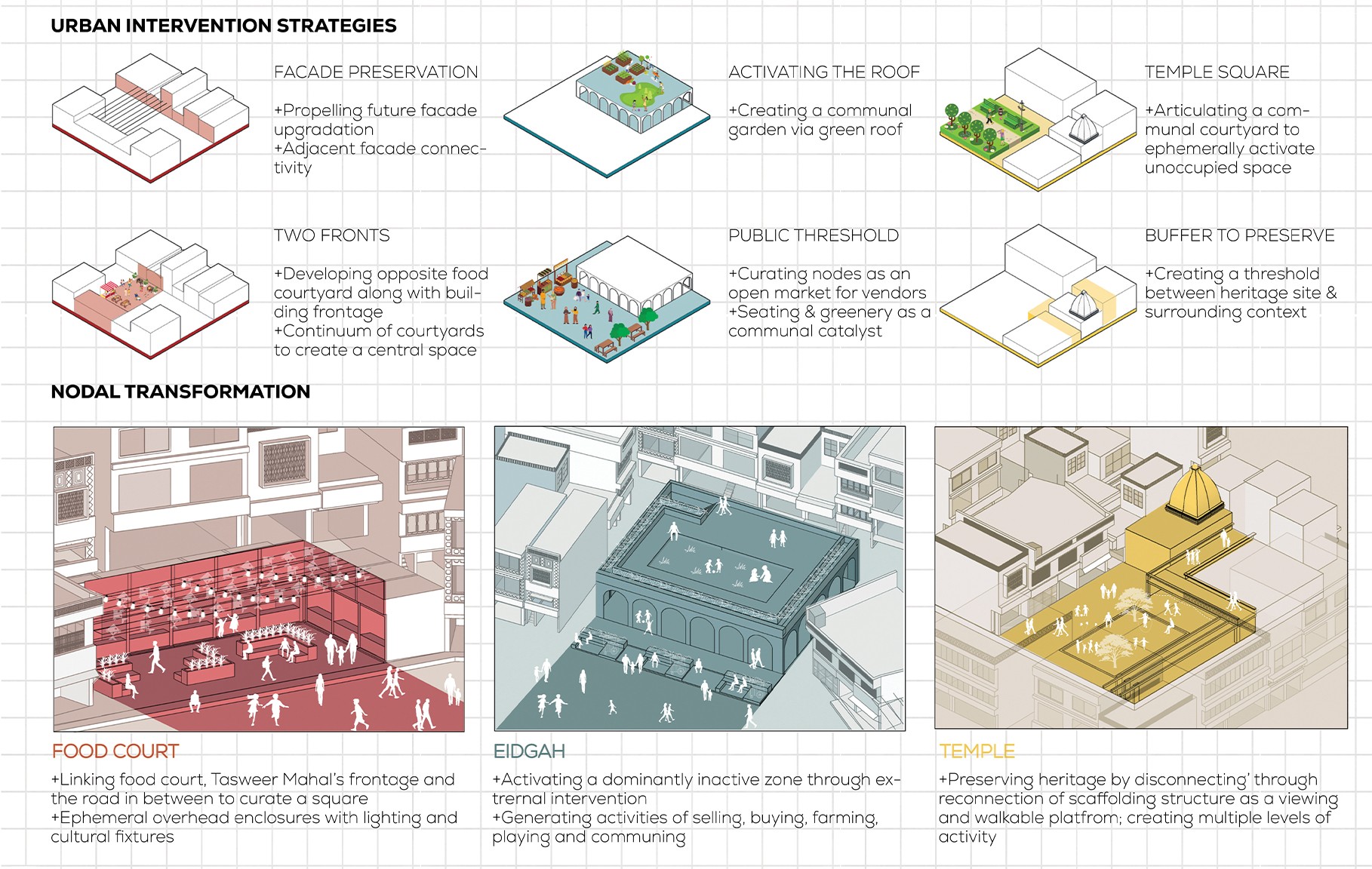
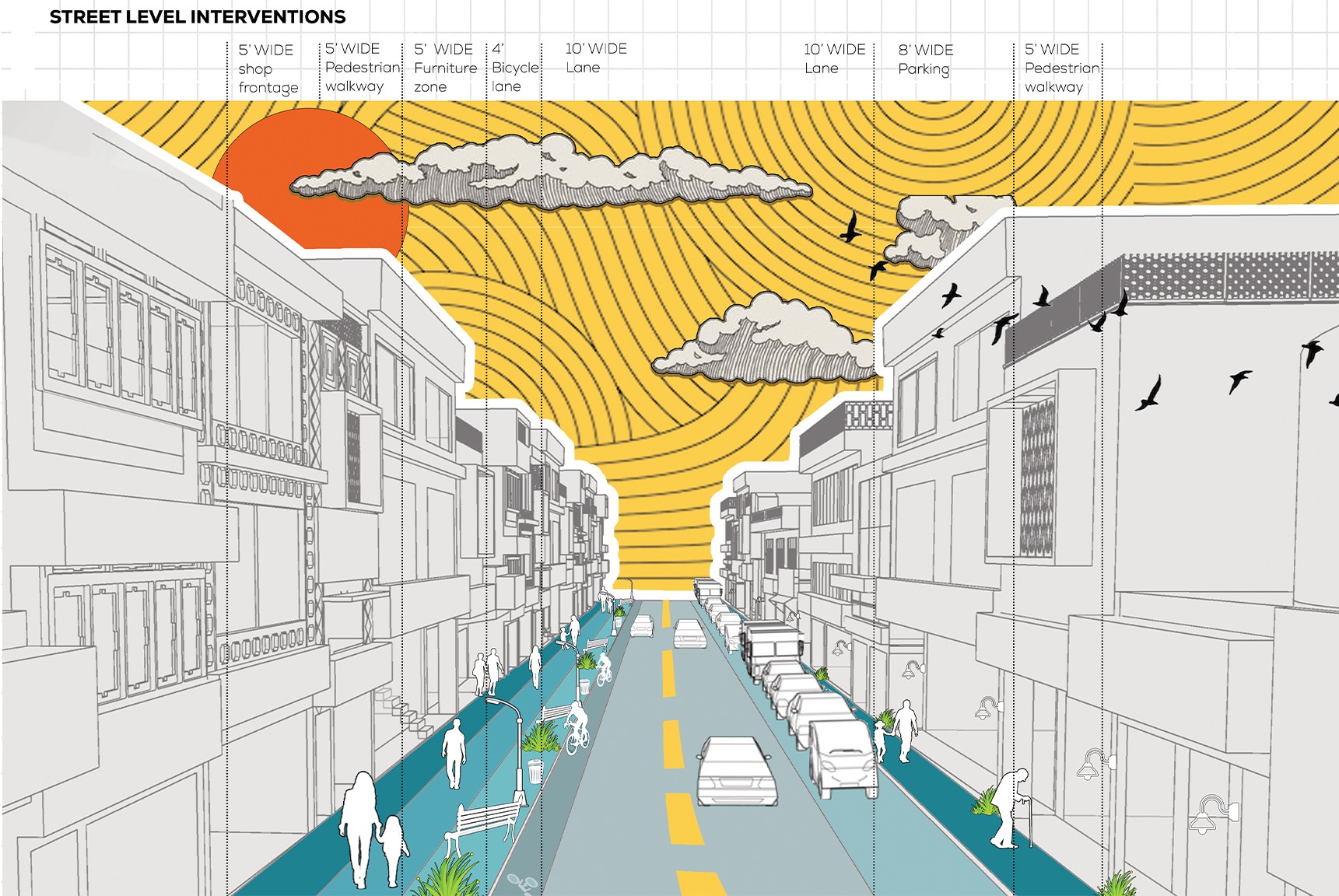
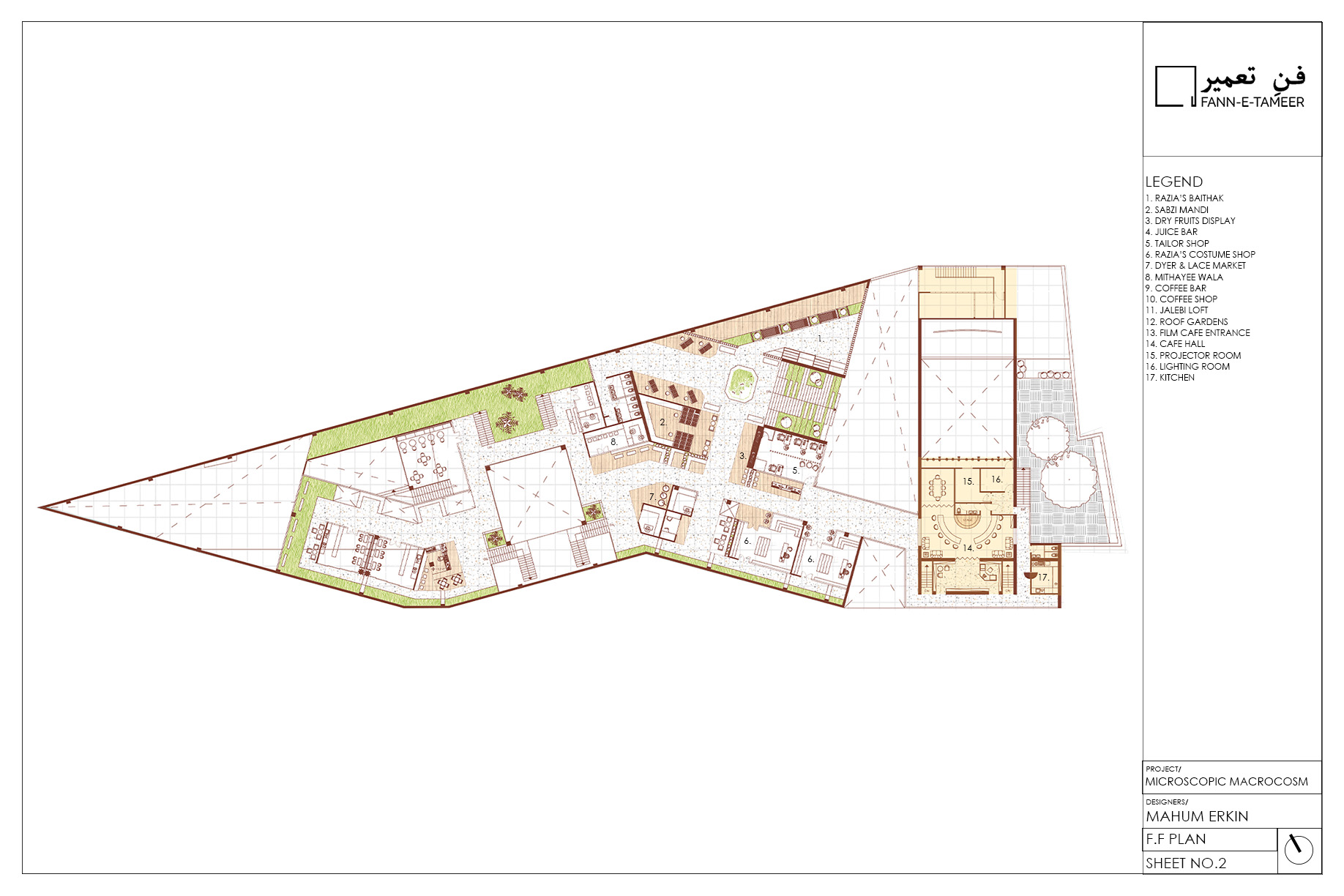
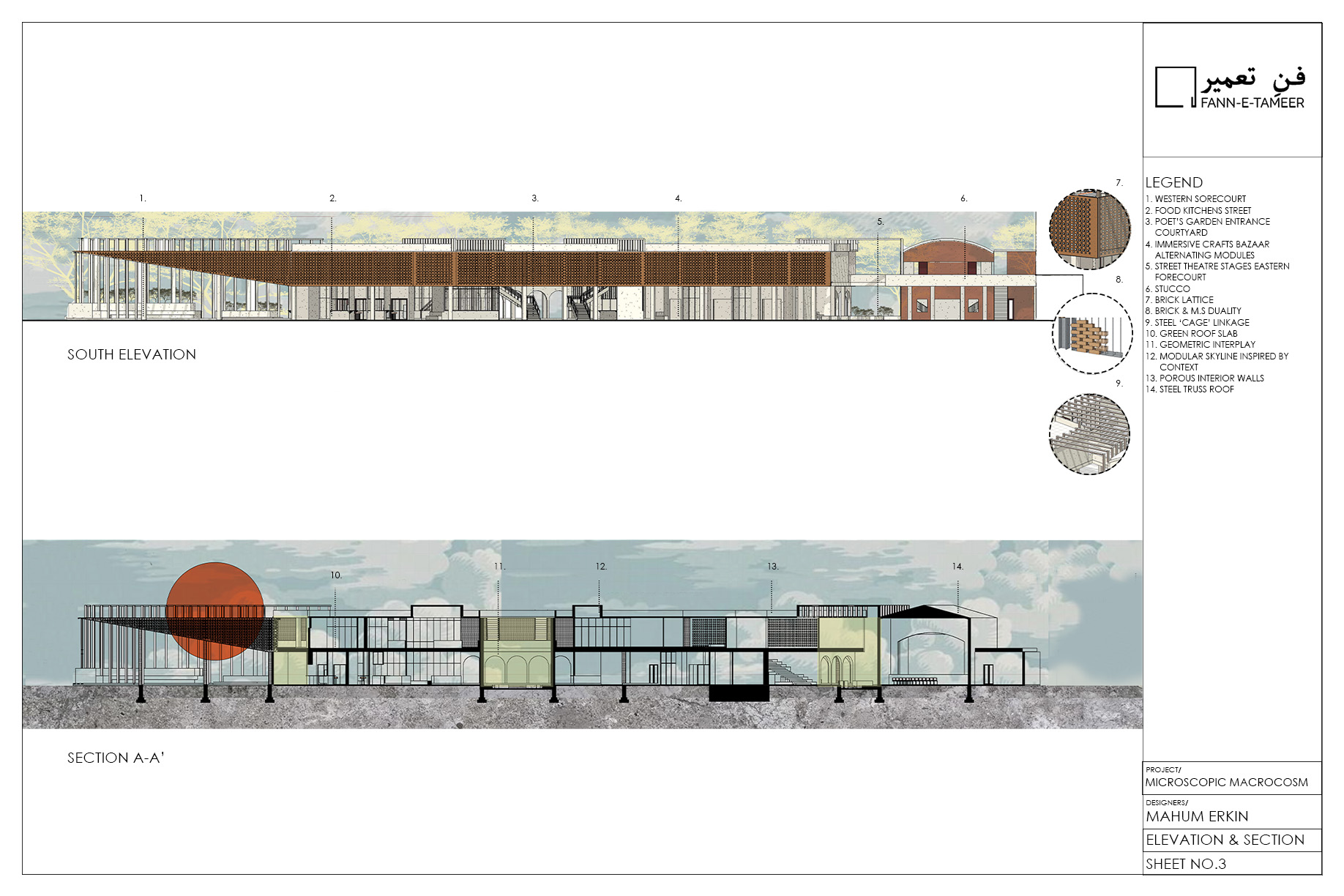
Structured around the pillars of time—past, present, and future—the trilogy begins with Ek Pehli Si Muhabbat, a prequel set between 1930–1950, portraying the tragic love of Changaiz, a poet, and Razia, a Hindu actress. The sequel, Leela aur Karan Ki Dastan, shifts to the present, told through their carrier pigeons who discover a lost letter and set out to fulfill Razia’s last wish: to revive the cinema. This part explores Lalkurti’s current context and links past and future. The final chapter, Muhallay se Mahal Tak, imagines a future where Tasweer Mahal becomes both protagonist and proposal. Through building, street, and bazar, the adaptive reuse of the cinema and its surroundings aims to cultivate cultural continuity, heritage preservation, and community rebirth. The final design unfolds as a chronological film set centered on the partially preserved cinema, connecting spatial "worlds" inspired by Changaiz, Razia, Leela, and Karan. Each realm—food street, craft bazar, outdoor space—is interwoven with courtyards for emotional transitions. Plug-ins like a film museum, café, and atrium activate public engagement, while walkable interventions, grounded in NACTO principles, reimagine Lalkurti’s future.
Contact Designers || Portfolio
You Might Find These Interesting
 DESIGNED BY: Huzaifah Fakher
The Bridge: The Architecture of Cultural Diplomacy
Islamabad, Punjab
 DESIGNED BY: Ali Shehroz
Borderless Architecture: Bridging the Divide
Wagah-Attari Border DESIGNED BY: Zoya Bashir
Ziyaastan: The Place Where Light Returns
Sharda, Neelum Valley, Azad Kashmir, Pakistan