Naqsh-e-Dil
Dua Khalid’s thesis reinterprets Sufi spirituality in Multan through an interpretation center, using sacred geometry, symbolism, and local materials to embody the Sufi path & revive the city’s spirit.
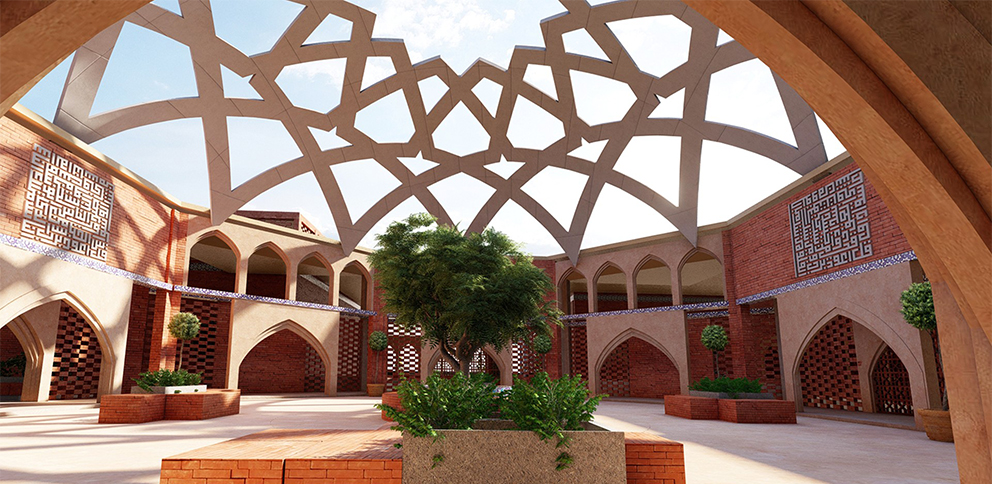
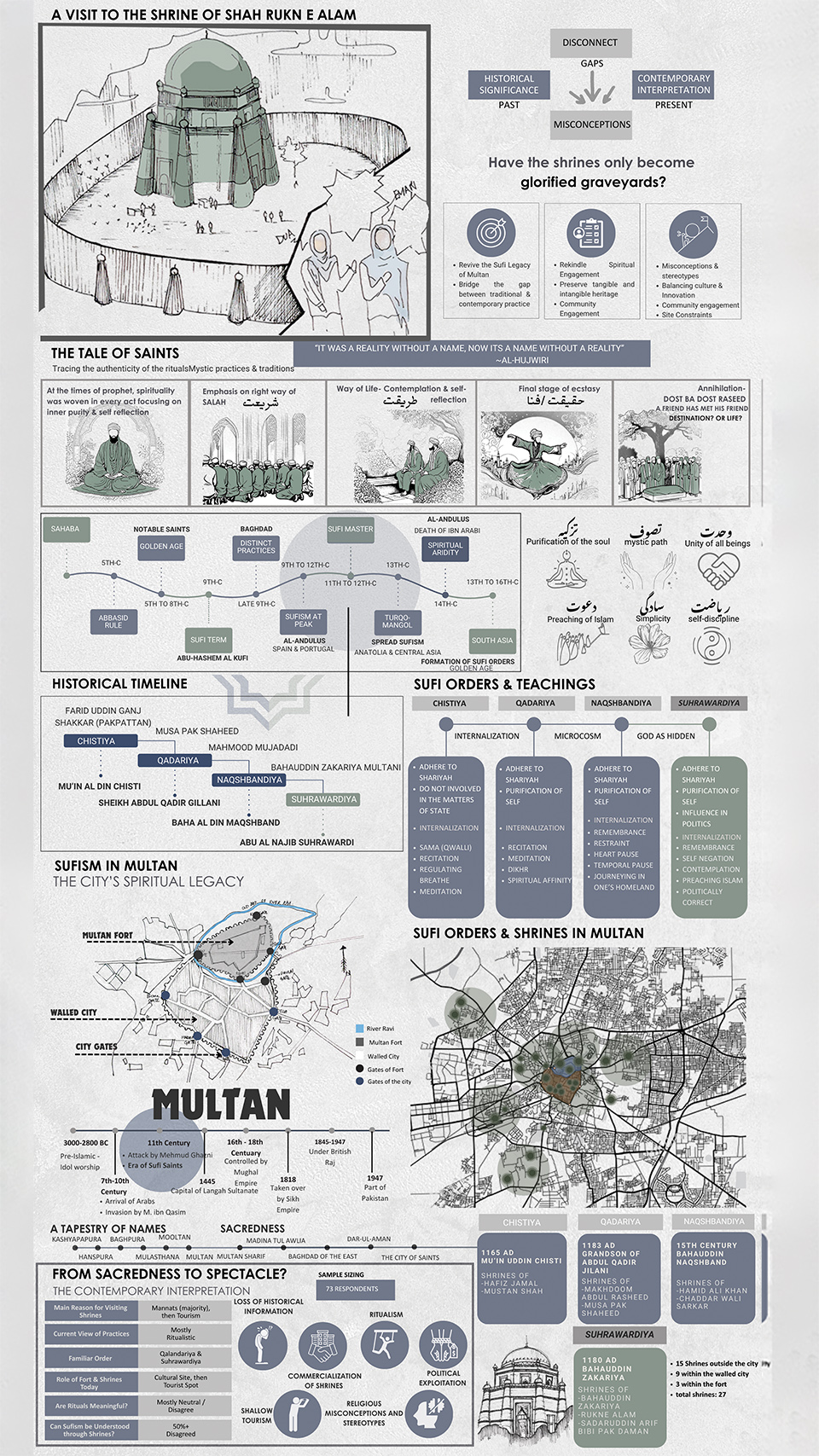
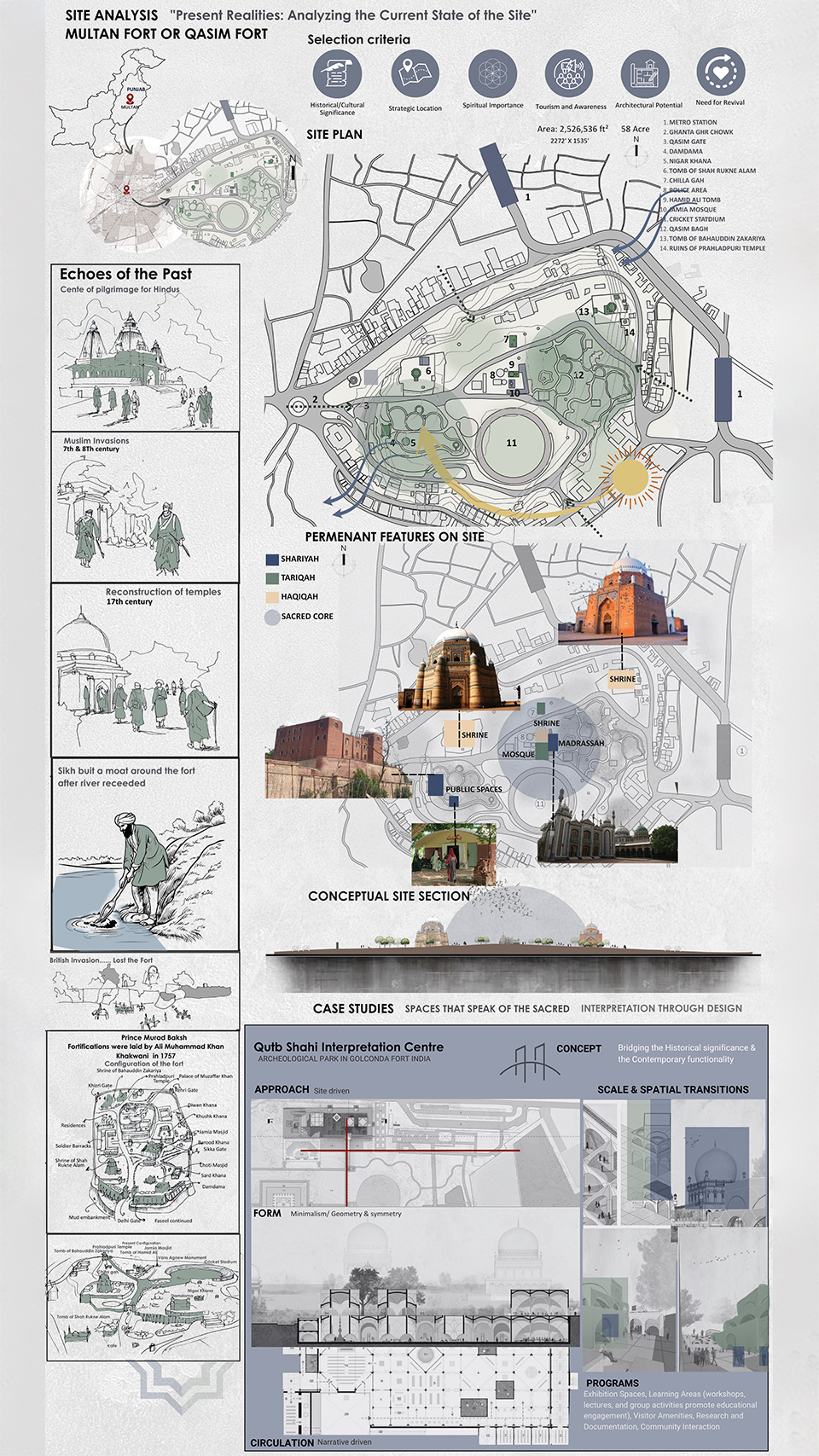
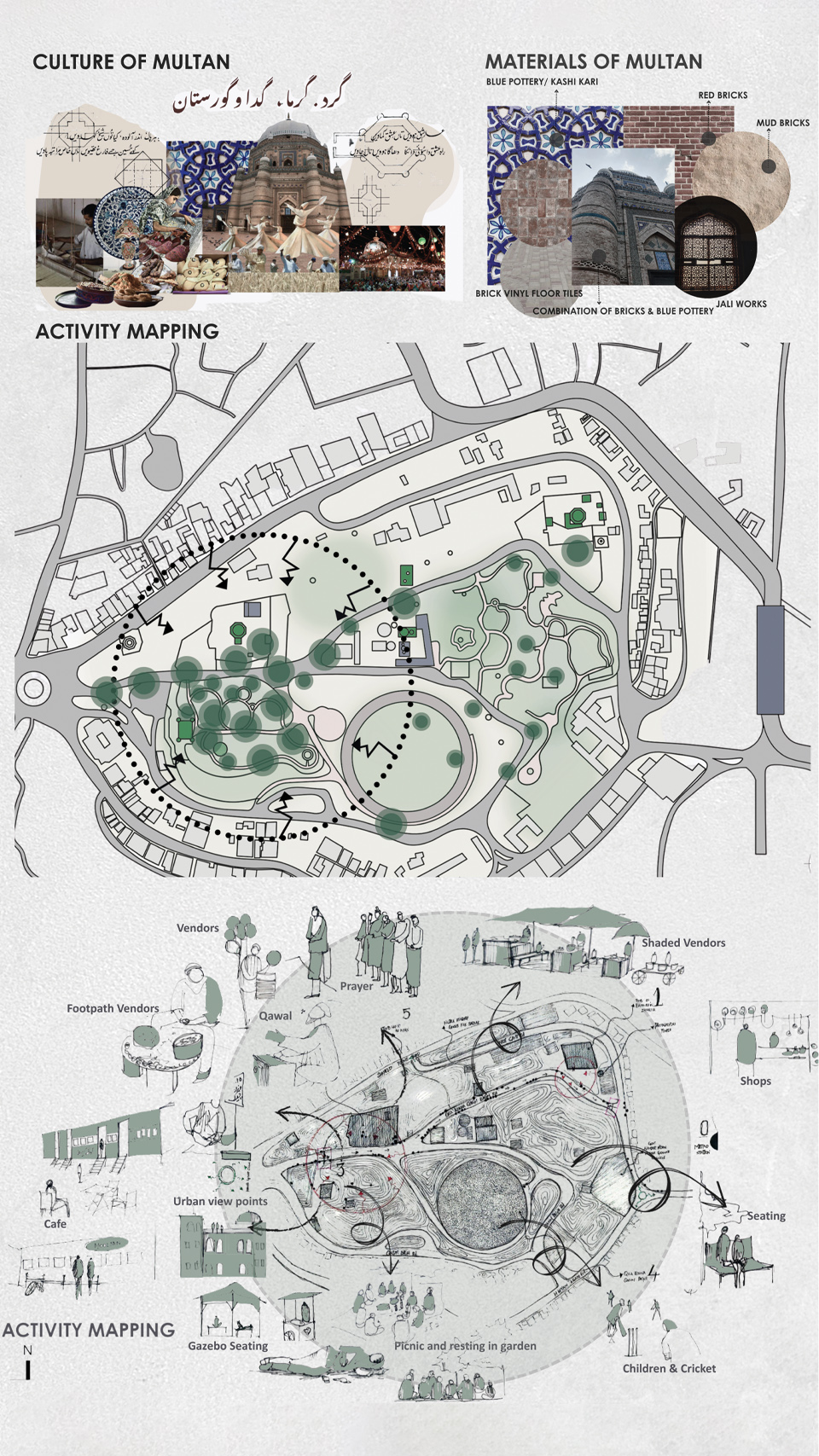


Dua Khalid’s undergraduate thesis investigates the intricate relationship between Sufi spiritual teachings and their architectural embodiment, aiming to create a harmonious integration of sacred and cultural spaces that reconnect individuals with the essence of Sufi practices. Once celebrated as the "City of Saints," Multan’s spiritual identity has diminished, with its sacred spaces now reduced to tourist attractions devoid of their original spiritual depth. The project seeks to address this loss by reviving the Sufi legacy through an intervention that reinterprets the spiritual journey of Sufism into a cohesive architectural narrative.
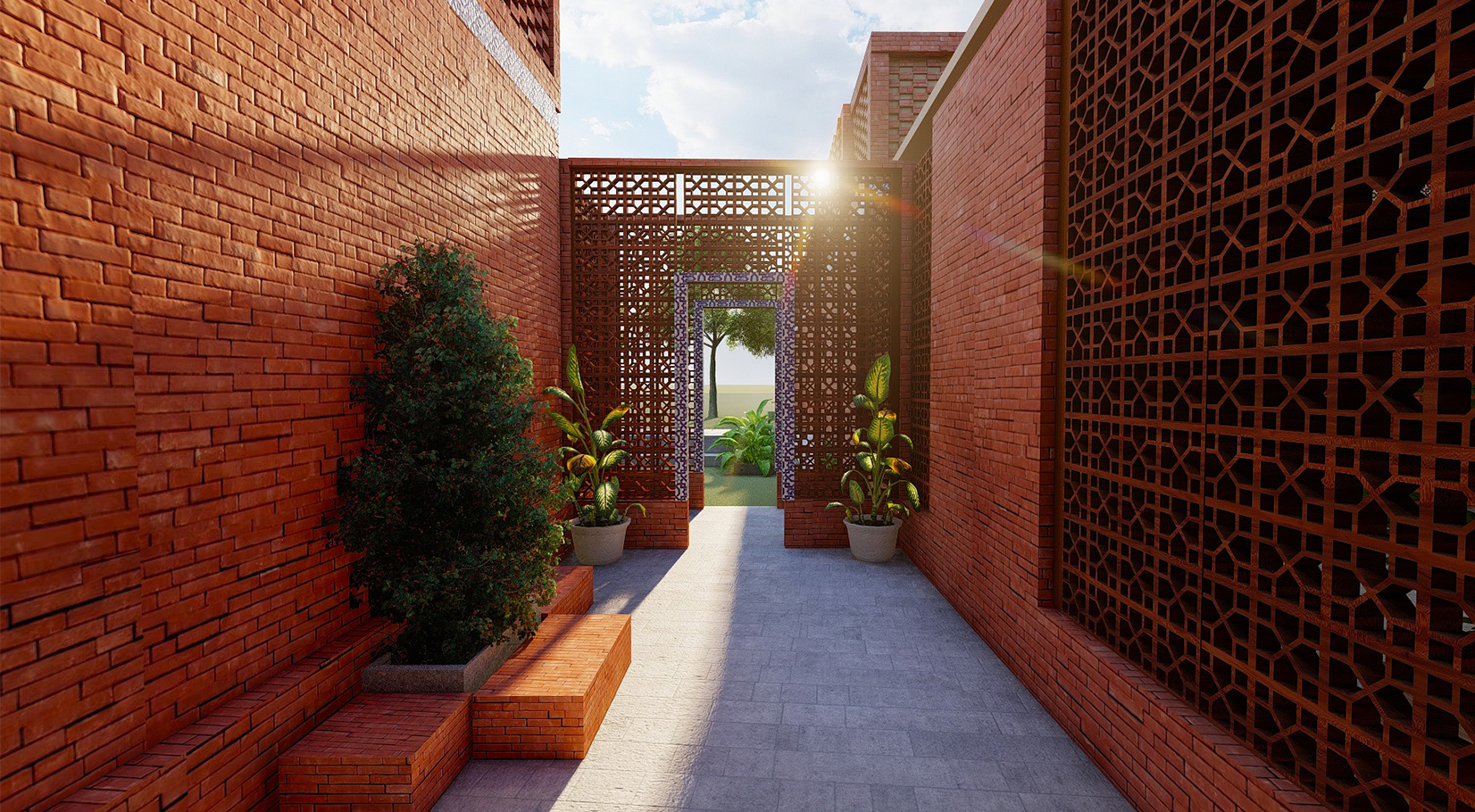
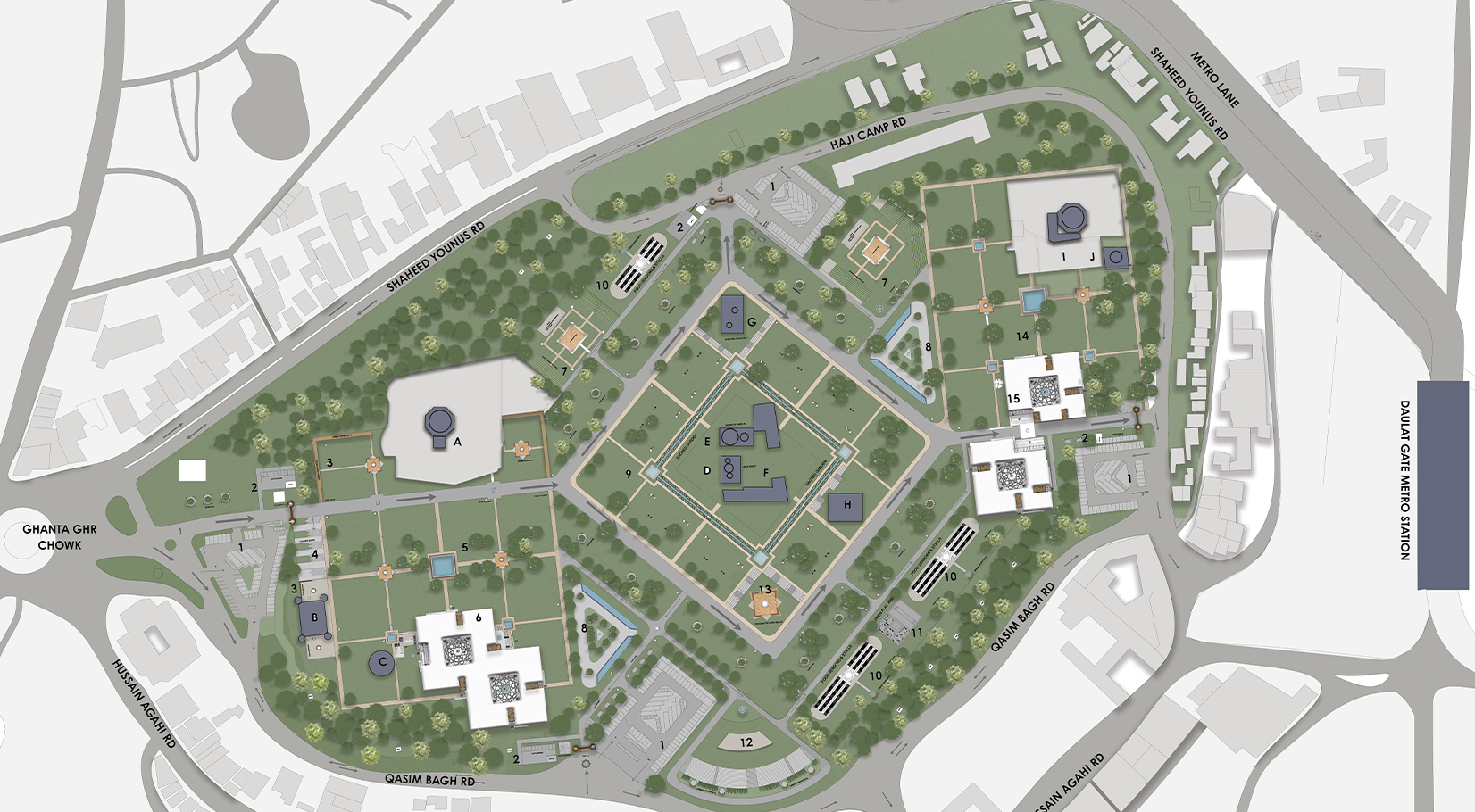
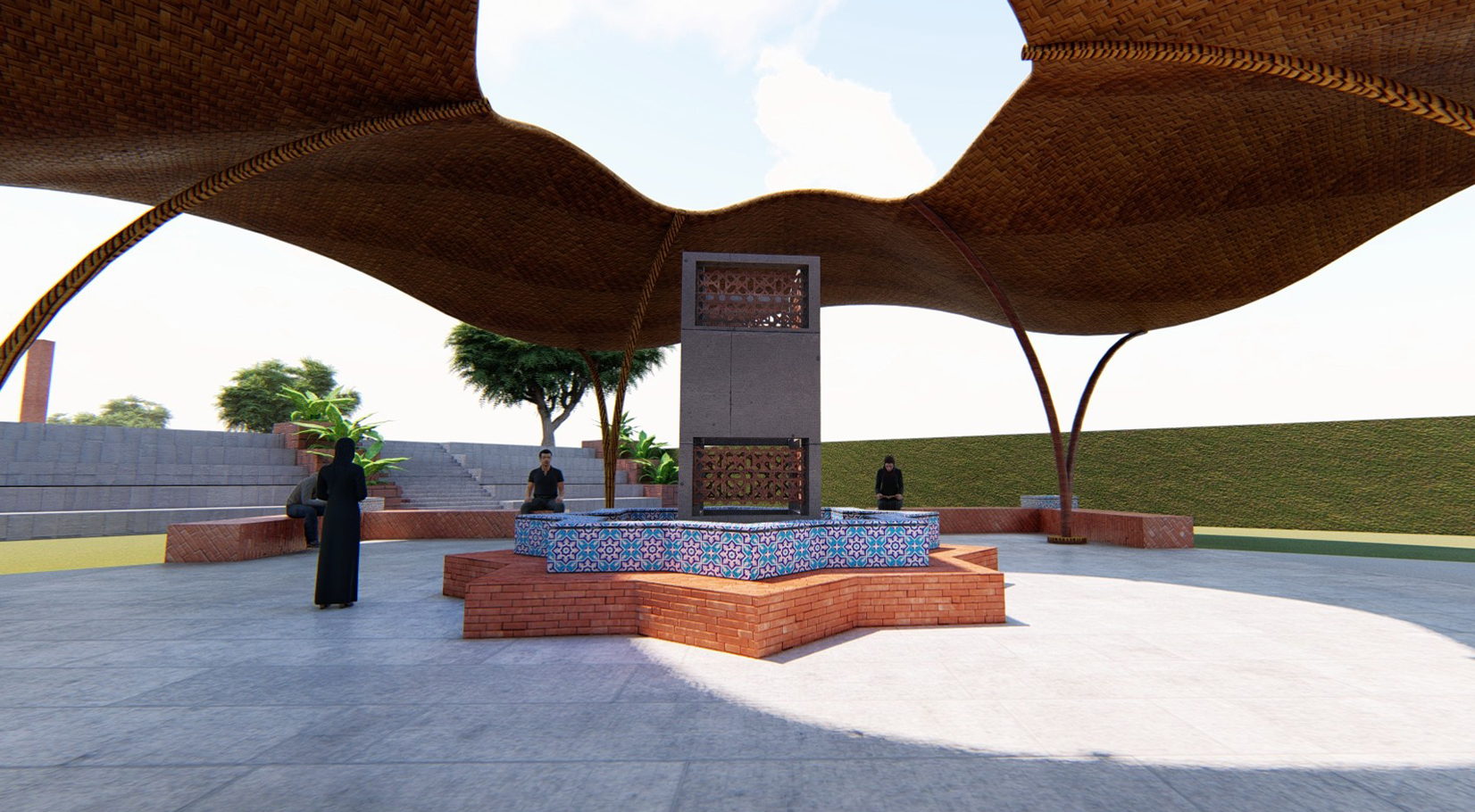
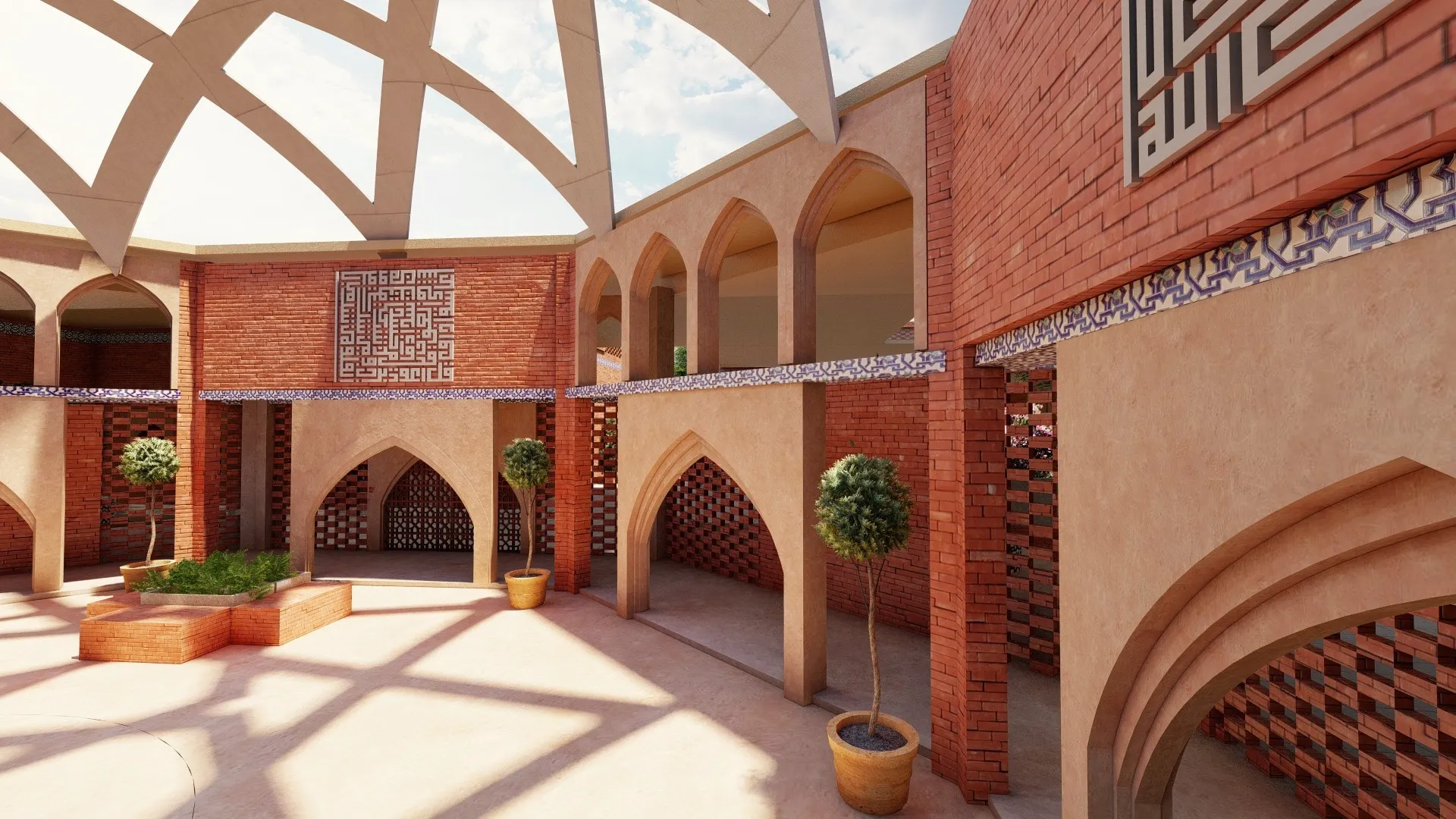
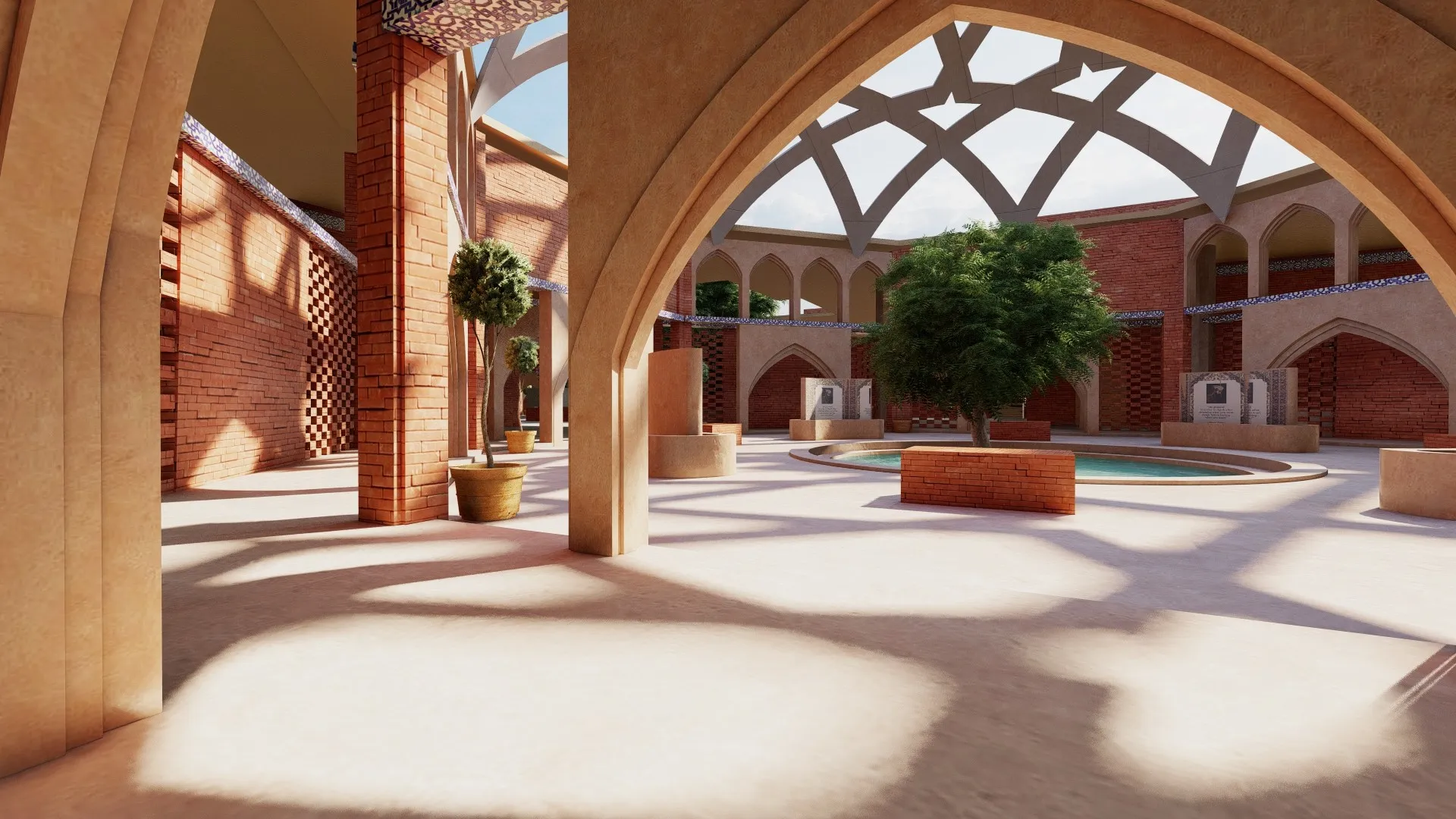
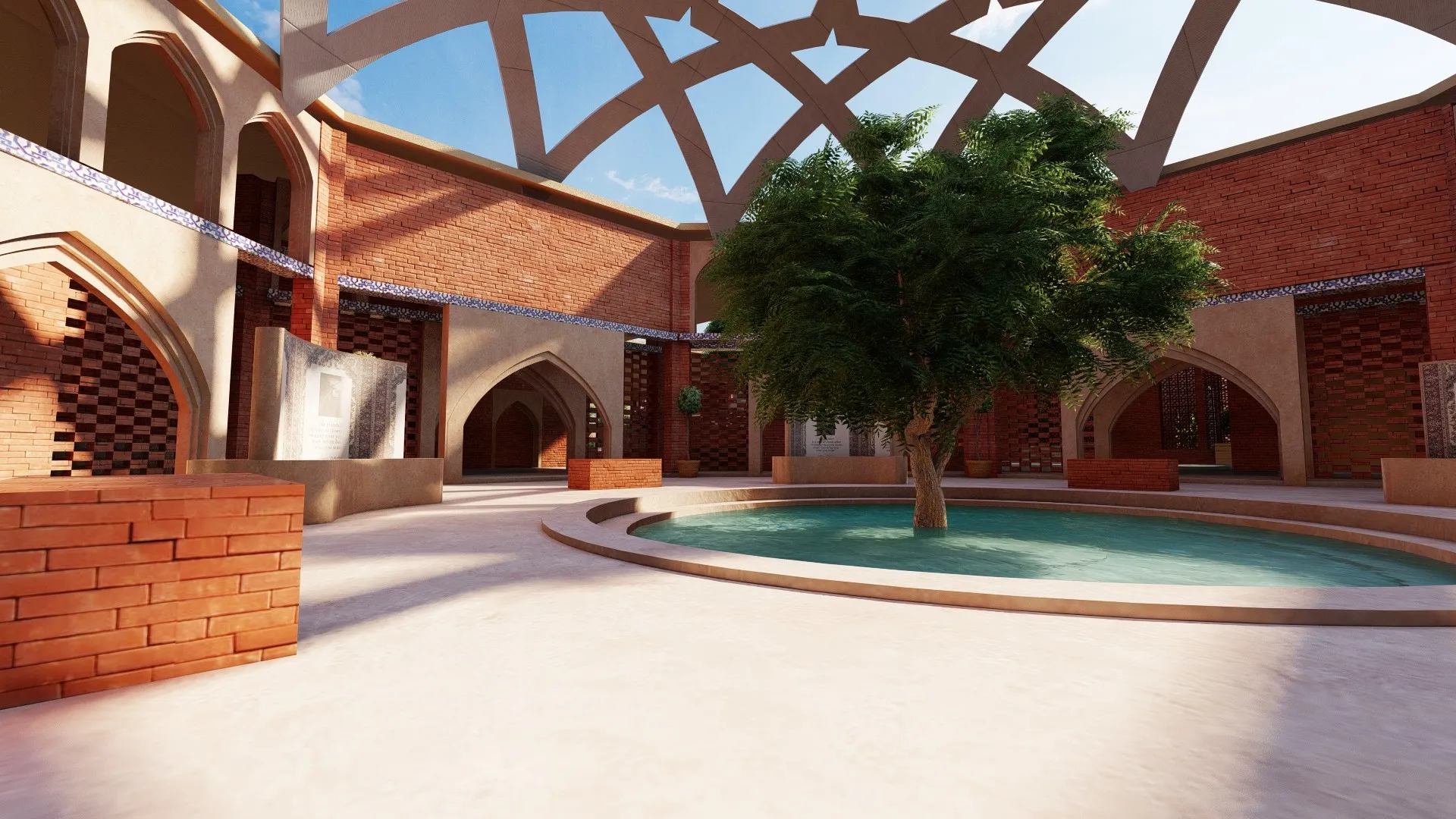
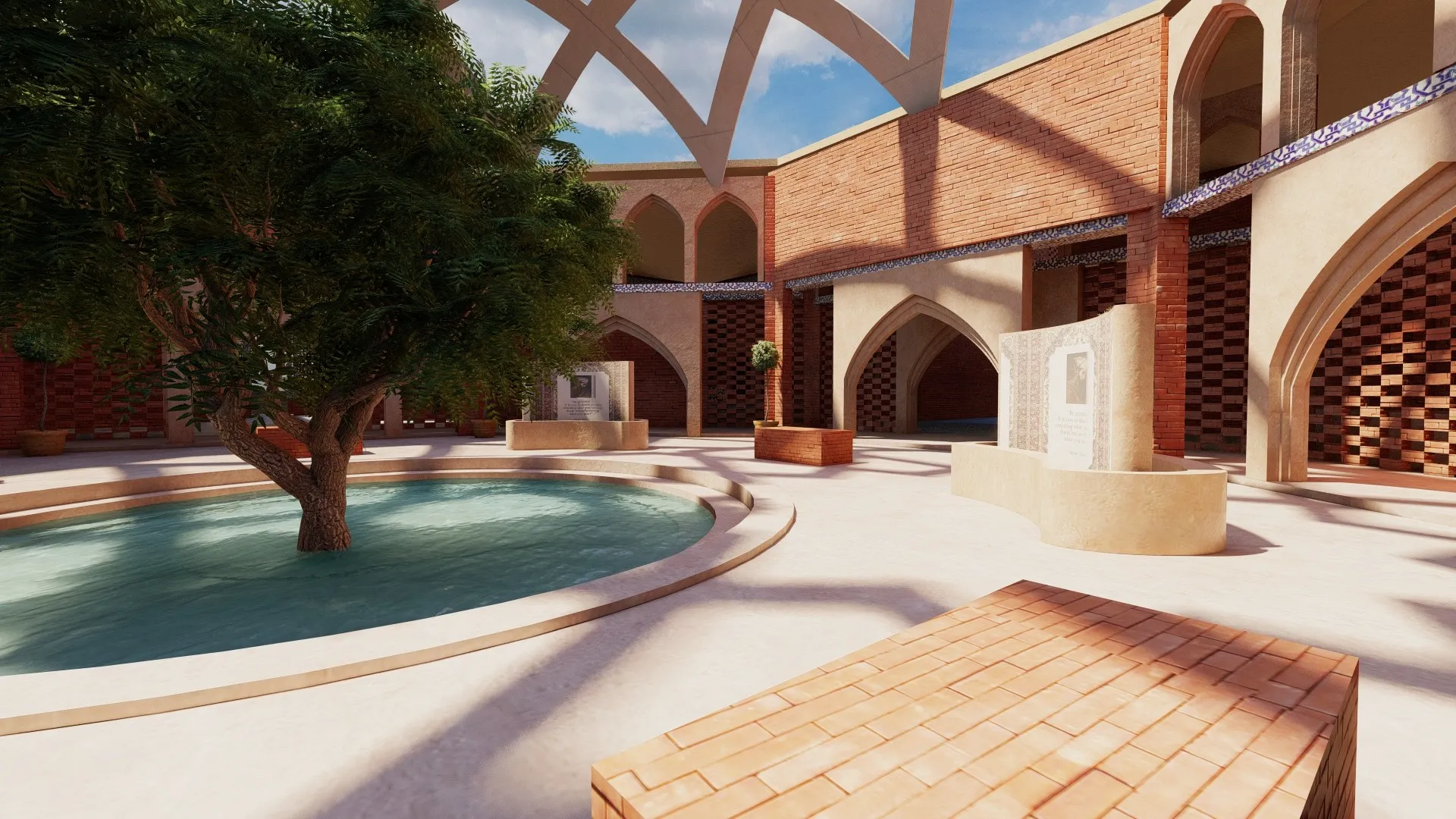
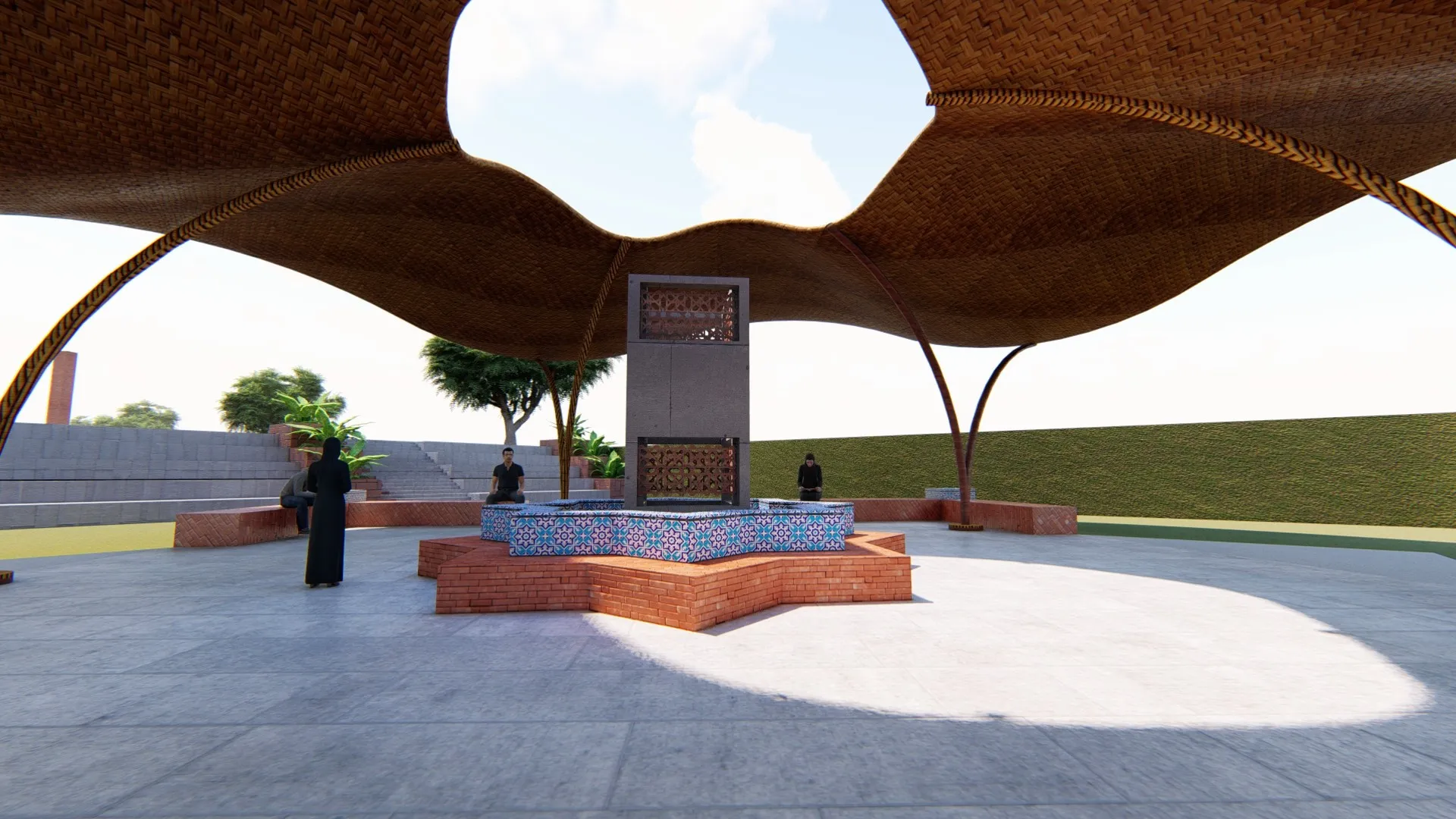
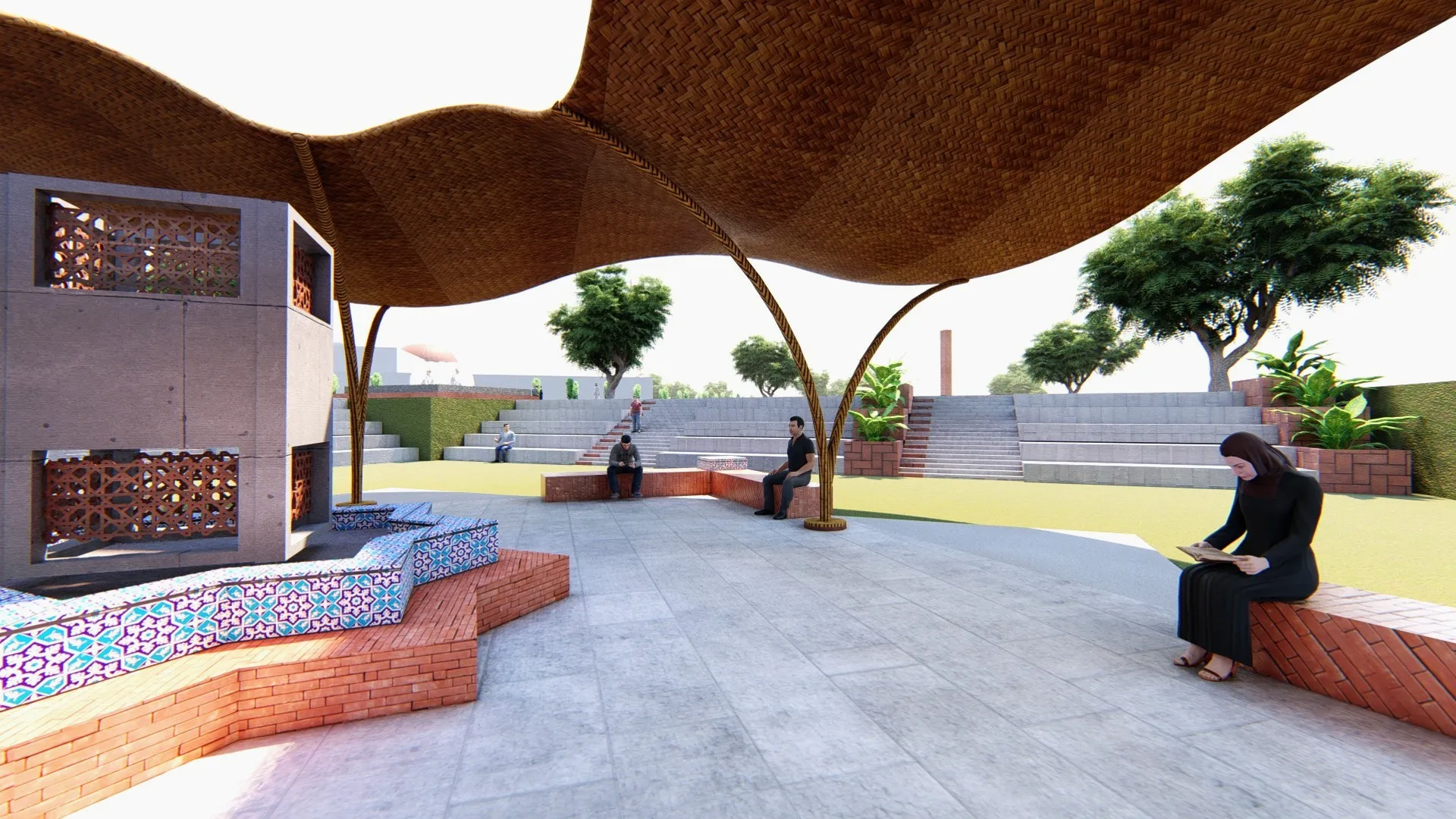
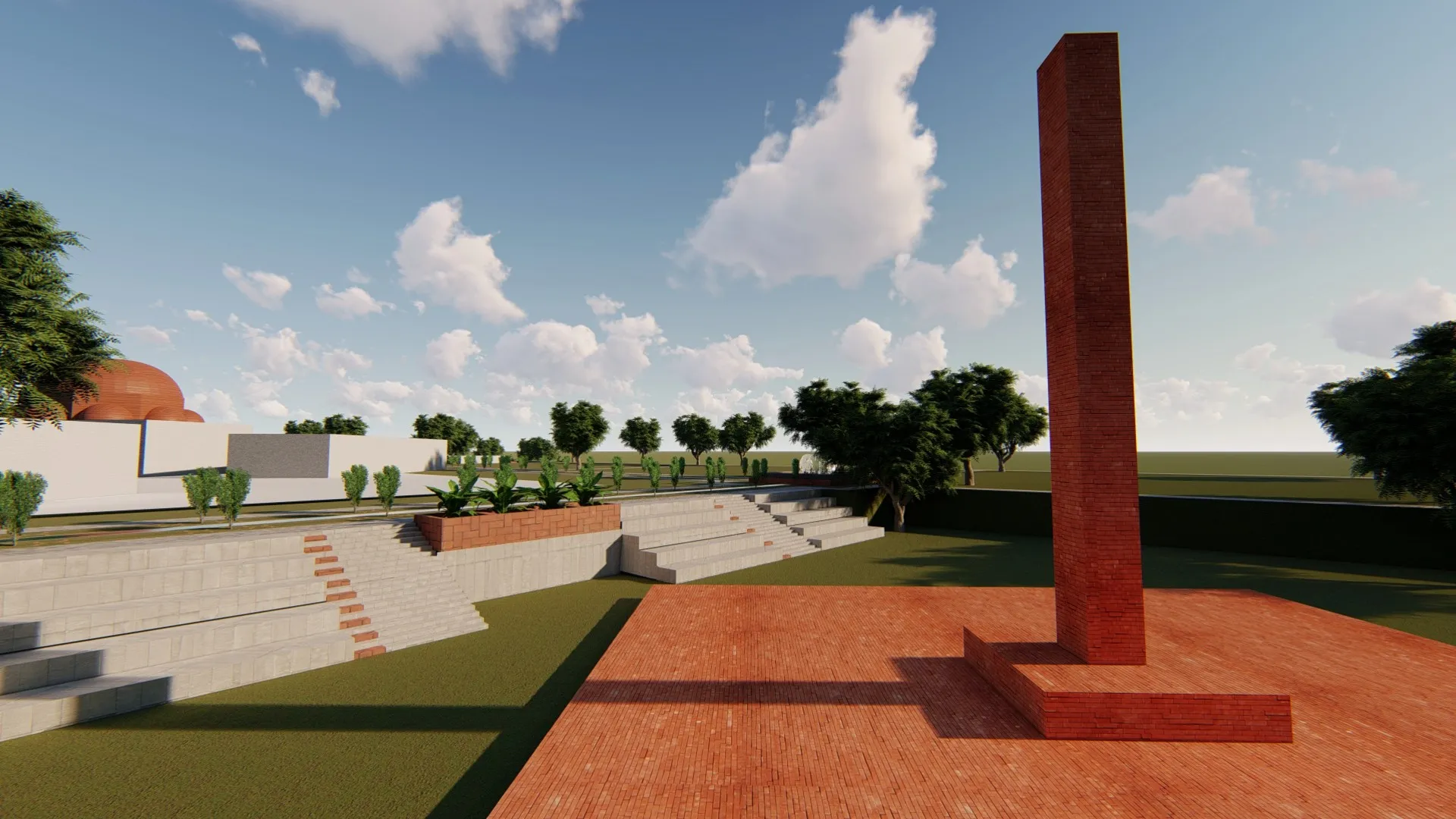
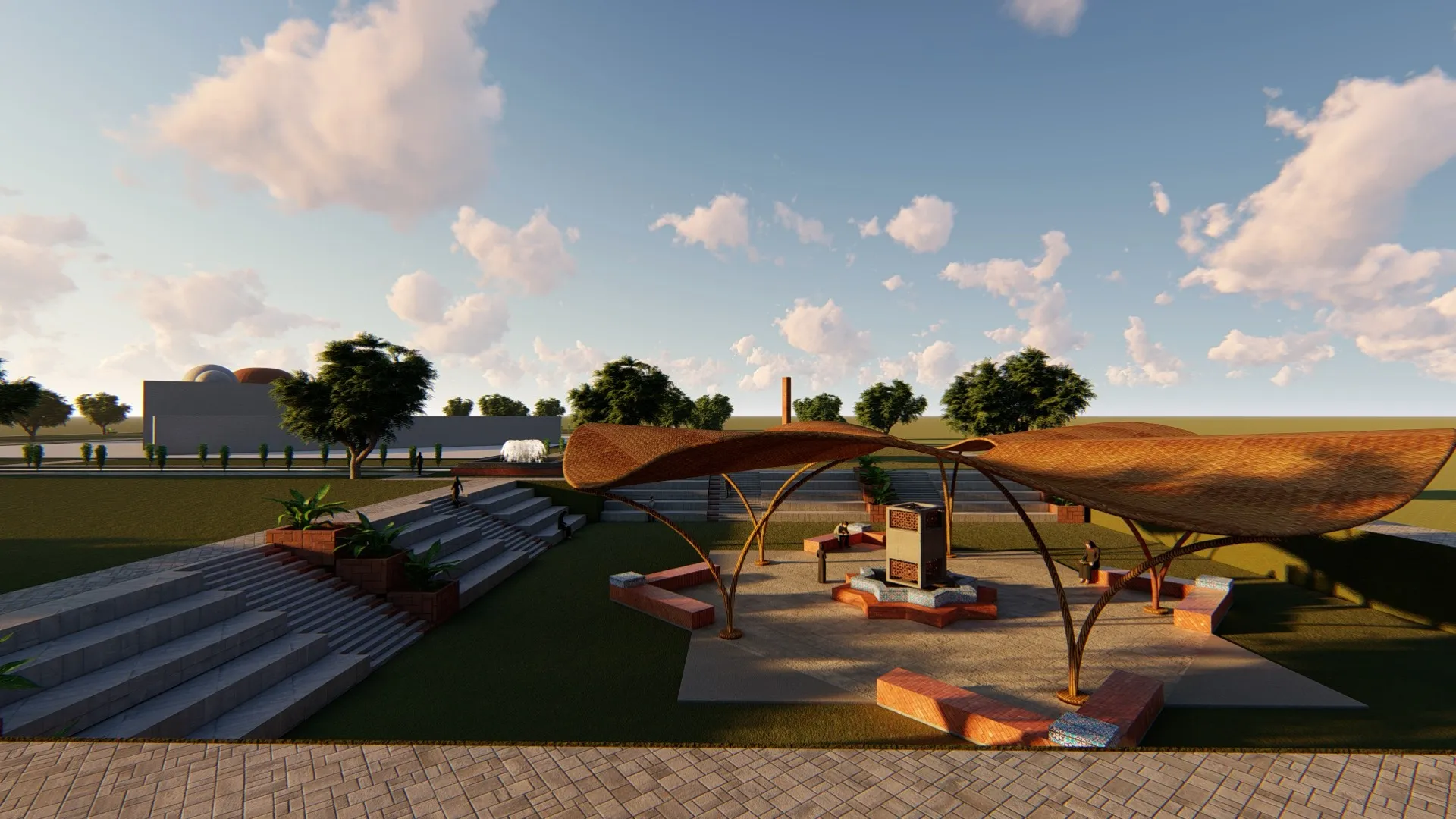
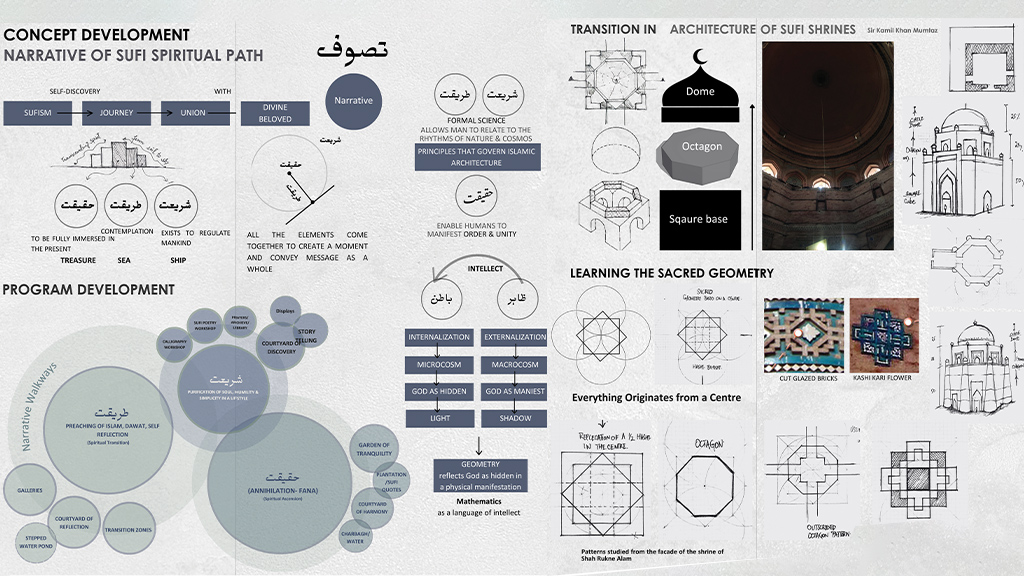


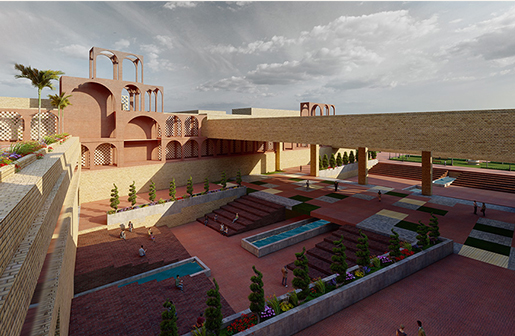
The concept revolves around three zones, each symbolizing a stage in the Sufi spiritual path: Shari’ah (law), Tariqah (path), and Haqiqah (truth). These are spatially articulated through various degrees of enclosure, materiality, light quality and interaction in three zones. The Shariyah zone of the interpretation center serves as the foundational layer of the spiritual journey, firmly rooted in the exoteric principles of Islam. Architecturally, this zone embodies structure, purity and discipline, translated into a thoughtful spatial progression that mirrors the first step of Sufi Path. The journey through the Tariqah zone is designed as emotional and intellectual unfolding, where the spatial language deepens in meaning. The Haqiqah zone embodies the concept of fana and the arrival at a place of spiritual clarity, beyond rituals and doctrine.
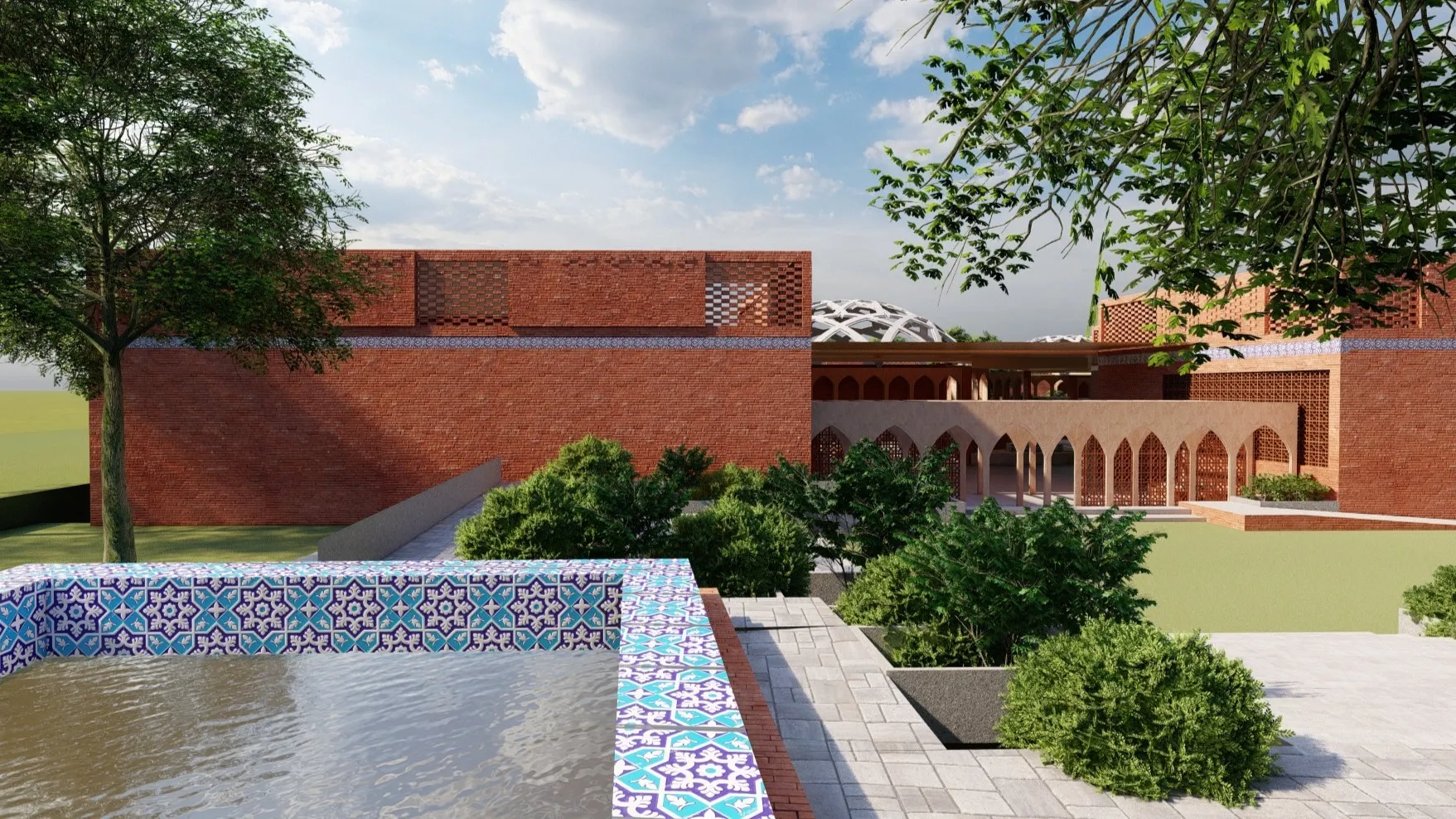
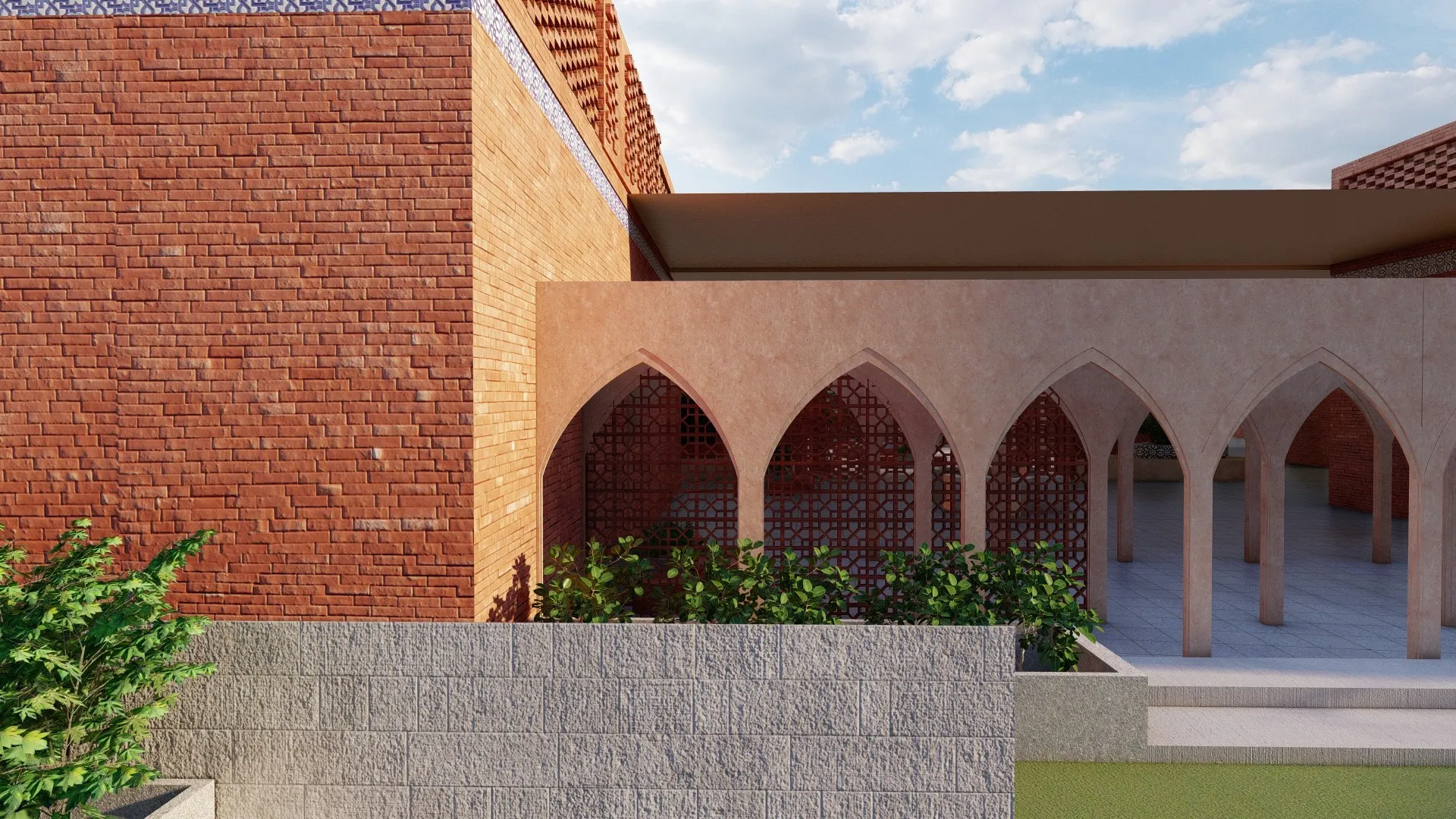
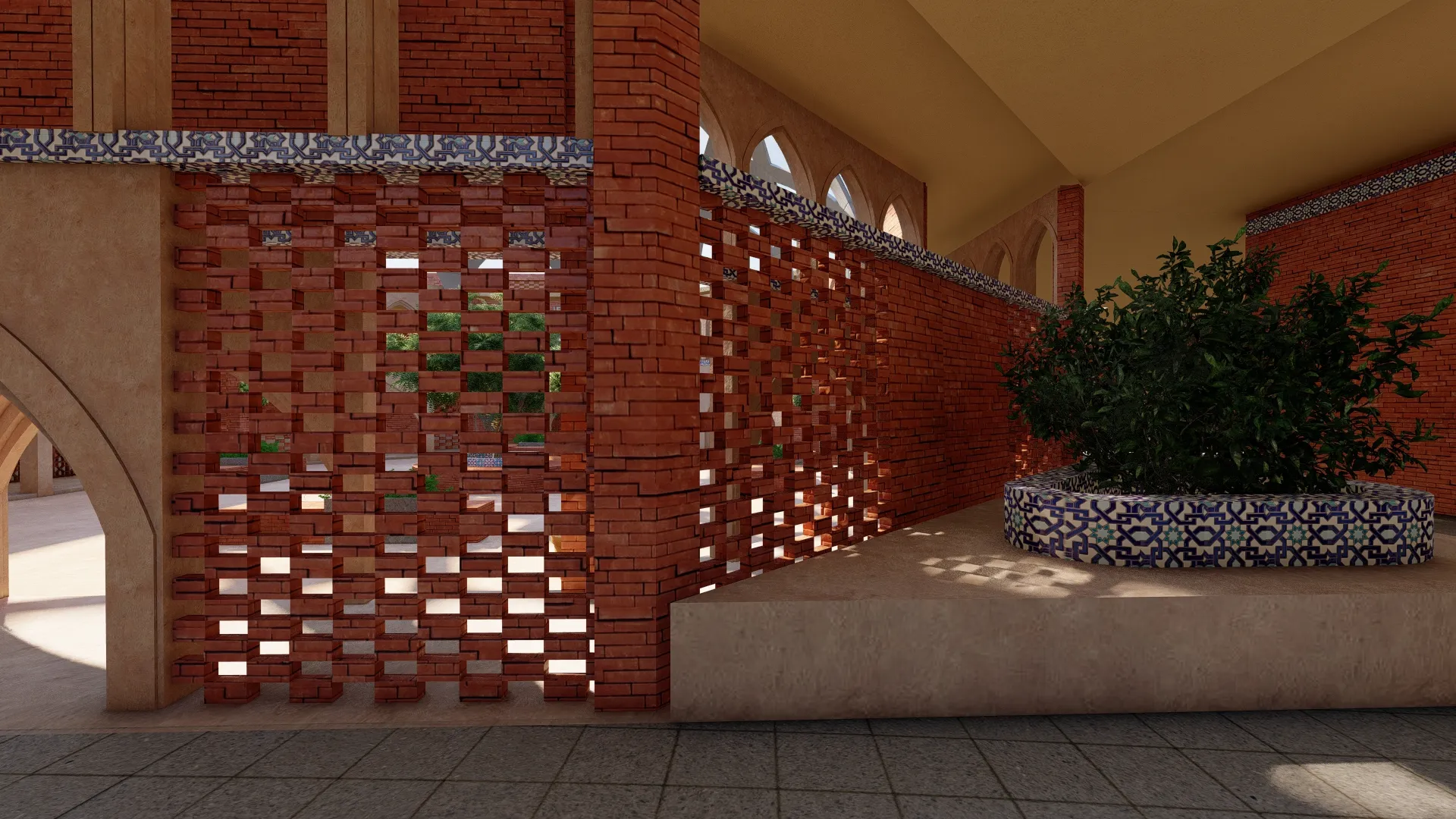
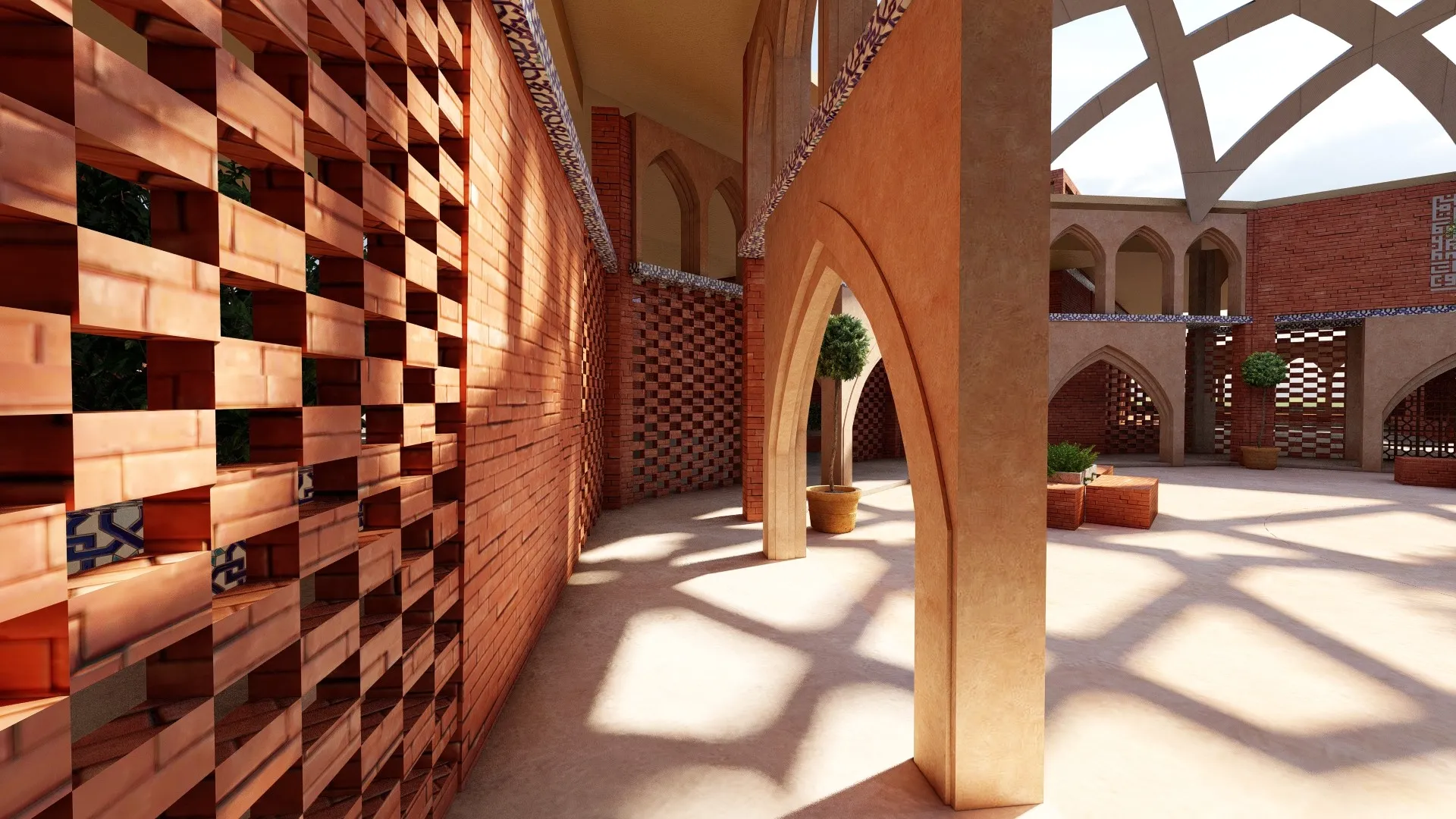
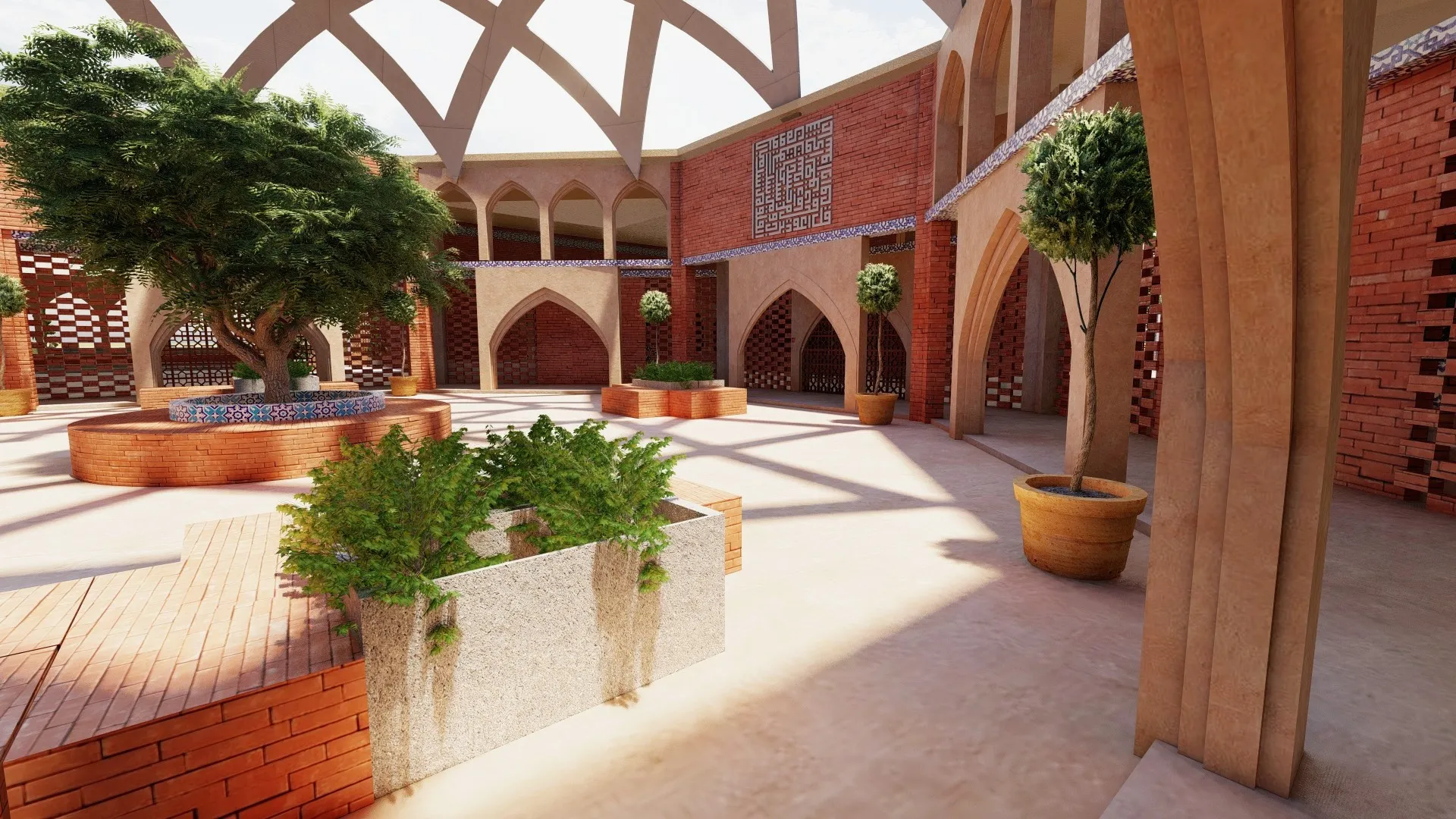
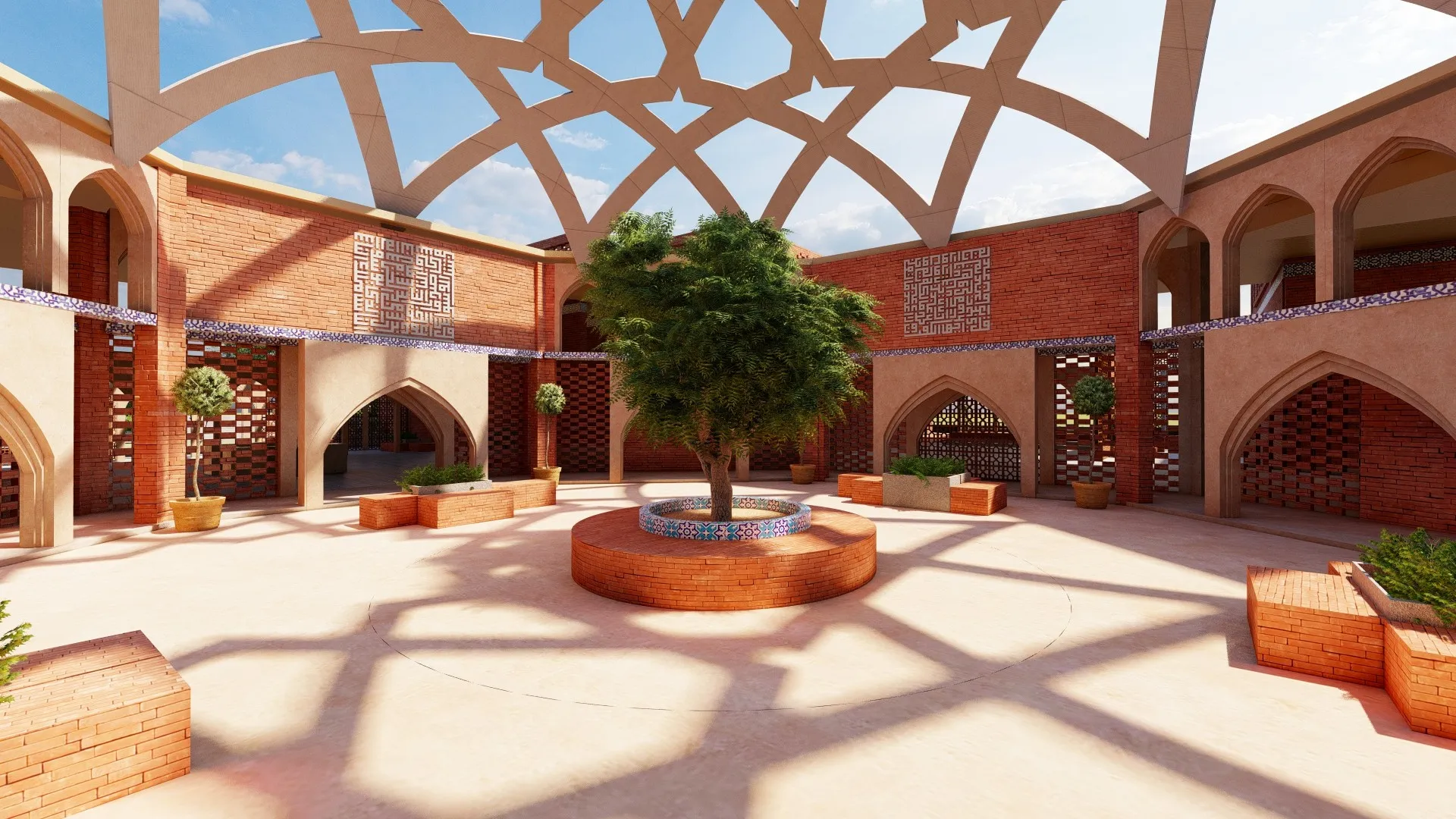
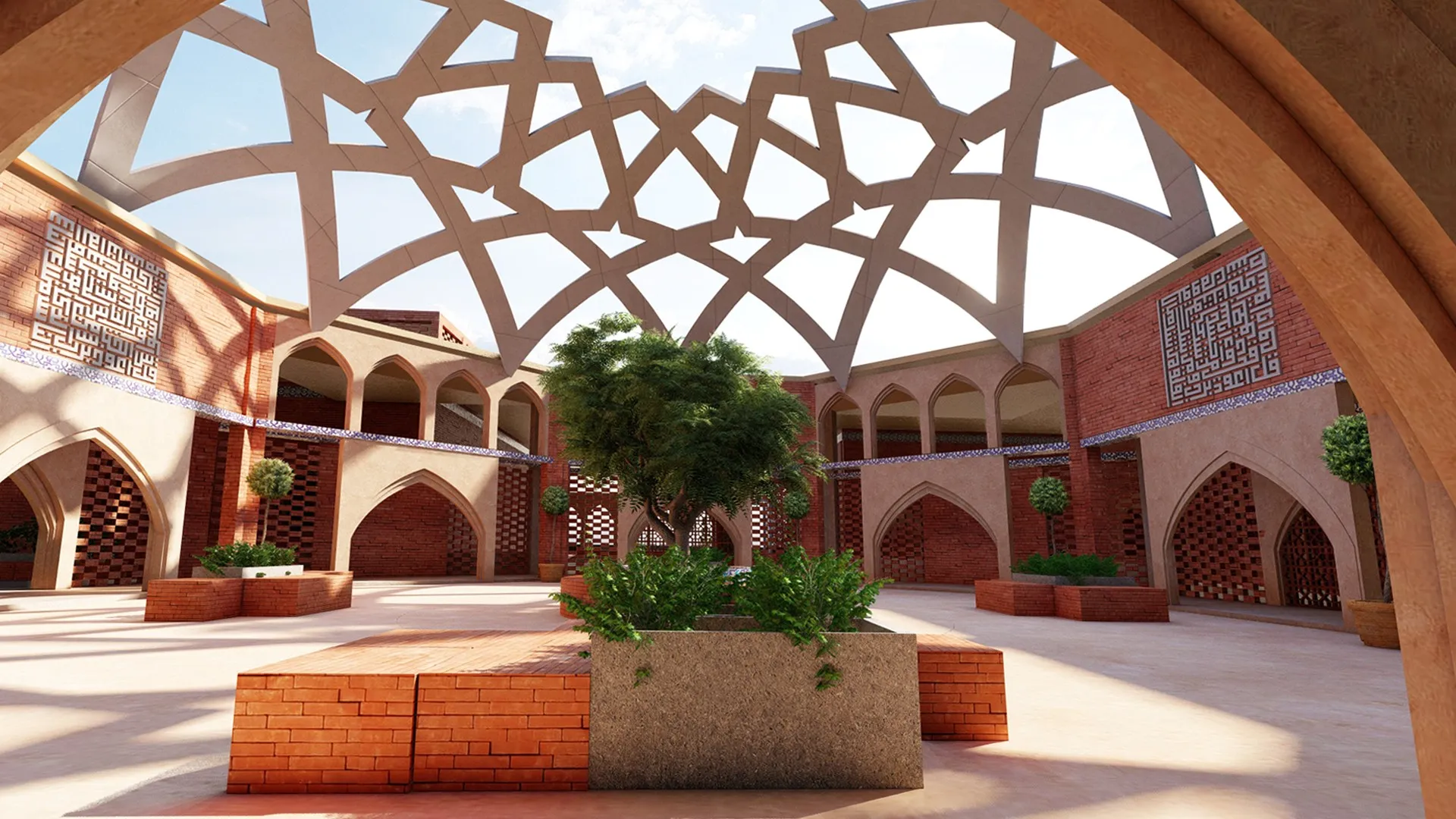
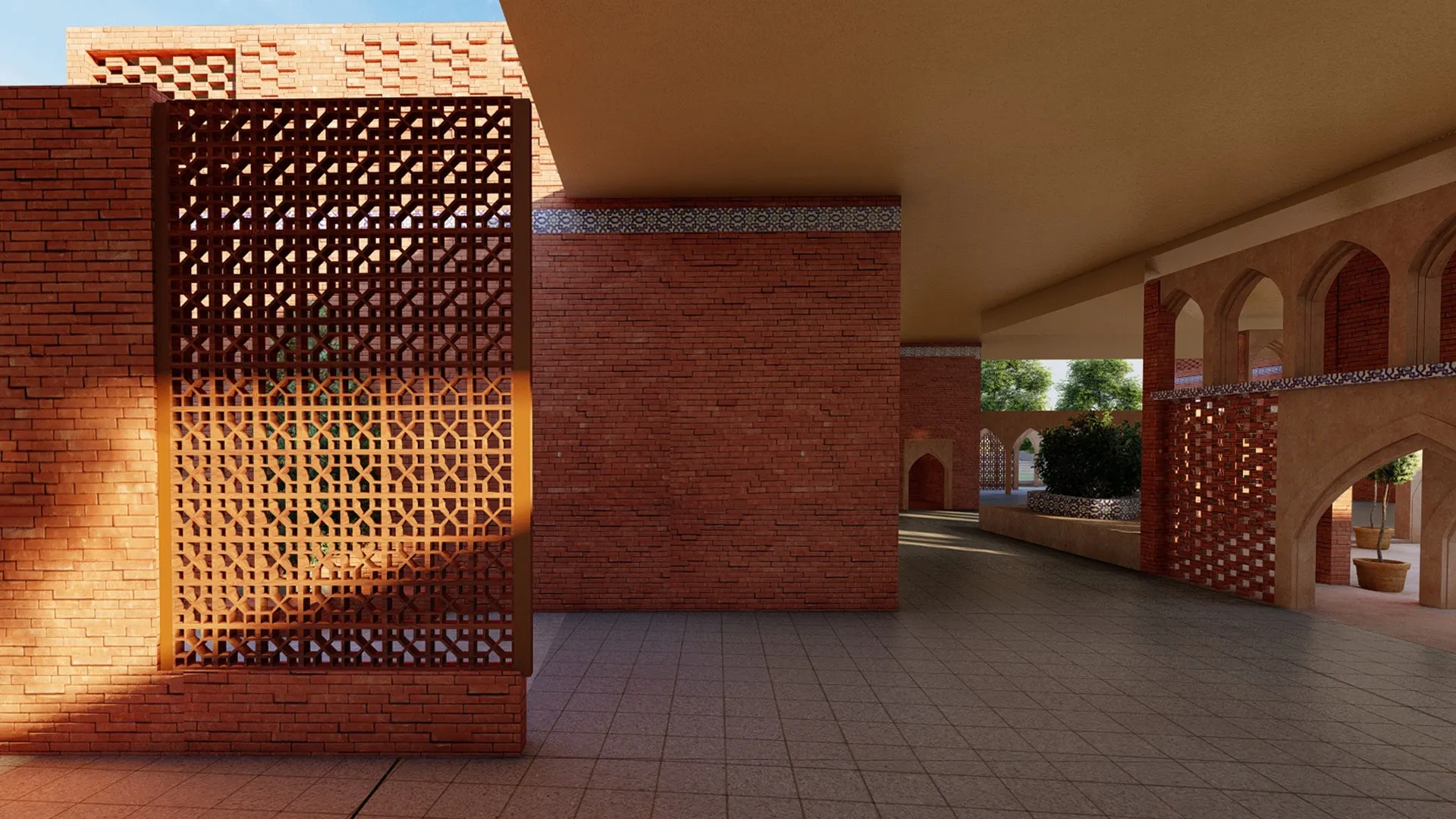
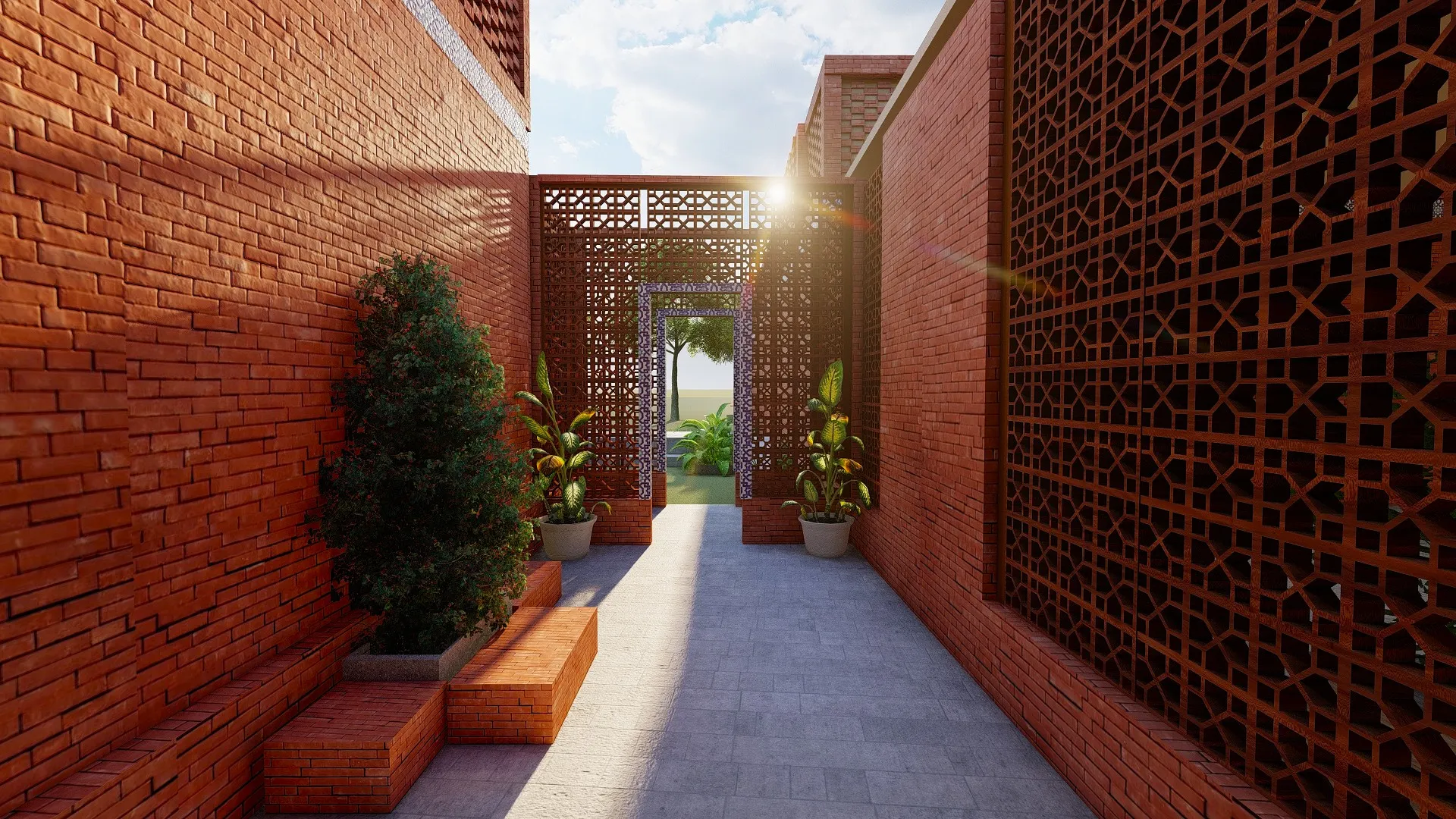
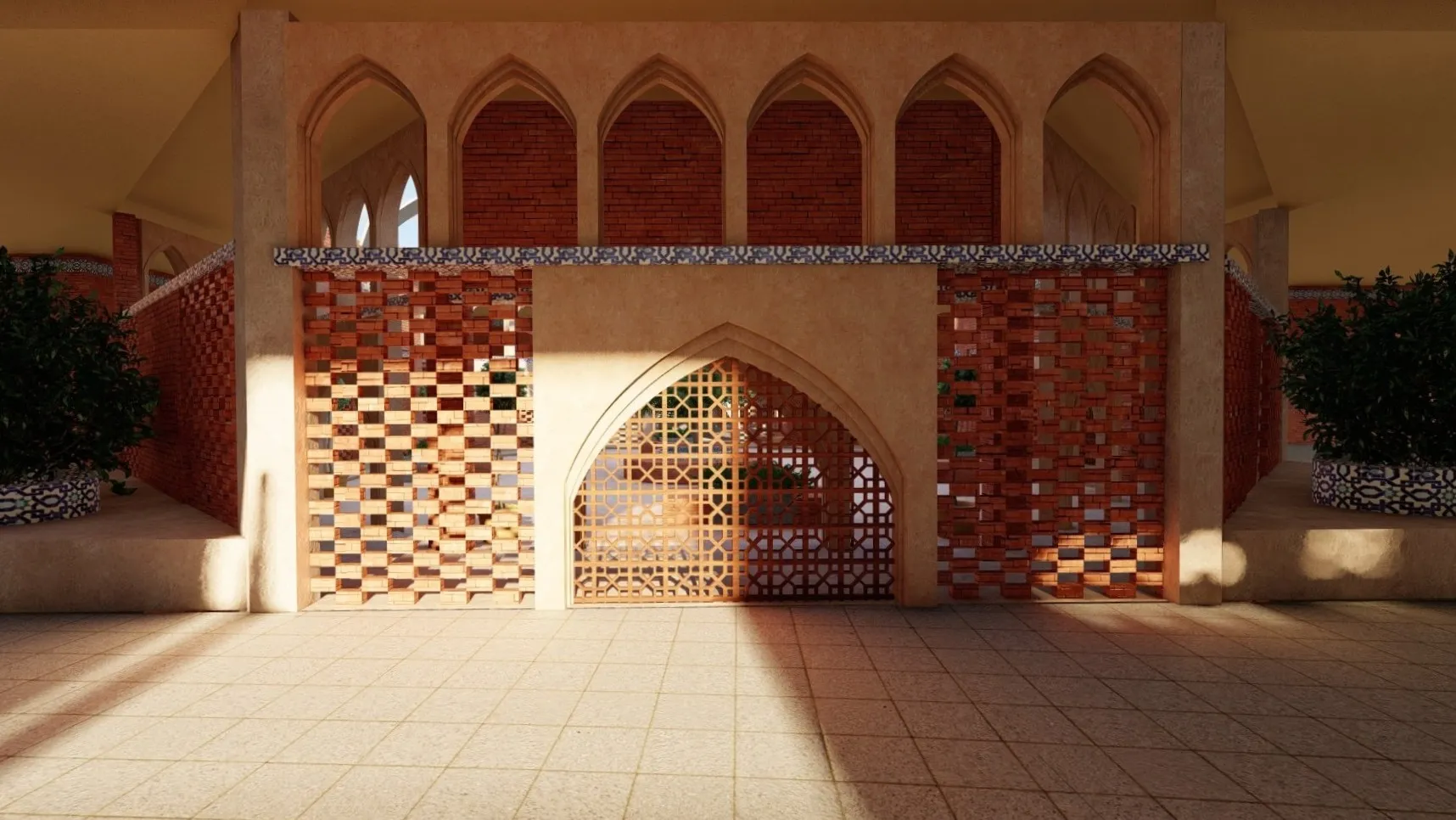
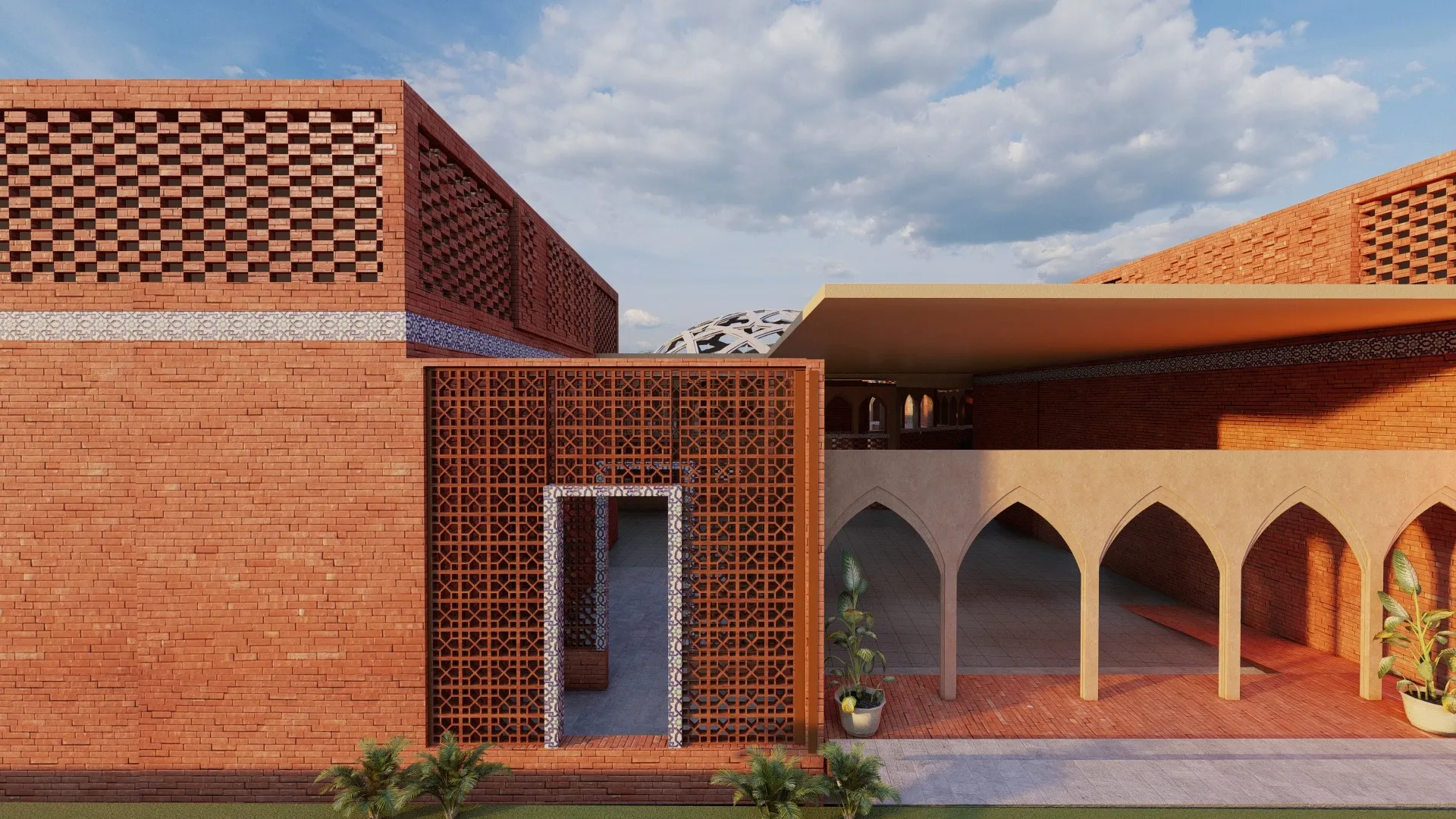
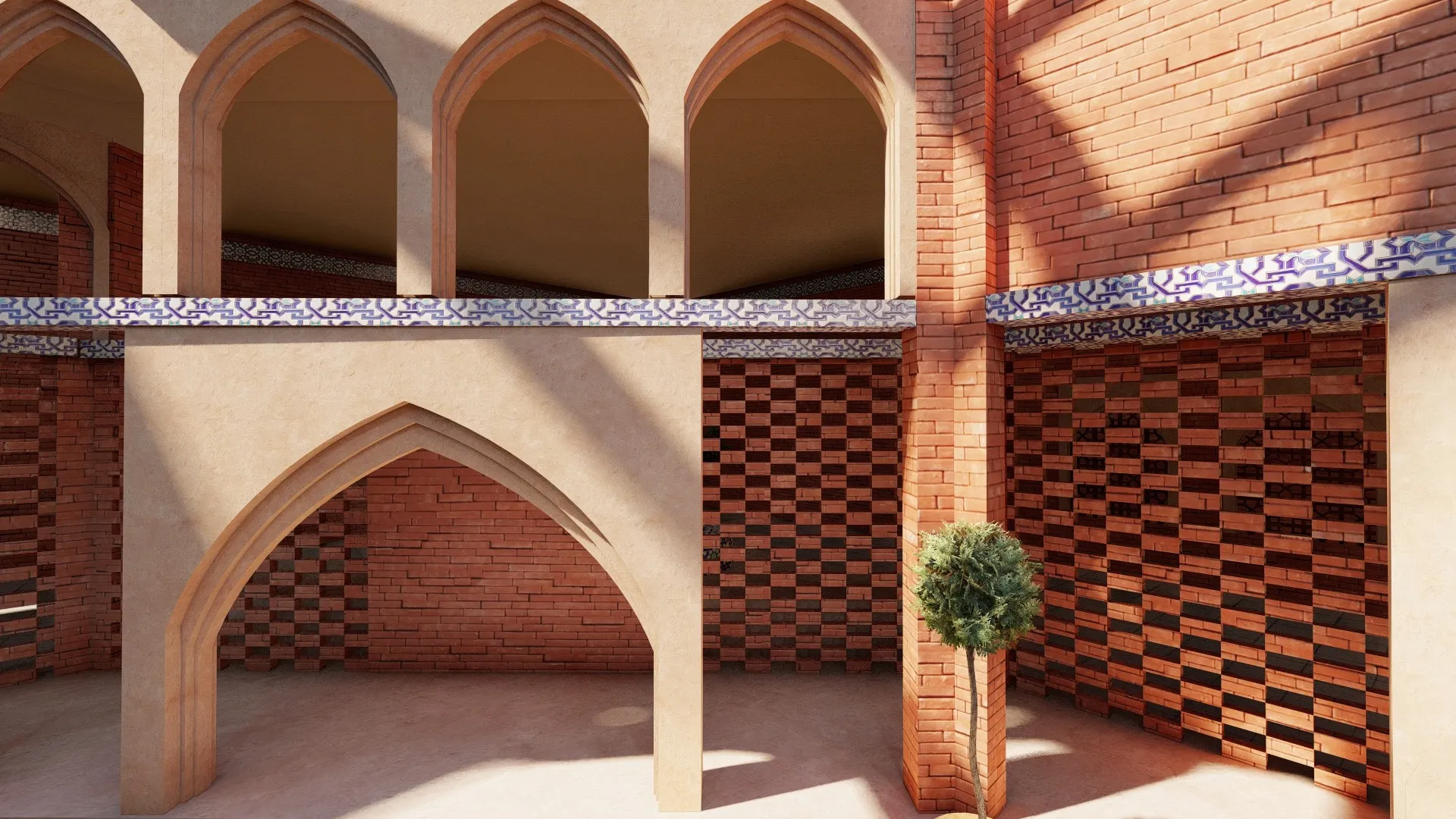
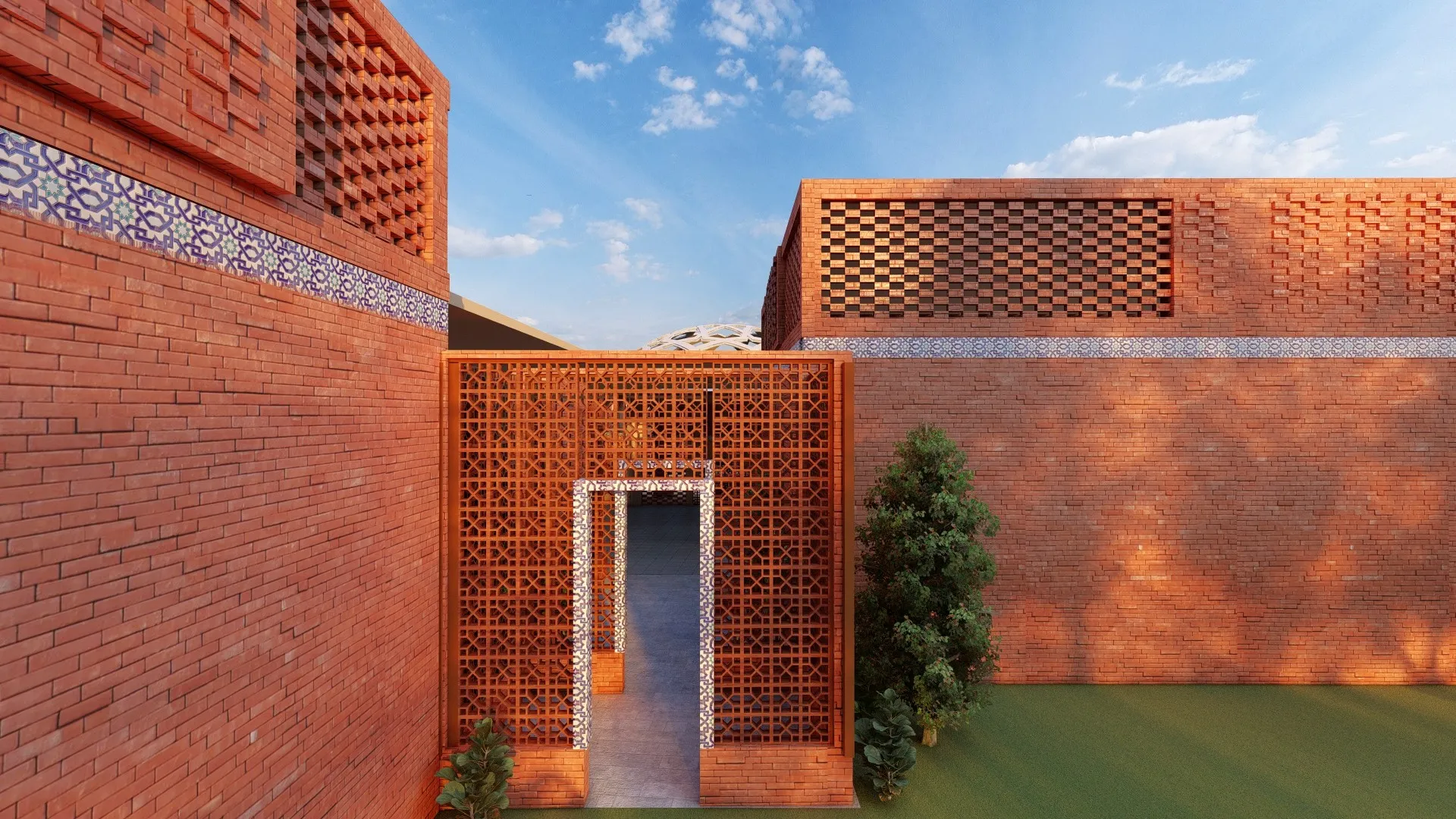
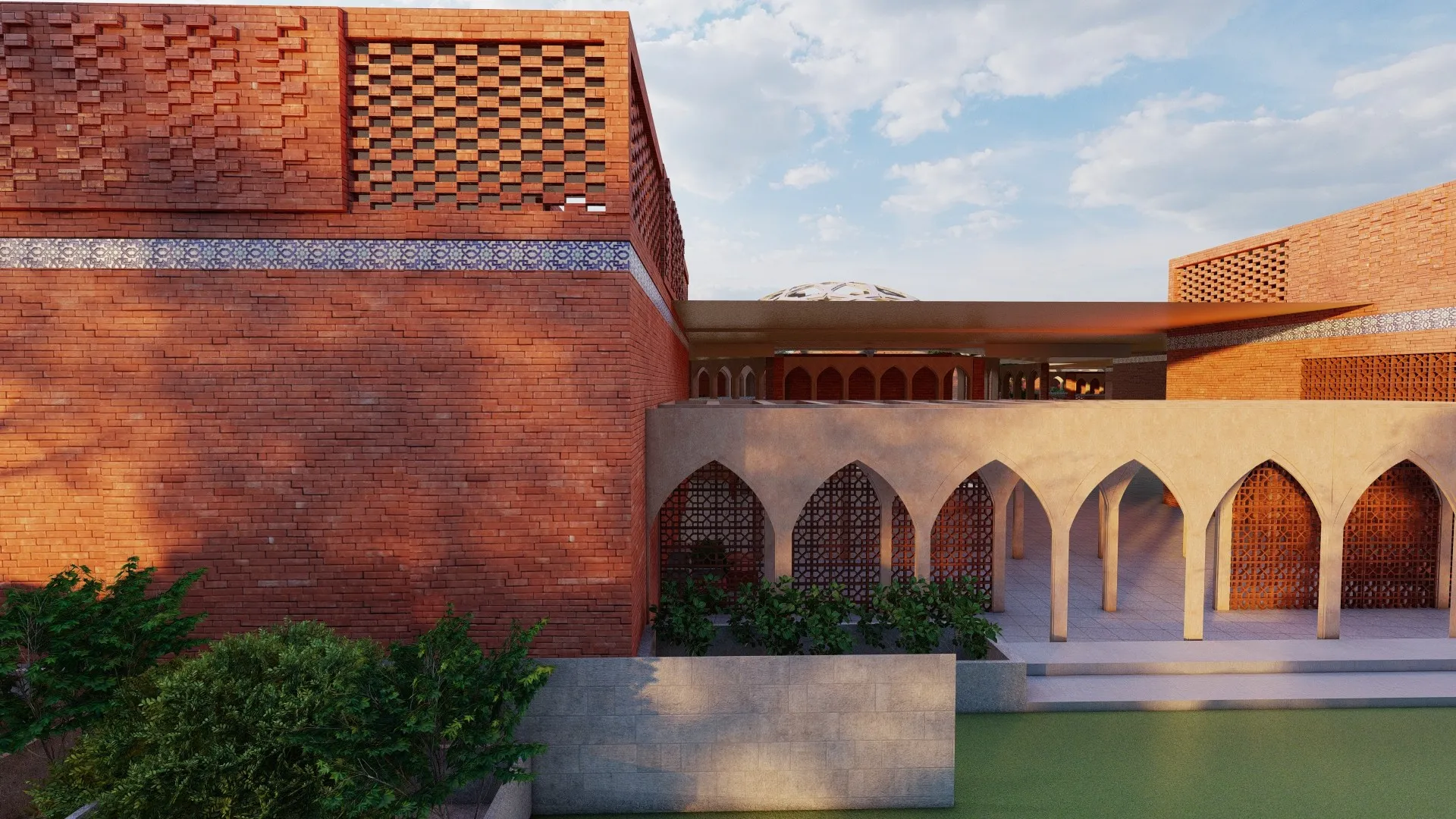
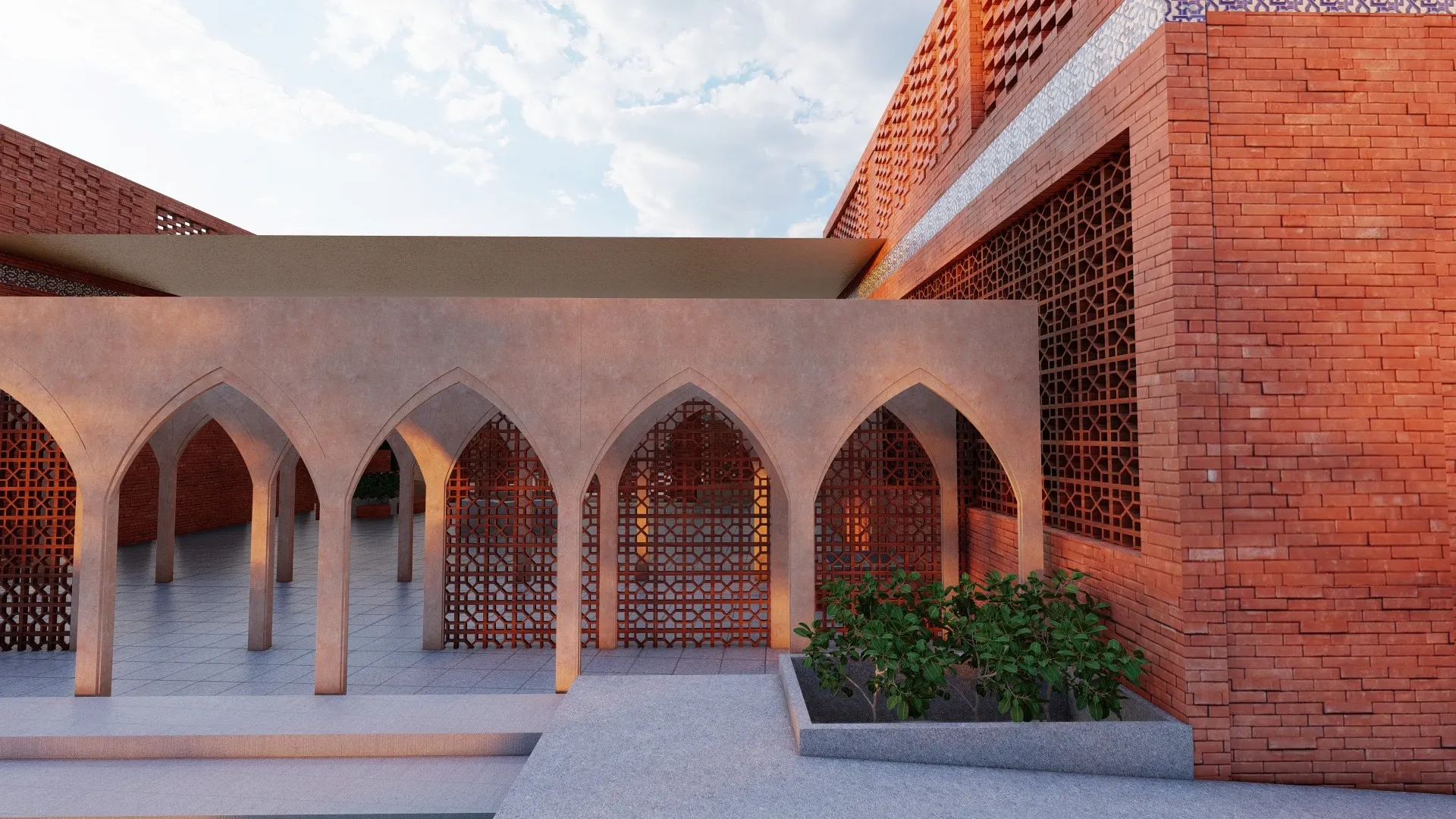
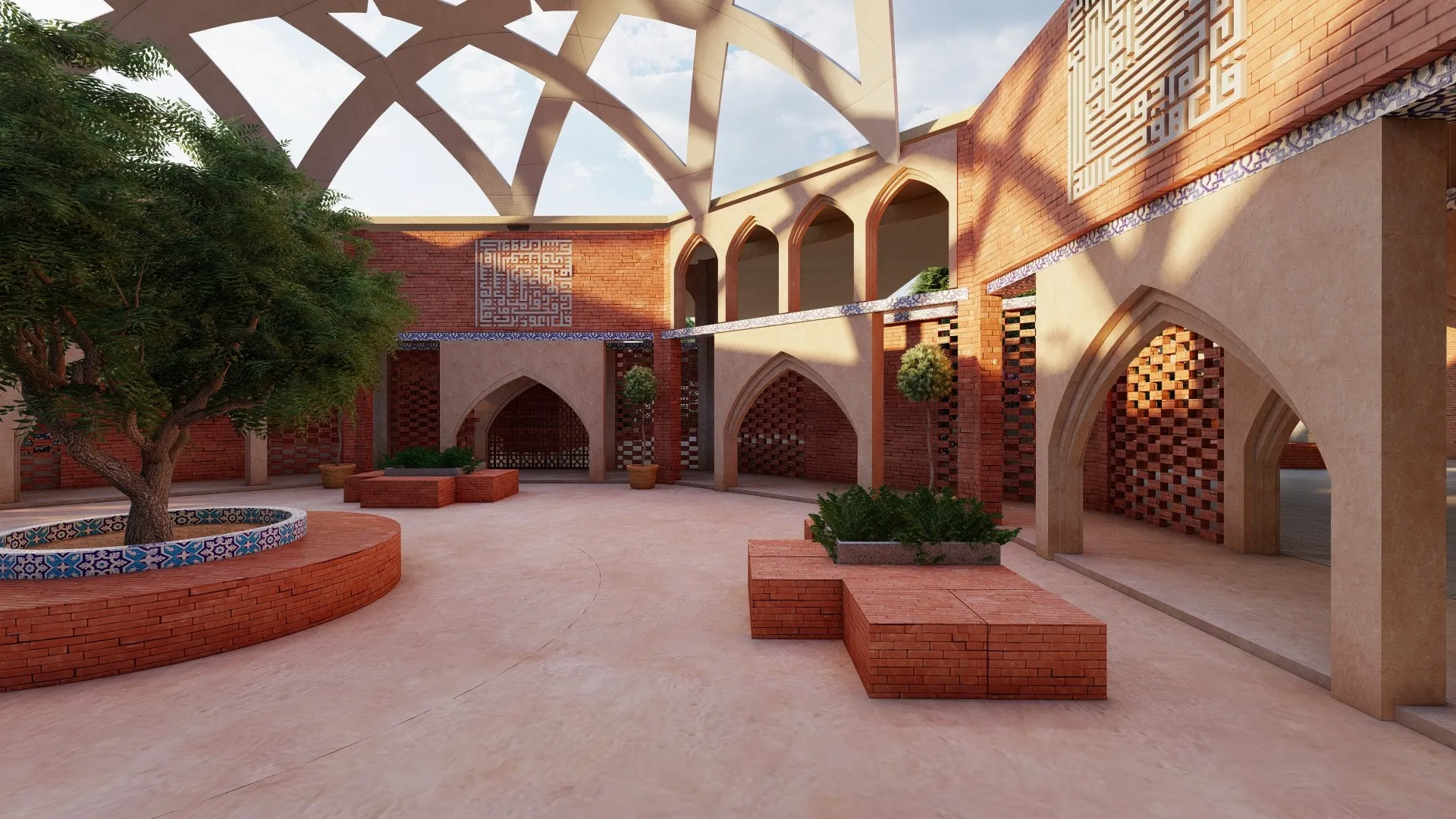
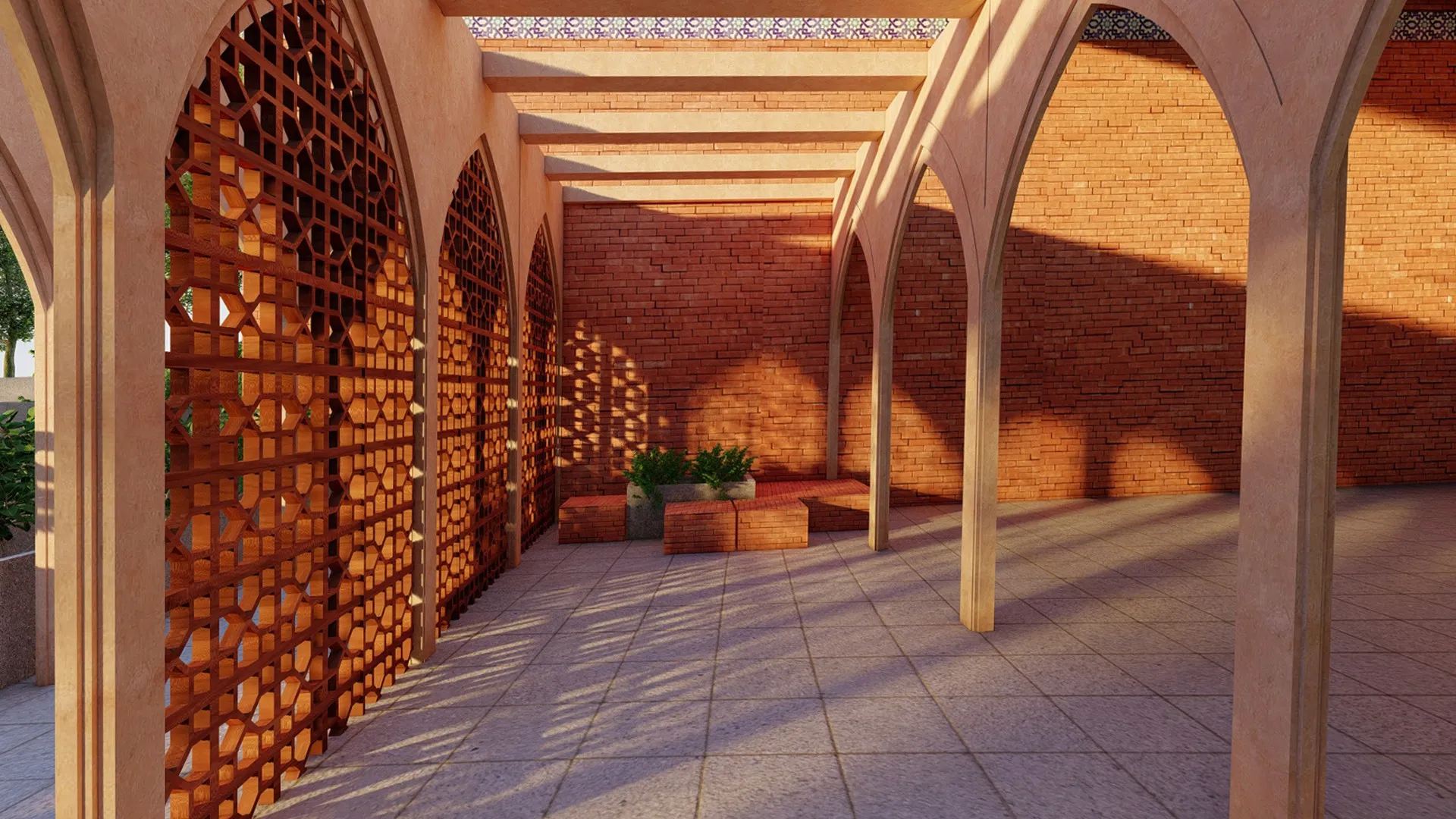
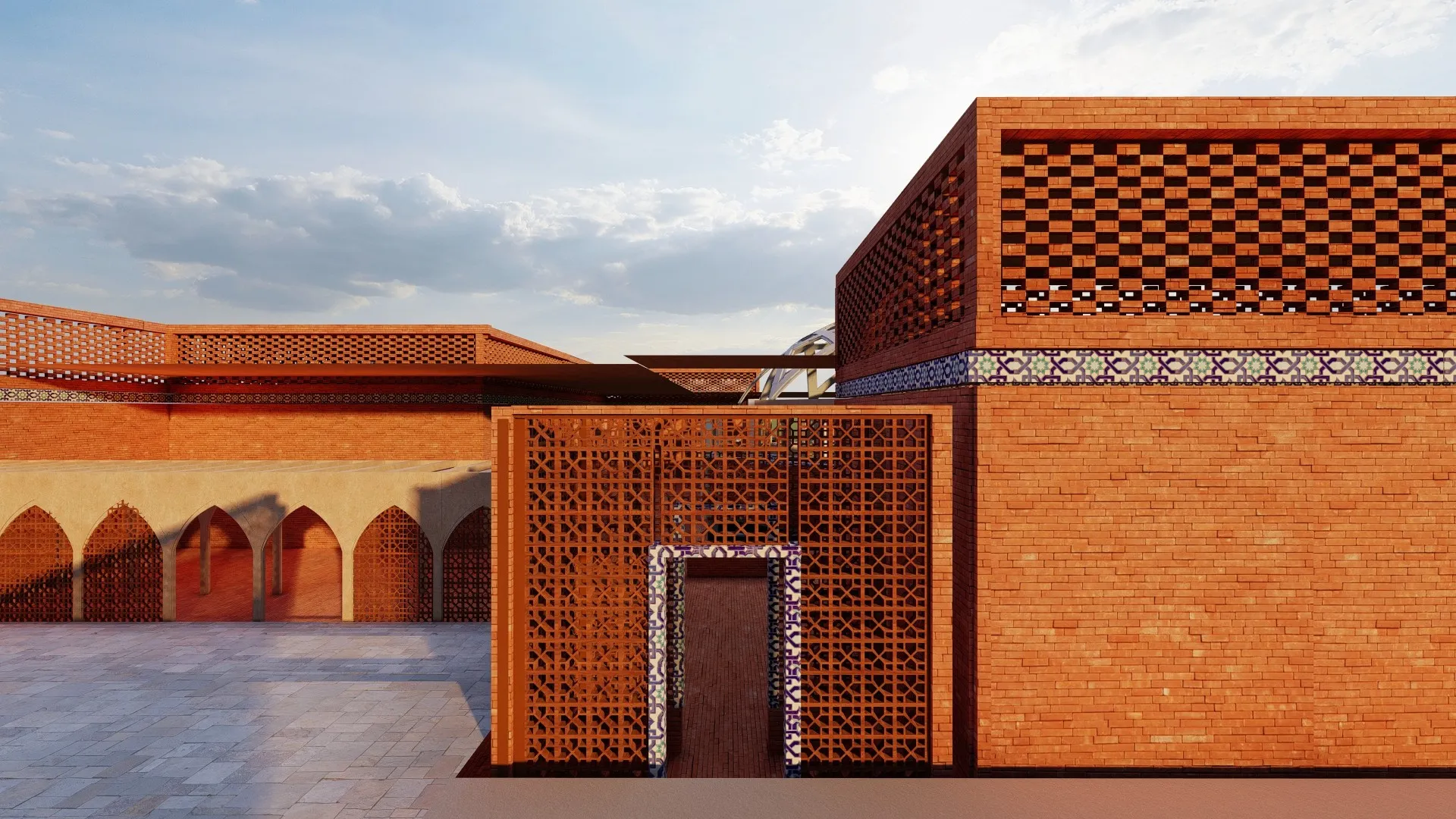

To honor and celebrate the rich craftsmanship of Multan, the material palette of the The Interpretation Centre draws directly from the city's indigenous architectural language. Multani red brick, known for its warm, earthy tones and tactile character, is used as the primary building material, establishing a visual and cultural connection with the historic shrines and urban fabric of the fort. Complementing this, traditional blue pottery tiles, a hallmark of Multan’s artisanal identity, are integrated into architectural surfaces and detail work, adding a spiritual and symbolic layer through their intricate floral and geometric patterns. These materials not only ground the design in its regional context but also serve as a tribute to the legacy of Multani artisans, ensuring that the architecture becomes a living canvas of cultural continuity and revival.
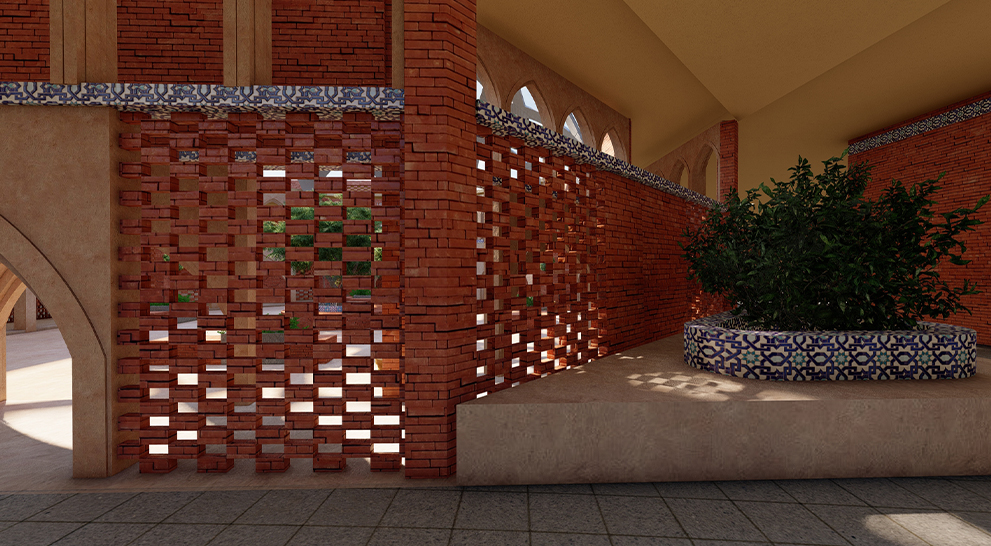
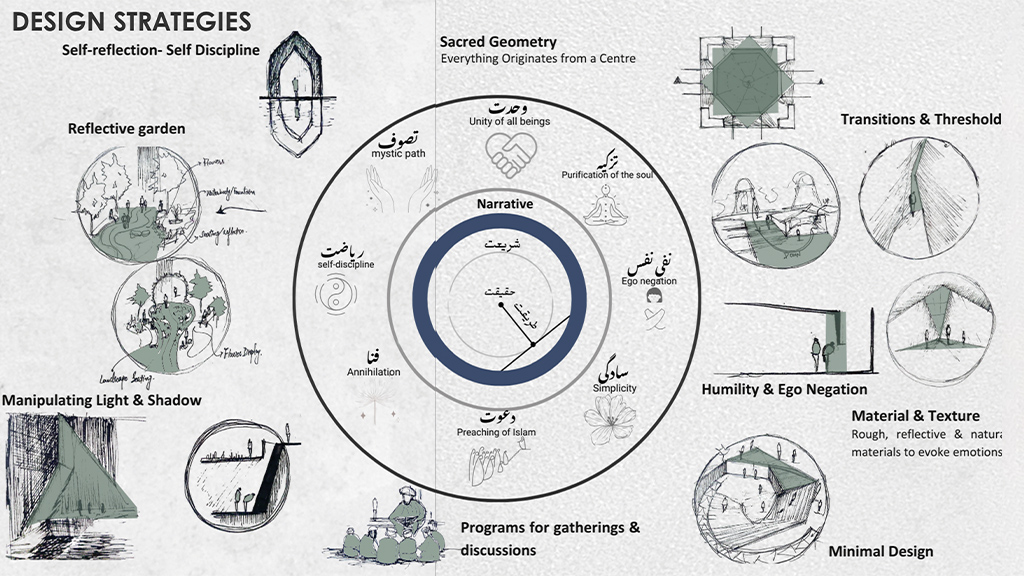
The design of the interpretation center serves as an architectural representation of Sufi spiritual journey, seamlessly integrating sacred geometry, materiality, and spatial progression to guide the visitor through the stages of Sufi spiritual path. By employing design strategies rooted in symbolism, such as manipulation of light and shadow, reflective surfaces and use of transitional thresholds, architecture became a vessel of spiritual transformation.
Contact Designers || Portfolio
You Might Find These Interesting
 DESIGNED BY: Huzaifah Fakher
The Bridge: The Architecture of Cultural Diplomacy
Islamabad, Punjab
 DESIGNED BY: Ali Shehroz
Borderless Architecture: Bridging the Divide
Wagah-Attari Border