The Bridge: The Architecture of Cultural Diplomacy
A cultural embassy outside Islamabad’s enclave, blending diplomacy with openness through form, voids, and landscape to foster cross-cultural exchange.
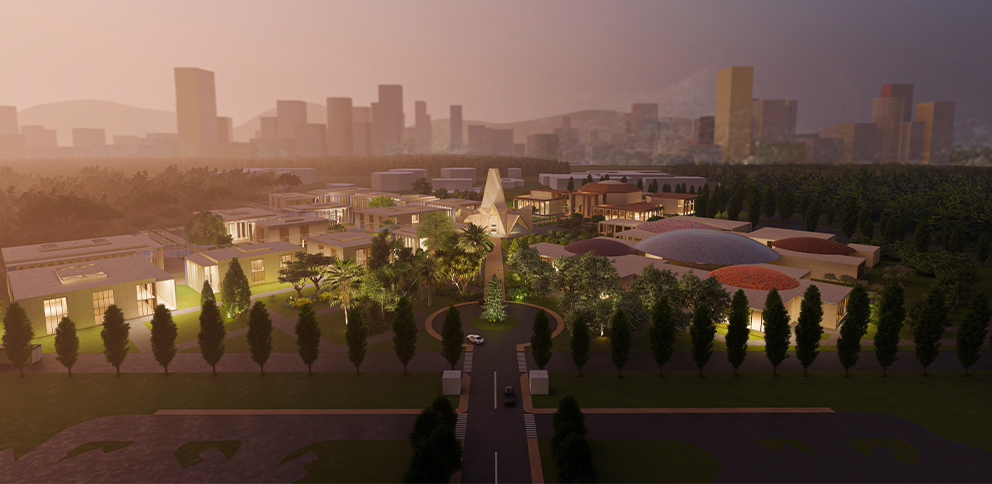
An embassy is the base of a country’s diplomatic mission abroad, representing its political, social, and cultural relationships. It is a pivotal space where individuals of various capacities engage in political and public diplomacy. This write-up focuses on public diplomacy—government-supported efforts to connect with foreign citizens through events like seminars, exhibitions, and cultural centers such as the American Center. In Pakistan, however, embassies are among the most guarded institutions, located in Islamabad’s restricted G-5 Diplomatic Enclave. As global diplomacy shifts toward openness, it is vital for Pakistani embassies to balance security with accessibility. A public-oriented space outside the enclave could help bridge this gap and foster meaningful cultural exchange.
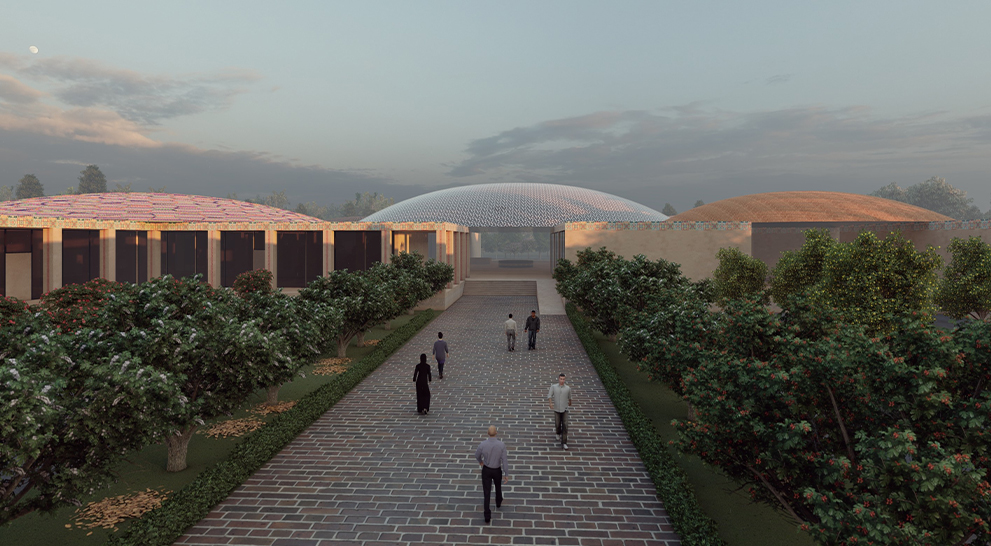
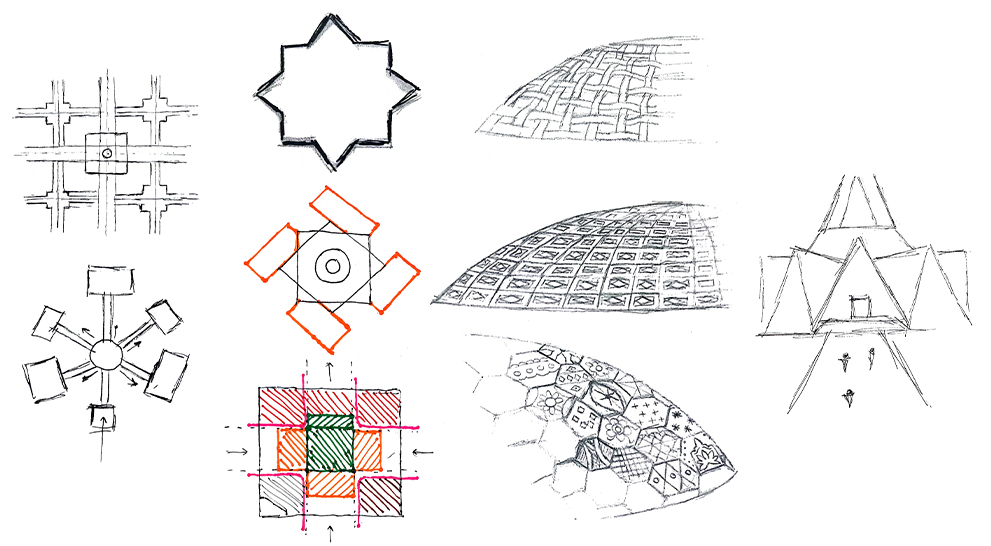
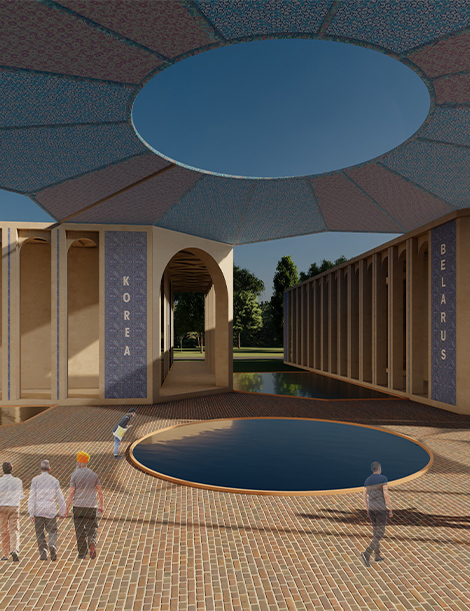
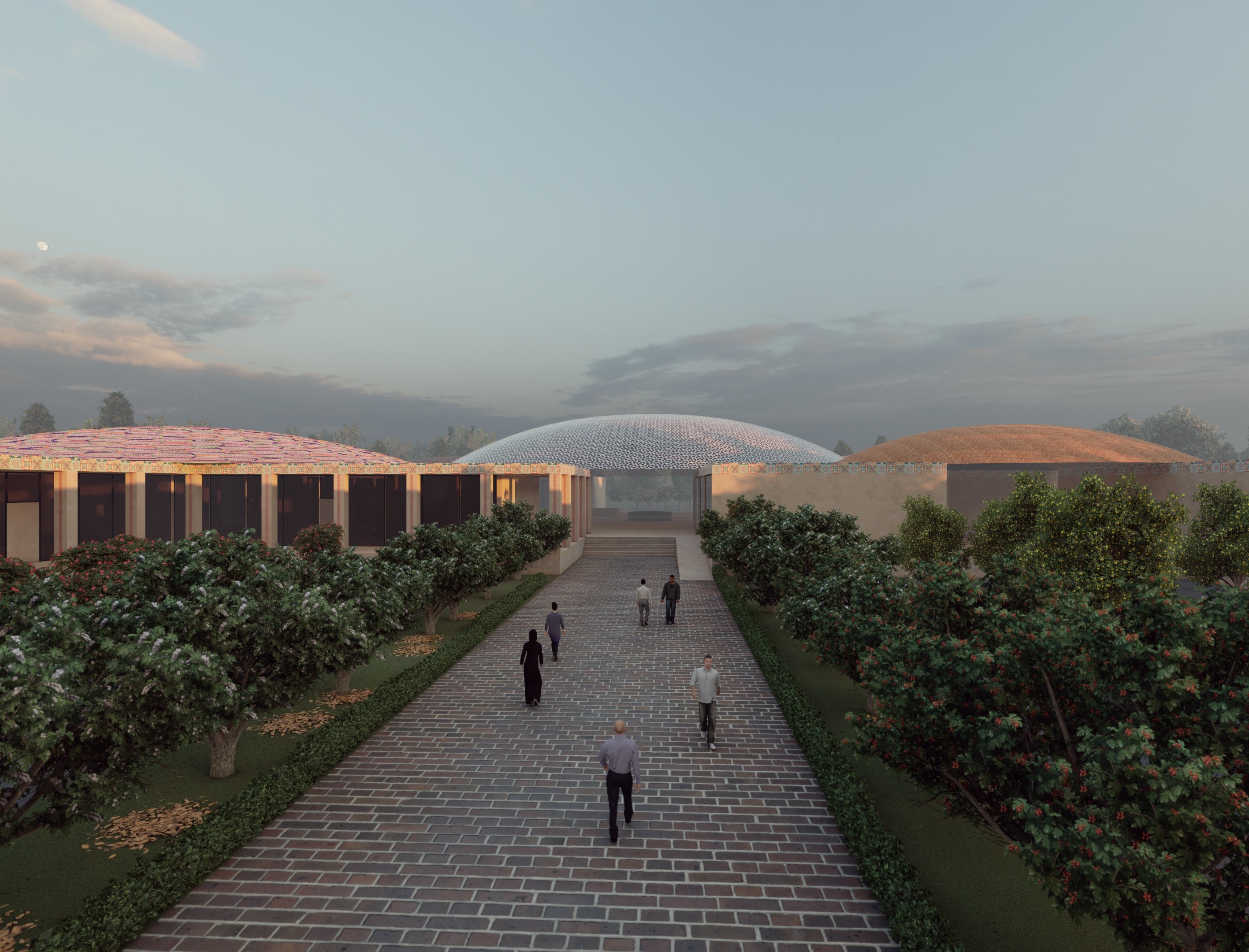
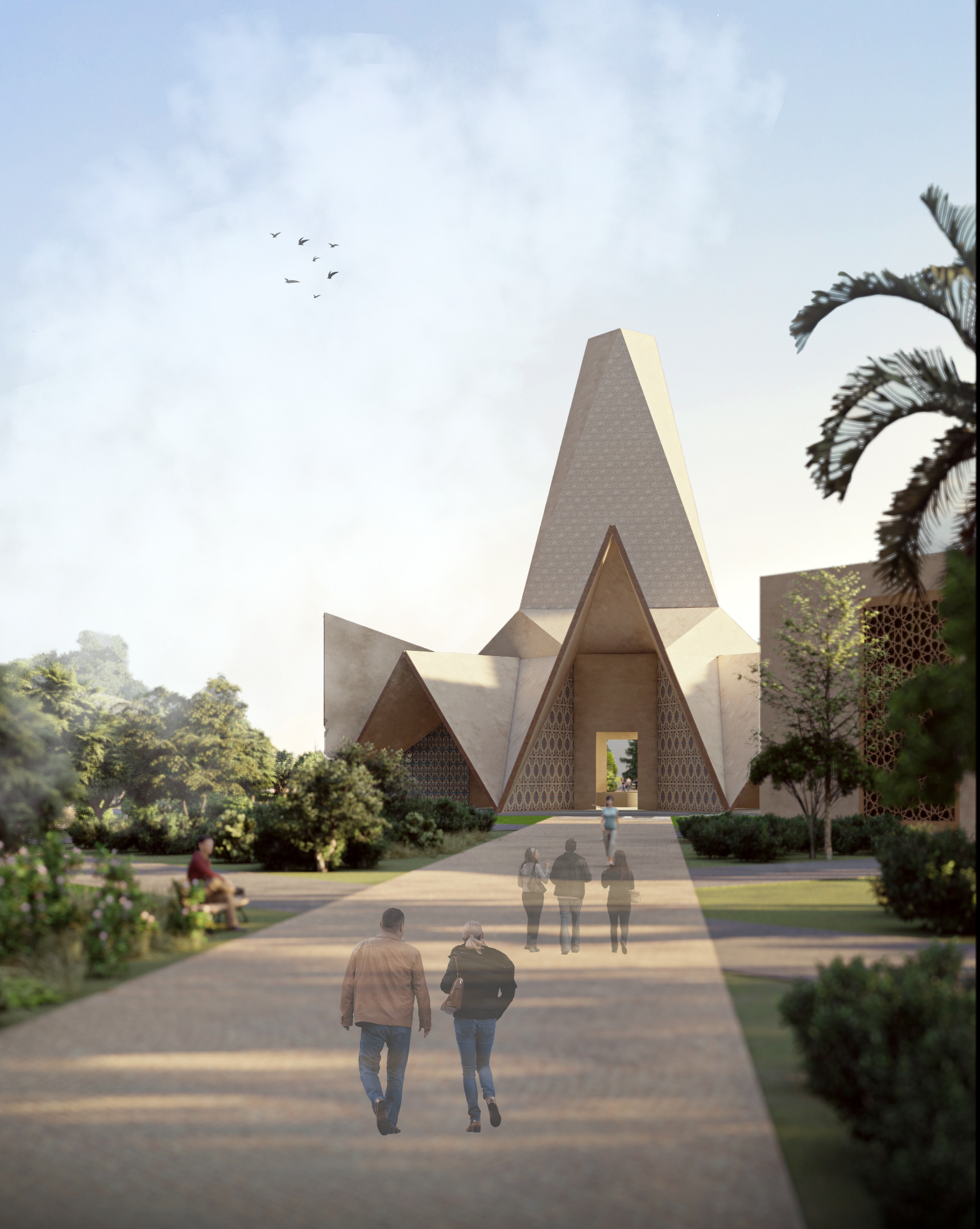
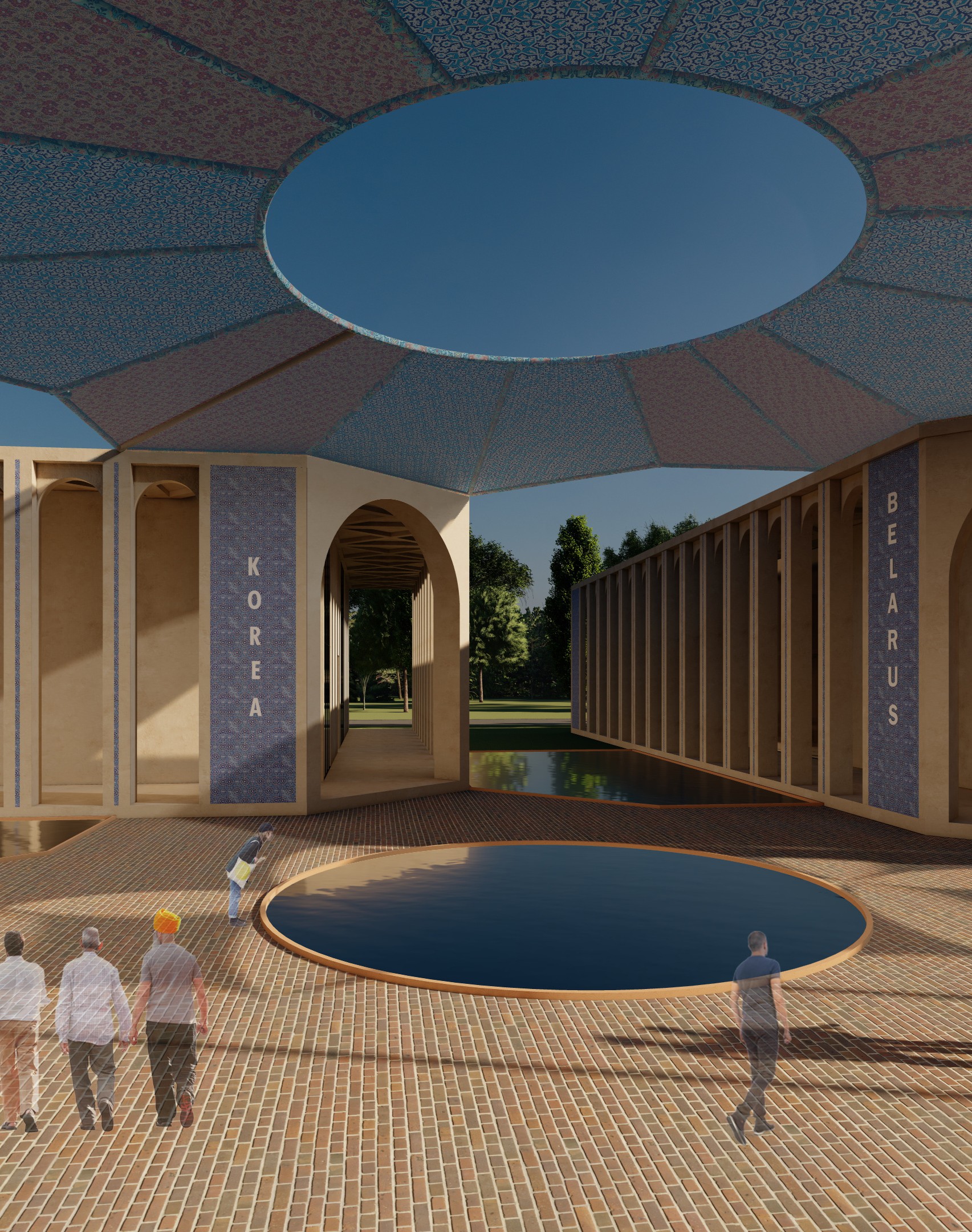
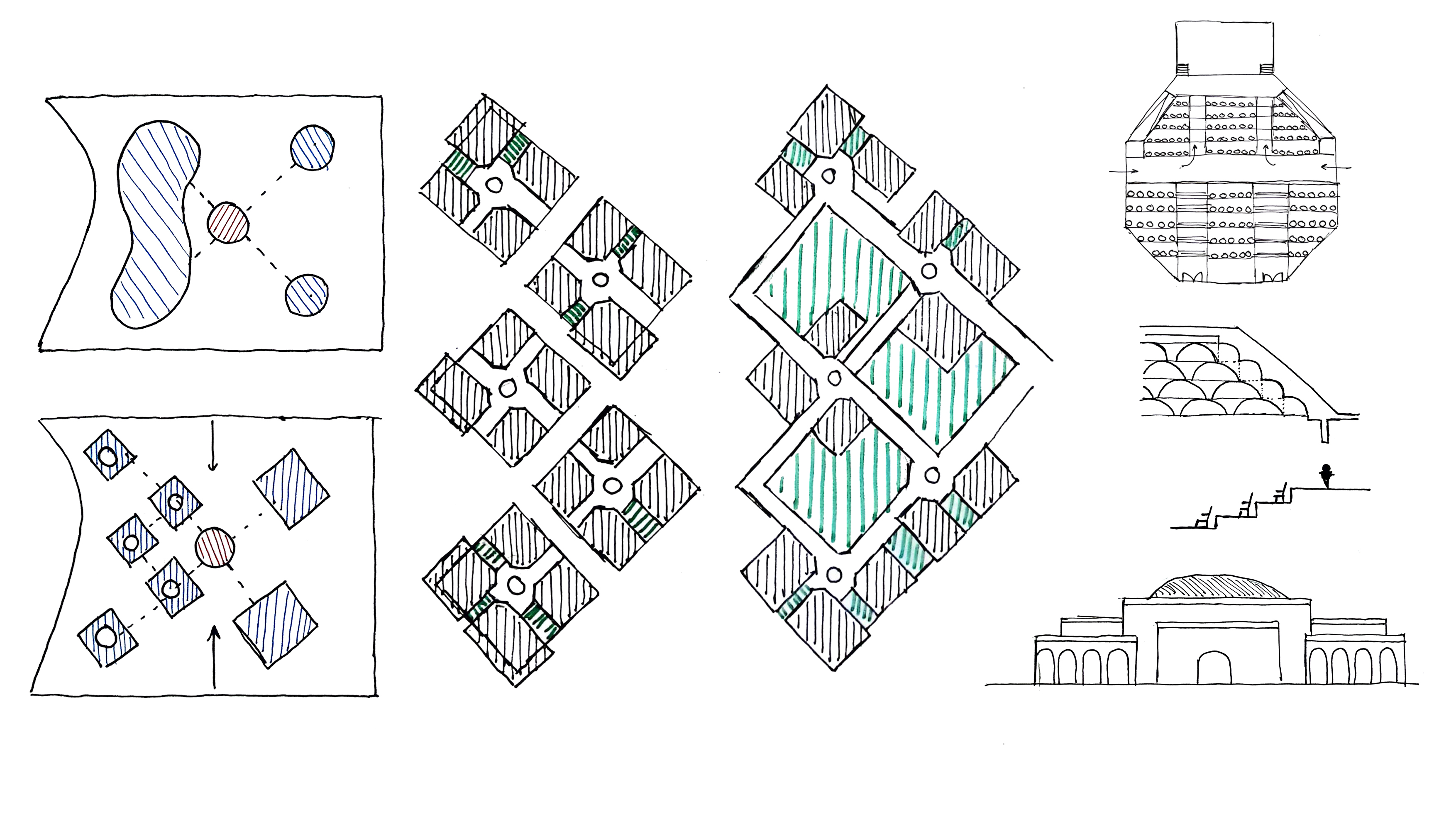
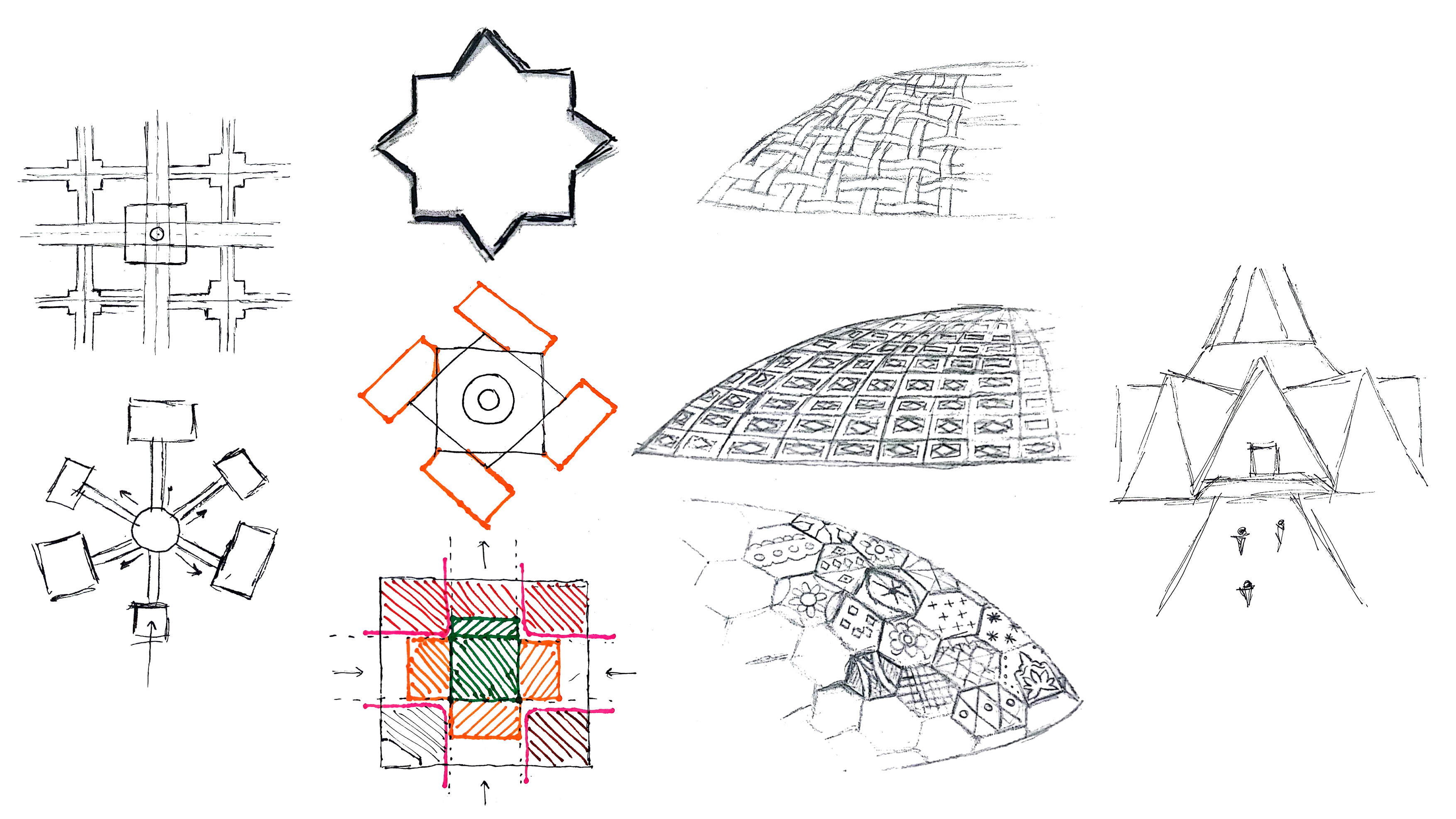
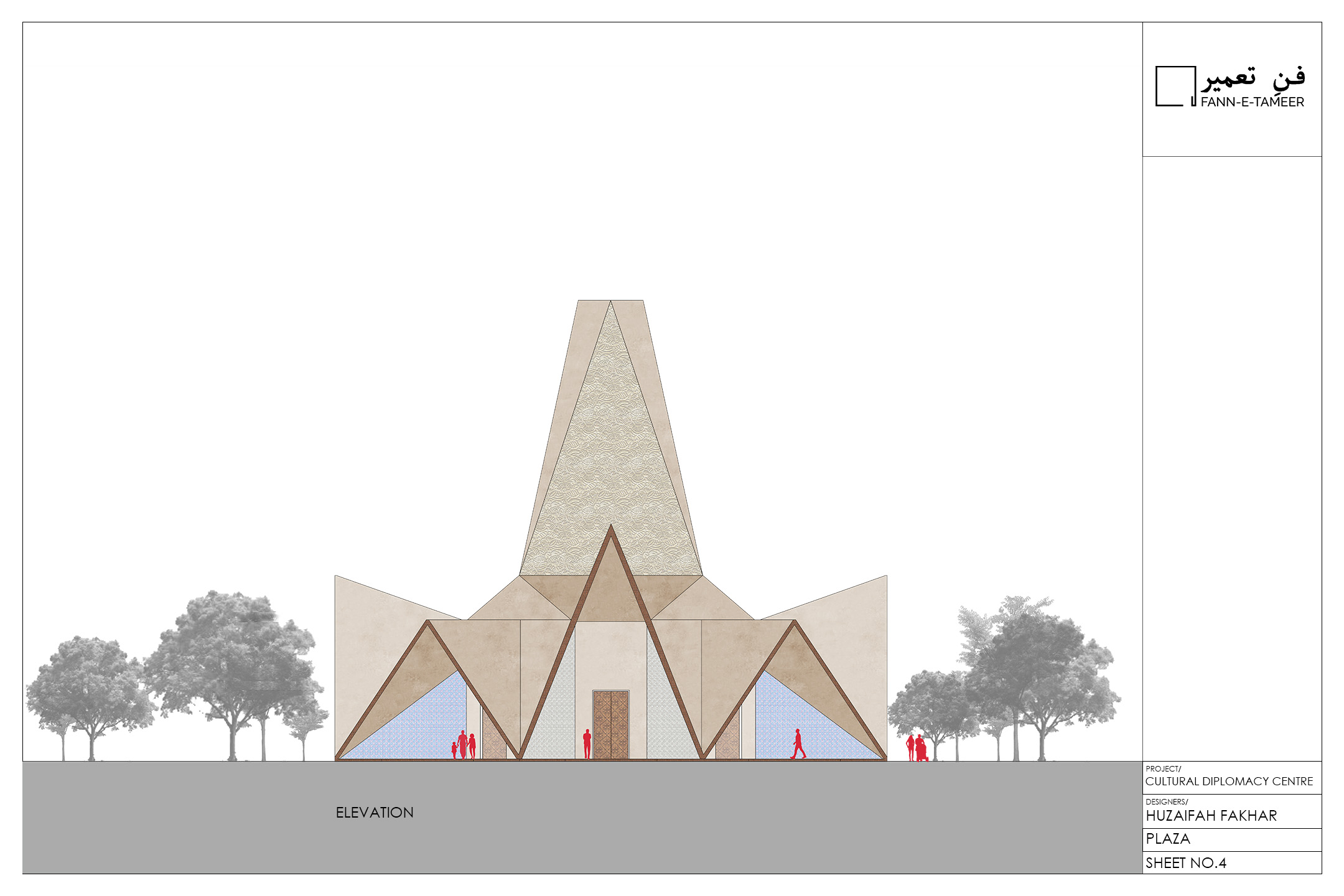
With the sensitivities of the site and the complexities of this realm, Huzaifah Fakhar’s bachelor thesis becomes a place of connection—serving as a facilitator, promotor, and mediator. The design concept, Conjunctions: an interplay of nature, culture, and man, manifests through nodal play, outdoor/indoor convection, solid/void interplay, and the subtle absorption of culture through form. To translate this into space, design strategies are derived from the thesis: form as an informant of culture, using Pakistani symbology to reinforce identity; courtyards as voids that act as micro-spaces for rest, reflection, and discourse; and landscape as an extension of design, offering buffer spaces that cleanse the sensory palette and foster cultural understanding. The form draws on elements like the Rub-El-Hizb, an 8-pointed Islamic star symbolizing divine order, and the Baradari, a 12-opening Mughal pavilion known for its ventilation, acoustics, and role in cultural gatherings. Together, these strategies embed the design with a layered experience that enhances cultural diplomacy, allowing every user to encounter the space uniquely through form, light, season, and activity—making the Centre a timeless and vibrant hub of exchange.
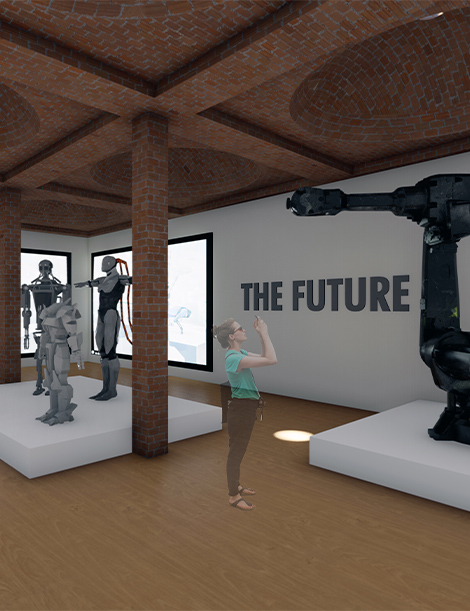
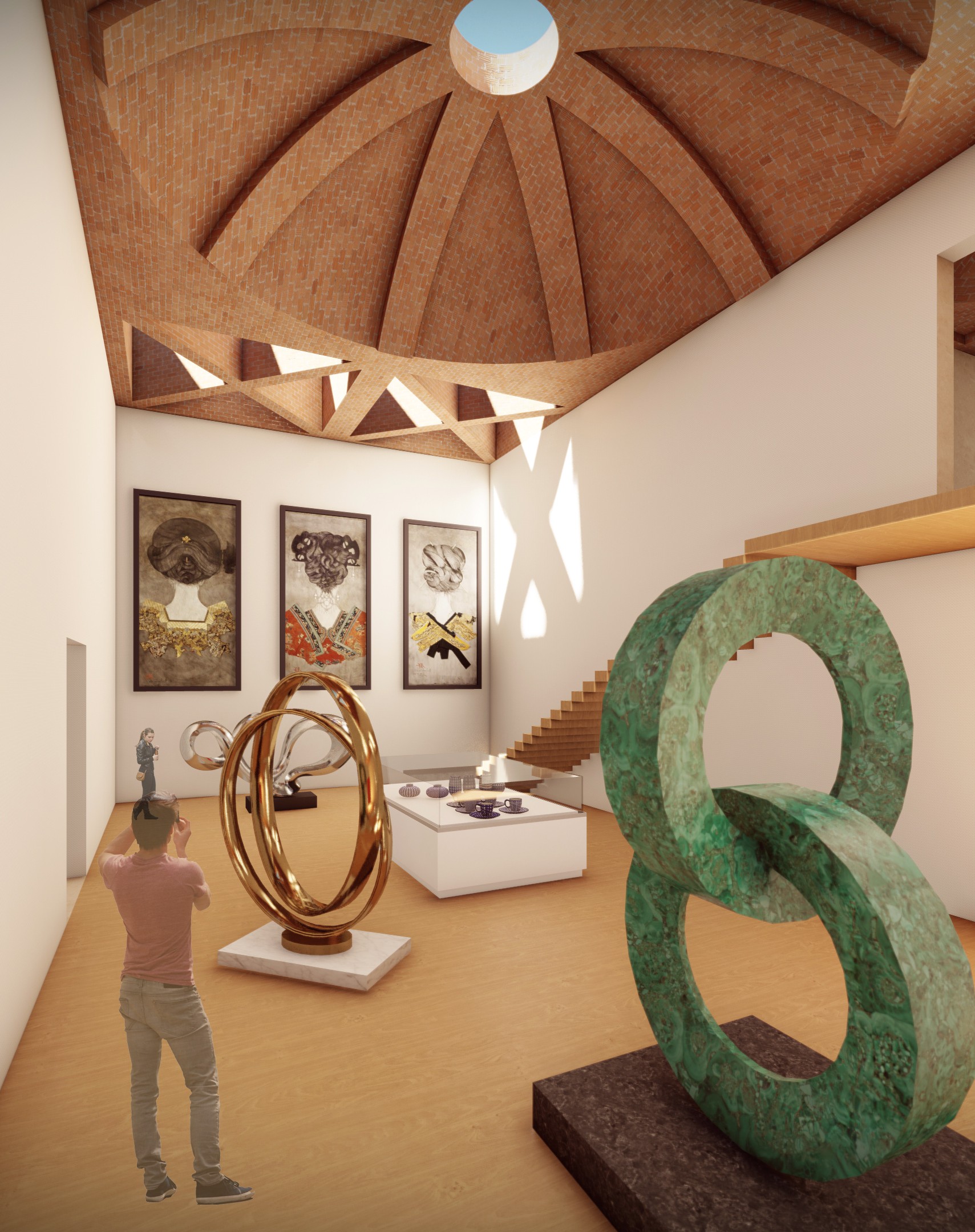
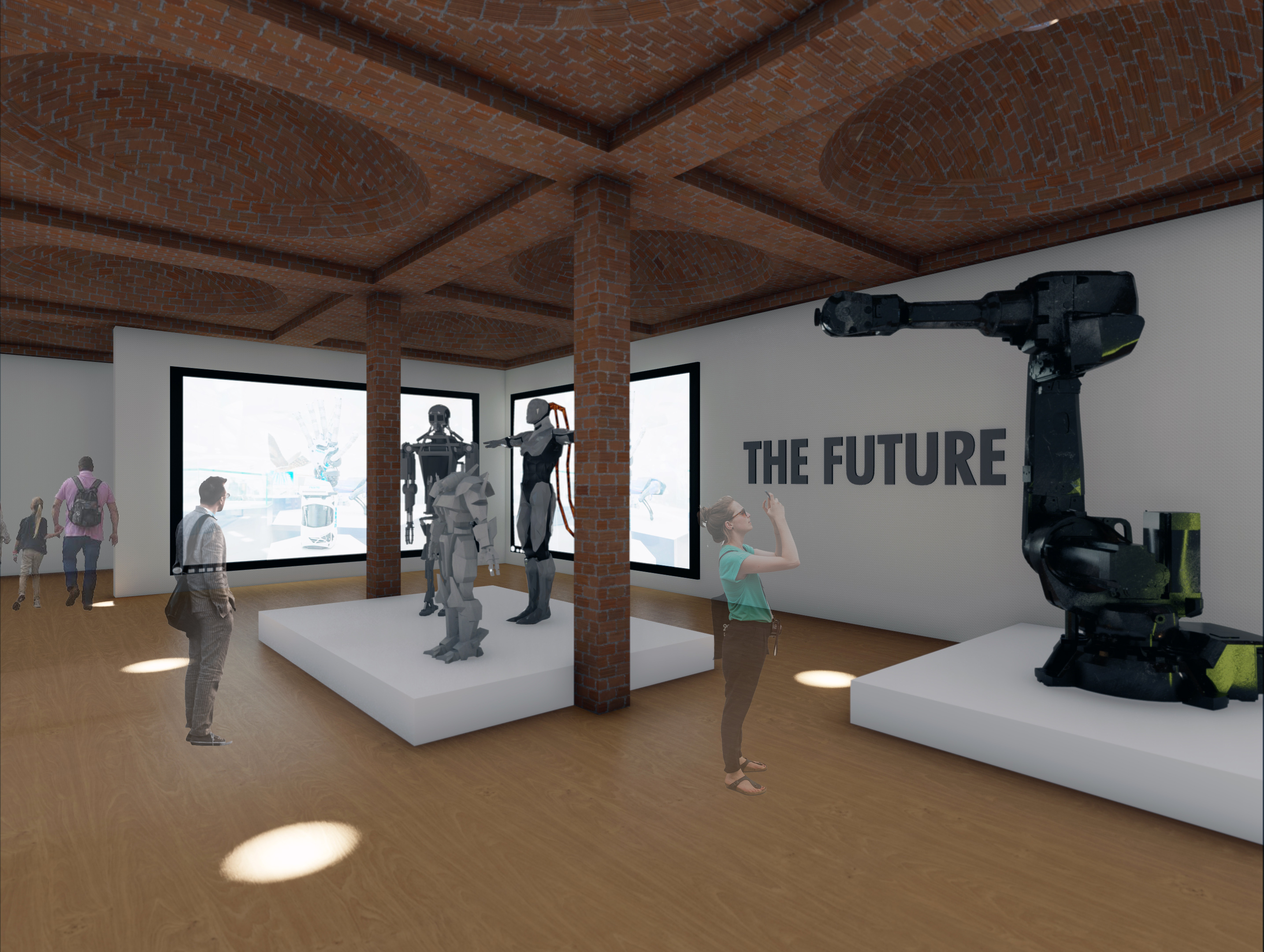
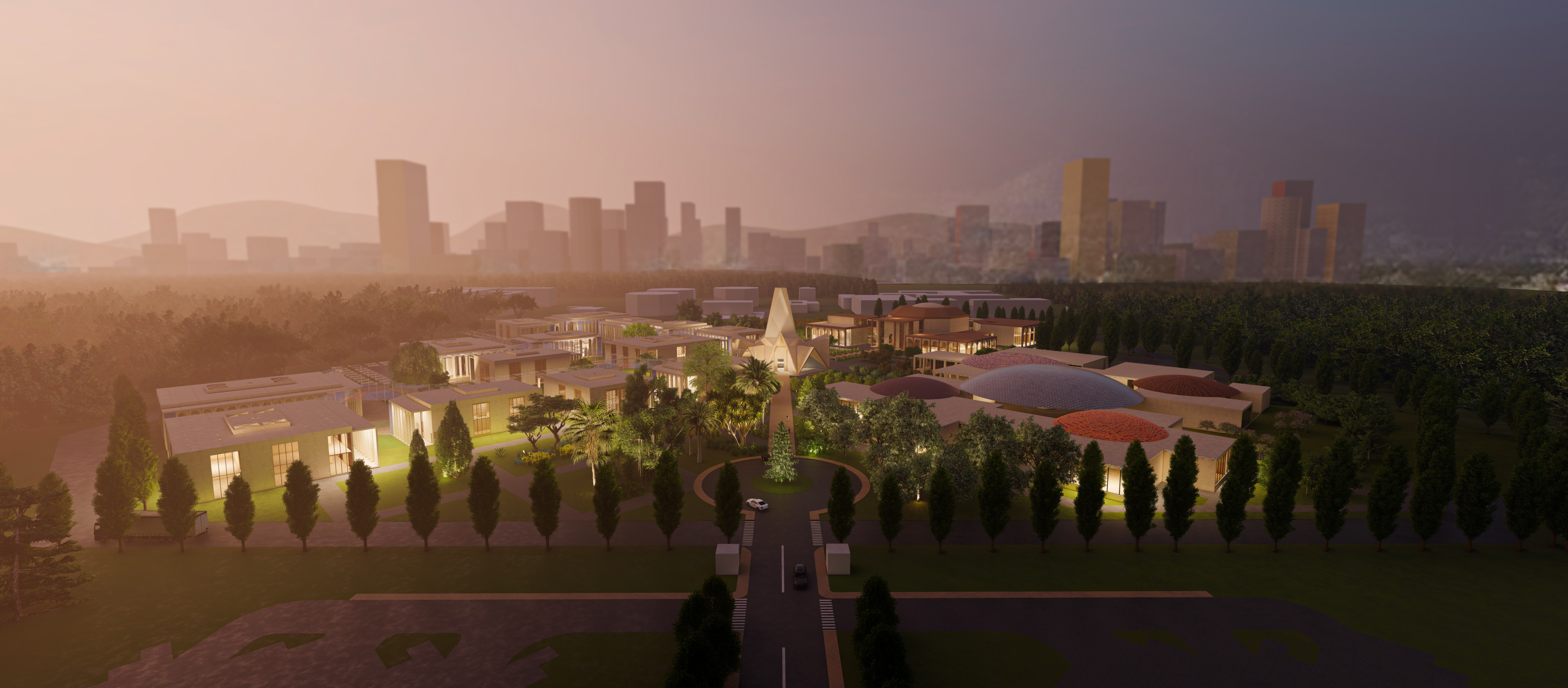
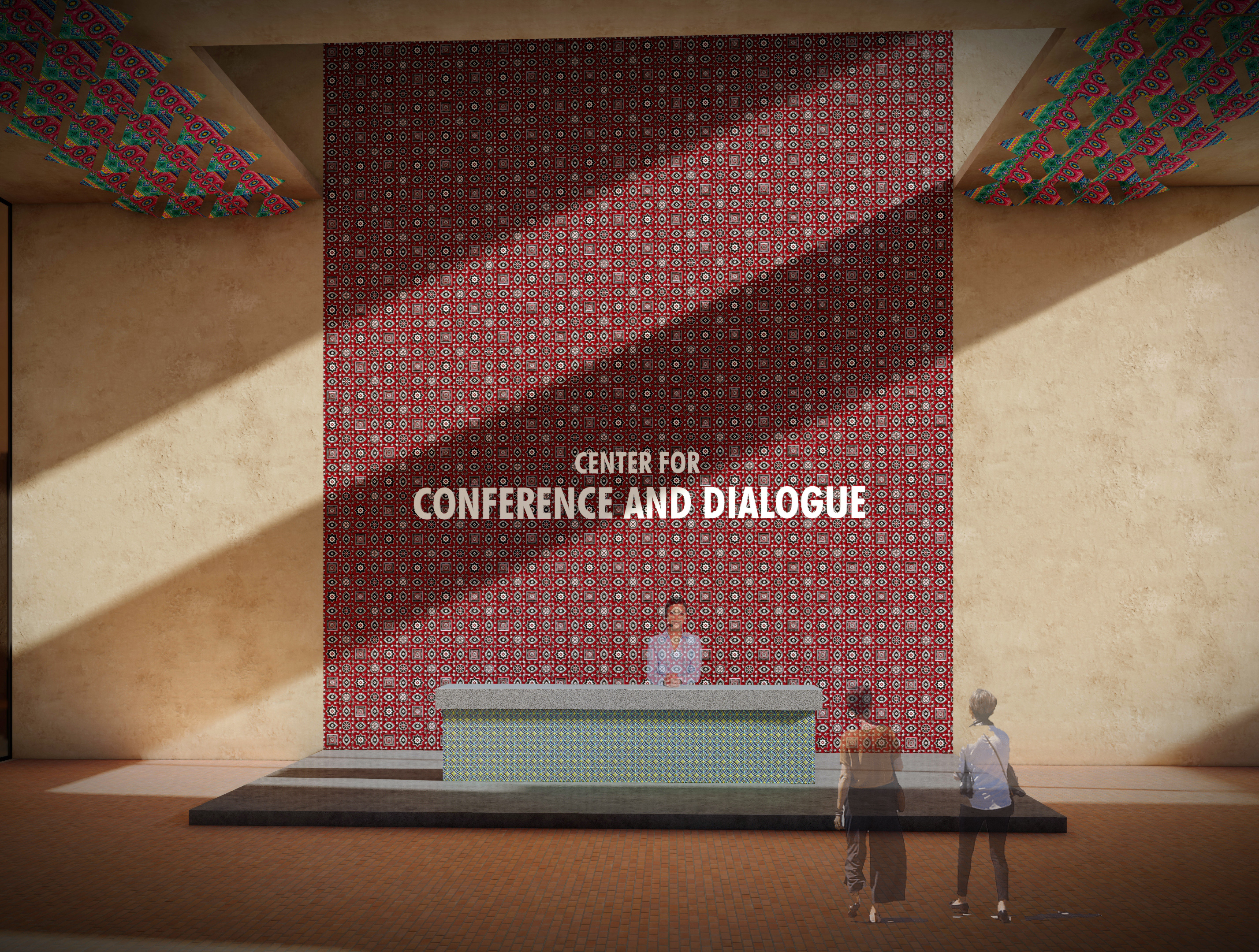
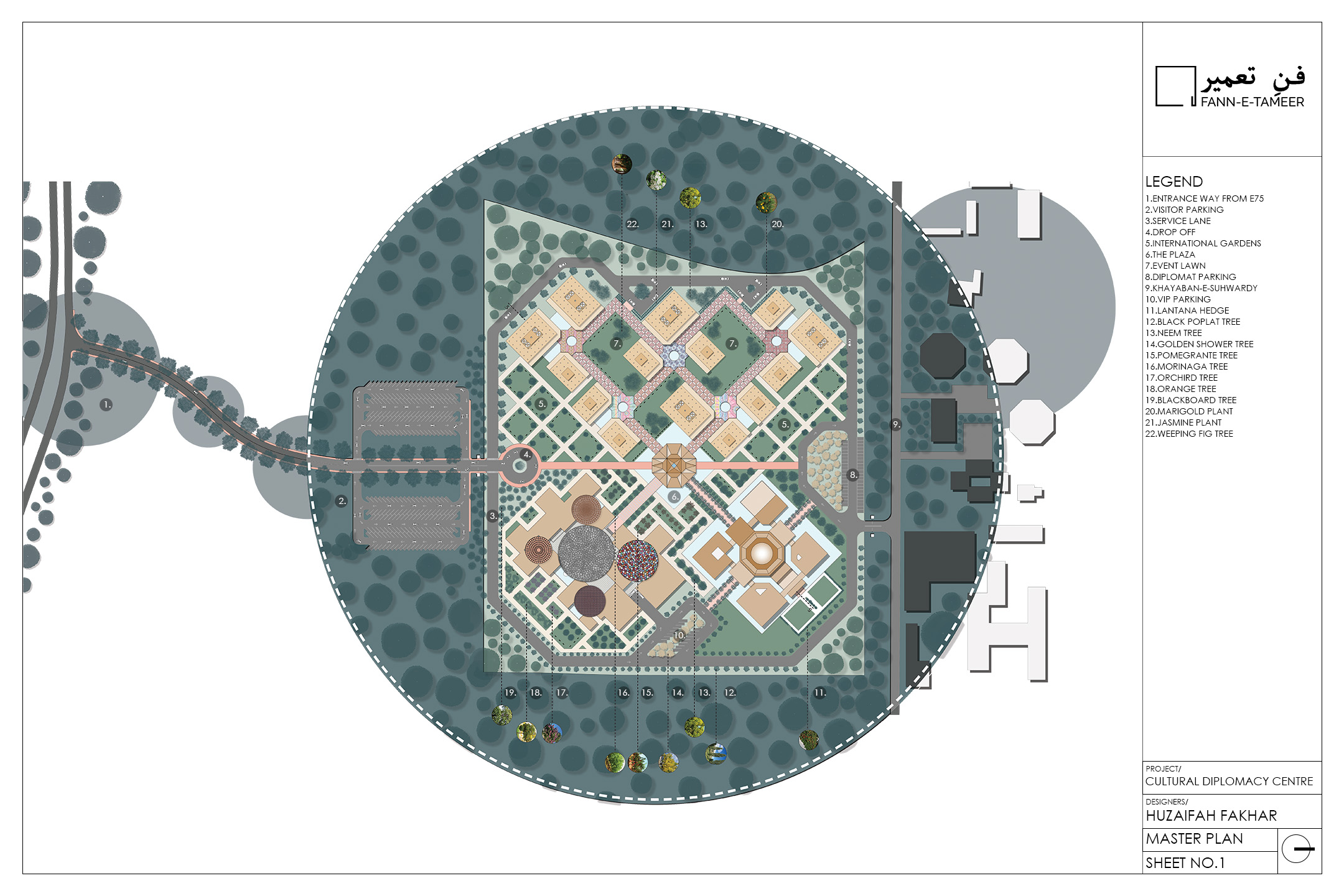
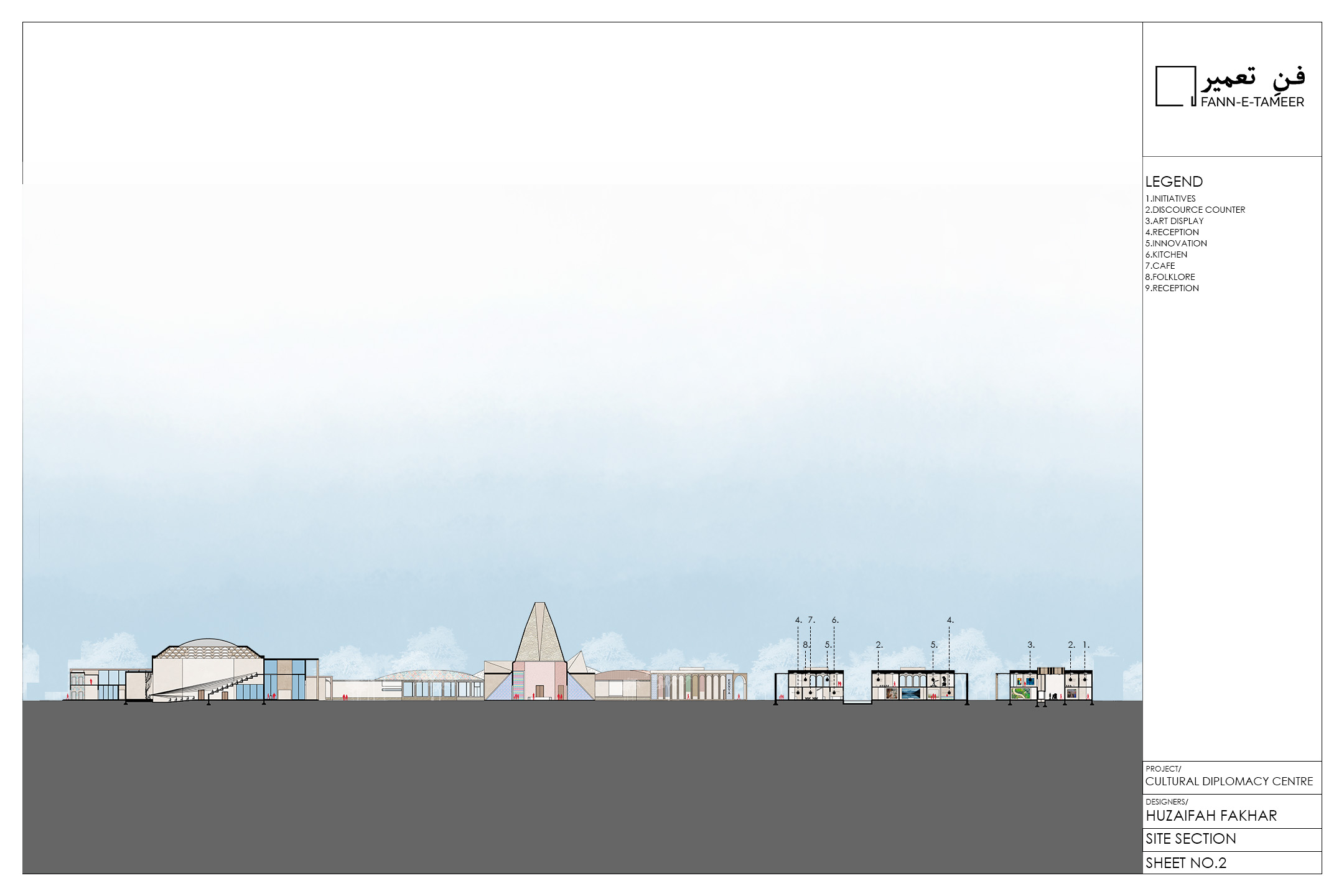
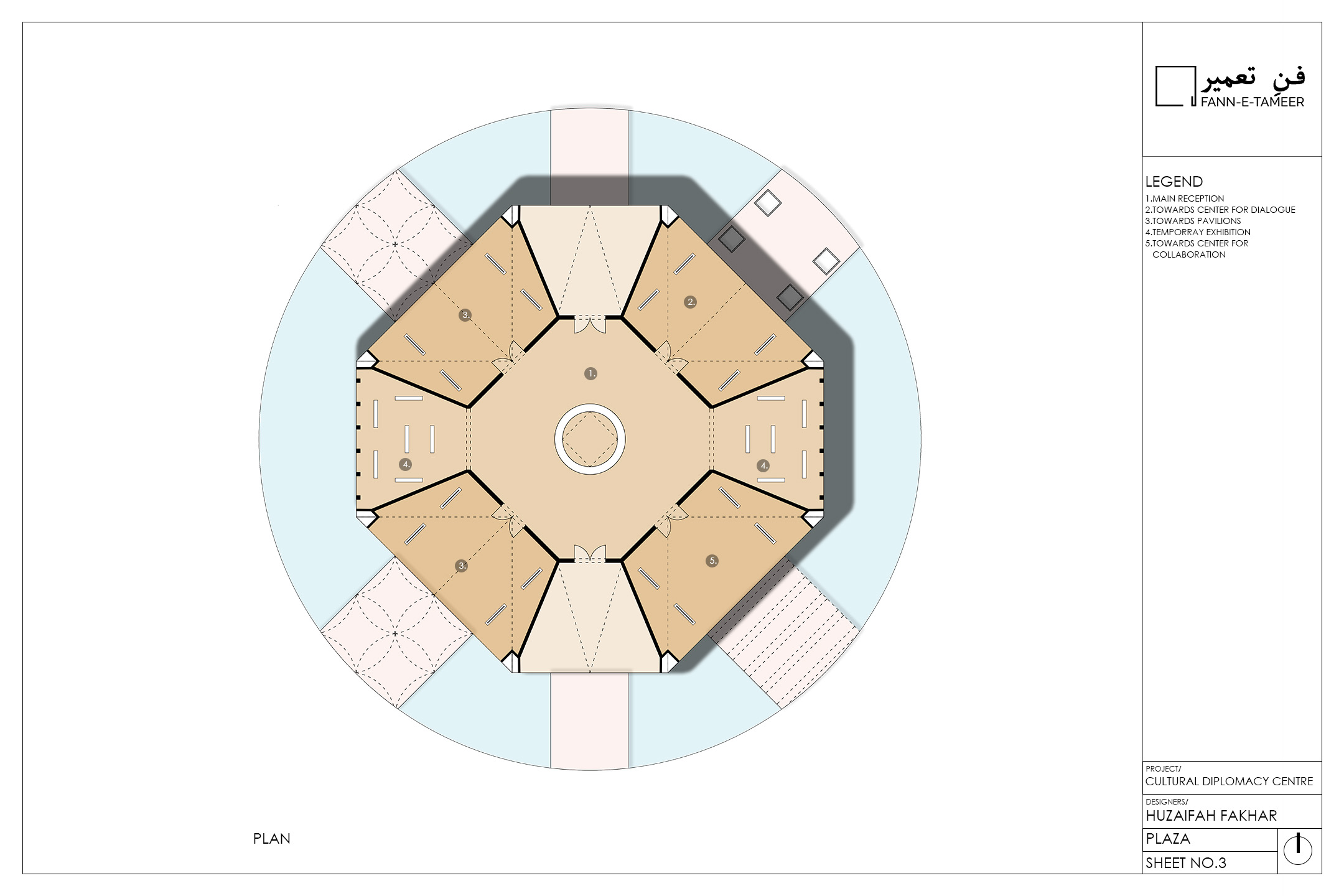
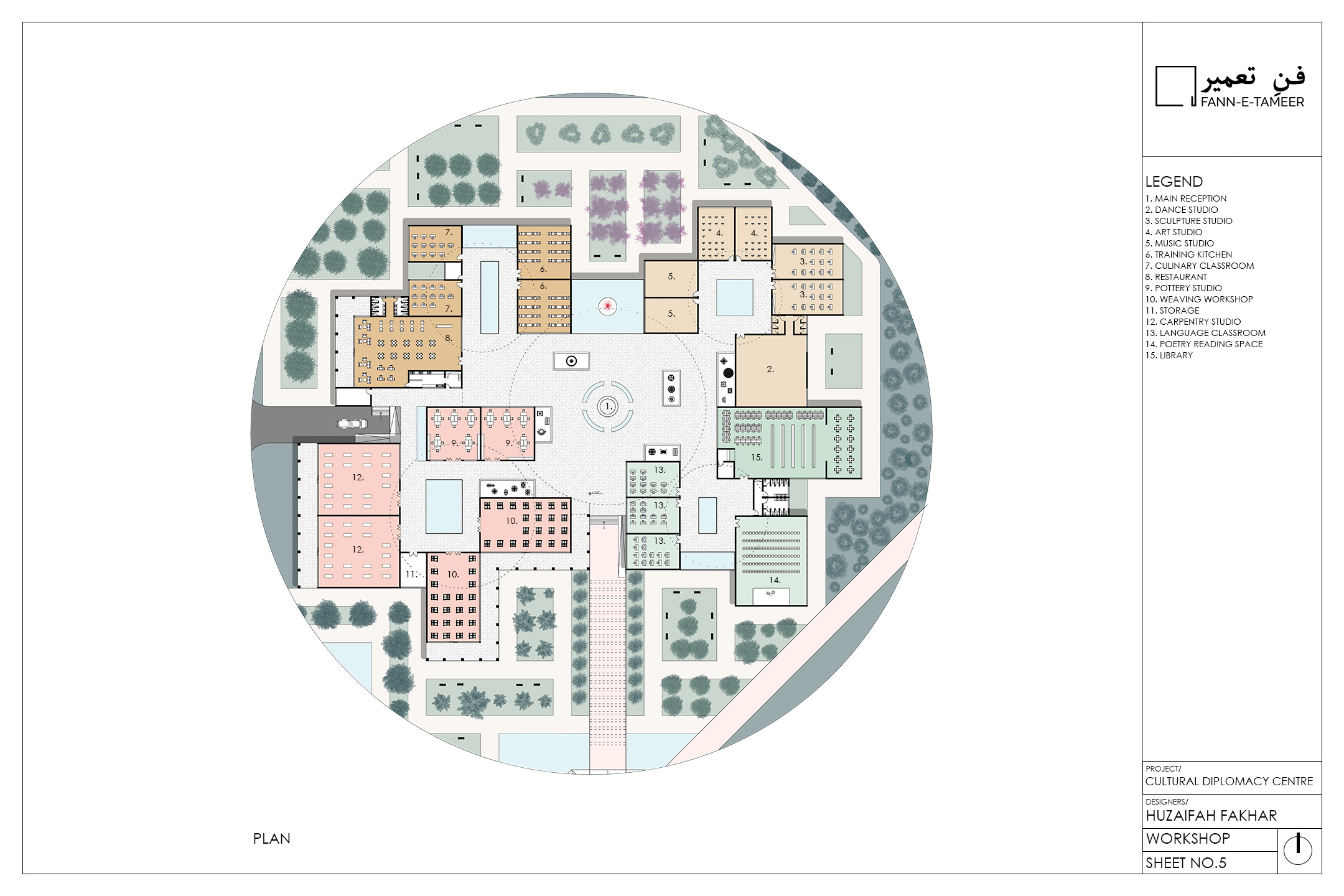
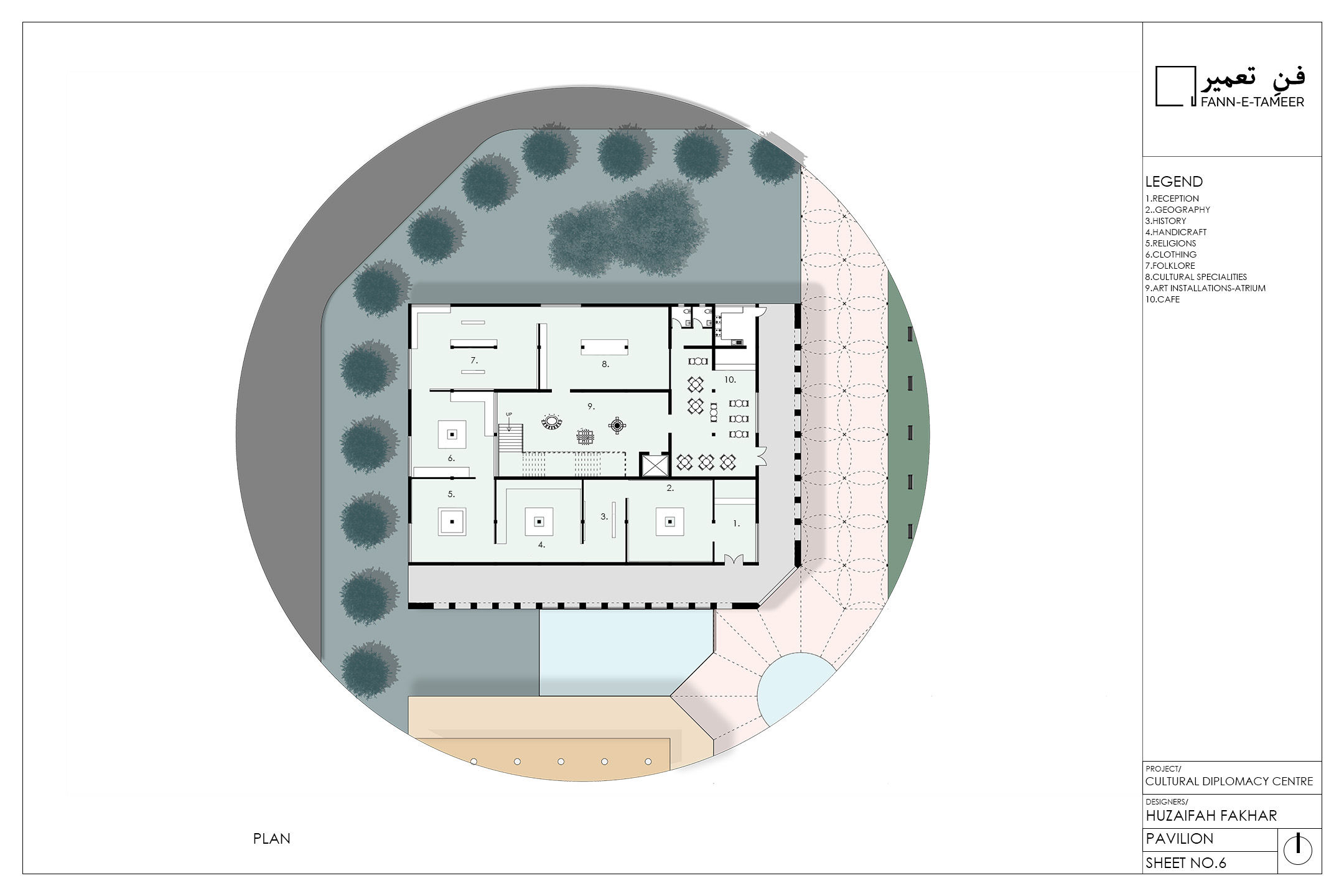
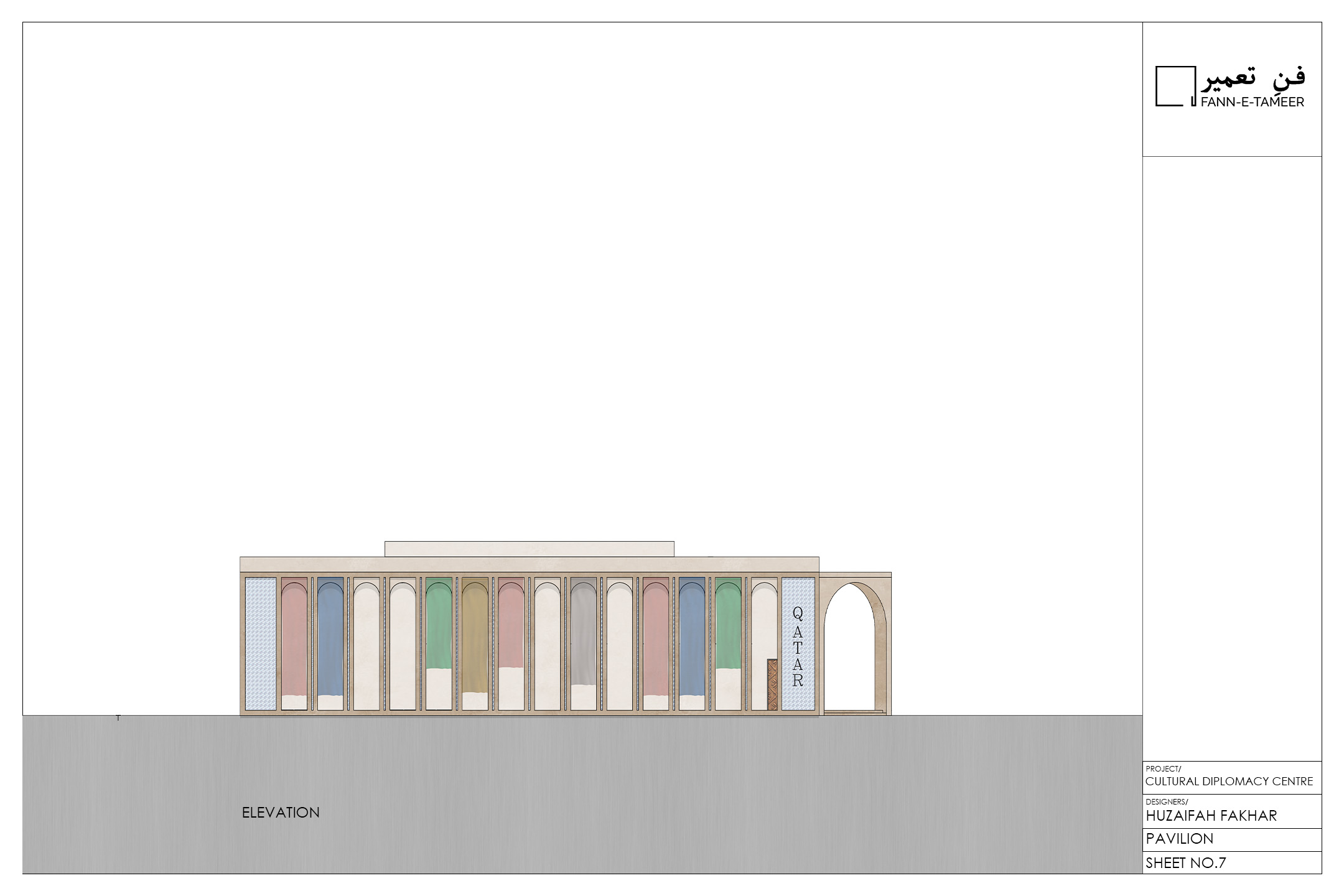
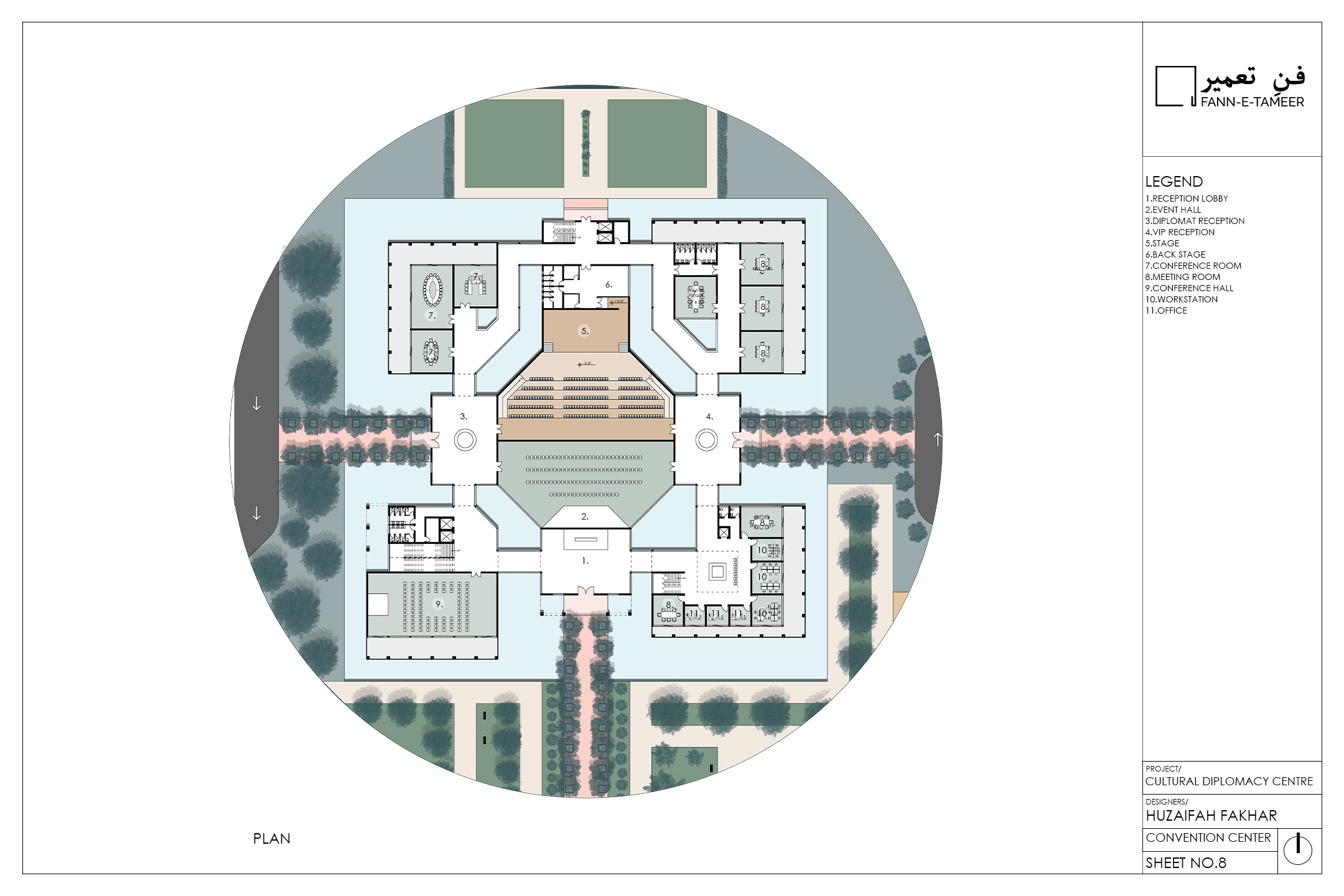
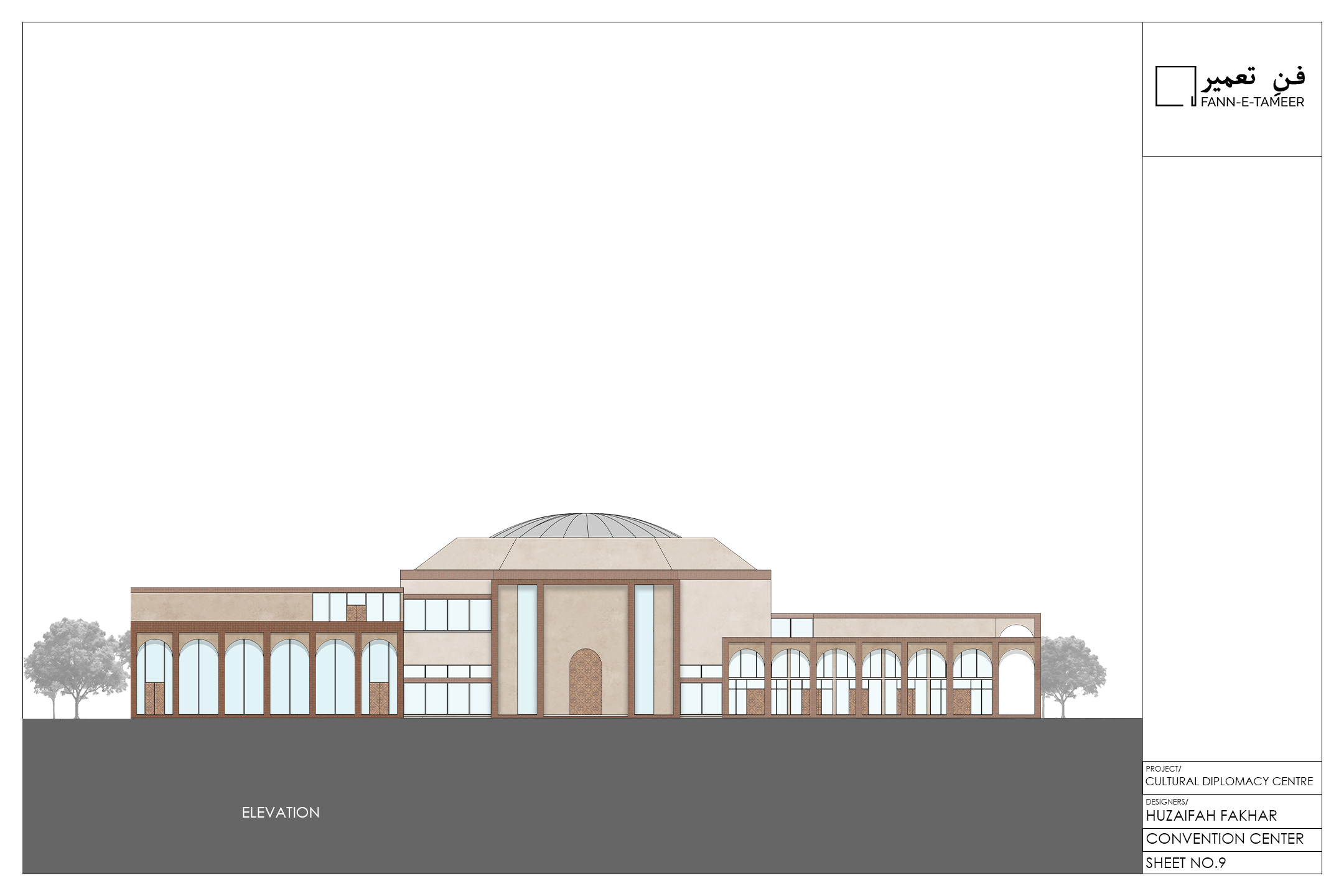
The design consists of four major sections, divided into nodes based on their program and intended experience. The first, the Central Plaza, is the node of connection, bringing users together regardless of their intended journey. It acts as a primary buffer between experiences, hosts temporary exhibitions and displays, and educates users through previews of activities across the complex. The second, the Pavilions, is the node of exposure, introducing users to different cultures. To accommodate varying cultural diversities, the pavilions are categorized into five large and nine smaller structures, each occupied for six months by selected nations. The third, the Auditorium and meeting spaces, forms the node of conversation. This space hosts live shows, seminars, performances, and dialogue between governments and the private sector, enhancing cross-cultural exchange and international ties through conventions like the OIC and G20 summits. The fourthsection is the node of collaboration, promoting cultural expression through education and artistic exchange. It includes a language center, cuisine center, art studios, and workshops for traditional crafts, where classes and collaborations between global artists and artisans foster new cultural linkages and shared creativity.
Contact Designers || Portfolio
You Might Find These Interesting
 DESIGNED BY: Ali Shehroz
Borderless Architecture: Bridging the Divide
Wagah-Attari Border DESIGNED BY: Zoya Bashir
Ziyaastan: The Place Where Light Returns
Sharda, Neelum Valley, Azad Kashmir, Pakistan