Library Design
An earthbag-built museum library in Islamabad’s Swiss Avenue Park, merging vernacular techniques with organic forms to embody and display Pakistani culture through immersive, sustainable architecture.
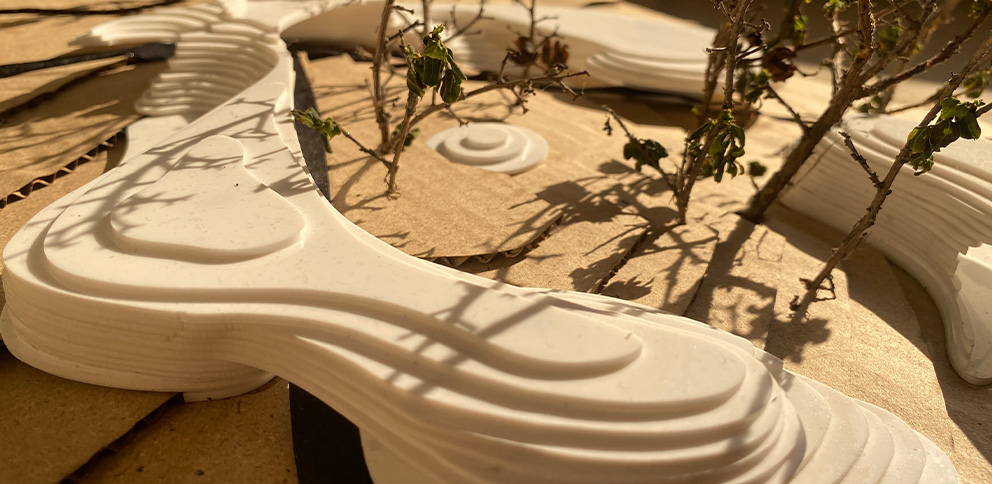
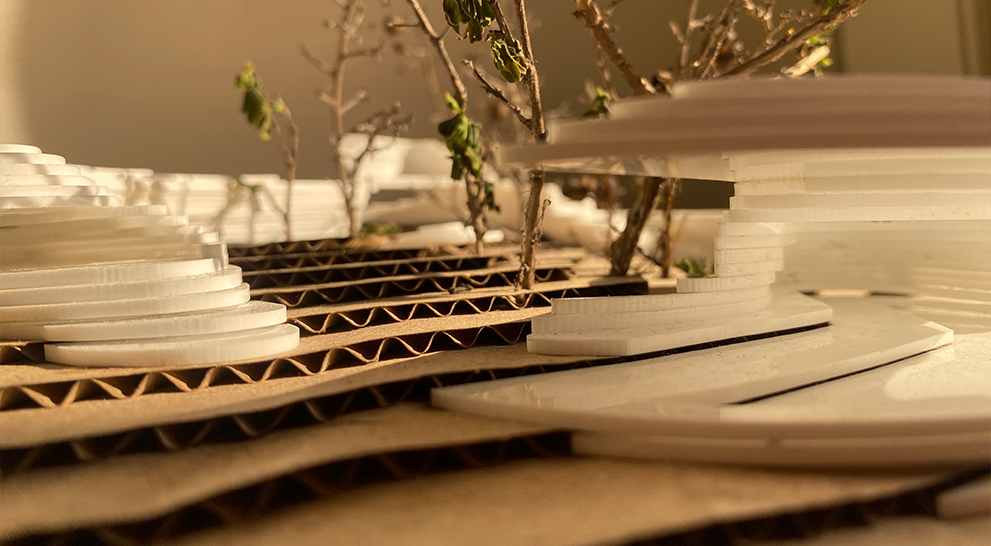
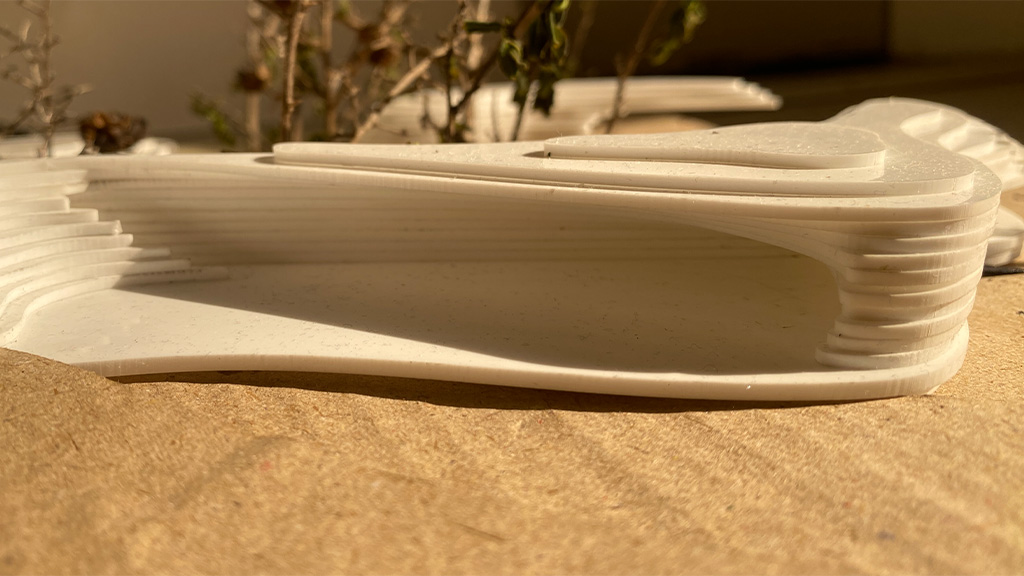
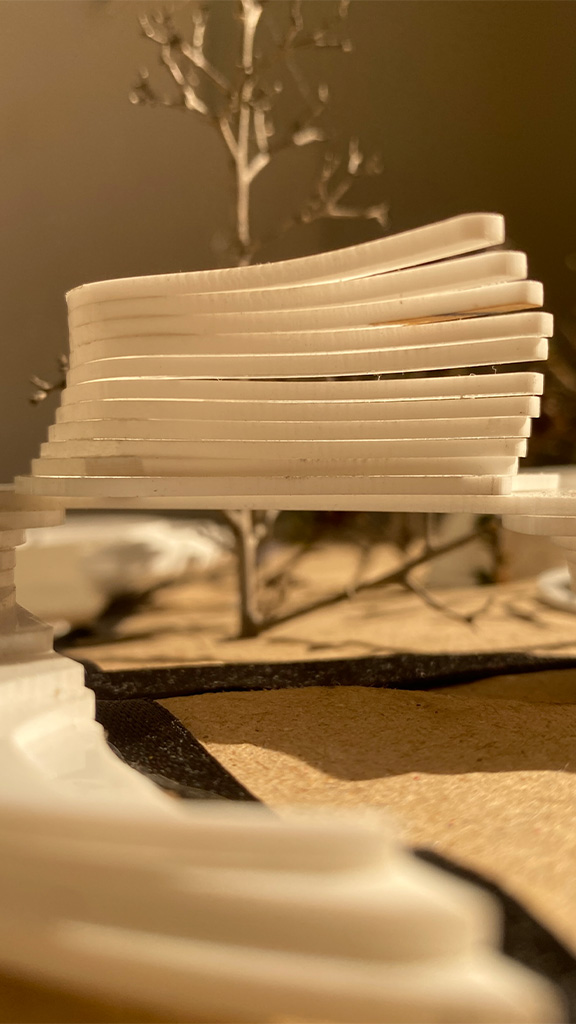
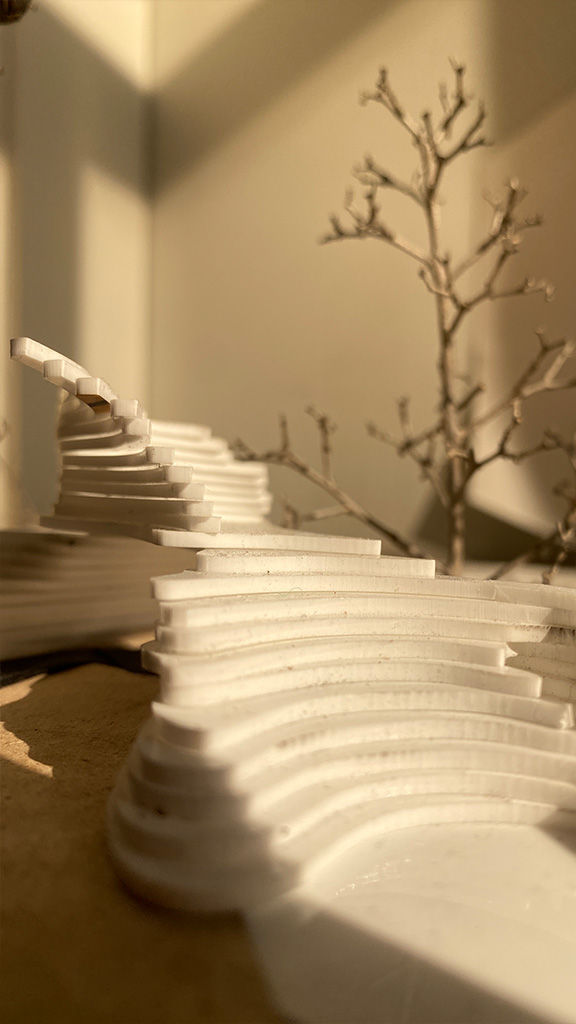
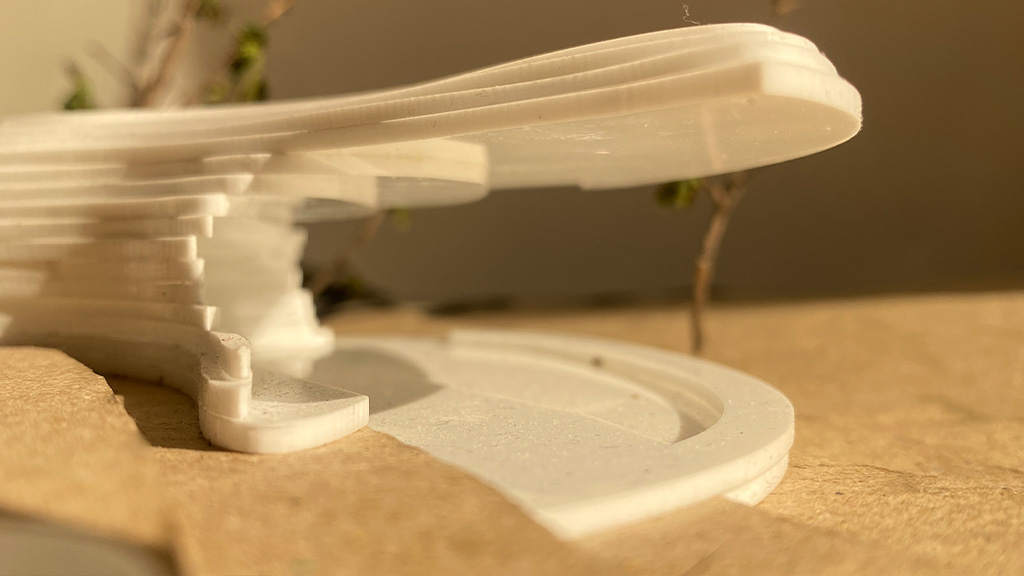
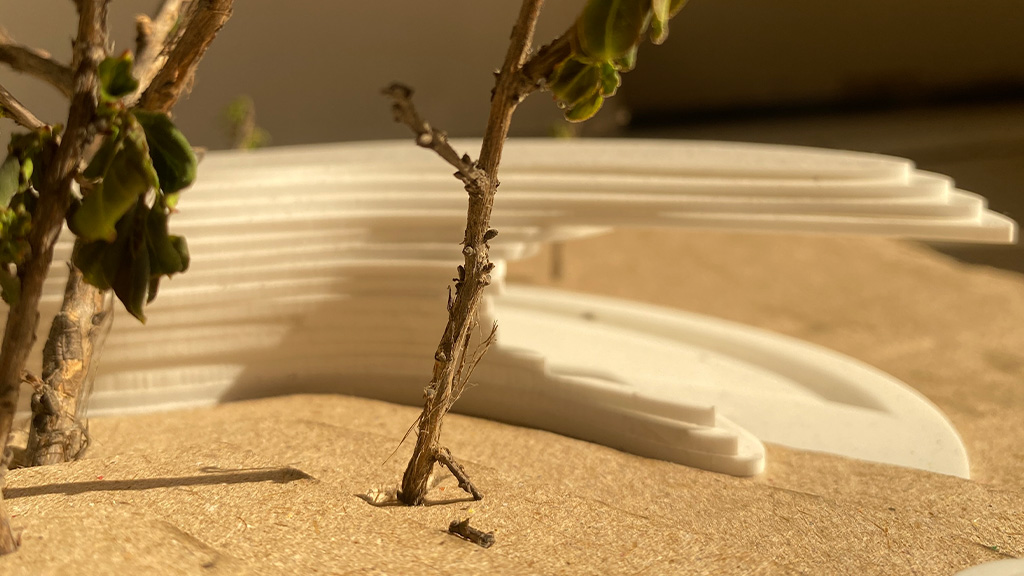
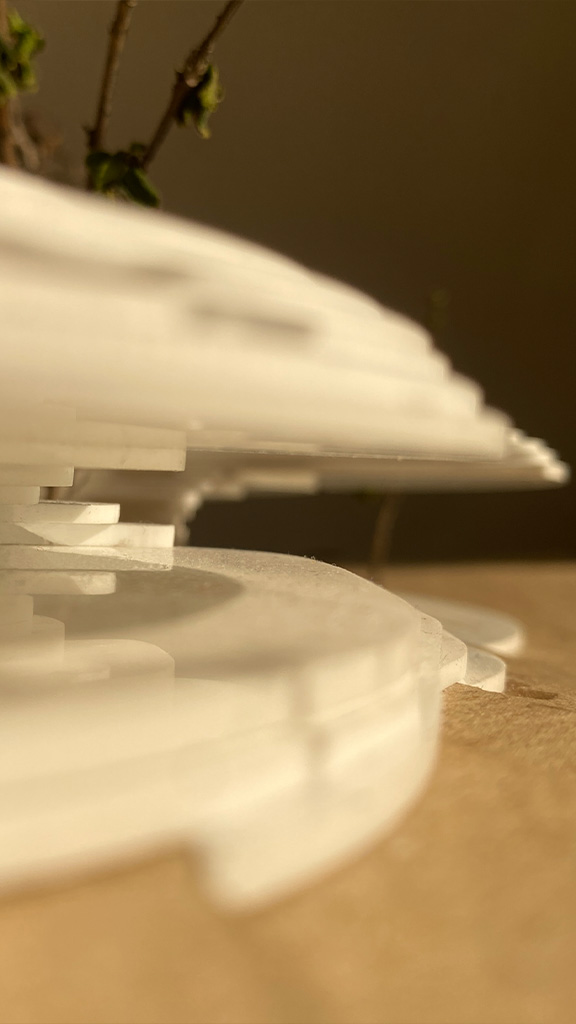
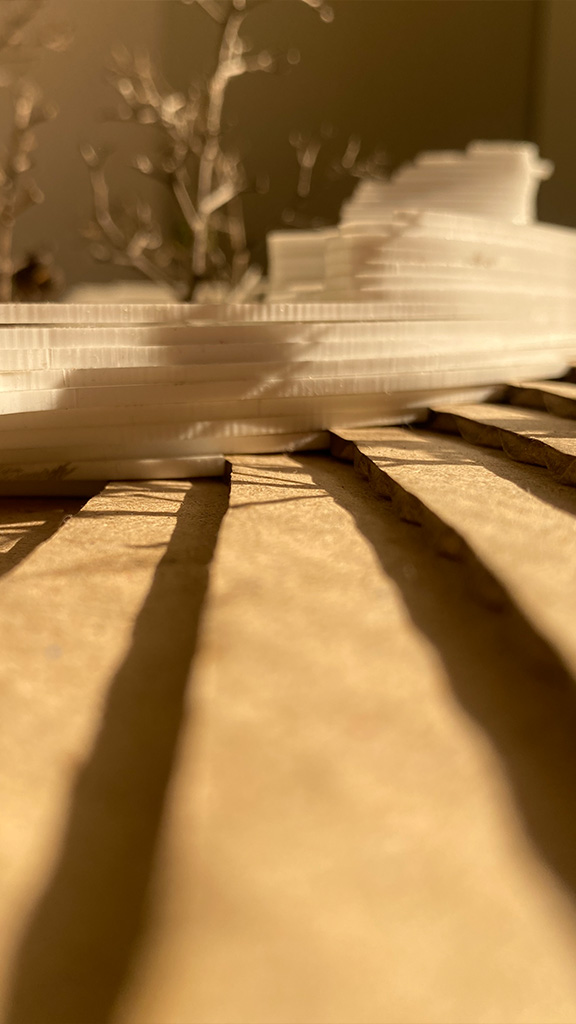
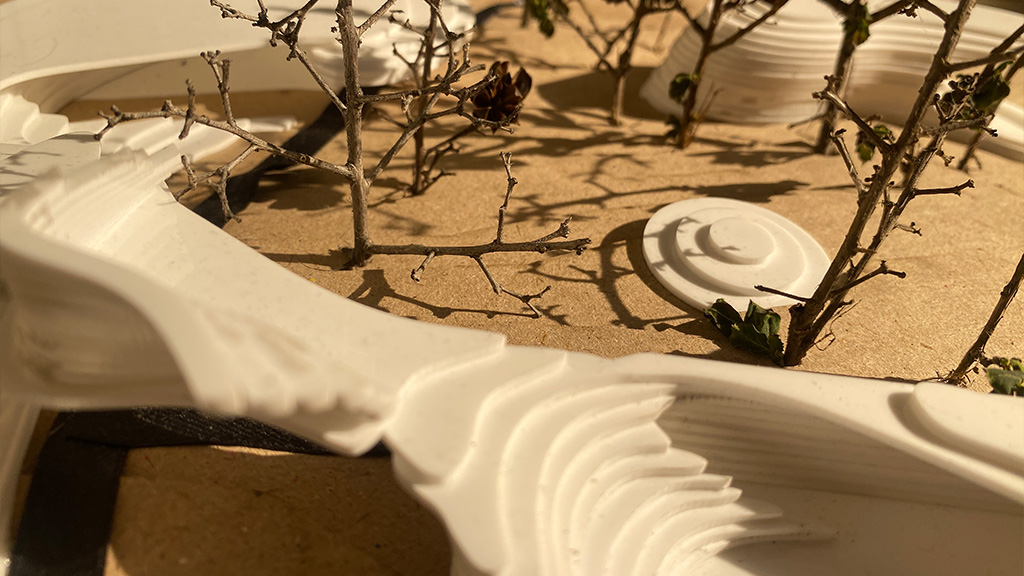
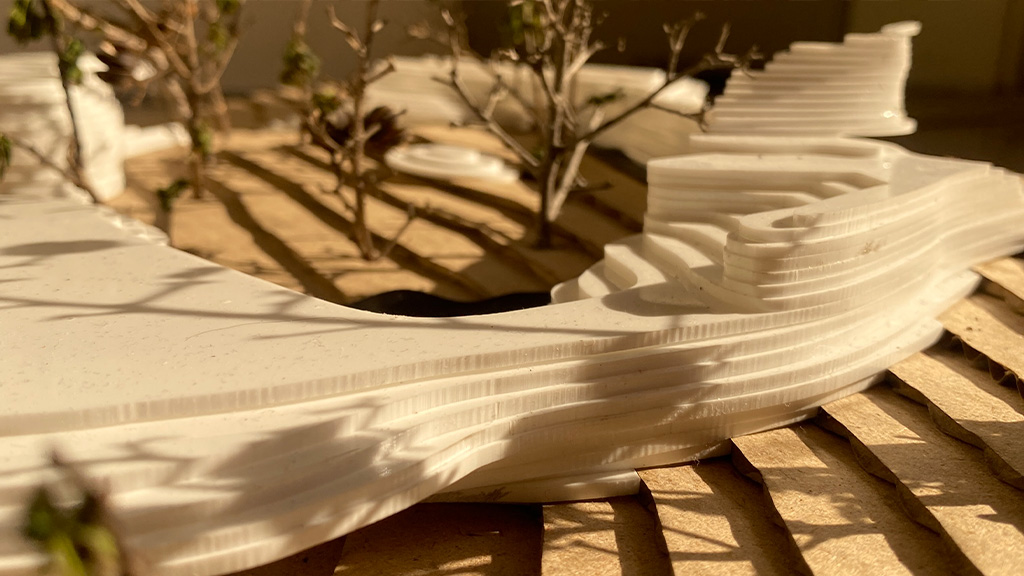
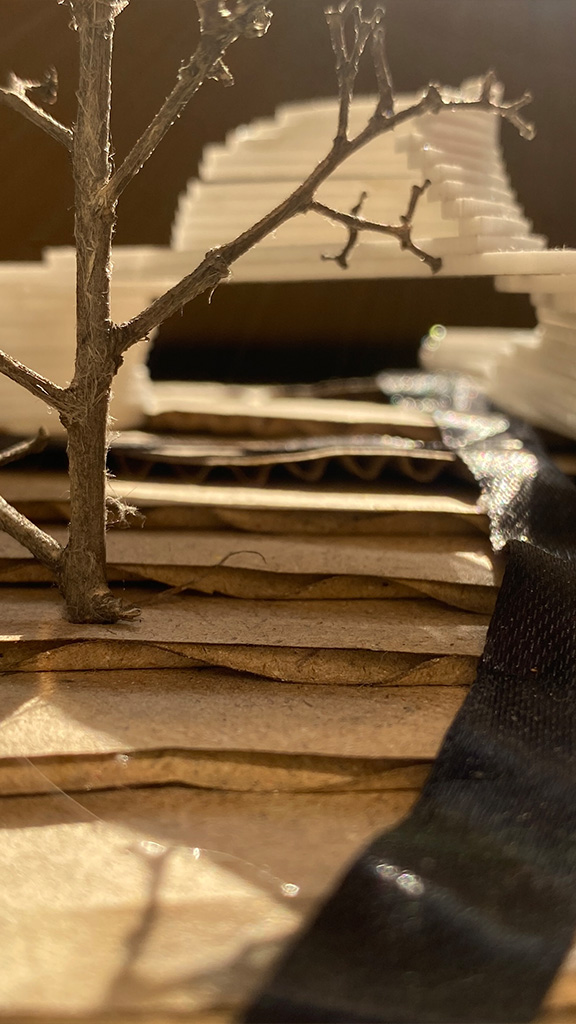
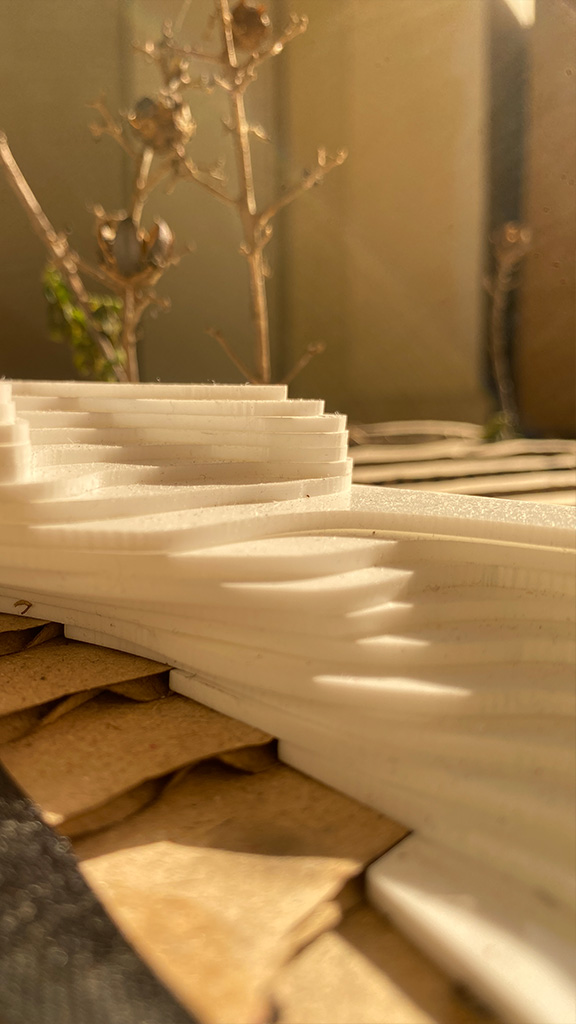
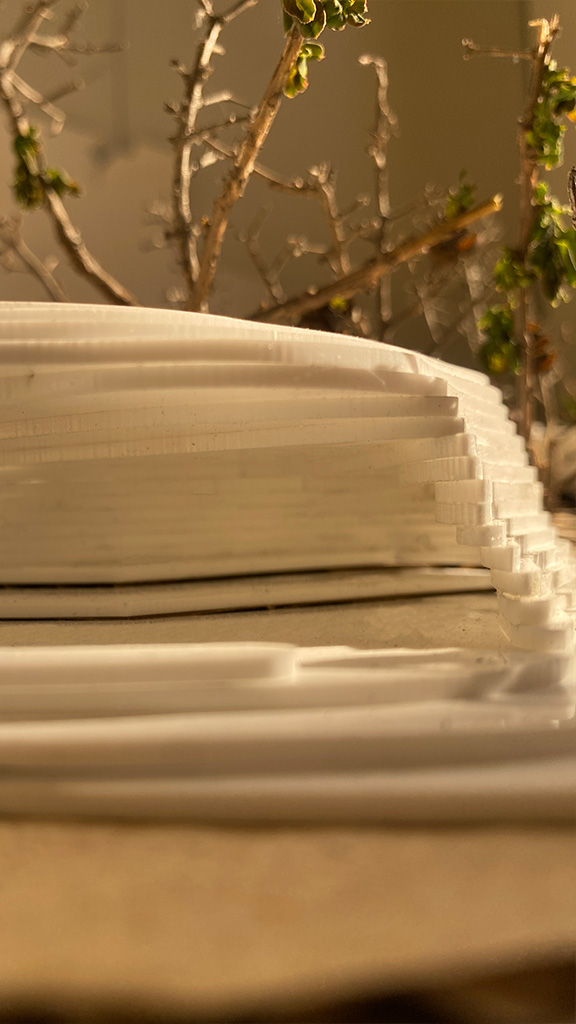
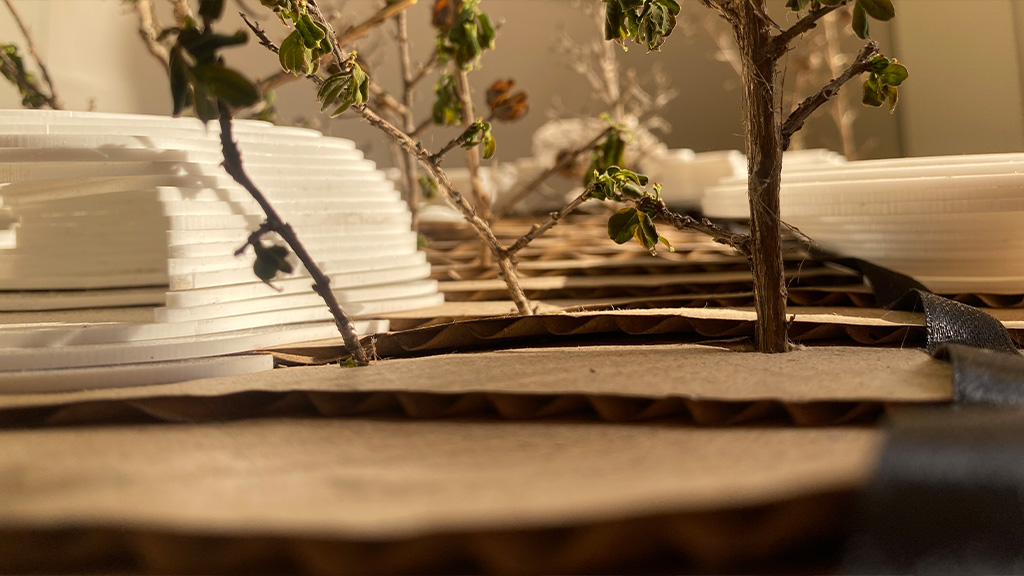
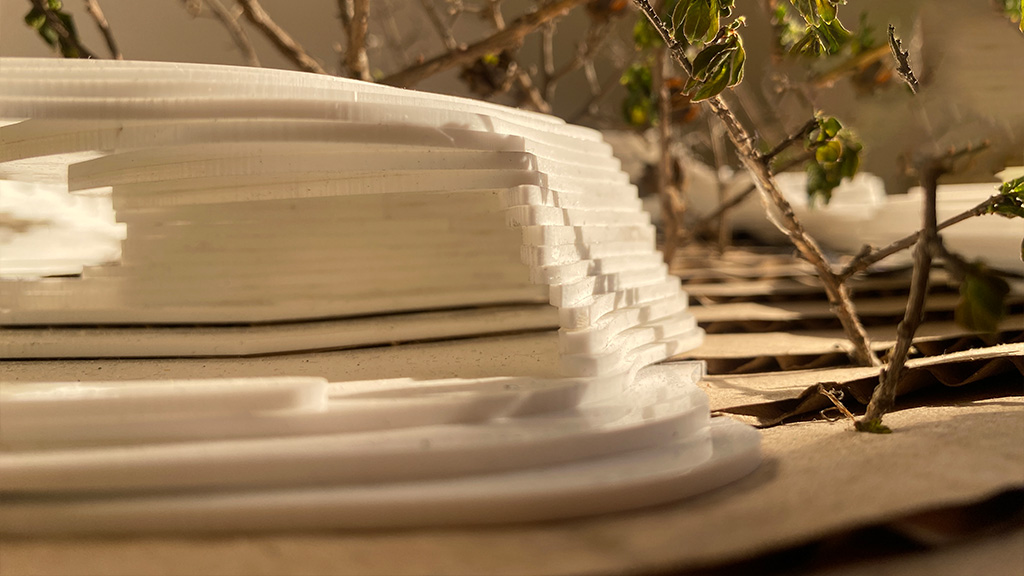
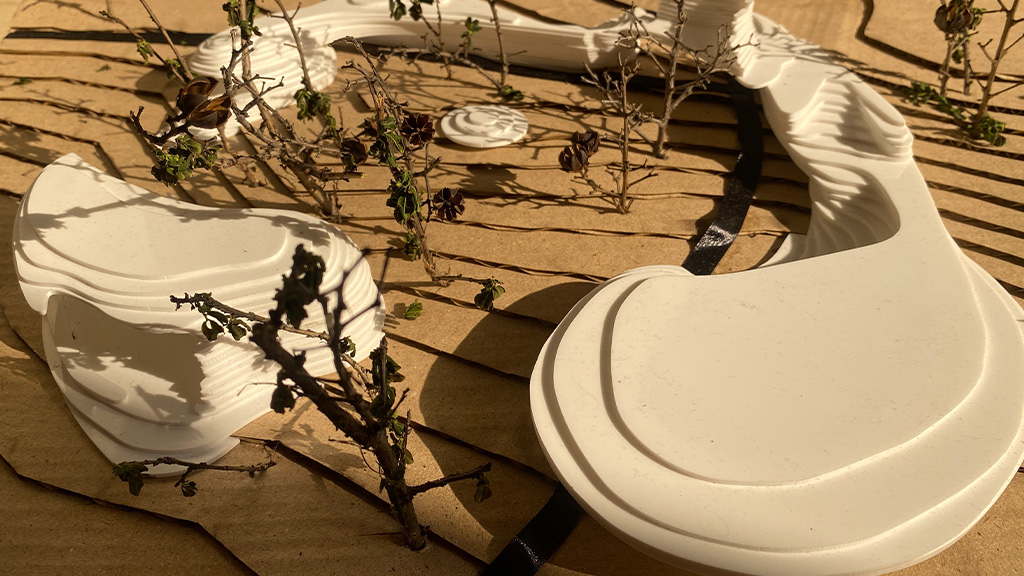
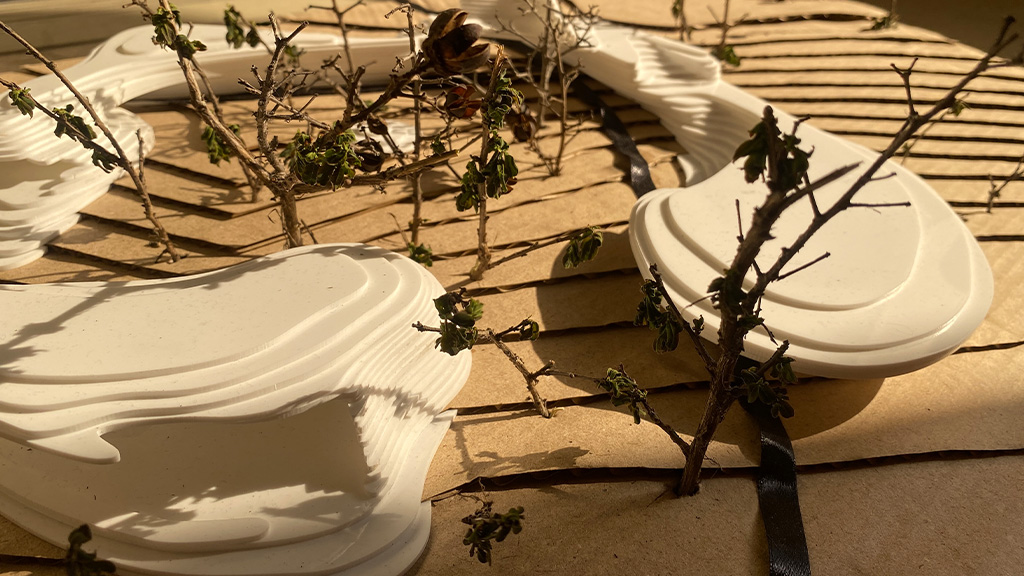
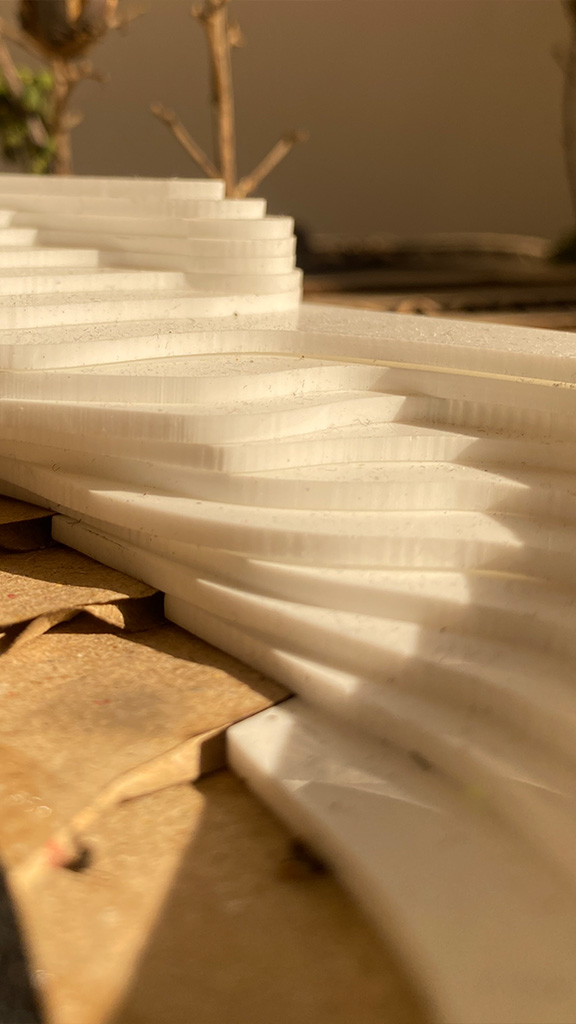
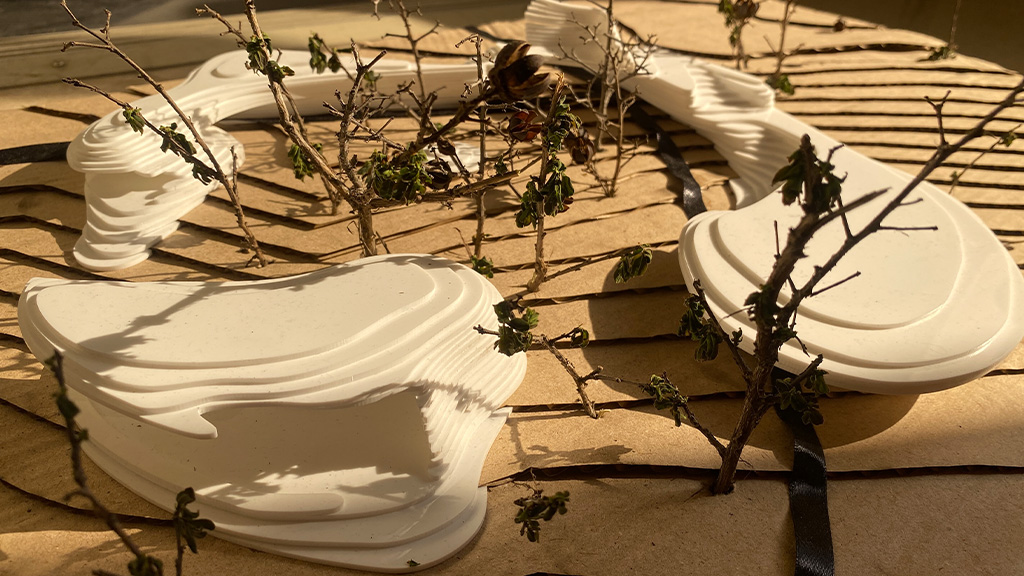
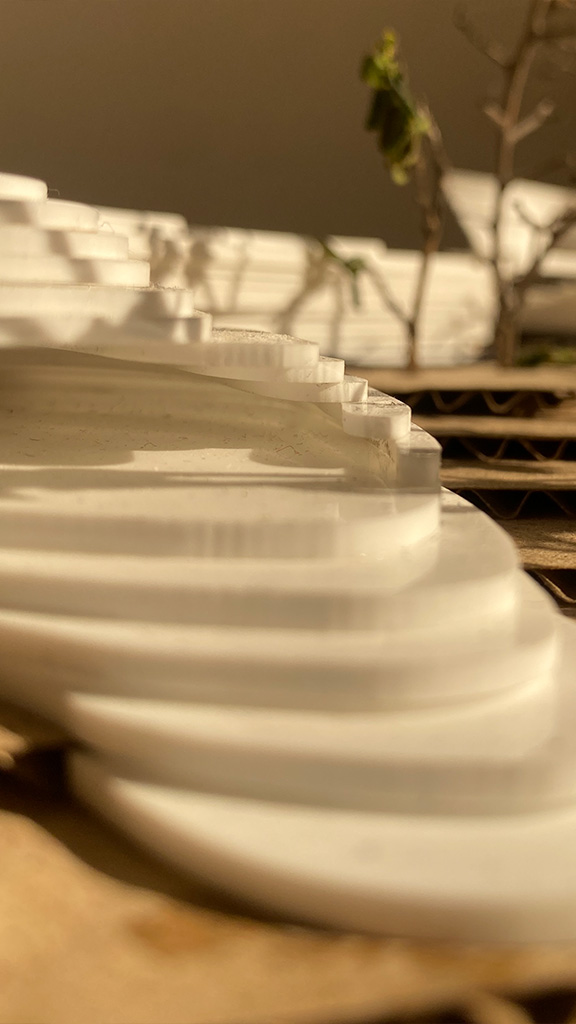
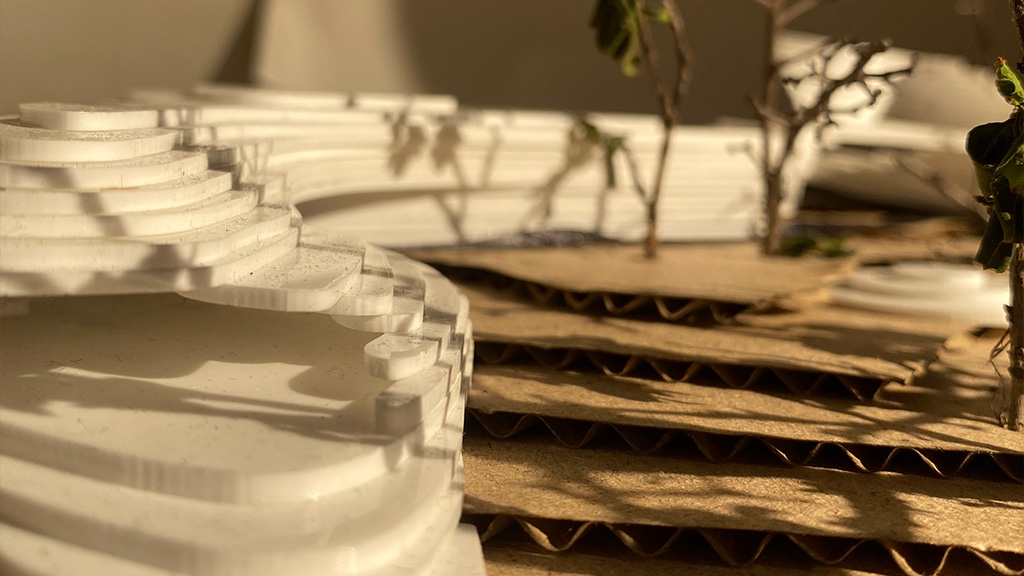
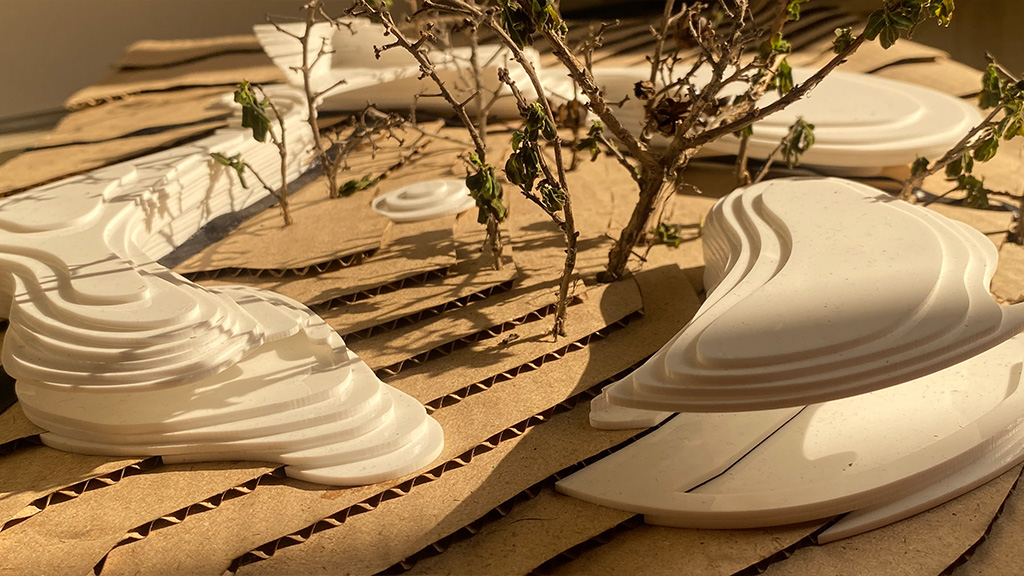
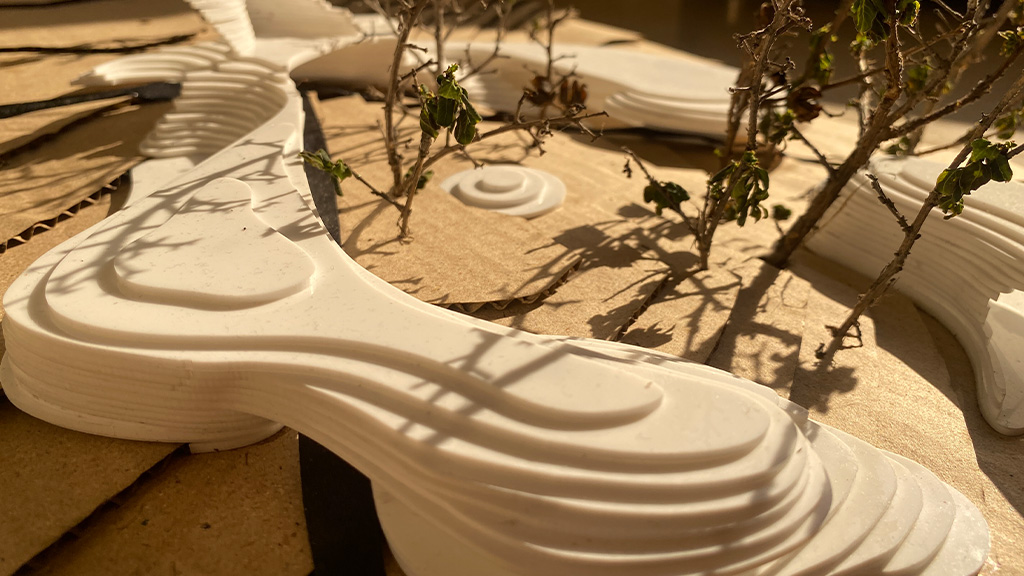
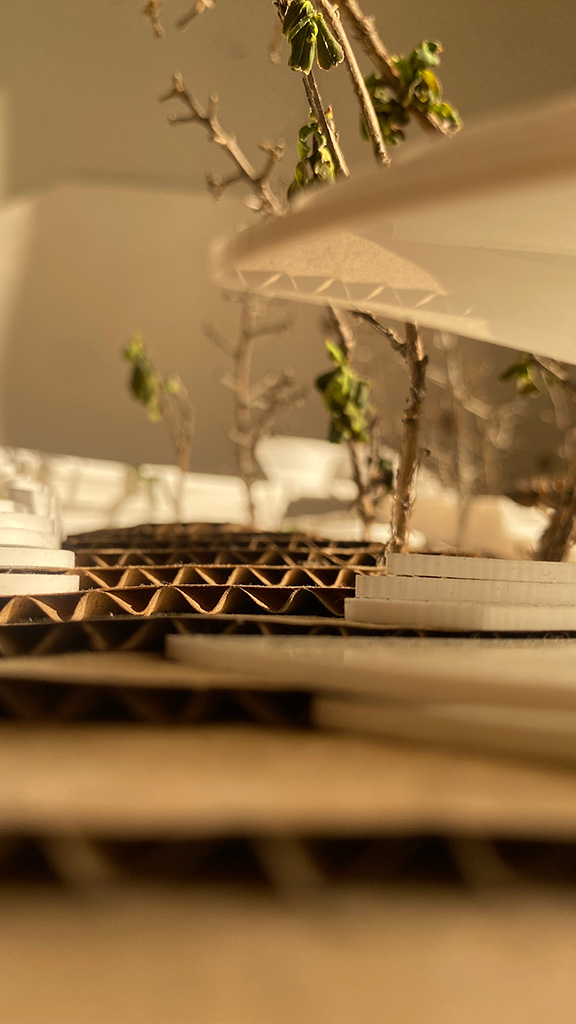
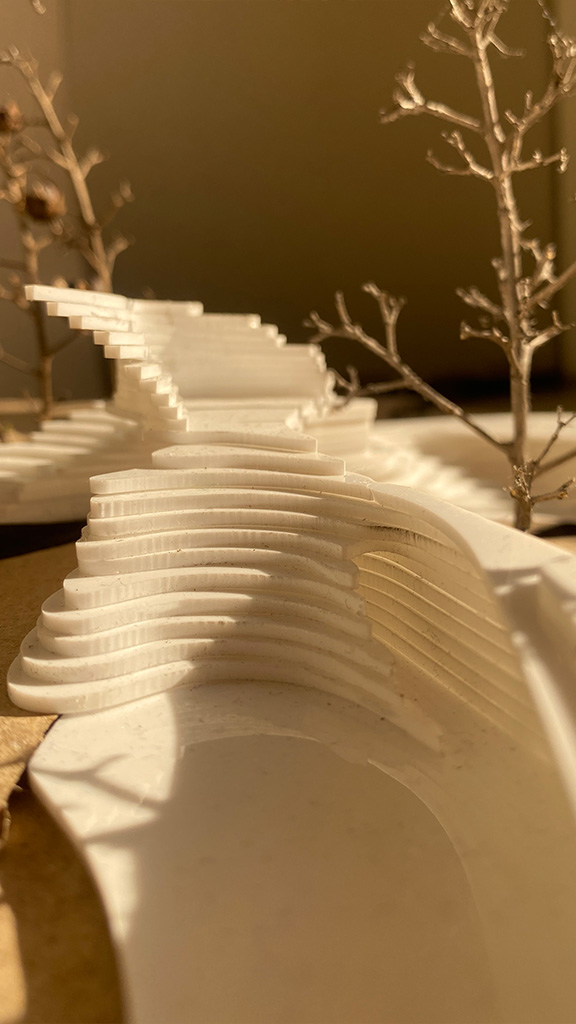
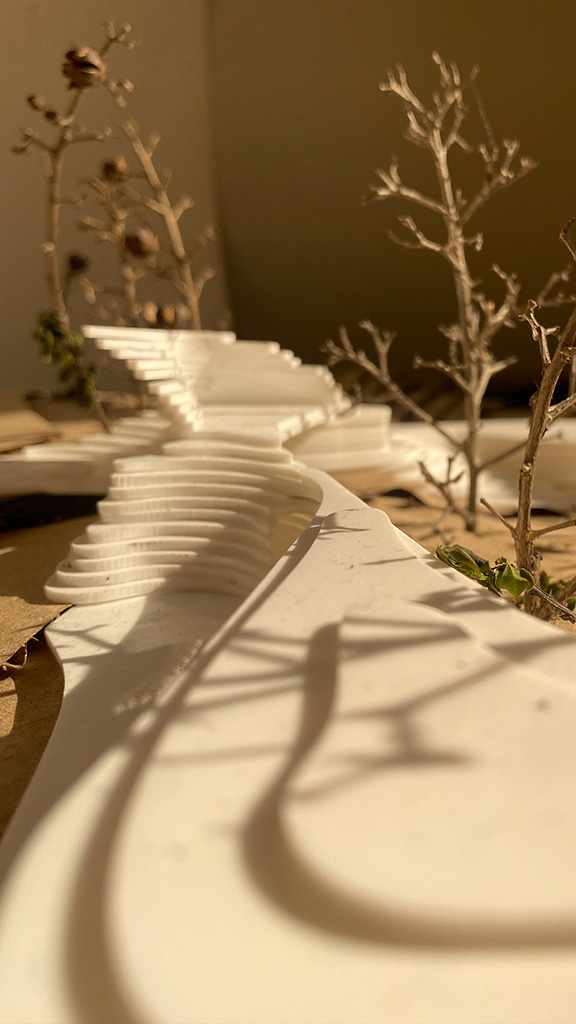
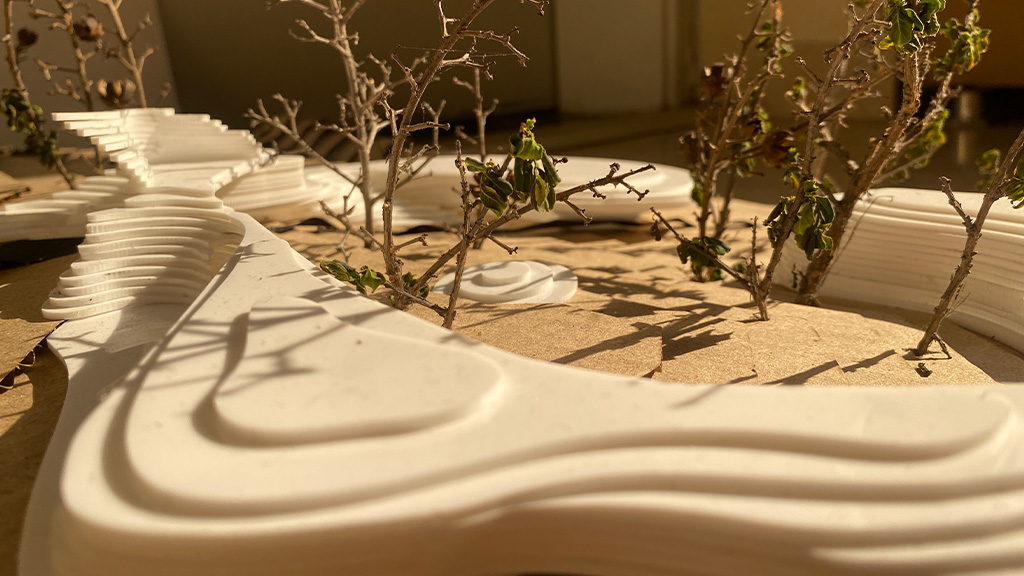
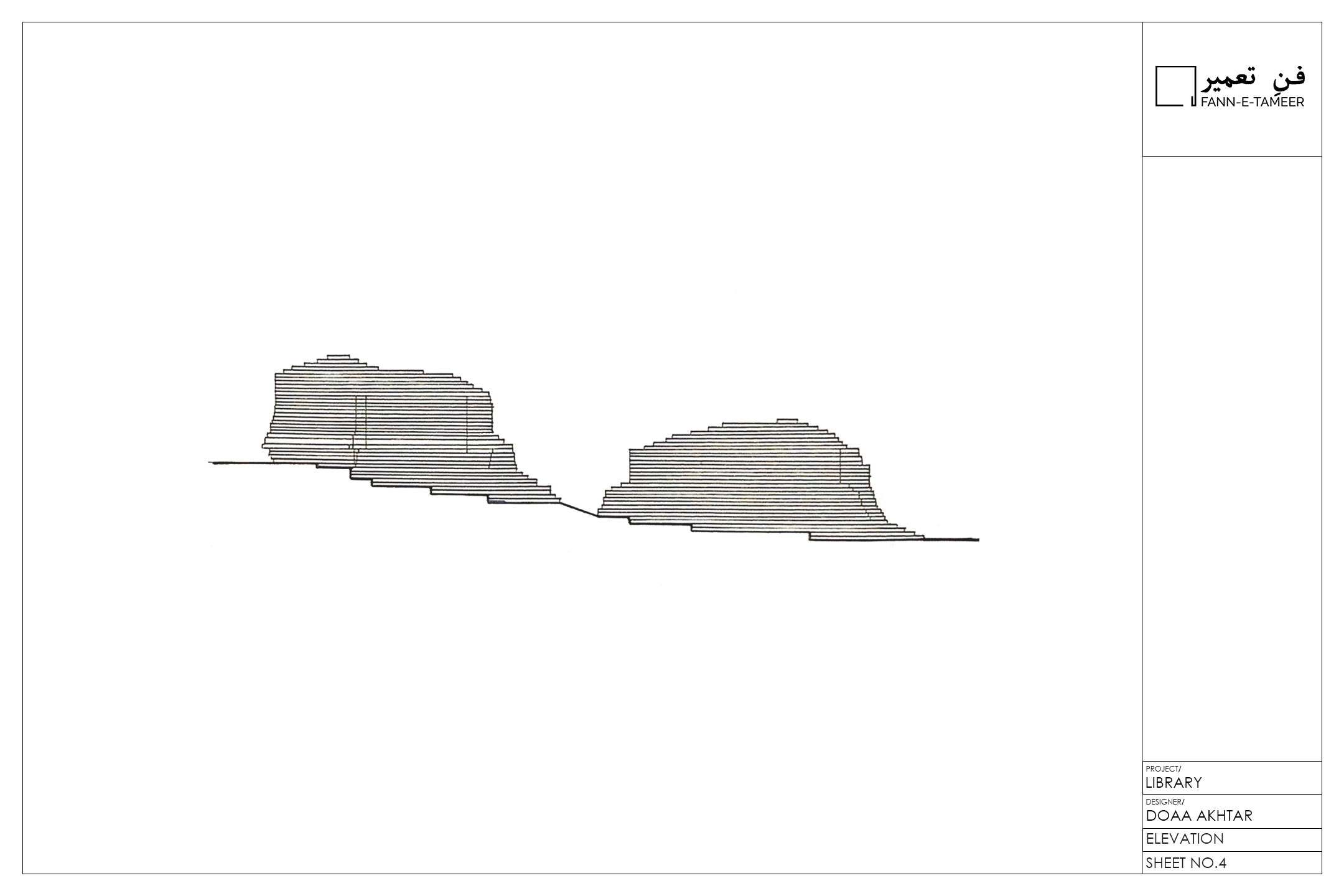
This project began as a stereotomic study—carving a three-dimensional clay mass by subtracting and tunneling through it to create voids, cantilevers, and resting spaces. These subtractions established scale relationships, circulation pathways, and a play between light and shadow. Through documentation and sectional photography, the form’s spatial quality was translated into layers, further explored in Module II through sketching, programmatic mapping, and collage. Each section of the clay form was analyzed and assigned nearly 50 spatial programs, creating a rich library of spatial possibilities. These iterations formed the basis for a specialized public space: a museum library, designed not only to house information but to embody it. Inspired by the layering process, the final form uses earthbag construction—a low-cost, highly sustainable building technique made of soil-filled bags layered to create strong, thick walls. This method not only connects to Pakistan’s rural vernacular but also allows organic forms that respond to both human activity and natural elements without disrupting the site. The form physically and conceptually grows from the land, setting the tone for a structure that is both functional and symbolic.
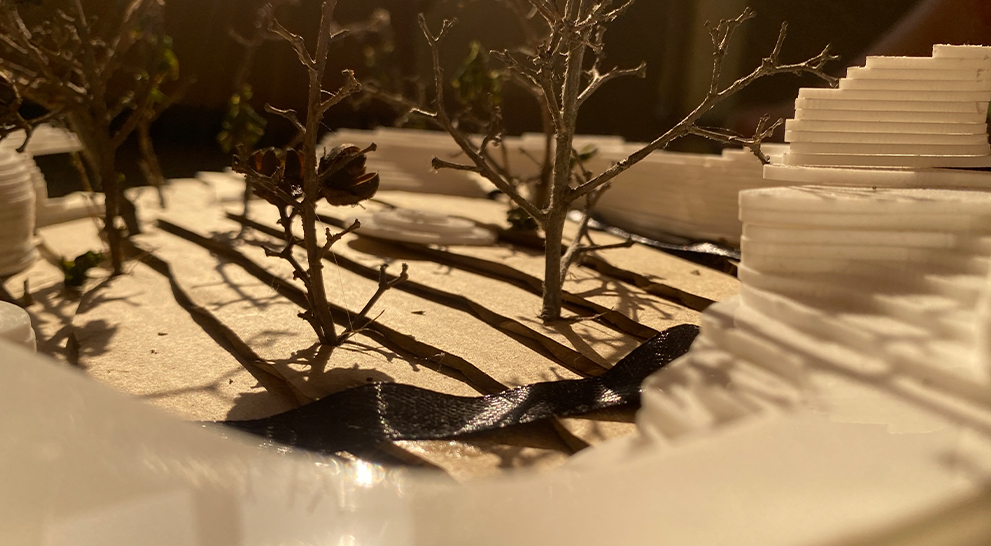
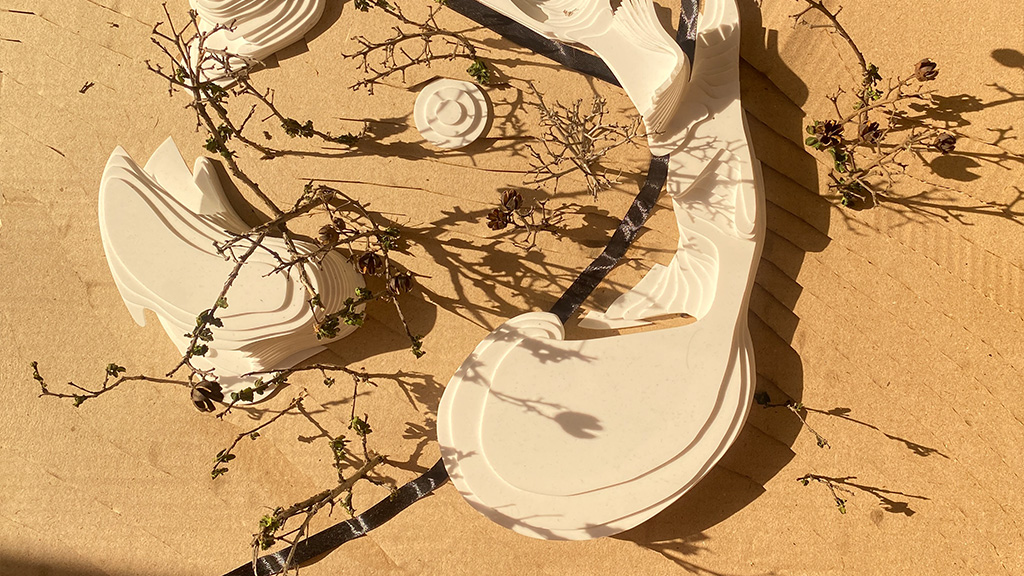
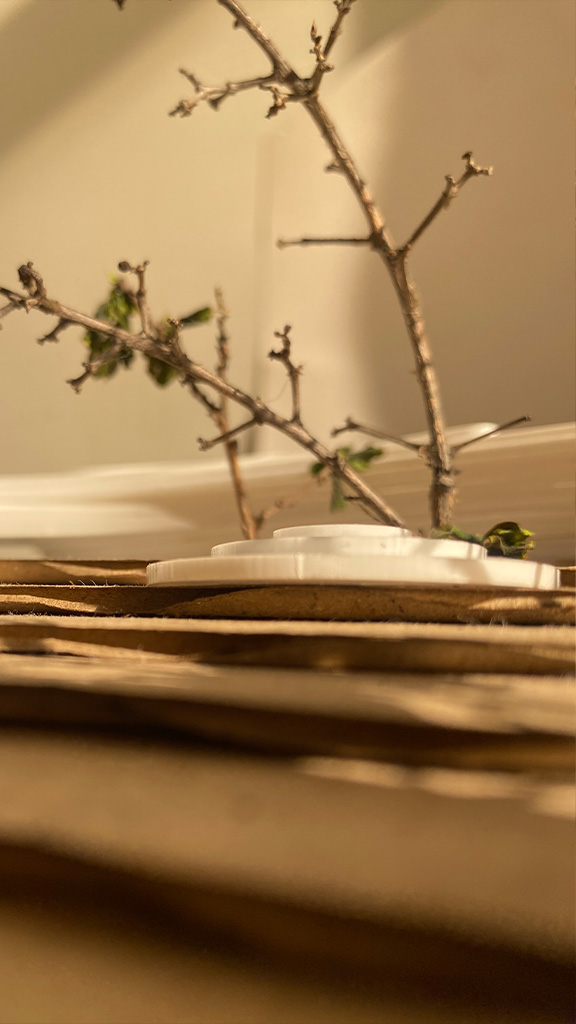
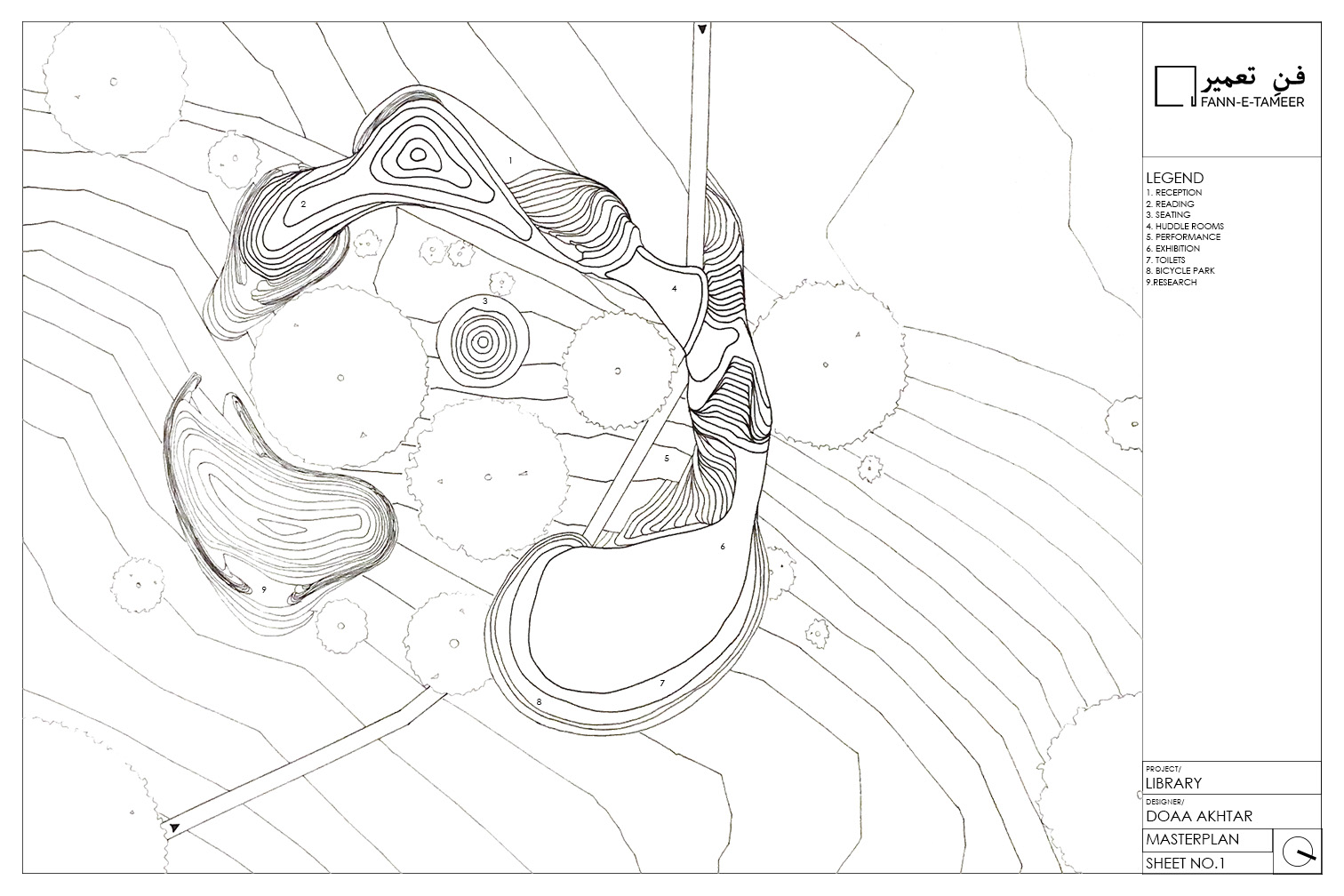
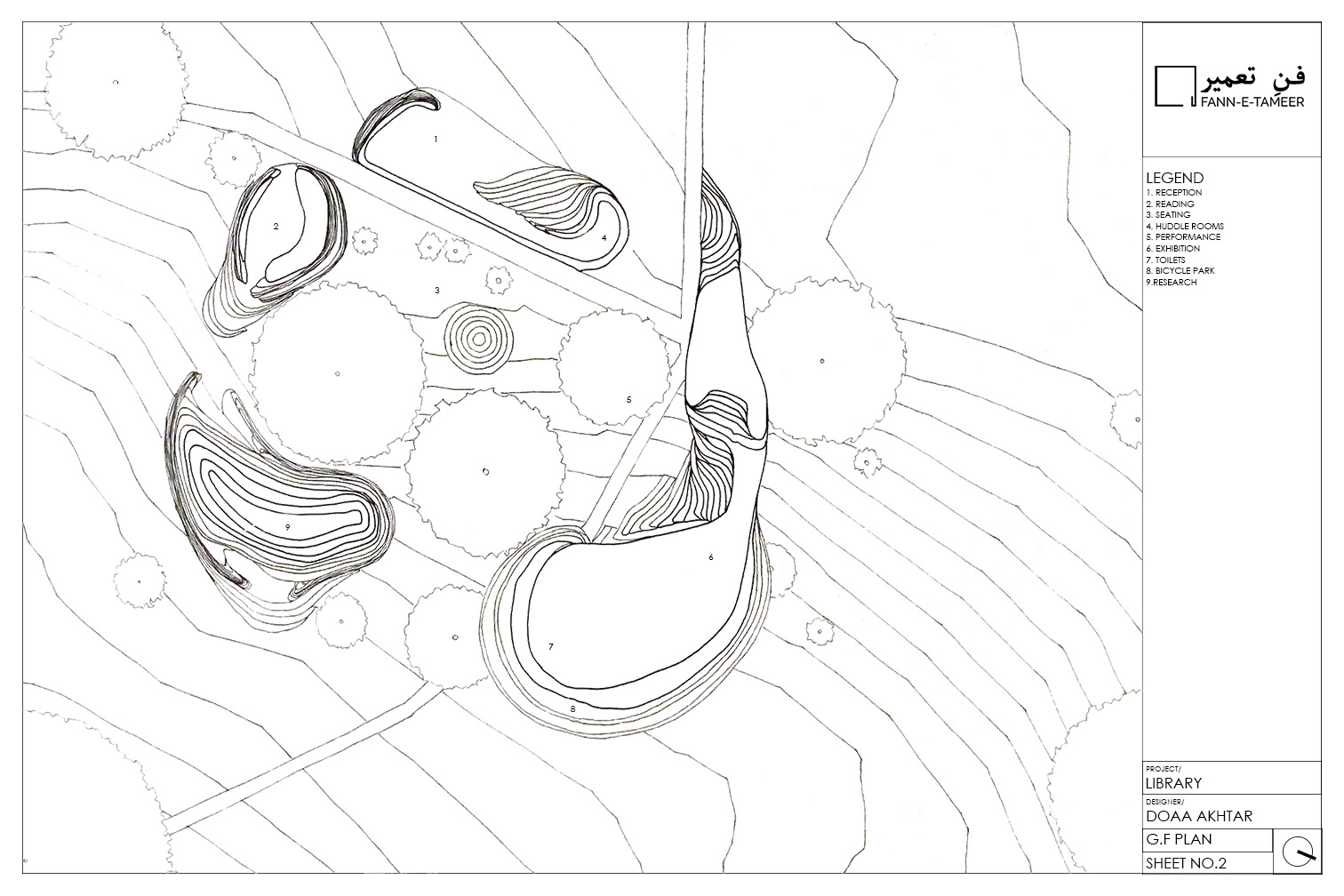
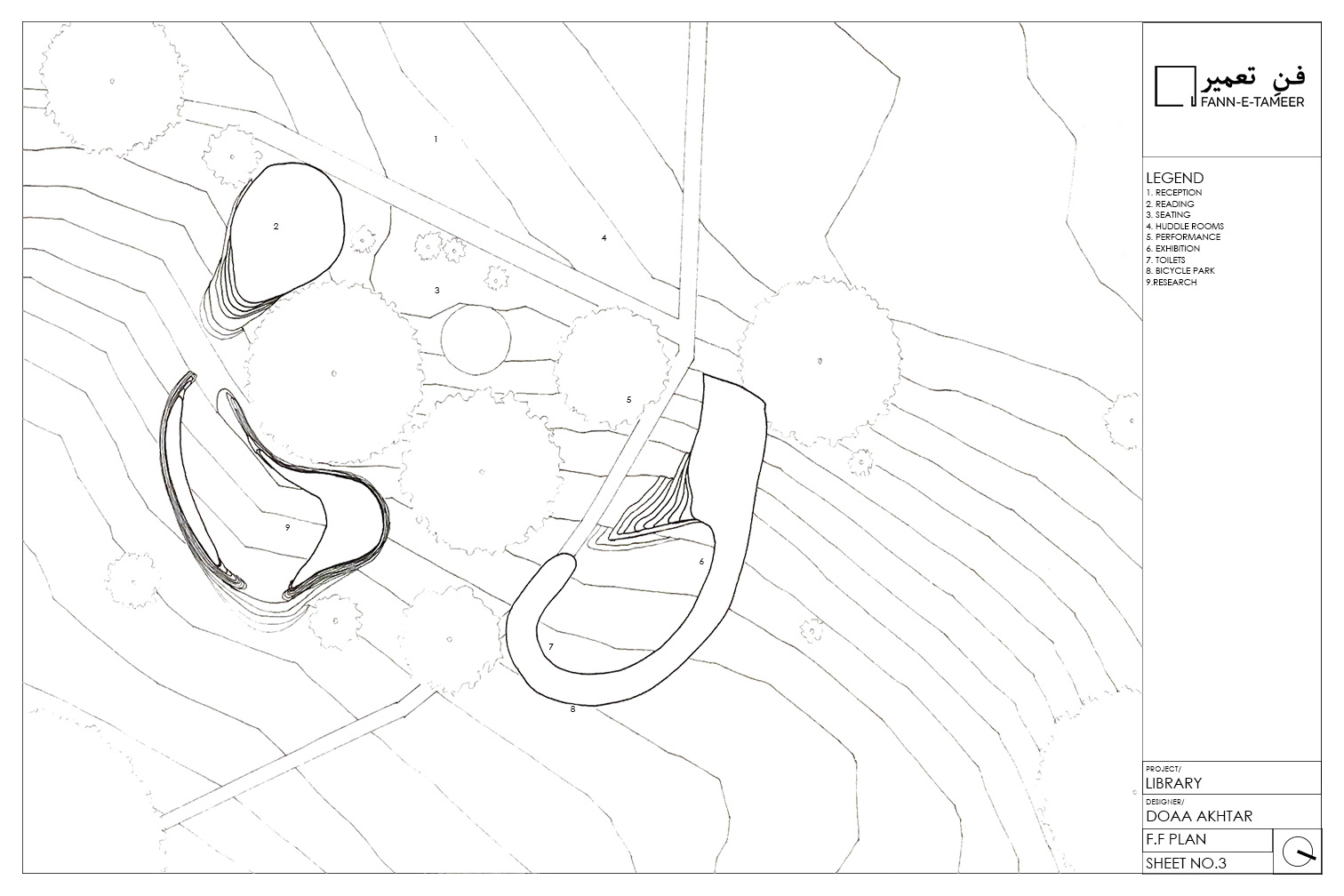
The chosen site, Swiss Avenue Park in F-7, Islamabad, is known for its natural landscape and cosmopolitan user base. The team conducted a comprehensive site analysis, studying the contours, vegetation, sensory elements, and human activity. This analysis informed the final form, which is molded to avoid disturbing the existing ecology. Using a 1'x1' scale grid, each programmatic space—from galleries to performance areas—was derived from initial form explorations. Inspired by global precedents like Tianjin Binhai Library and Chongqing Real Estate College Library, and locally by Lahore Museum, the design borrows ideas of fluid form, public engagement, and cultural representation. The final structure becomes an open cultural platform, where a performance space is visible from all points, surrounded by reading zones, research areas, and interactive galleries. The use of vegetation as a soft barrier allows for acoustic separation and visual privacy without harsh divisions. Thresholds are organically formed by loops and curves of the structure, inviting people inward. Every space transitions seamlessly, embodying the idea of discovery—just as in a museum, every turn reveals something new.
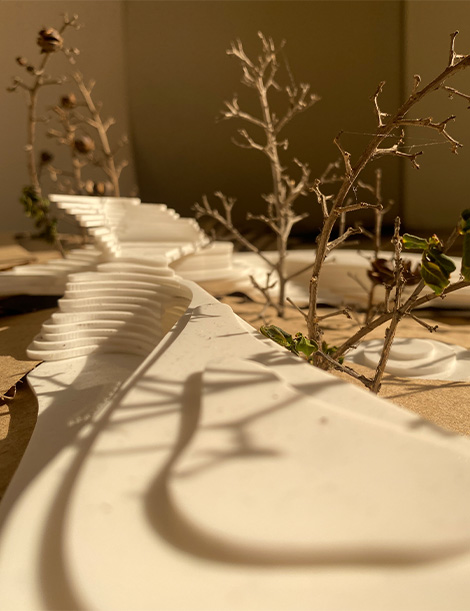
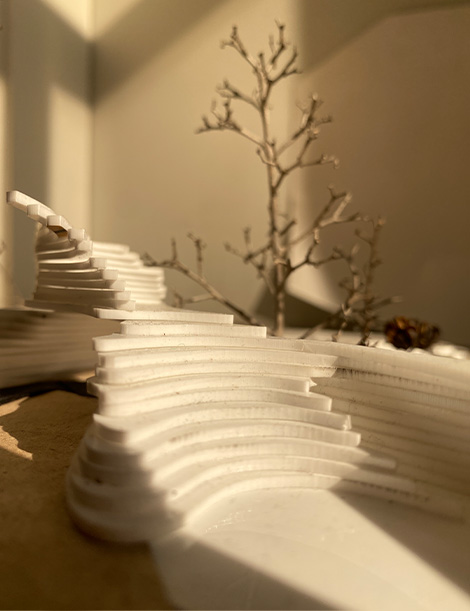
Islamabad’s identity as a modern yet culturally disconnected city calls for spaces that reconnect its people with Pakistan’s rich heritage. This museum library does exactly that—not only by showcasing art, literature, and performance, but also by embodying culture in its form, material, and technique. Earthbag construction, rooted in post-earthquake rural rebuilding efforts, gives the structure authenticity and resilience. The building becomes both a learning space and a cultural landmark. Its form, grown from earlier layering studies, doubles as furniture—steps become seating, walls become shelves, and recesses offer niches for contemplation. This reduces material waste and encourages a passive, sustainable design that regulates temperature and merges architecture with landscape. The structure can be dismantled without disturbing the site, aligning with reversible architecture principles. Ultimately, this museum library does not just present culture, it lives it, acting as a symbol of unity between tradition and progress, nature and structure, art and utility. It invites locals and tourists alike to engage, reflect, and reconnect with the layered identity of Pakistan in a space that respects the past while embracing the future.
Contact Designers || Portfolio
You Might Find These Interesting
 DESIGNED BY: Iftikhar Ahmad
Capital Institute of Liberal Arts
Park Road, Islamabad, Pakistan