Beyond the Bruises
A trauma-informed refuge in Islamabad, “Beyond the Bruises” reimagines shelters as holistic healing spaces, empowering survivors through safety, skill-building, and community reintegration.
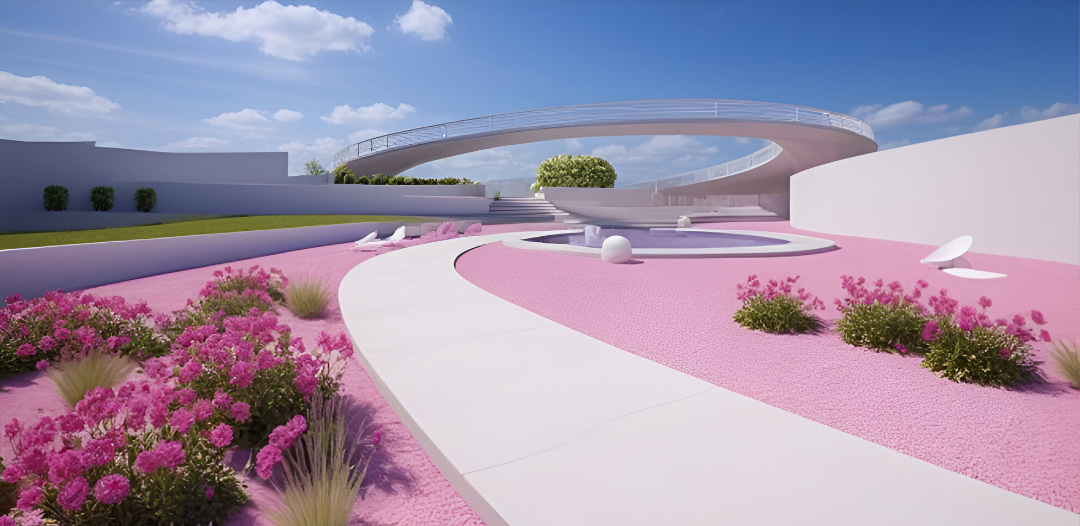
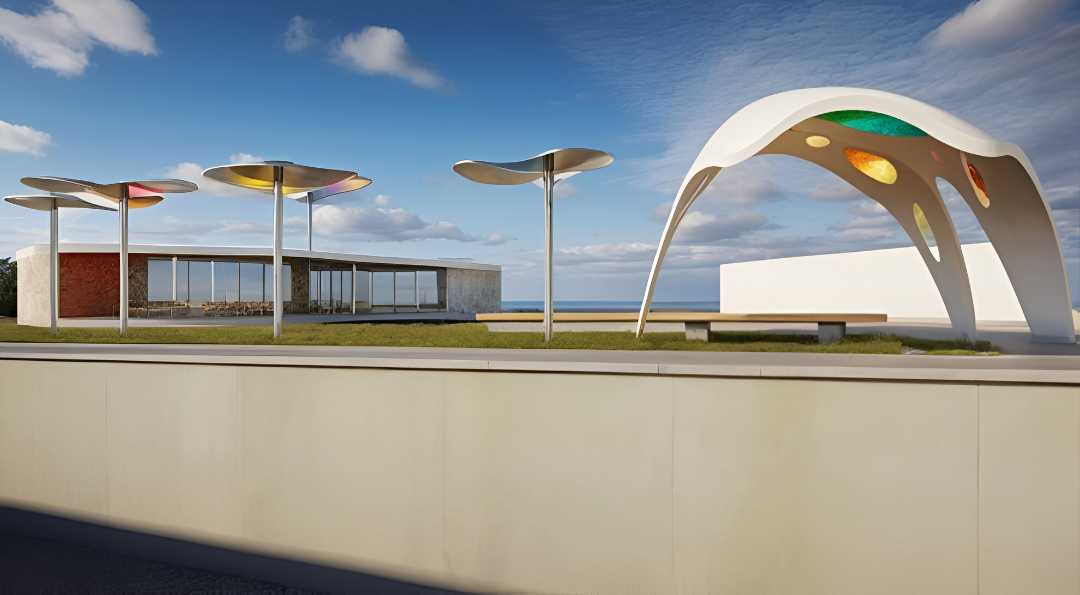
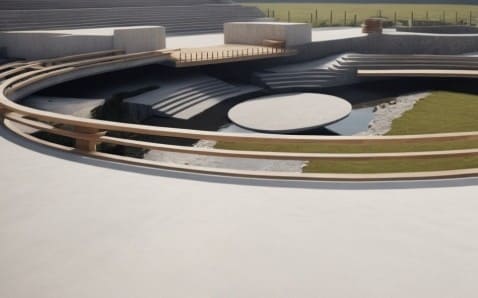
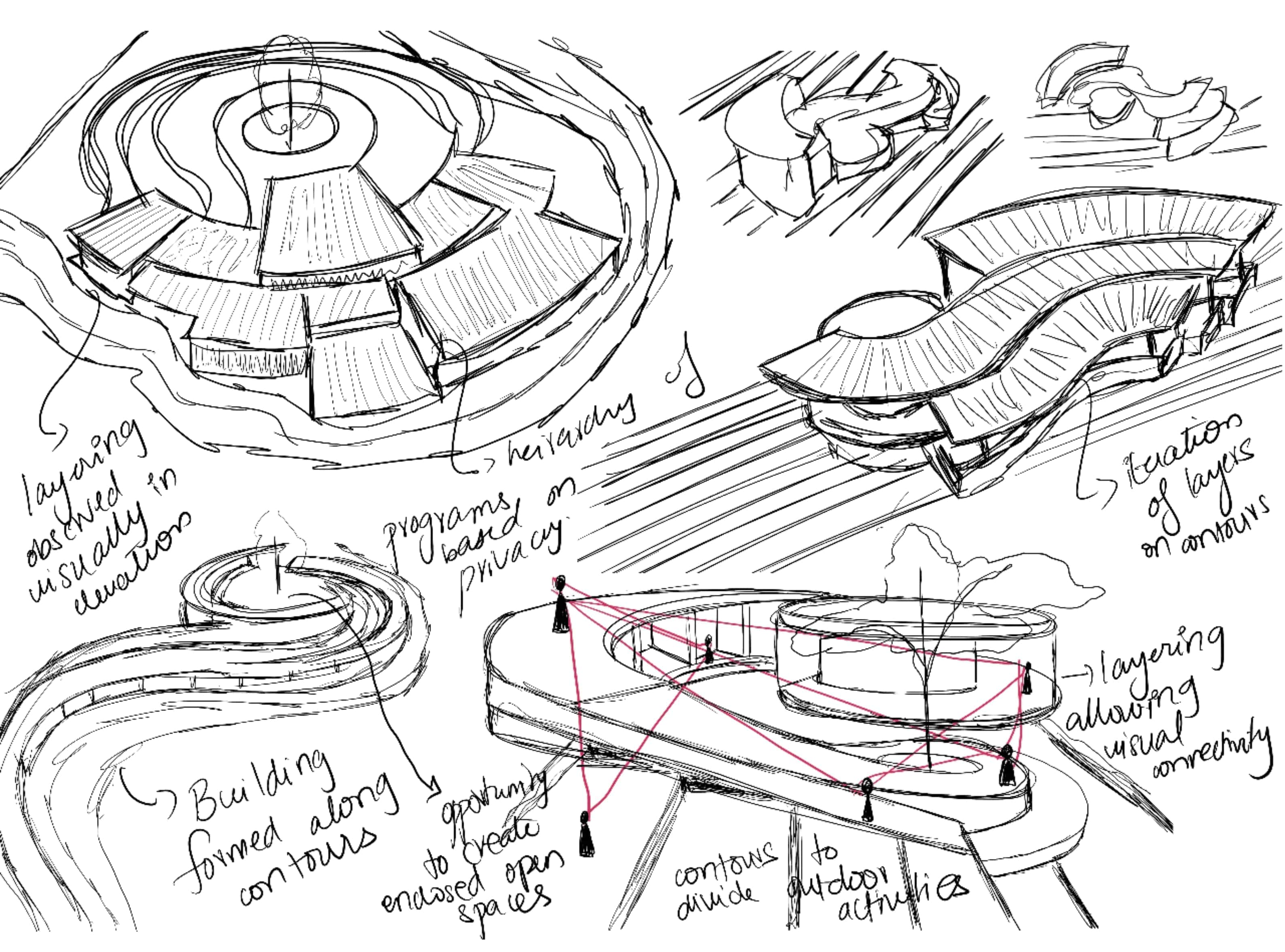
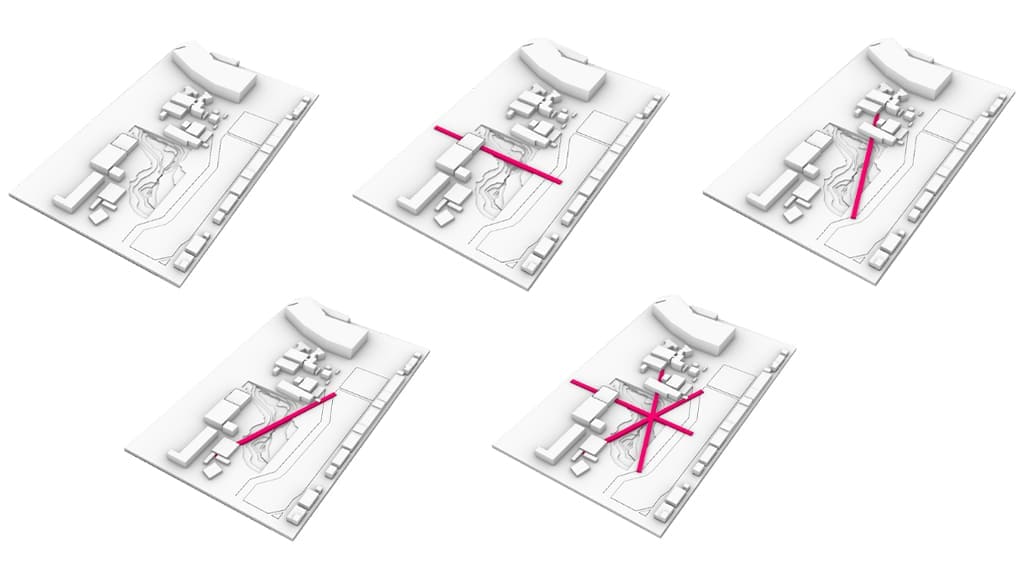
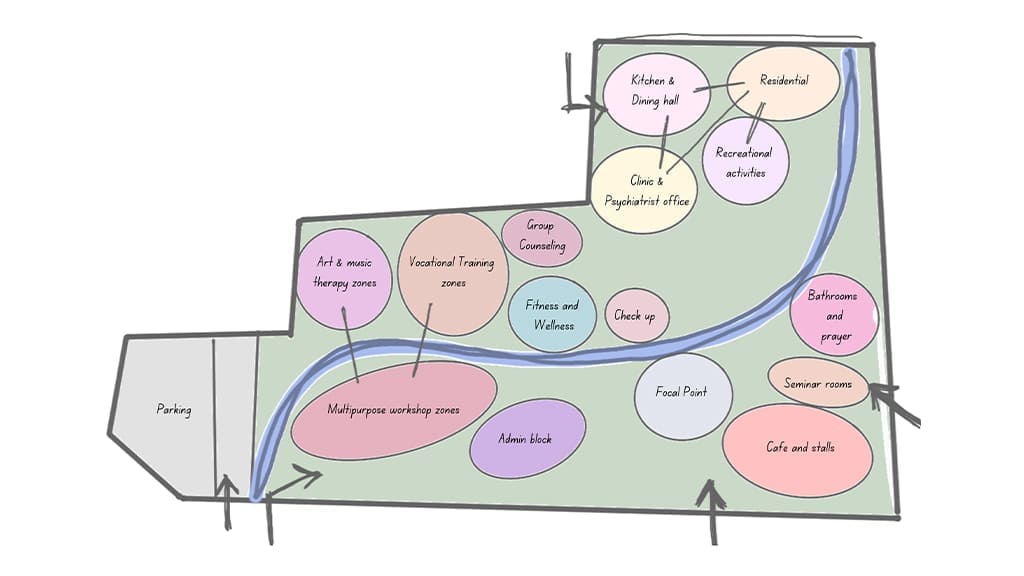
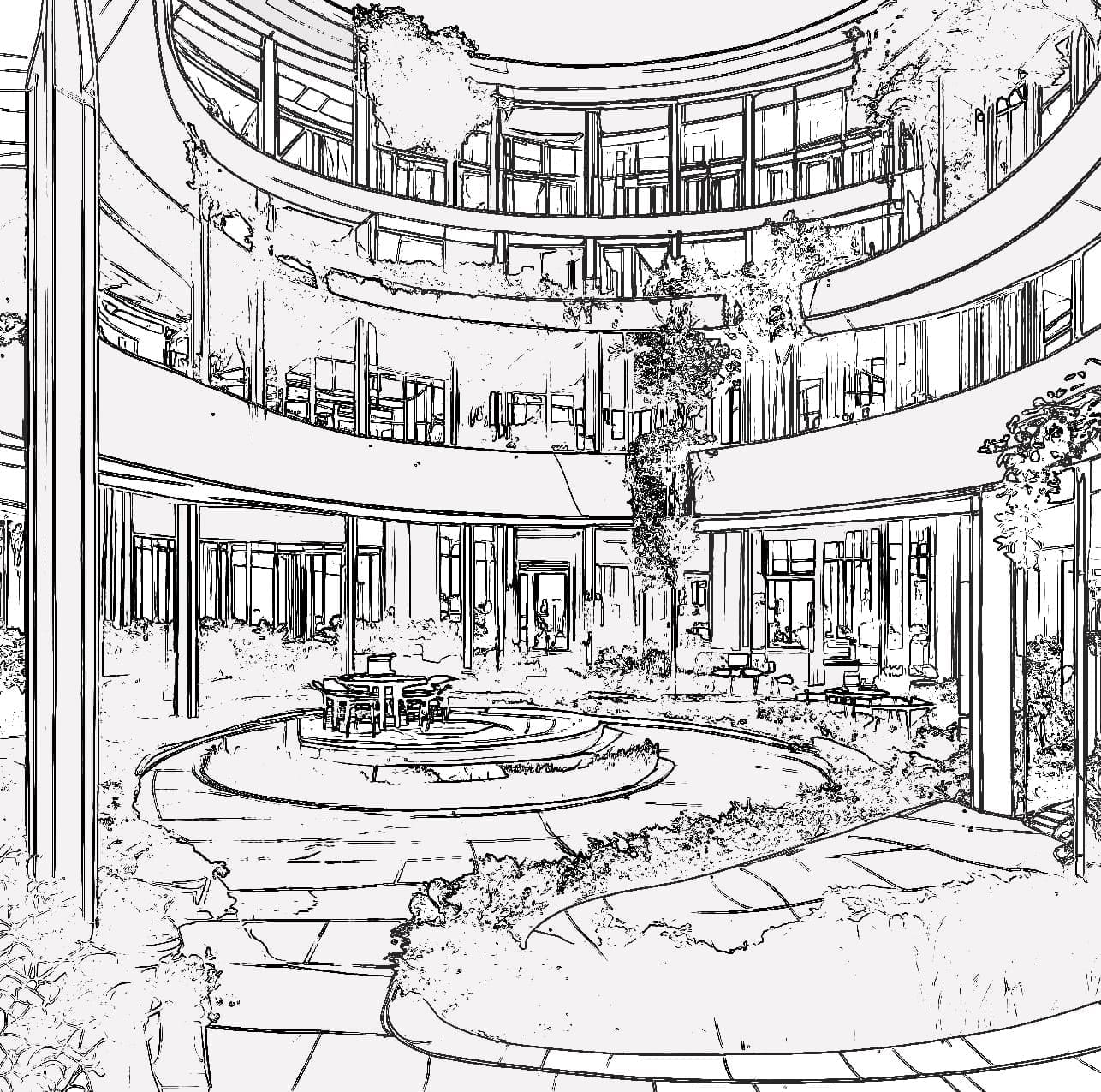
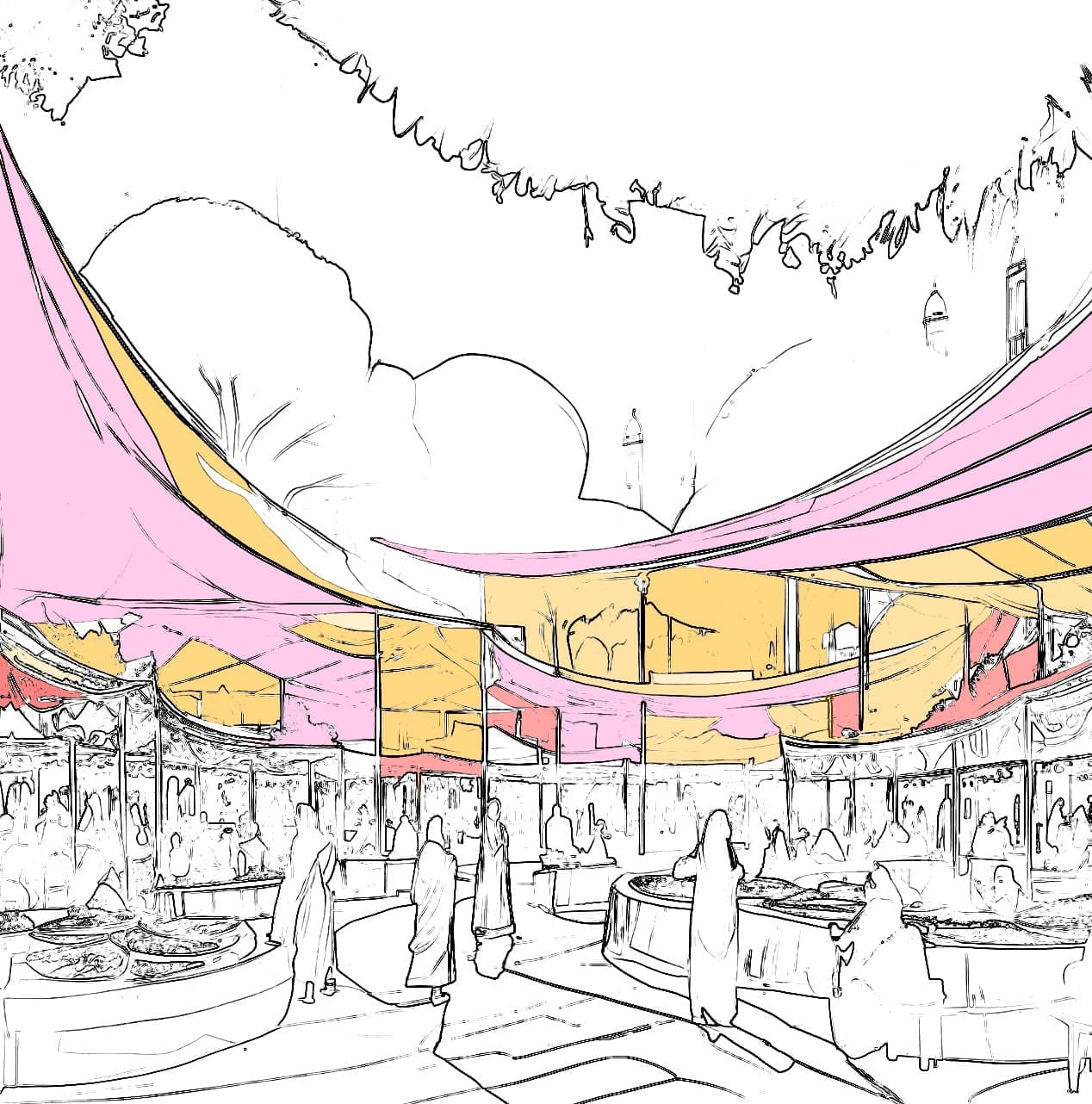
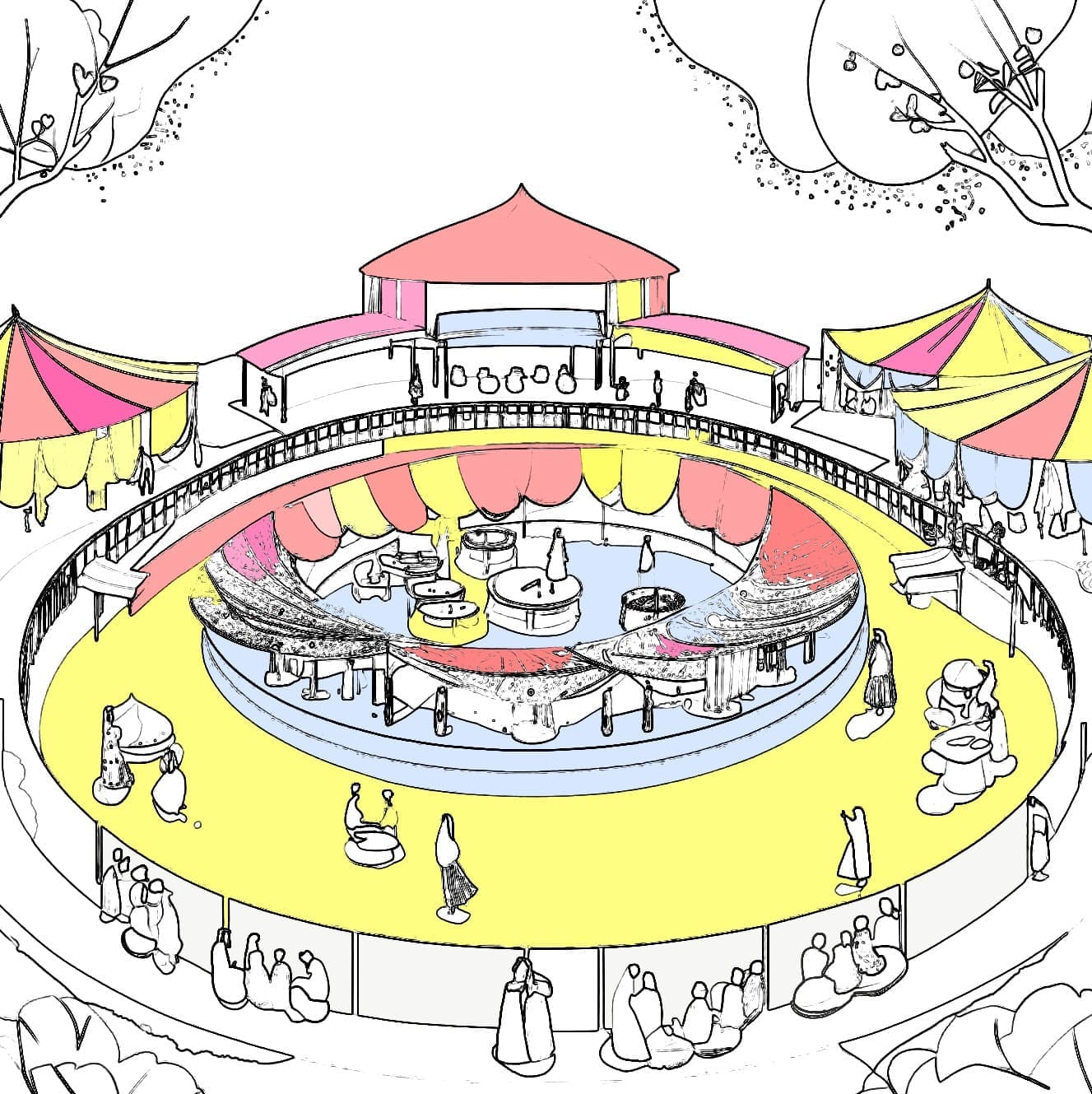
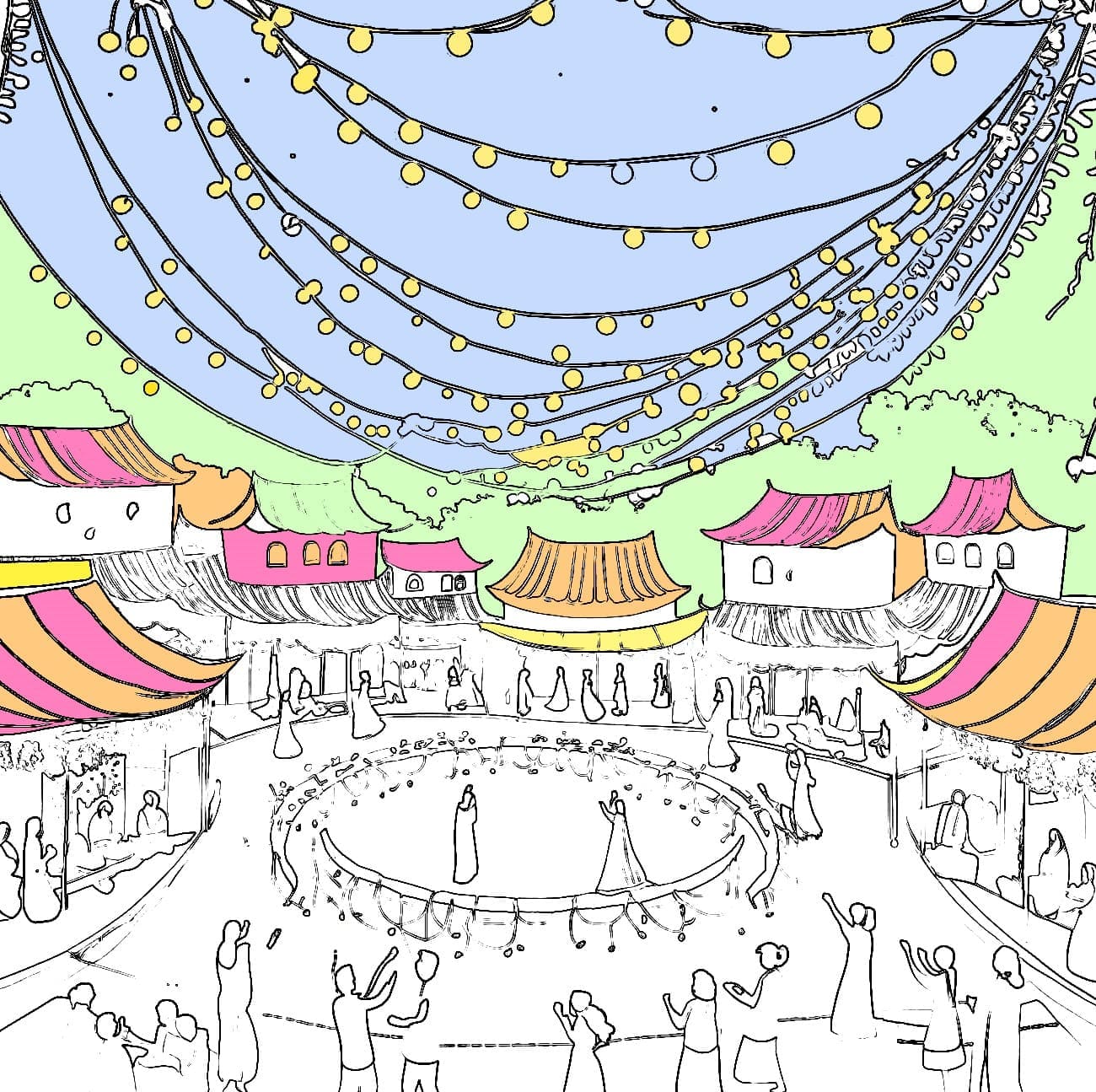
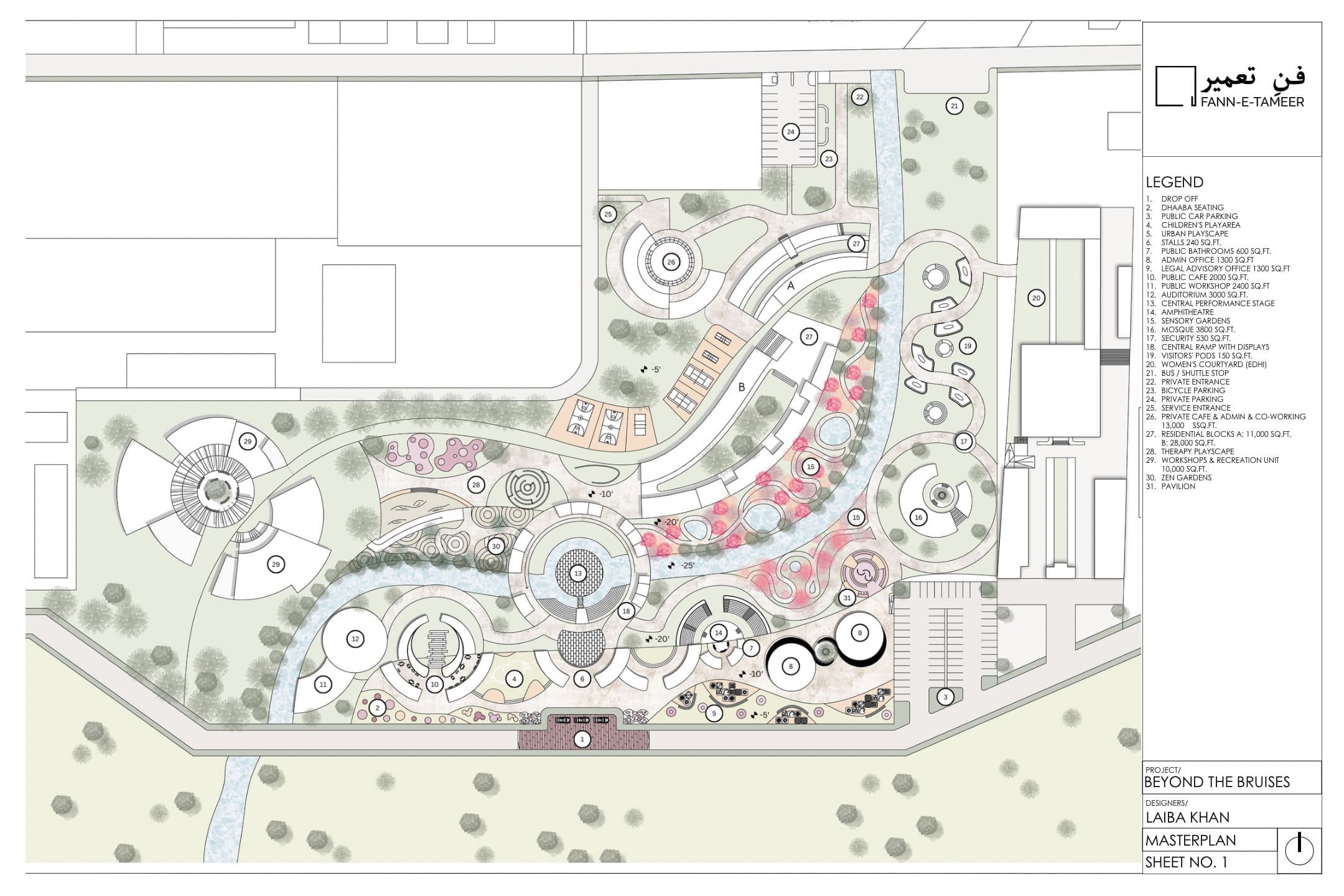
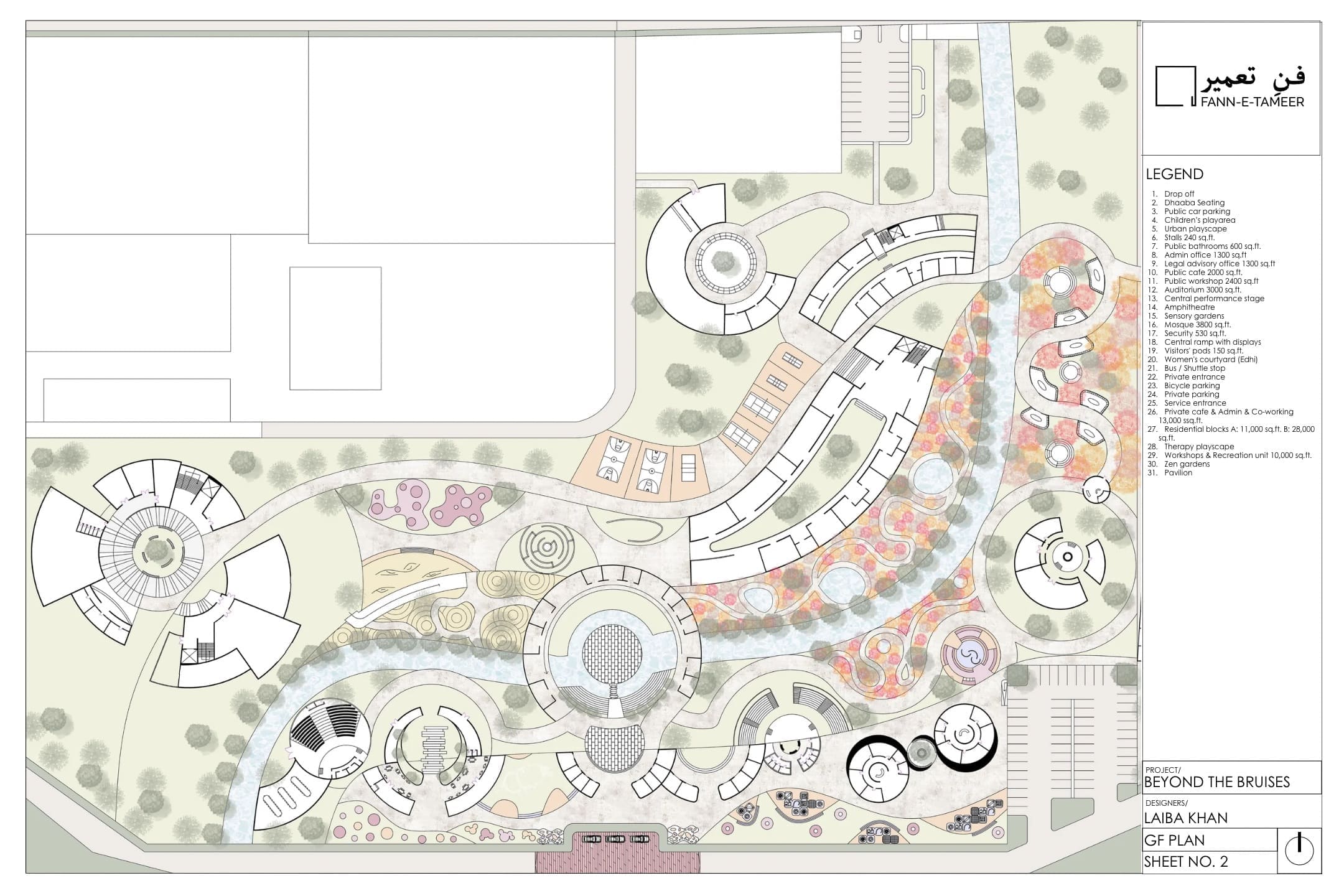
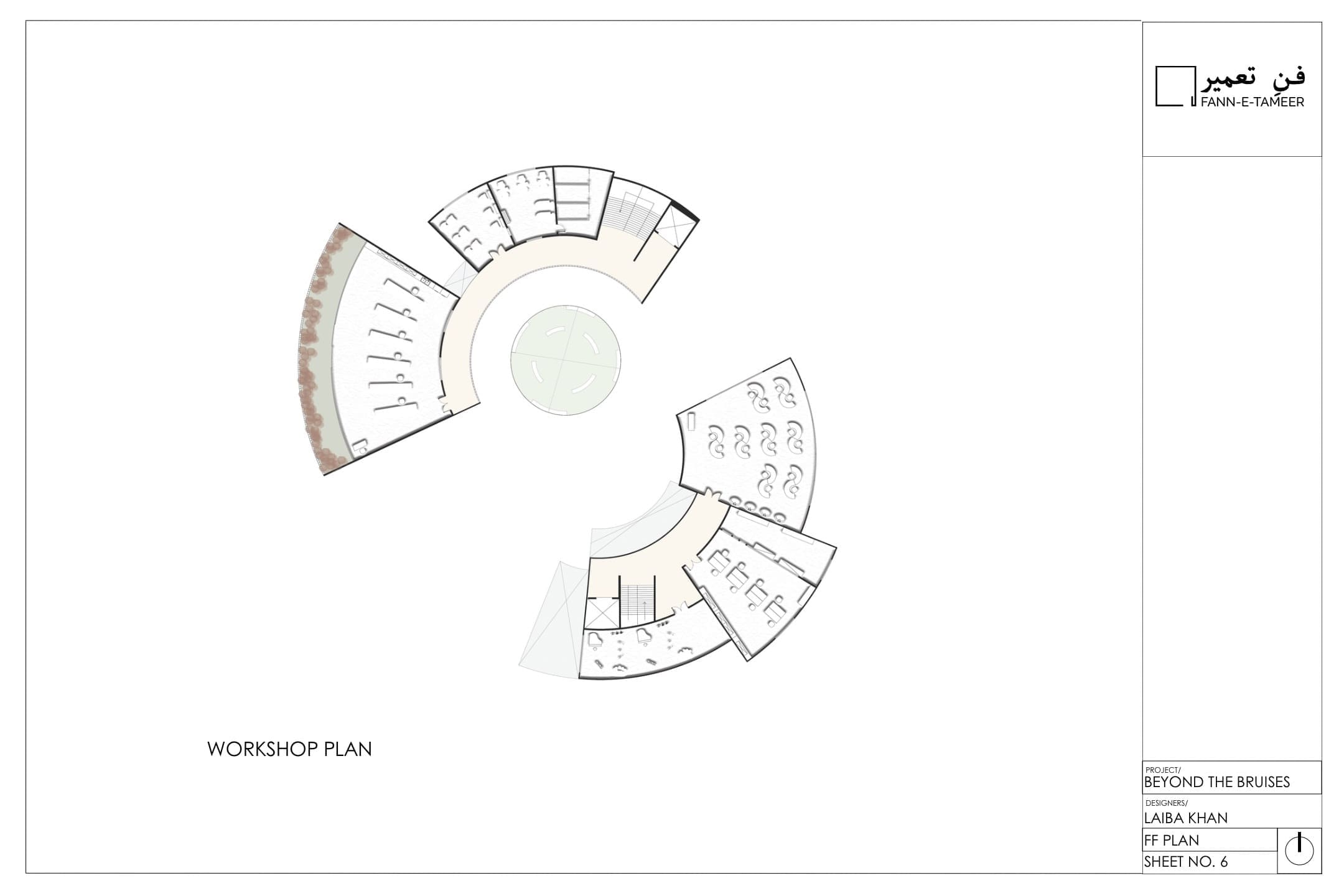
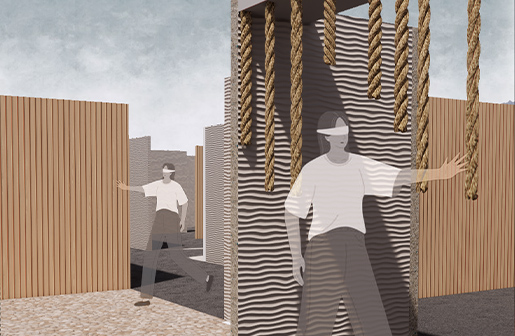
Despite the alarming prevalence of domestic violence in Pakistan, existing shelters are often isolated from the public, lacking trauma-informed care, and are failing to address the core factors that prevent women from escaping abuse: economic dependency and social stigma. In Beyond the Bruises, Laiba Khan reimagines what a refuge center can be. In her undergraduate thesis, it is not just a space for temporary shelter, but a holistic, healing, and empowering environment where survivors reclaim their lives. Rooted in trauma-informed and feminist design principles, the project proposes an urban prototype center located in Islamabad, integrating architecture, psychology, and social justice. The design addresses the full recovery journey through four programmatic phases: immediate safety, skill-building, community reintegration, and post-transition support. The design strategy employs a concentric circular grid, inspired by Paolo Portoghesi’s field theory, to generate a cohesive curvilinear language throughout the site. This underlying grid allows for organic spatial flow, intuitive navigation, and interconnectedness, while reinforcing themes of safety, softness, and holistic healing.
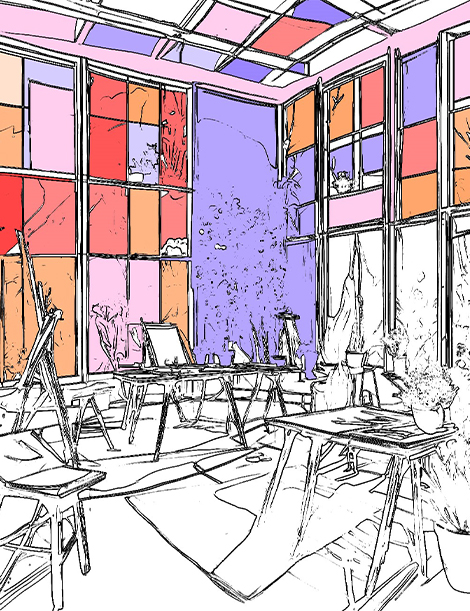
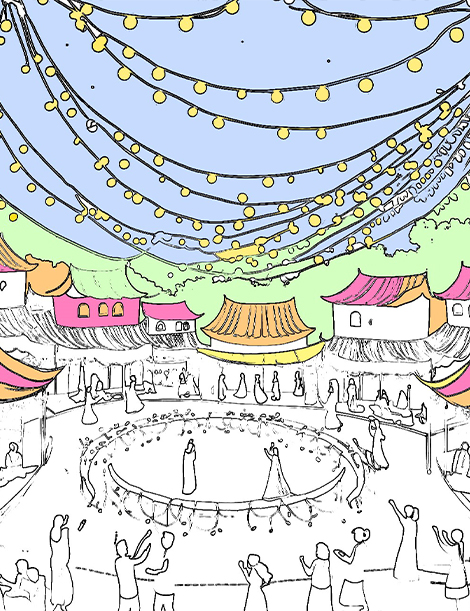
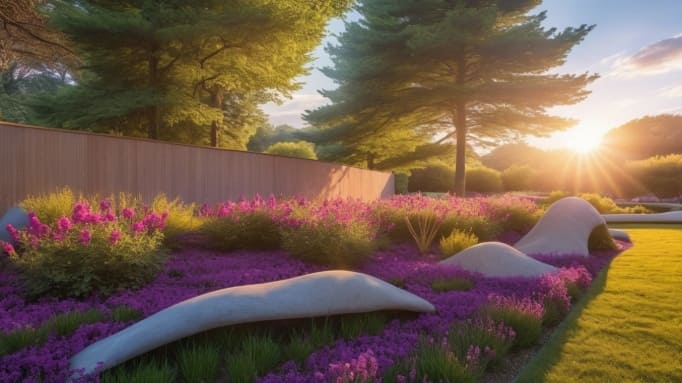
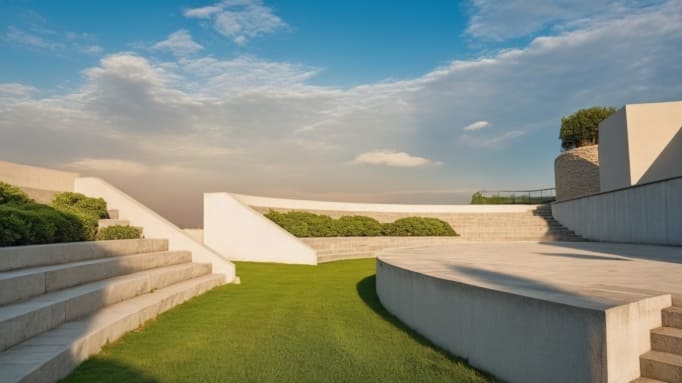
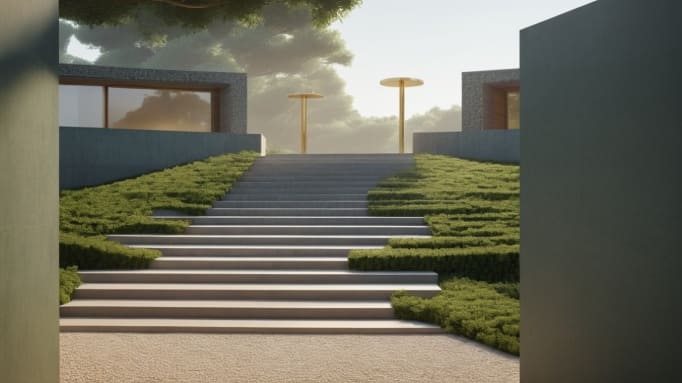
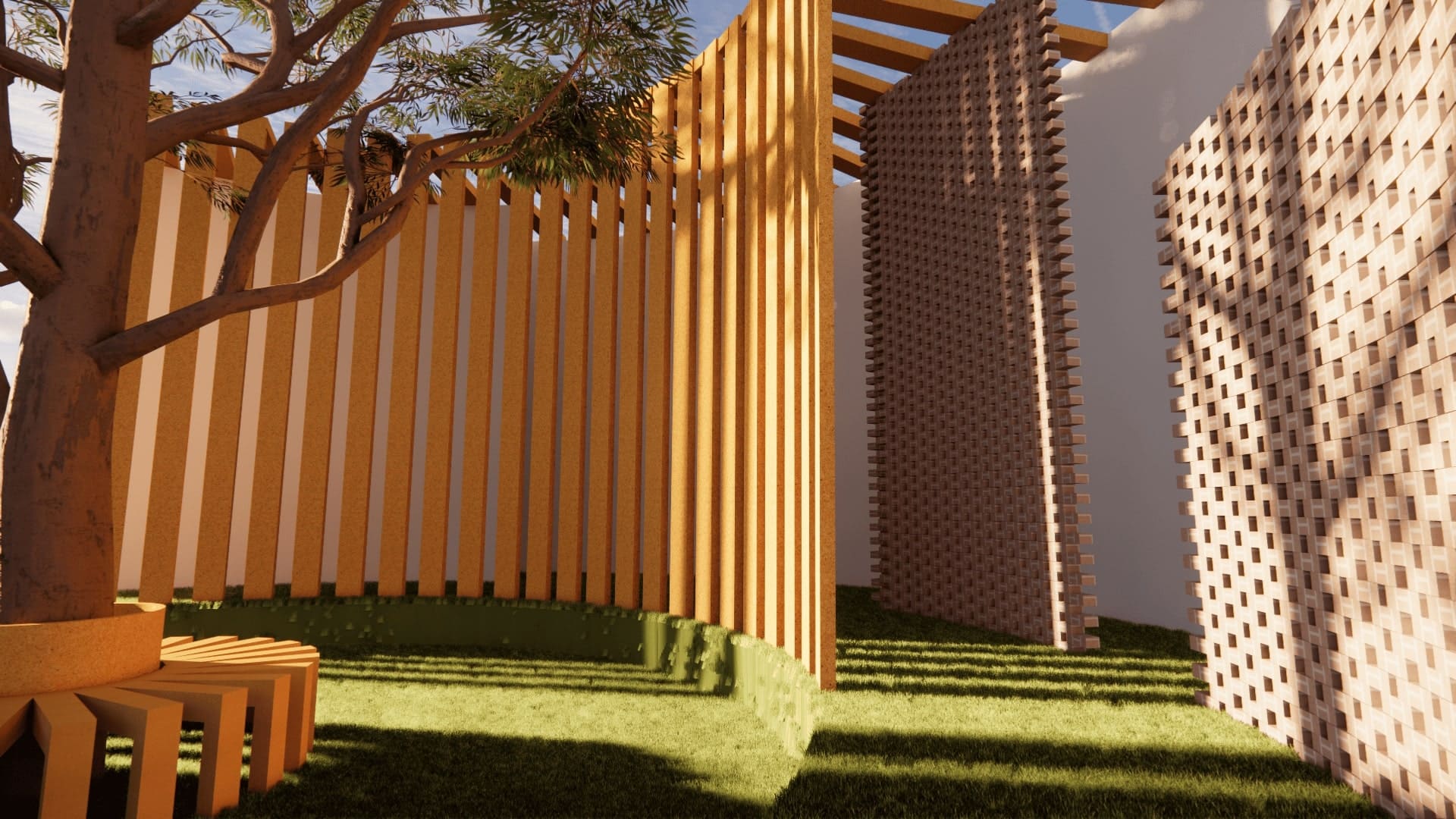
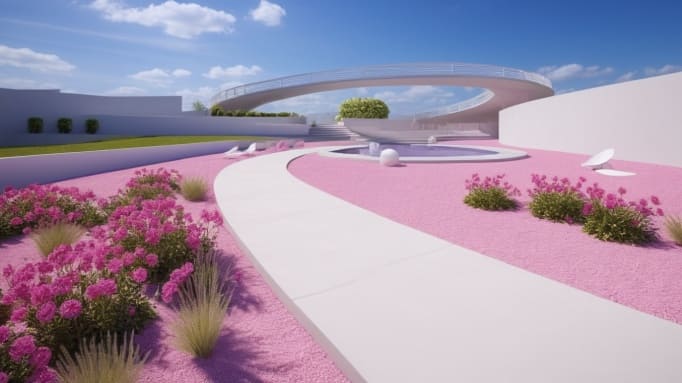
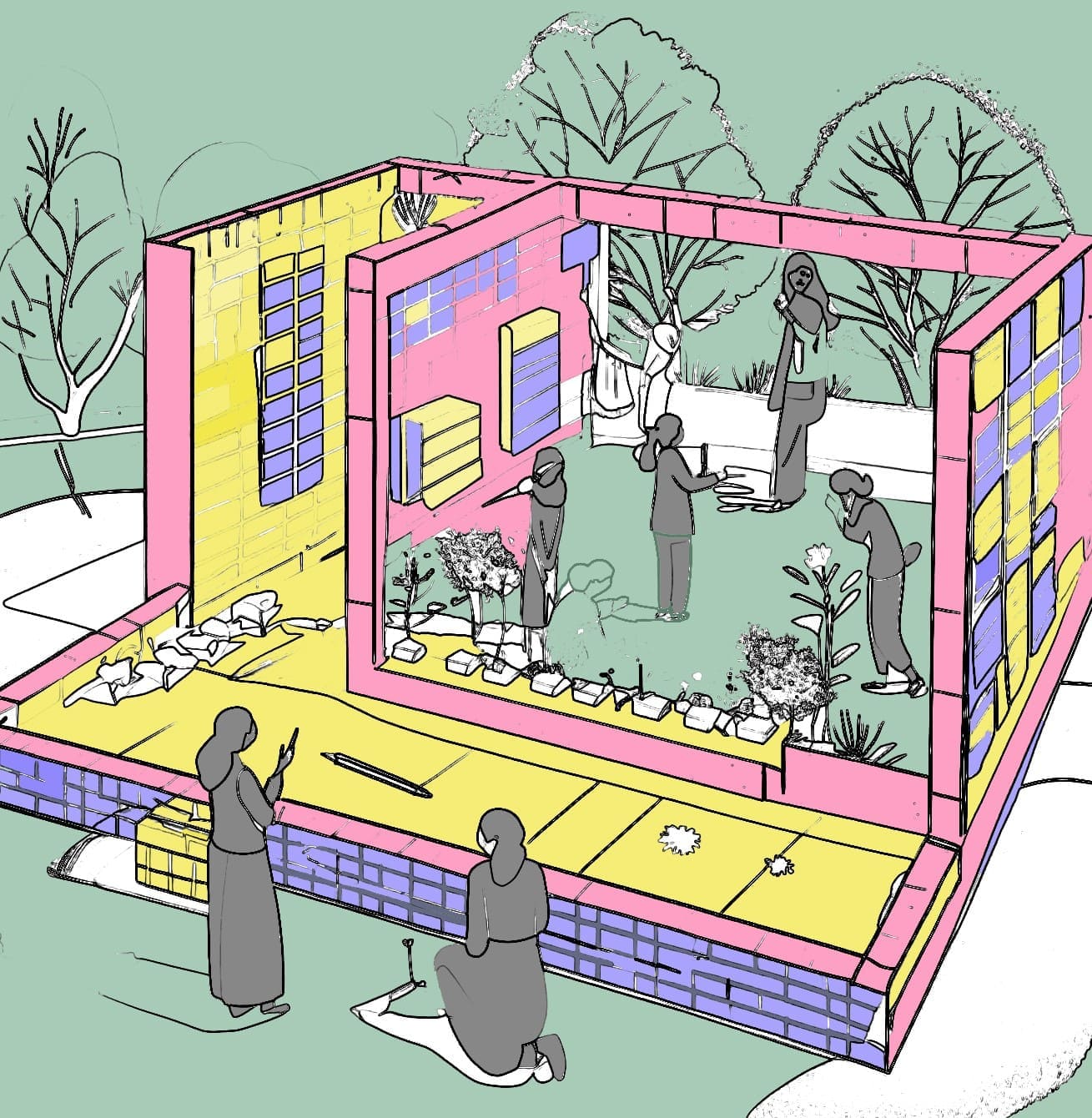
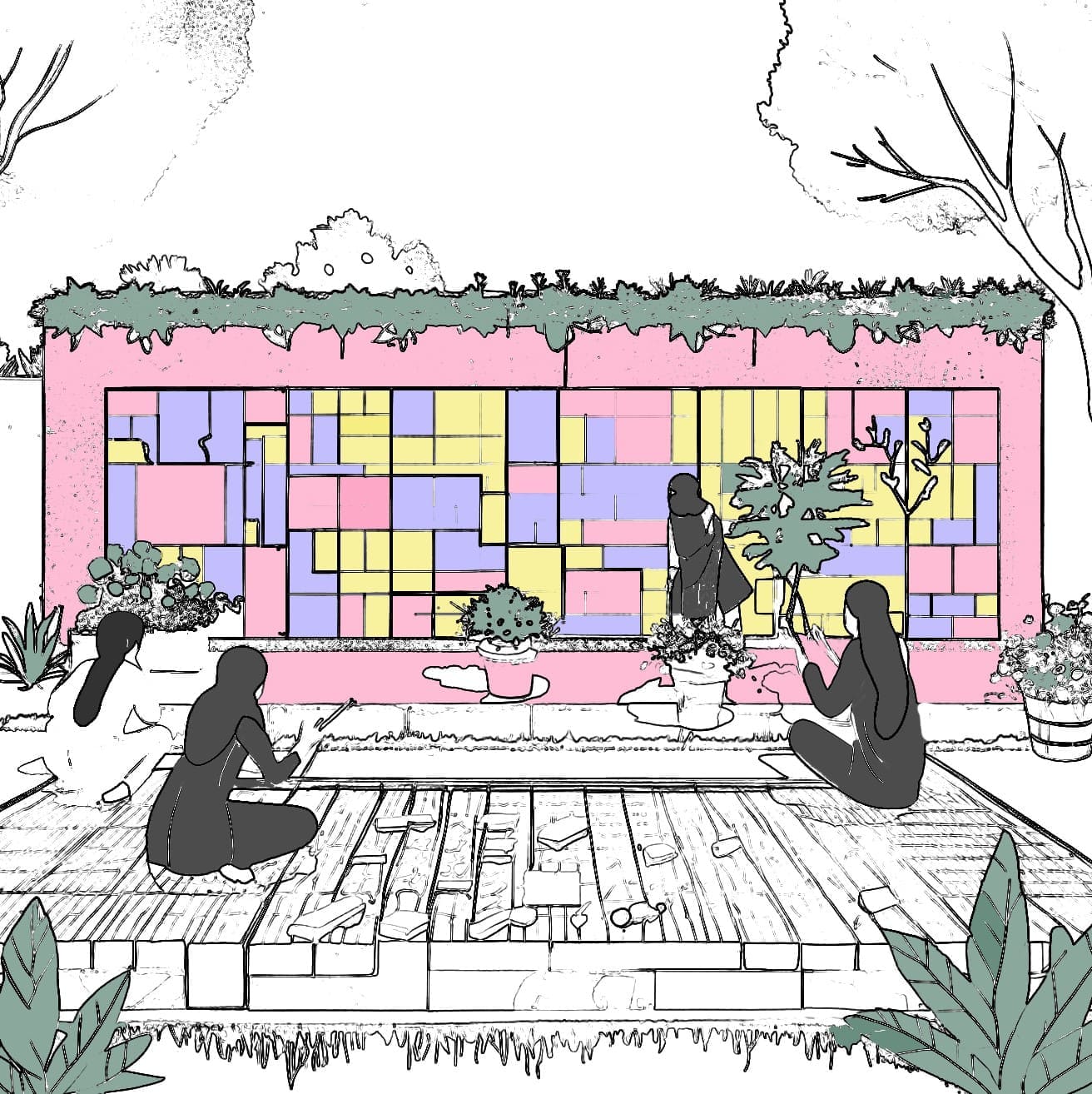
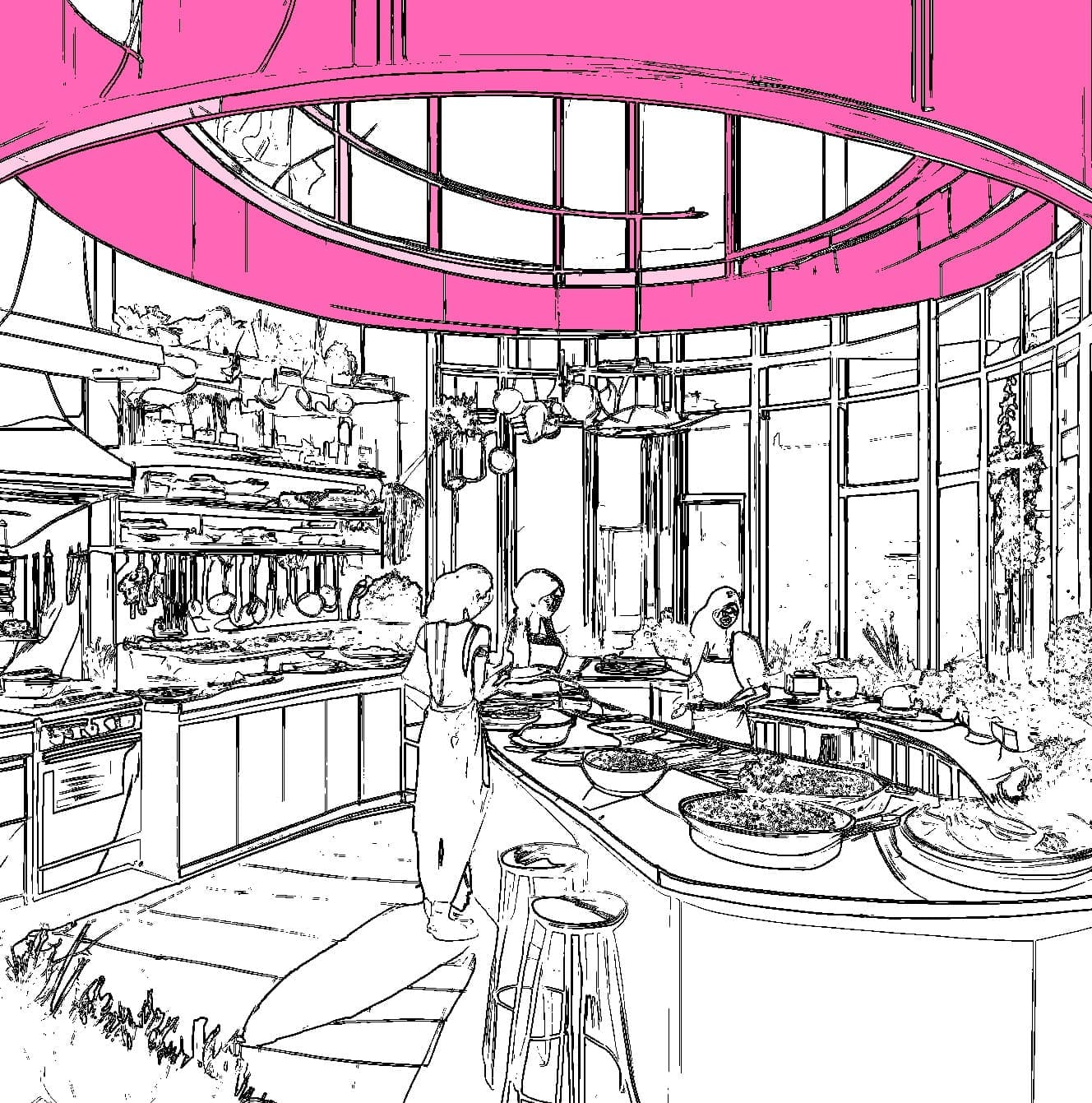
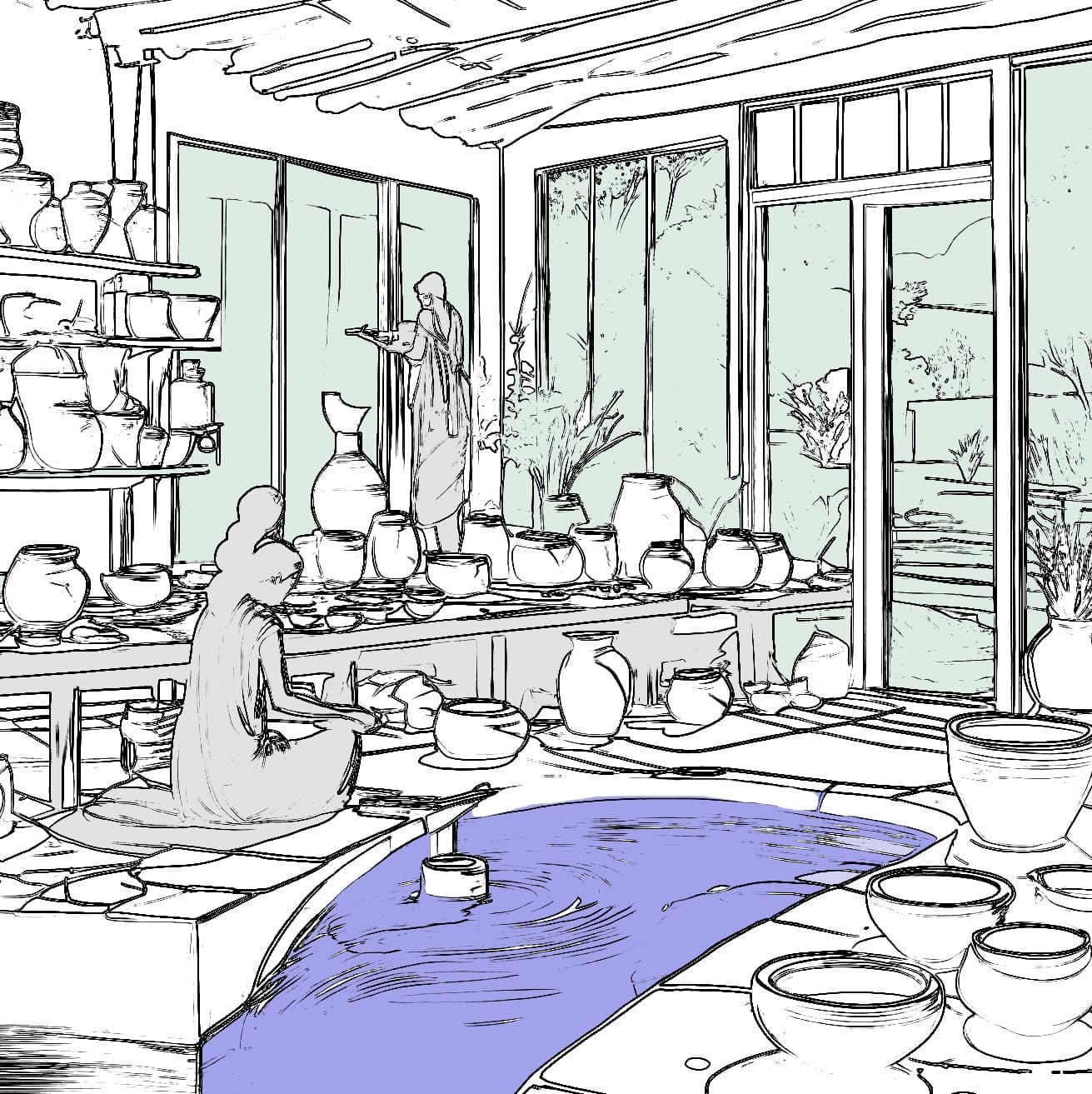
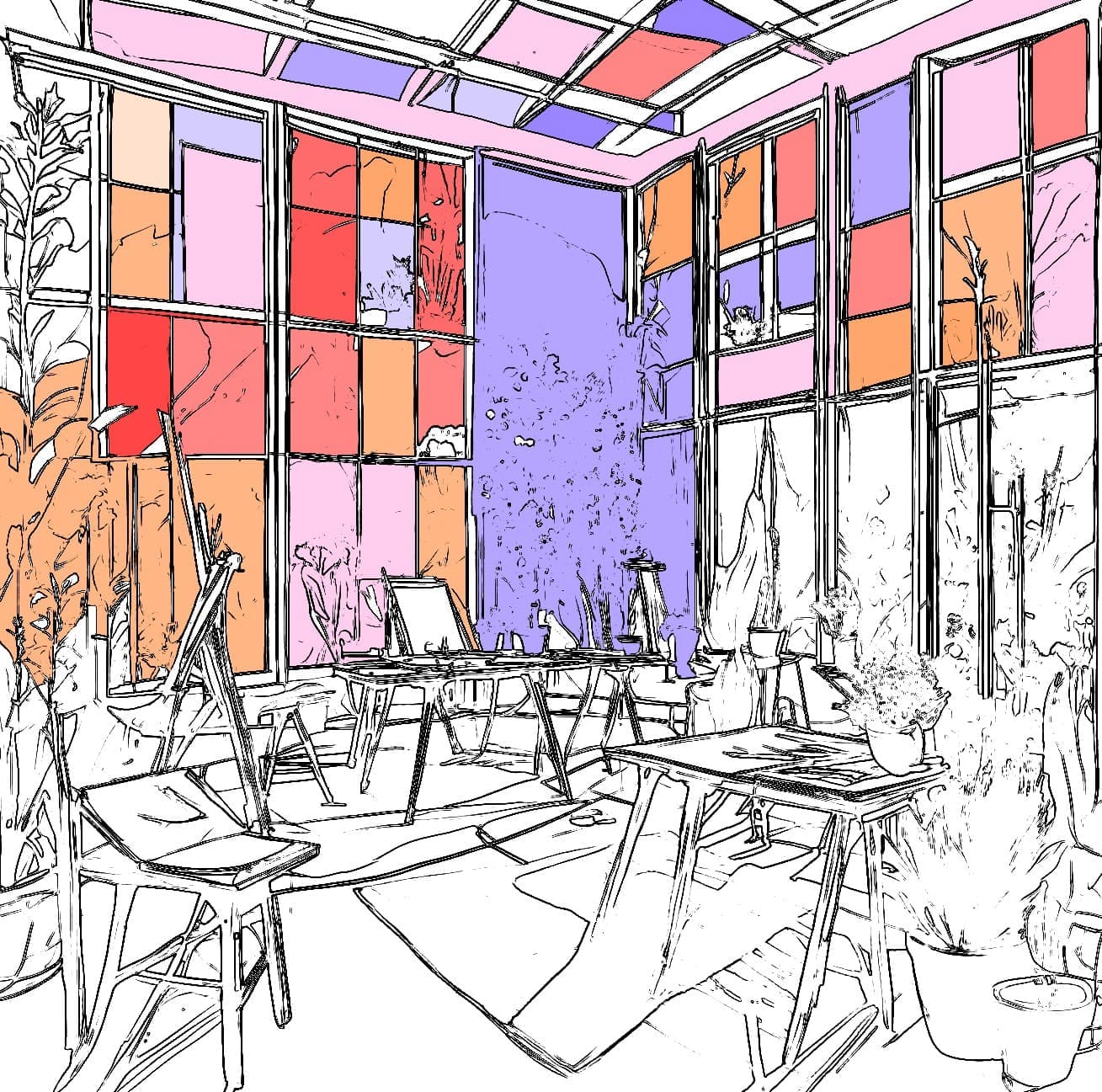
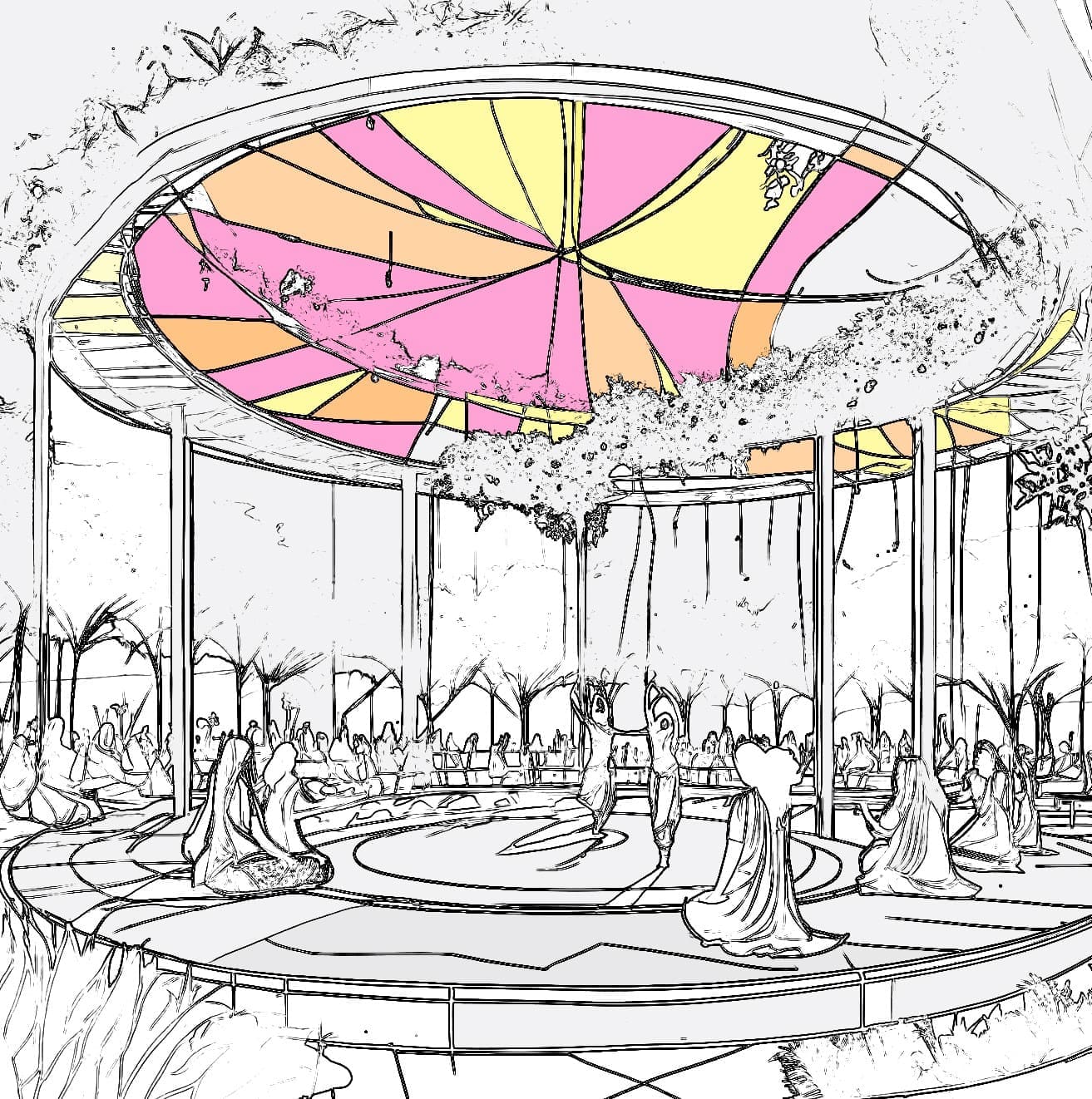
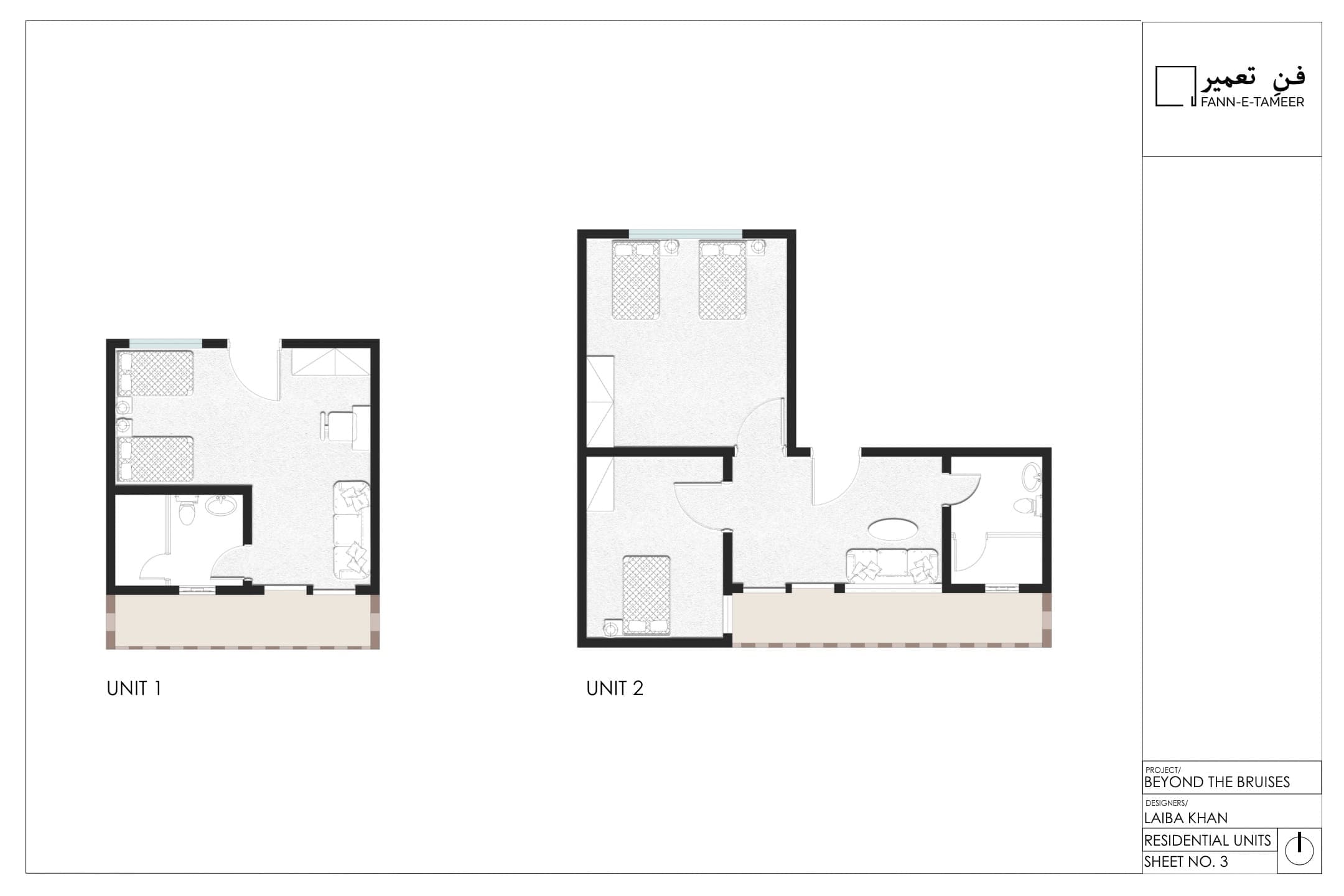
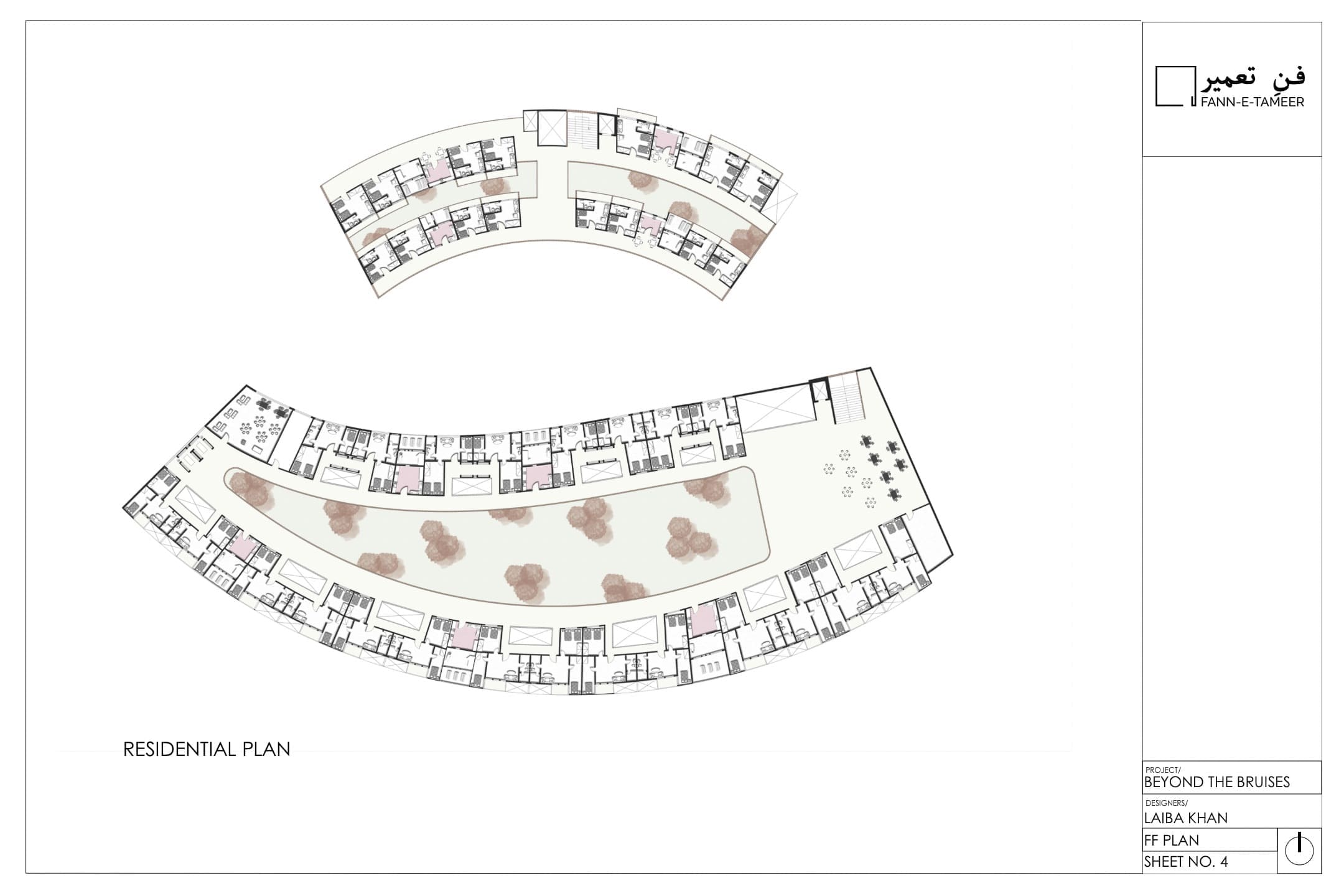
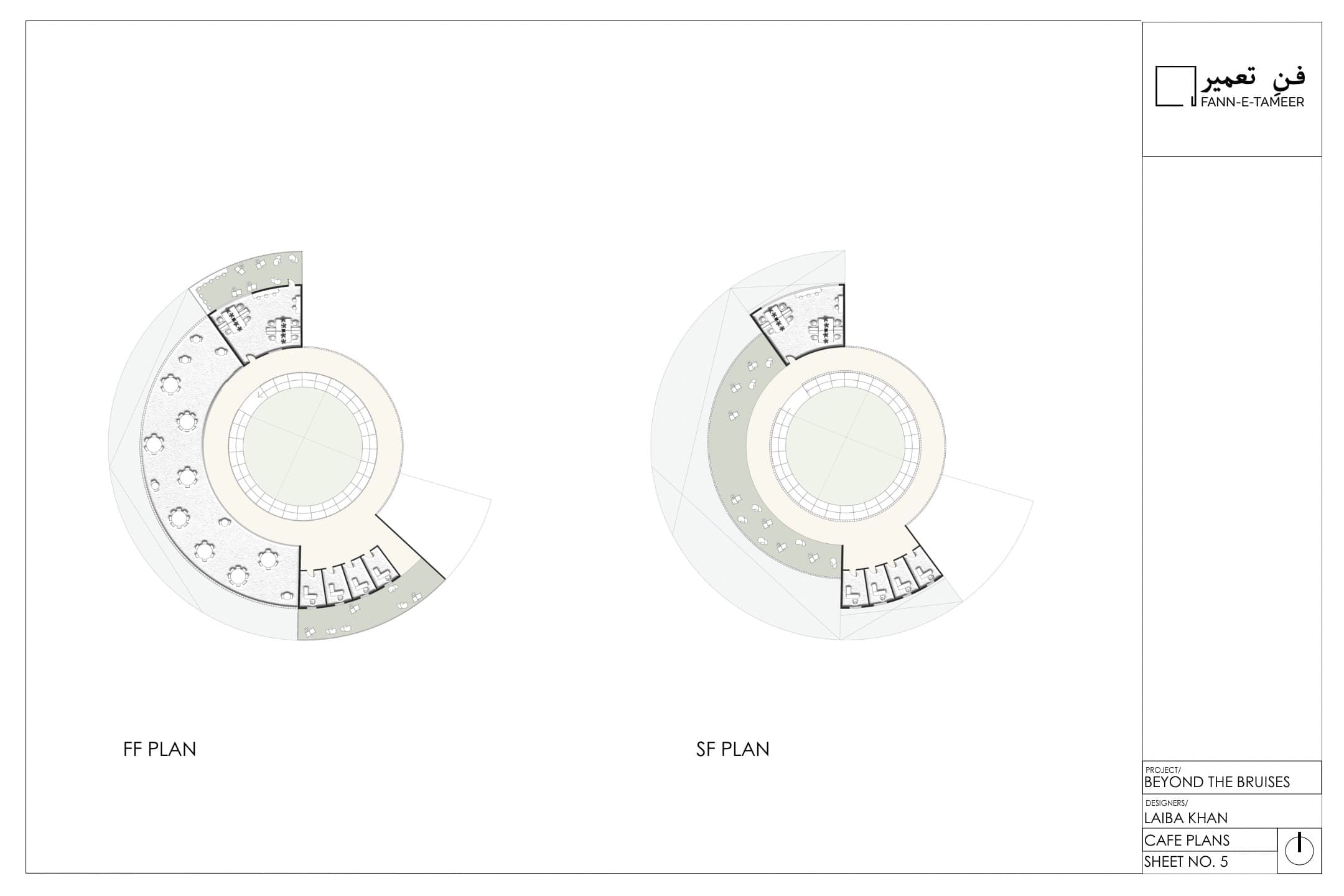
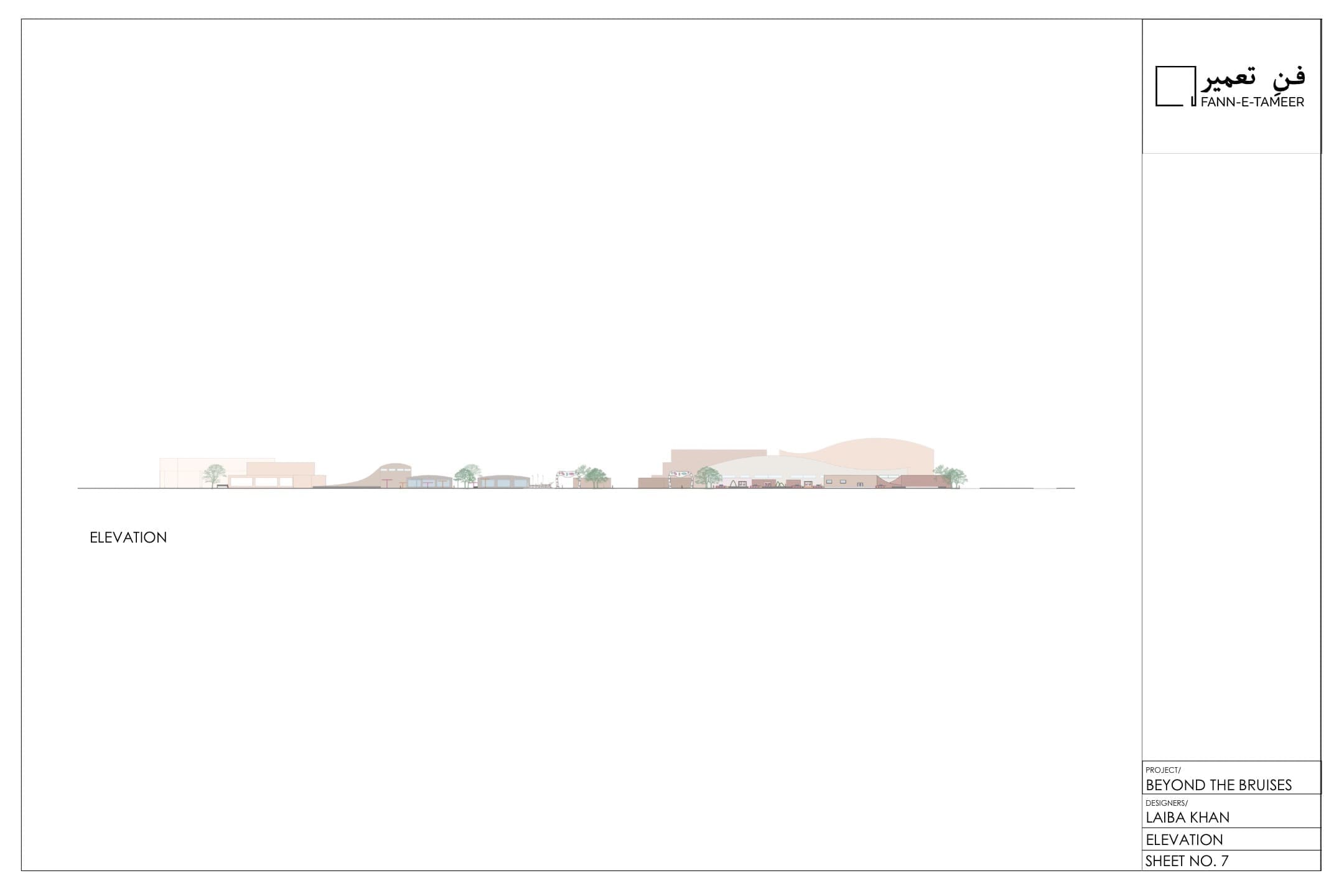
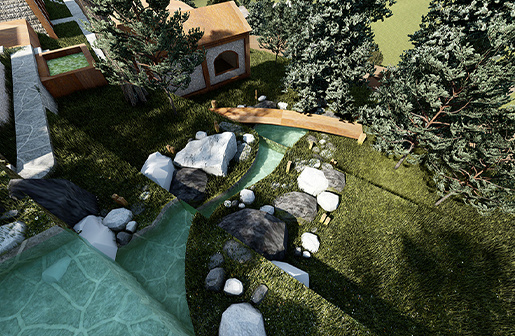
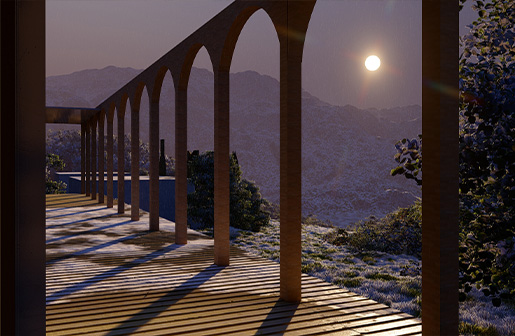
Curves are used deliberately to evoke positive emotional responses, as neuroscientific studies show non-linear spaces activate parts of the brain linked to calmness and reward. Each zone guides movement gently from public to semi-public to private realms, mirroring the stages of recovery and reintegration. Key spatial elements include therapeutic gardens, skill-building studios, public cafés and retail spaces, a residential complex, and a circular mosque, each fostering autonomy, dignity, and visibility for survivors. Natural materials—wood, stone, mud plaster, and terracotta—are paired with textured green surfaces, water features, and soft furnishings to support tactile healing and connection to nature and cultural familiarity. Architecturally, the design balances security with softness through curvilinear forms, natural materials, and sensory landscaping. From radial circulation to carefully planned views and privacy buffers, every choice reinforces a journey of healing. The project also emphasizes economic empowerment through training centers and commercial opportunities, ensuring women are protected and equipped to live independently and confidently. This thesis offers a replicable, site-sensitive model that reframes shelter architecture as a platform for healing and growth.