
Hiyatiat Pul
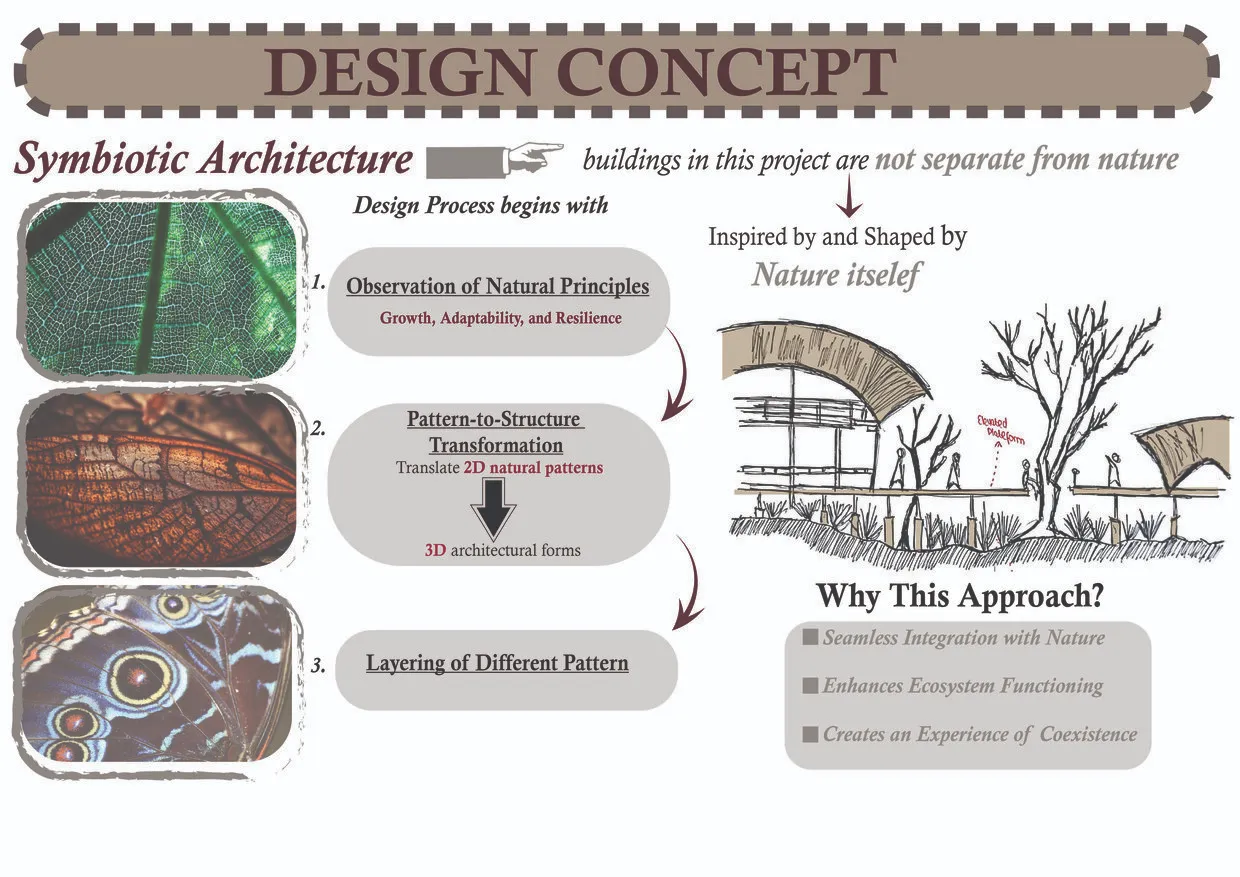
The design addresses the ongoing conflict between human activities and wildlife conservation through the creation of an ecological corridor within Islamabad National Park.
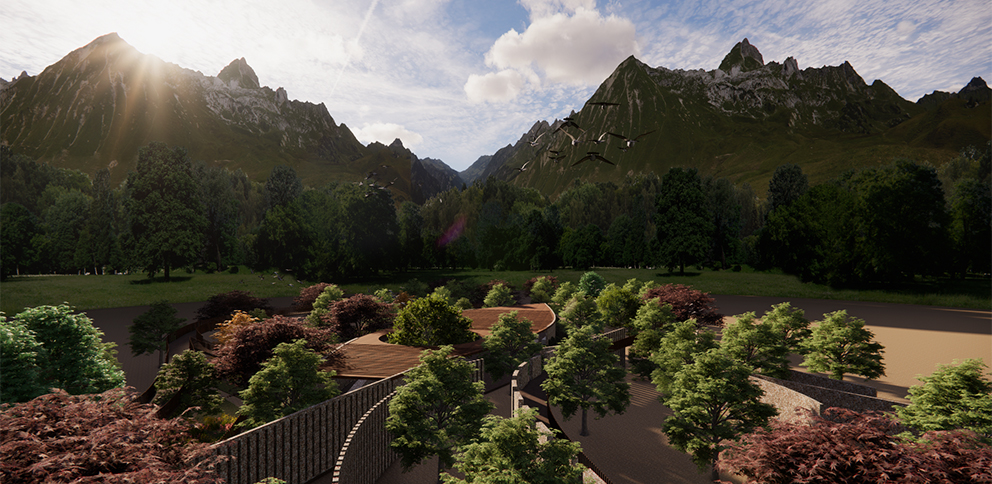
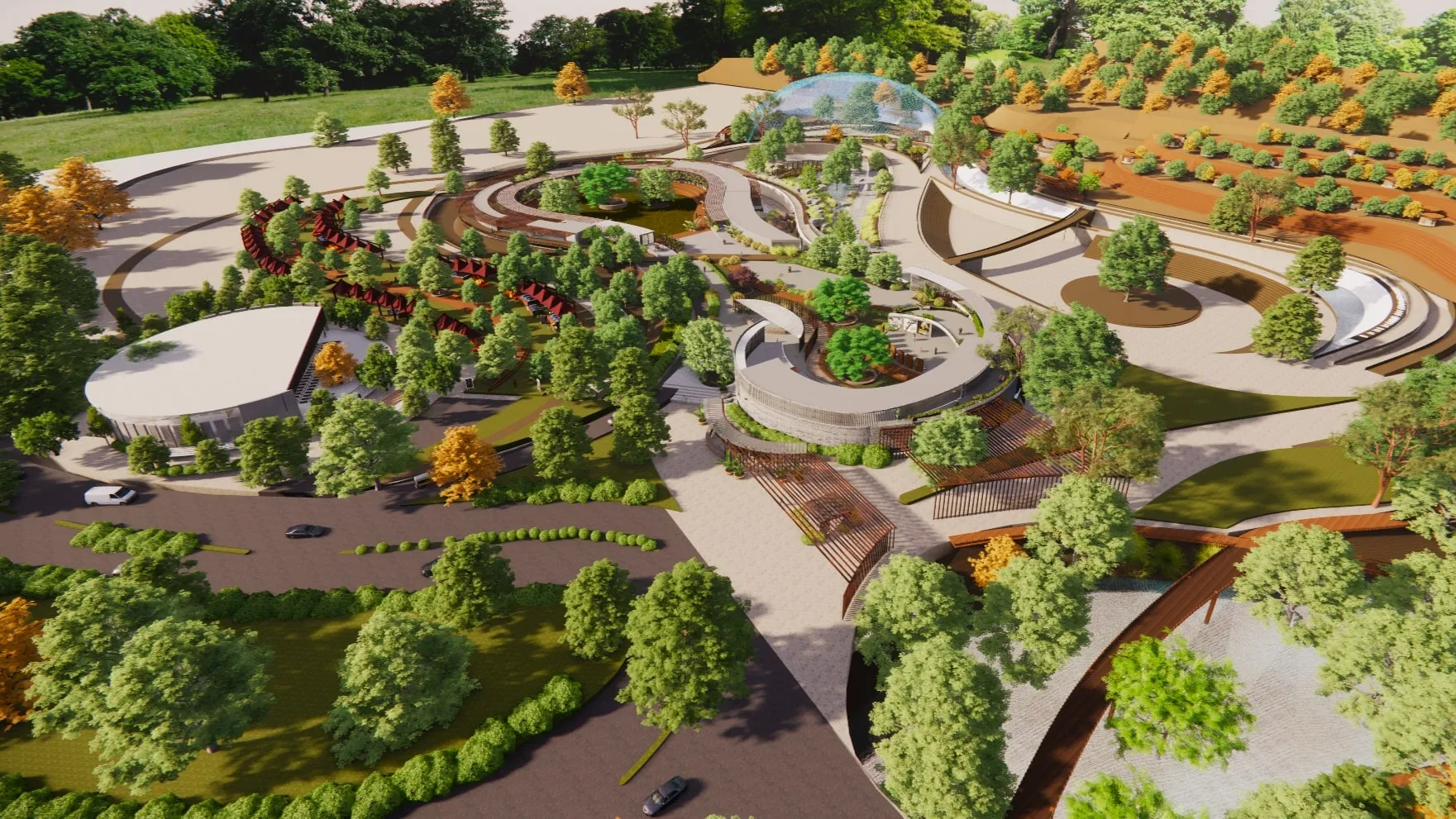
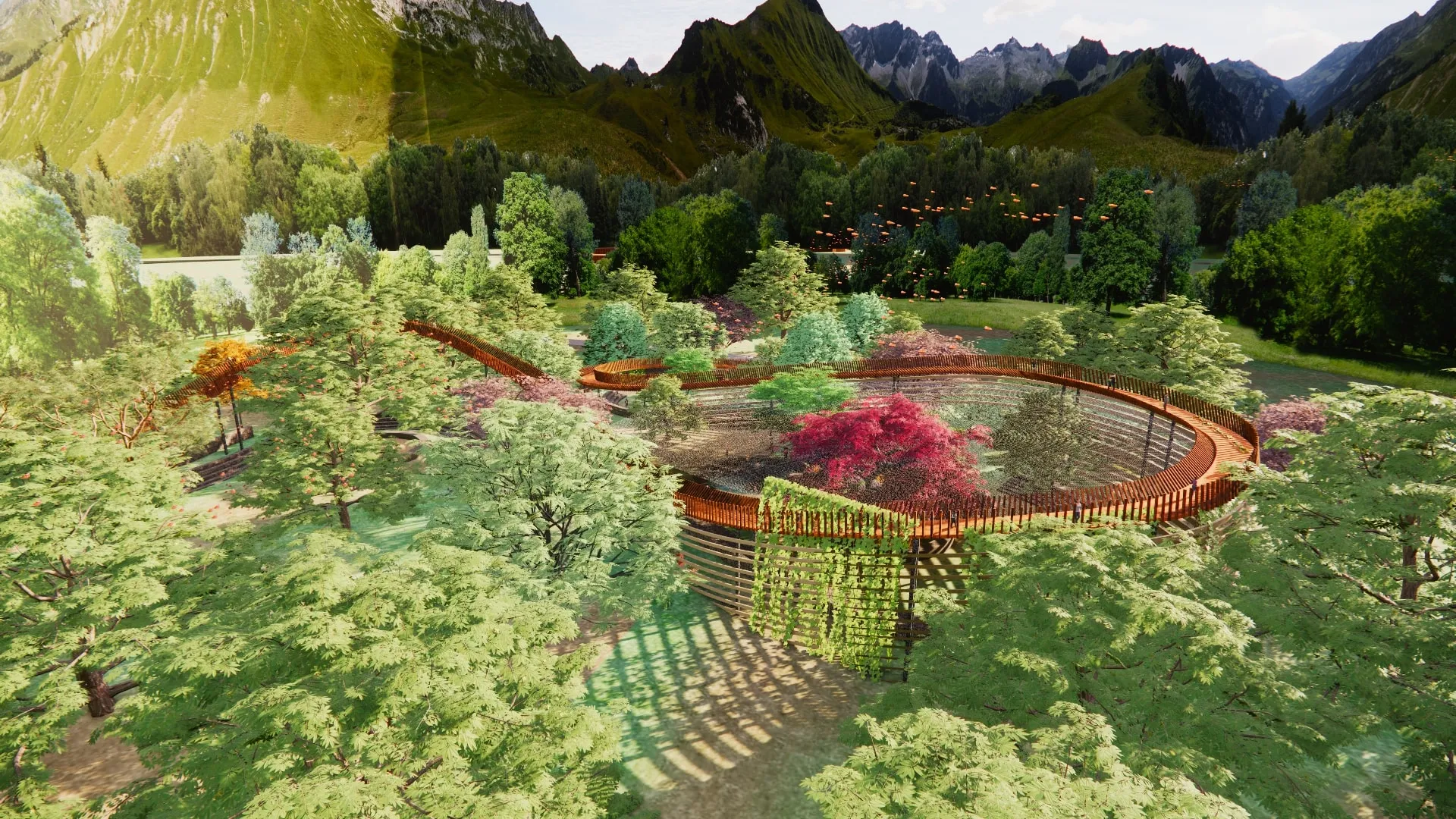
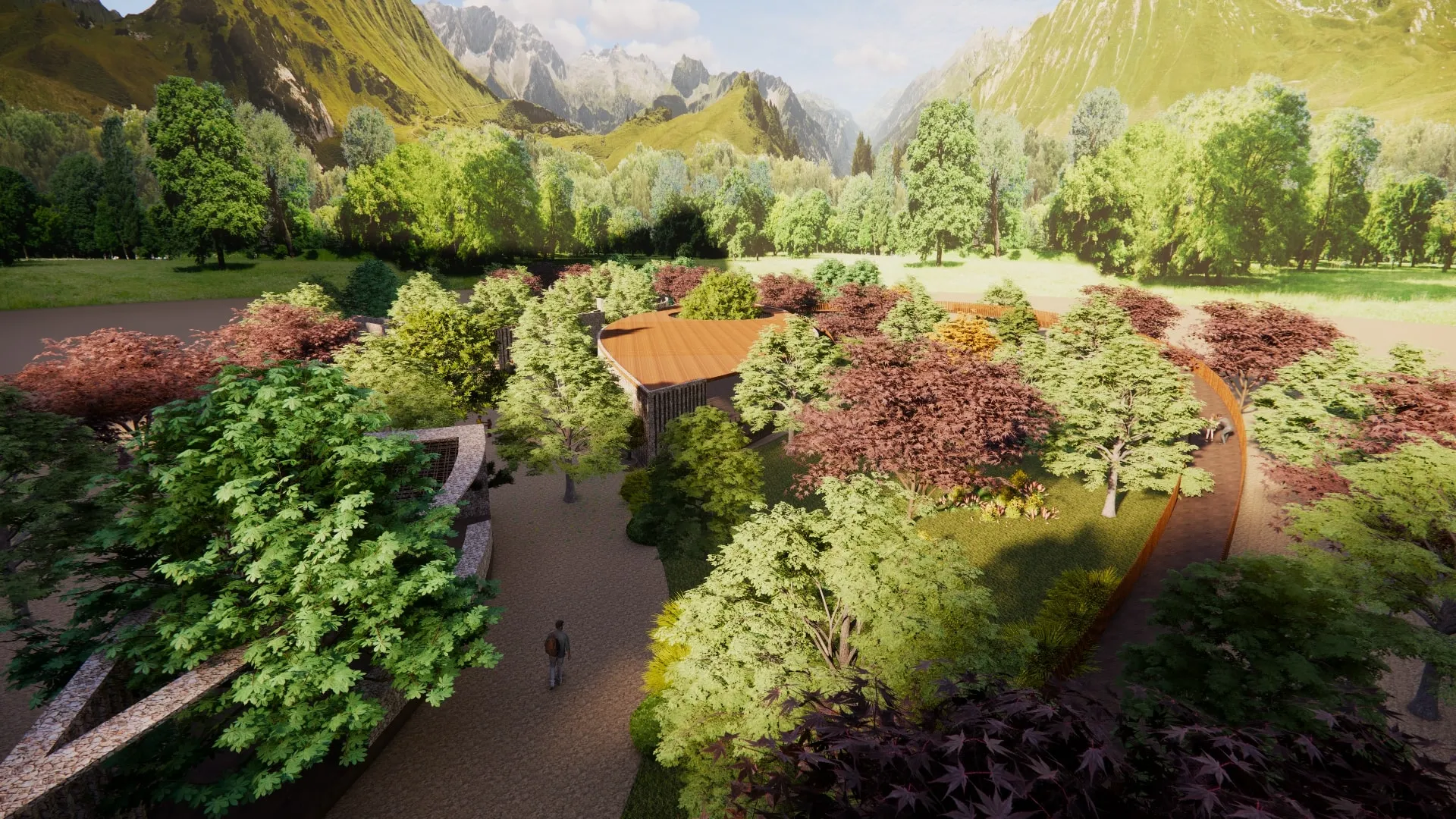
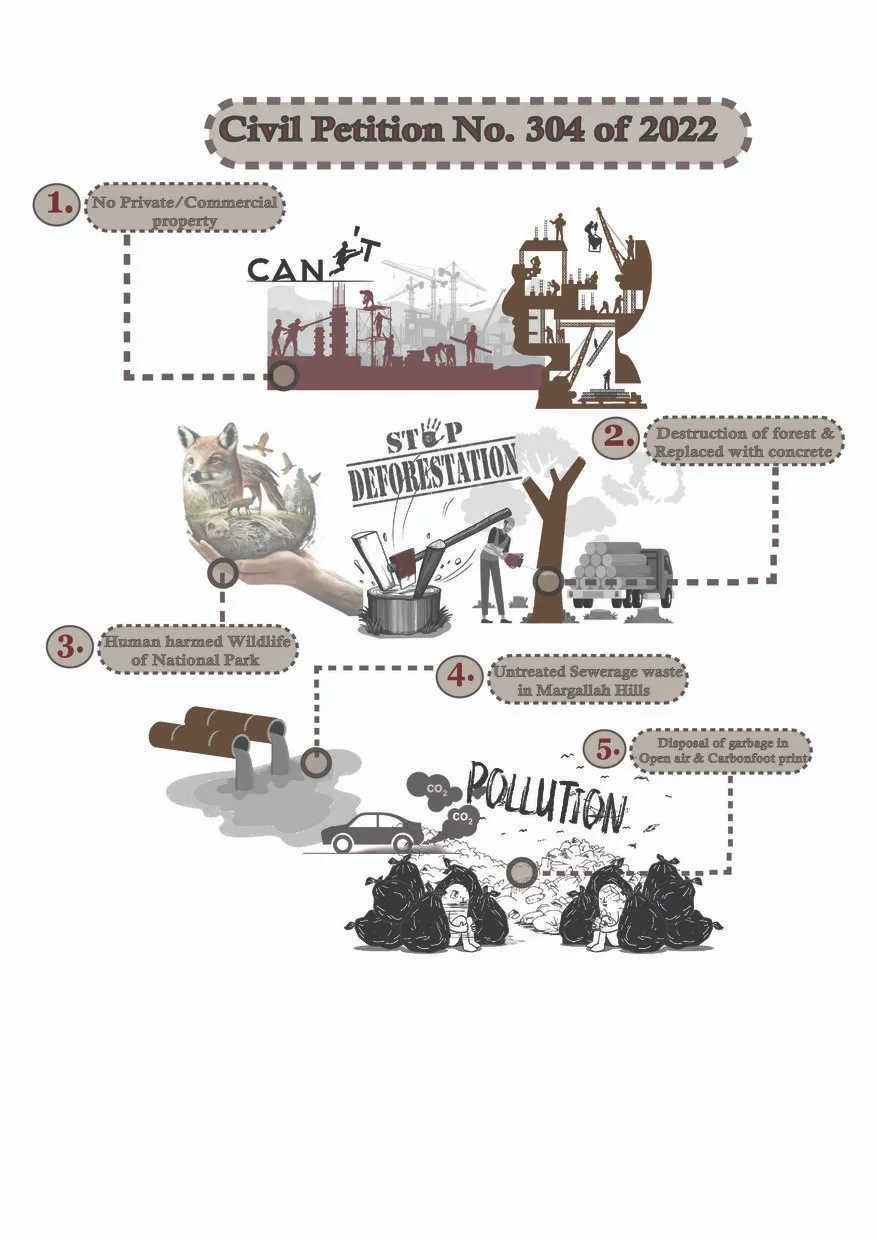
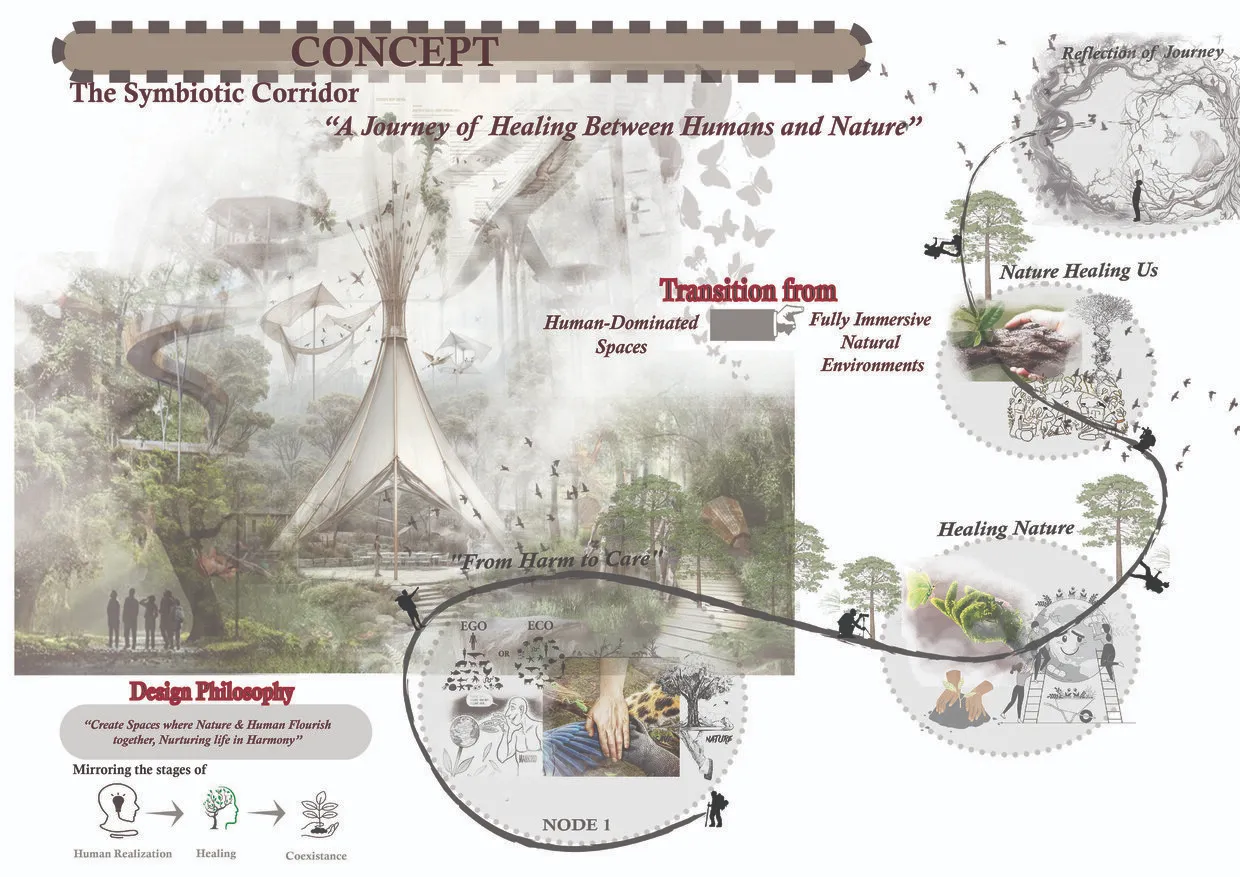
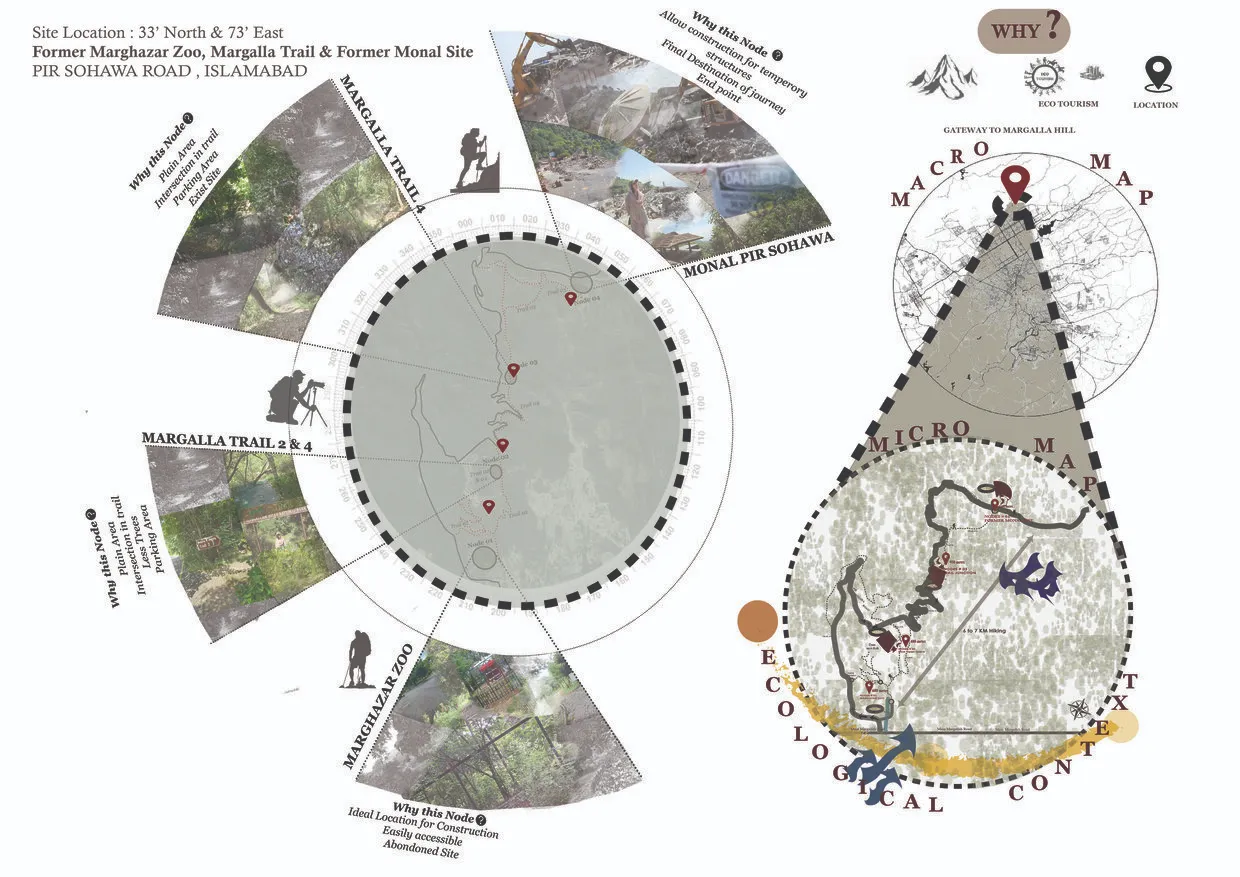
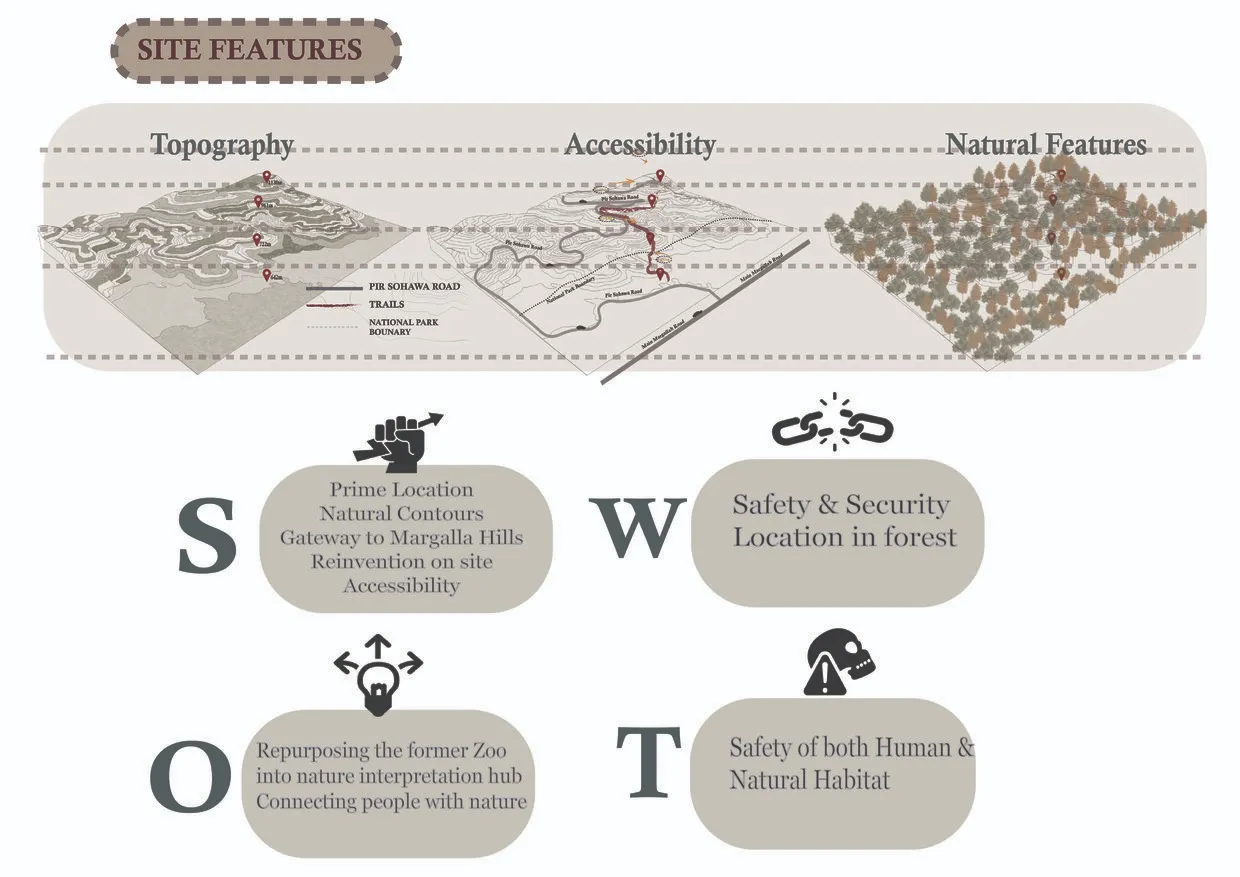
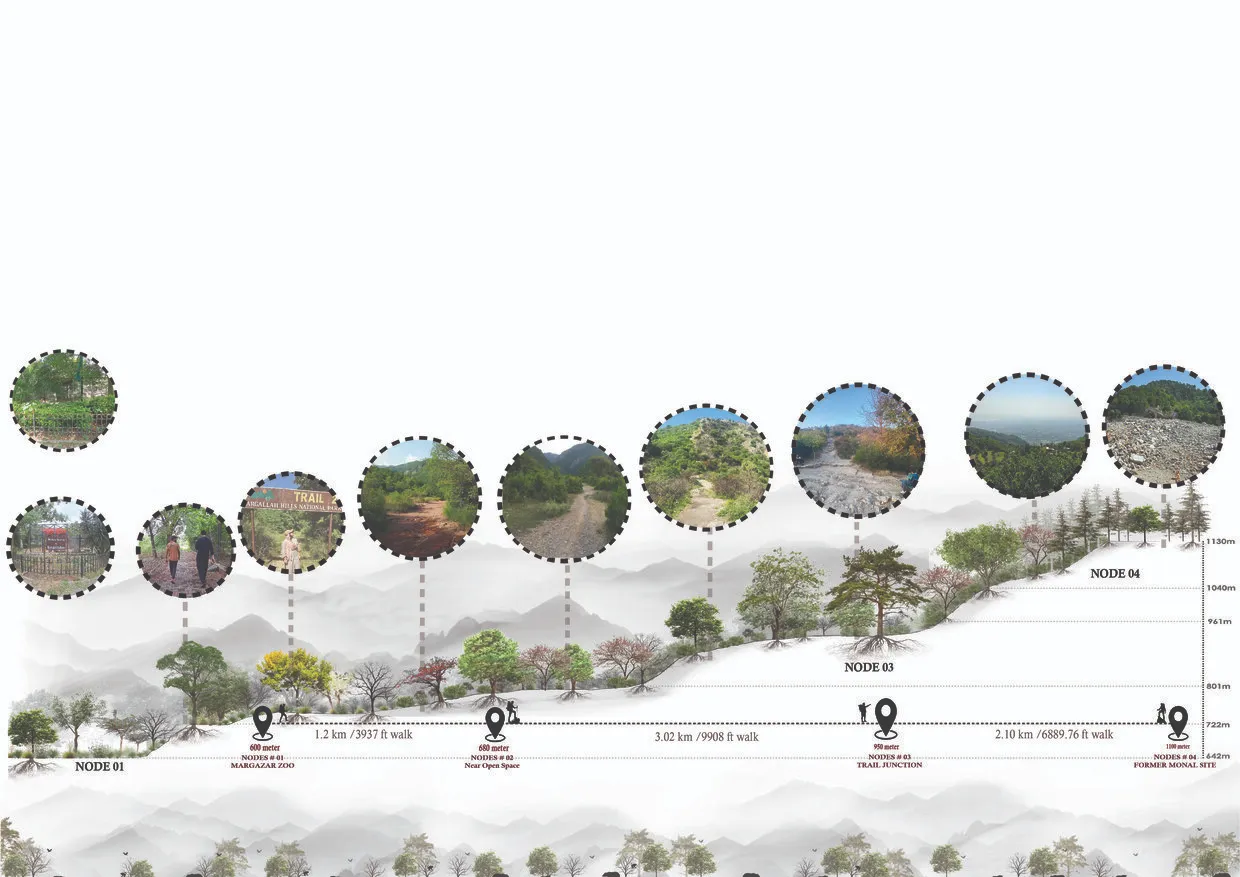
Saman Malik’s Undergraduate Thesis proposes the creation of an ecological corridor within Islamabad National Park to address the ongoing conflict between human activities and wildlife conservation. Current practices, such as restricting access to protect habitats, offer only temporary solutions and limit public engagement with nature. Without strategic planning, human induced harm will persist, rendering such approaches unsustainable. The proposed ecological corridor offers a solution, enabling controlled human access while safeguarding natural habitats. By reinterpreting park spaces, the design ensures minimal environmental disruption and promotes long-term coexistence between humans and wildlife.
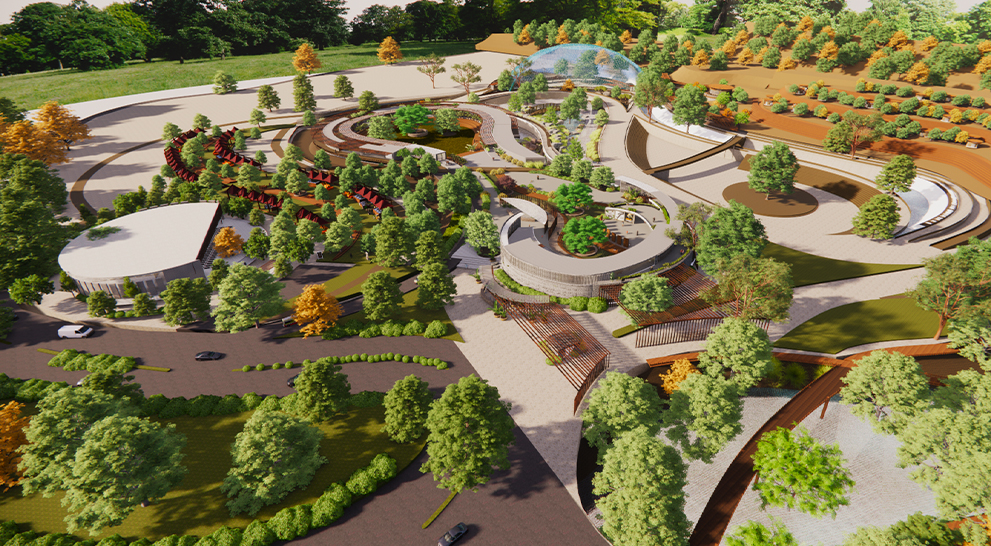
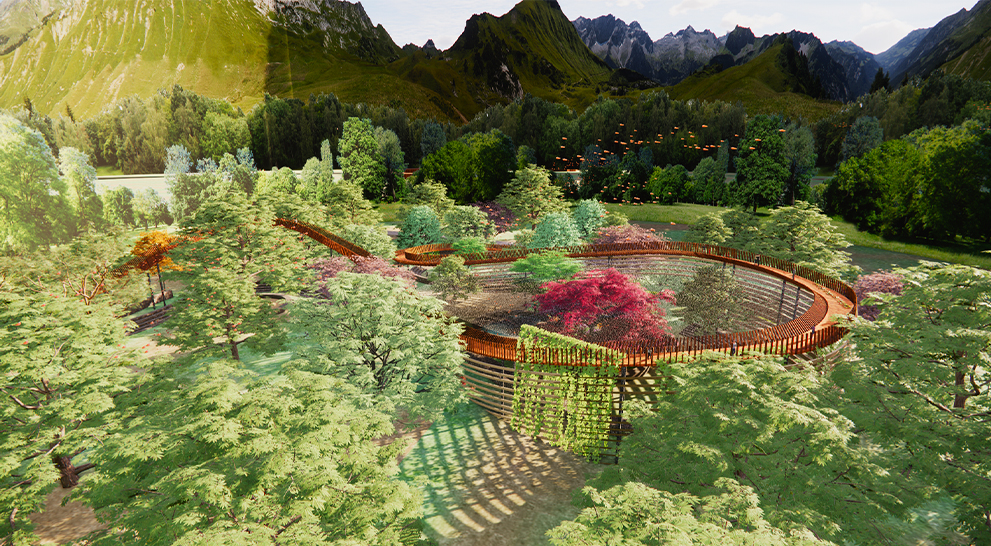
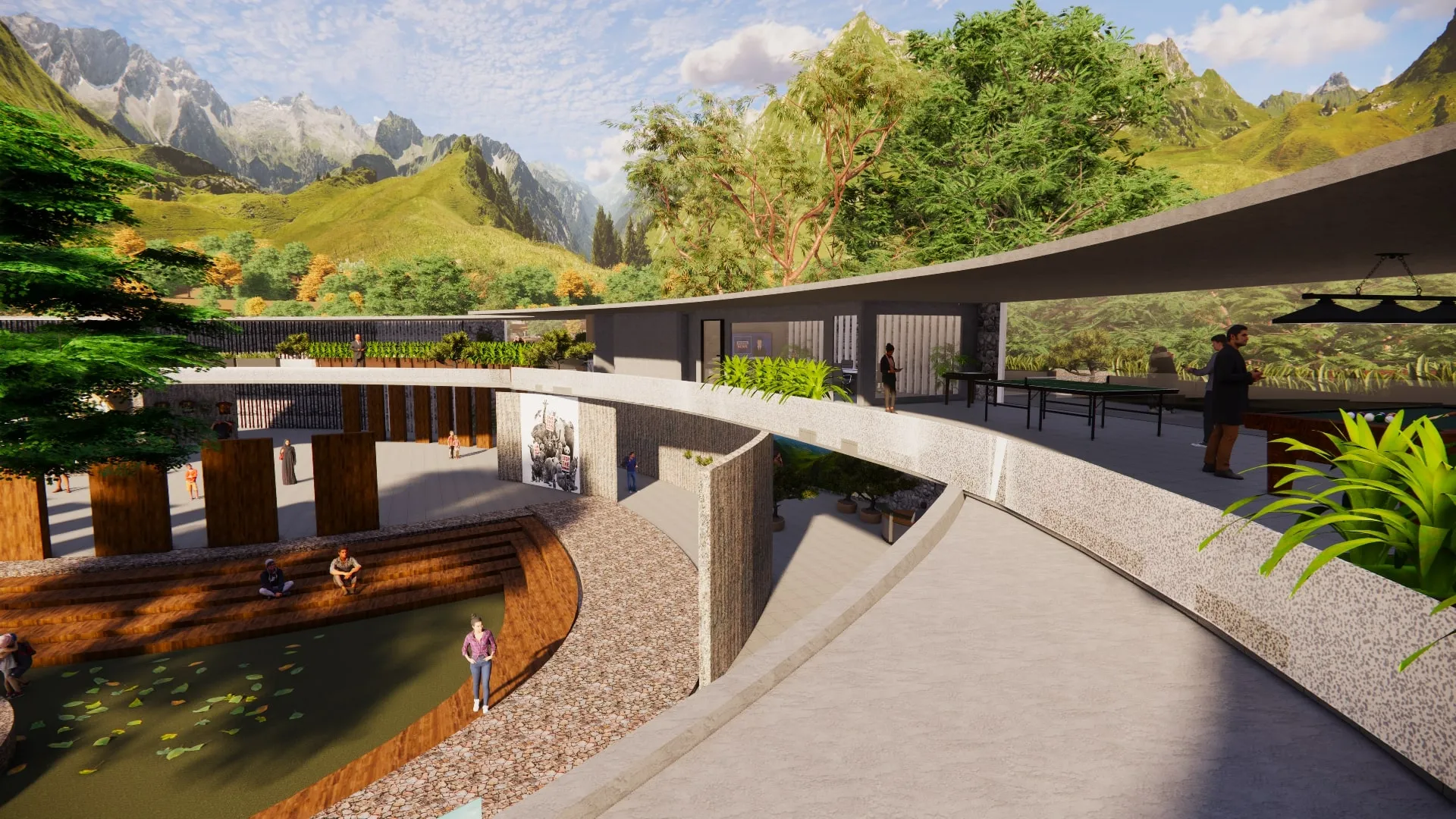
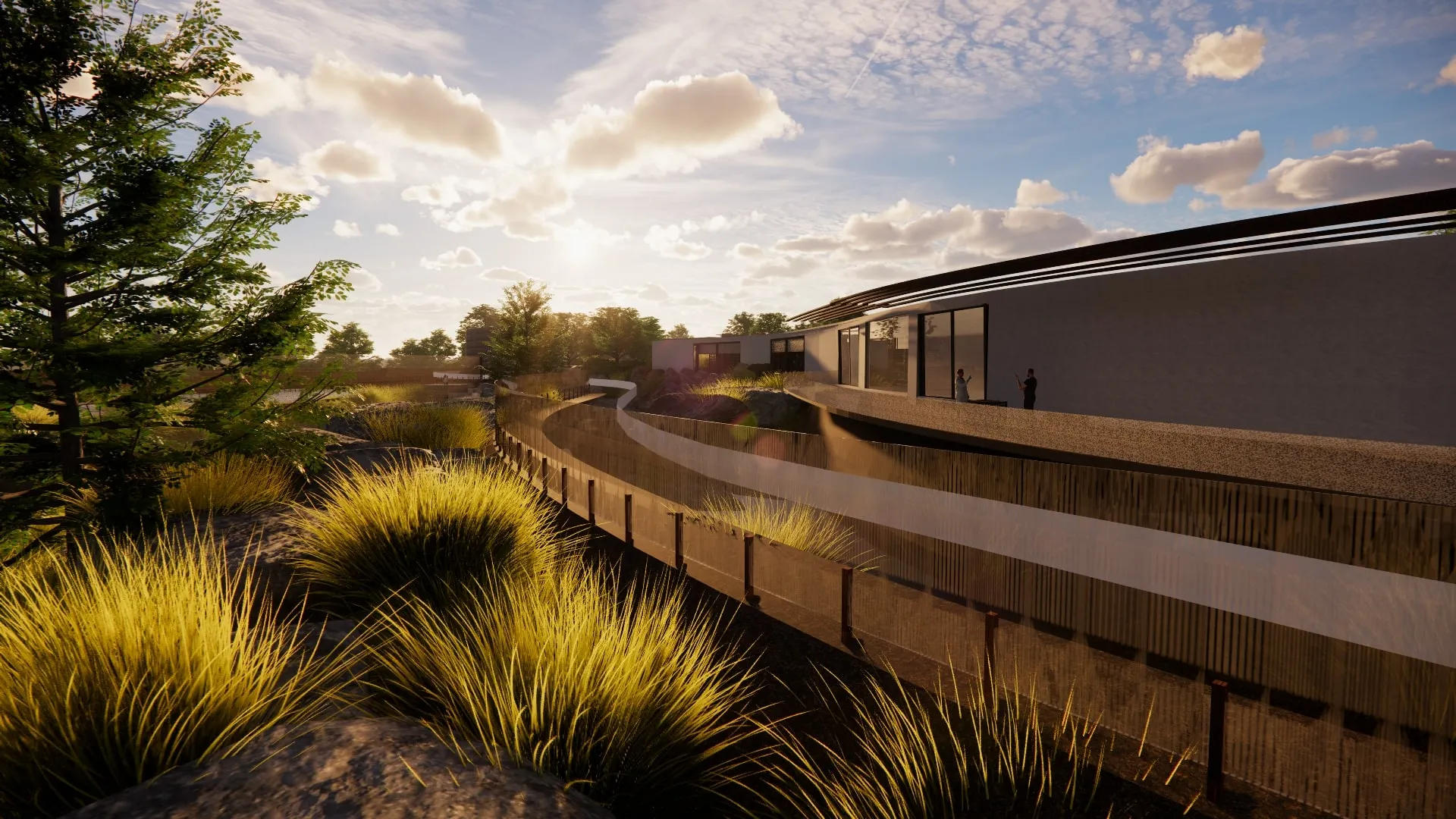
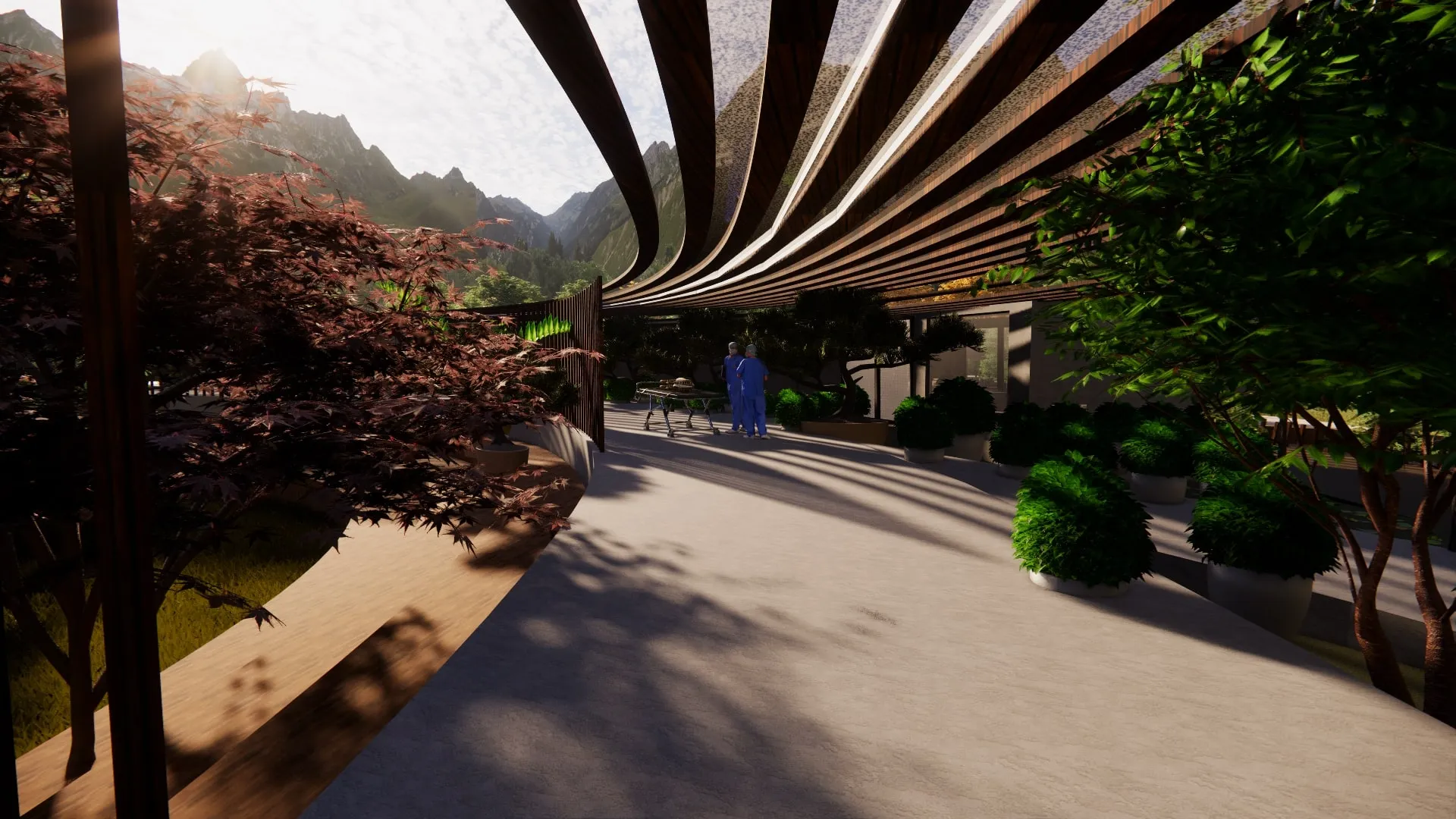
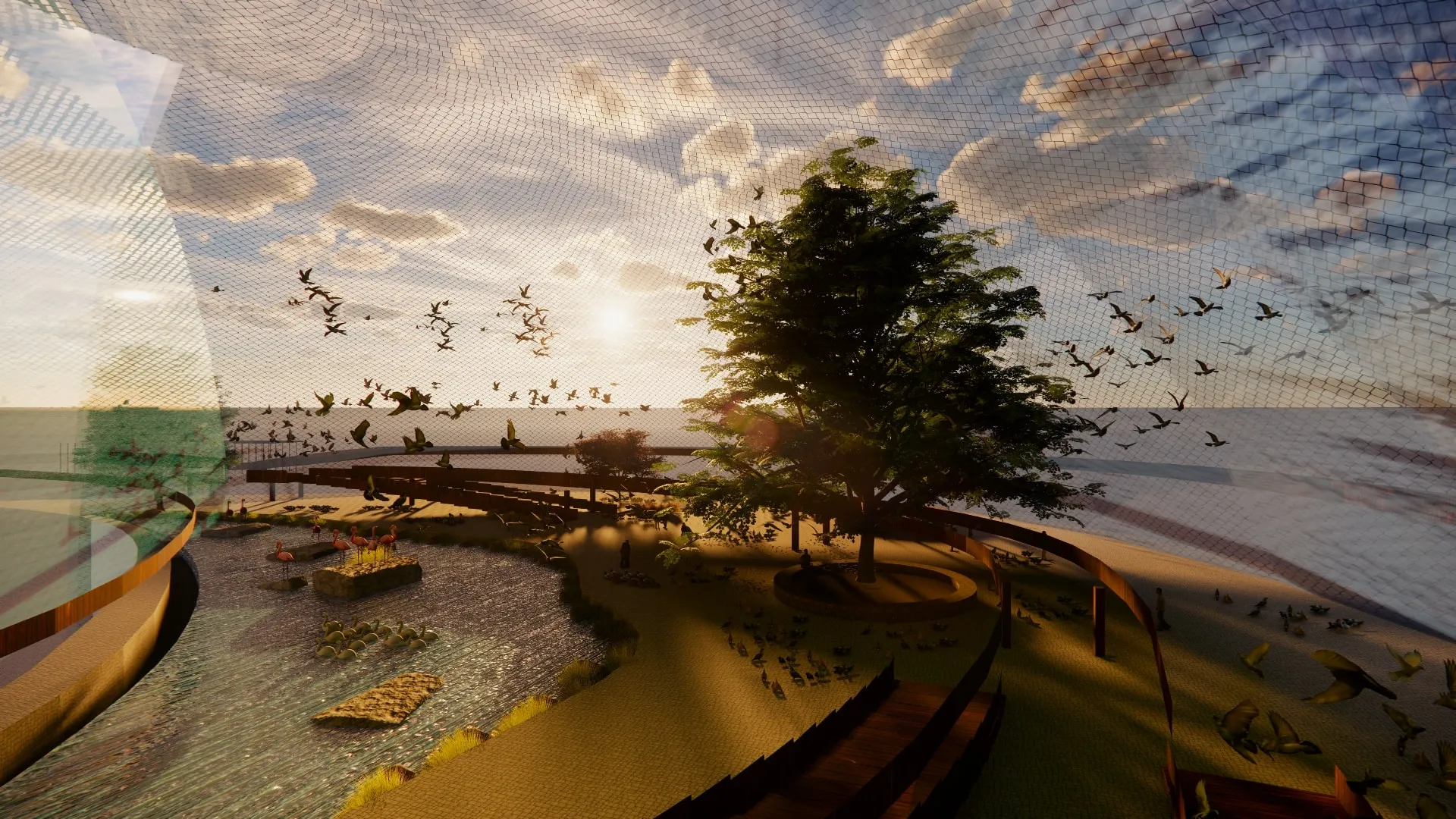
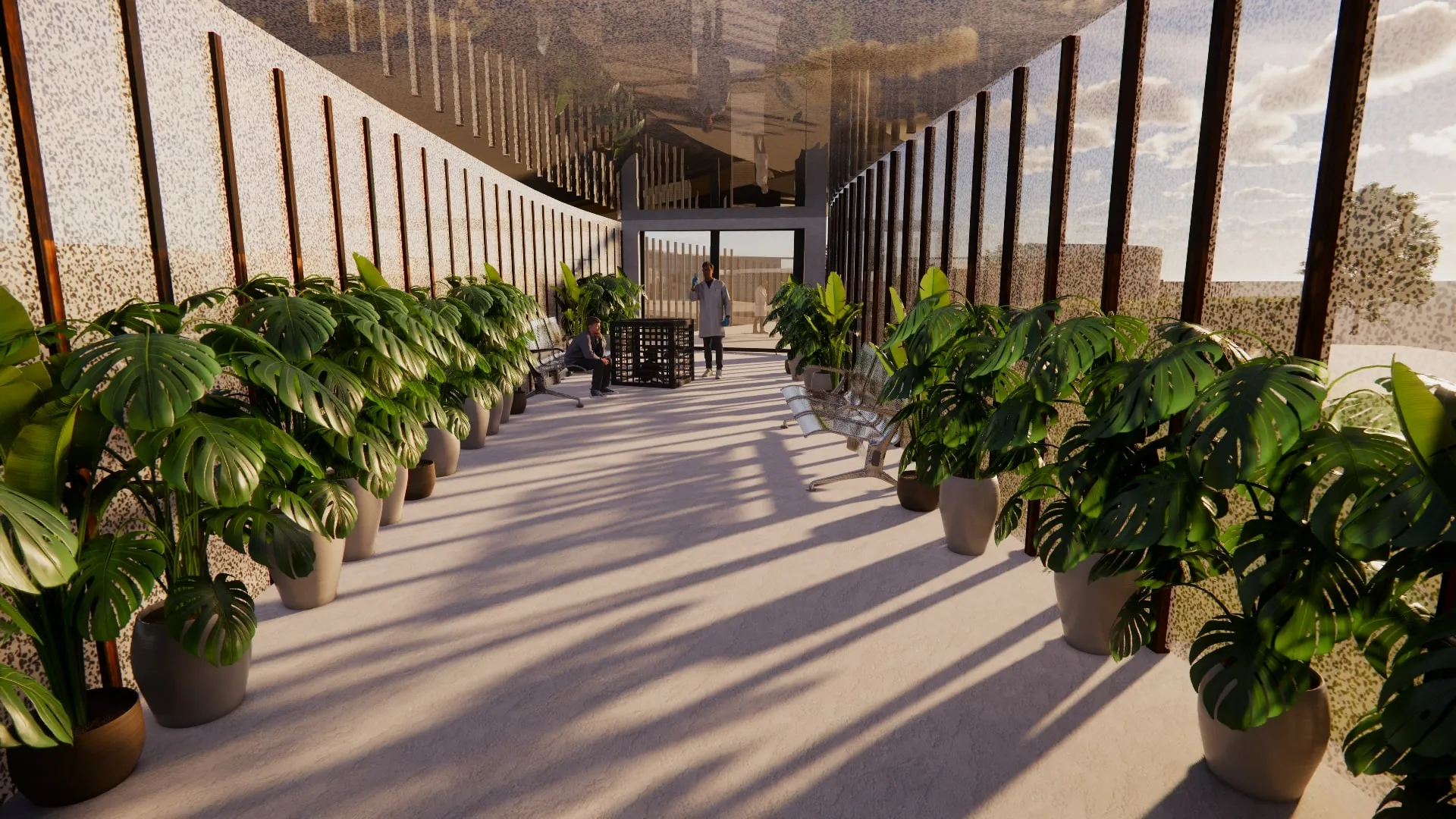
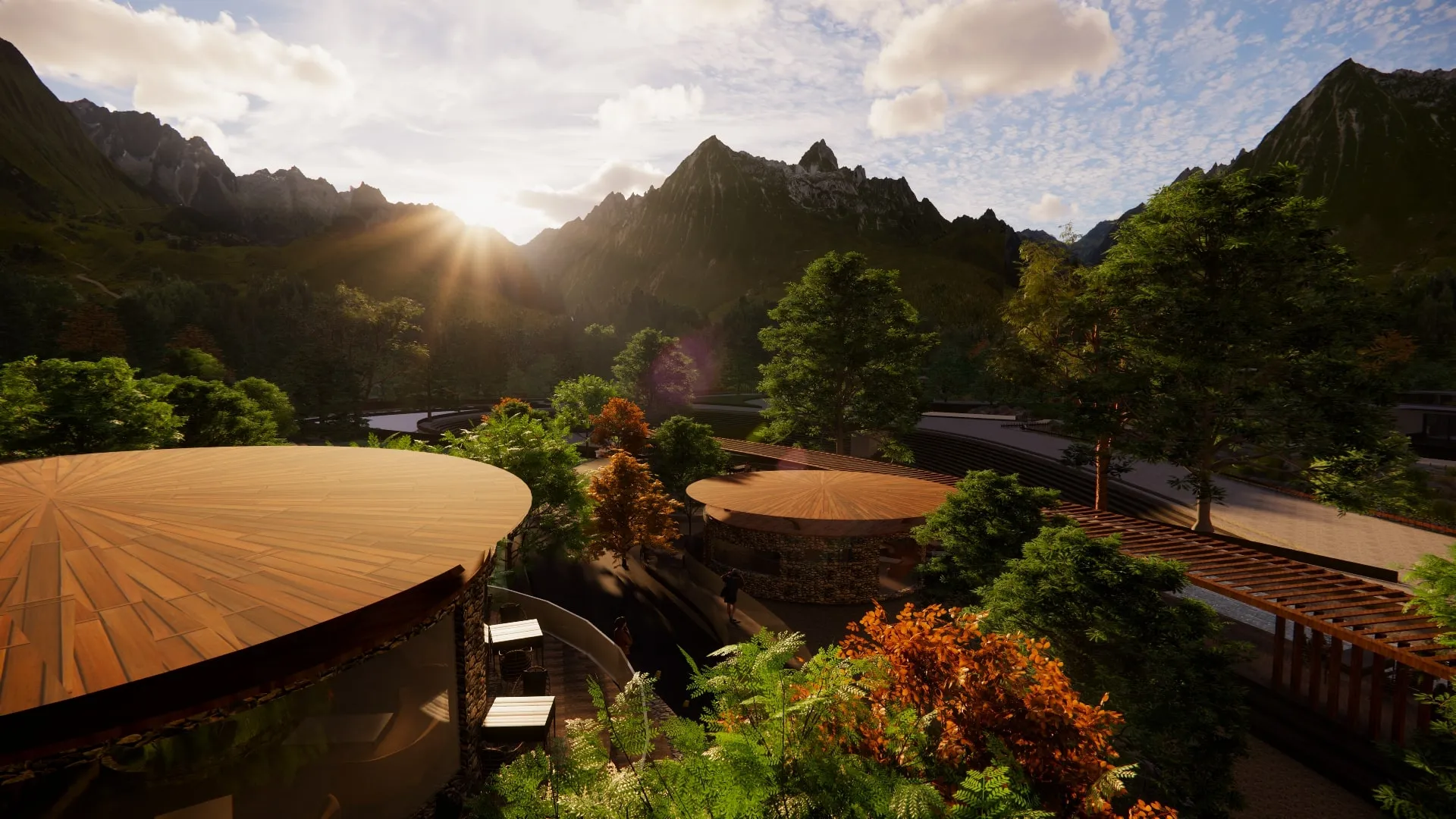
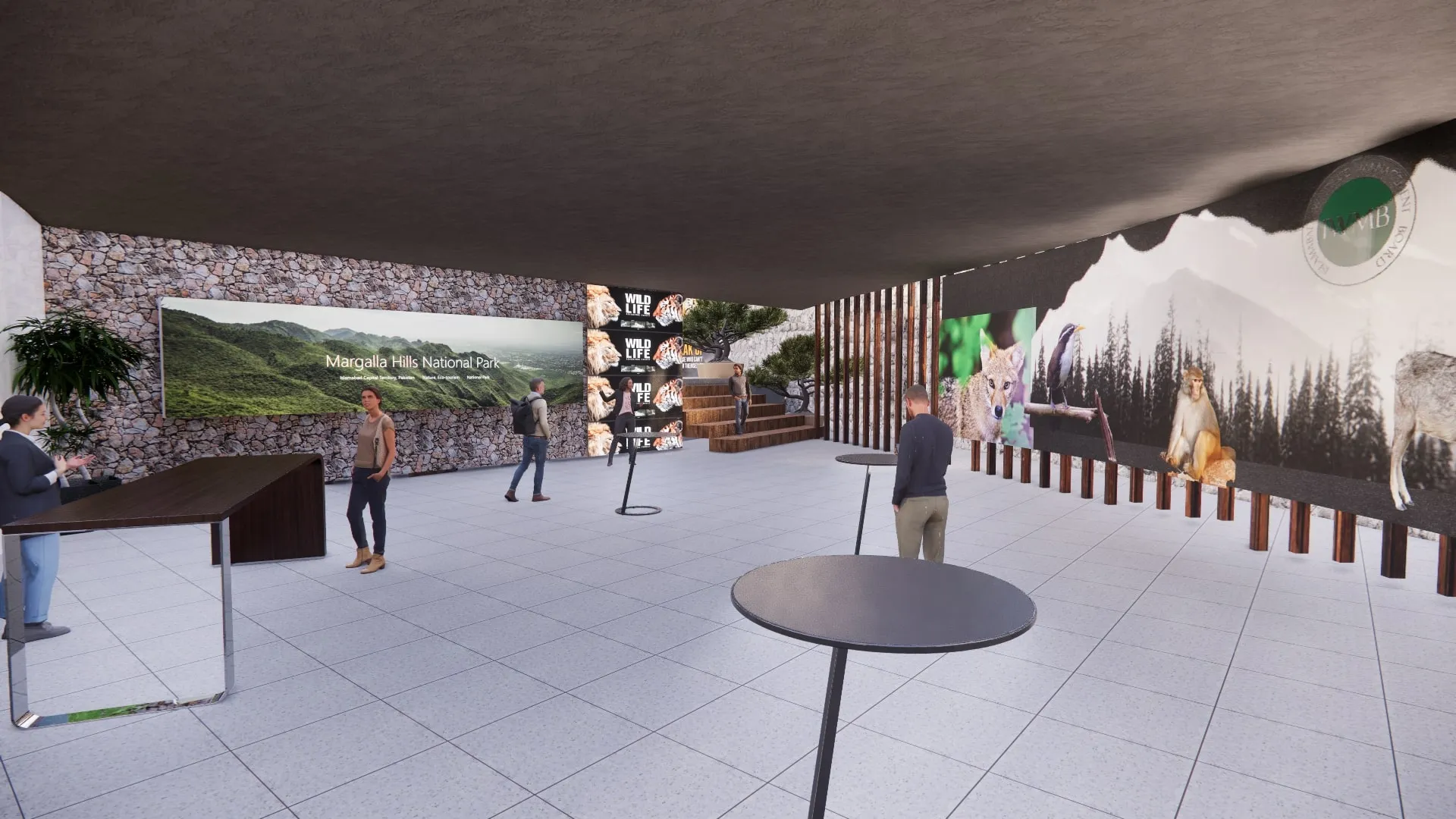
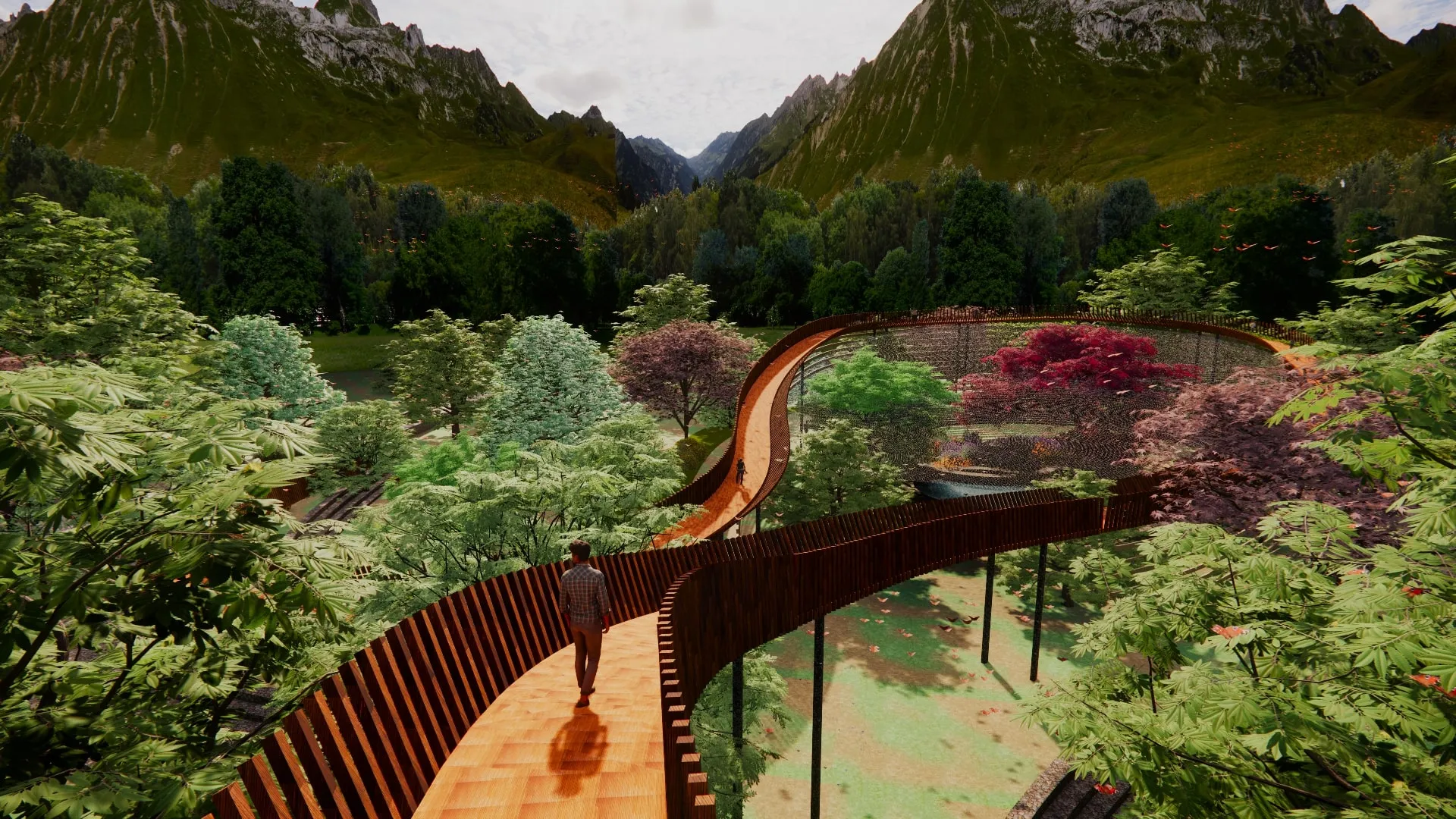
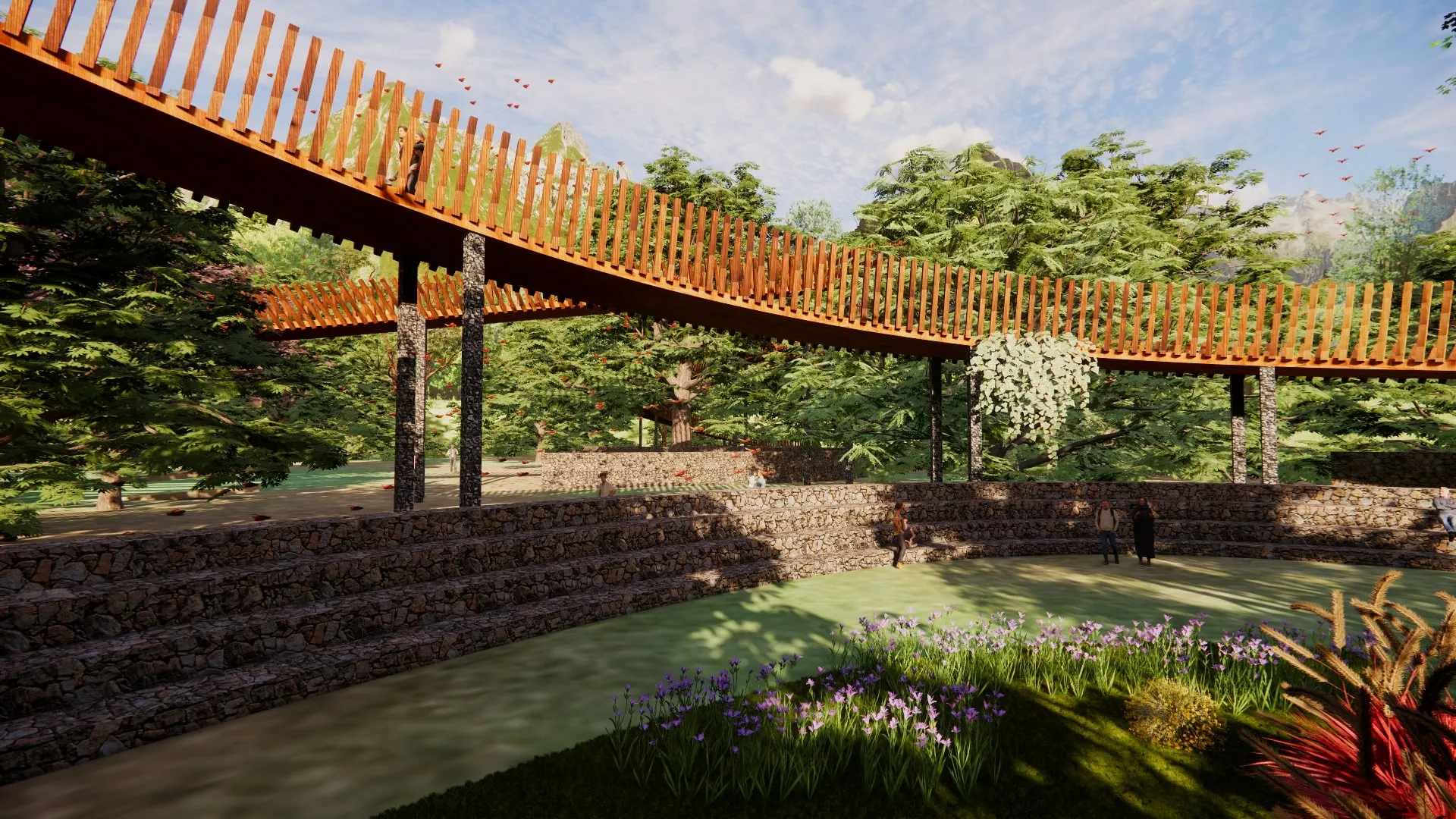
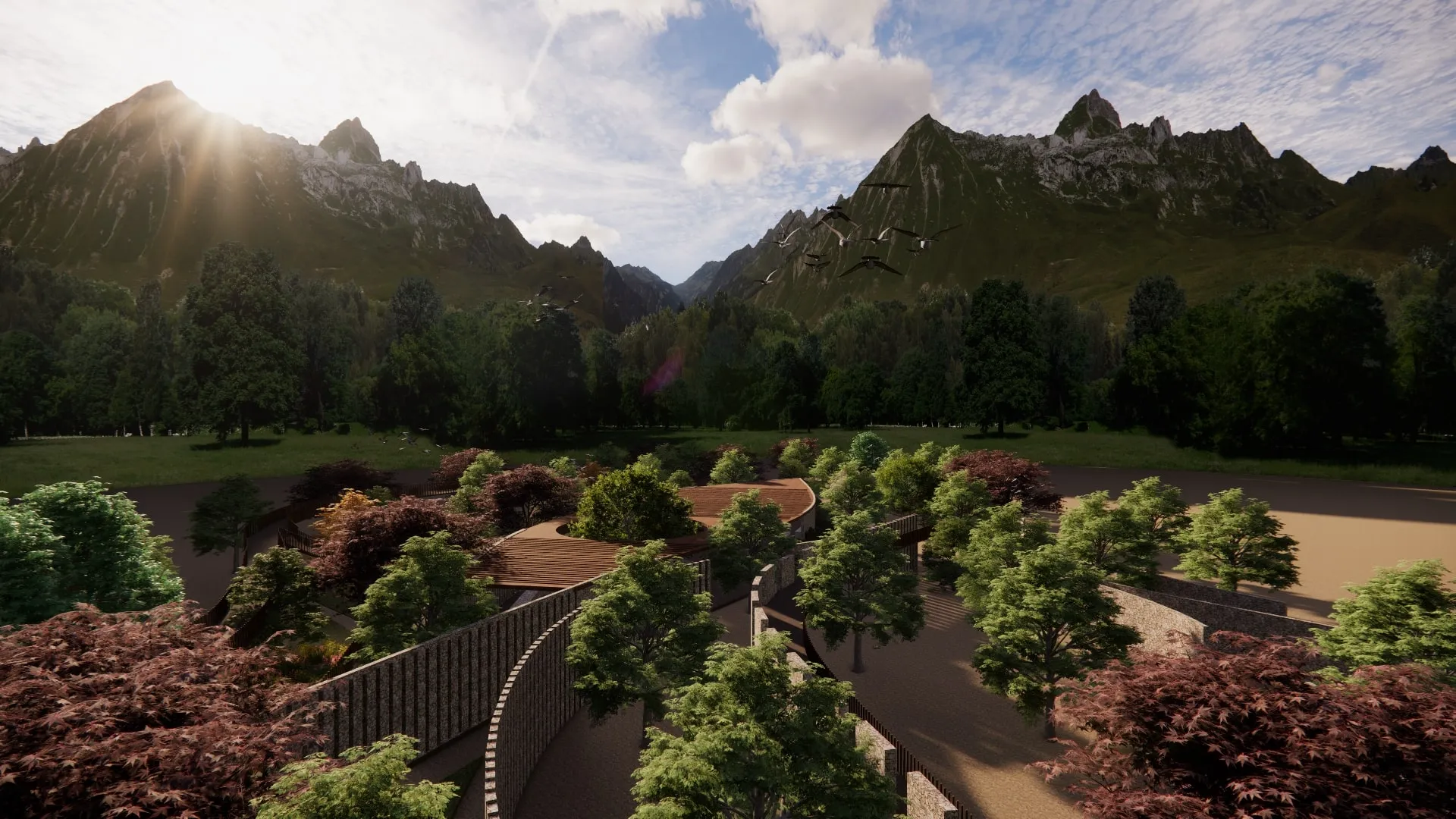
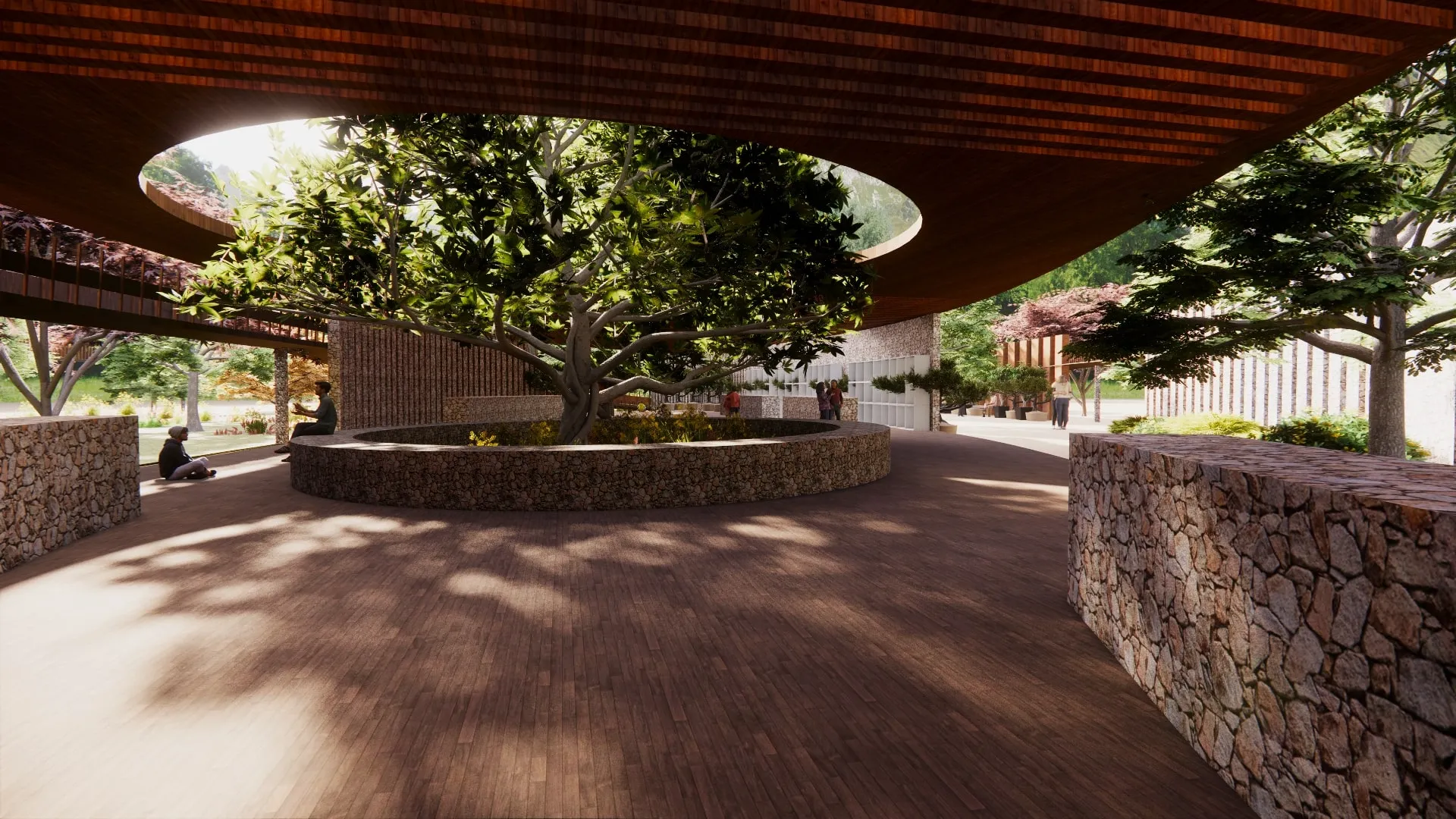
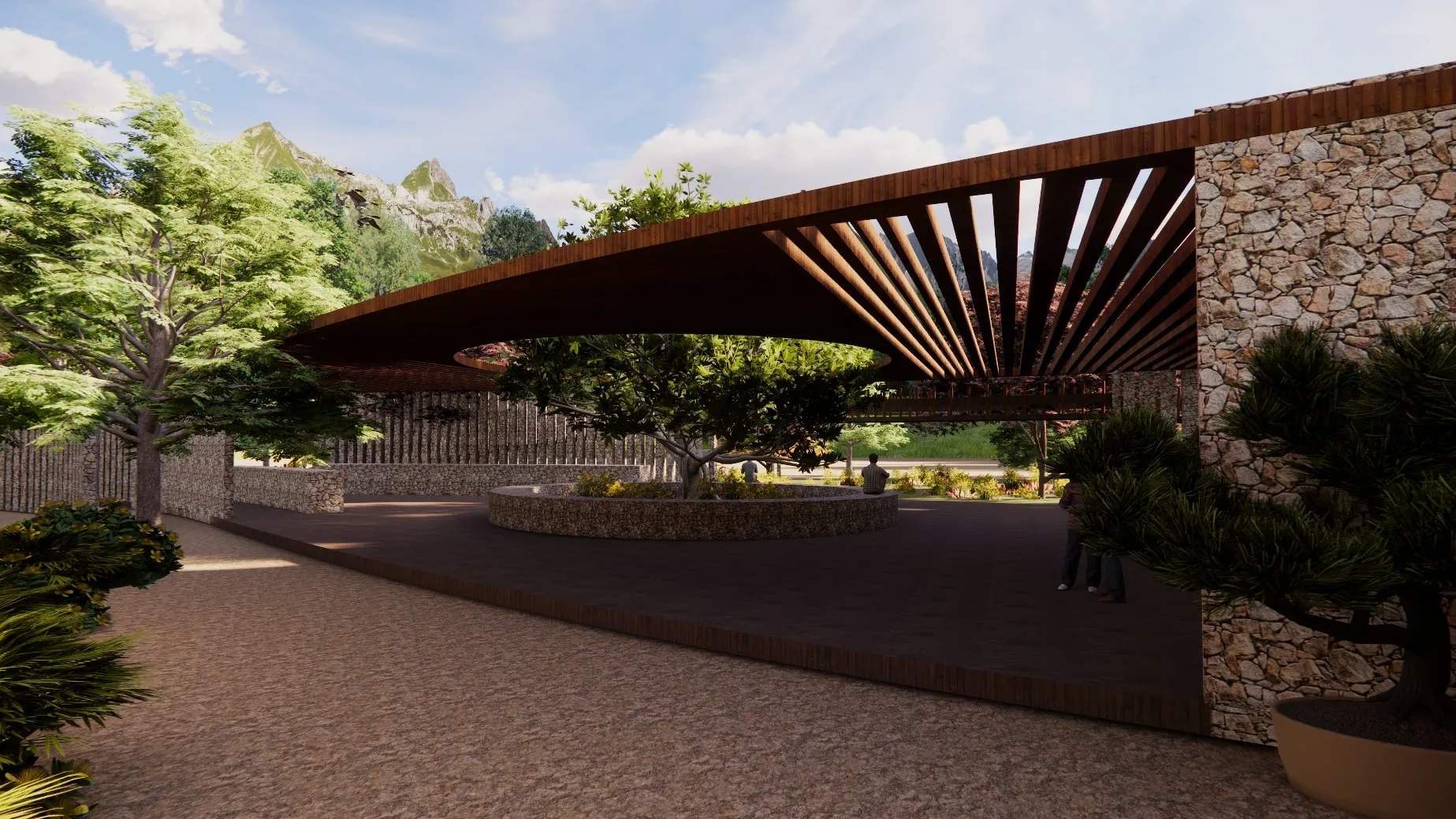
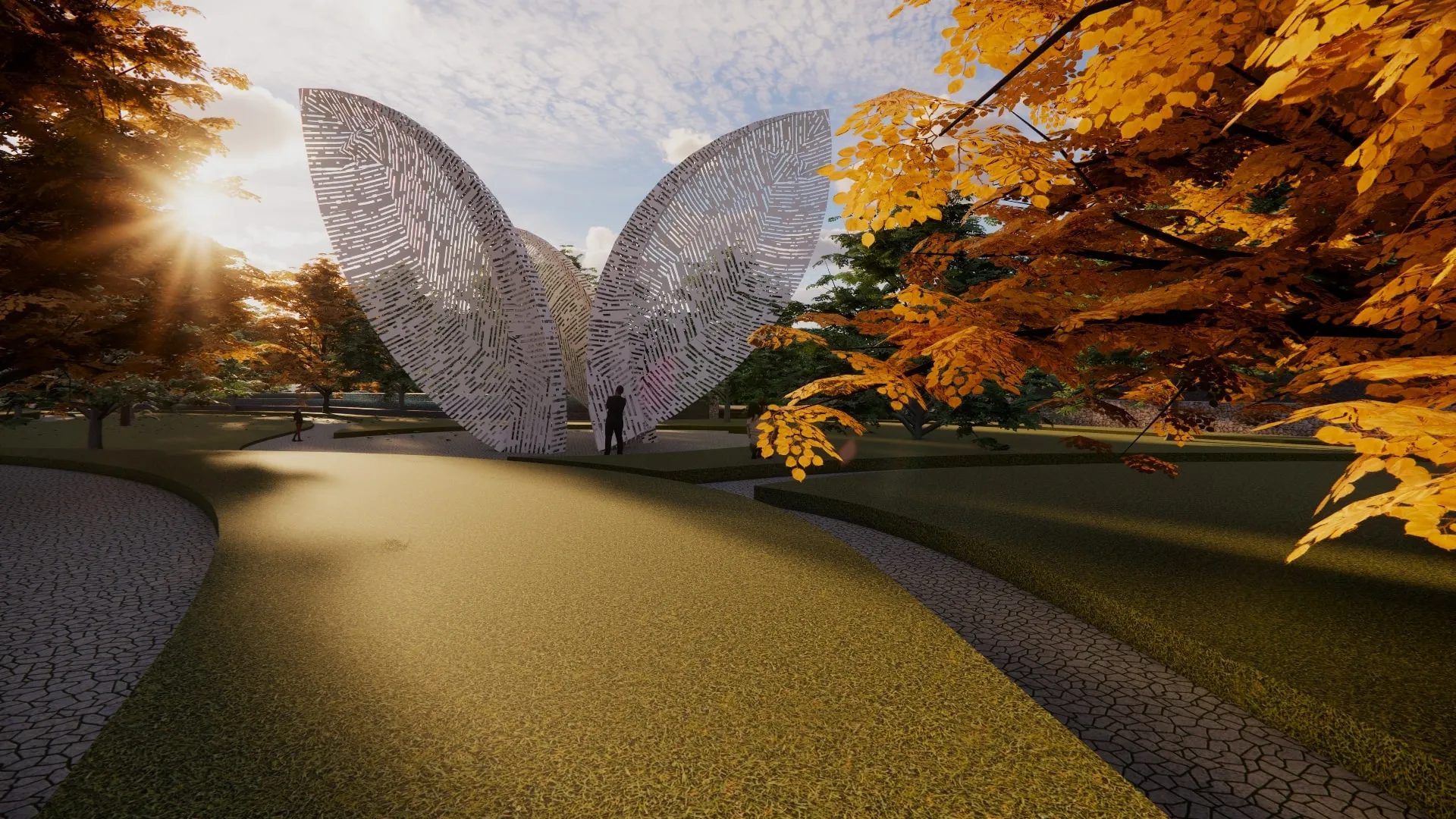
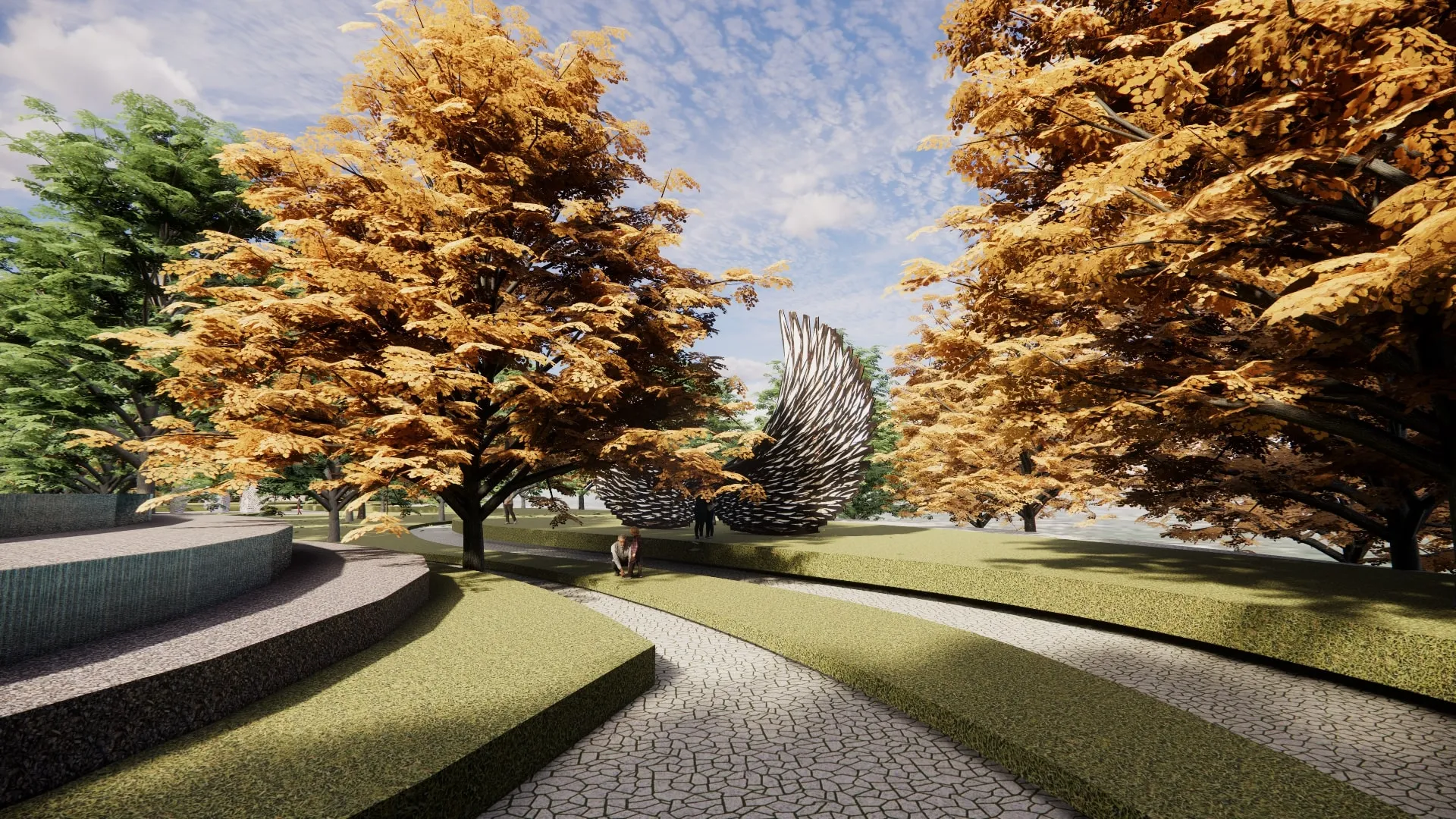
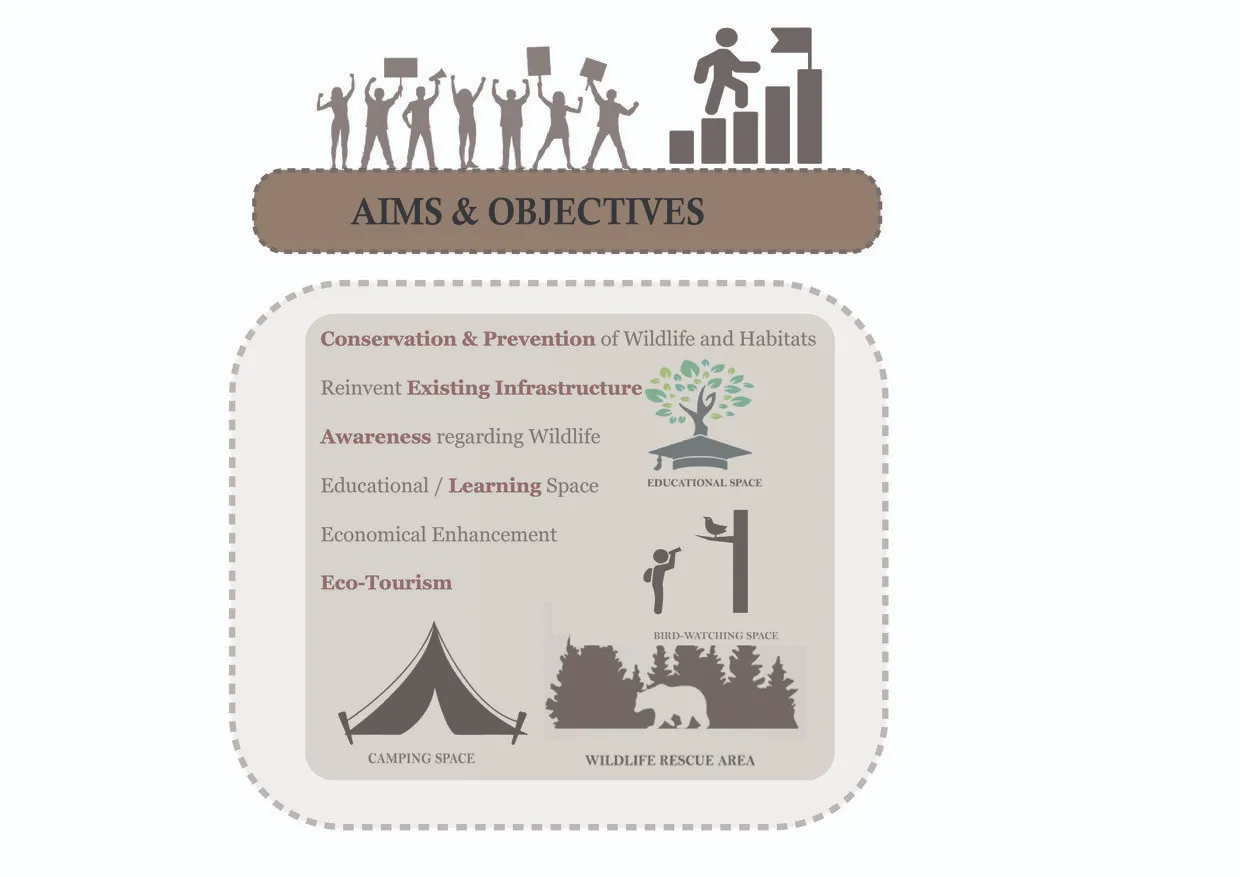
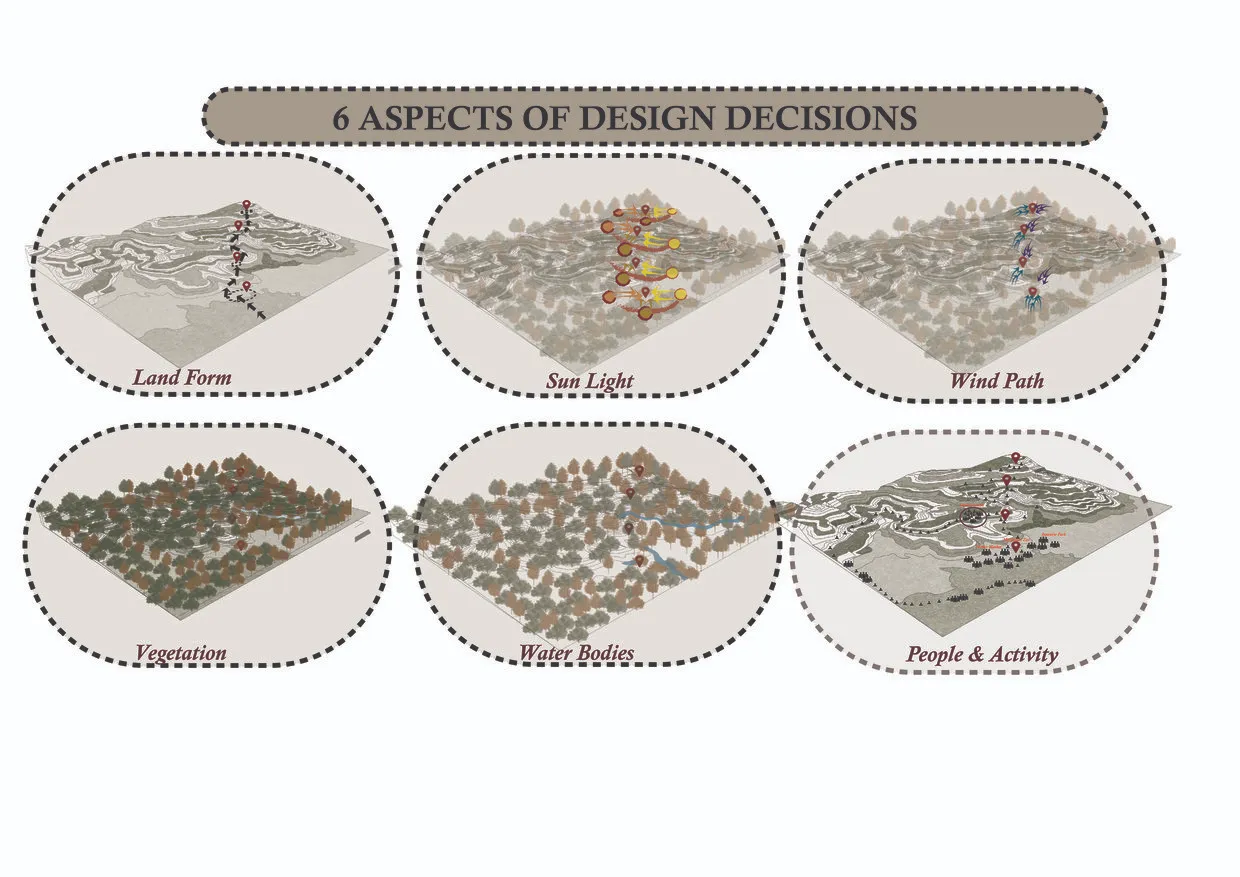
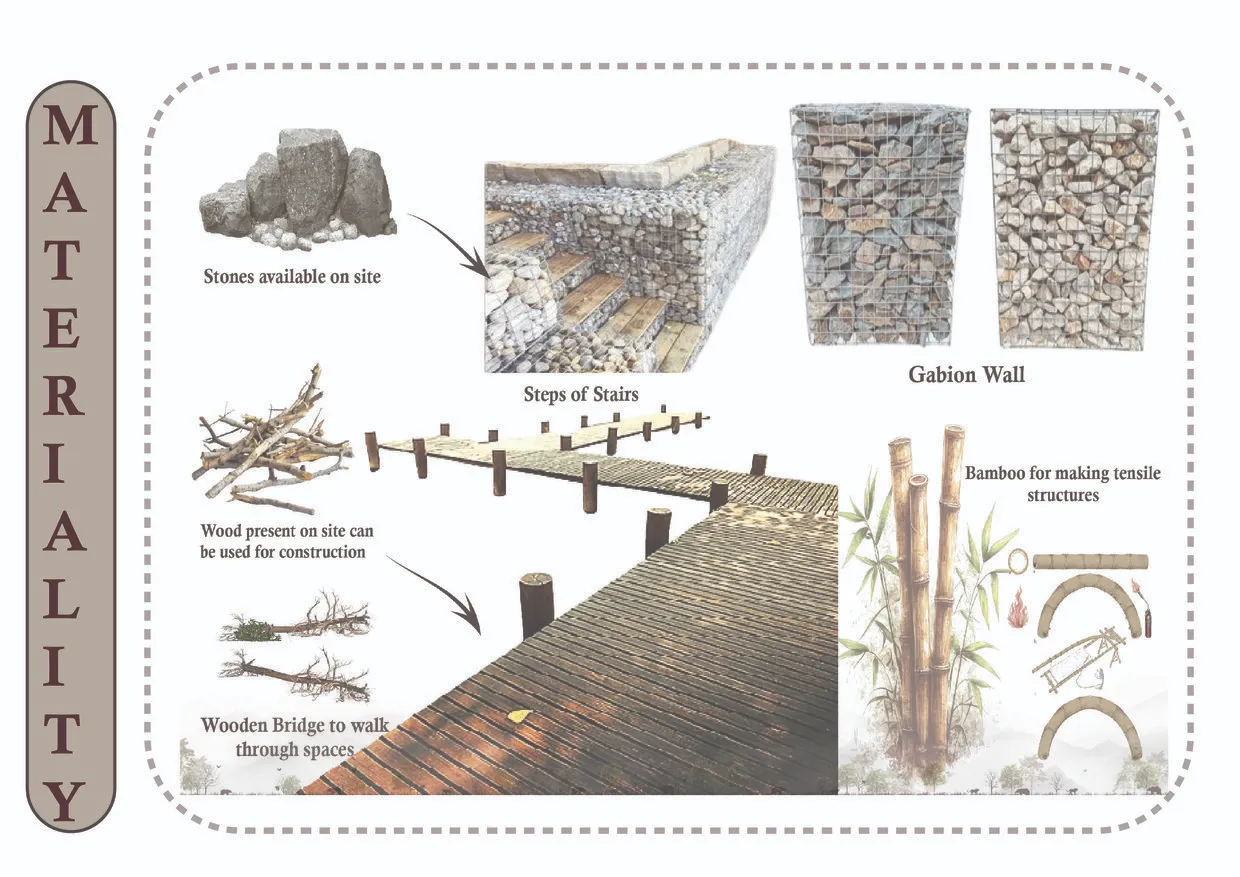
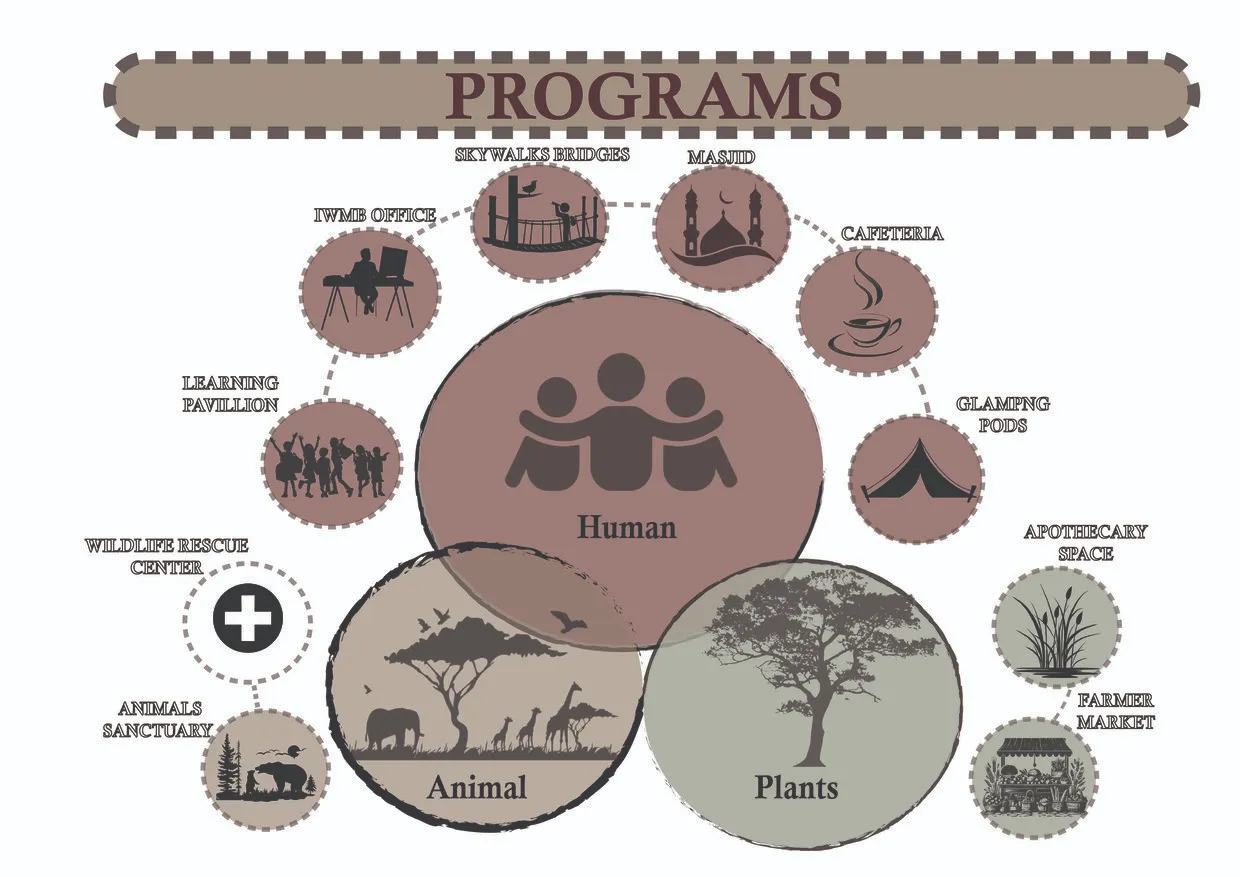



Educational galleries and exhibition spaces in the proposal will aim to raise public awareness about biodiversity and sustainable practices. The project also enhances the park’s economic potential through eco-tourism, offering a model that benefits both nature and communities. The park is zoned into carefully designed sanctuaries based on habitat type and sensitivity, such as butterfly, bird, and firefly sanctuaries, each located where natural conditions support these species. Minimal intervention architecture i.e. semi- open structures, ensured minimal disturbance to the ecosystem.
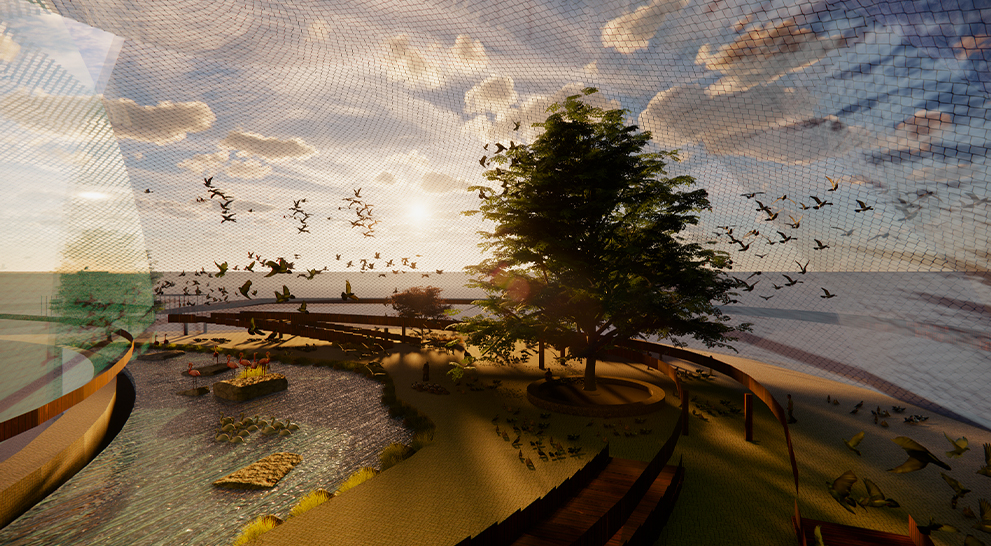
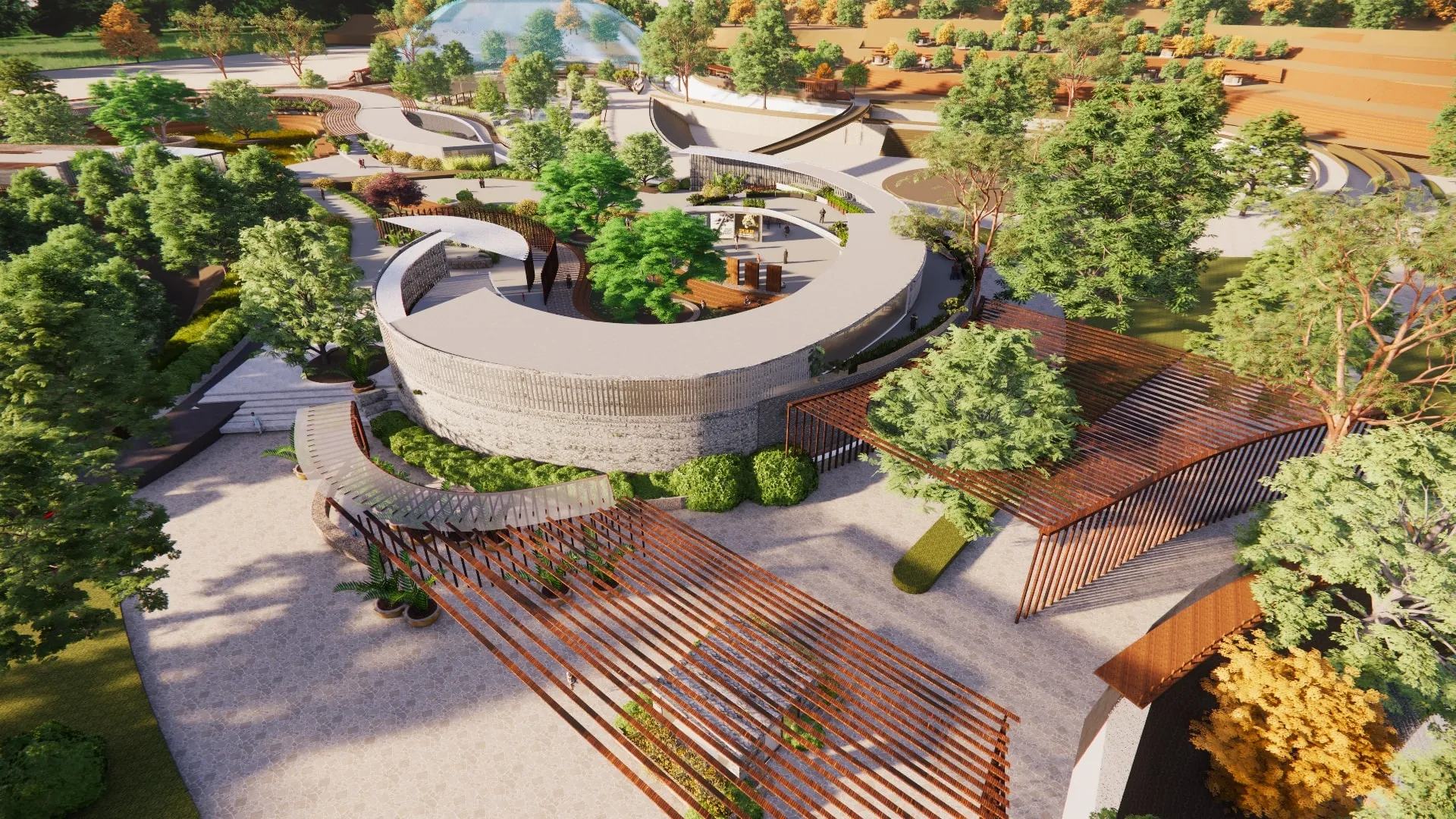
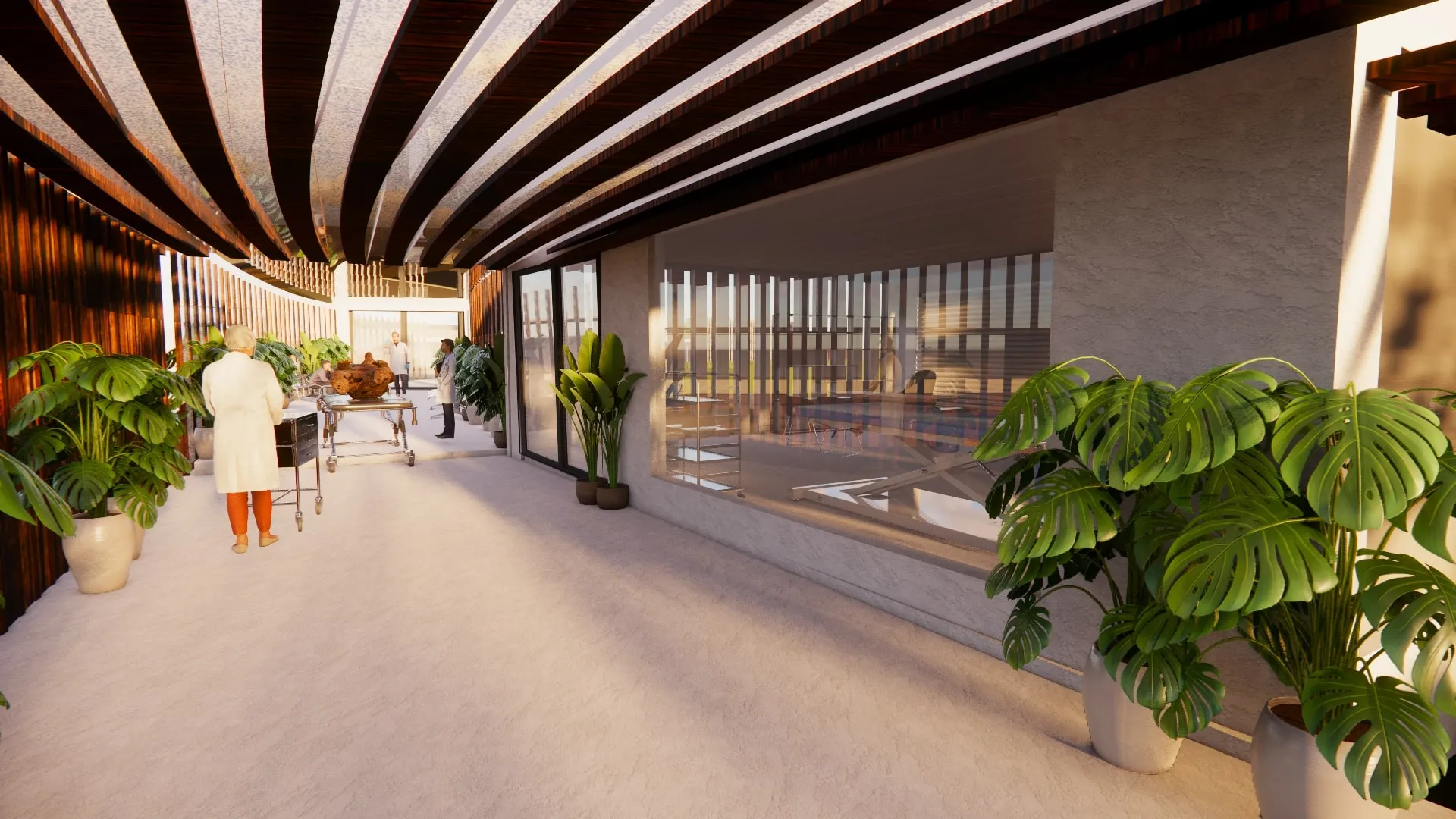
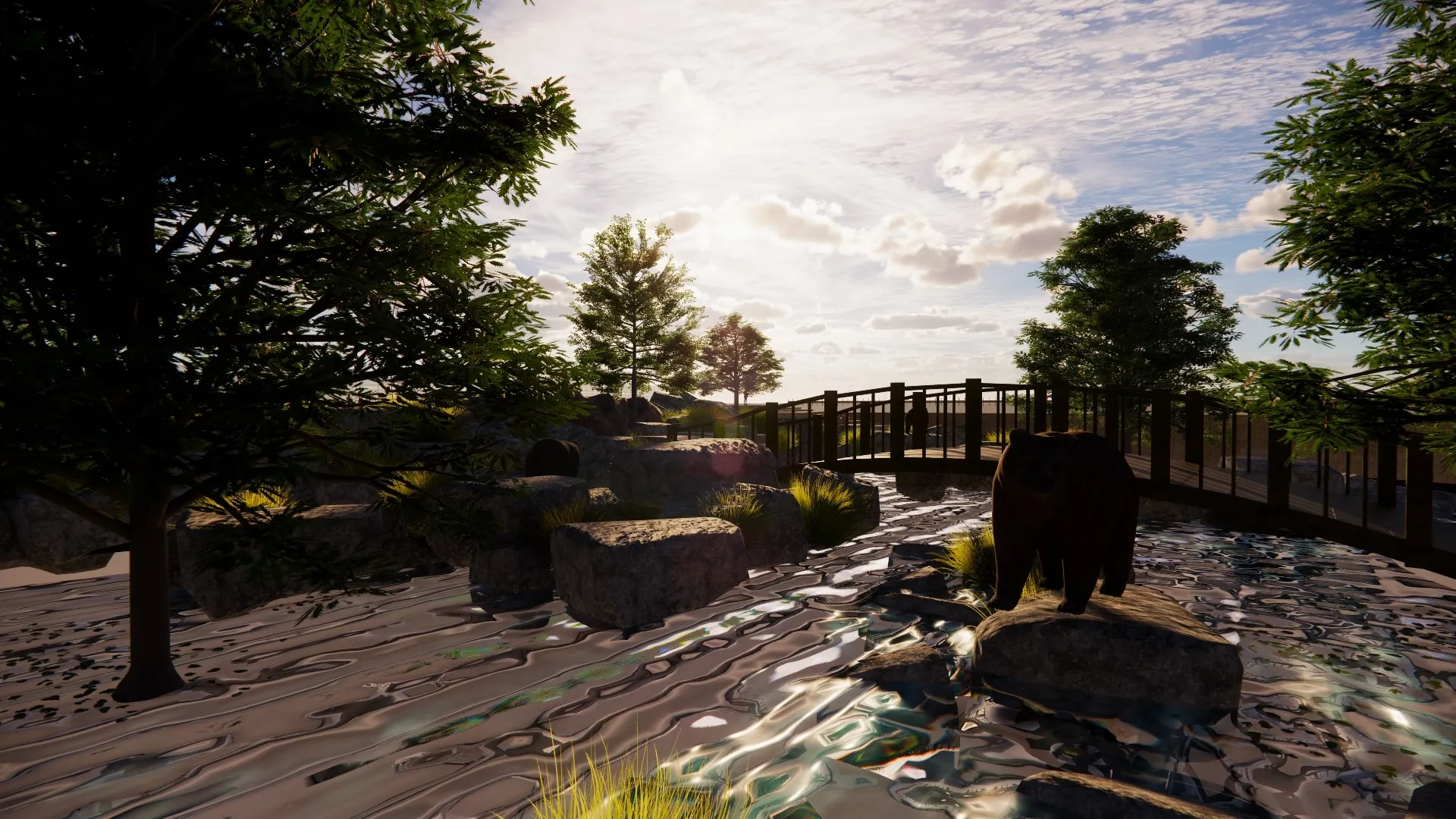


The proposal works in compliance with Islamabad National Park bylaws and IUCN Category II guidelines, which emphasize ecosystem protection with regulated visitor access. Consequently, buffer zones are created around core habitats, while elevated walkways and interpretive trails facilitate responsible human interaction. Additionally, the existing wildlife rescue center is redesigned to provide appropriate spaces for animals that cannot be reintroduced into the wild. A learning pavilion is integrated into this zone to engage visitors in wildlife education. For eco-tourism, low-impact glamping pods are installed in designated zones, ensuring a nature-immersive experience while preserving the environmental integrity of the park. This project redefines the relationship between people and protected landscapes by offering a sustainable, educational, and economically viable framework, ensuring Islamabad National Park remains a thriving habitat for wildlife while becoming an accessible and responsible destination for human experience.