Paar Channa De
Celebrating the legend of Sohni Mahiwal as an immersive architectural journey, celebrating the physical and emotional embodiment of folklore in space.
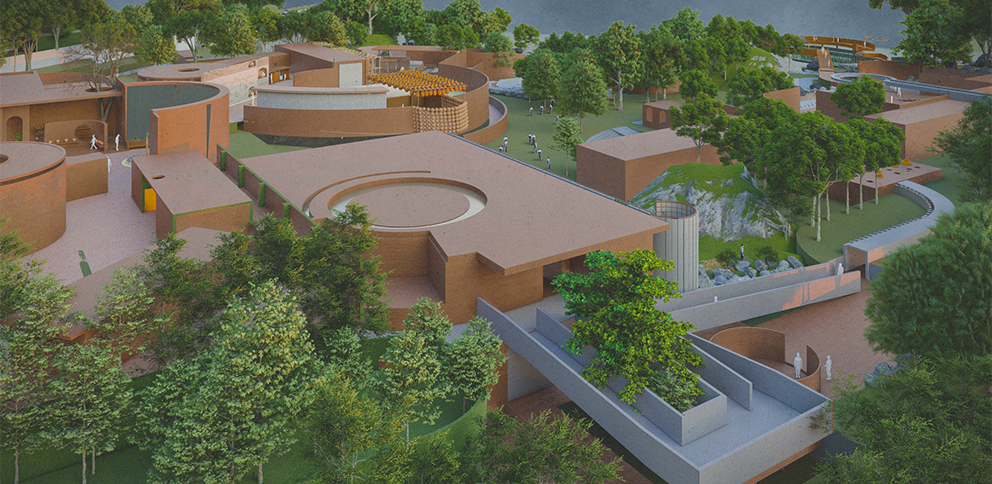
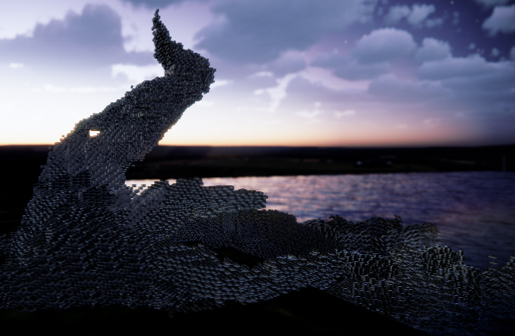
Set along the shadowed banks of the Chenab River in Gujrat, Haadia Shakeel’s undergraduate thesis reimagines the iconic Punjabi folktale of Sohni Mahiwal as an immersive architectural journey. Through spatial storytelling, sensory layering, and cultural symbolism, the design translates legend into lived experience. Architecture becomes a vessel of narrative, and movement through space transforms into an emotional path one that captures longing, love, tragedy, and identity. The title “Paar Channa De” (Crossing the Chenab) references both the literal and metaphorical crossings in Sohni’s tale and represents the journey of memory, identity, and cultural rediscovery. The project celebrates folklore not only as a story to be remembered but as one to be physically experienced and emotionally embodied.
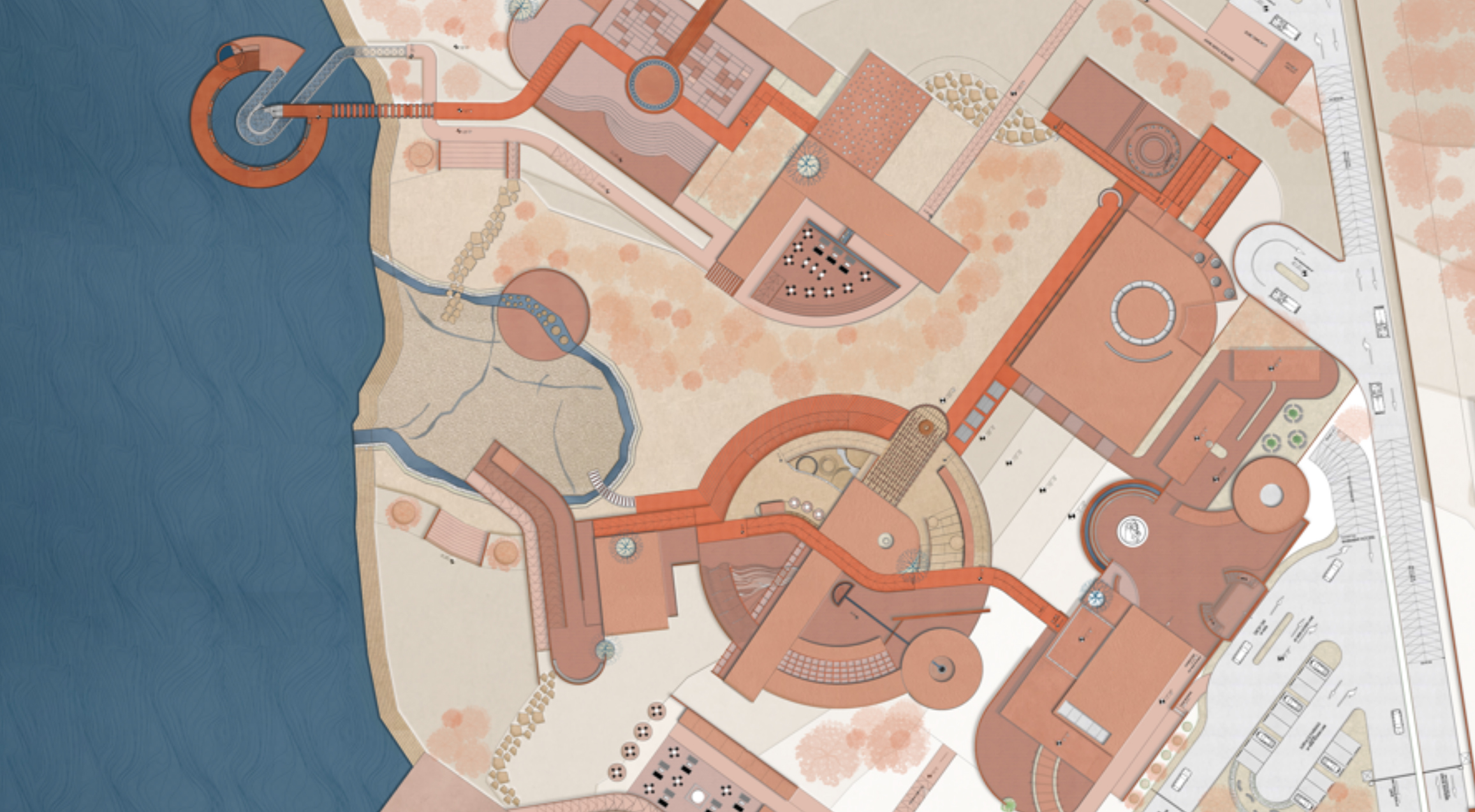
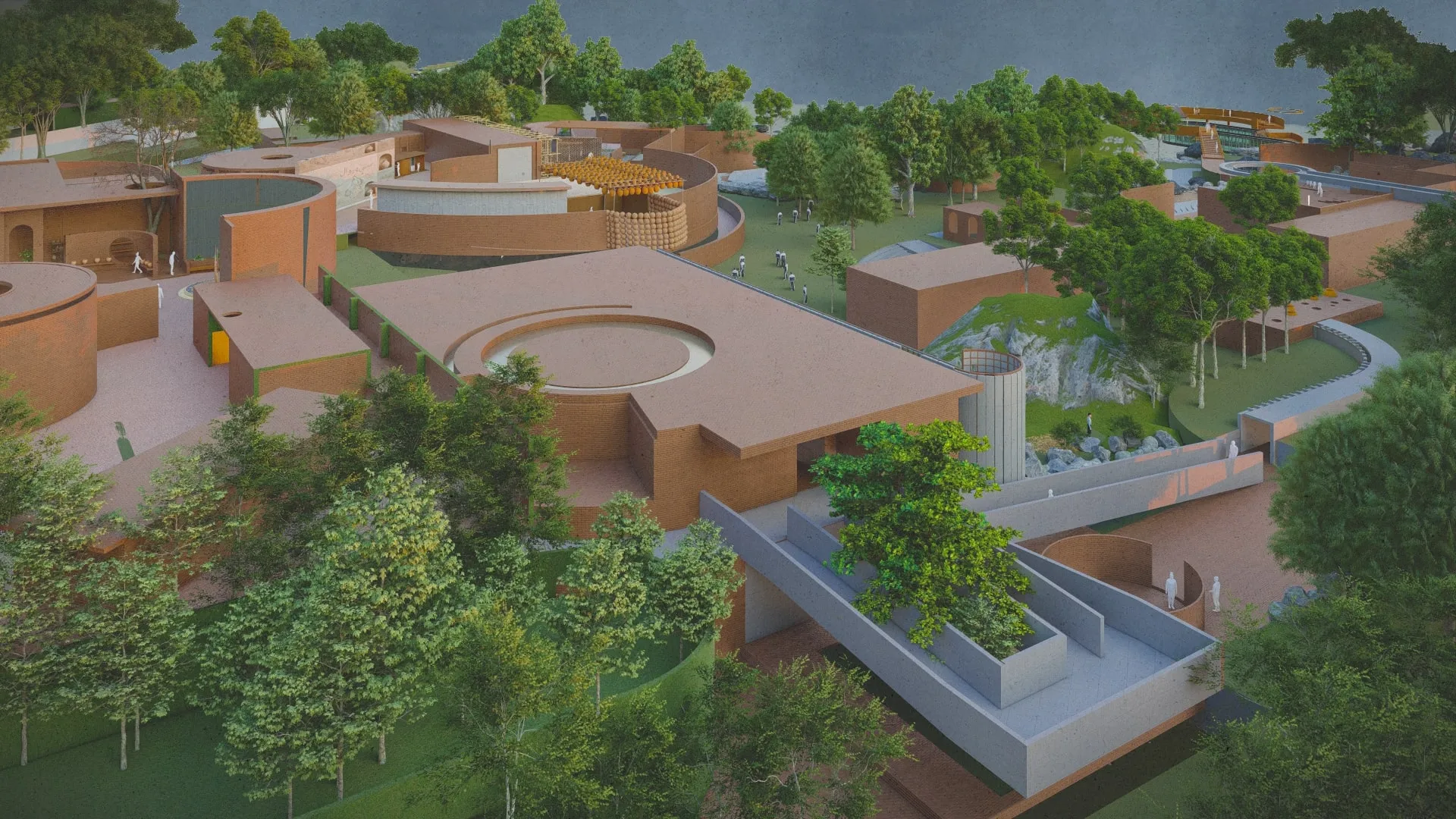
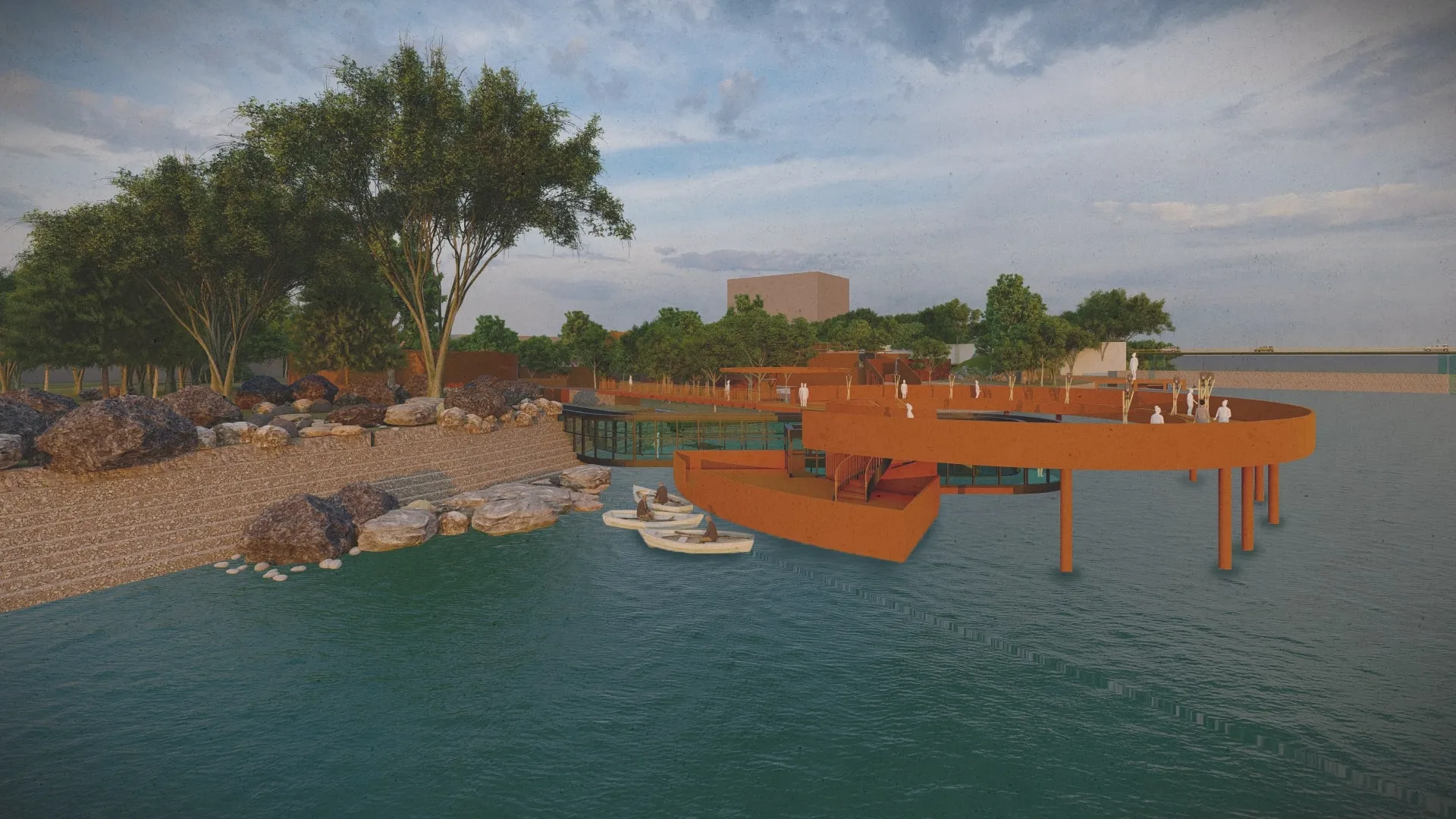
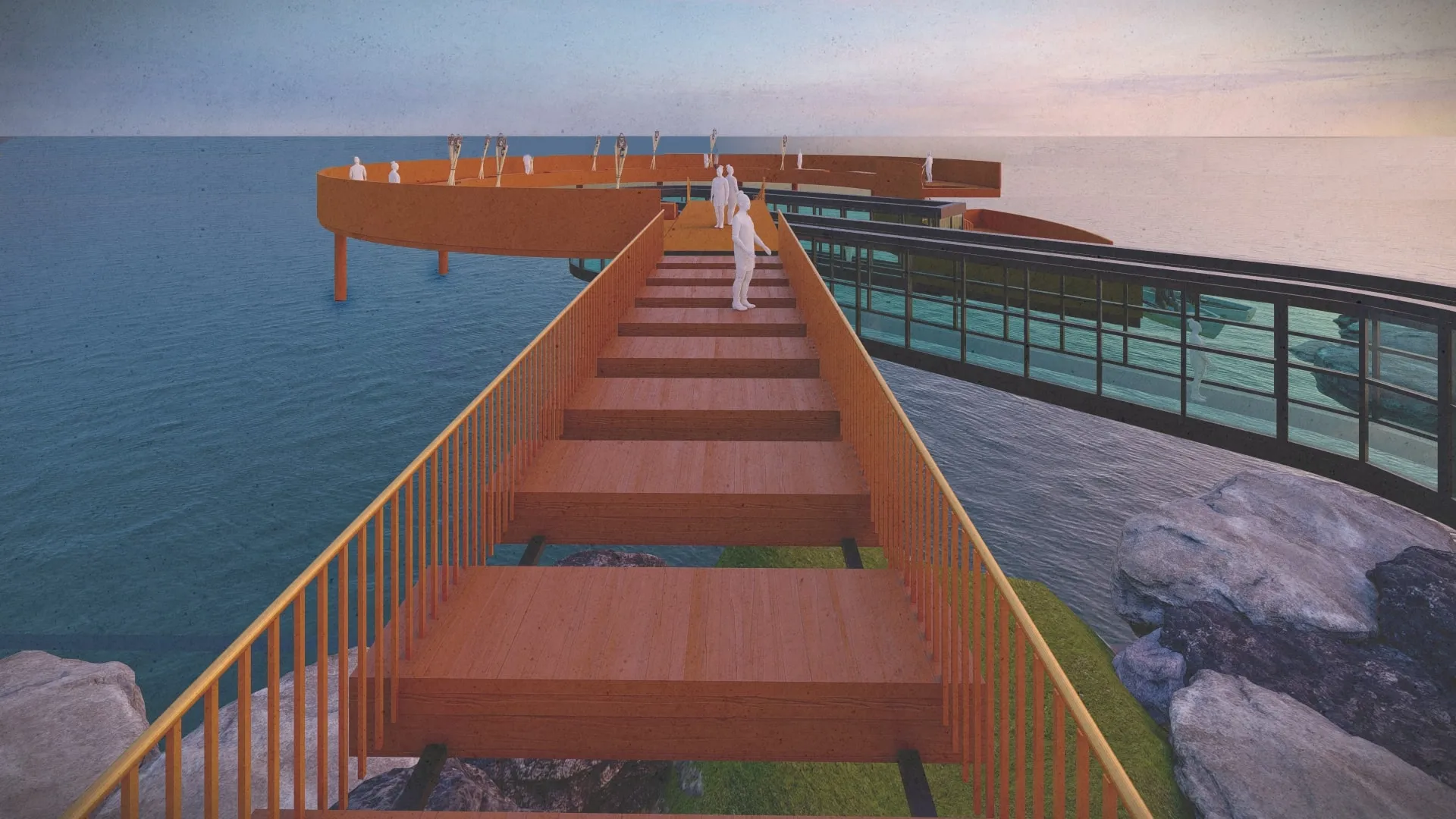
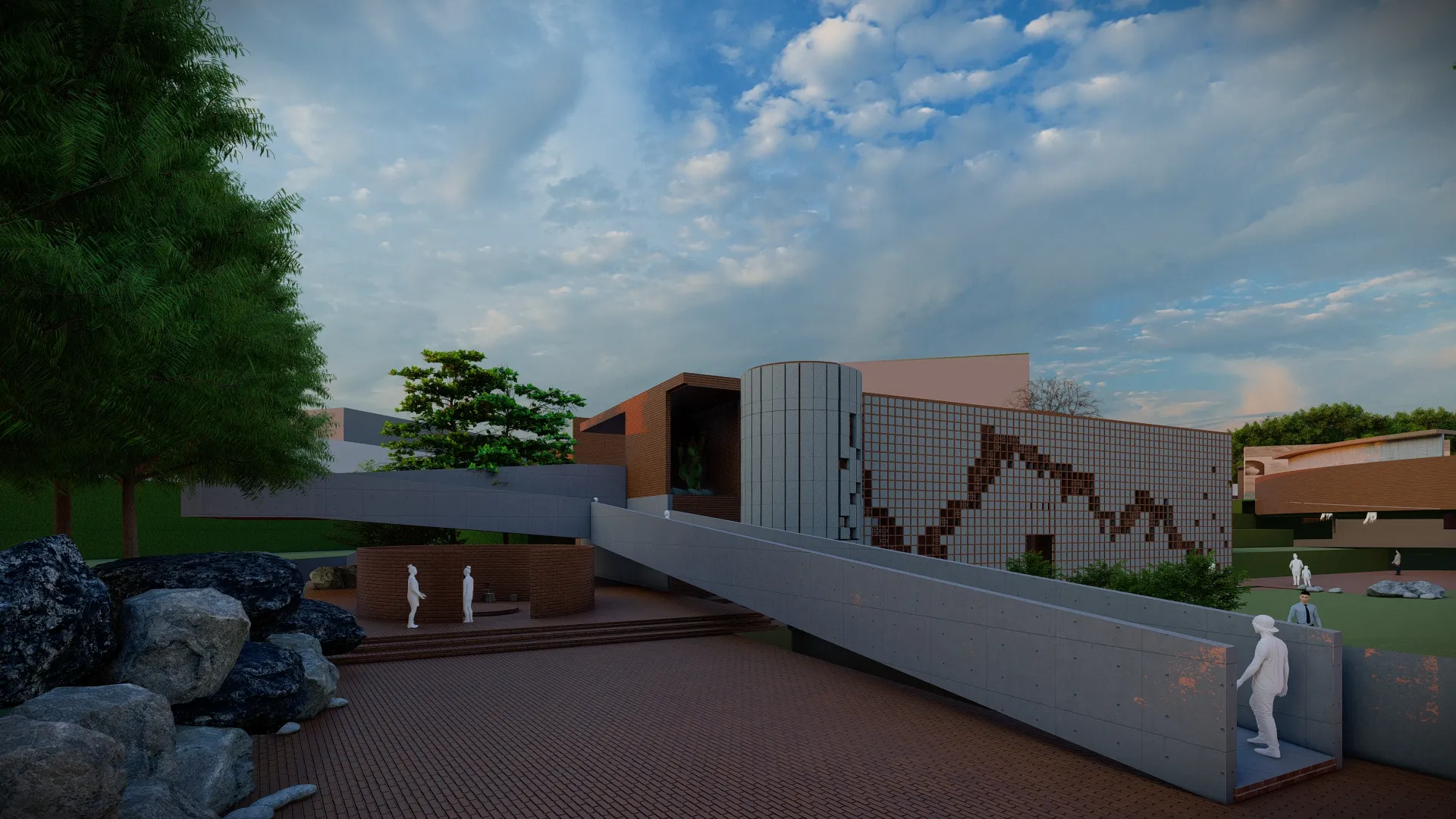
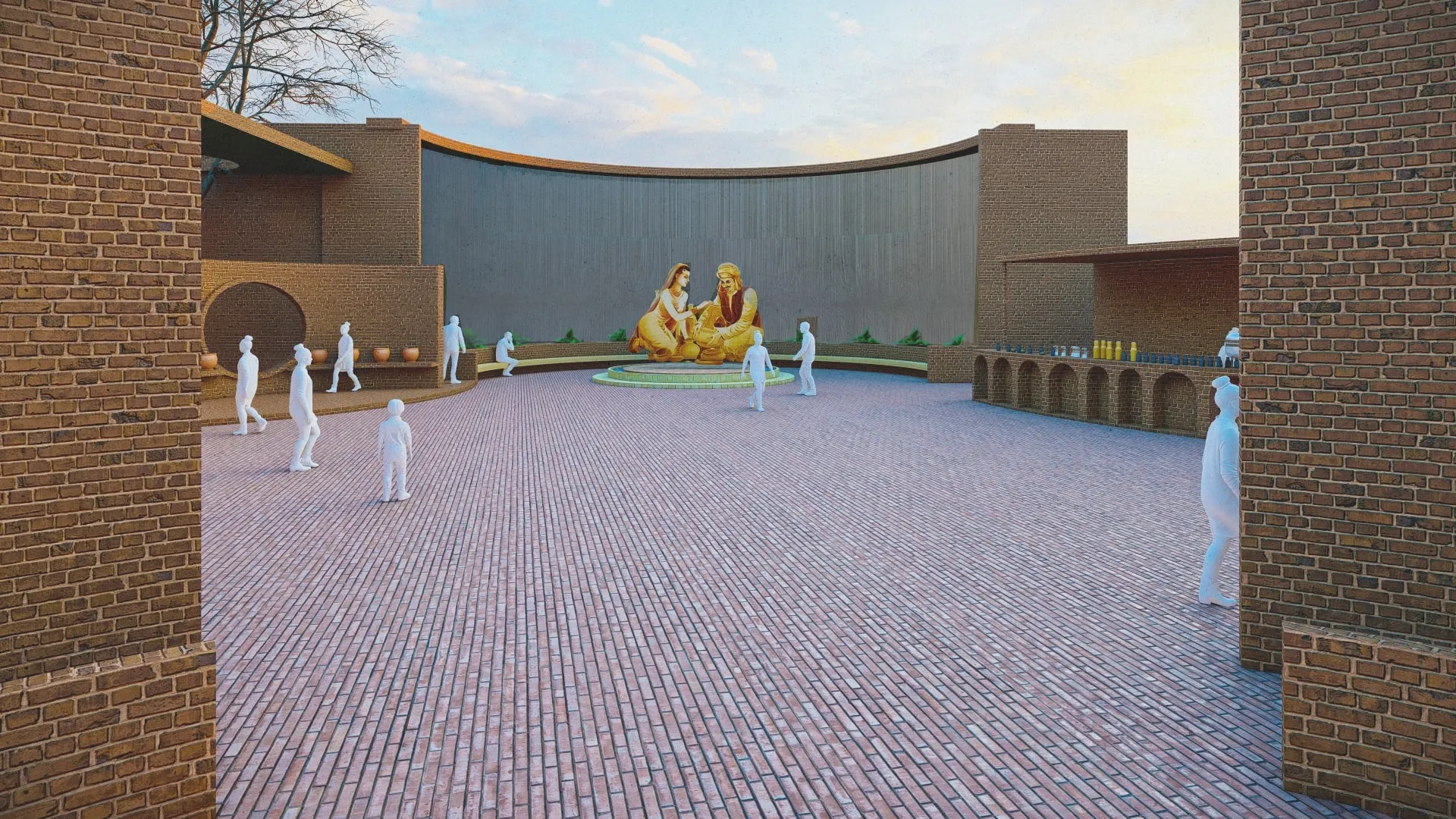
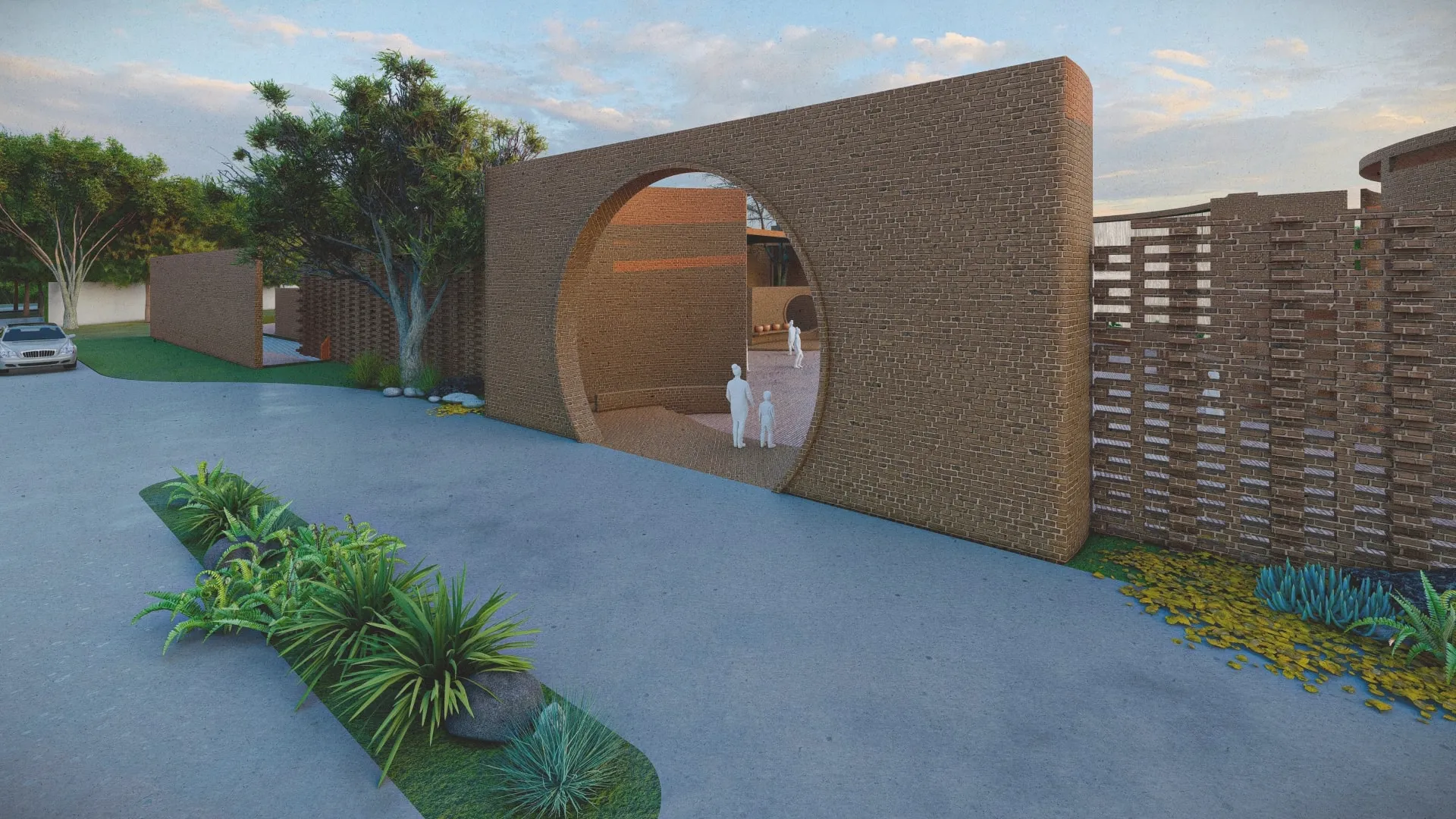
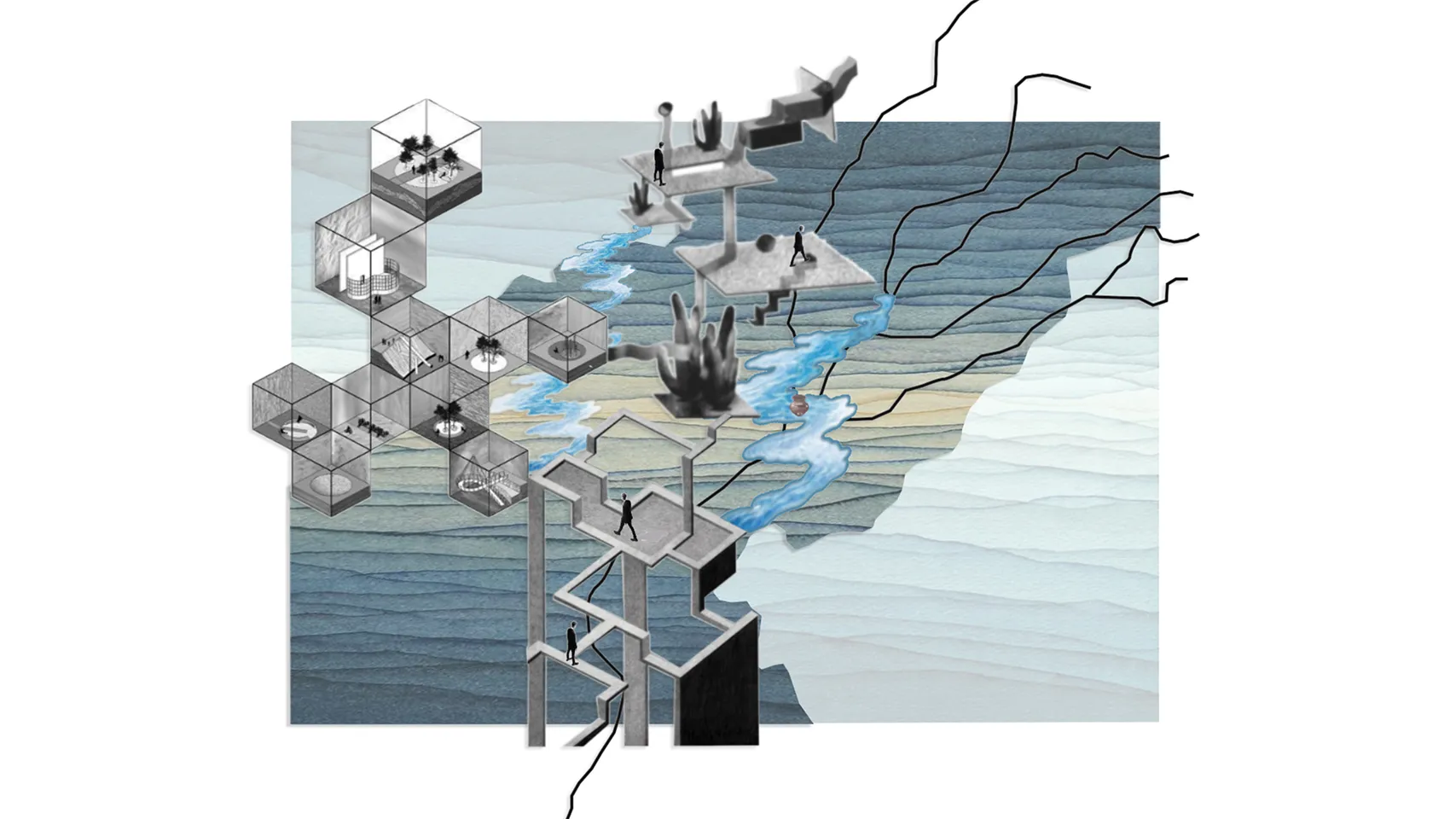
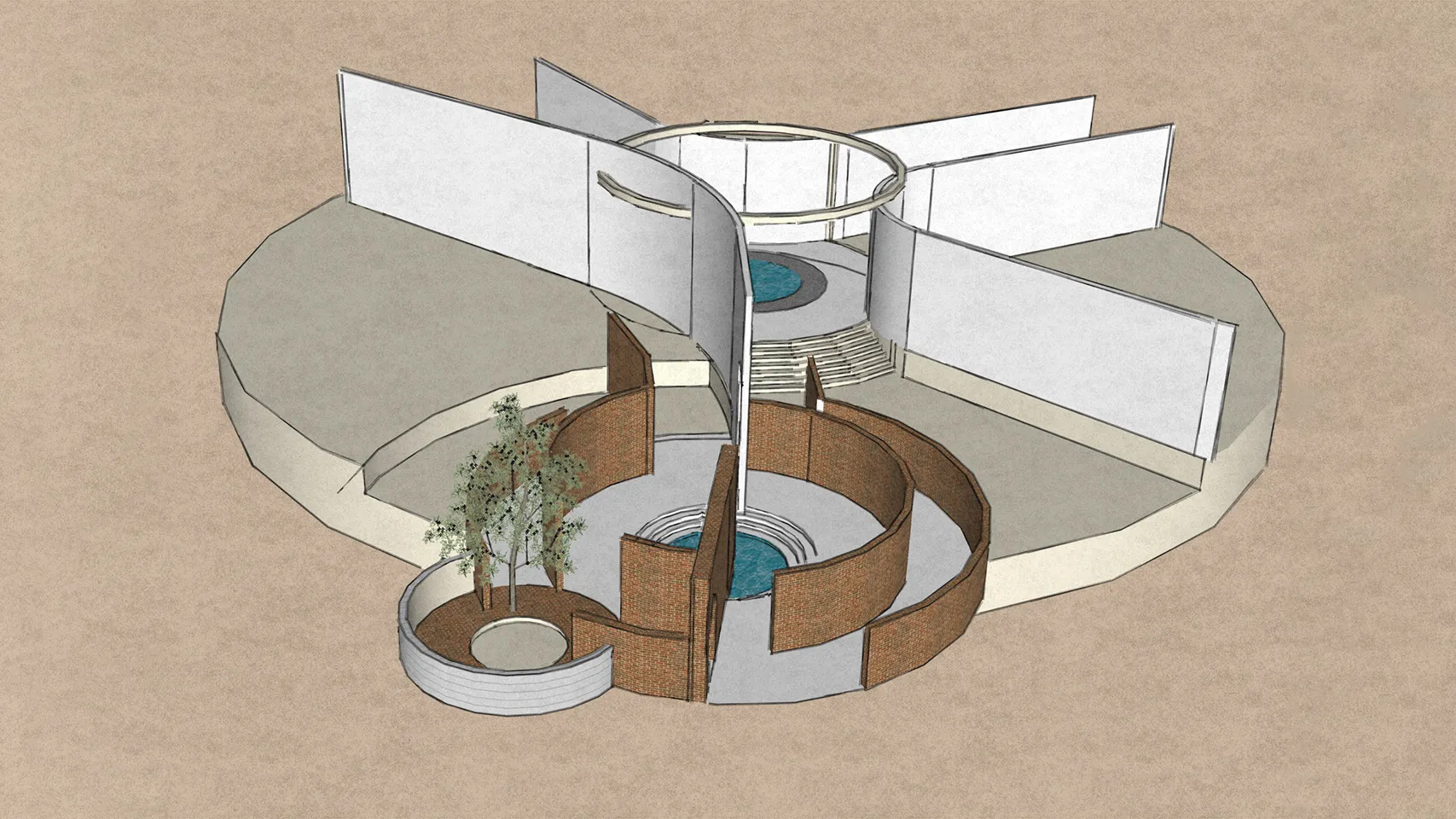
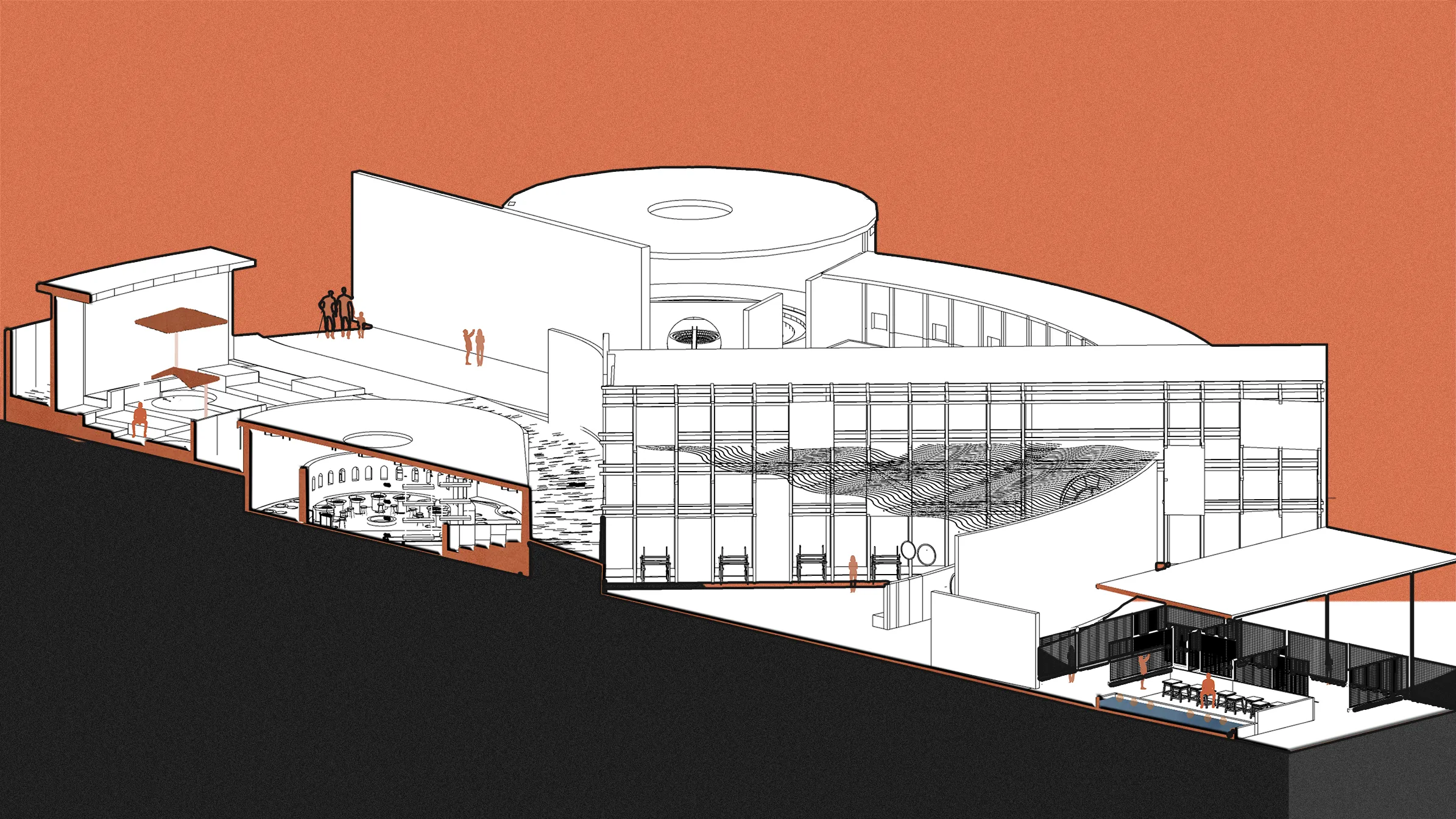
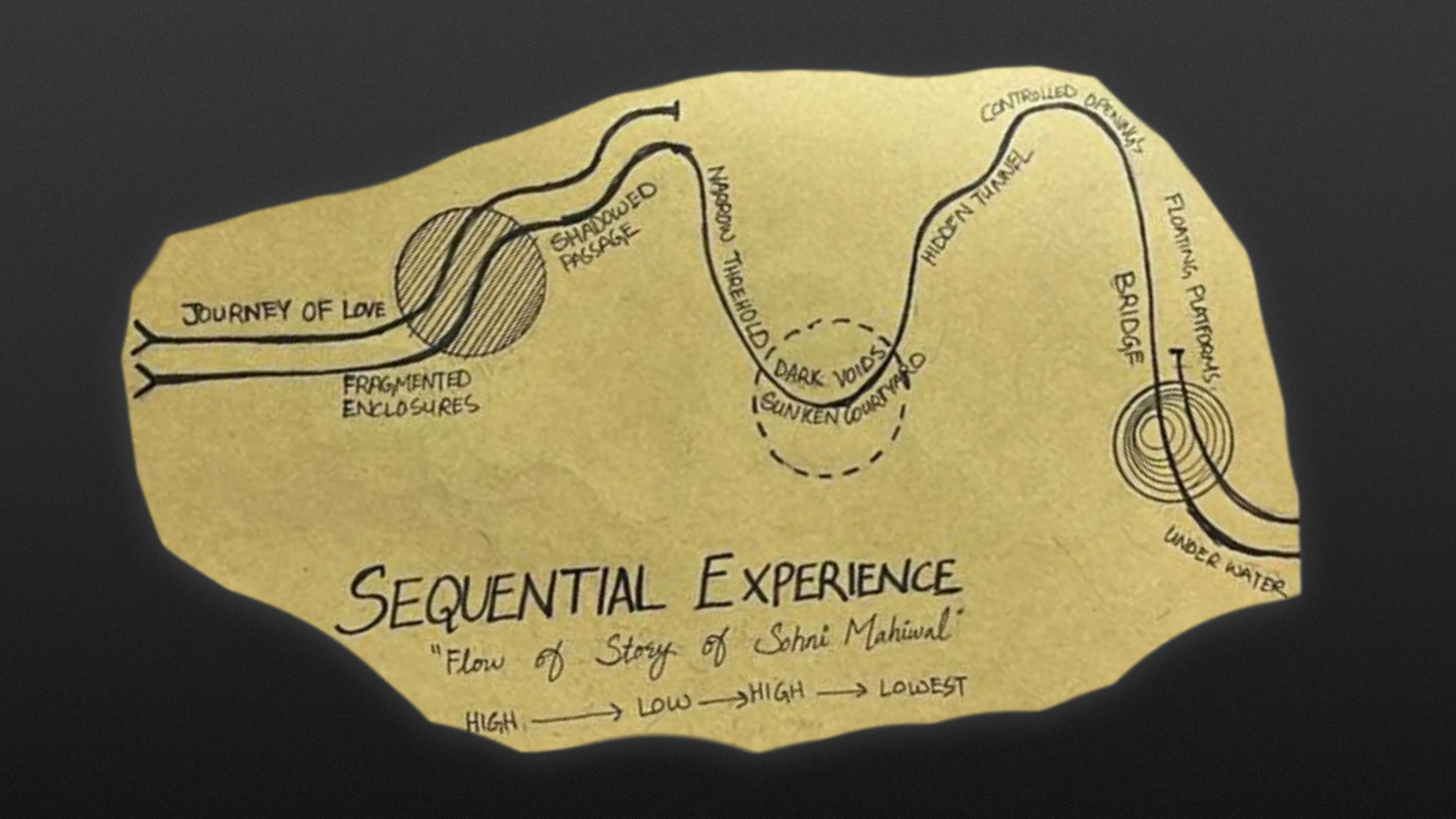



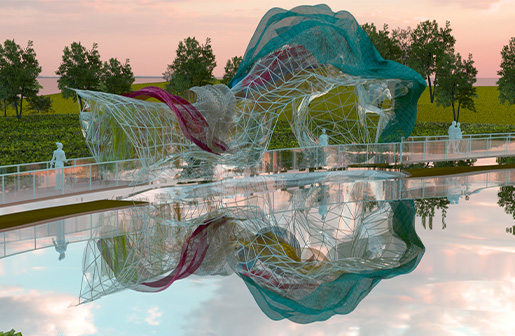
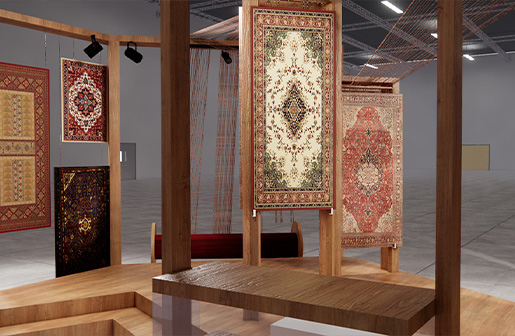
The project began with a handcrafted storyboard developed after deep narrative analysis. Fourteen distinct scenes were extracted from the Sohni Mahiwal folktale, each carrying symbolic and spatial significance. These scenes were translated into architectural experiences throughout the journey curated through light, material, transitions, and form. The spatial sequence is divided into three major thematic pavilions. Caravanserai of Crafts serves as a vibrant threshold space representing arrival, rooted in community, where local artisans and crafts are celebrated through interactive kiosks and performances. Gardish-e-Khamoshi is a contemplative spiral gallery and ramp structure capturing the silence and emotional weight of Sohni’s nightly crossings. The spatial language shifts to shadows, echoes, and textured concrete, evoking solitude and suspense. Manzar-e-Hijr stands as an open-air observation deck that curves over the riverbank, marking the climactic separation and final plunge in the story. It becomes a site of stillness, reflection, and visual awe.
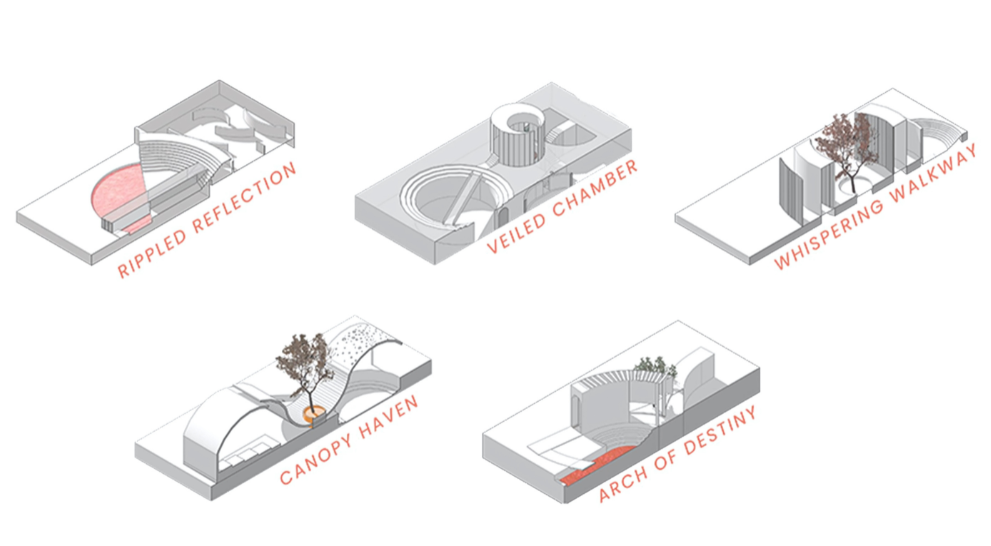
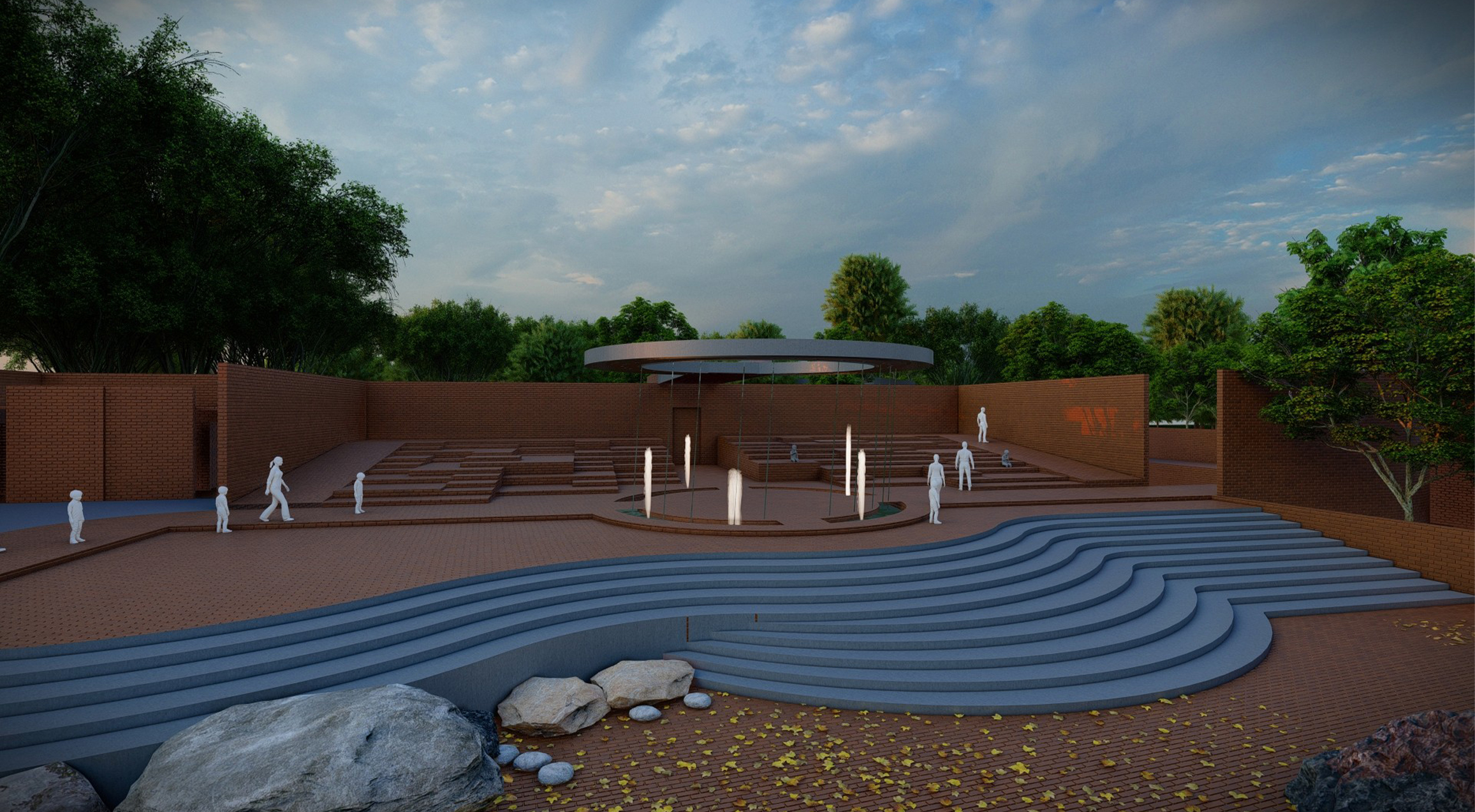
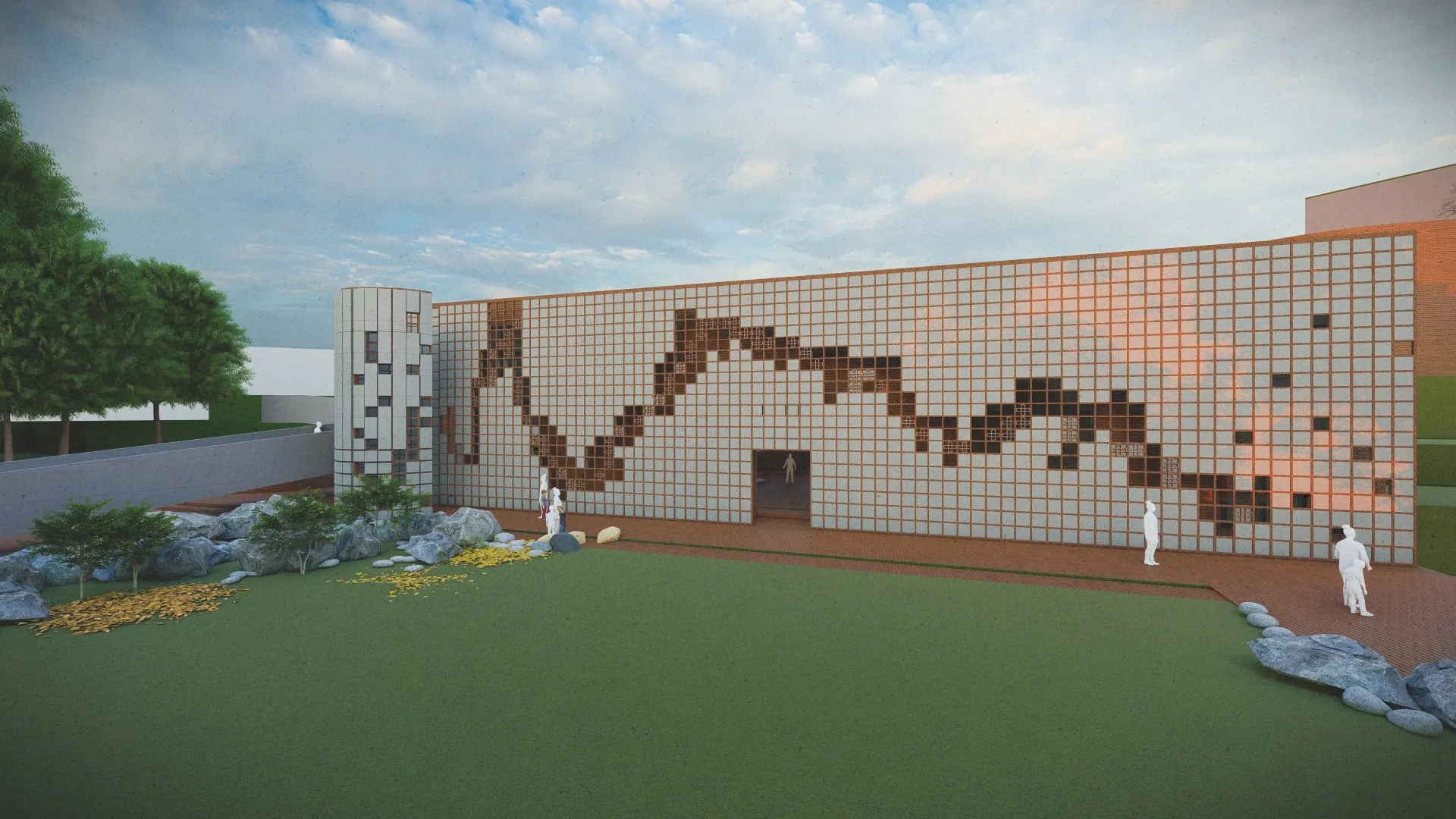
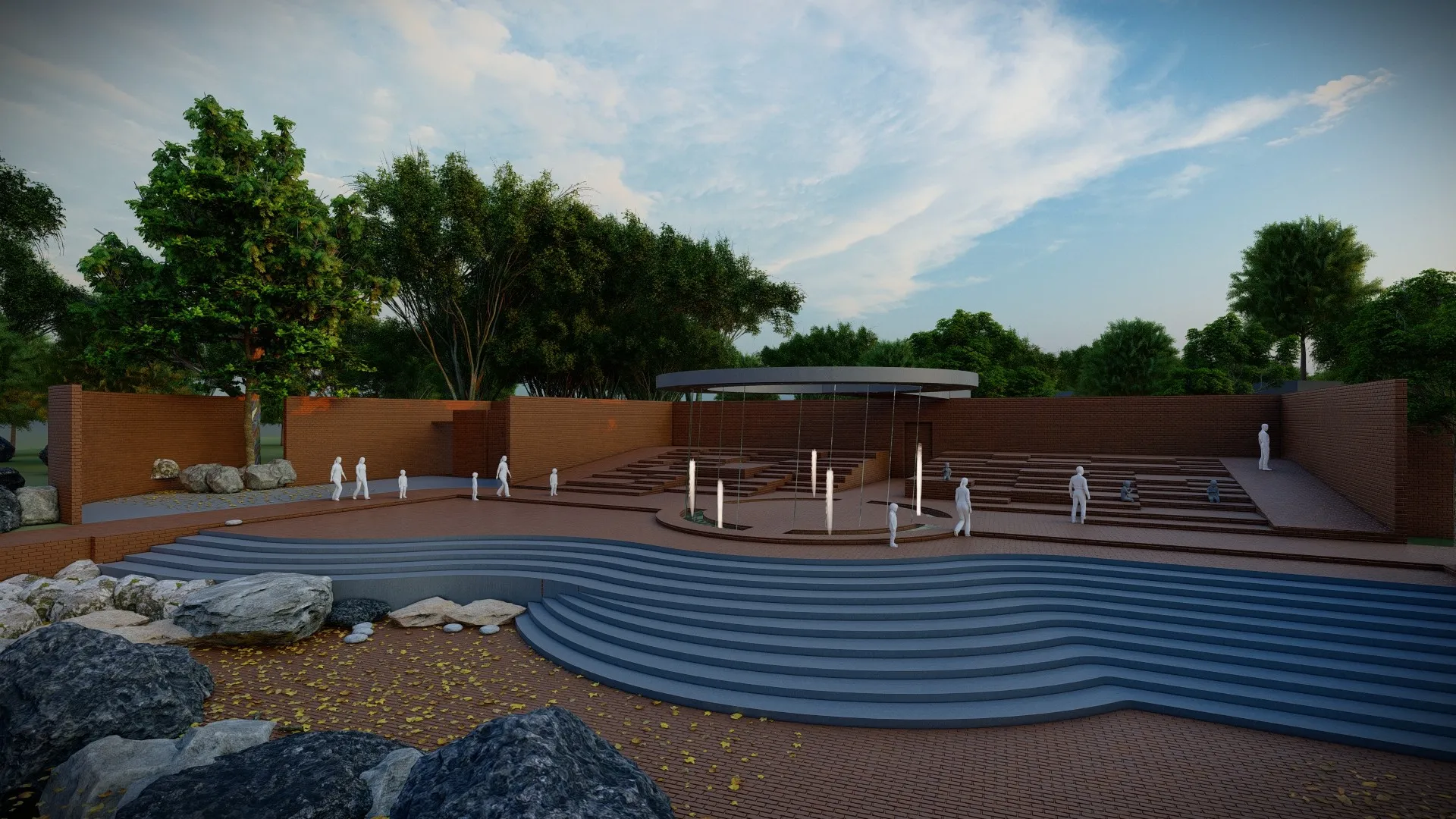
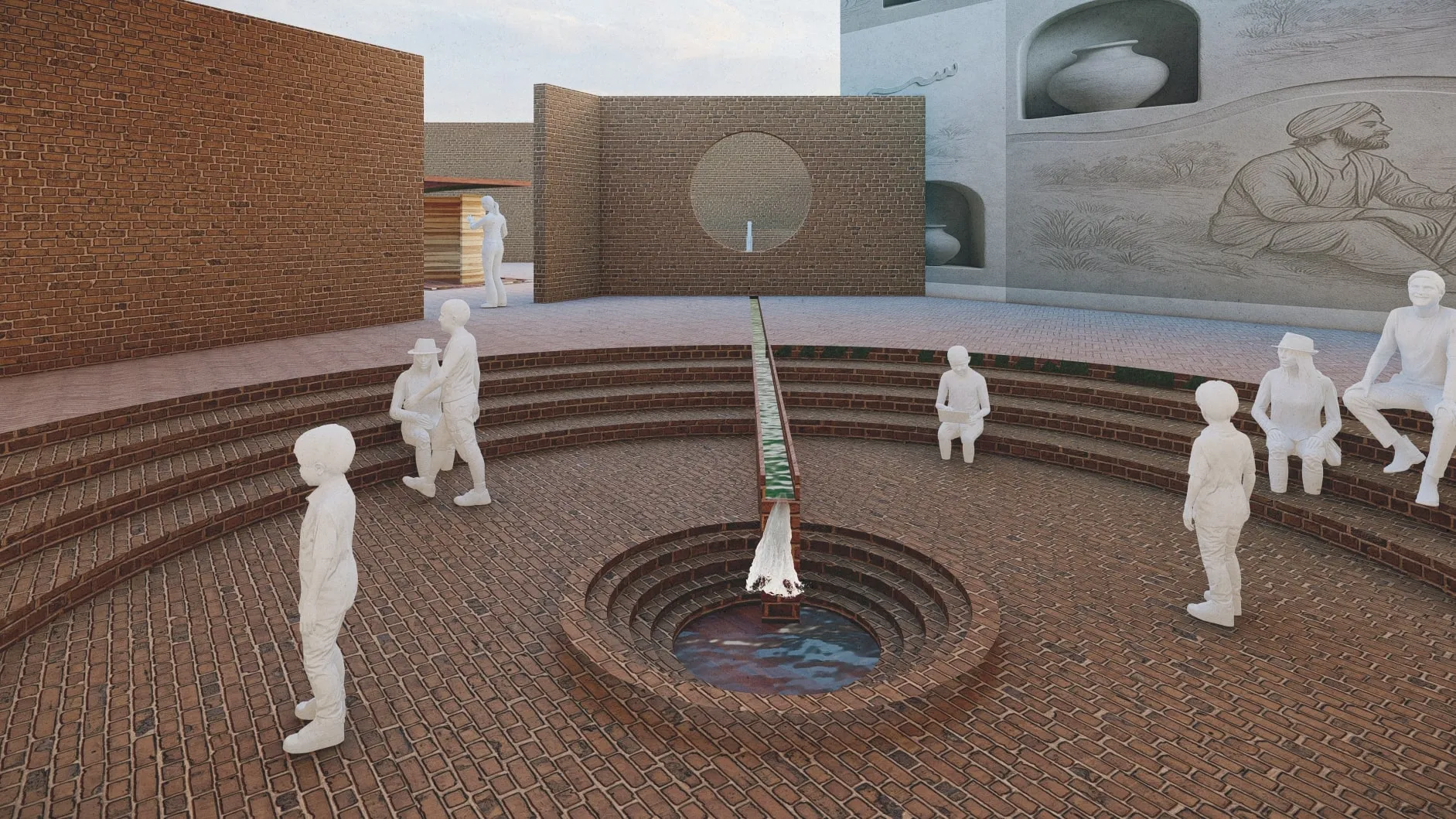
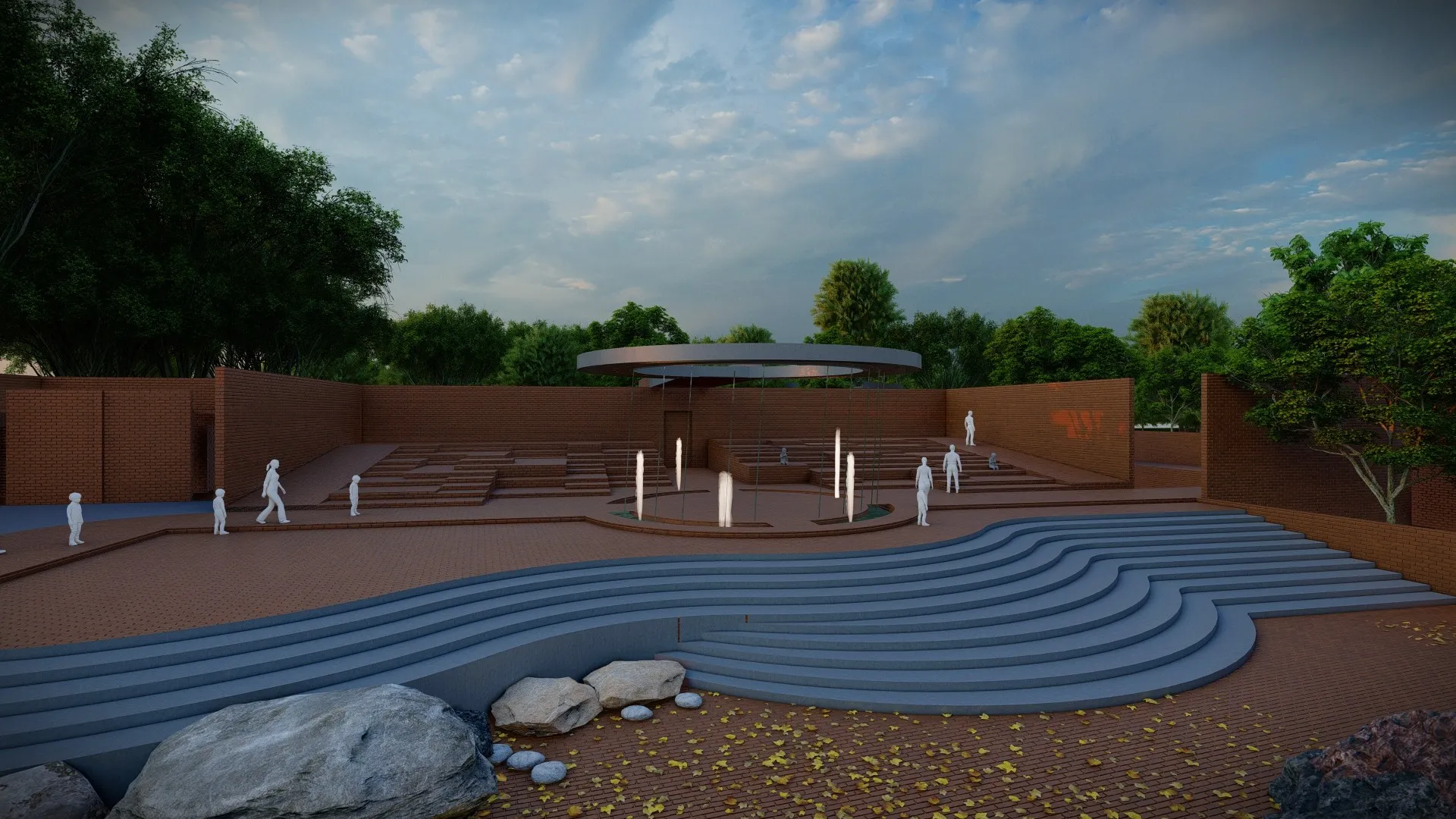
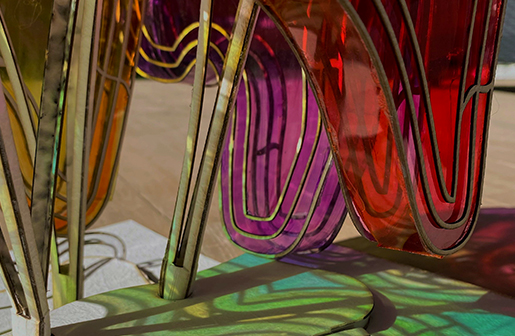
Materiality was central to the design, with burnt brick, stone, terracotta, handmade tiles, mud plaster, jute, and wood ensuring authenticity, vernacular richness, and sustainability. Textures shift along the journey to mirror emotions—from raw and coarse to soft and polished. The design incorporates sensory spaces to deepen engagement, starting with a barefoot riverbed trail that evokes the vulnerability of Sohni’s crossings. The Paar Chanaa De Amphitheater hosts oral storytelling, music, and folk performances under the open sky, while craft kiosks let visitors witness artisans at work and join in making. Food spaces celebrate regional culinary heritage and communal dining, while shaded rest zones, water channels, and rock gardens enhance the atmosphere. Addressing the disconnect between urban life and cultural roots, the project is a multisensory, narrative-based solution merging architecture with folklore. More than a built form, it is an experiential storybook where traditions, crafts, and emotions live on. Paar Channa De invites visitors to walk through love, loss, and legacy, reimagining architecture as cultural preservation, storytelling, and identity revival.