Rethinking Architecture of Worship
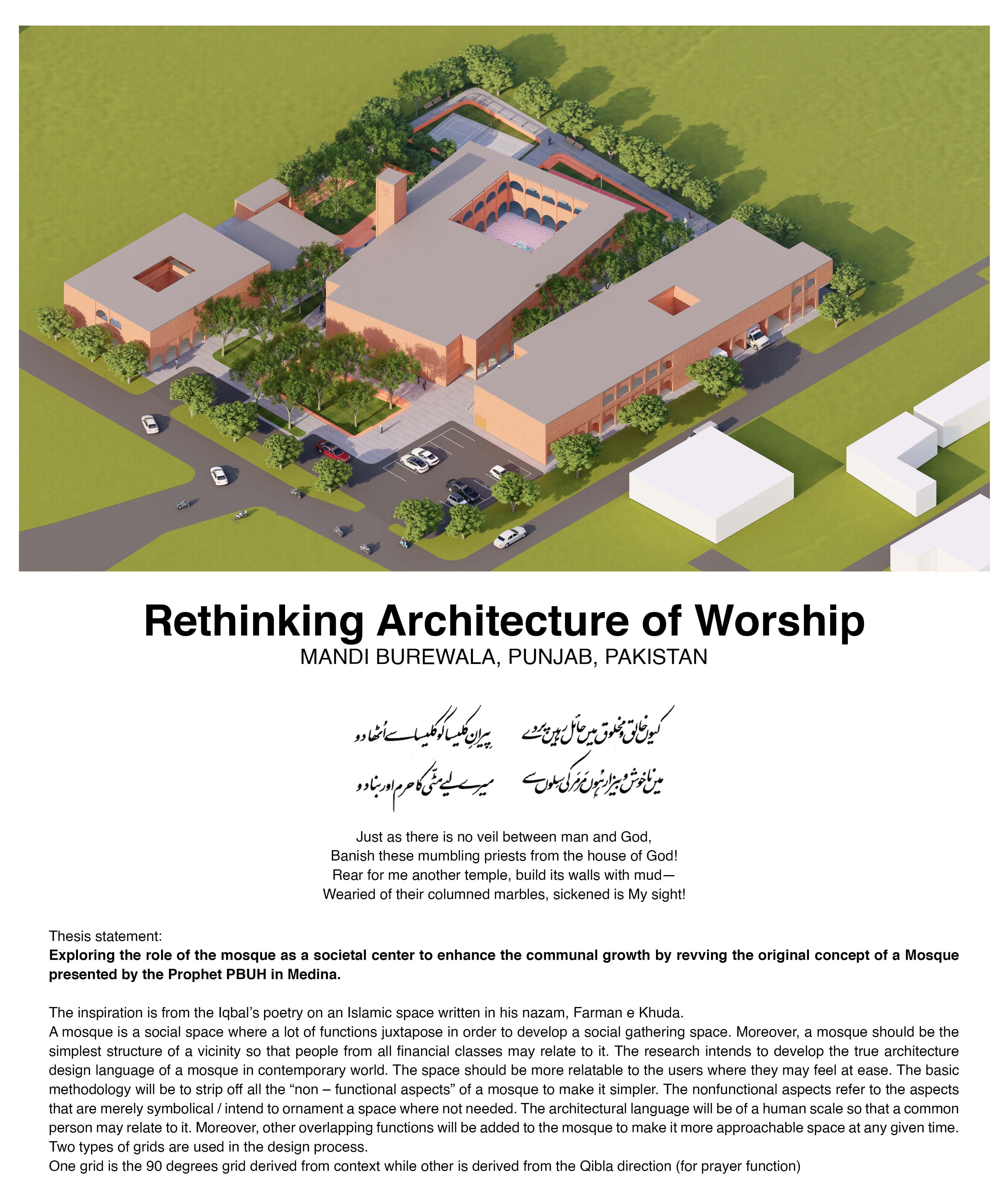
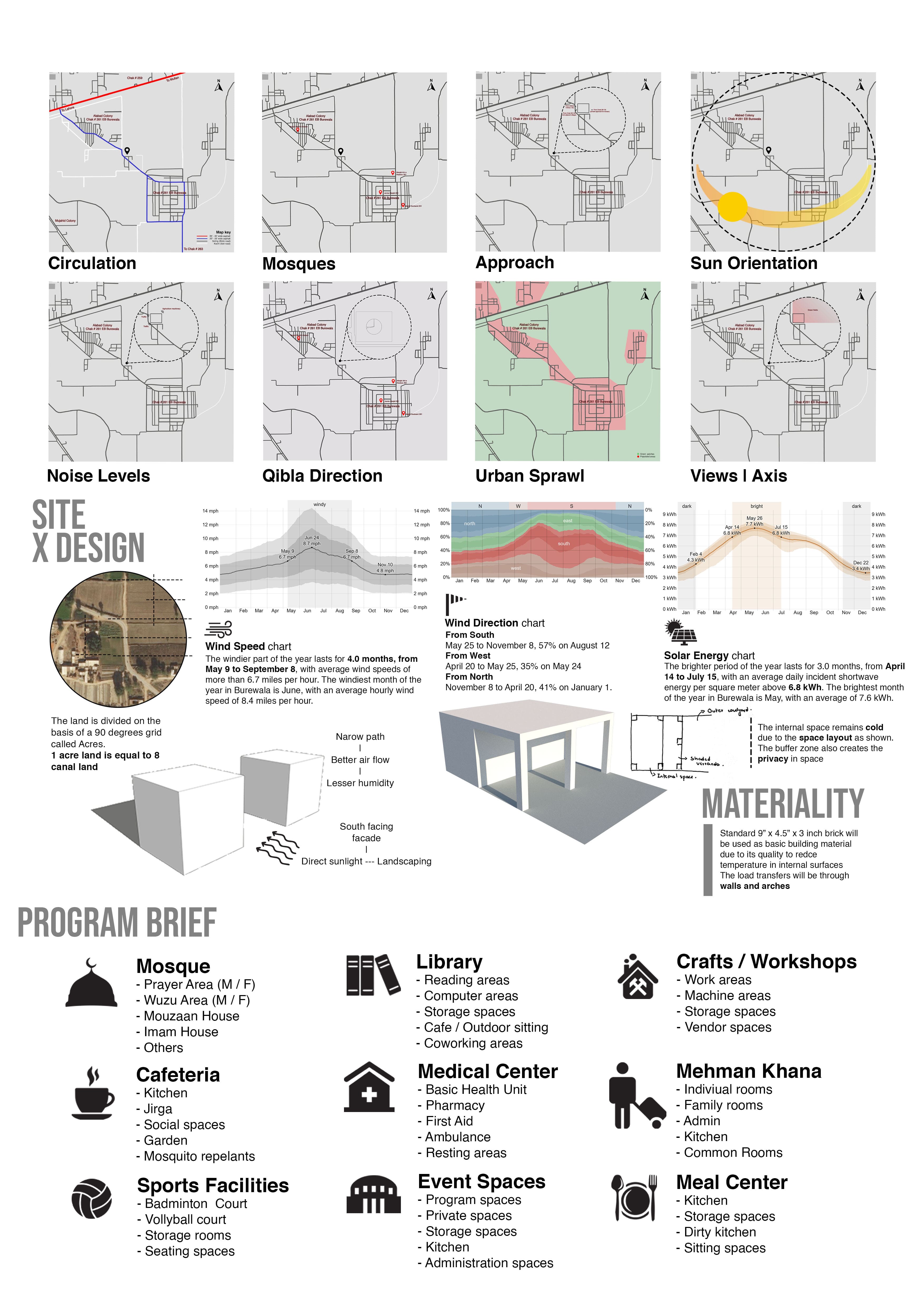
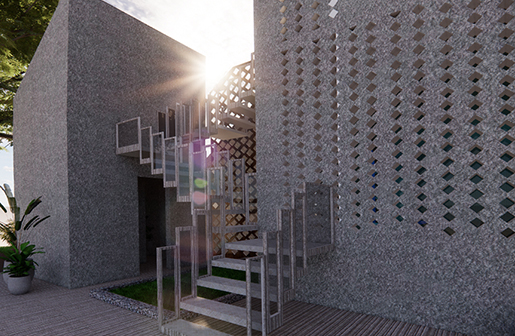
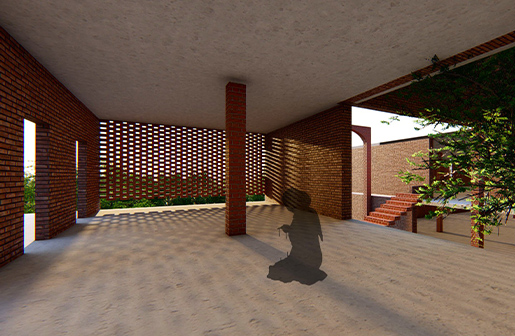
Exploring the role of the mosque as a societal center to enhance communal growth by reviving the concept of a Mosque presented by Prophet (PBUH) in Medina.
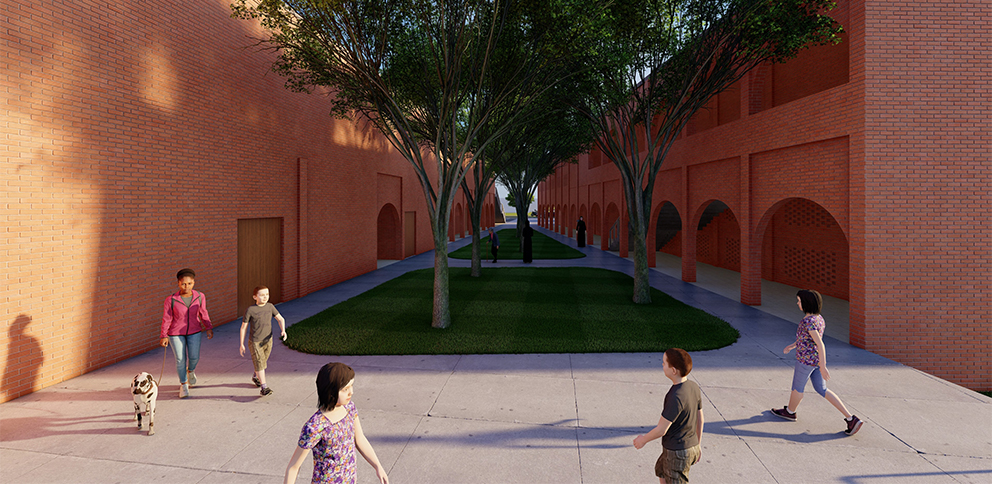
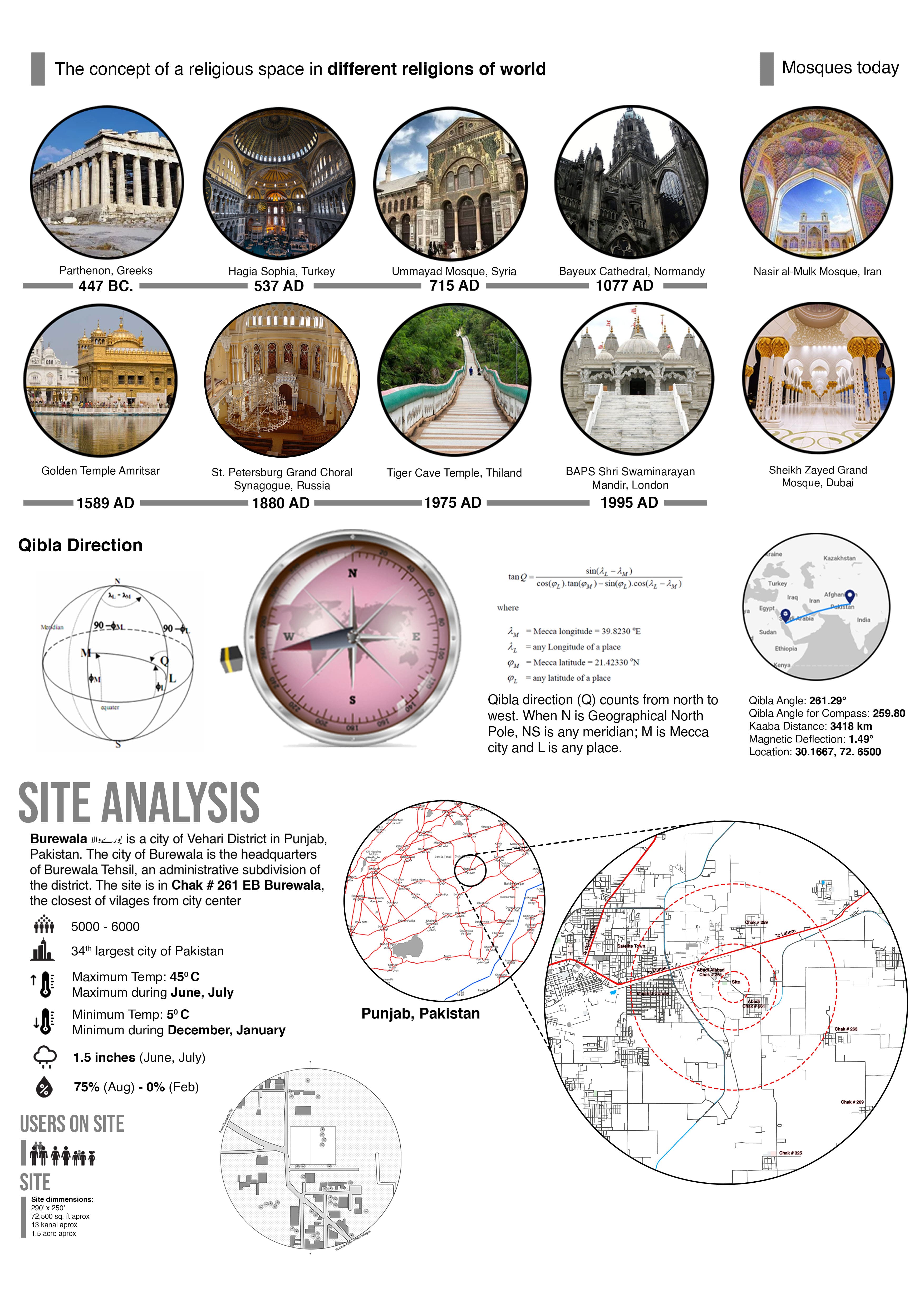
The architecture of Islamic spaces starts from the Prophet PBUH’s mosque in Medina. It was a center for religious as well as all the secular affairs of the state. It was made following the concept of functionality and juxtaposition of spaces. However, as the Islamic state expended, the religious spaces of other religions were converted into mosques the prominent example being Umayyad Mosque in Damascus and Hagia Sophia in Turkey etc. The mosque architecture was later developed in golden period of Islam, but it gradually turned into a religious center only and the social aspects were neglected.
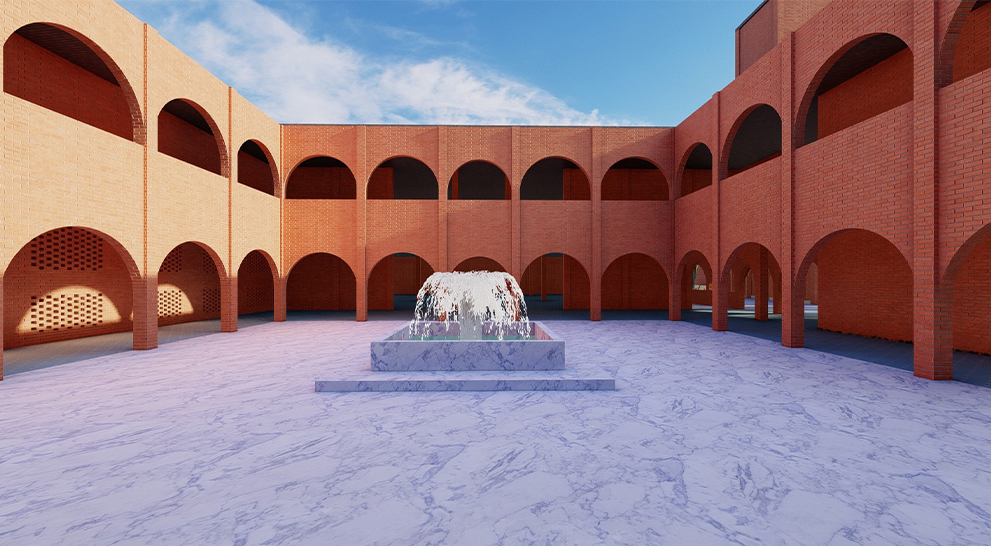
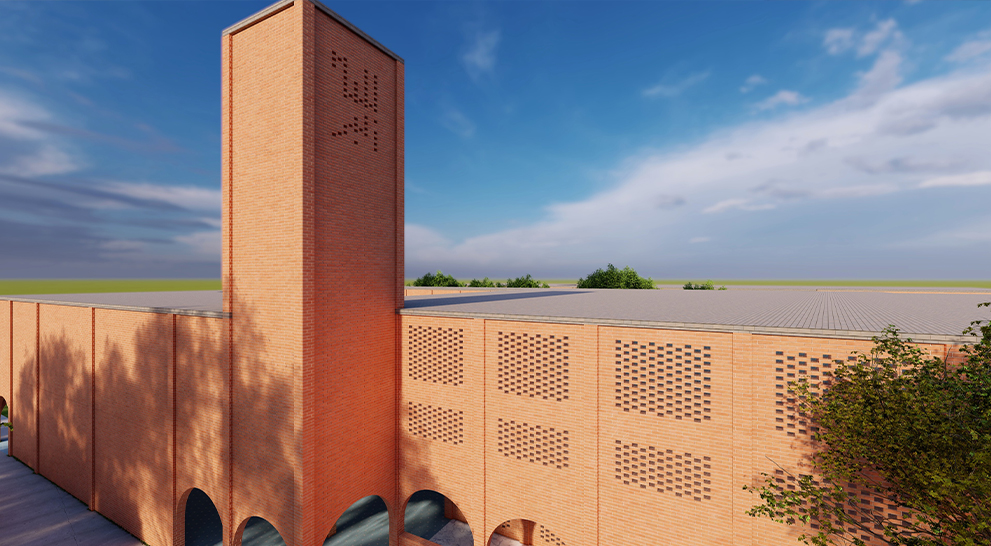
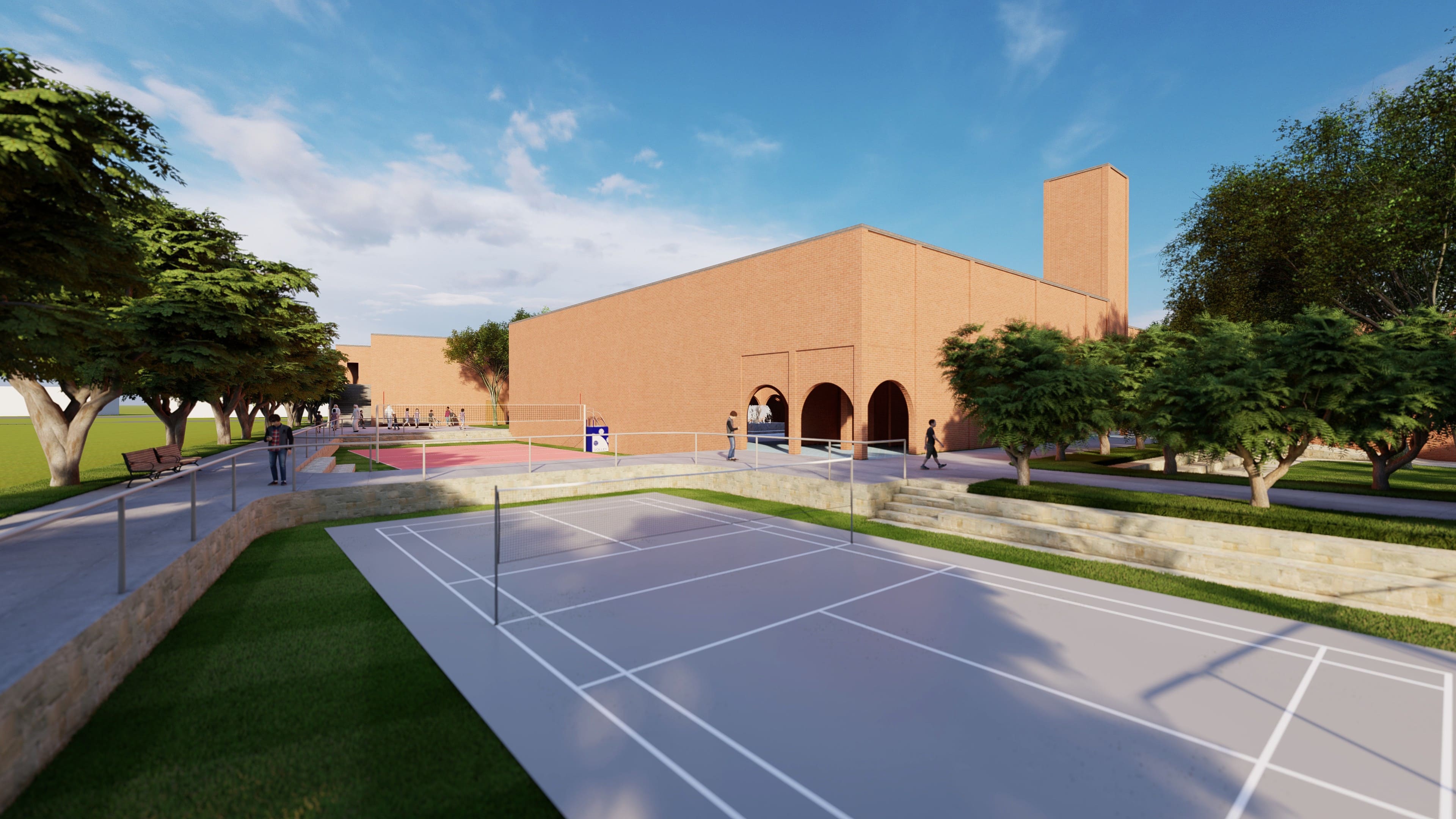
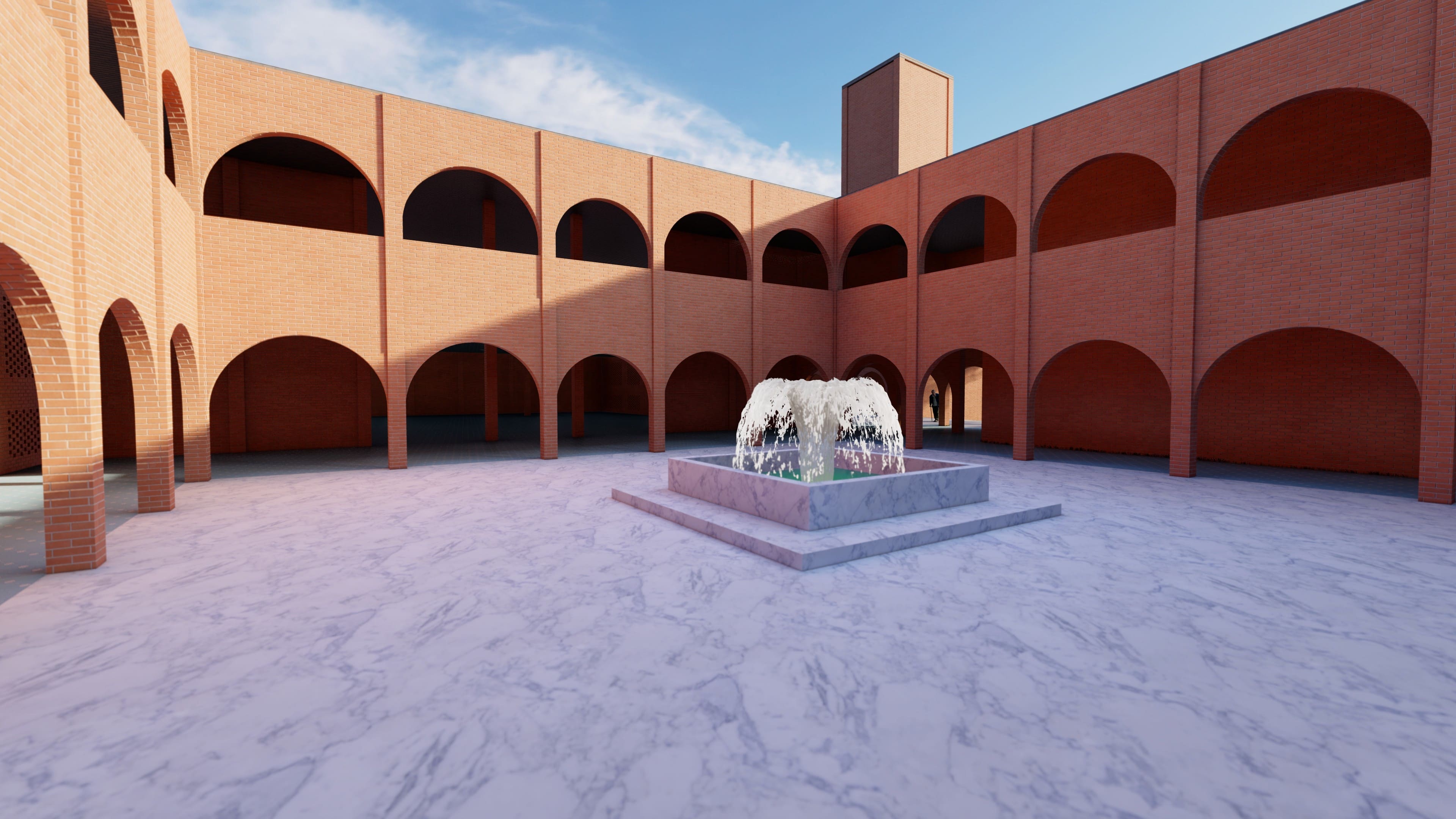
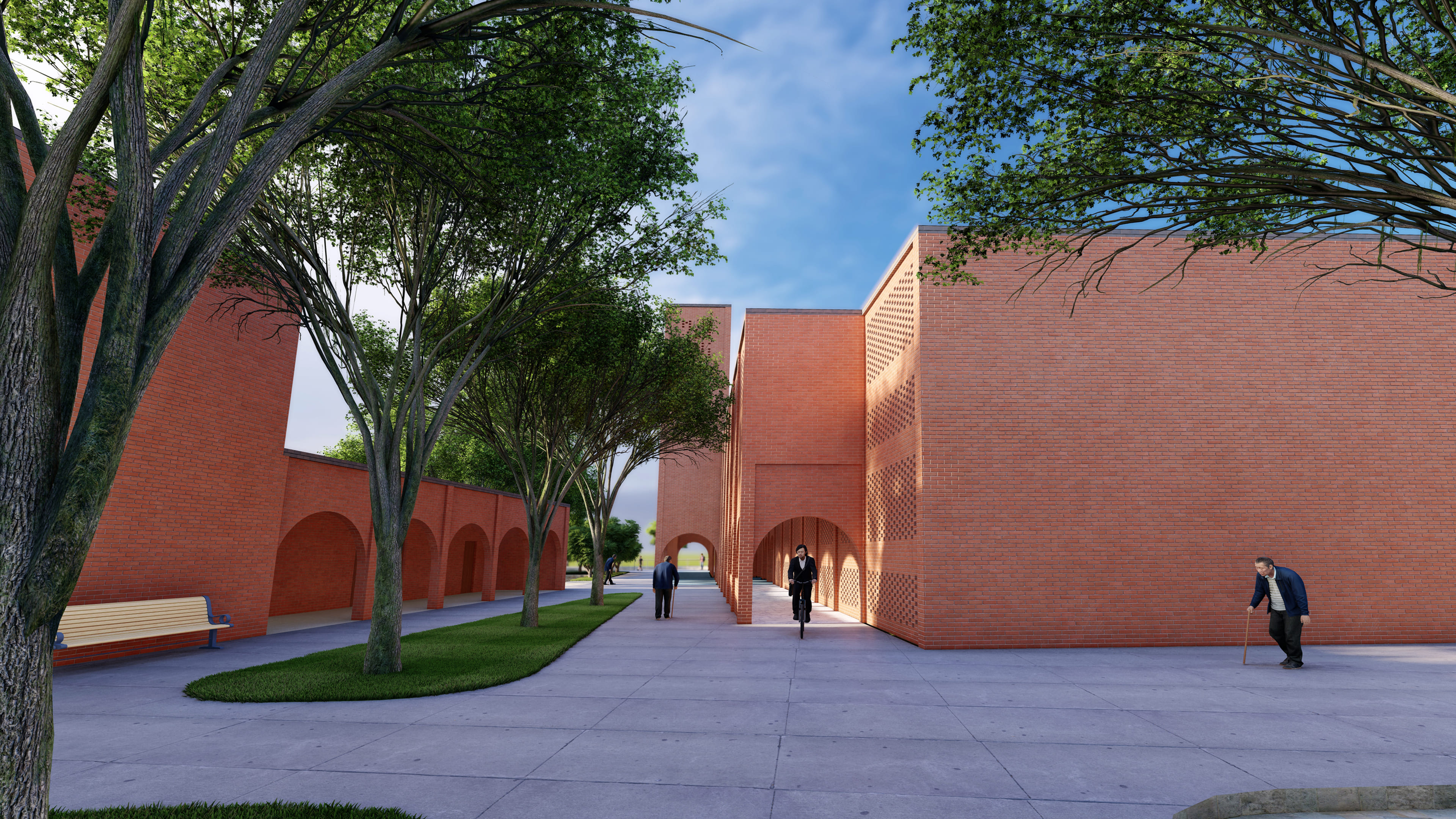
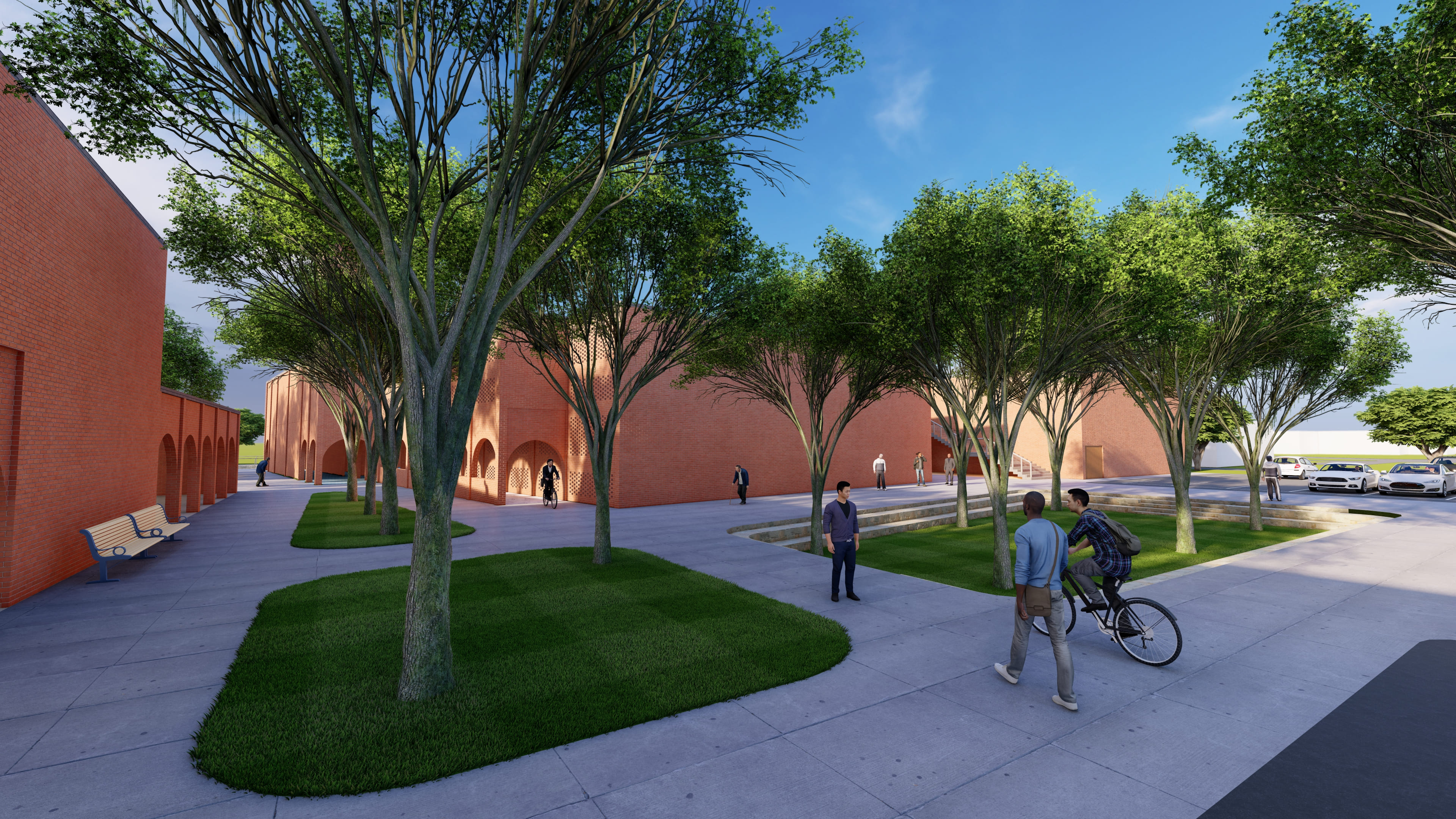
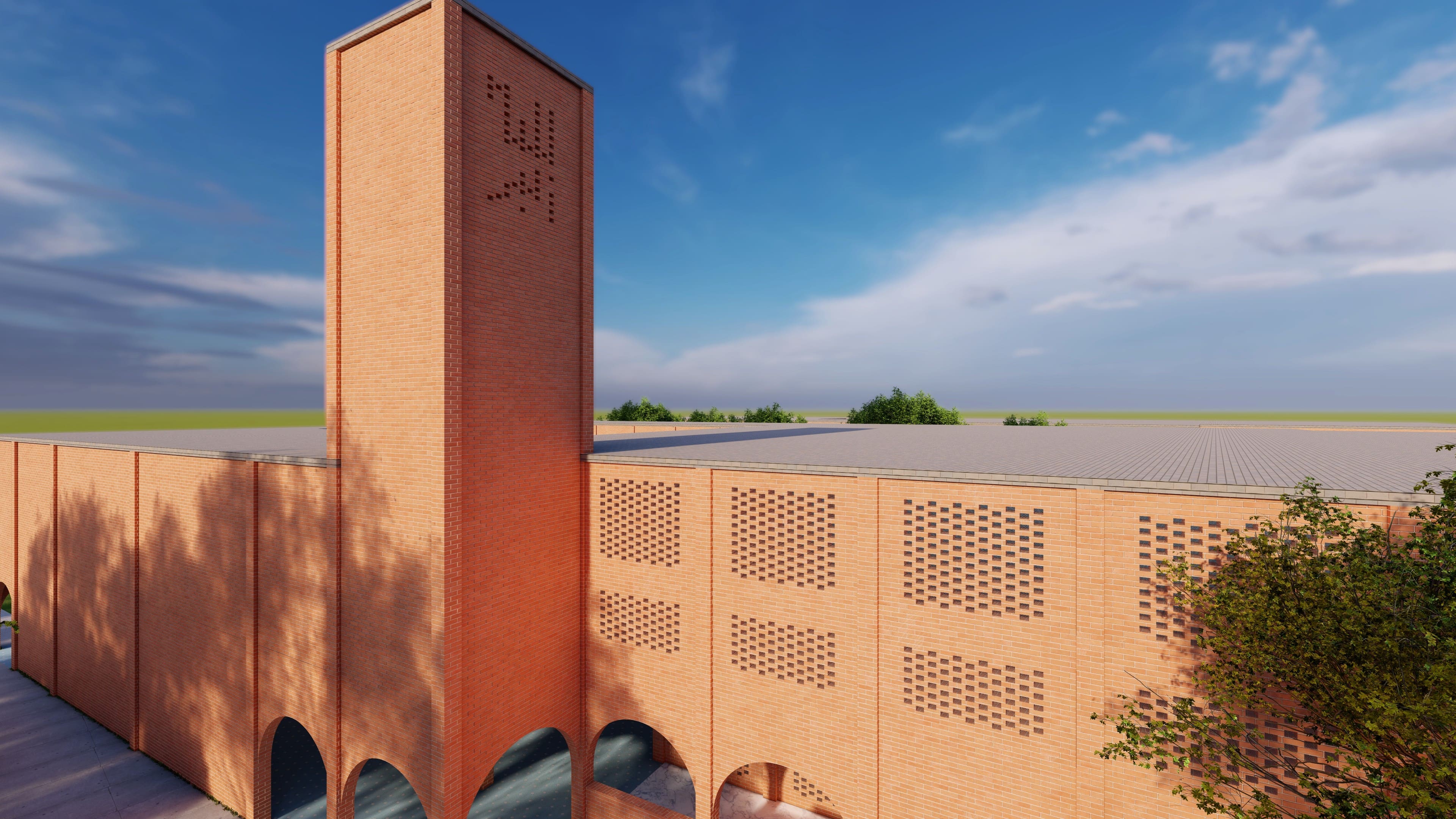
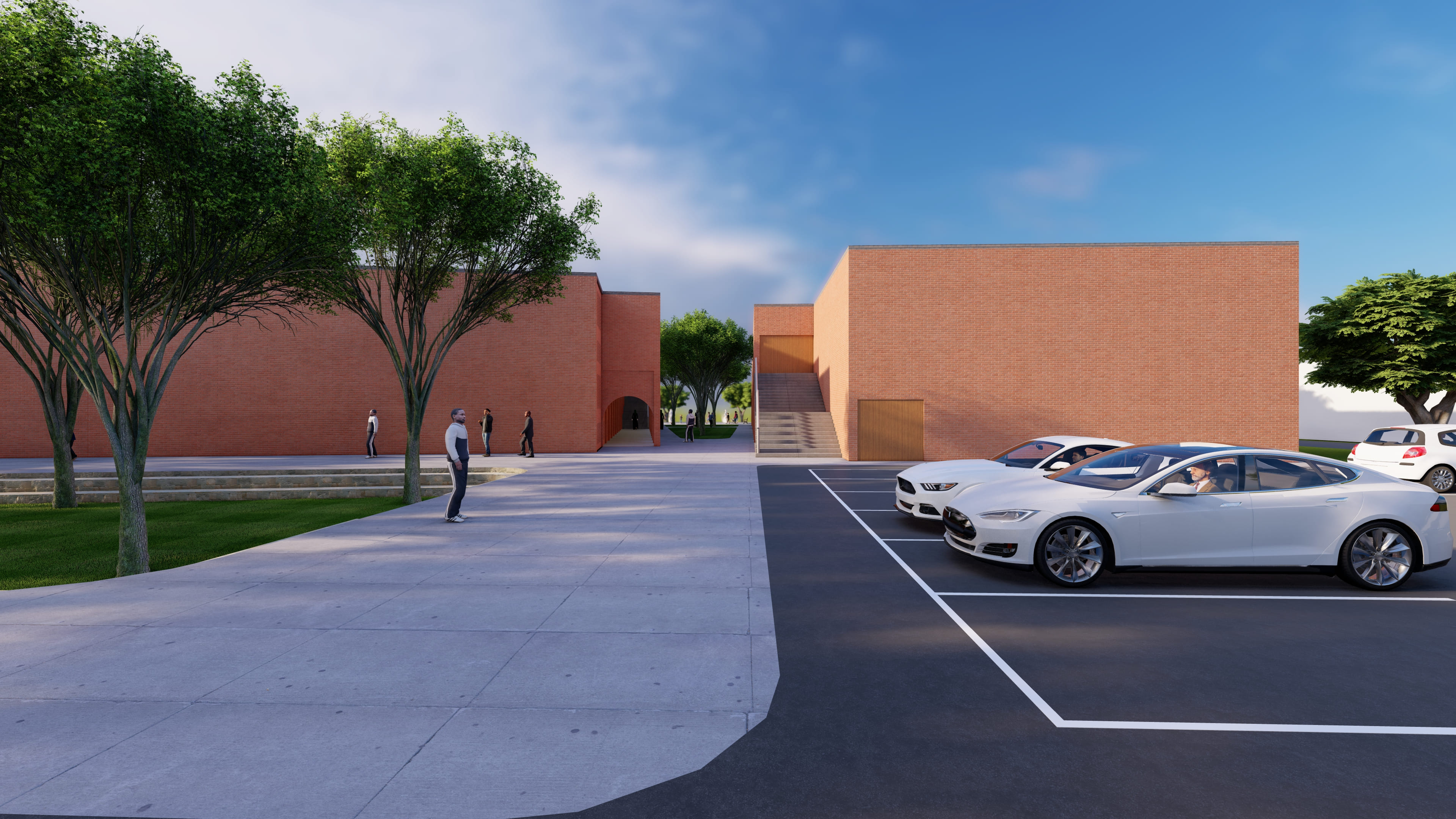
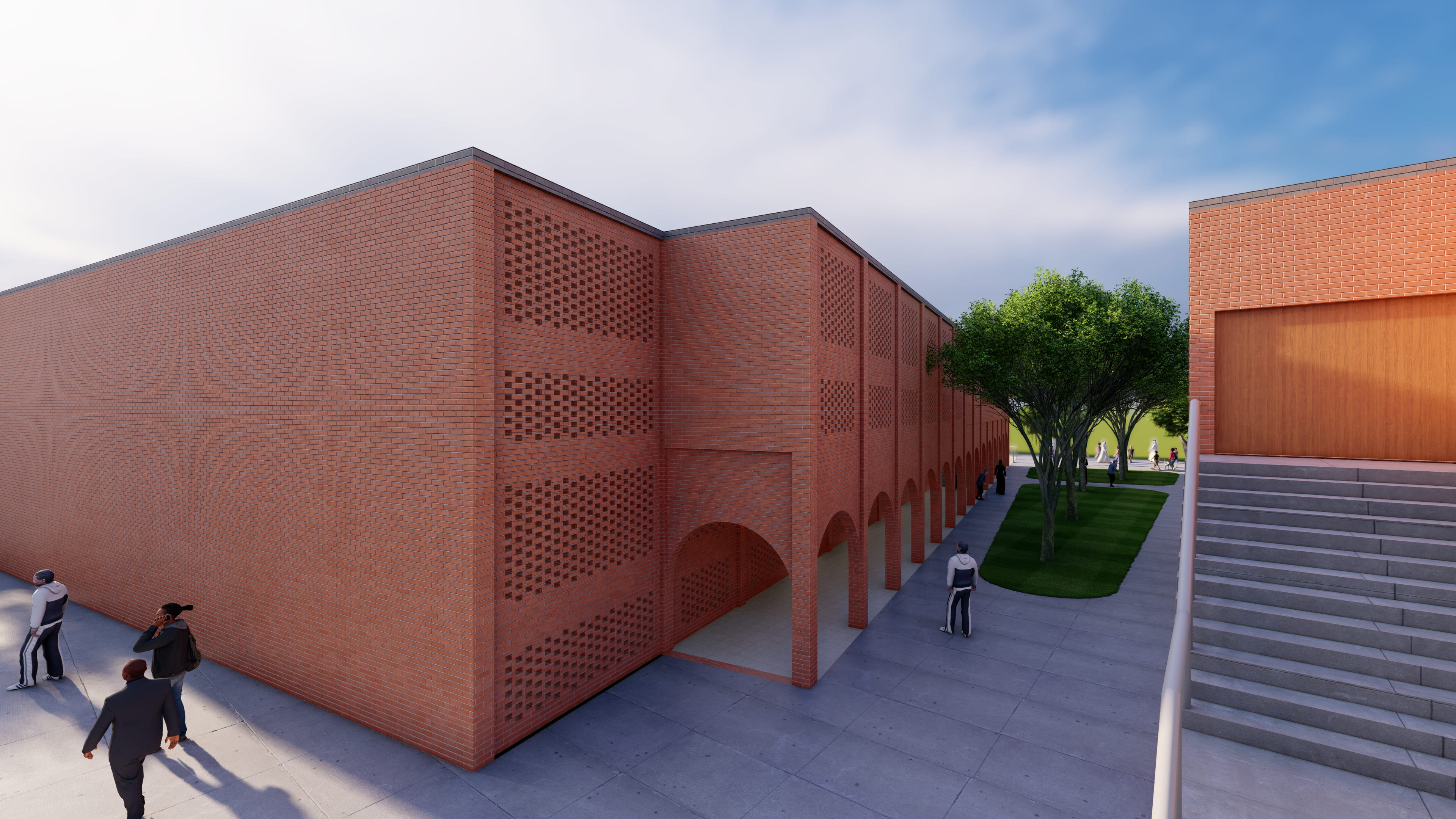
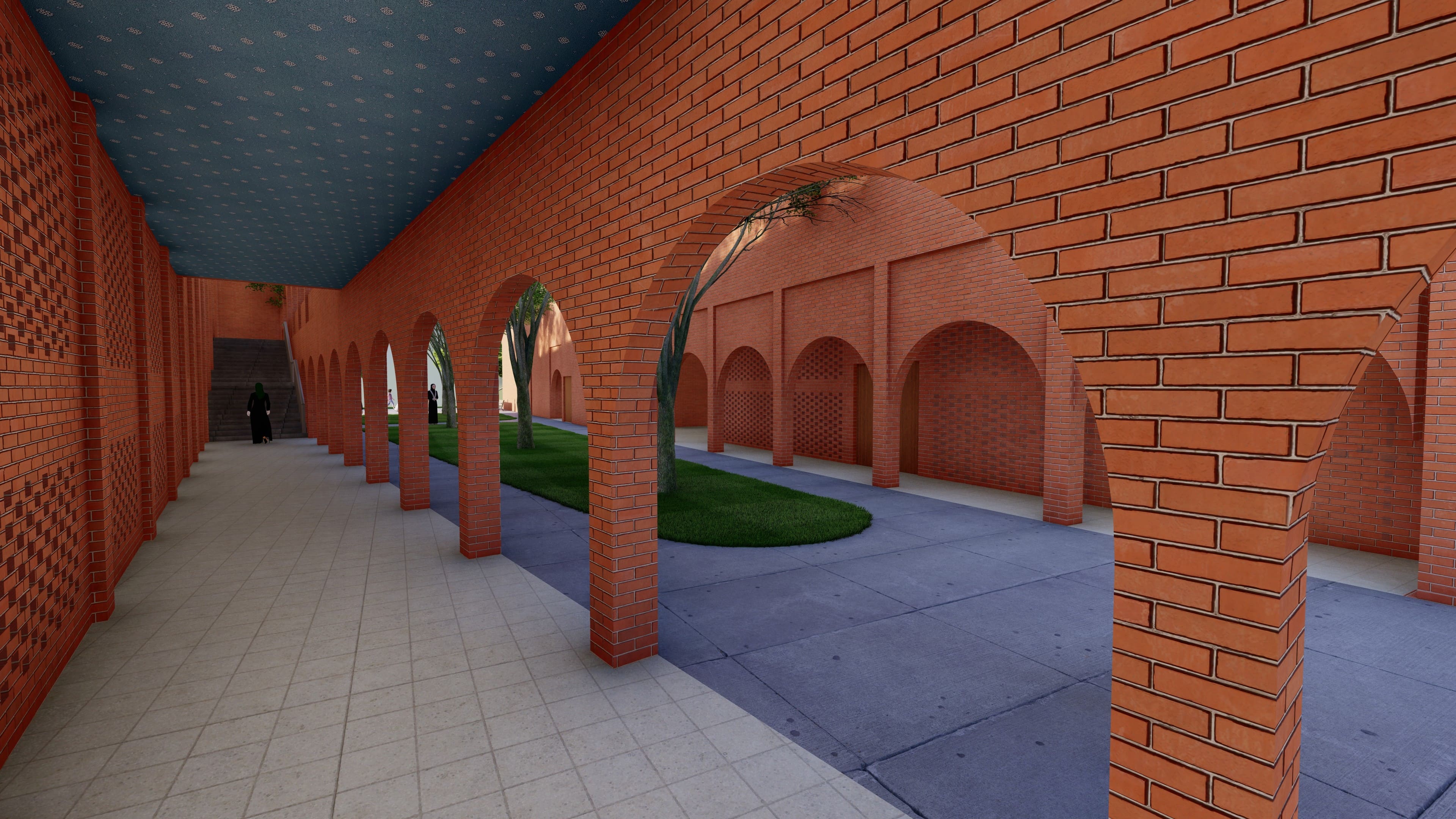
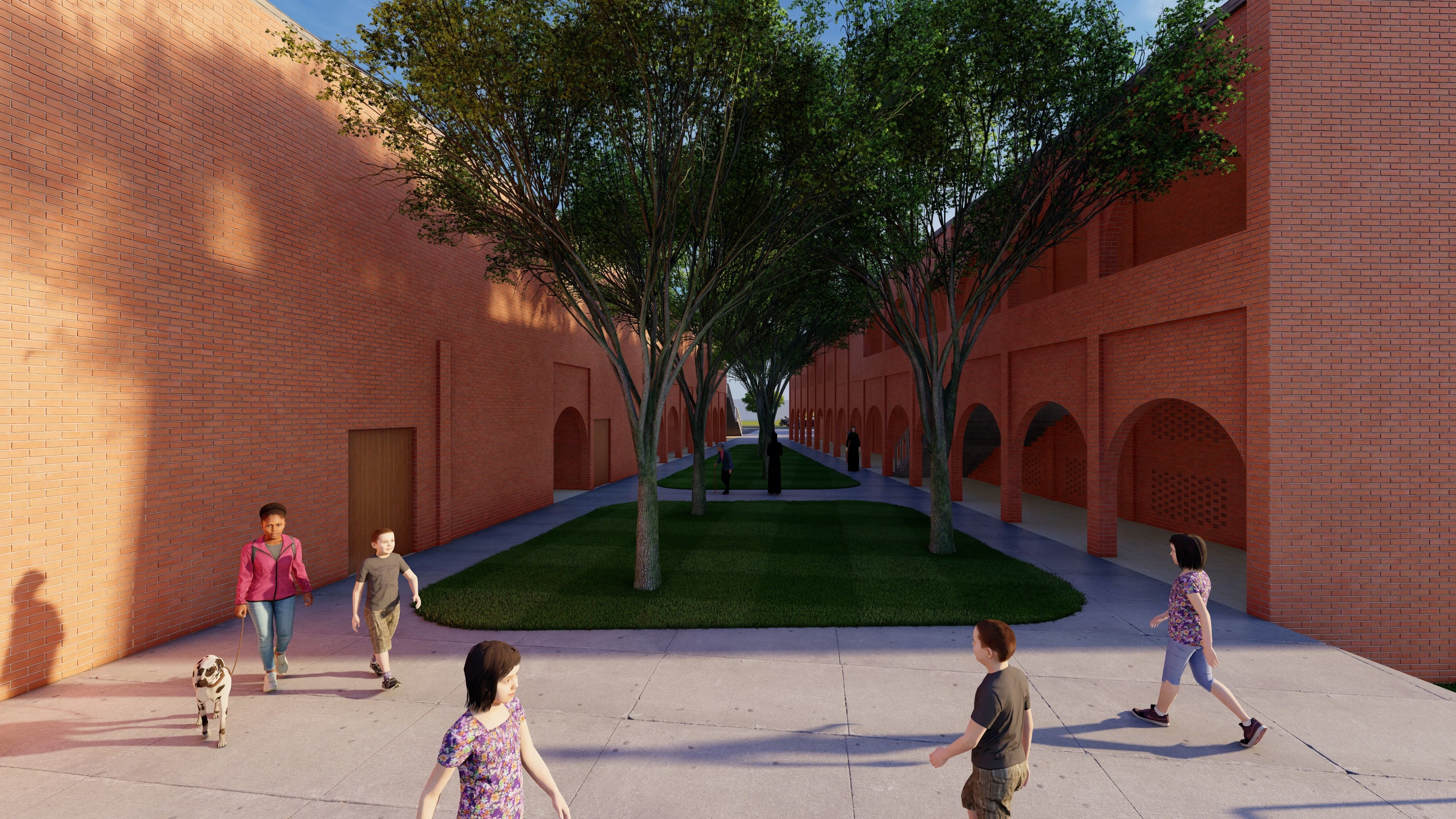
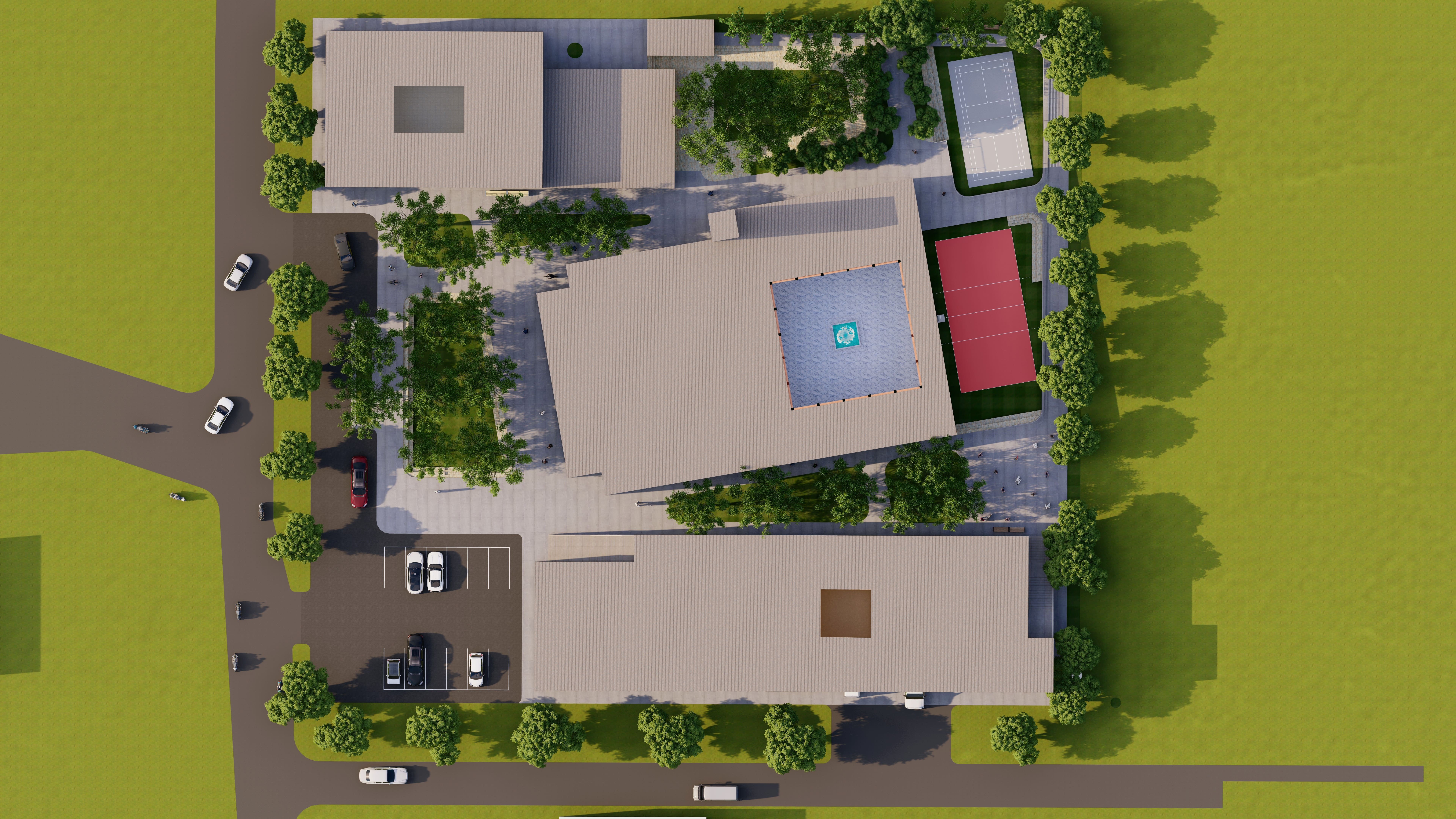
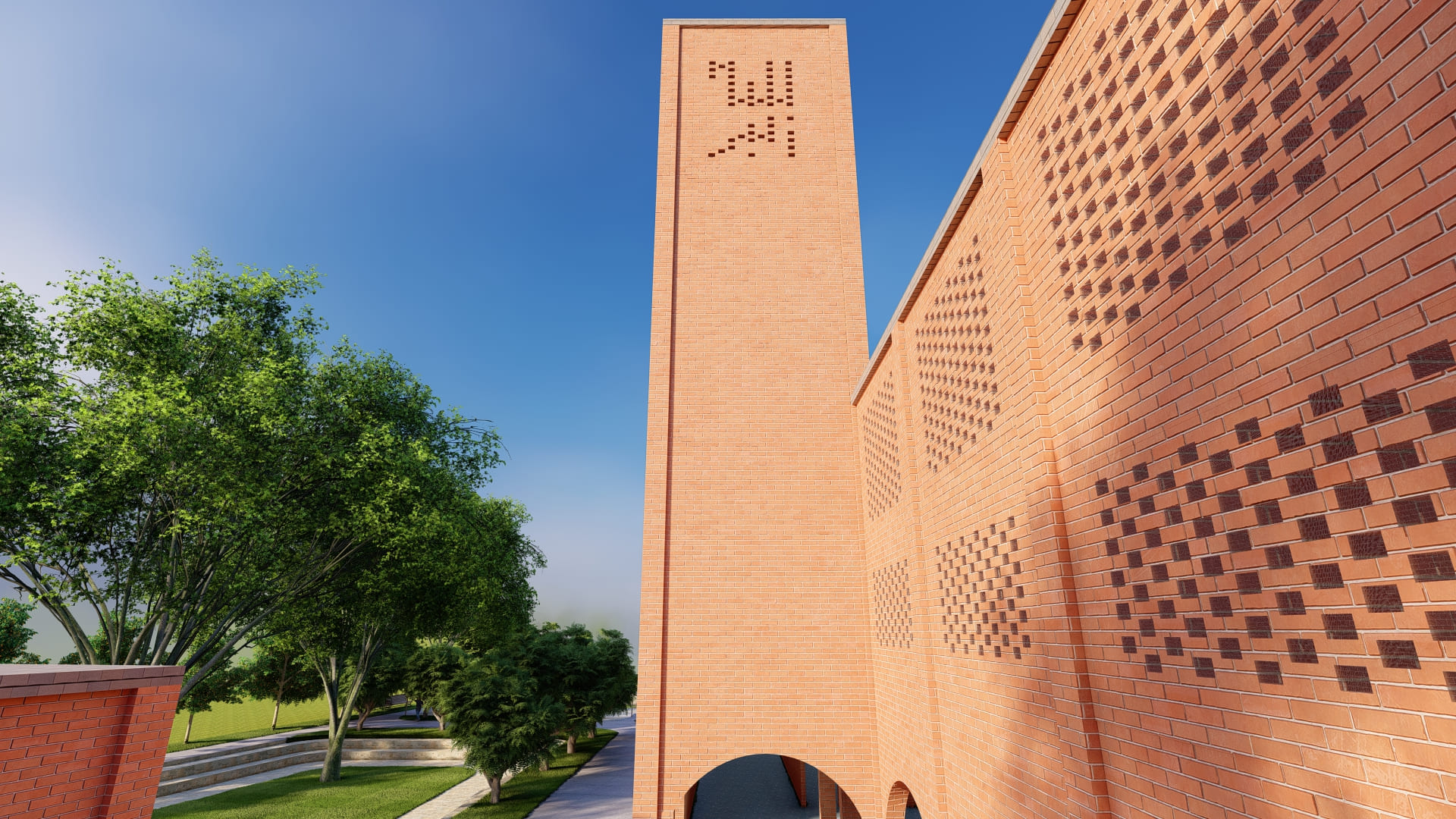
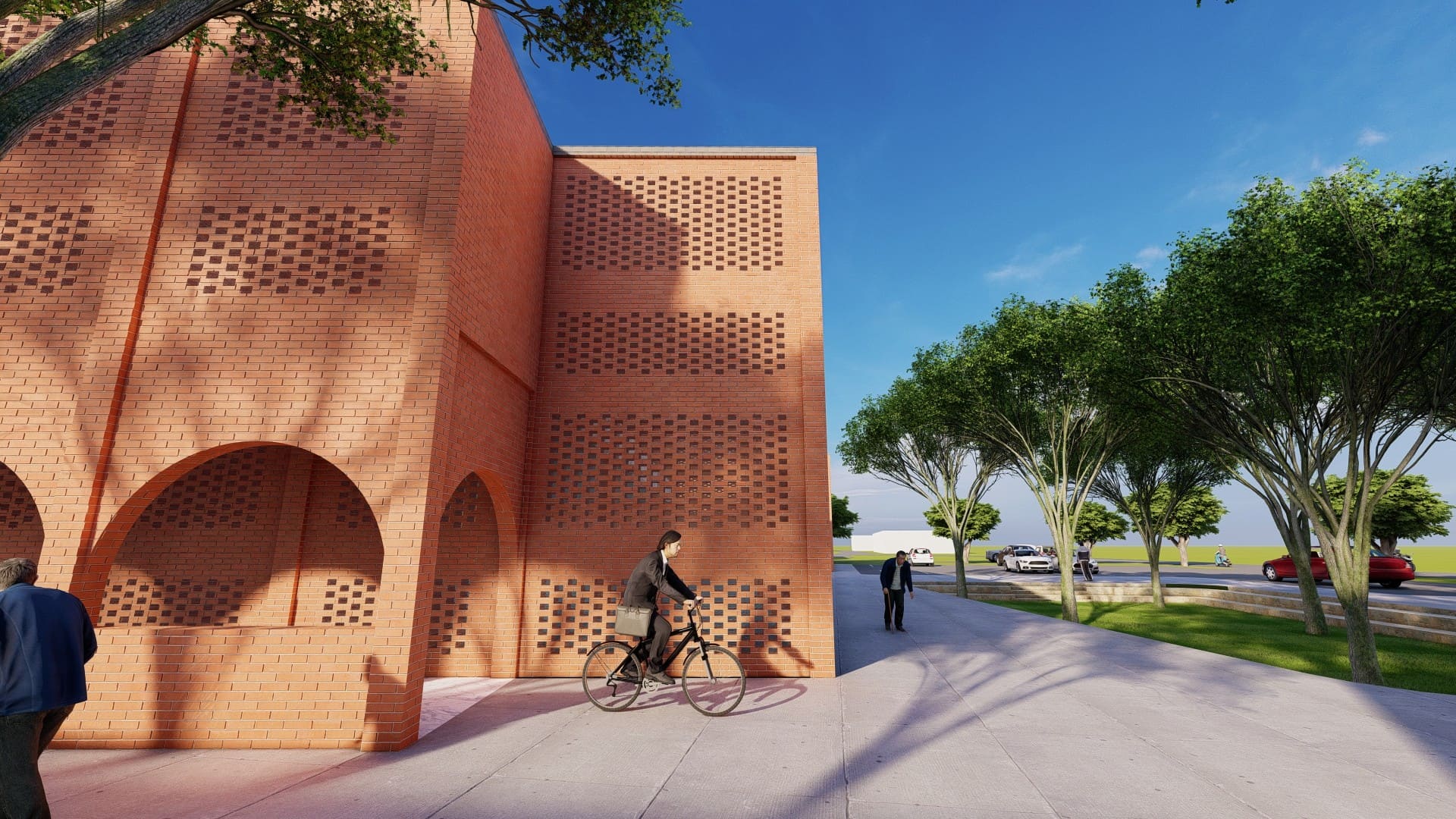
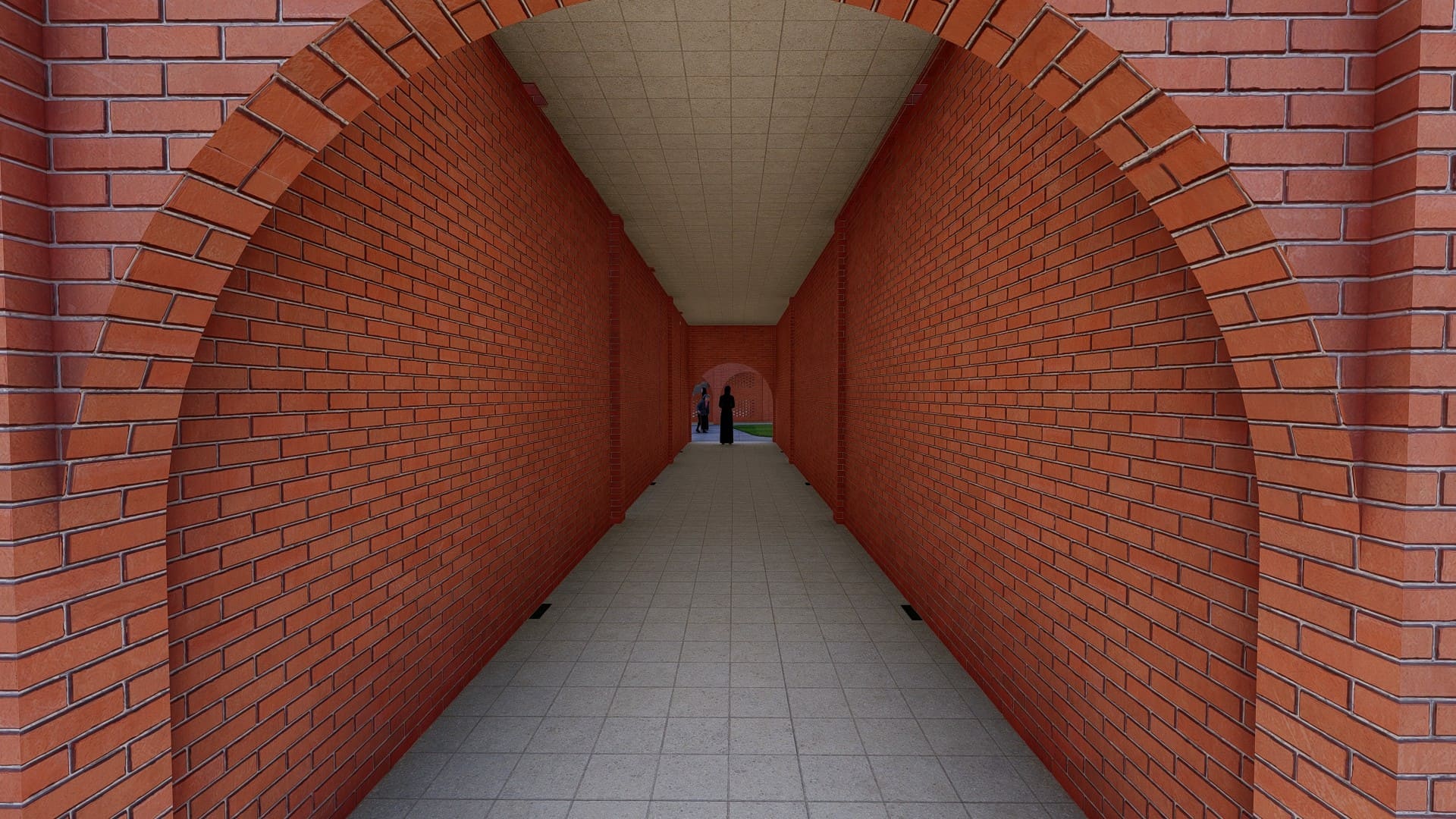
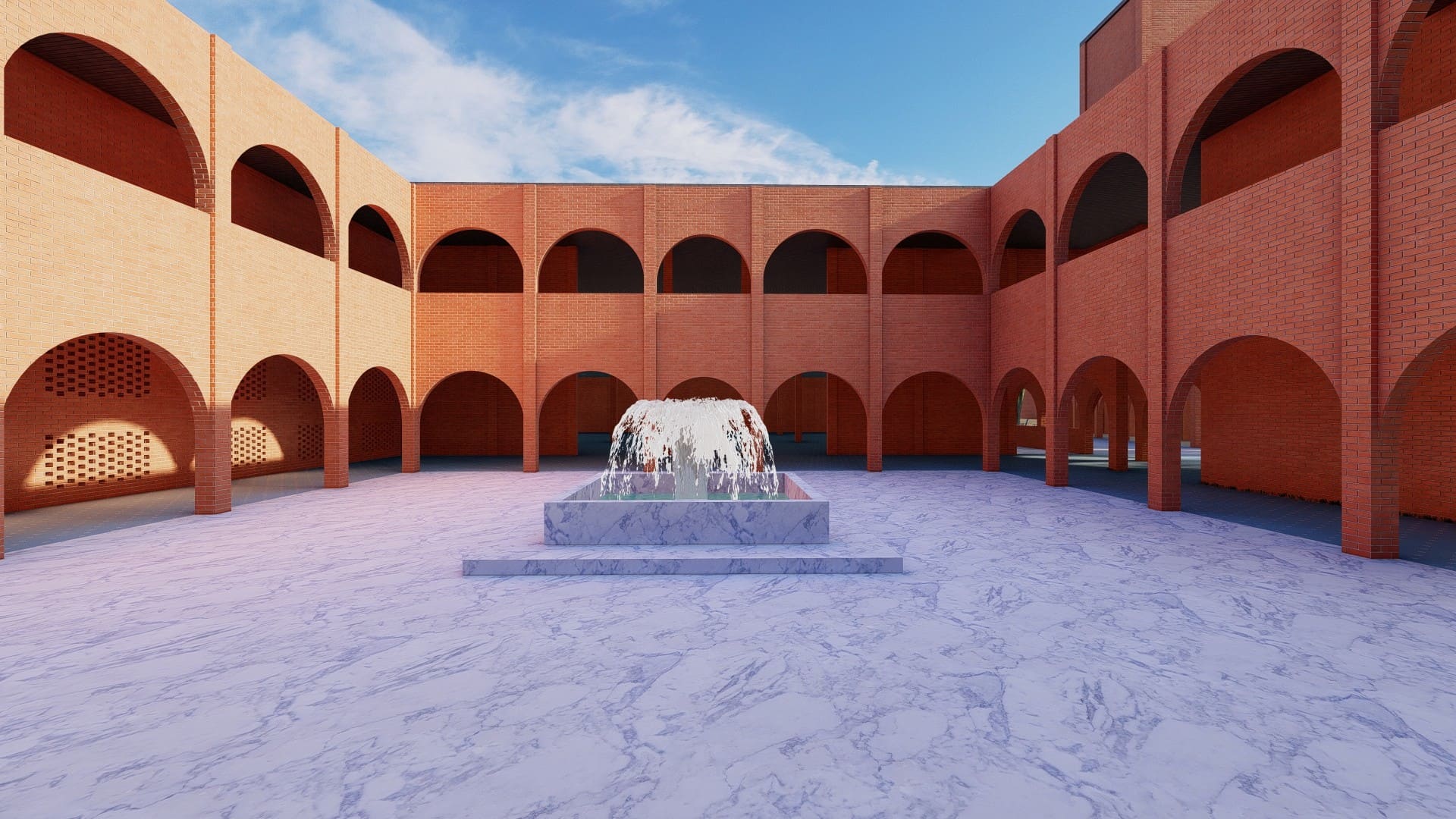
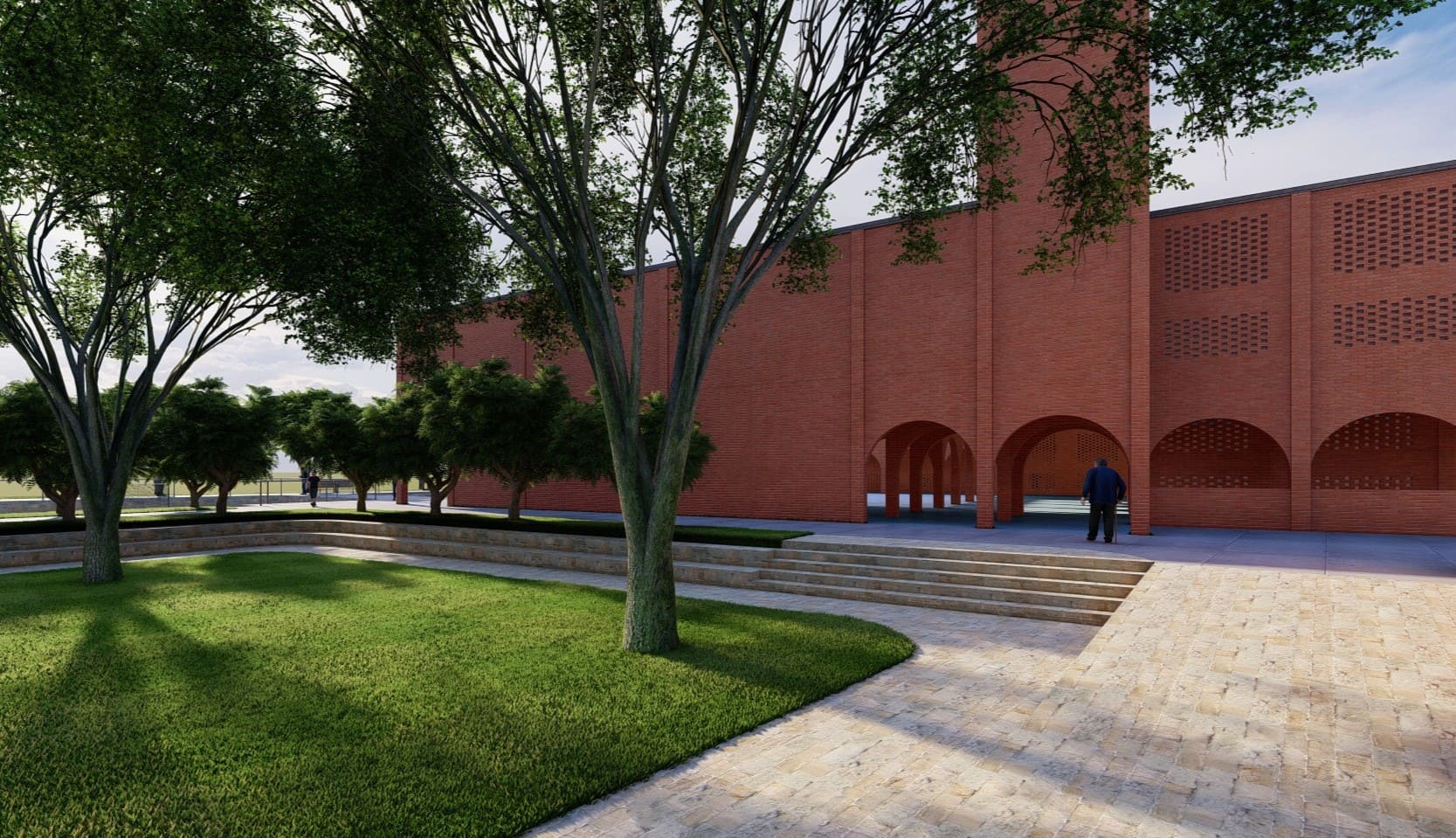
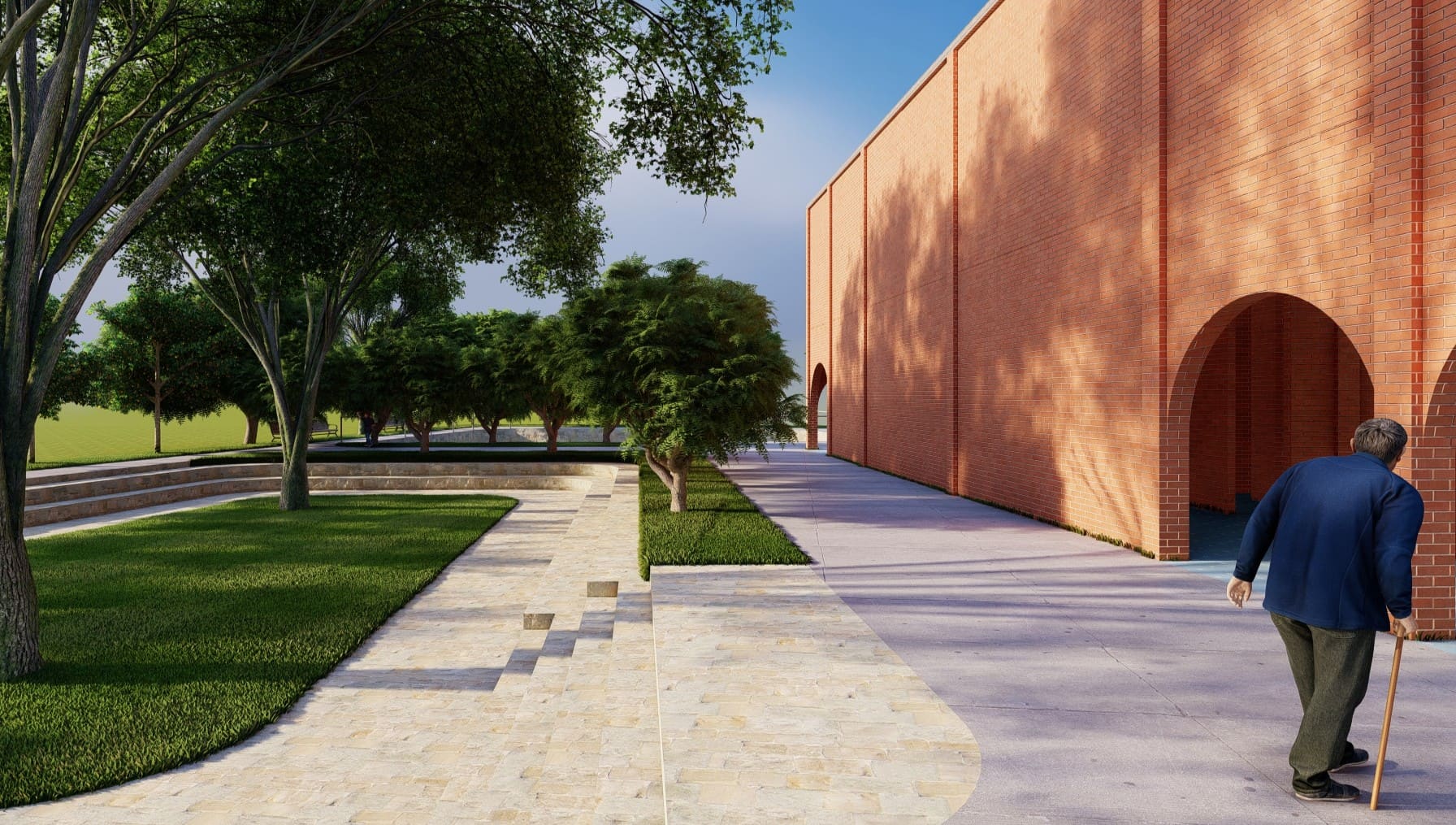
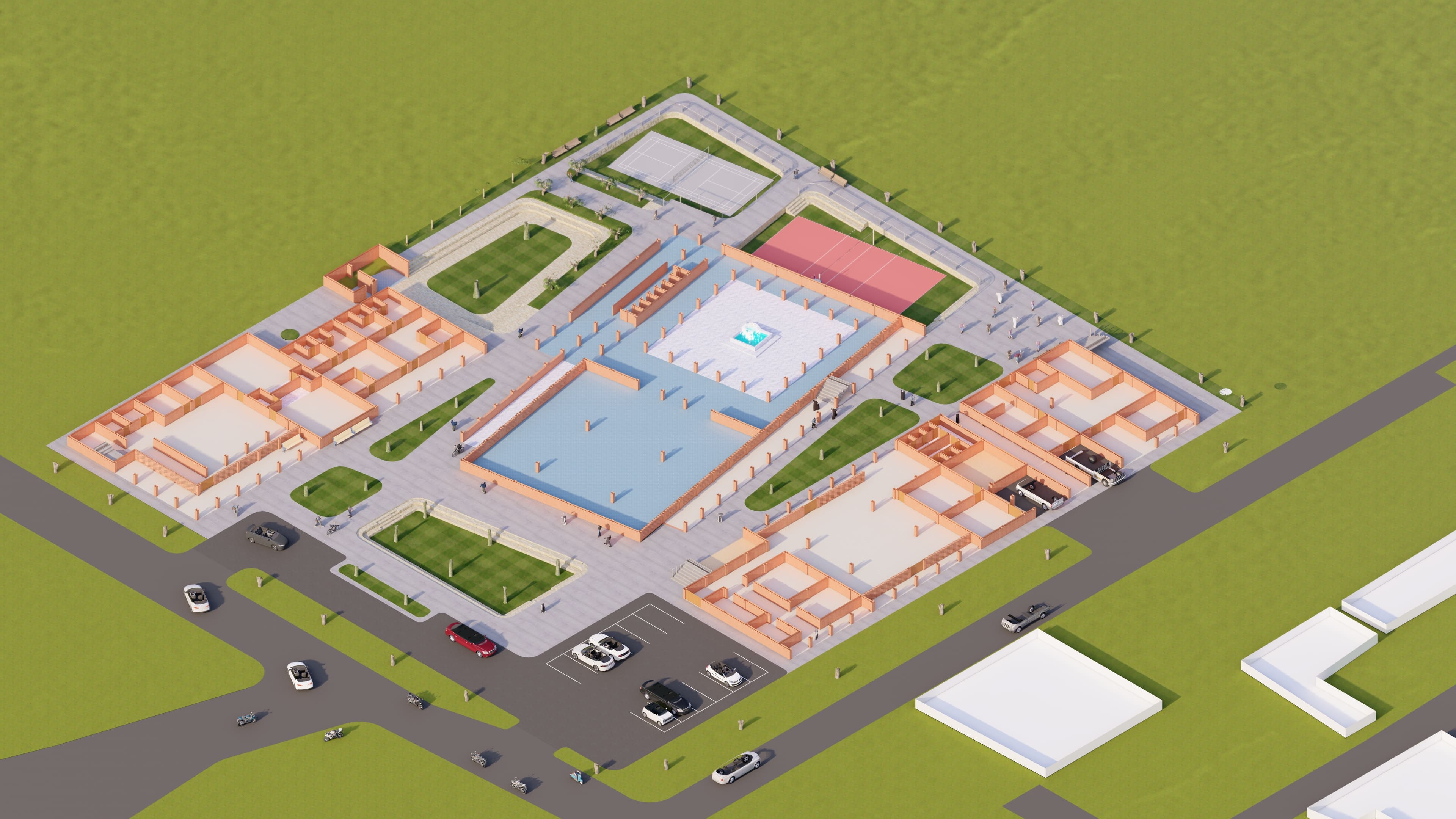
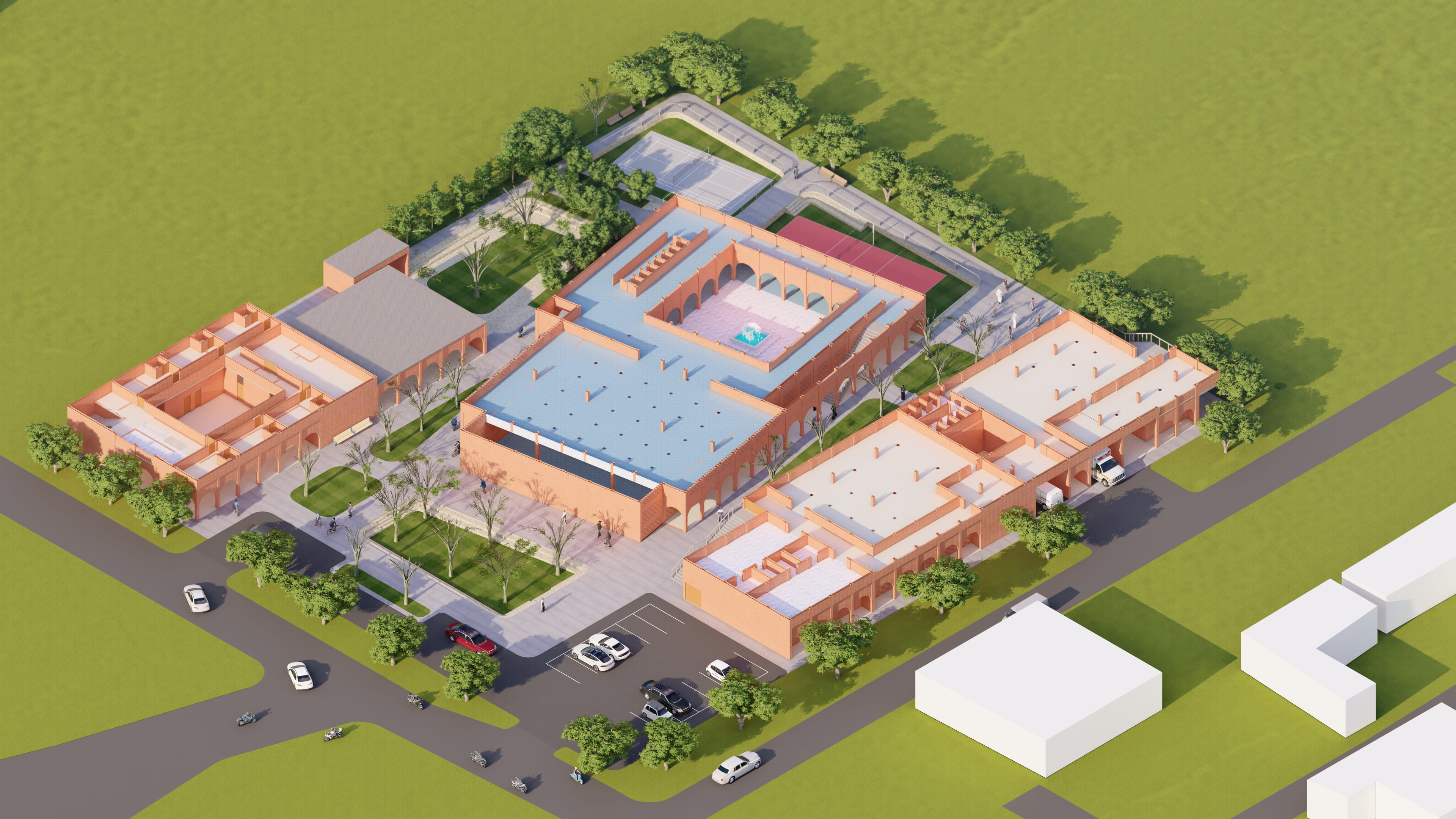
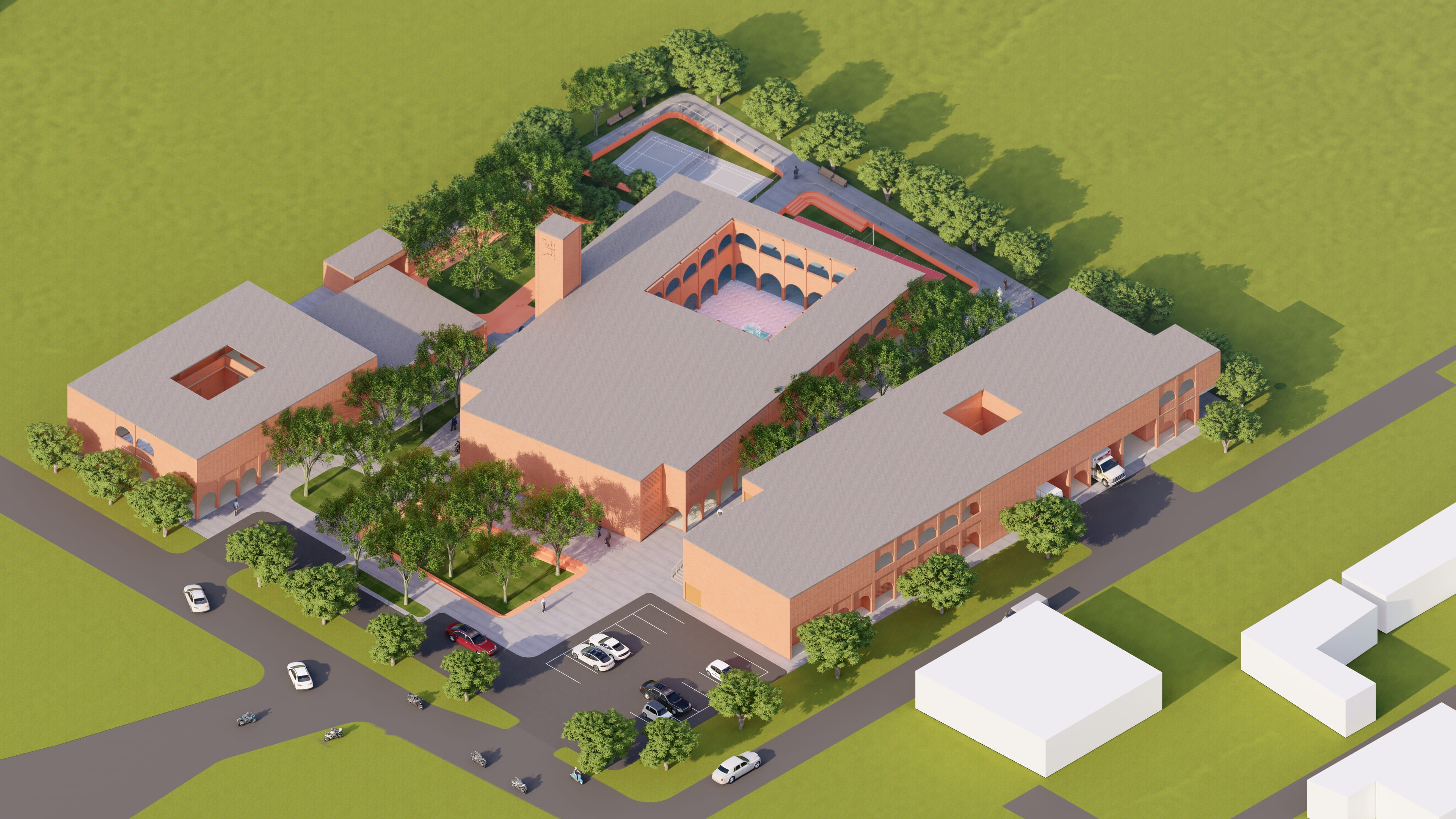
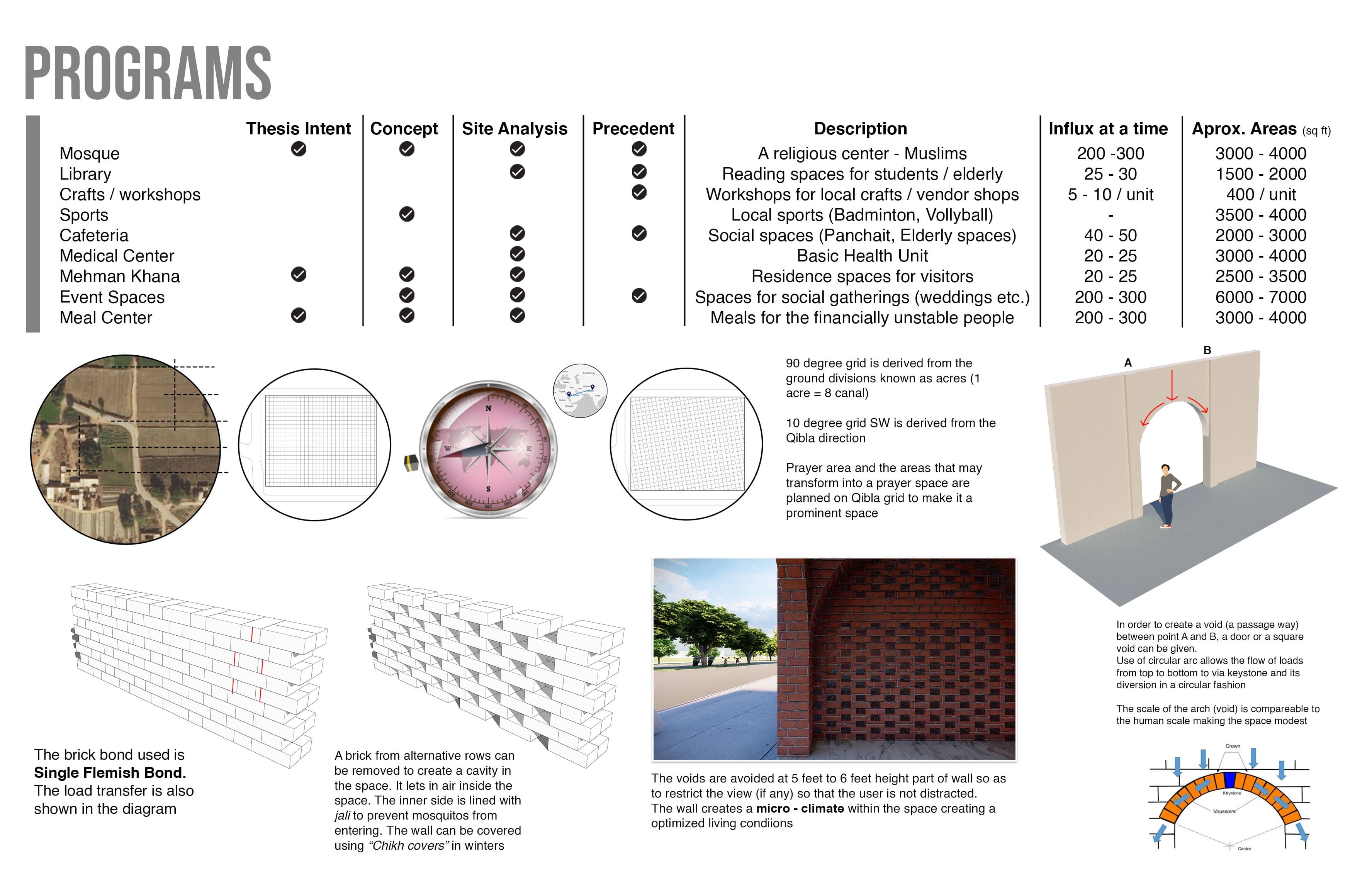
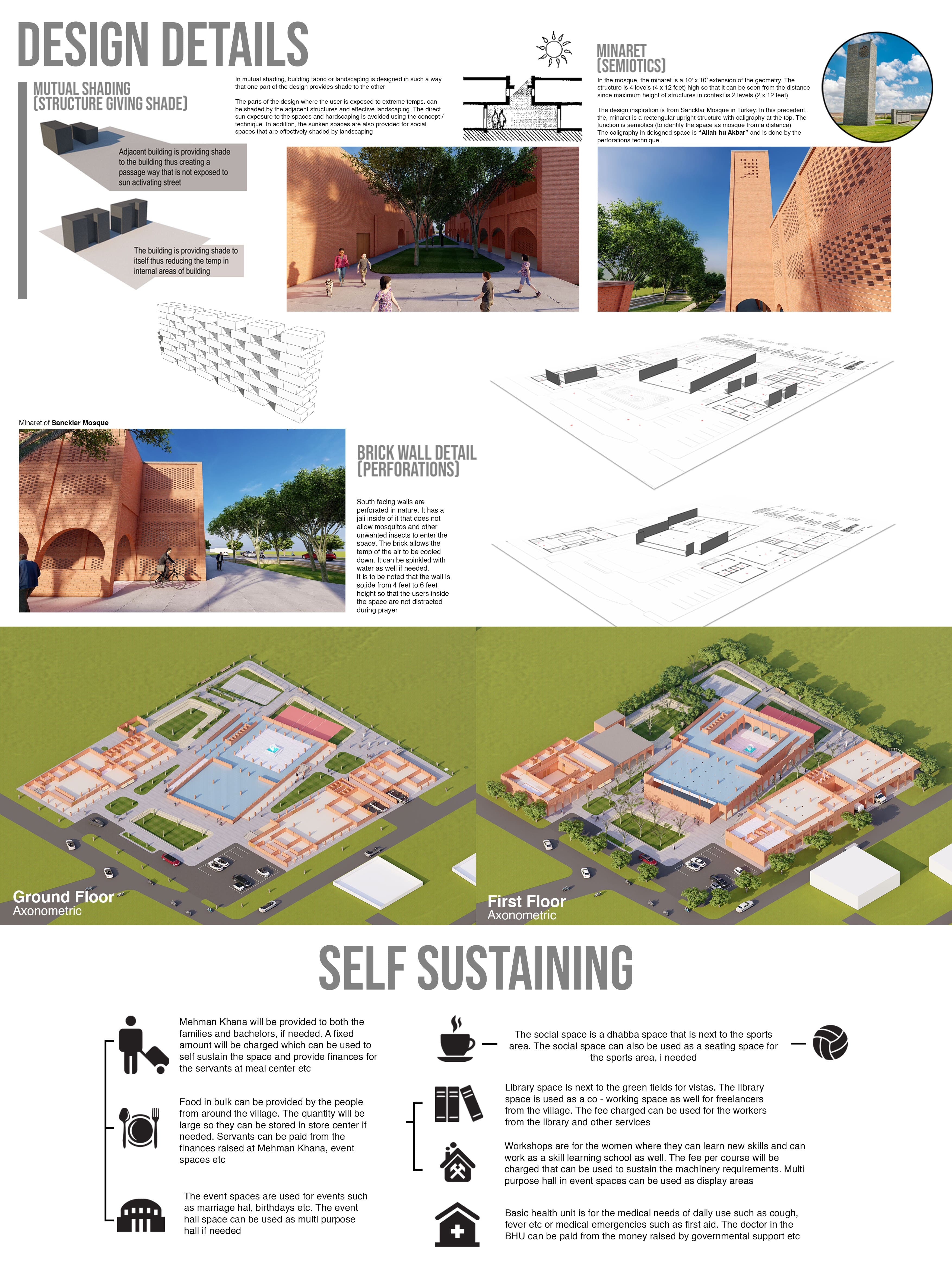
A mosque is a social space where a lot of functions juxtapose in order to develop a social gathering space. Moreover, a mosque should be the simplest structure of a vicinity so that people from all financial classes may relate to it. The intent is to define what architecture of a religious space for Muslims should look like. The research intends to develop the true architecture design language of a mosque in contemporary world. The space should be more relatable for the users where they may feel at ease. The basic methodology will be to strip off all the “non – functional aspects” of a mosque to make it simpler. The nonfunctional aspects refer to the aspects that are merely symbological / intend to ornament a space where not needed. The architectural language will be of a human scale so that a common person may relate to it. Moreover, other overlapping functions will be added to the mosque to make it more approachable space at any given time.
Contact Designers || Portfolio
You Might Find These Interesting
 DESIGNED BY: Mahrose Fatima Ajmal
Tradition in Transition: The Mosque as an Urban Nexus
G-14, Islamabad