Tradition in Transition: The Mosque as an Urban Nexus
A thesis redefining the mosque as an integrated part of the urban fabric, reinterpreting its traditional role to serve modern needs & re-establishing it as a symbol of Muslim society’s evolving life.
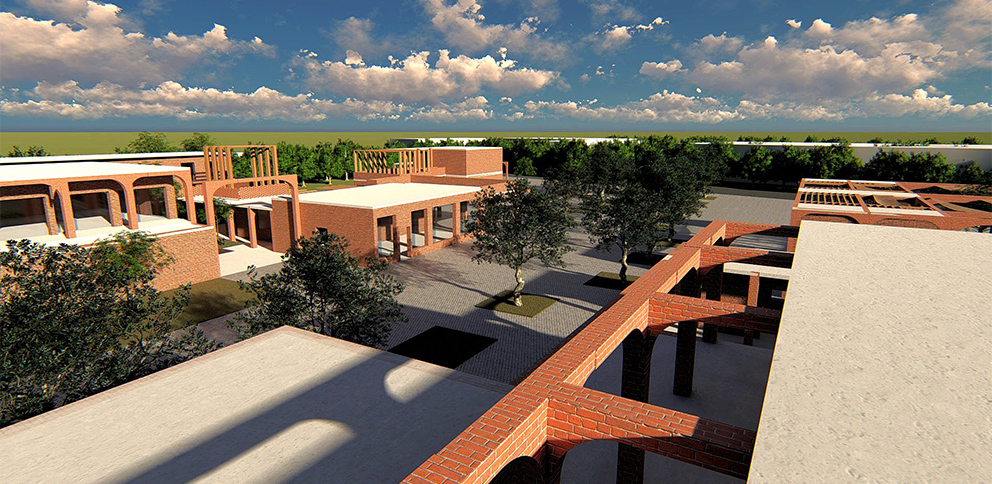
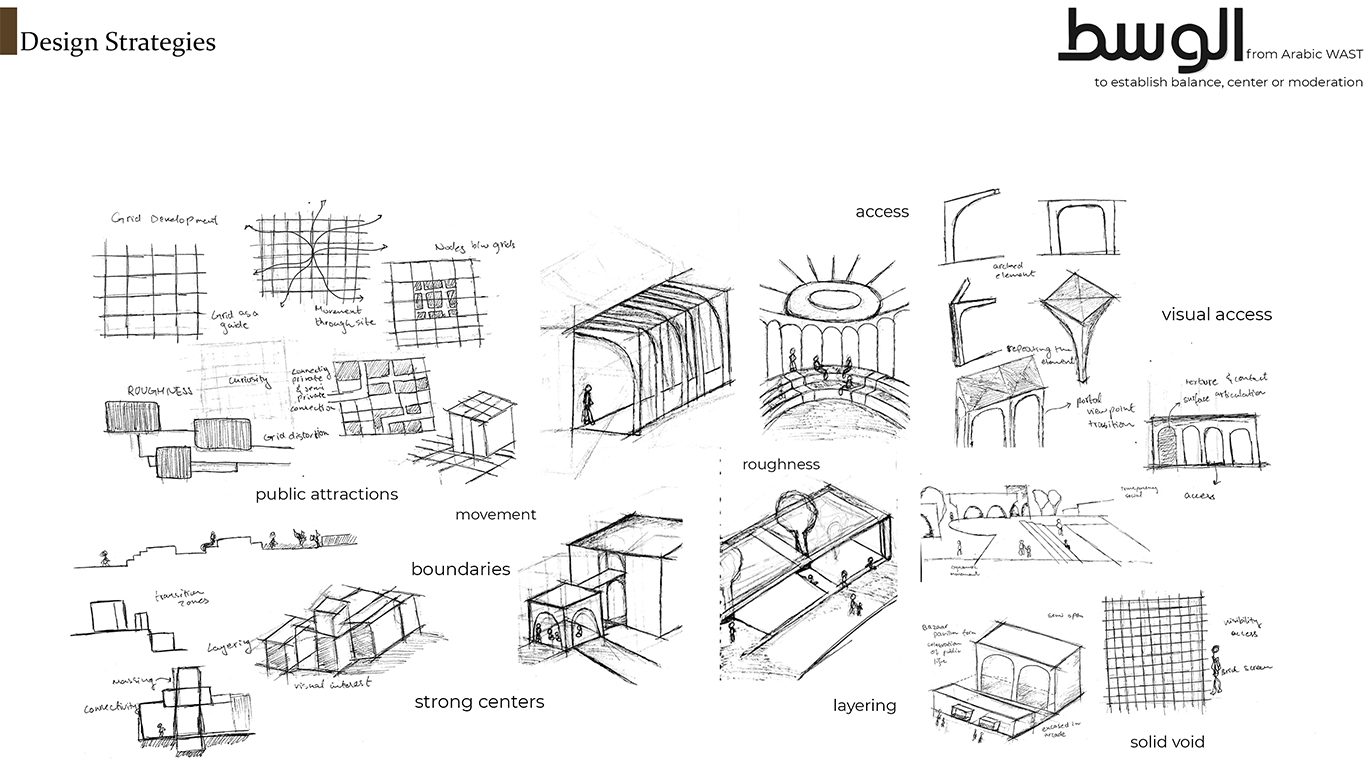
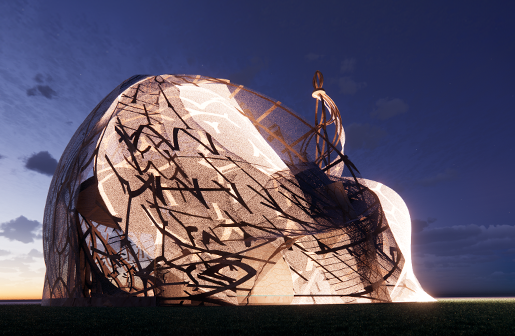
In Tradition in Transition, Mahrose Ajmal explores the potential of redefining the mosque as a cohesive element of the urban fabric and reinterpreting the traditional functions of the mosque to cater to the modern environment. Aimed at understanding the mosque as an element of social engineering, this undergraduate thesis aims to re-establish the mosque as a symbol of the lifestyles of Muslim society. Envisioned as an urban nexus in G-14, the design uses the Islamic idea of Al-Wusutiya as a conceptual foundation for the project. Al-Wusutiya, translates to balance, center or unity, a principle that emphasizes moderation in all aspects of life. Therefore, the mosque is envisioned as not only as a place of worship but as an encompassing space that considers the spiritual, cultural, and social well-being of its community. The complex is a manifestation of this balanced approach, moderating tradition and modernity, the sacred and everyday life.
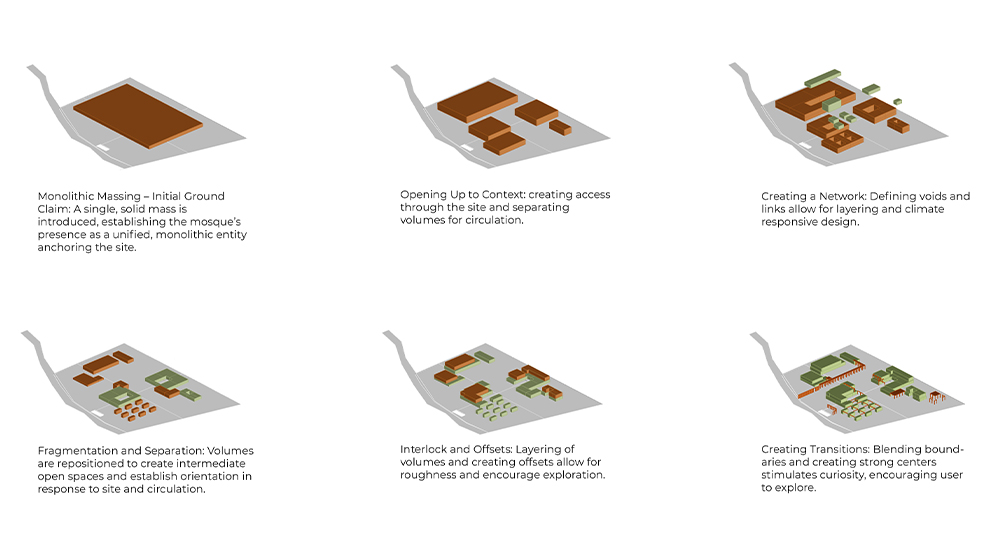
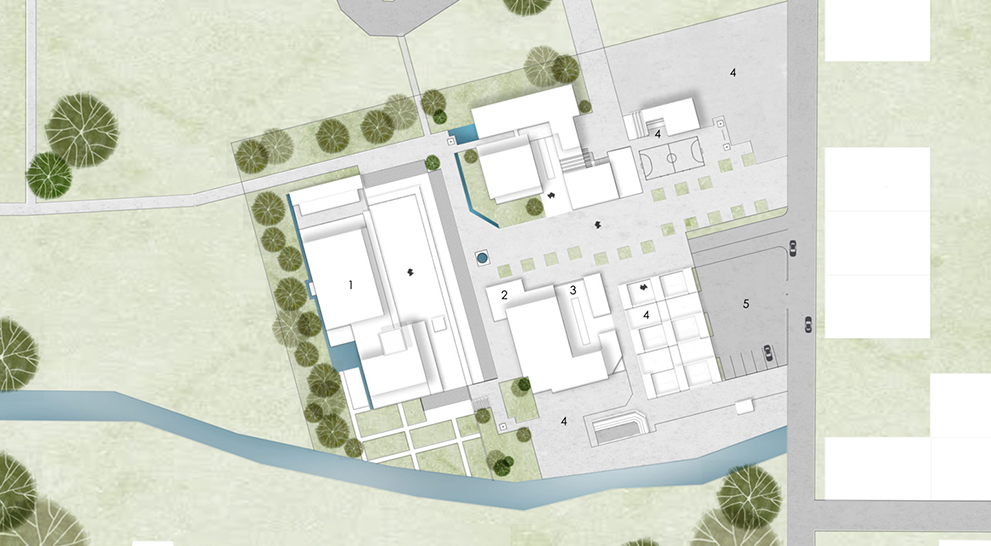
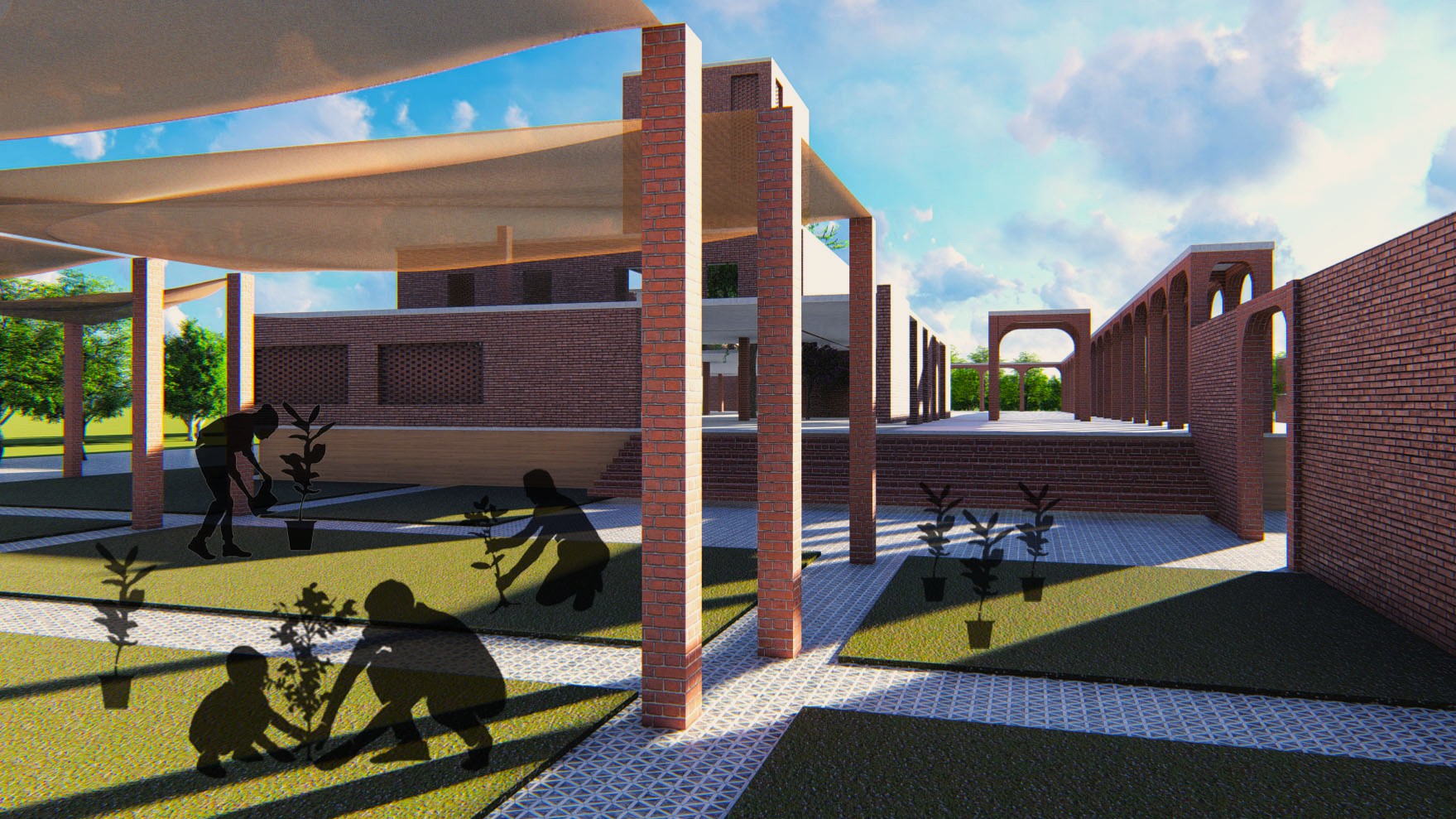
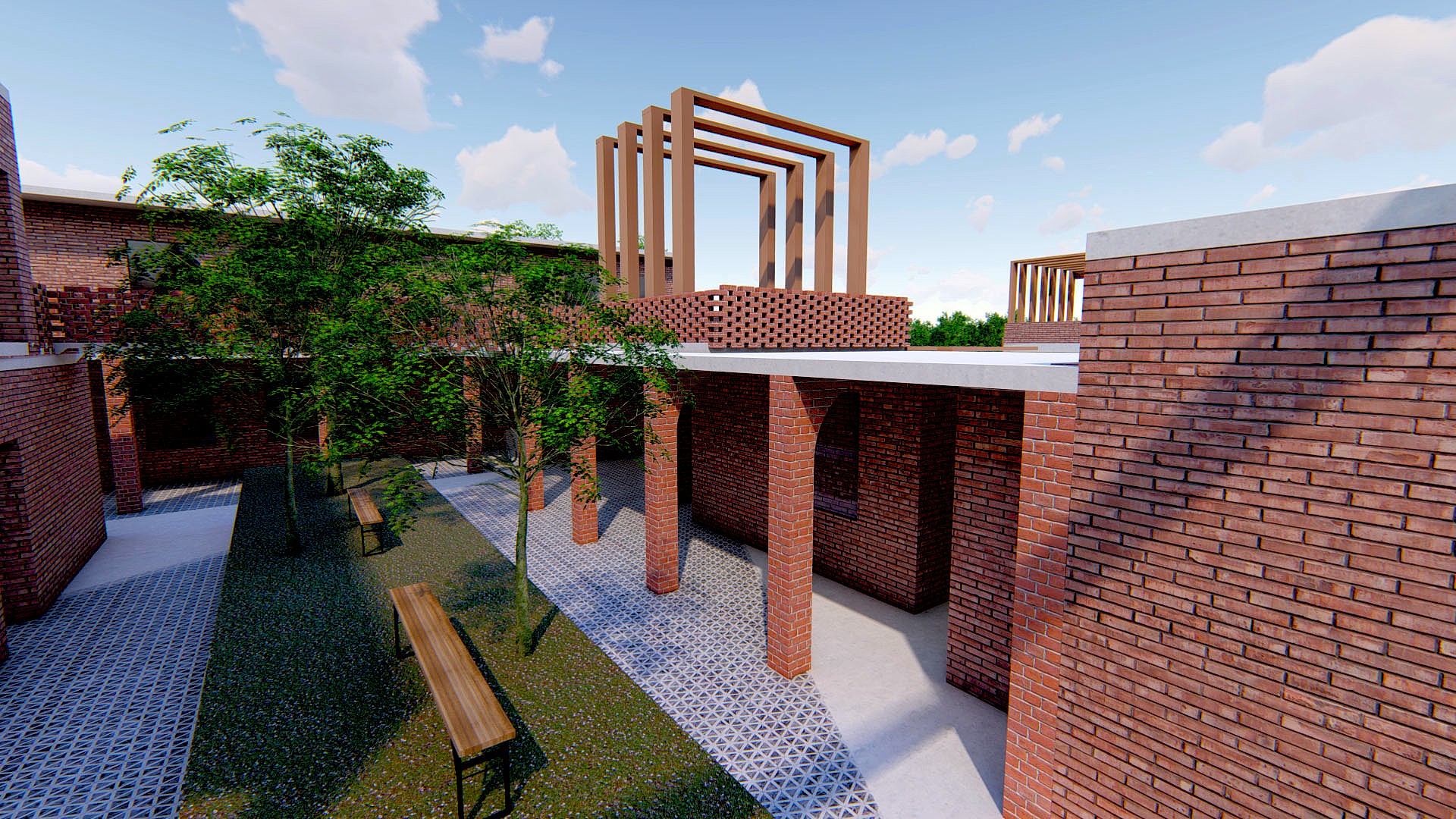
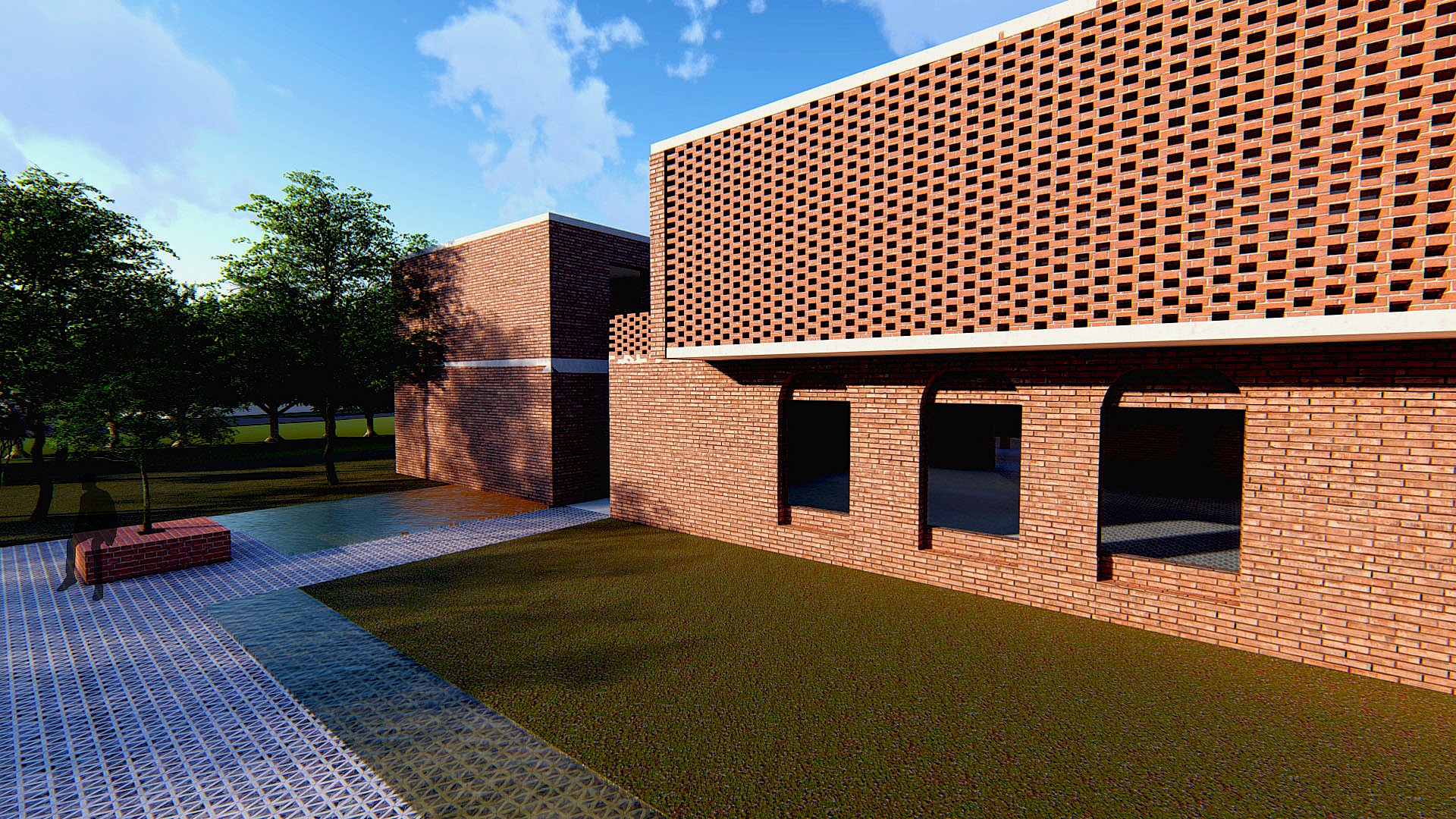
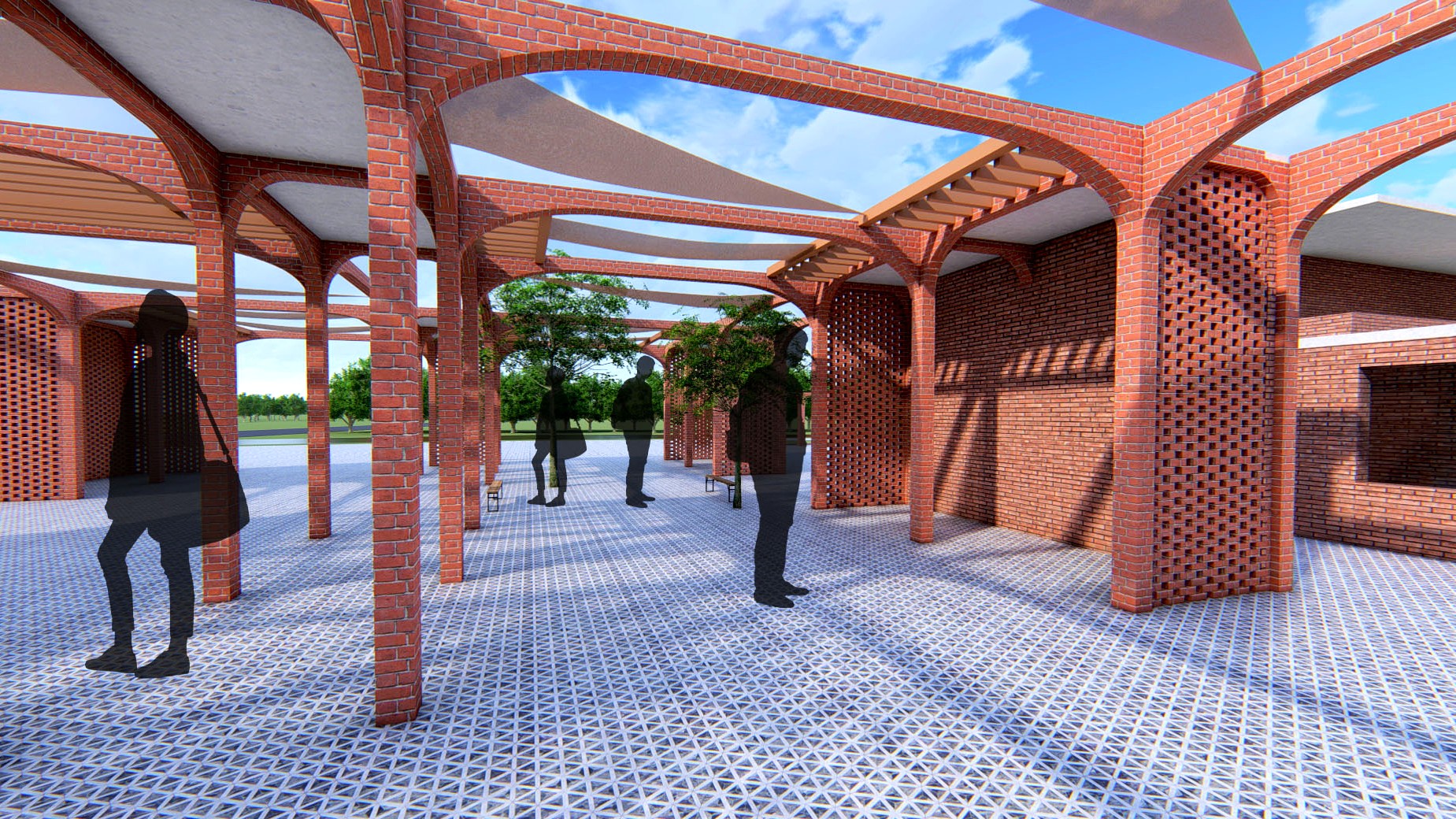
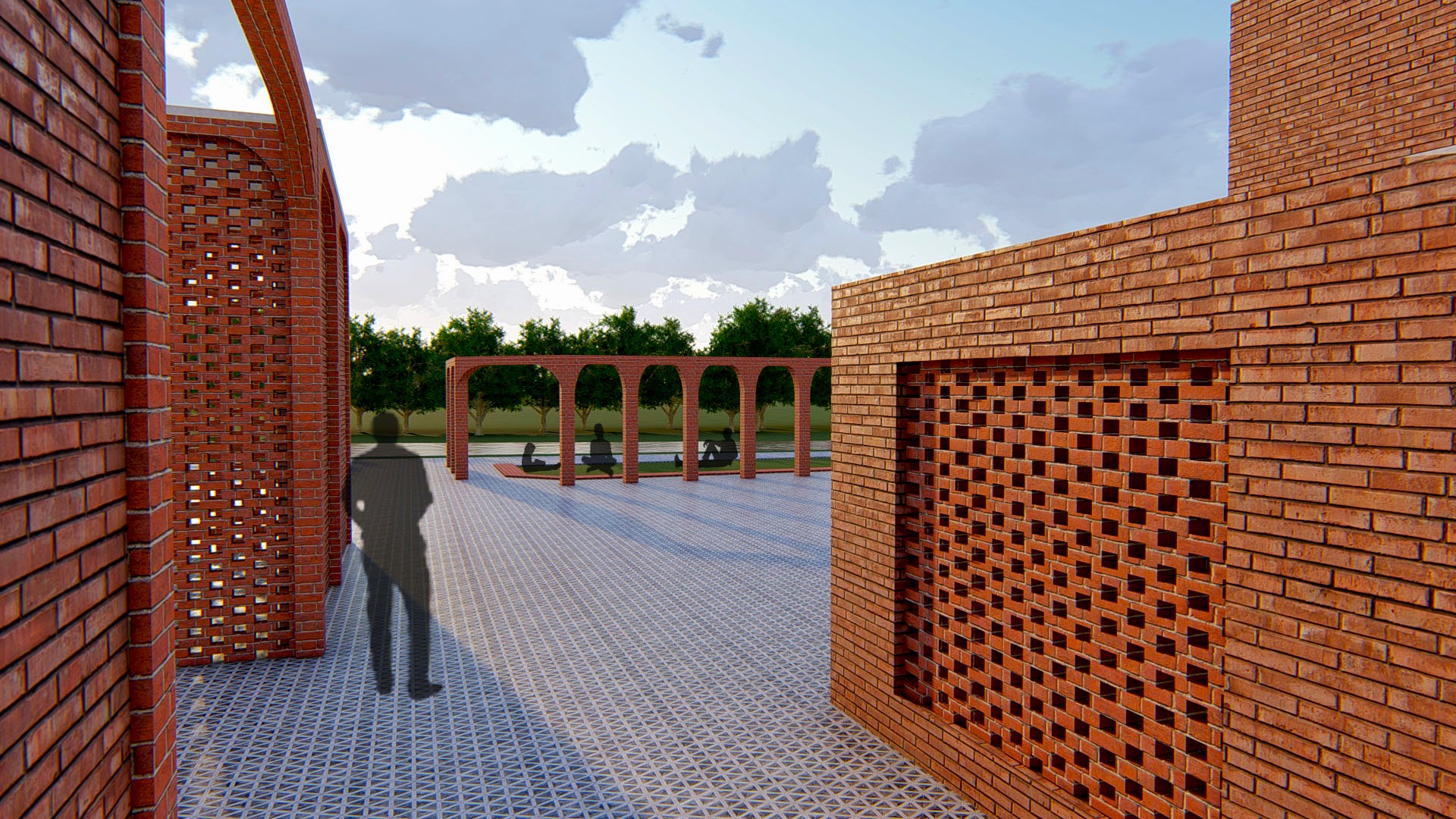
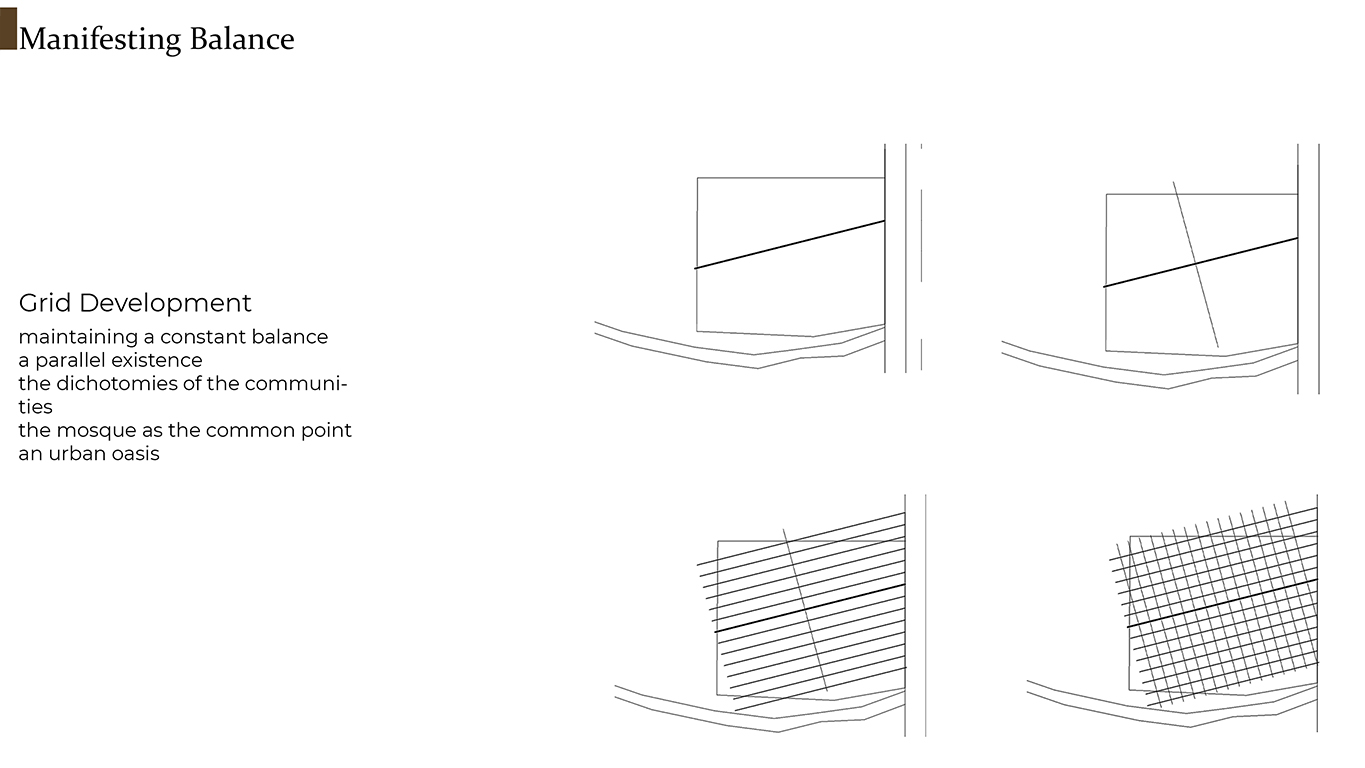
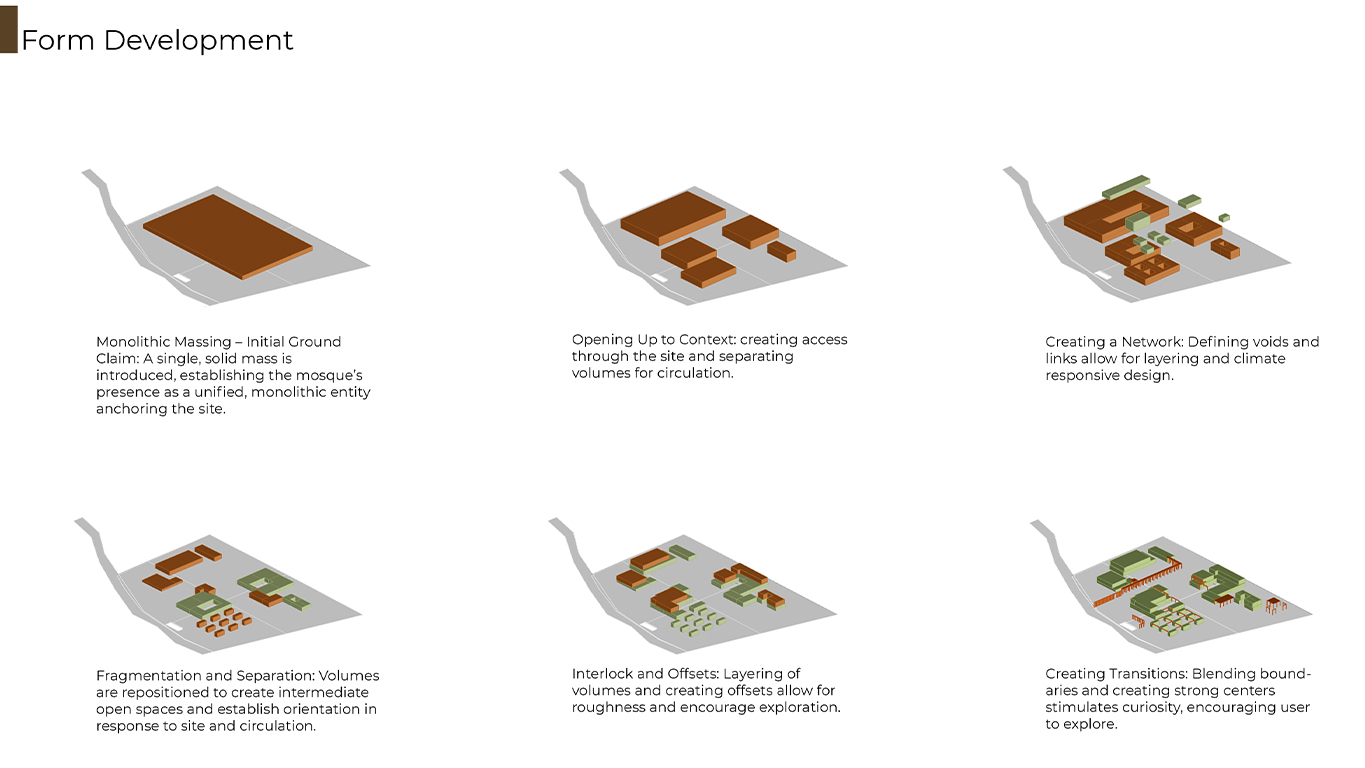
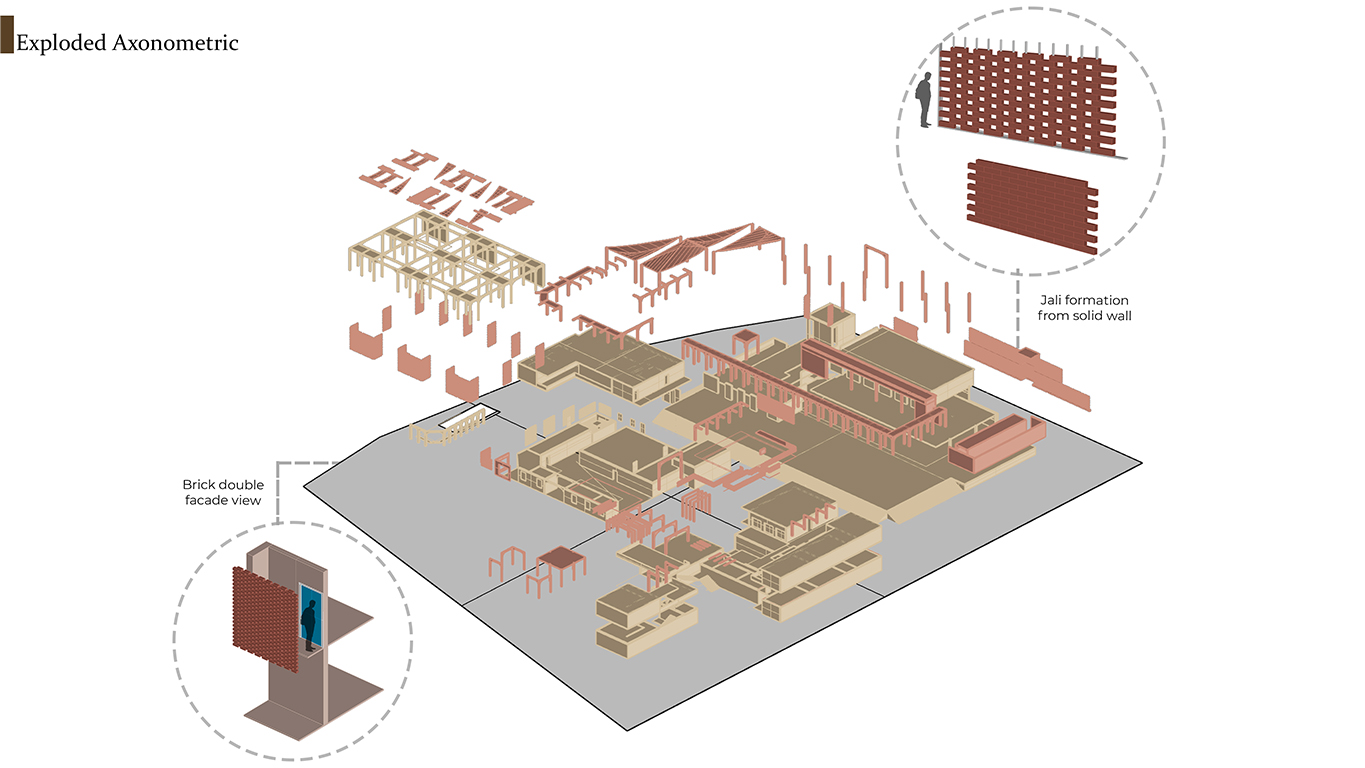
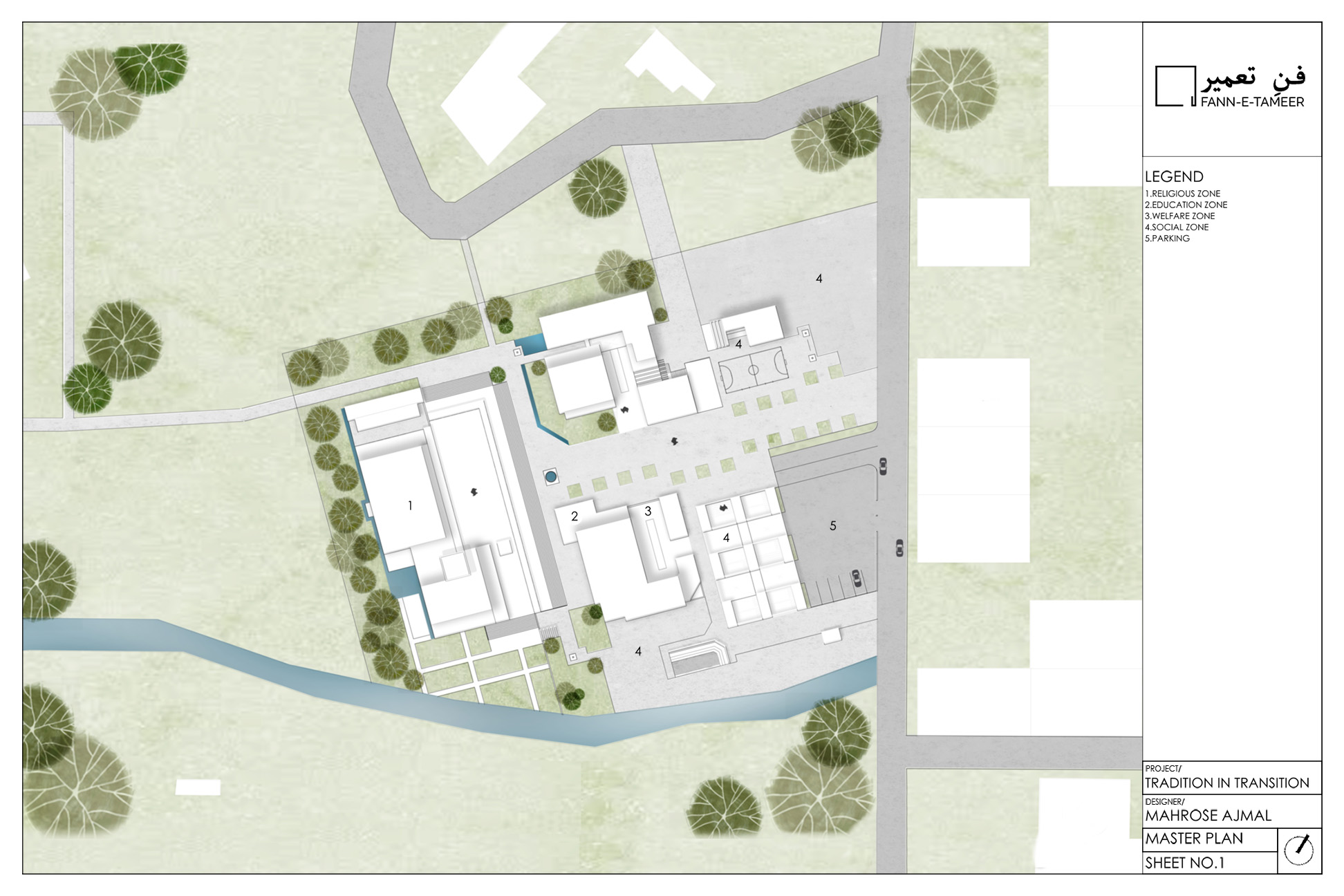
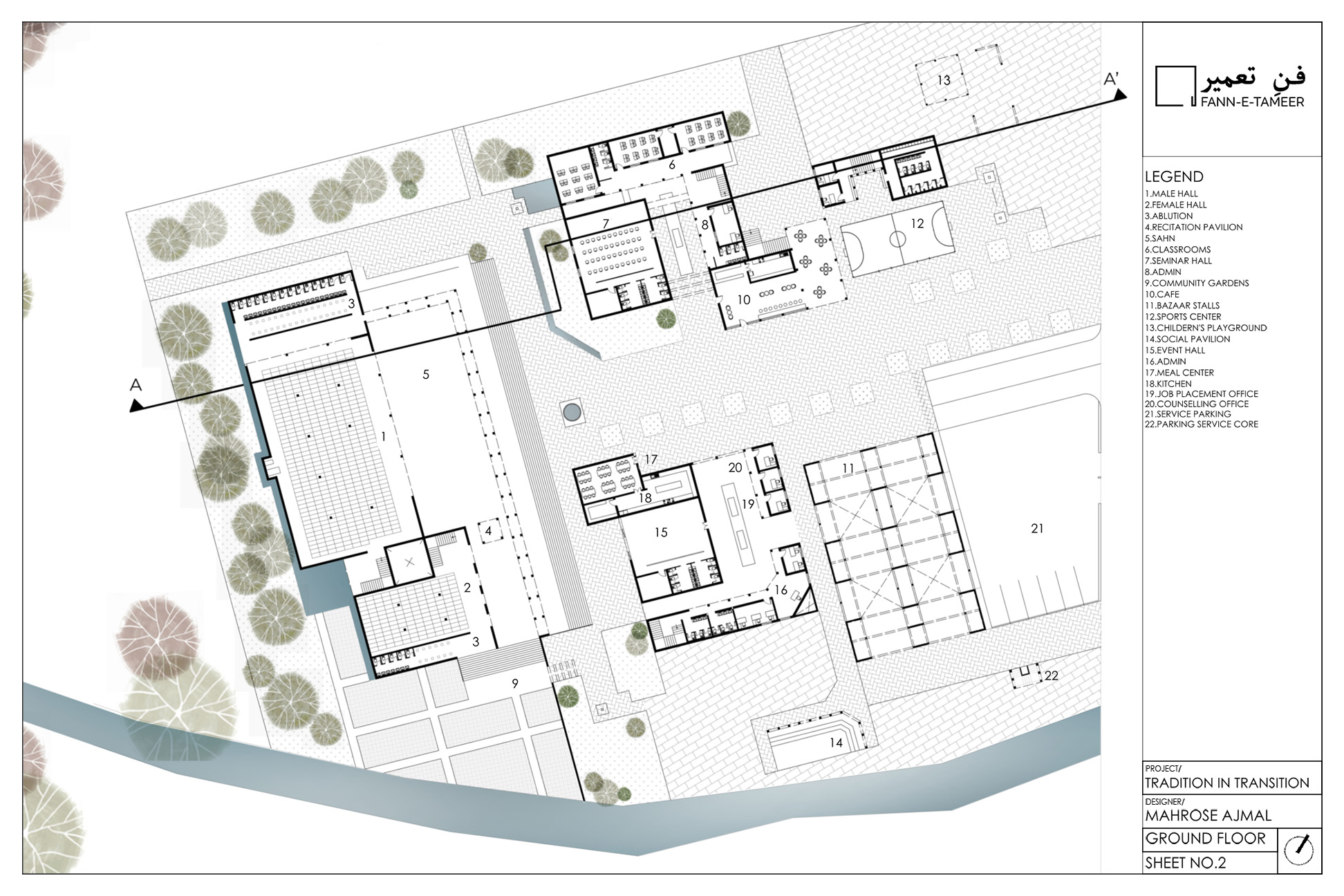
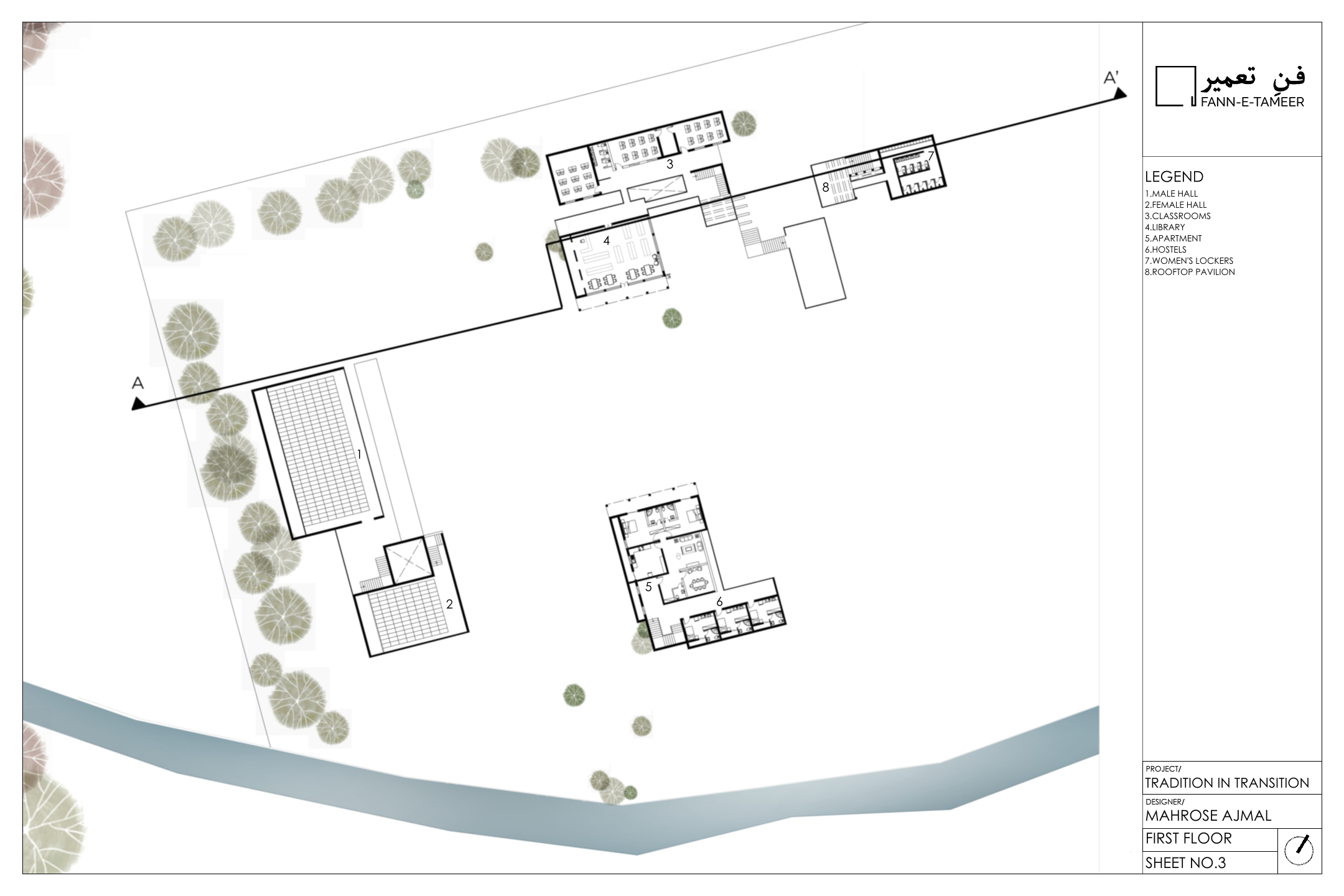
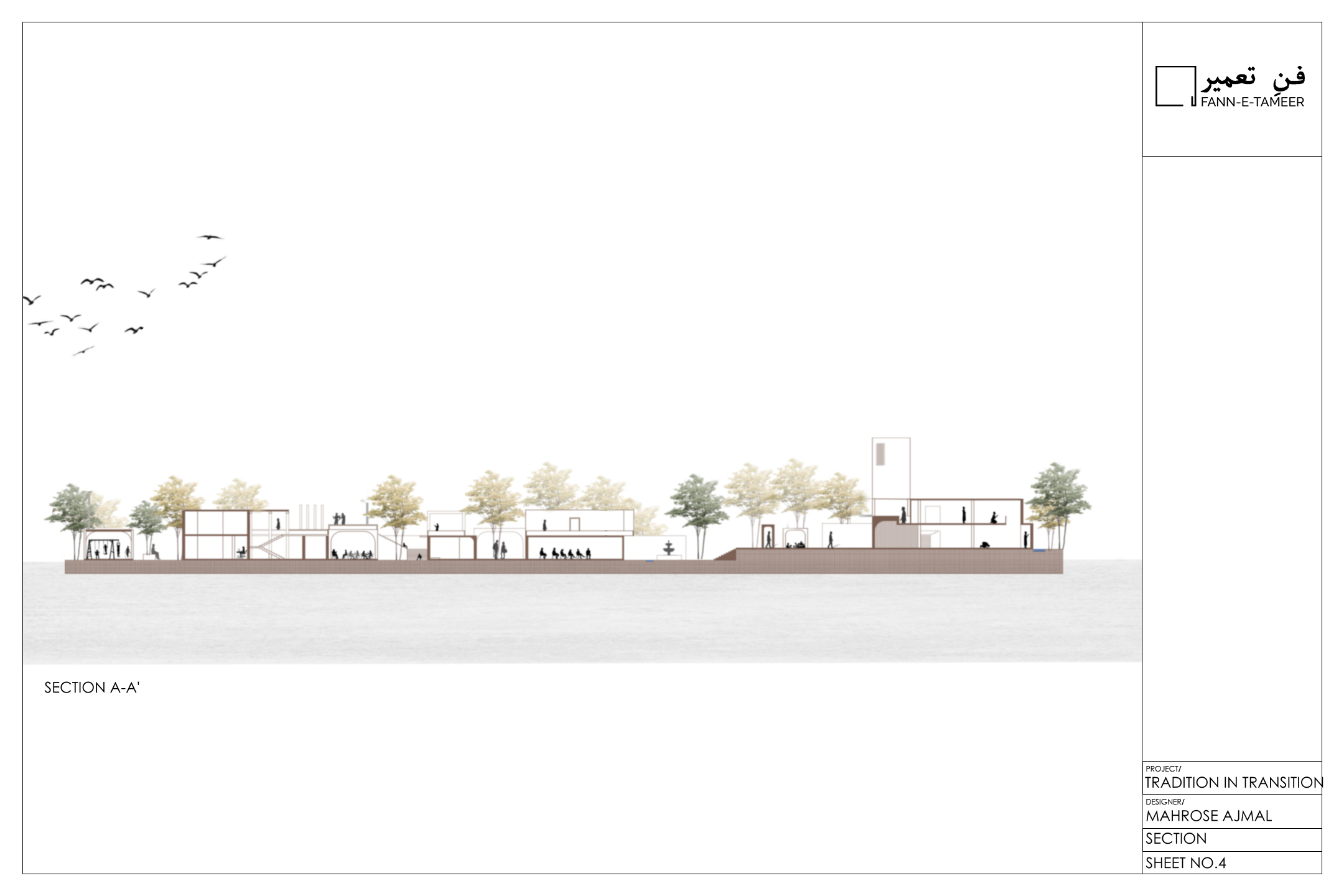
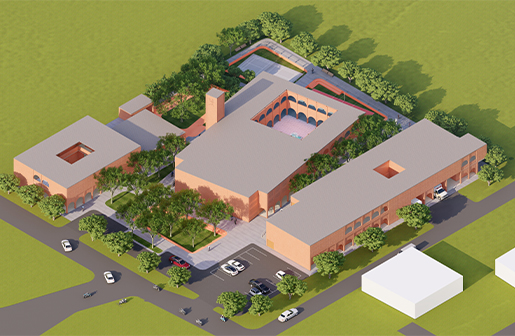
Serving as a central communal hub, the project aims to support education, skill development, welfare, and social interaction. Designed with inclusivity and connectivity as its basis, the mosque provides welcoming and accessible spaces for women, youth, and underrepresented groups, ensuring participation and representation as shared values rather than exceptions. The design is based on a square grid of 20’ x 20’, created by visualizing a community connection through a central South-West axis, or the Qibla axis. The grid provides an axis of symmetry that is broken through the push and pull of volumes and programmatic zones, creating roughness in the design and encouraging movement for the user.
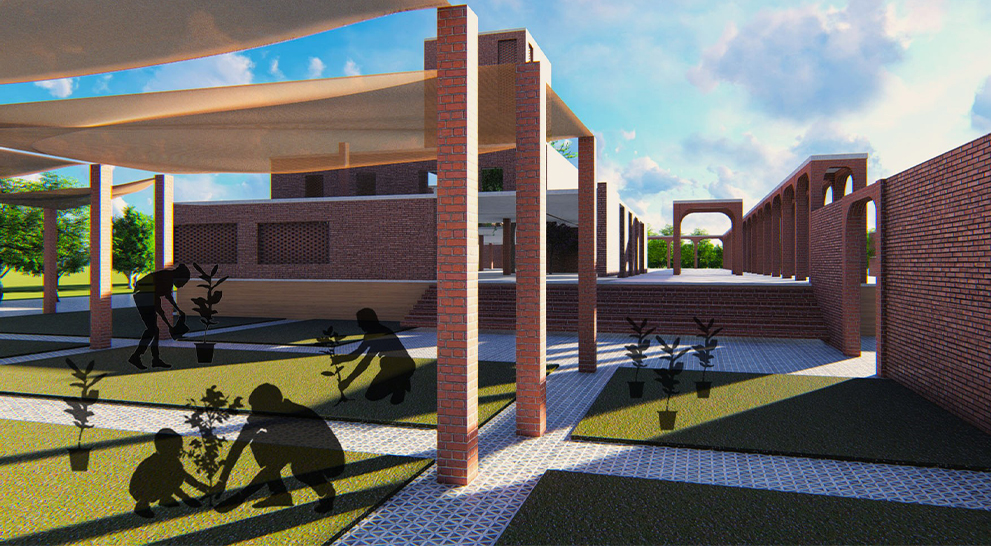
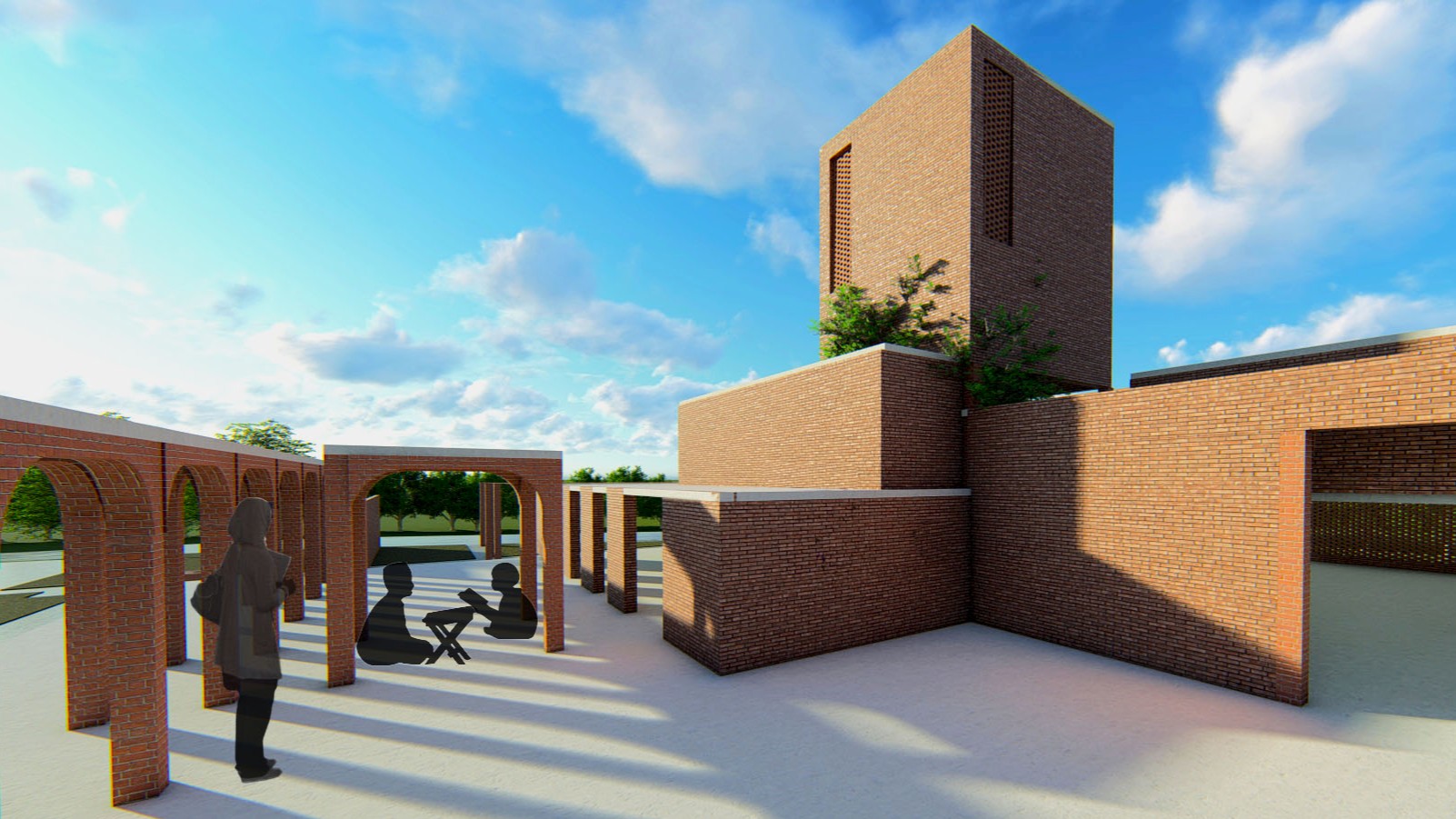
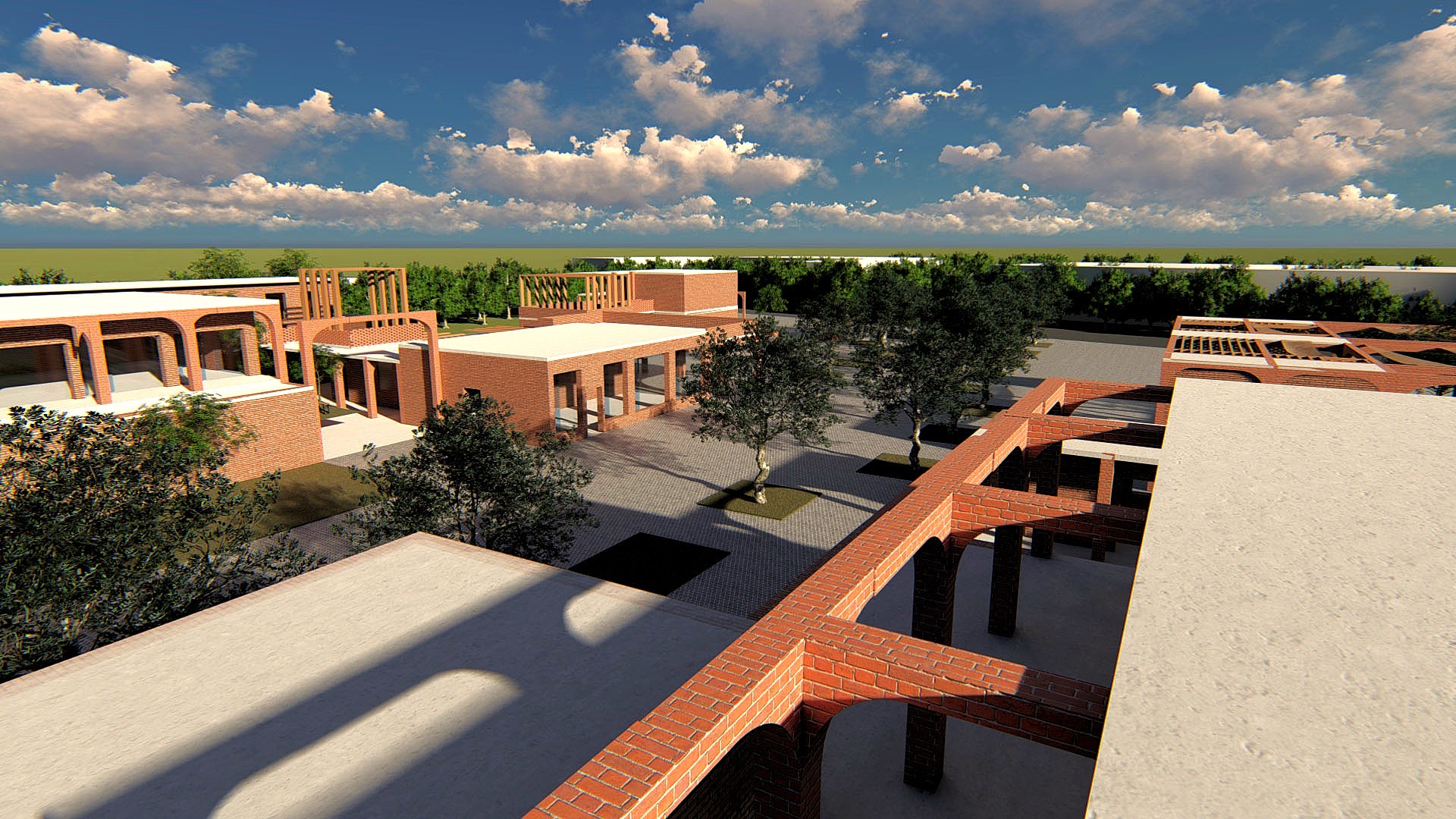
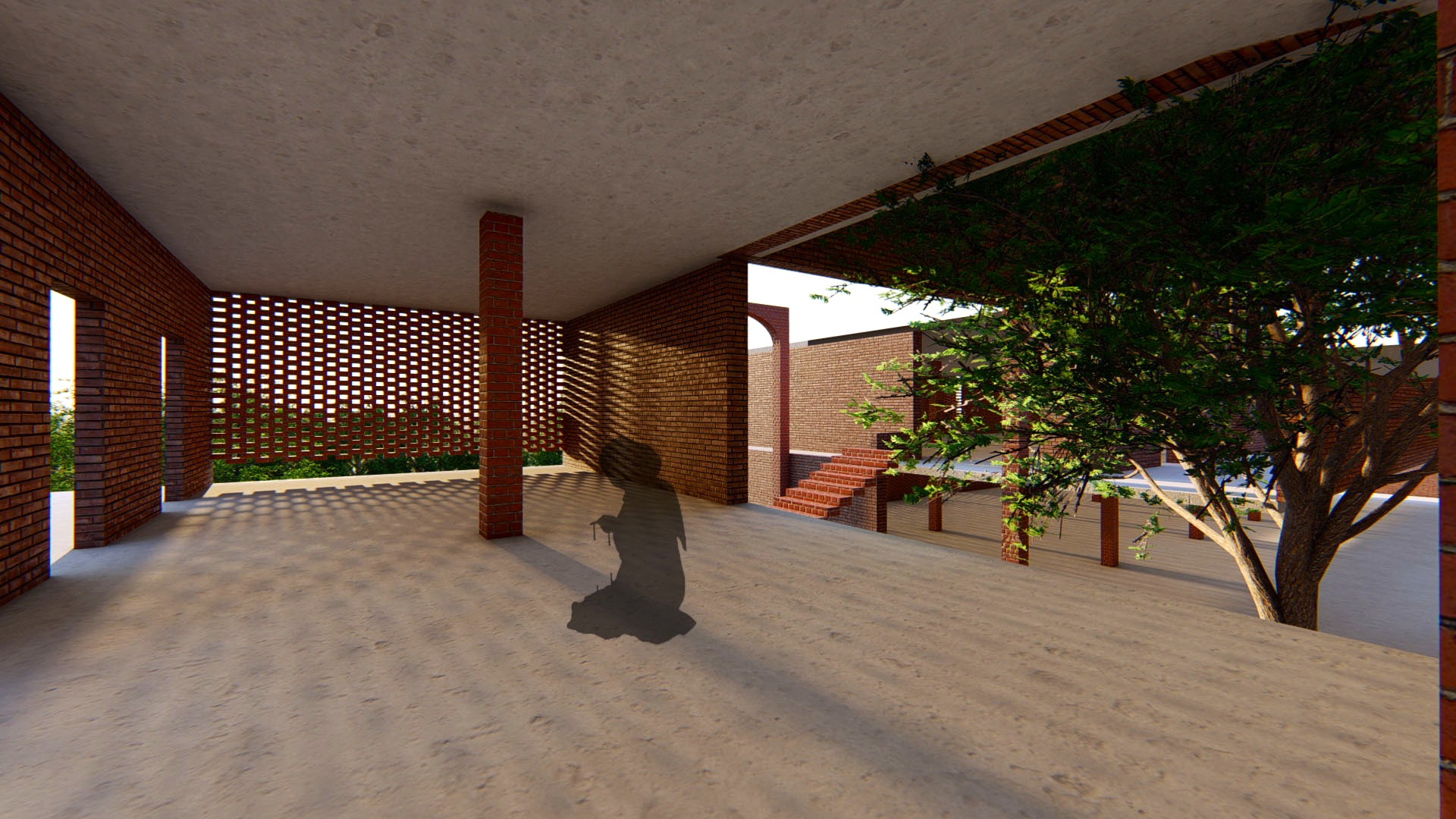
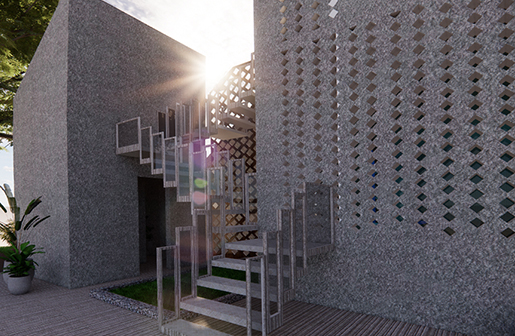
The masterplanning acts as a connective element between two residential communities on site, through multiple means of approach to the site. Each entryway is highlighted through the placement of a social node and further connects to the central axis, highlighting the hierarchy of placement. Use of courtyards and opening within the volumes support passive ventilation and cooling process on site through the stack effect. The staggered volumes and terracing allow for viewing points and points of interest for the user, instigating curiosity and encouraging exploration of the site.