Tameer-e-Nau ki Kahani
A participatory redevelopment proposal for France Colony, integrating modular housing, live-work spaces, sustainable infrastructure, and communal streetscapes to foster resilience and dignity.
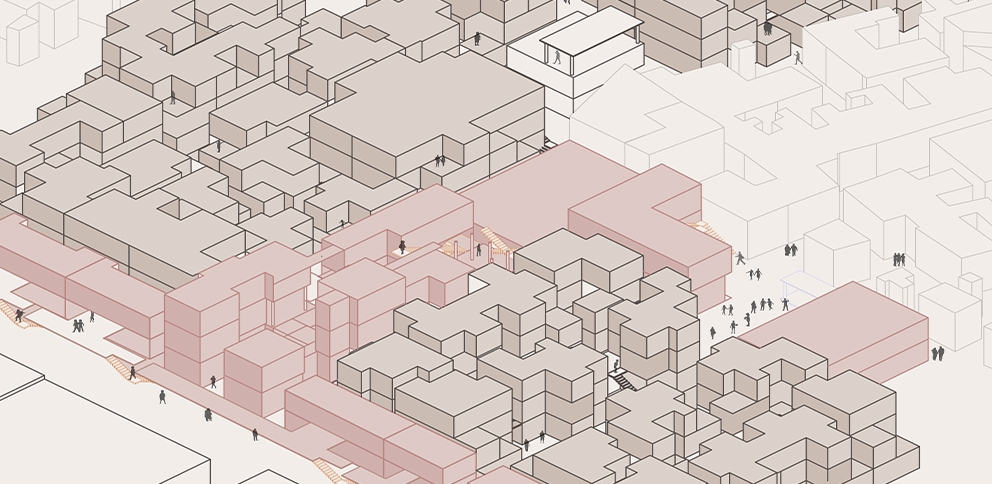
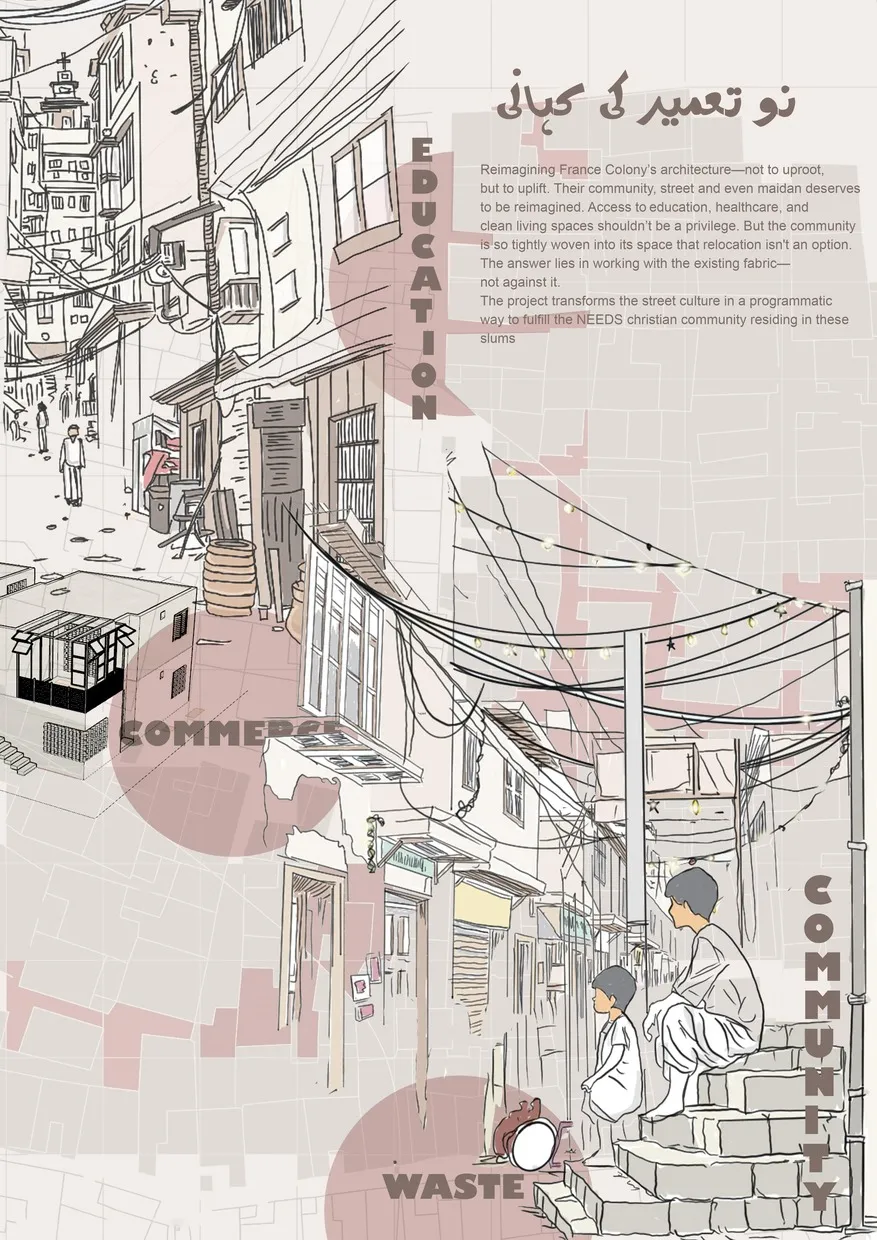
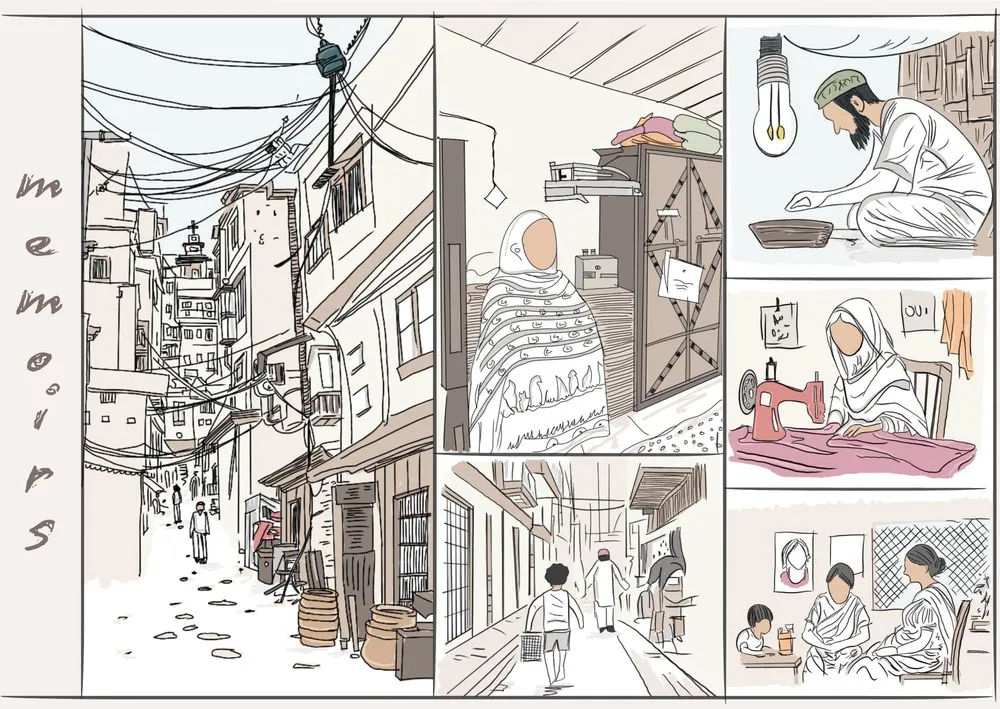
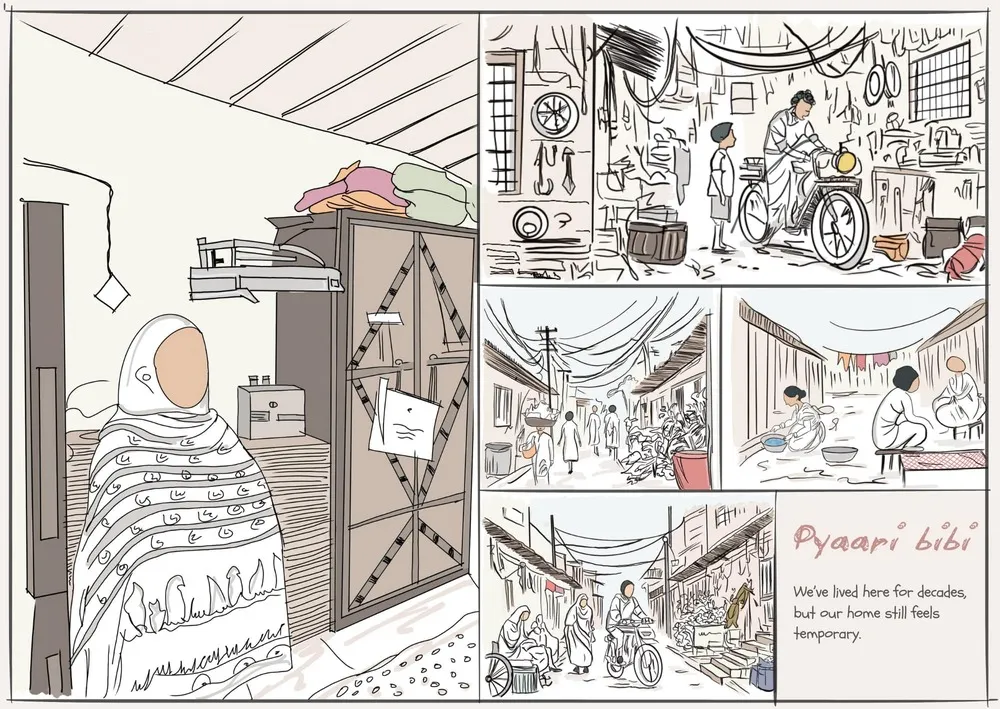
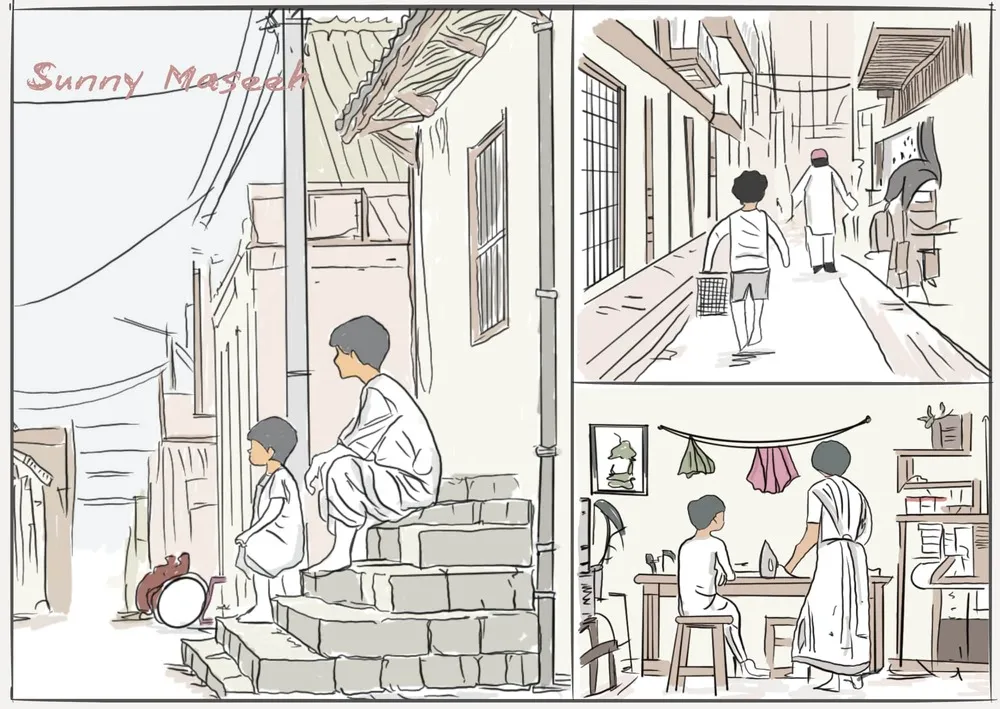
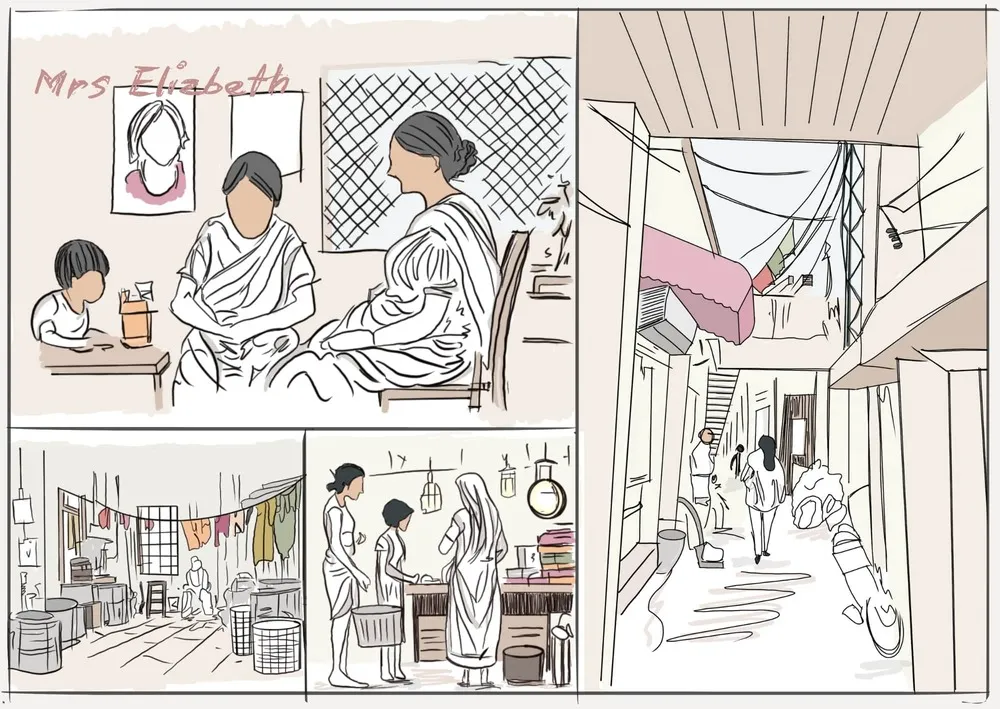
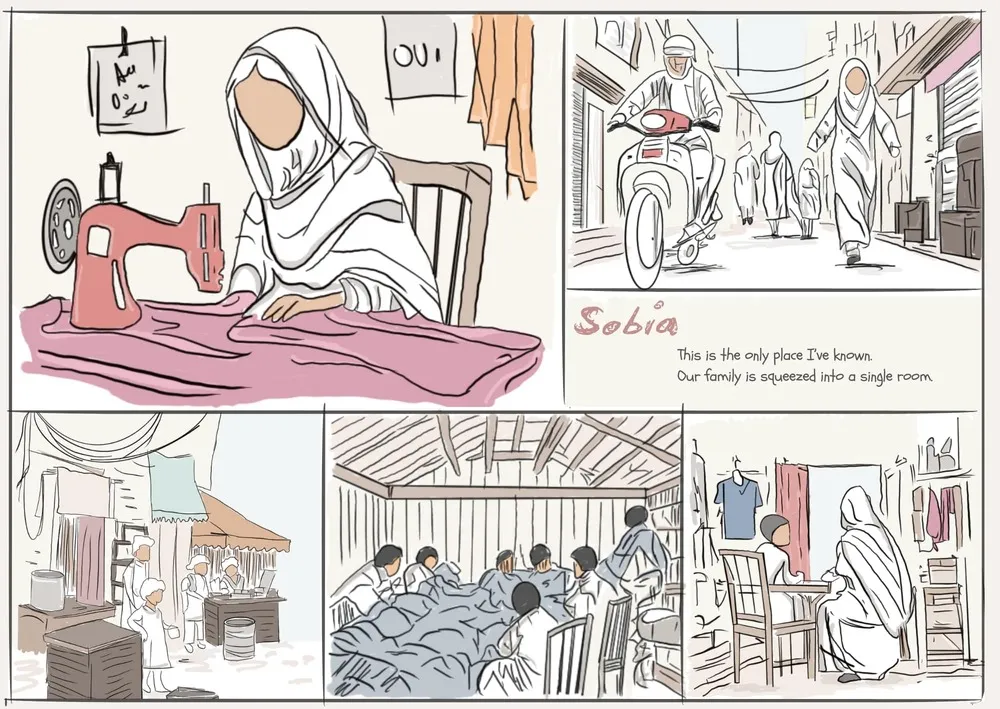
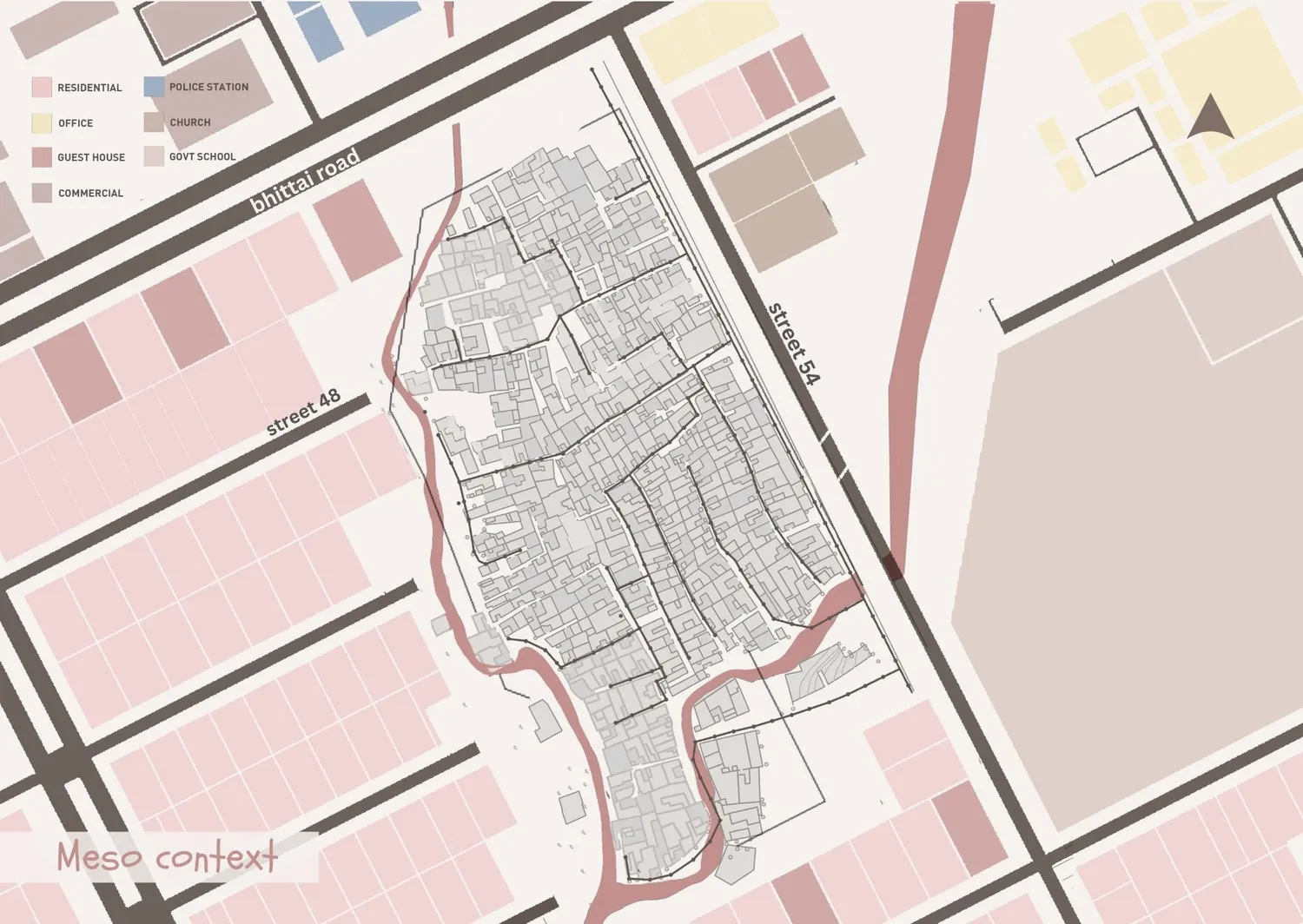
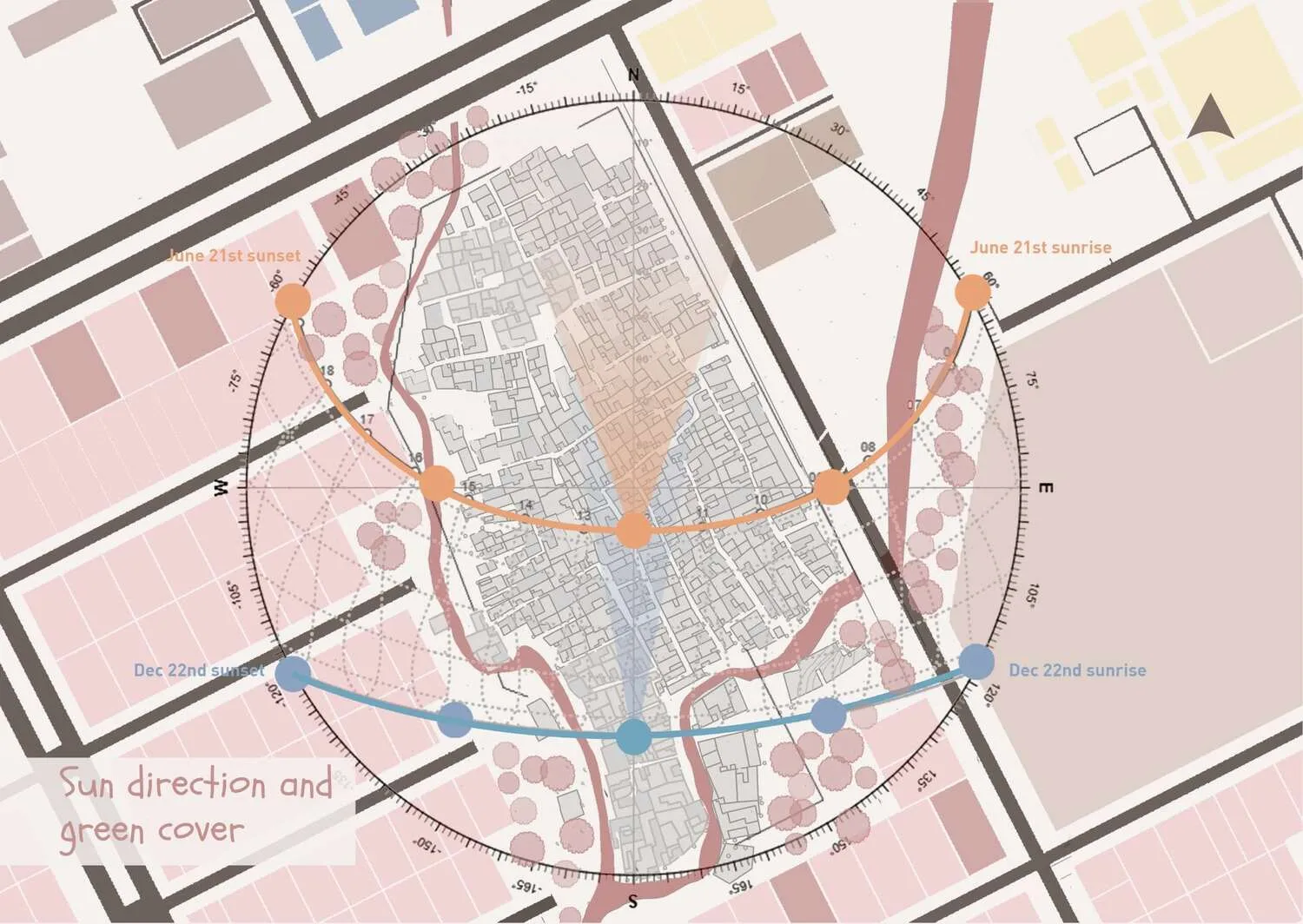
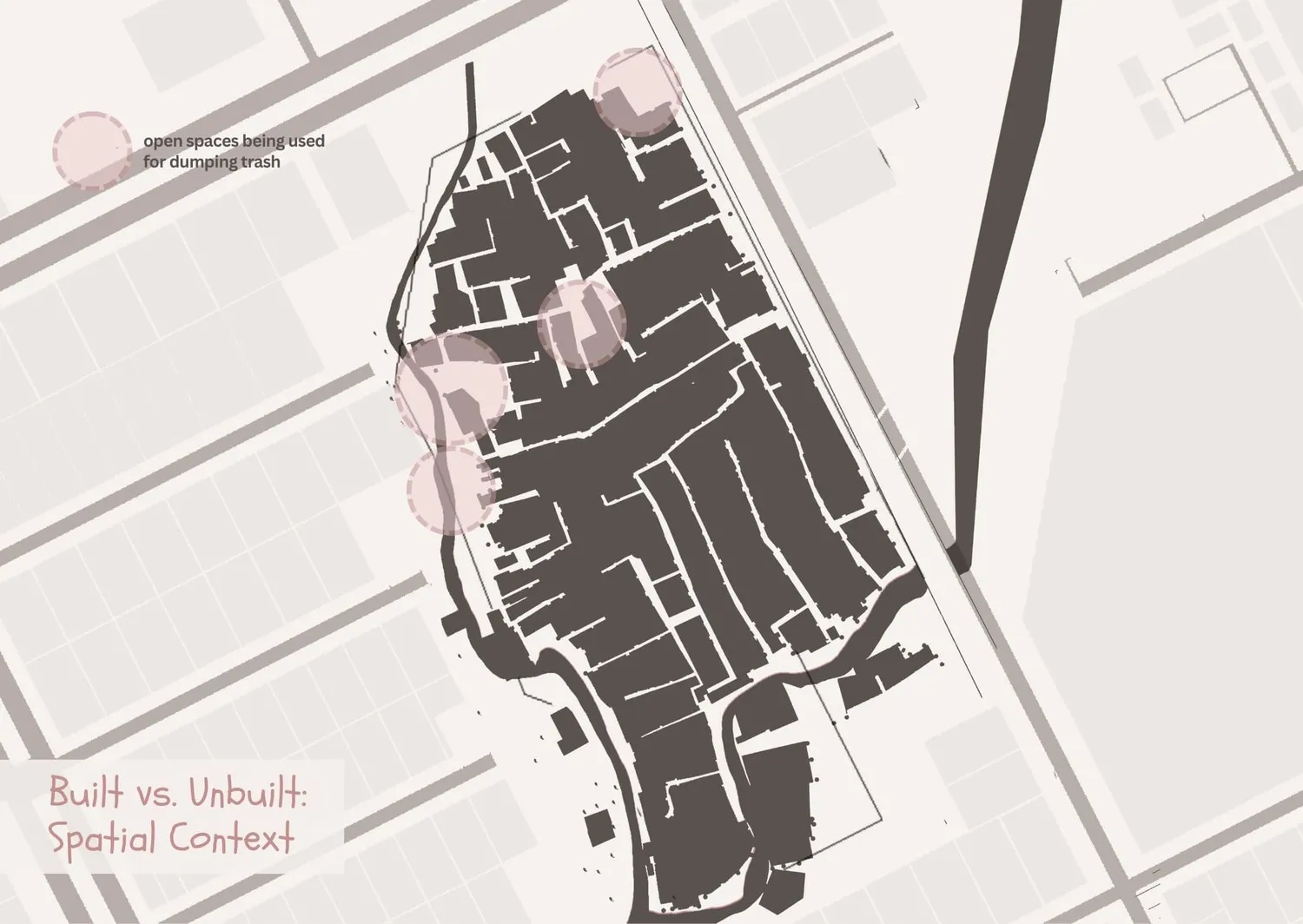
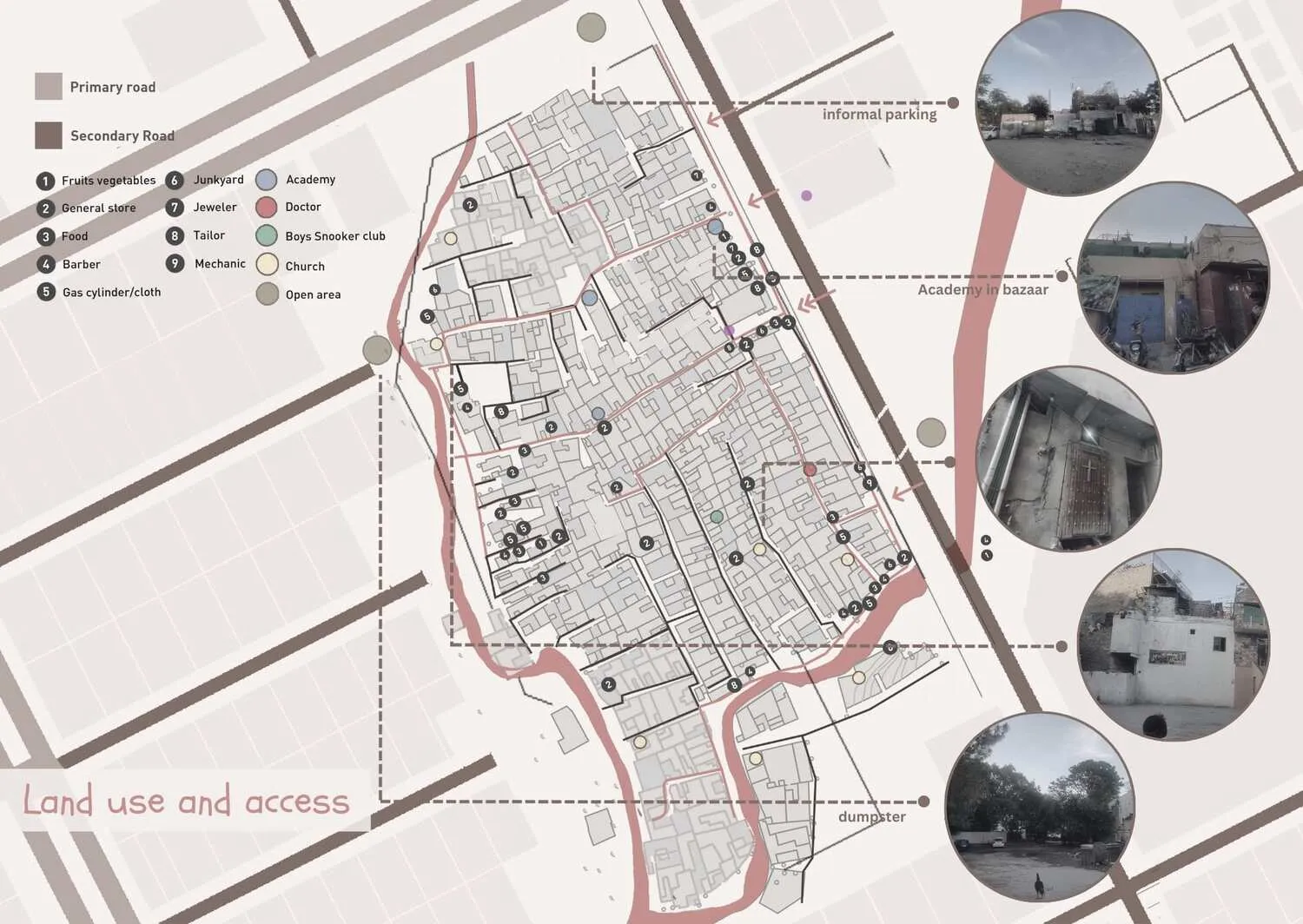
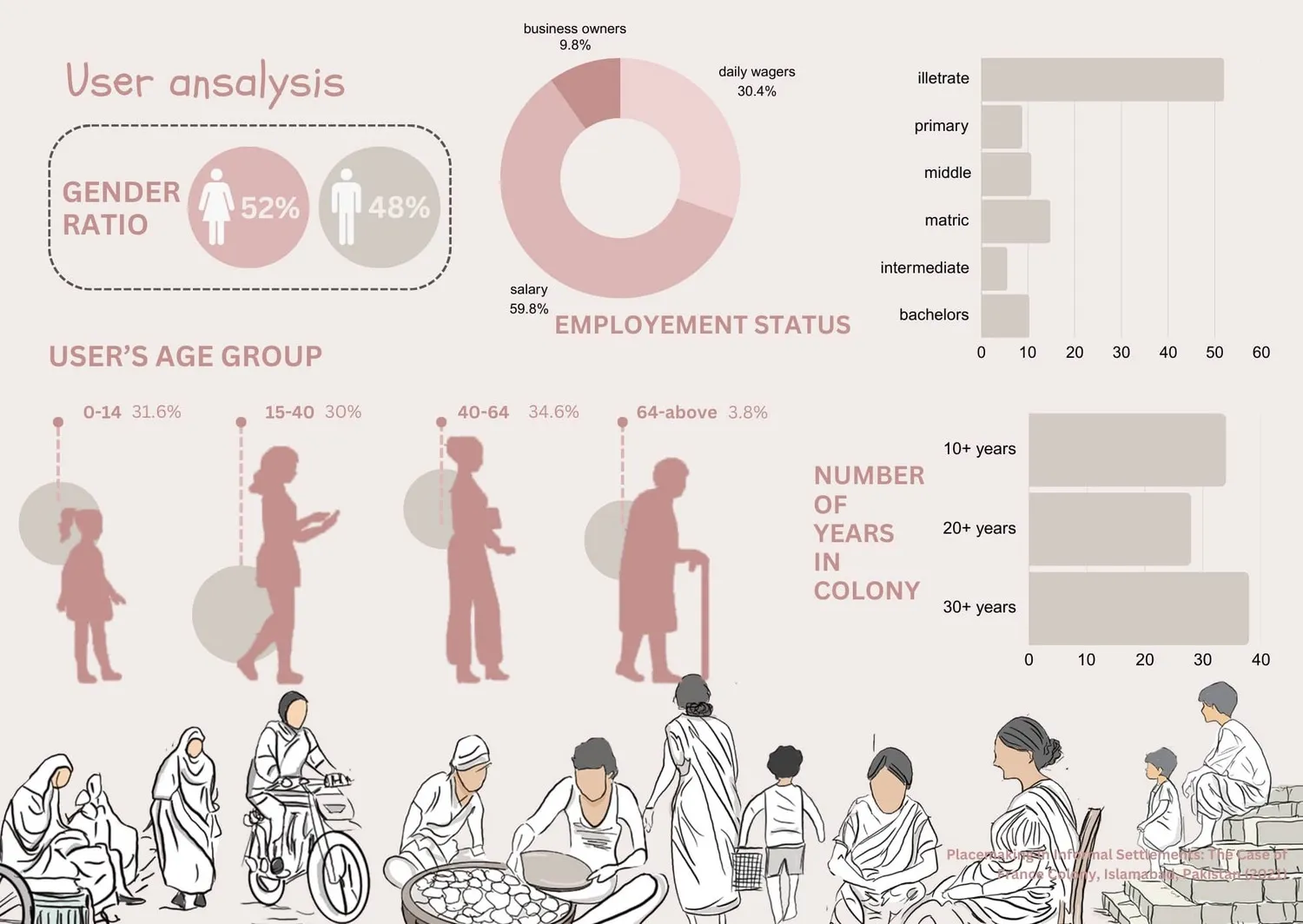
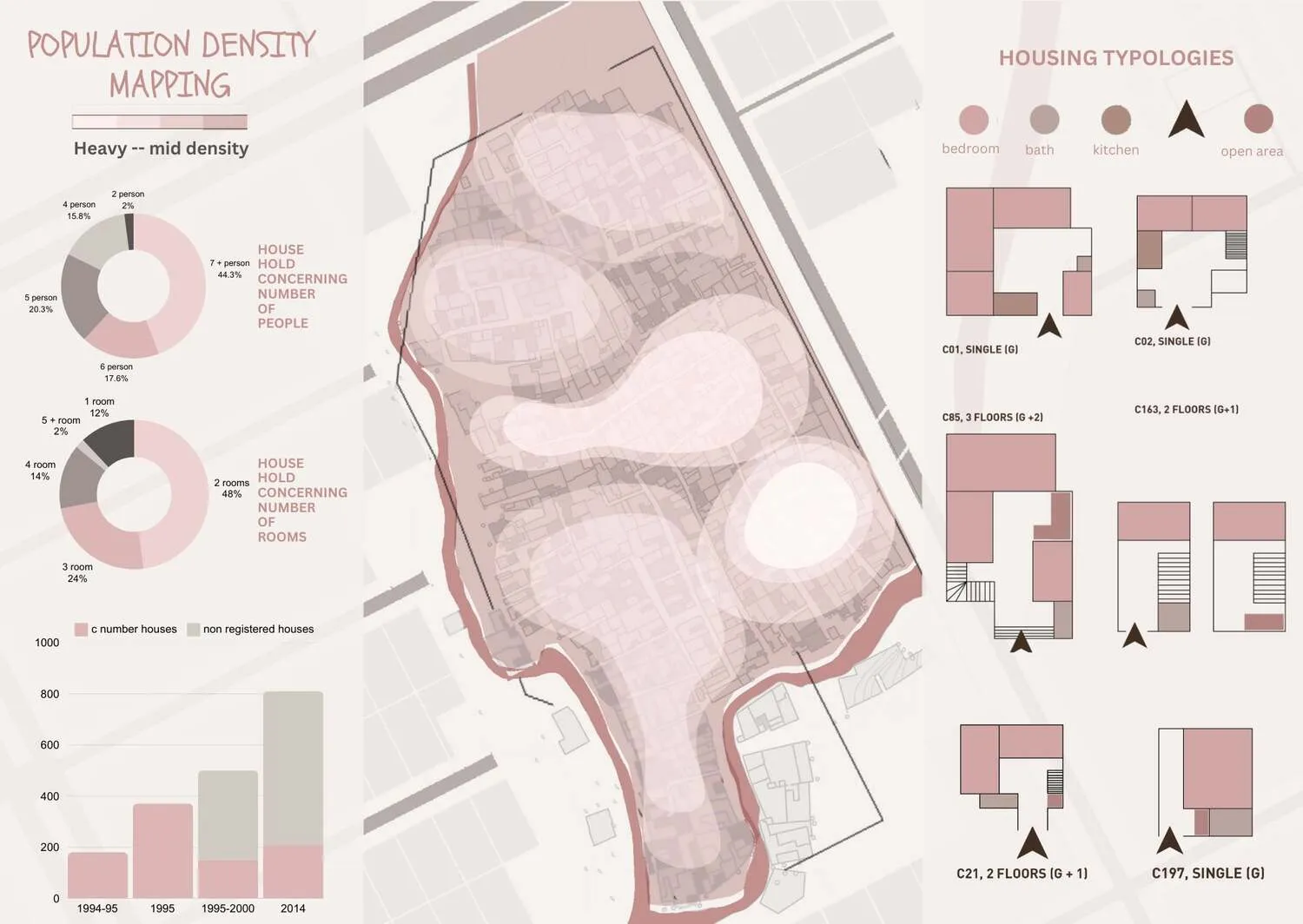



Tameer-e-Nau ki Kahani analyses the socio-economic, cultural, and spatial issues in informal settlements, with specific reference to France Colony in Islamabad. The design focuses on the community, with an emphasis on meeting immediate infrastructure voids, housing shortages, economic vulnerabilities, and environmental sustainability. Zubia Manzoor proposes incremental modular housing, integrated live-work housing, sustainable infrastructure design, and dynamic community spaces that aim to build socio-economic resilience are some of the major features of the redevelopment of France Colony. Streetscapes are redesigned as multifunctional communal resources that promote interaction and economic empowerment. By integrating cultural identity and participatory planning in the redevelopment plan, the proposal offers a ideal model for inclusive and resilient urban regeneration, significantly enhancing the quality of life in informal settlements.
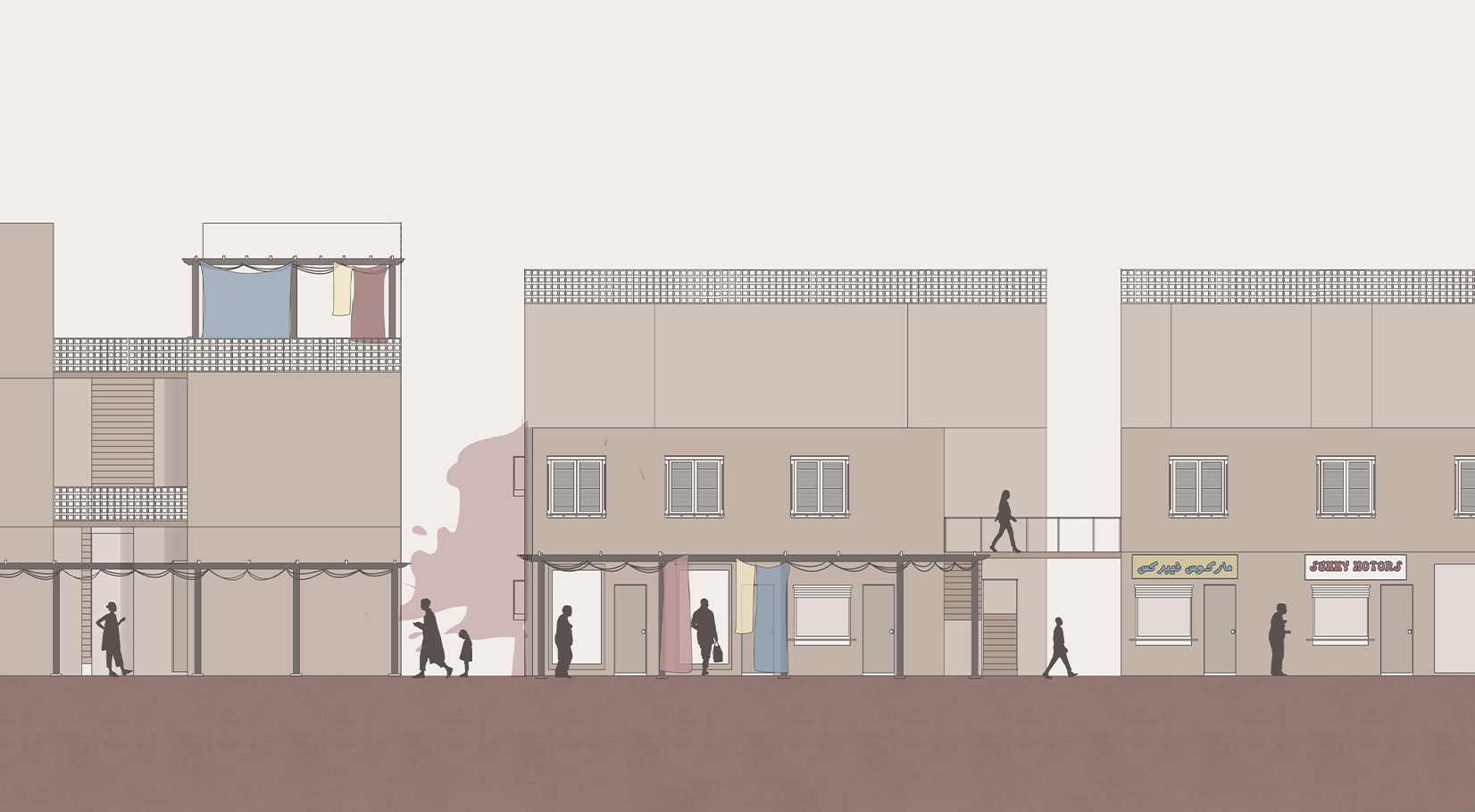
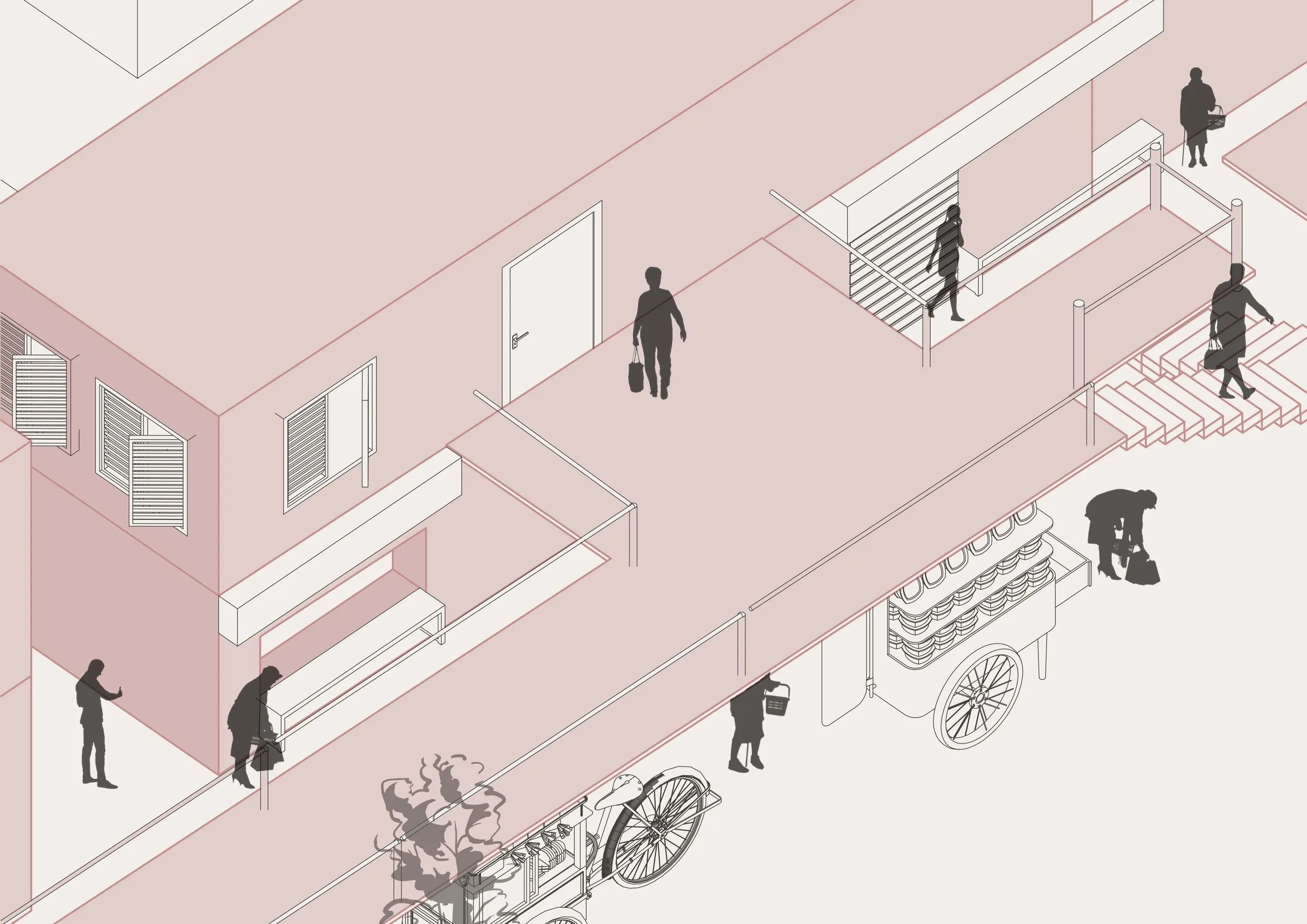
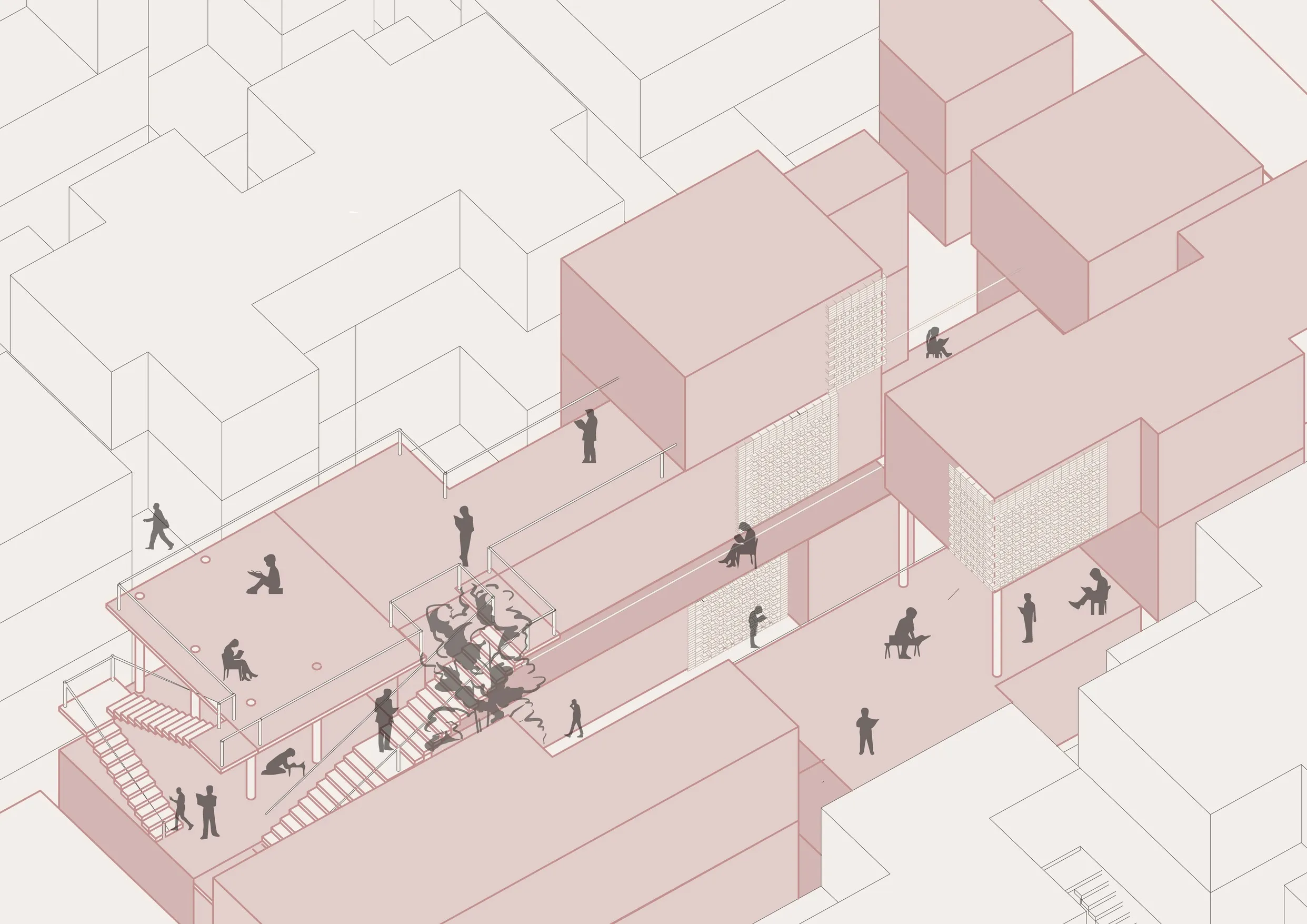
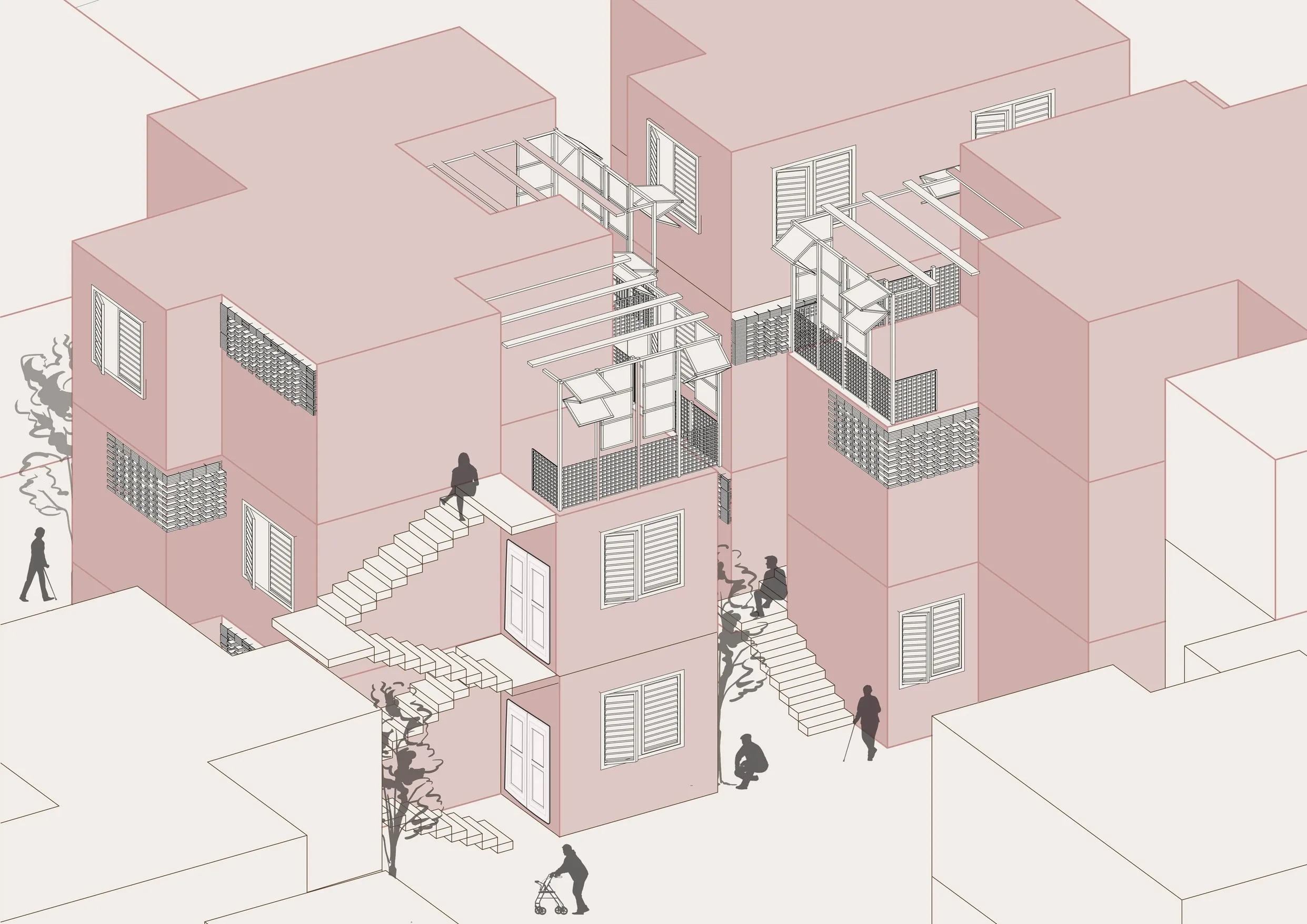
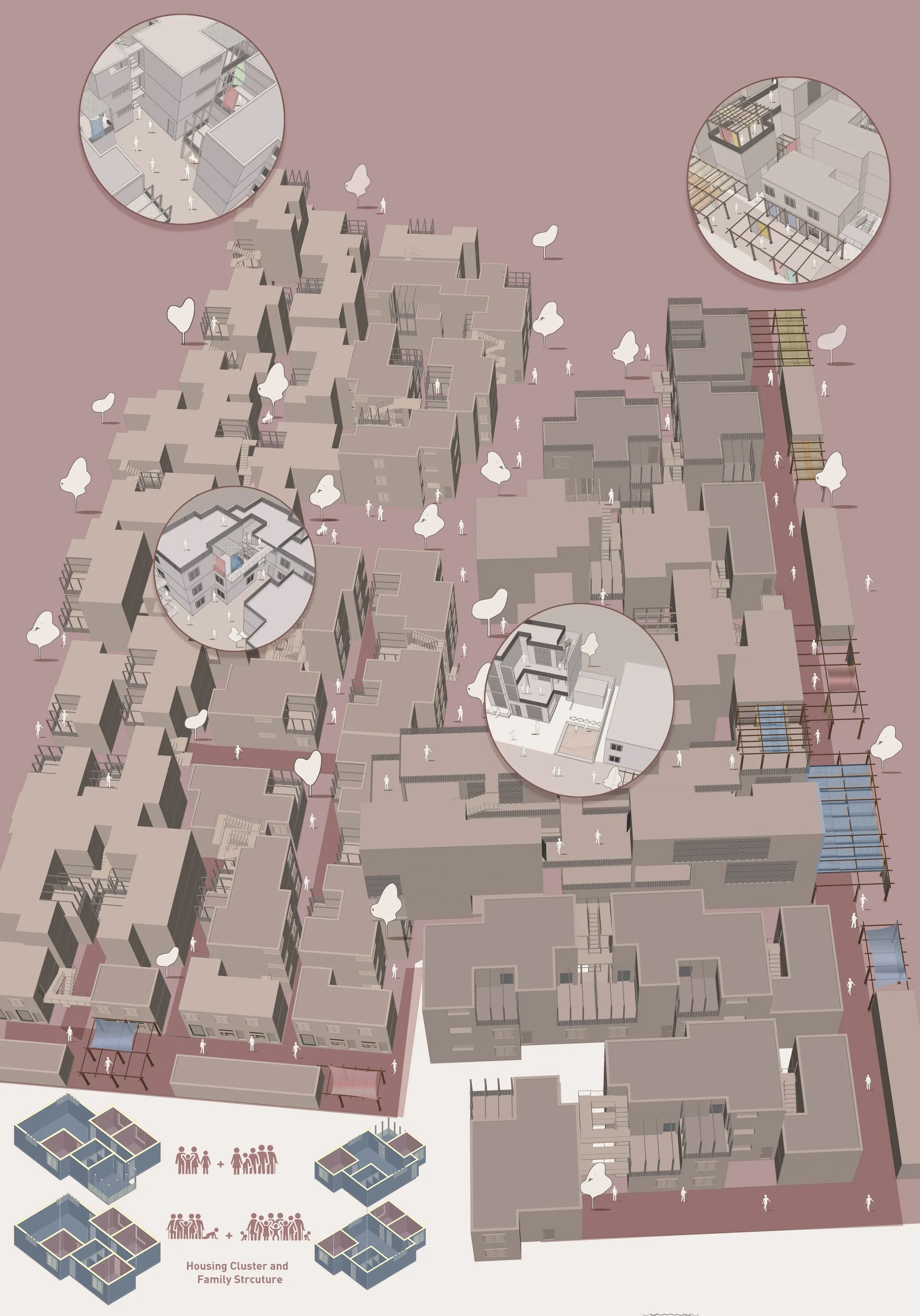
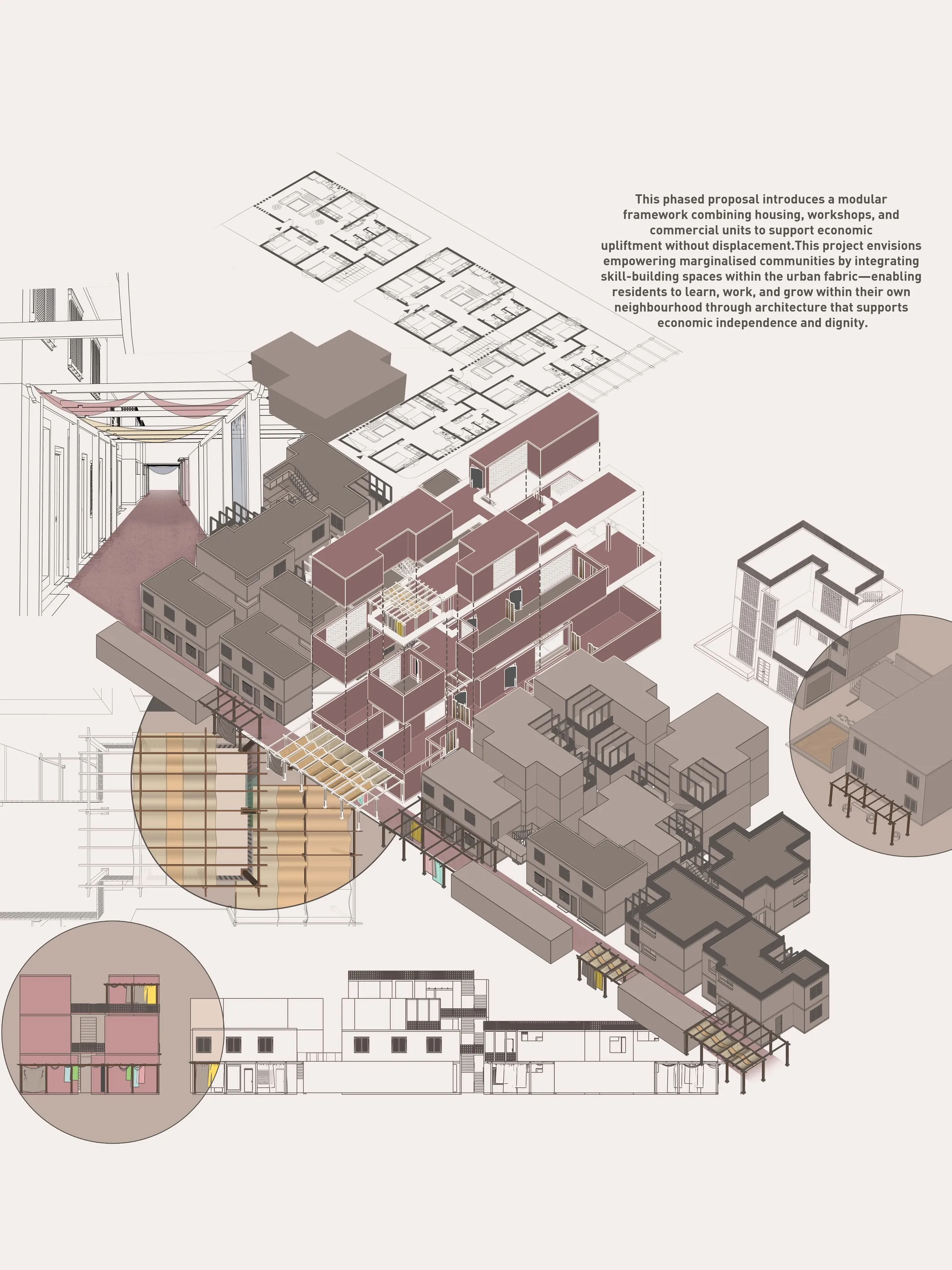
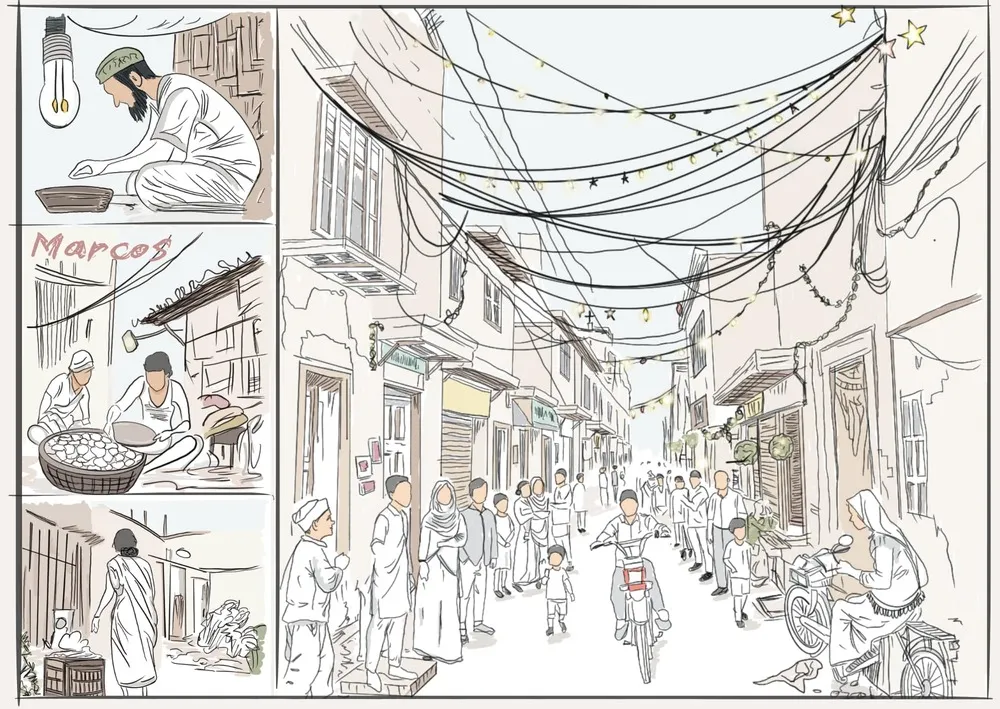
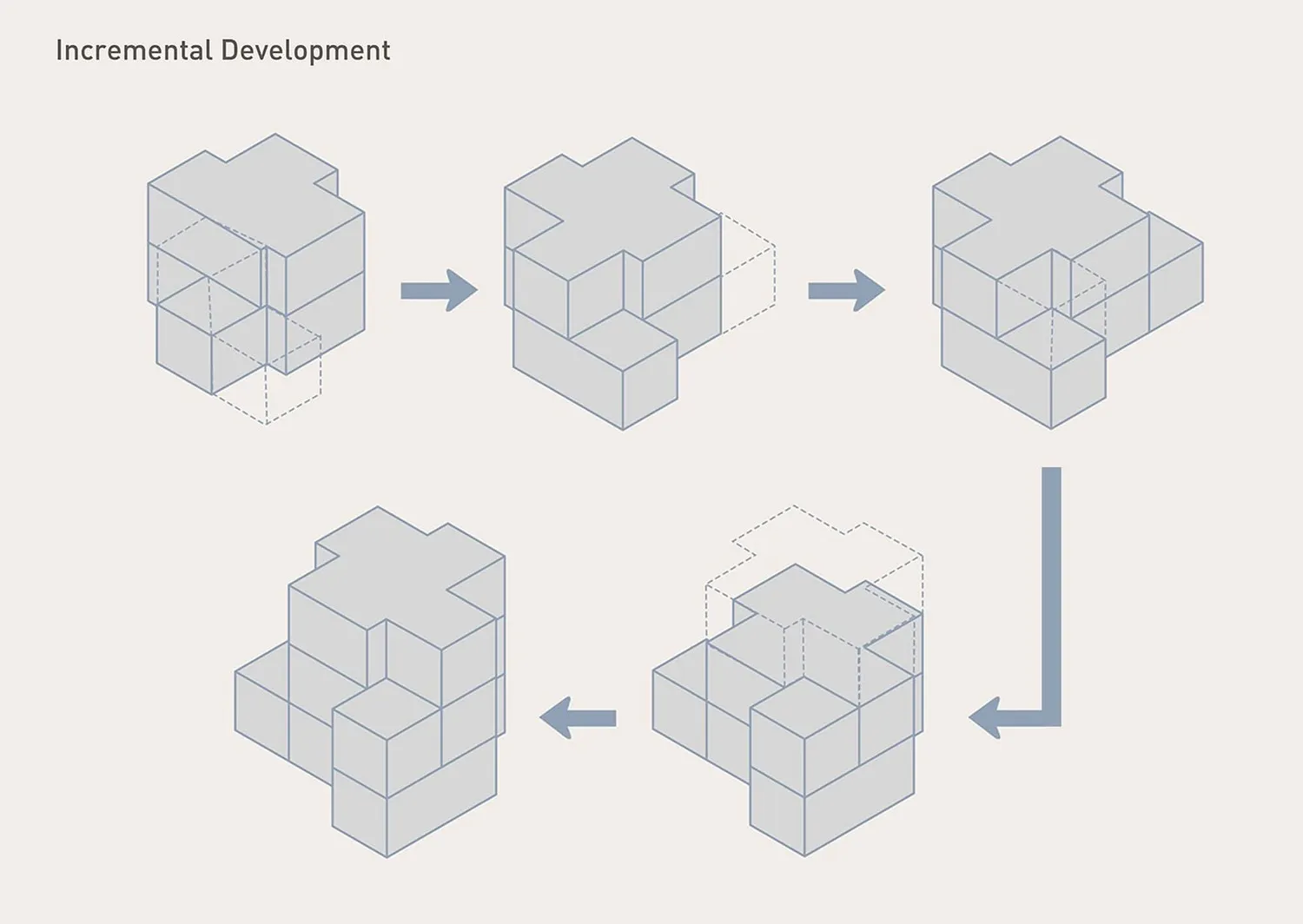
The concept of redevelopment is rooted in deep respect for the people of France Colony, their wisdom, cultural heritage, and resilience. Instead of proposing complete transformation, the plan emphasizes phased and incremental development, allowing houses to be altered and expanded according to family needs and affordability, thereby fostering a sense of ownership. Economic spaces are designed to support simultaneous working and living for families, while roads are envisioned as dynamic centers of social and economic activity rather than mere conduits of travel. Central to this approach are key design principles: participatory planning that ensures residents’ voices shape their surroundings; socio-economic empowerment through the integration of skill development centers and small business units; sustainability measures such as solar energy, rainwater harvesting, and waste management systems; and cultural preservation that values traditions, festivities, and everyday interactions in a multicultural environment.
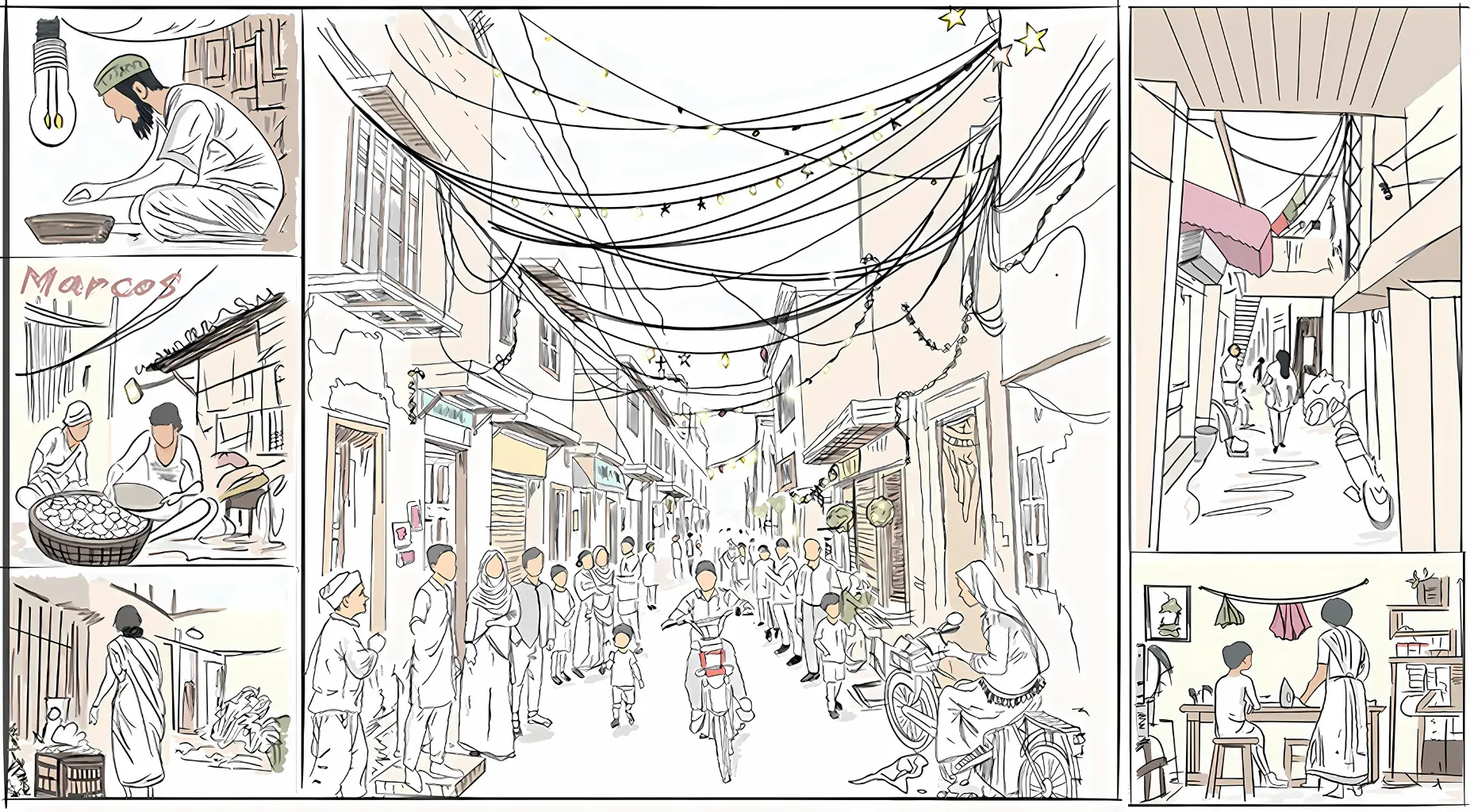
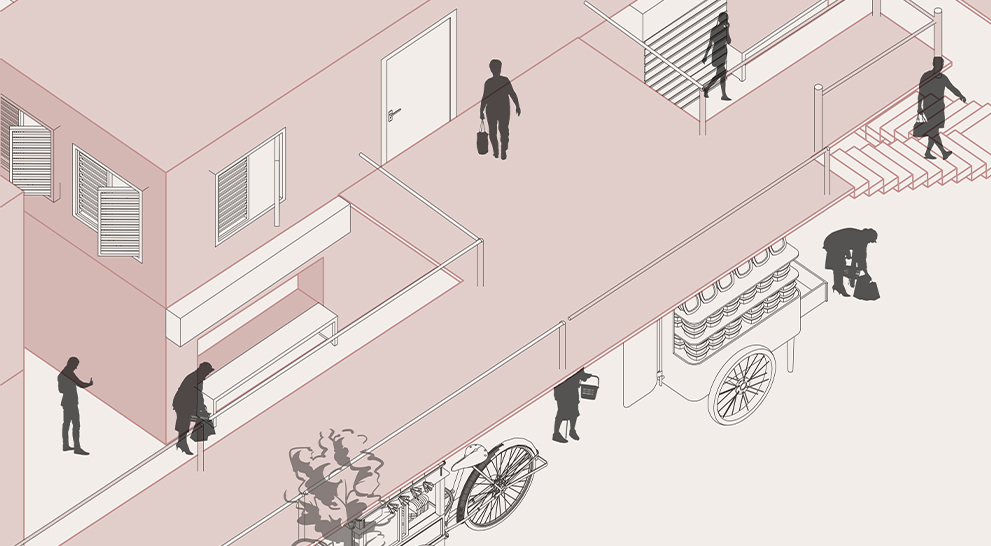
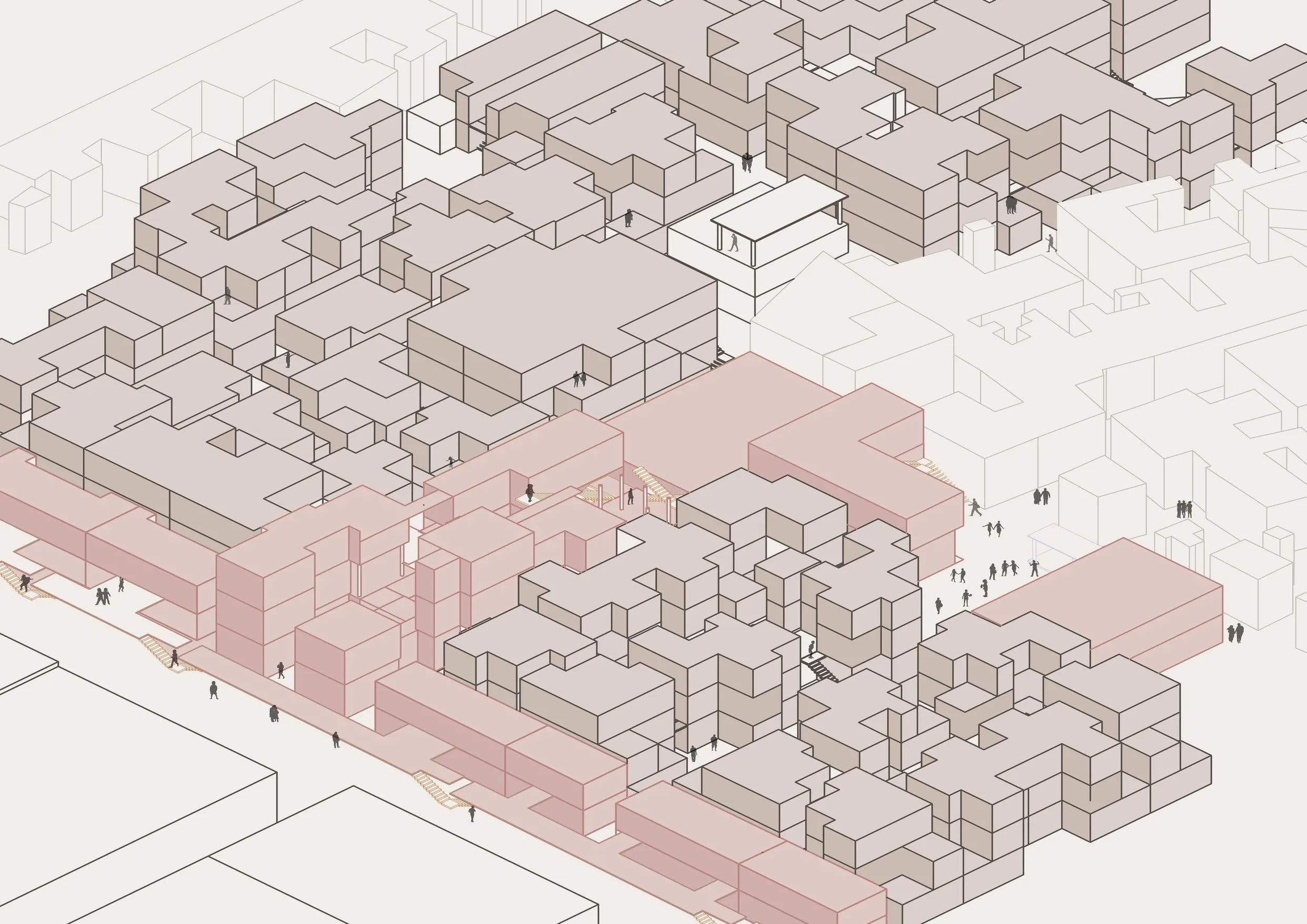
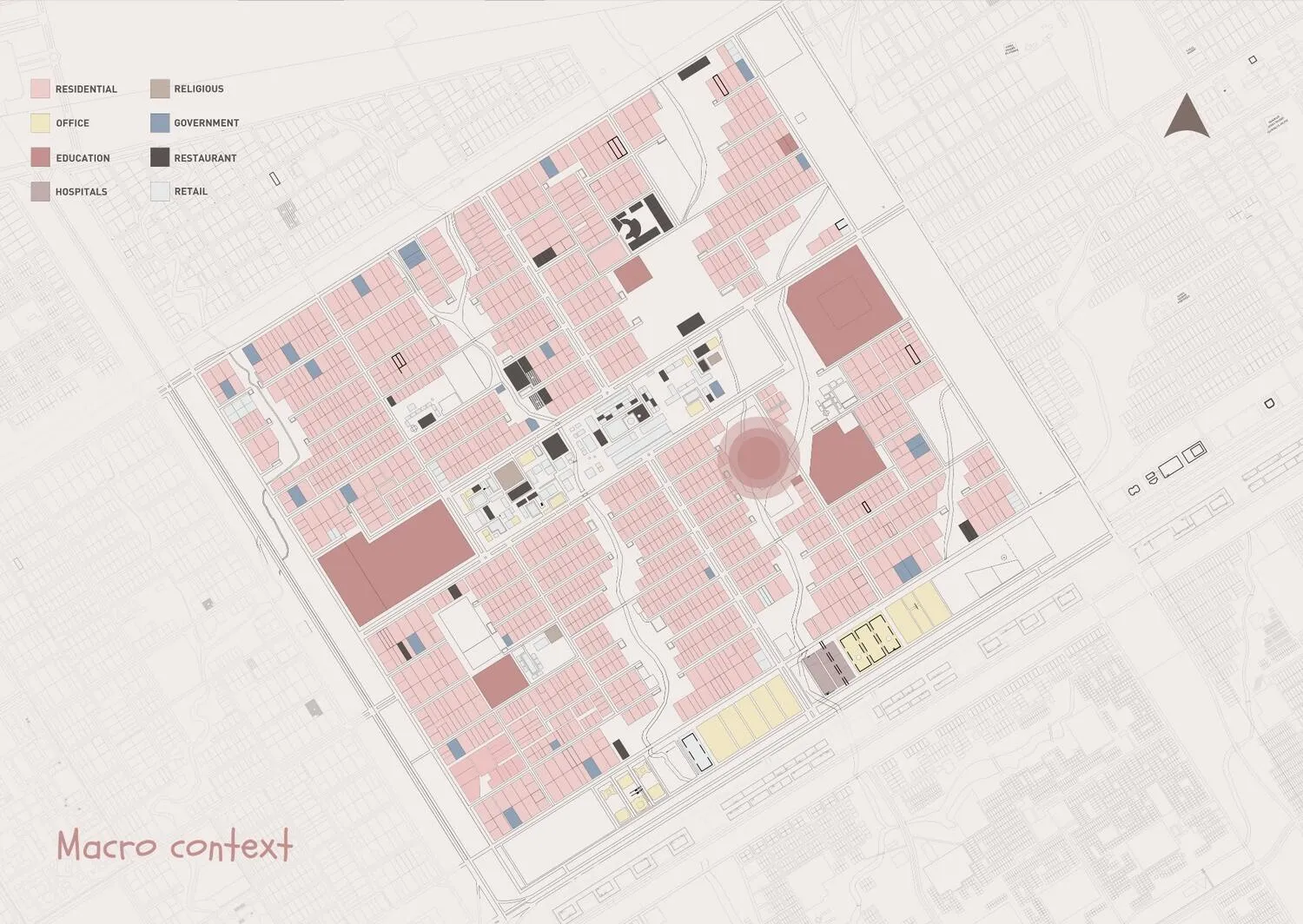
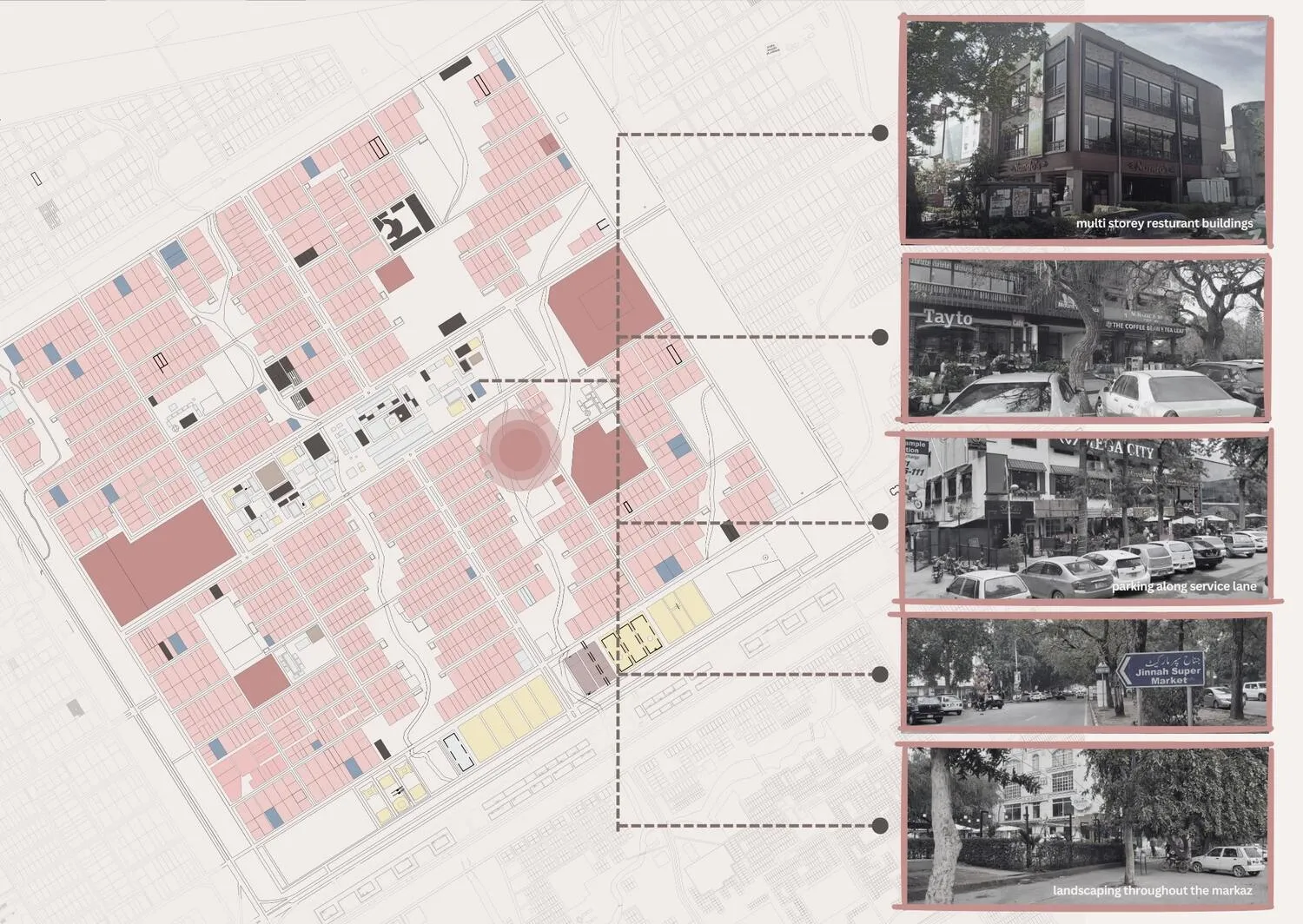


The objective of this balanced approach is to foster a complete, autonomous, and walkable community where residential, commercial, educational, healthcare, and recreational spaces are seamlessly integrated into a coherent framework. Zoning has been carefully planned to respect existing patterns of organic growth while addressing key issues that make everyday life more livable. The layout responds to the primary concerns of France Colony by prioritizing the upgrading of existing housing stock through incremental strategies, introducing a commercial spine with tool houses along the existing bazaar street to boost economic productivity, and transforming several chowks at road intersections into green communal spaces with shaded seating for social interaction and respite. The final design proposal envisions a community that grows with its people—a place where children can play, families can expand their homes with ease, and livelihoods can flourish within arm’s reach. By respecting the organic life of the settlement while contributing structured improvements, the project demonstrates a participatory, dignified, and sustainable model of urban regeneration. This perspective seeks to balance architectural vision with social compassion, creating a better place to live in France Colony.
Contact Designers || Portfolio
You Might Find These Interesting
 DESIGNED BY: Jaisha Mubashir
The Suburban Woman and the Chaar Dewaari
River Gardens, Islamabad, Pakistan