A Transit Hub, Reimagined
A sustainable bus terminal design centered on flow, clarity, and comfort, blending transit efficiency with green architecture to create a humane, user-focused urban landmark.
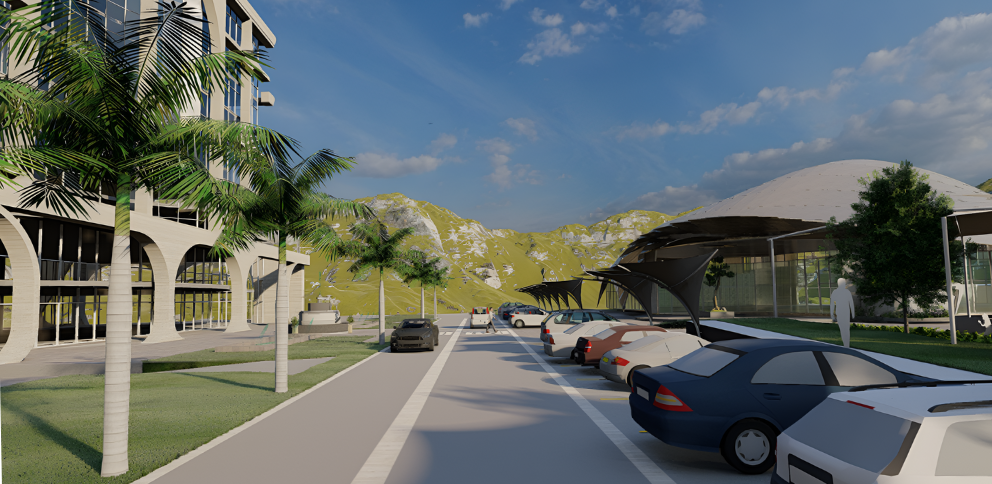
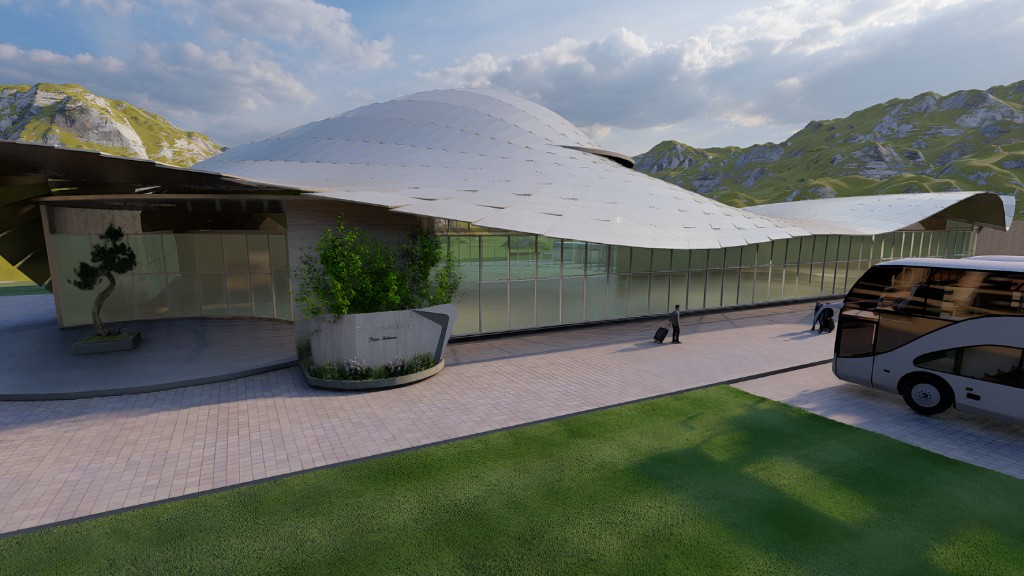
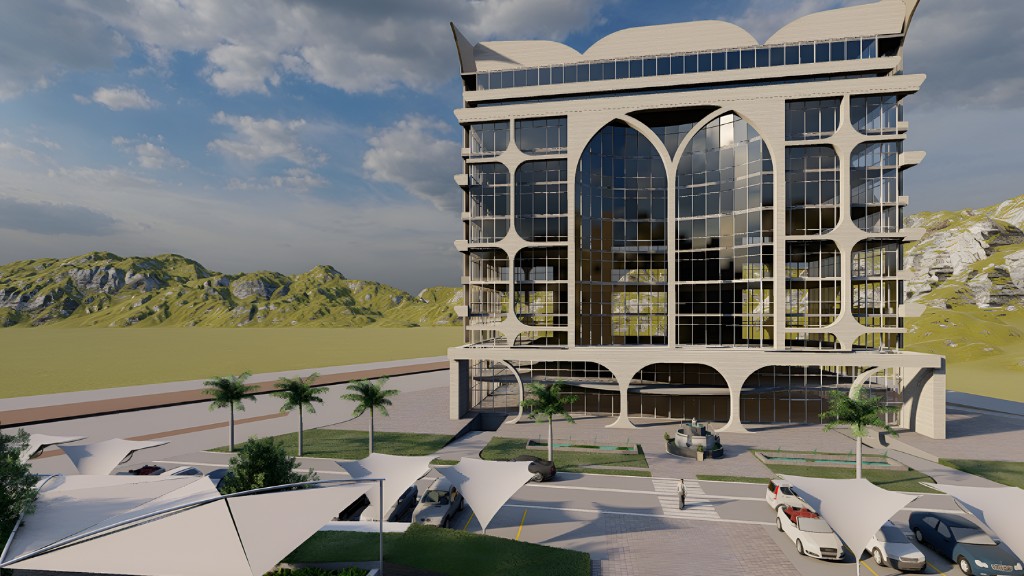
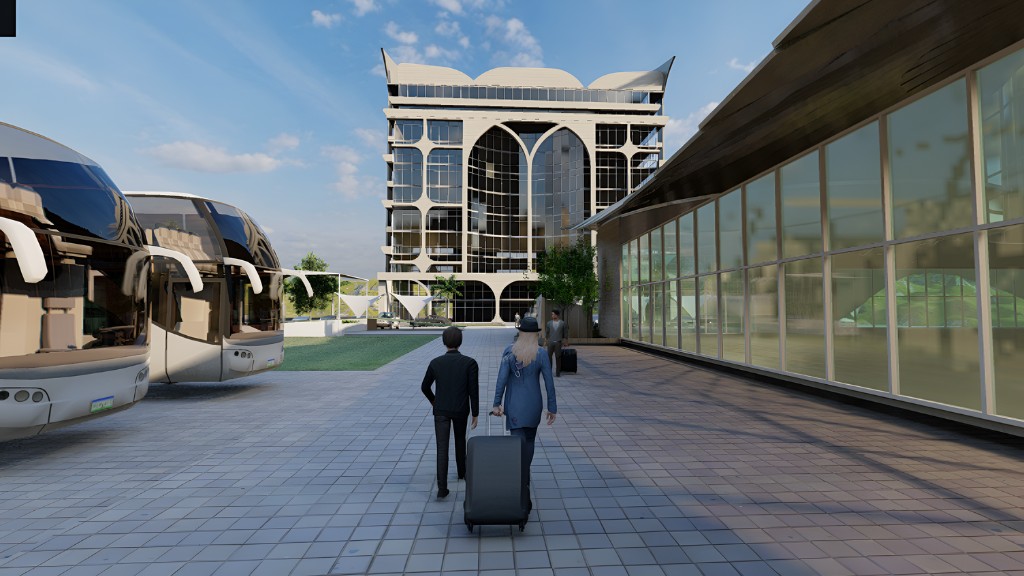
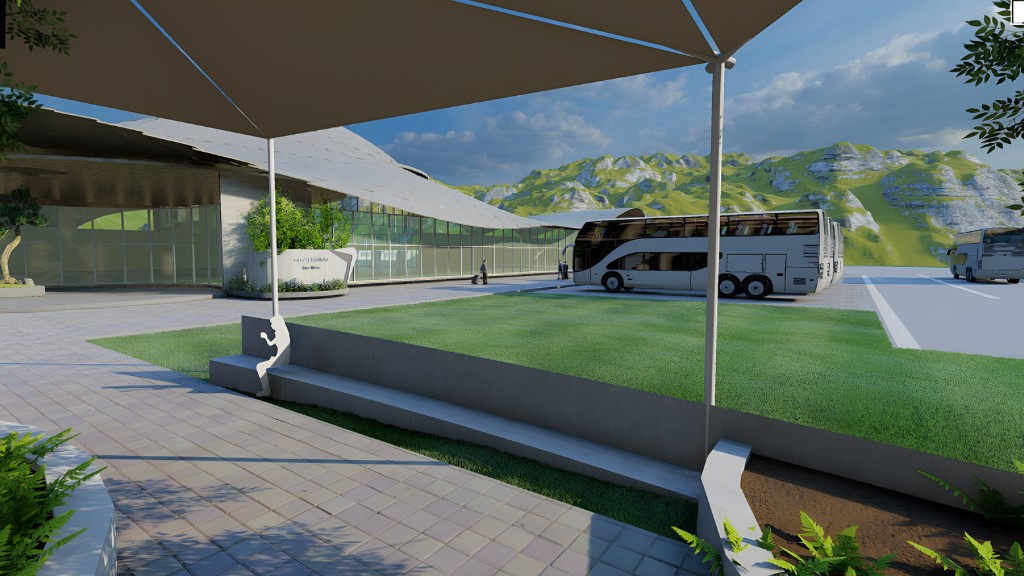
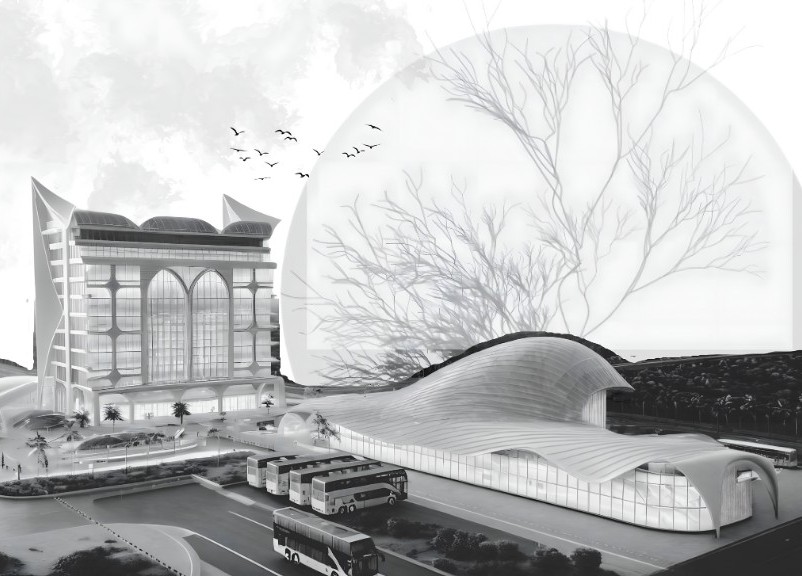
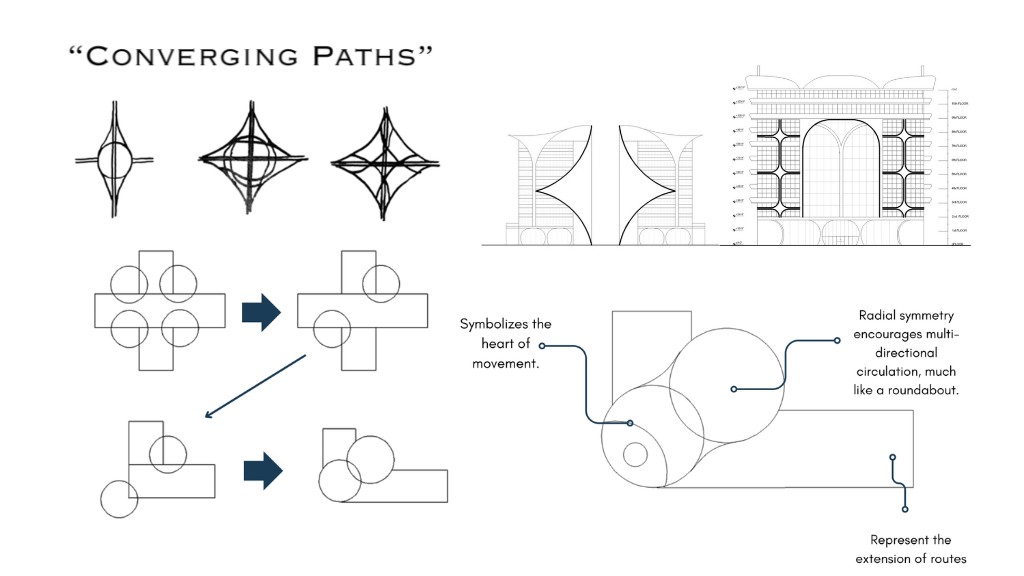
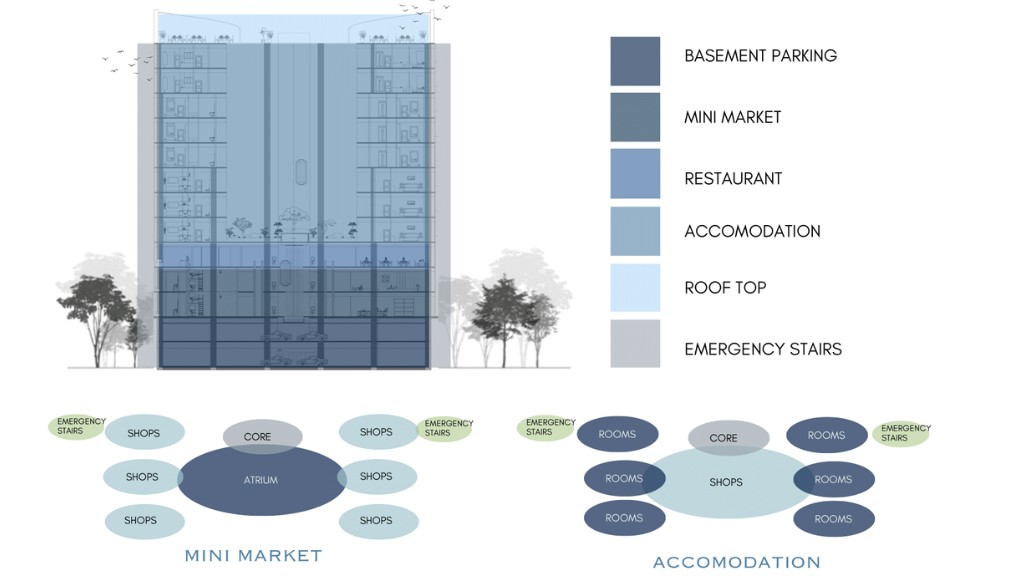
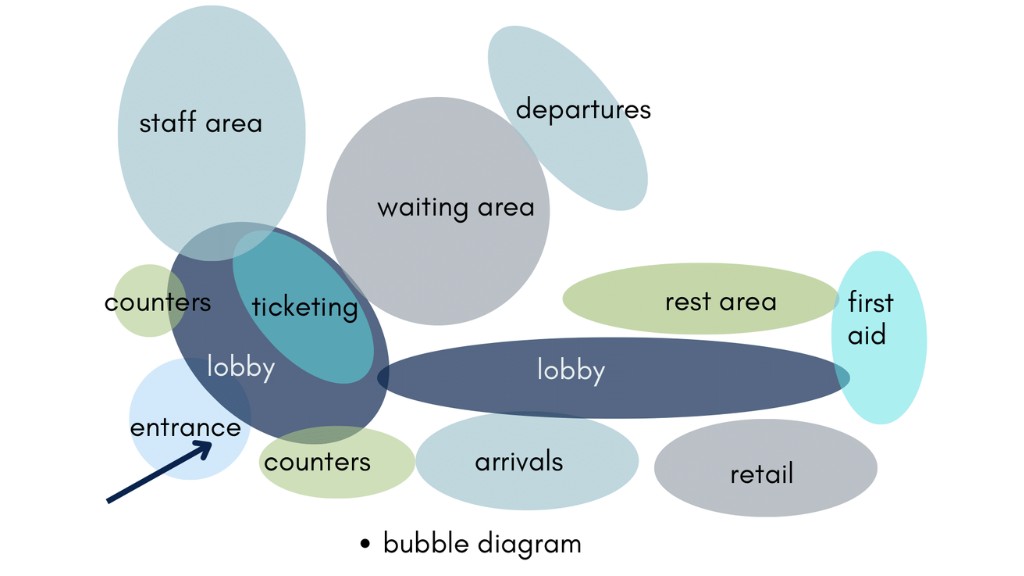
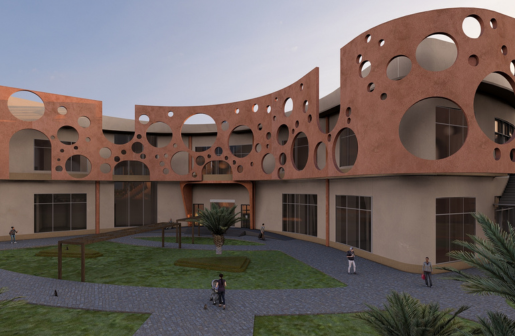
This project began not with a sketch, but with a visit—specifically to local bus terminals, where chaos felt like the default setting. Overcrowded waiting areas, poor signage, scattered amenities, and no clear flow for people or vehicles made the experience exhausting and uninviting. The question soon formed: Why do spaces meant to move people feel so stuck? The goal became clear—design a terminal that not only functions better but also feel better. Inspired by the logic of junctions and roundabouts, the layout is developed around a centralized circulation system that orchestrates movement without congestion. Like a transit roundabout, it keeps buses, pedestrians, and services in motion—efficiently, clearly, and without confusion. Instead of forcing stillness, the design encourages continuous, coordinated flow. The terminal also includes a dedicated accommodation facility with varied room types, from compact pods to studios and double units. At its heart lies a large atrium filled with greenery, bringing natural light and air into the structure while creating a calming microclimate. Whether travelers are in between cities or delayed overnight, the space offers rest, privacy, and comfort—something missing in most transport hubs.
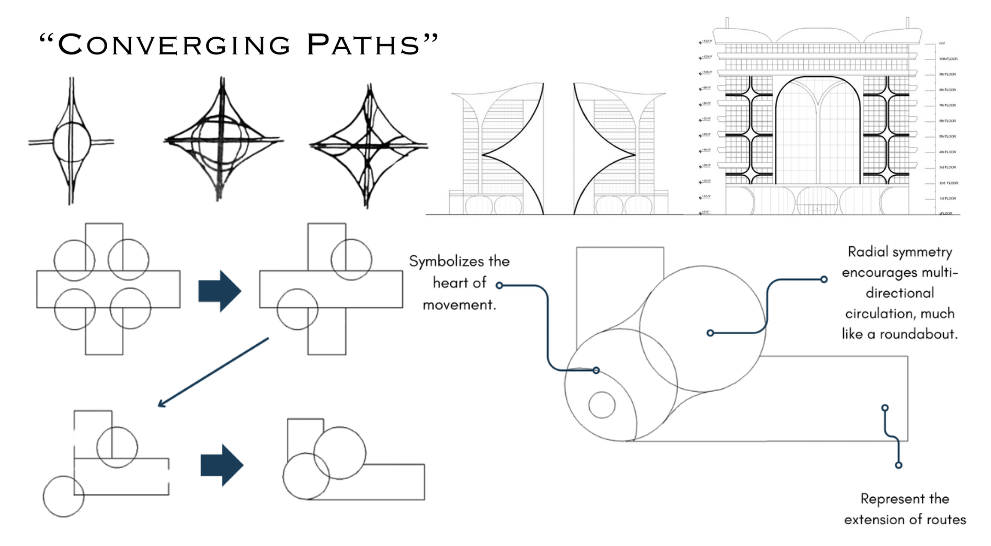
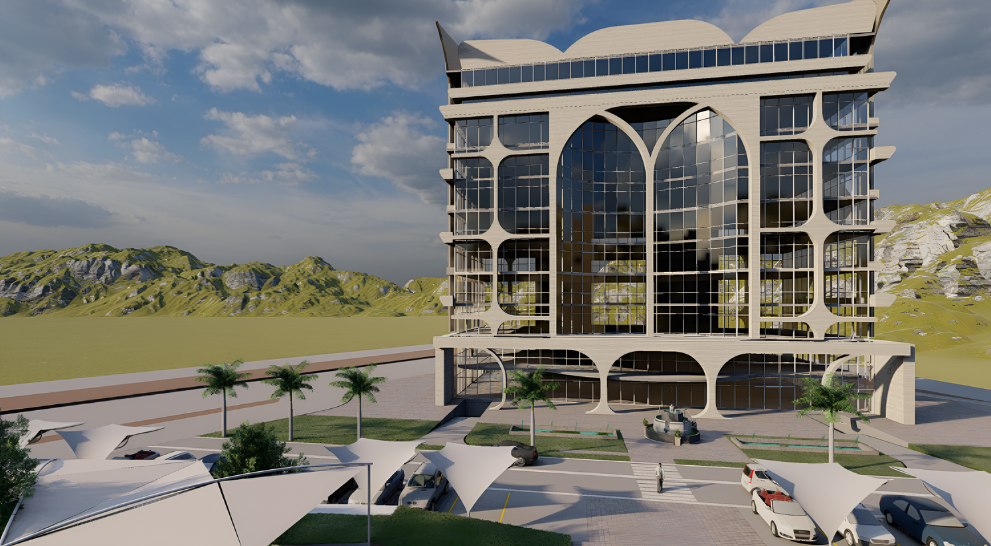
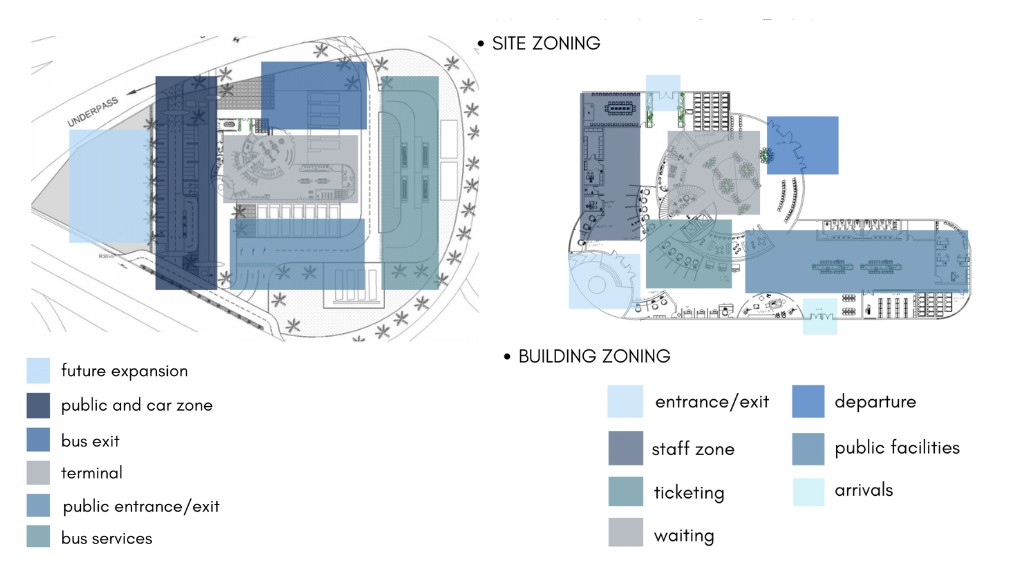
Designing for comfort meant designing for everyone. From children to elderly users, solo travelers to families, the terminal prioritizes clarity, inclusivity, and accessibility. Circulation paths are intuitive, signage is legible, and spatial zoning ensures no one feels lost or overlooked. Visually and environmentally, the standout is the vertical garden façade wrapping the accommodation block. This green skin not only provides a bold urban identity—turning the building into a recognizable landmark—but also acts as a passive cooling element, reducing internal temperature and improving air quality. Additional sustainability strategies include natural lighting, breathable volumes, and green integration that reduce energy dependence while enhancing user well-being. Ultimately, the project is about more than fixing what’s broken. It redefines transit architecture as humane, navigable, and memorable—because even in motion, people deserve to feel grounded.
Contact Designers || Portfolio
You Might Find These Interesting
 DESIGNED BY: Zainab Waqas
Placeness of Space
Purana Qila Water Filtration Plant, Rawalpindi
 DESIGNED BY: Uswa Naseer
Rhythms in Motion
Skyways Bus Adda, Chungi No. 26, Zone I, Islamabad