Improvement of Mobility Access in Outskirts of Larkana
A climate-responsive bus terminal designed to improve mobility access, reduce congestion, and provide safe, dignified, and sustainable transport facilities for commuters in the city outskirts.
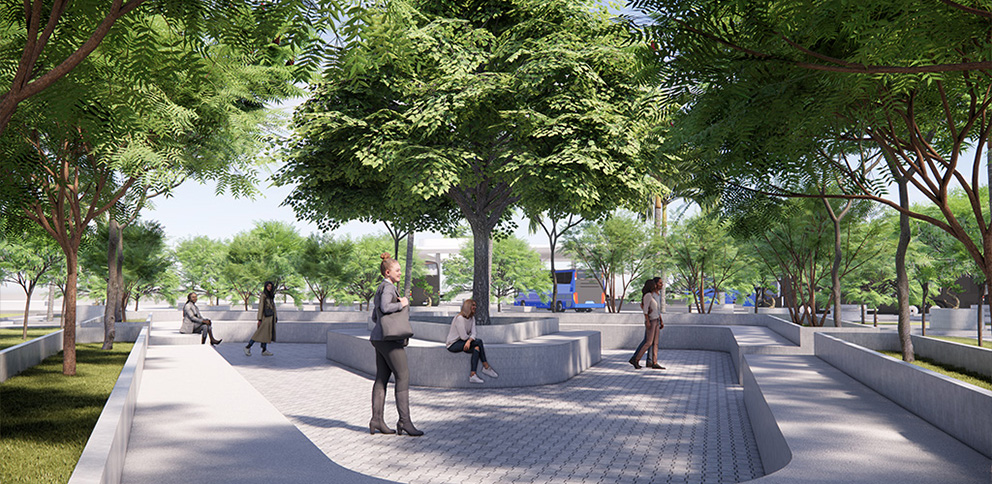
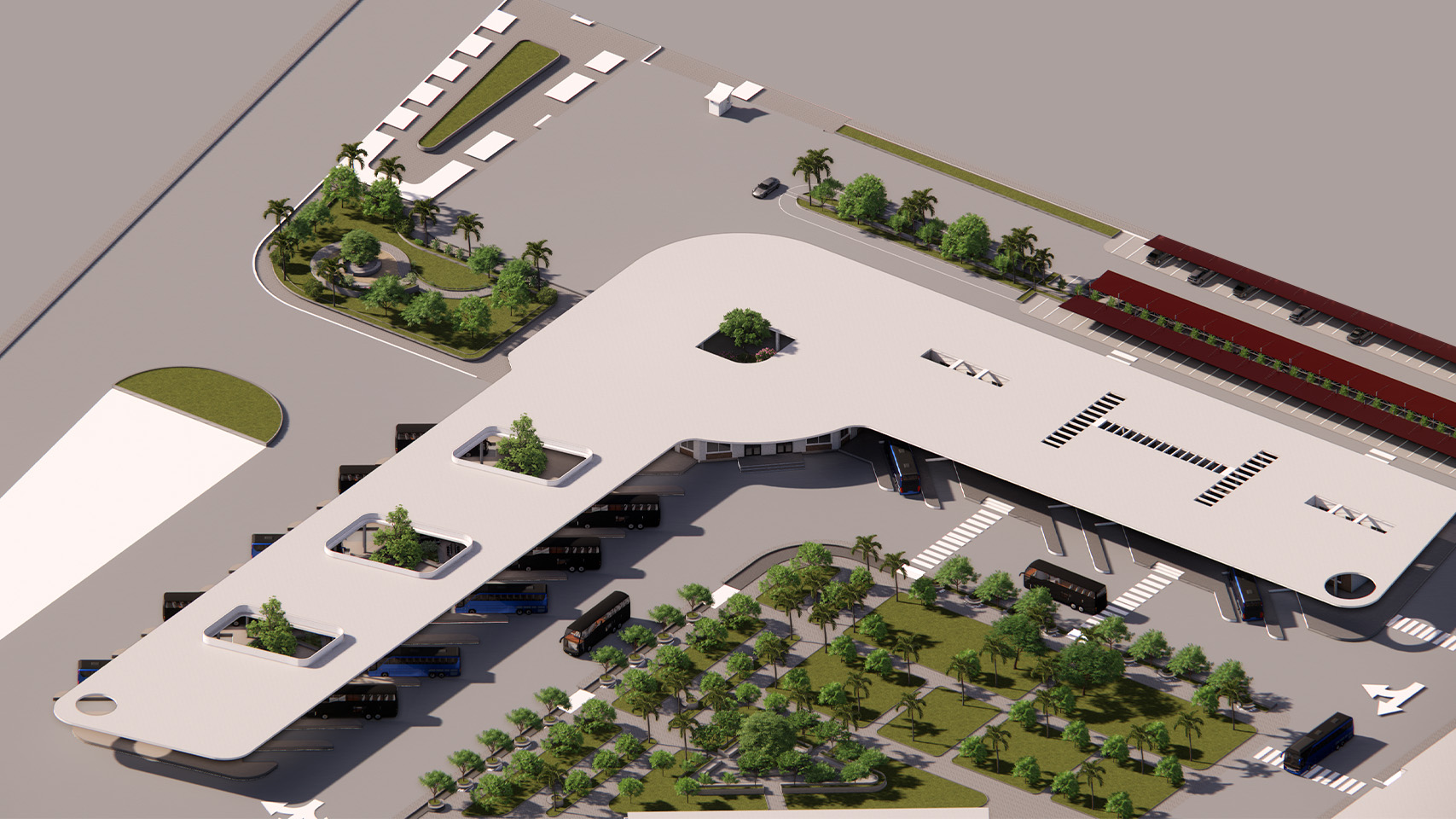
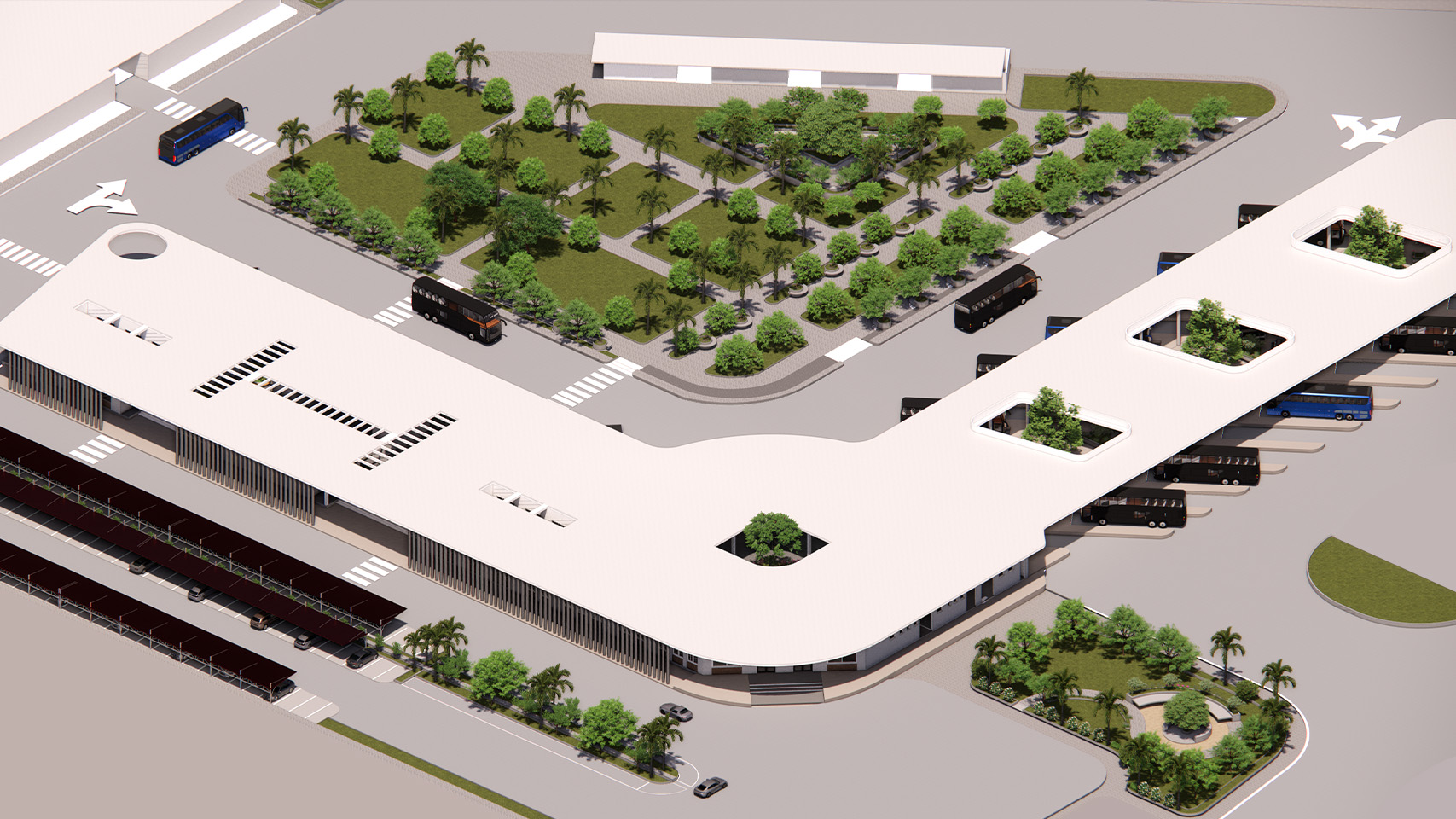
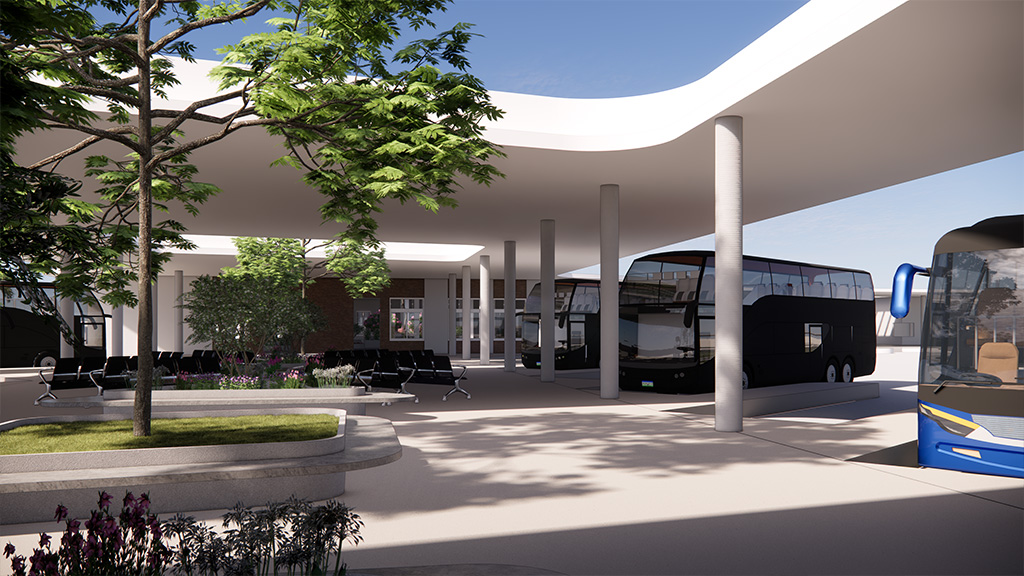
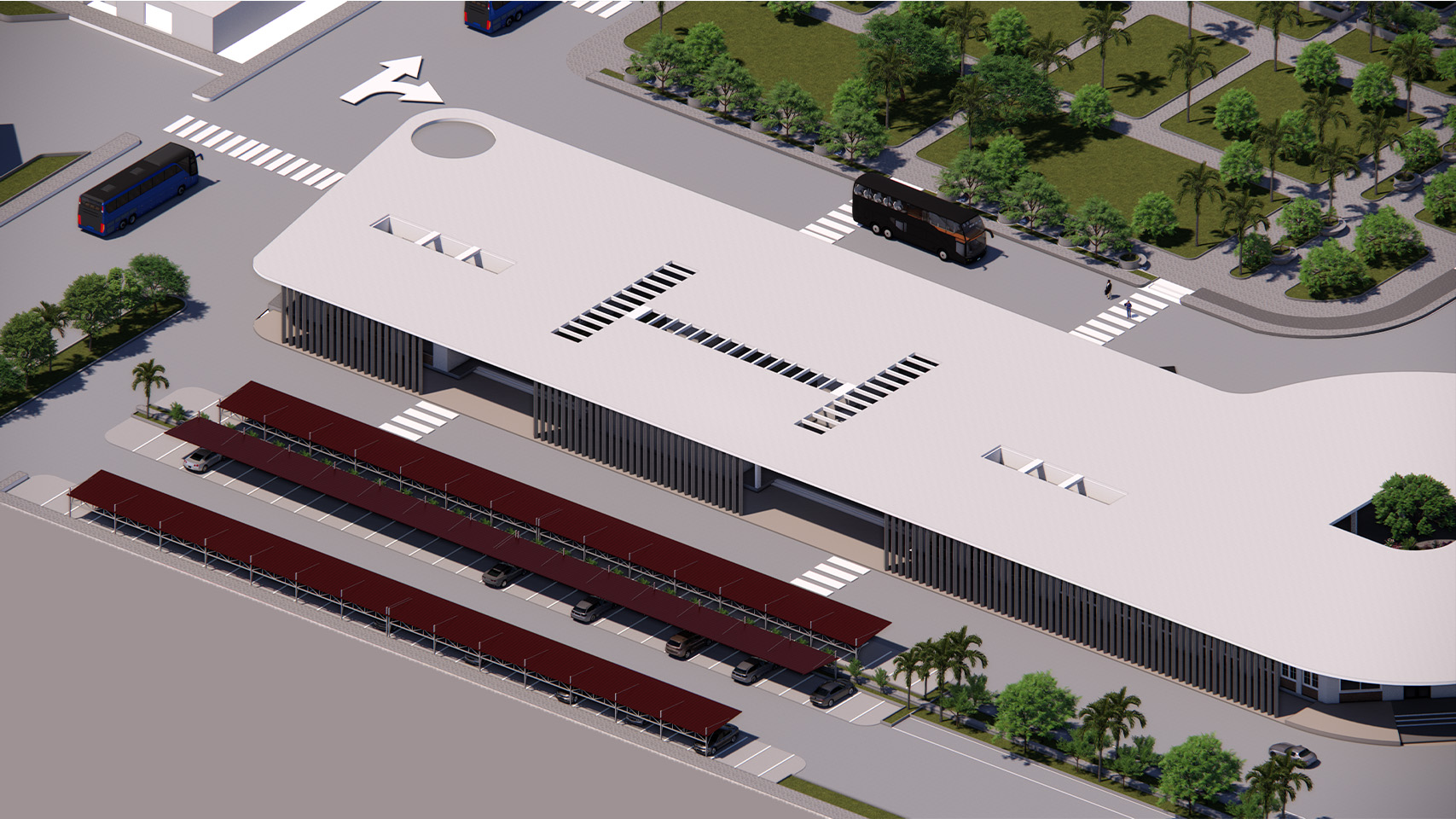
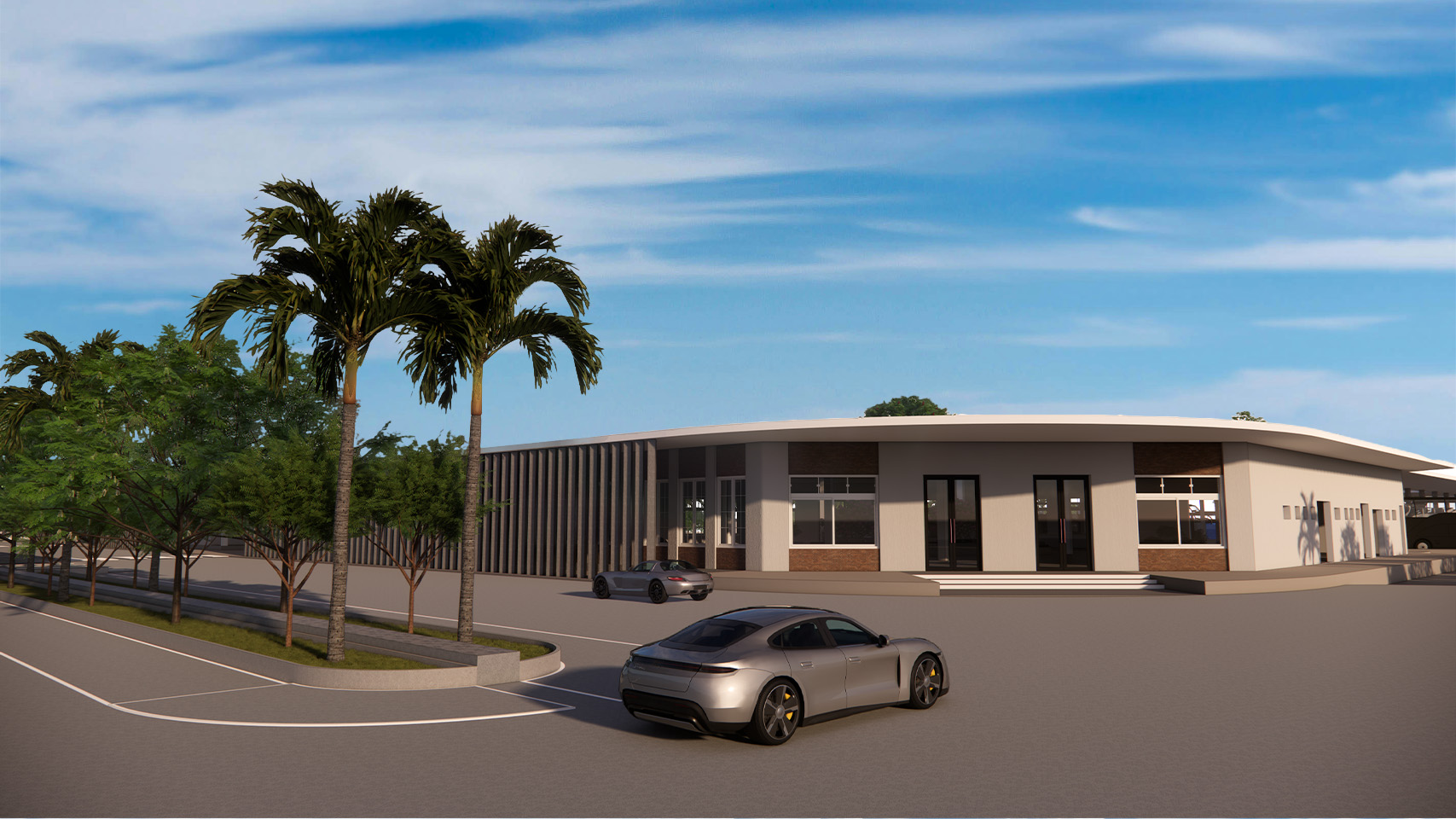
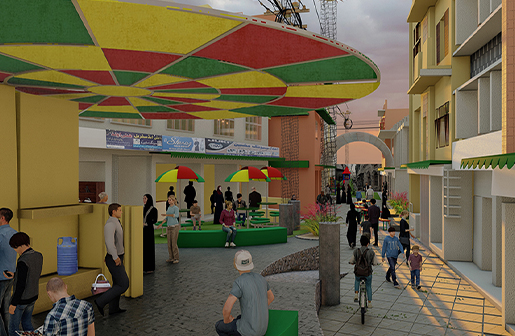
The thesis project addresses urgent mobility challenges in the outskirts of Larkana, a city without organized public transport. Currently, commuters face scattered stops, unmanaged traffic, poor services, and the absence of a designated terminal, causing congestion and inefficiency. The proposed bus terminal introduces structure and dignity to the system, elevating infrastructure and commuter experience. By consolidating movement into a hub, it envisions efficiency, safety, and inclusivity, ensuring accessibility for all. This transformation shifts mobility from chaotic fragmentation to a structured, reliable, and human-centered model. Beyond solving deficiencies, it sets a precedent for sustainable urban improvement, directly responding to community needs while reflecting Larkana’s identity. Designed as more than a facility, it becomes an urban strategy that reduces congestion, ensures predictability, and shifts transport perception from necessity to comfort. Integrated amenities, social spaces, and economic opportunities reinforce its role as a civic asset rooted in community and culture.
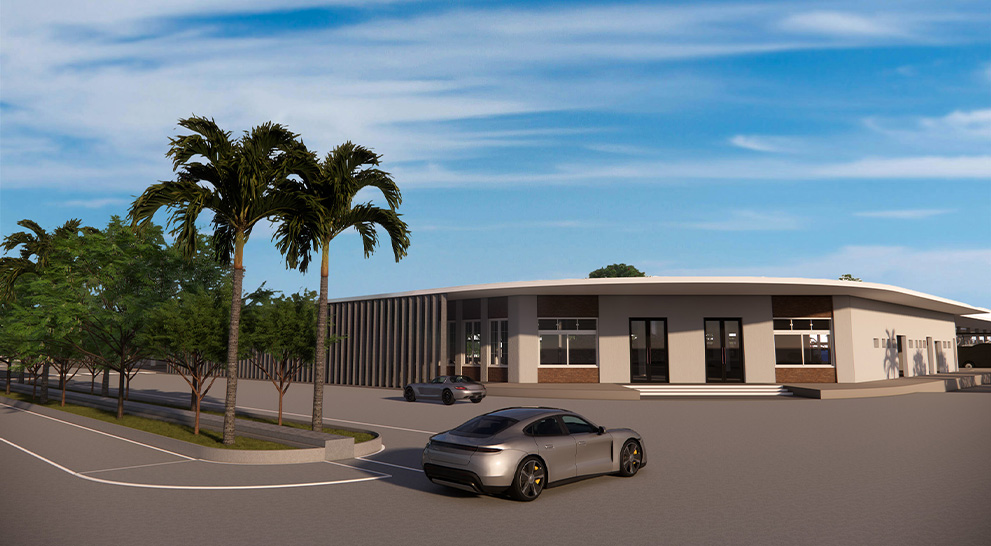
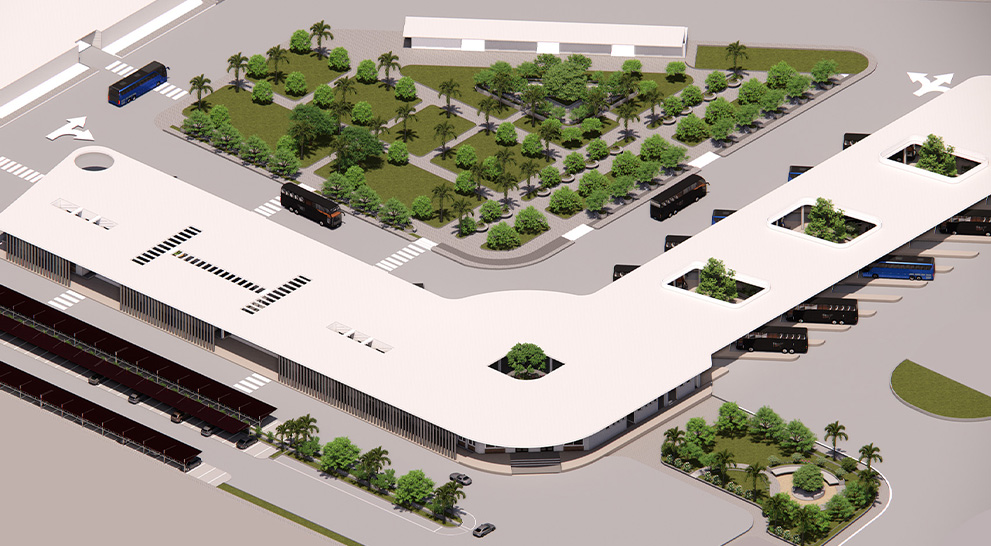
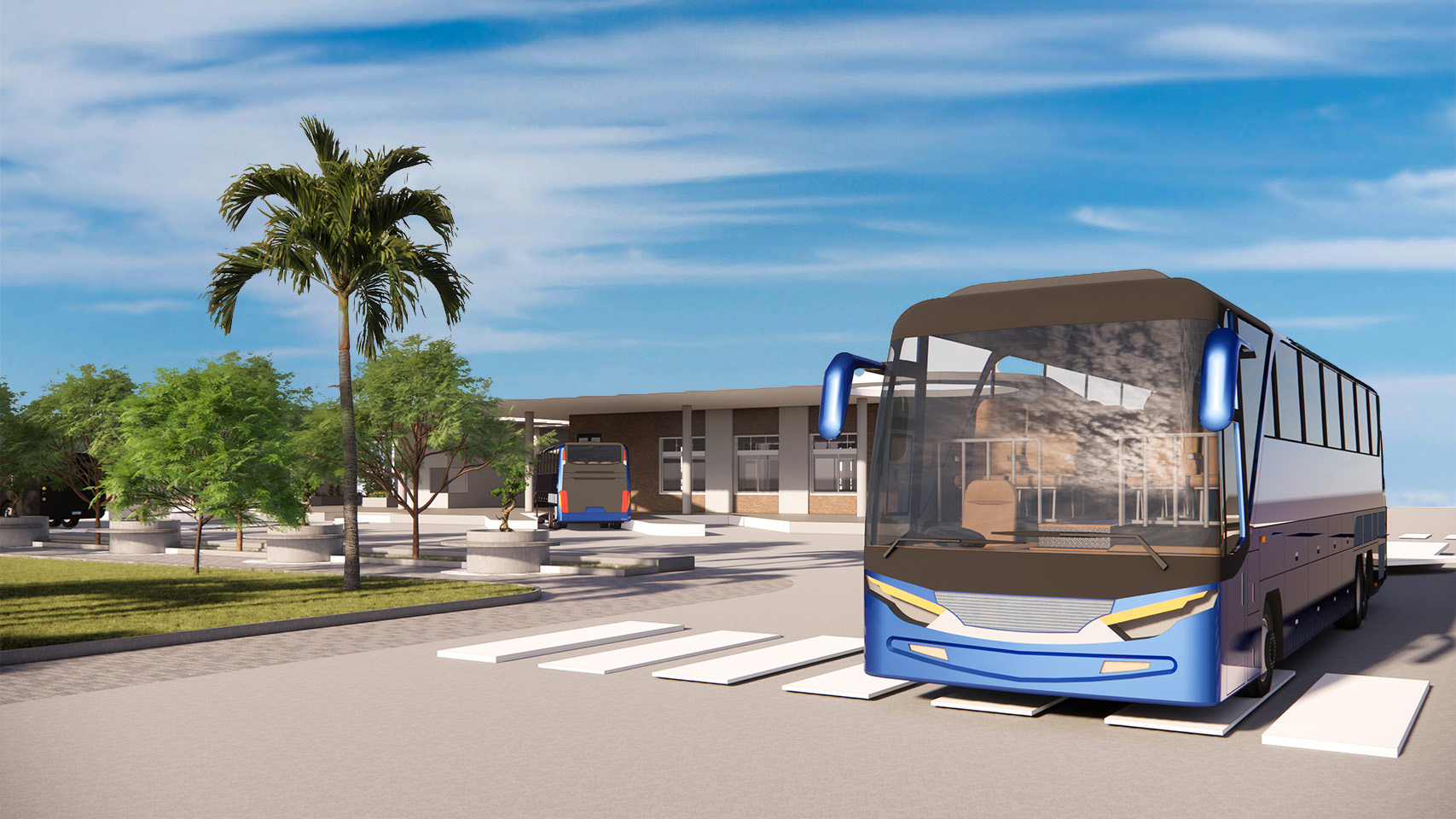
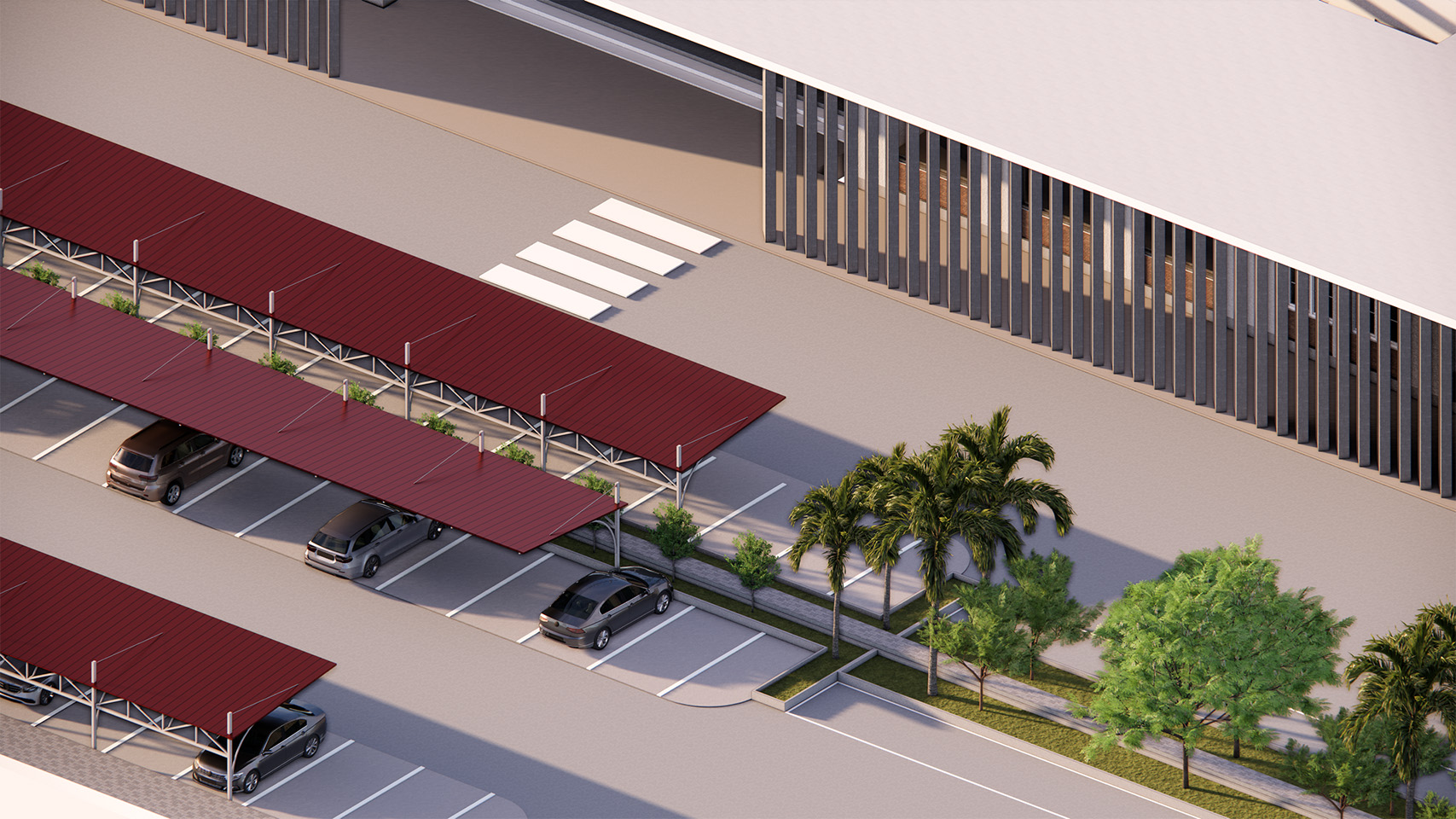
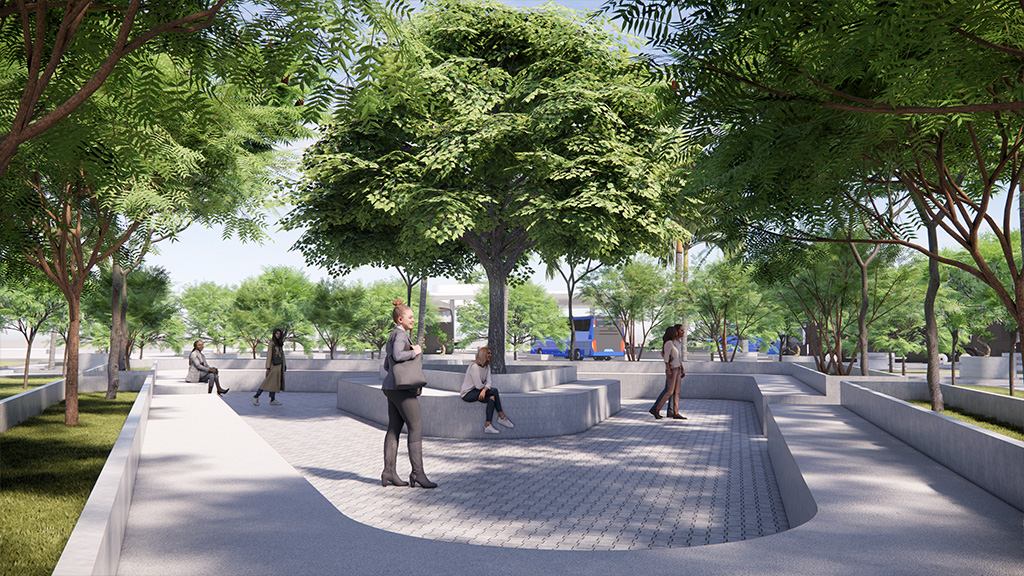
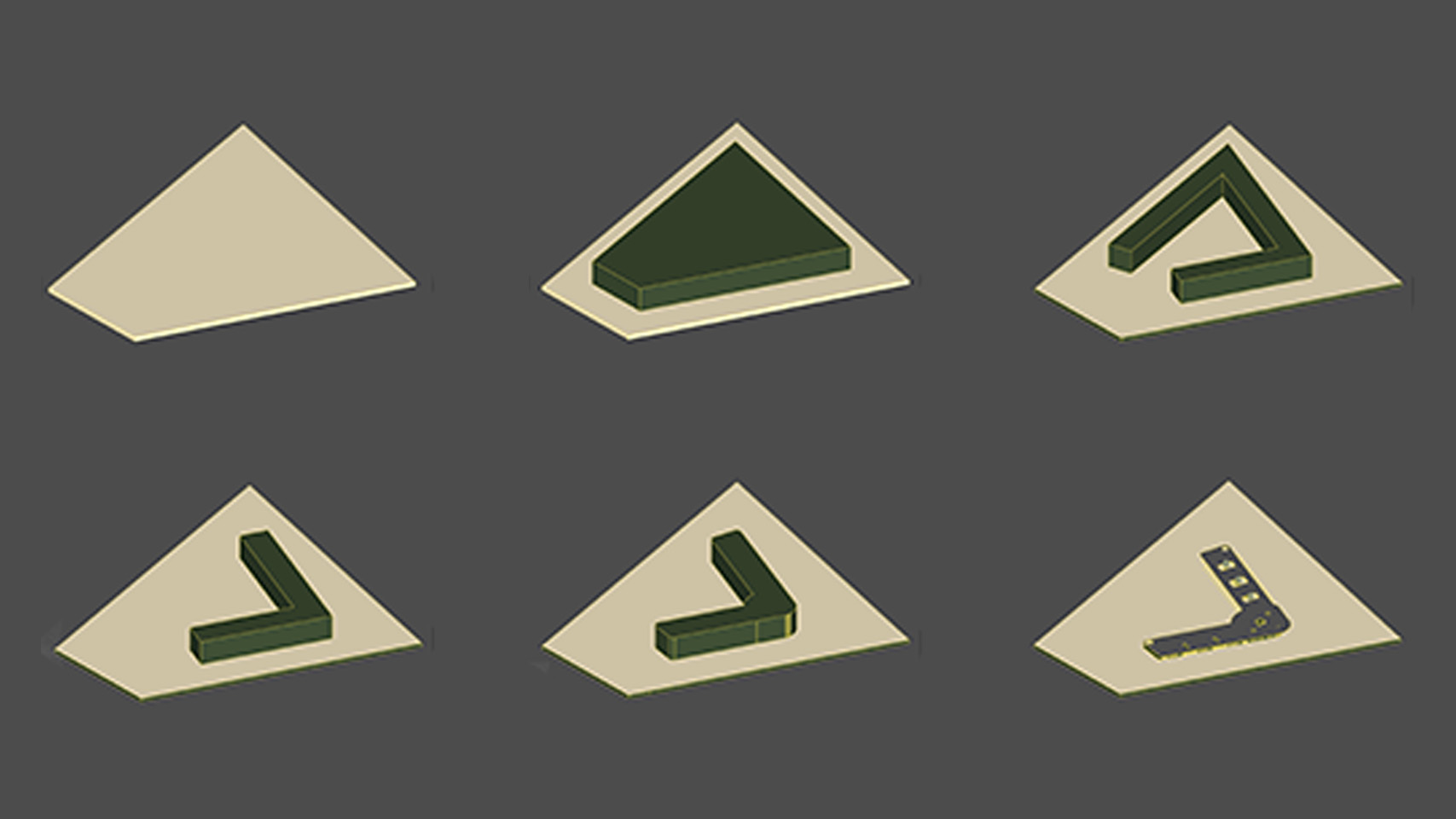
The design employs climate-responsive techniques for Larkana’s hot, dry climate, ensuring comfort while reducing environmental impact. Natural ventilation, shaded walkways, and buffer zones provide relief from heat, while orientation and landscape integration enhance passive cooling. Spatial planning organizes functions into ticketing, lounges, platforms, shops, food courts, restrooms, administration, and parking, with intuitive circulation minimizing conflicts and ensuring smooth flow. Landscaped edges and green buffers mitigate heat, add ecology, and enhance the urban setting. Beyond mobility, the hub fosters interaction, commerce, and rest, becoming a vibrant community space rather than just transit infrastructure. Structured vendor spaces create livelihoods, while accessible and shaded areas dignify passenger experience. By aligning with sustainable practices, the terminal not only fills infrastructural gaps but establishes a resilient, eco-sensitive civic landmark. It strengthens bonds, encourages public transport, and sets a benchmark for equitable, environmentally responsible infrastructure in Pakistan.
Contact Designers || Portfolio
You Might Find These Interesting
 DESIGNED BY: Zainab Waqas
Placeness of Space
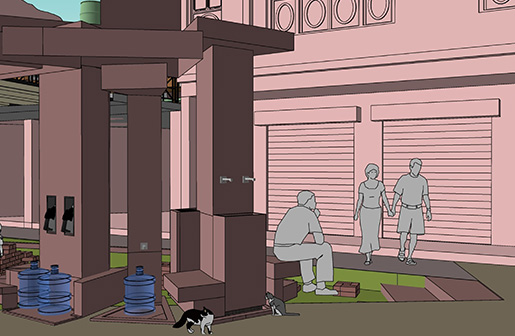
Purana Qila Water Filtration Plant, Rawalpindi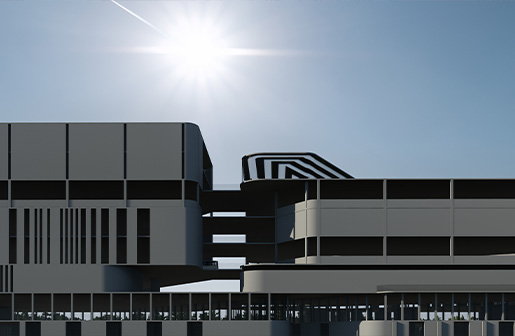
 DESIGNED BY: Uswa Naseer
Rhythms in Motion
Skyways Bus Adda, Chungi No. 26, Zone I, Islamabad