Mobility Hub
The Mobility Hub in Nathia Gali redefines transit as an immersive experience—blending ecology, architecture, and public space to slow movement, foster reflection, and connect people to nature.
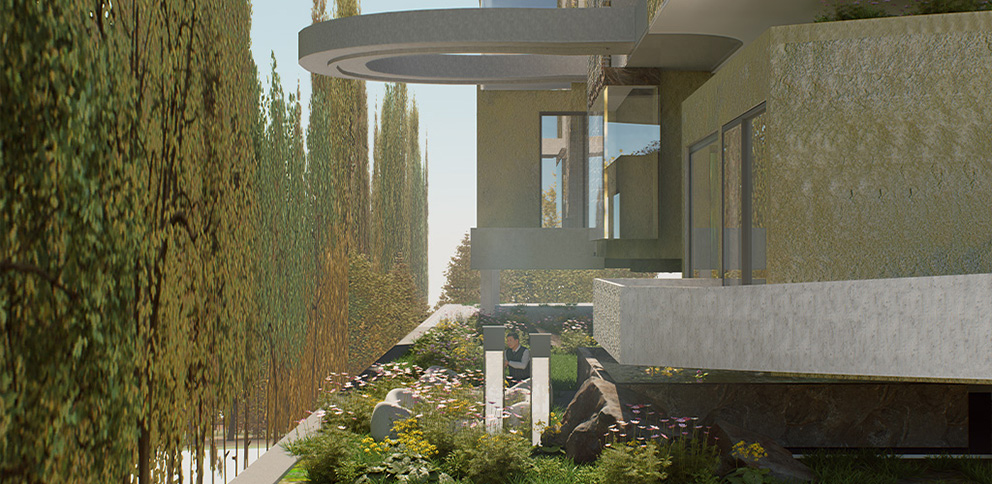
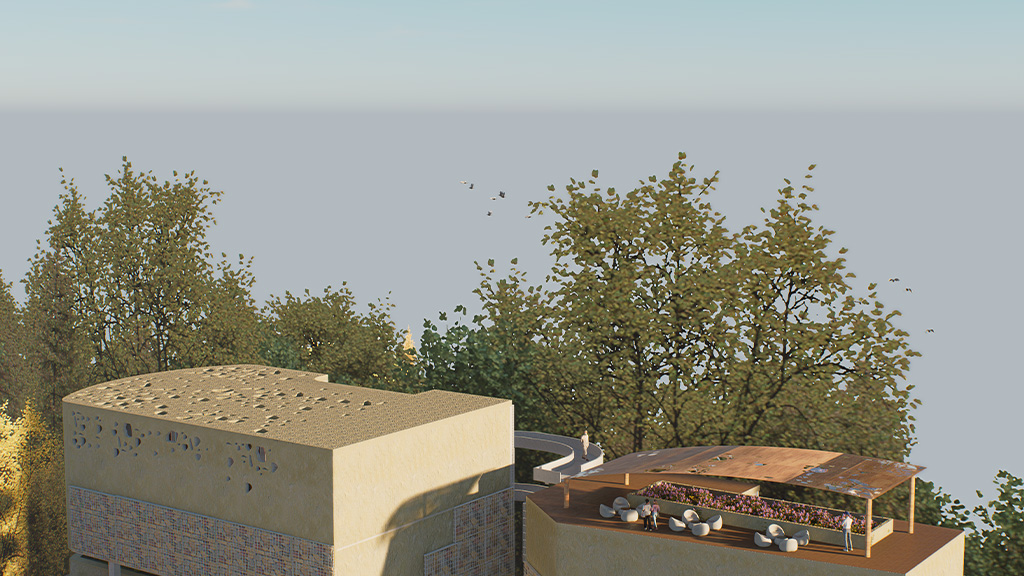
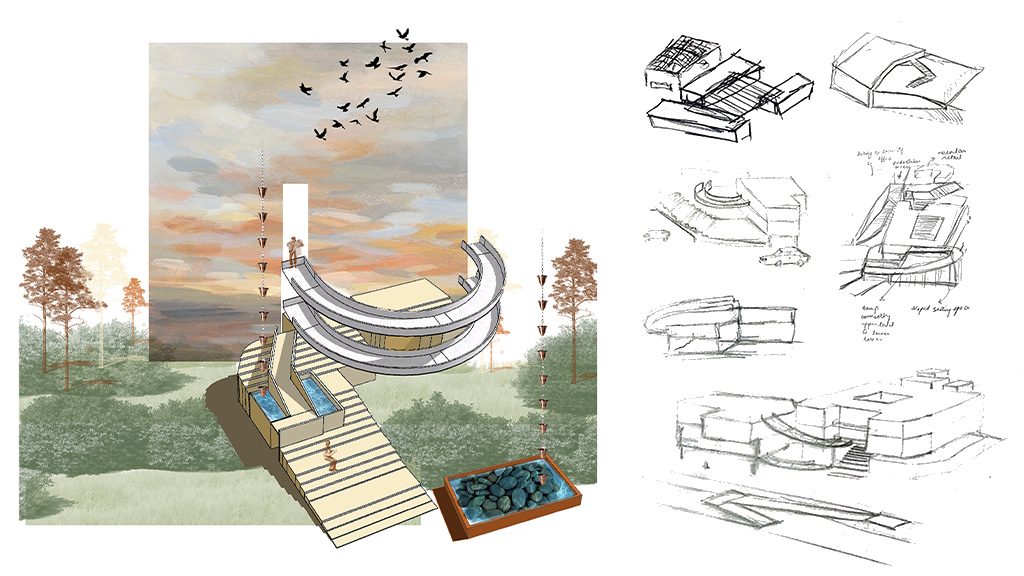
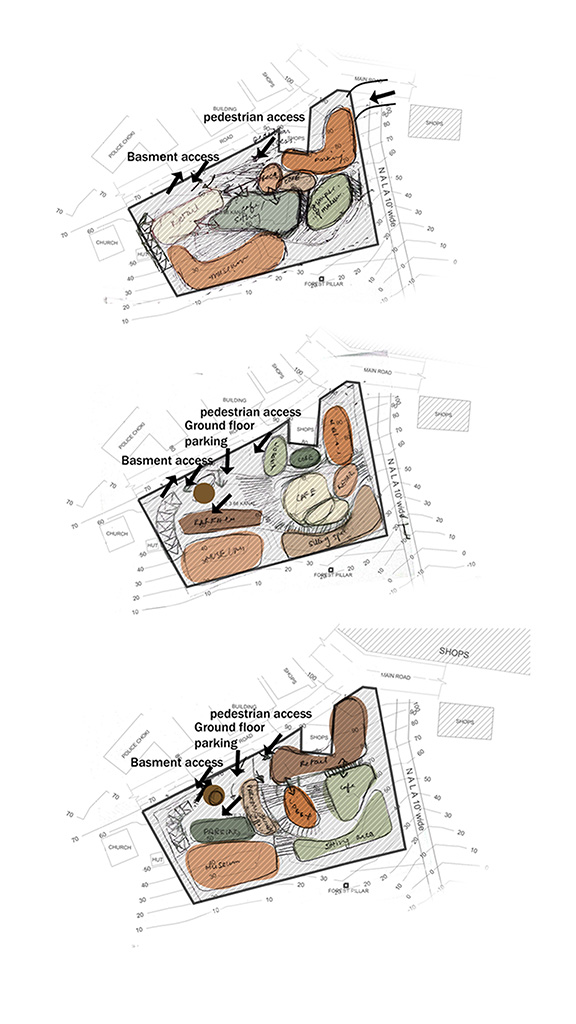
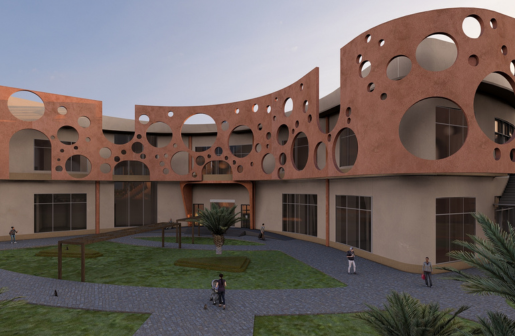
The Mobility Hub at Nathia Gali, Abbottabad, is conceived as more than a point of departure or arrival. It is a multifunctional transit infrastructure that integrates public space with ecological awareness, creating a holistic user experience. The site, nestled in the scenic hills of Nathia Gali, a tourist hotspot in KP, provides a rare opportunity to merge architecture with natural beauty. Designed in 2024 with a covered area of 18,140 sq/ft, the hub reflects sensitivity toward topography, climatic patterns, and tourist flows. Rather than imposing itself on the environment, the design minimizes disruption, blending seamlessly into the forested landscape. This vision redefines mobility, shifting the focus from efficiency alone to emotional and sensory engagement. The hub becomes a space of reflection, appreciation, and pause—where users can interact with nature while awaiting or transitioning between transport. By designing for both movement and stillness, the project creates an identity beyond functionality, making it a civic landmark rooted in sustainability and place.
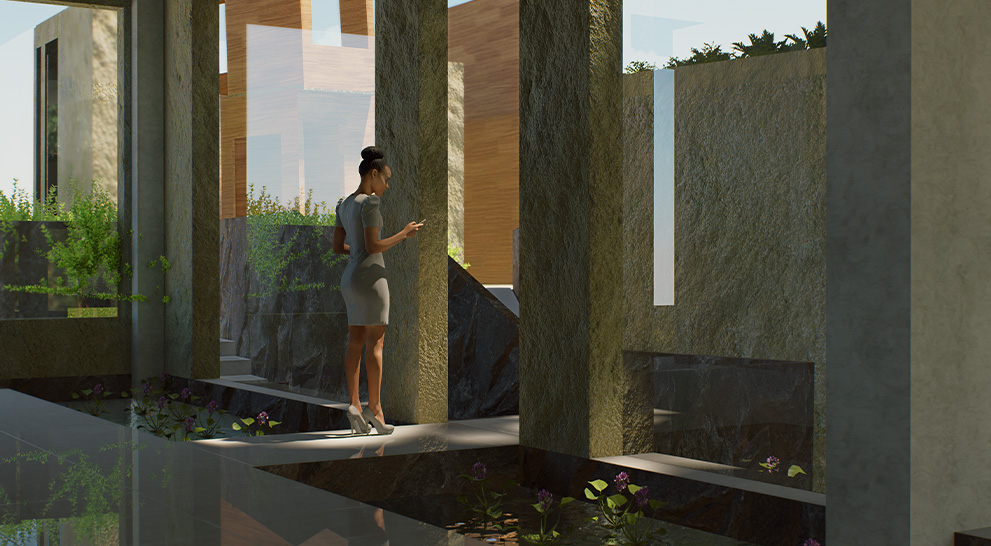
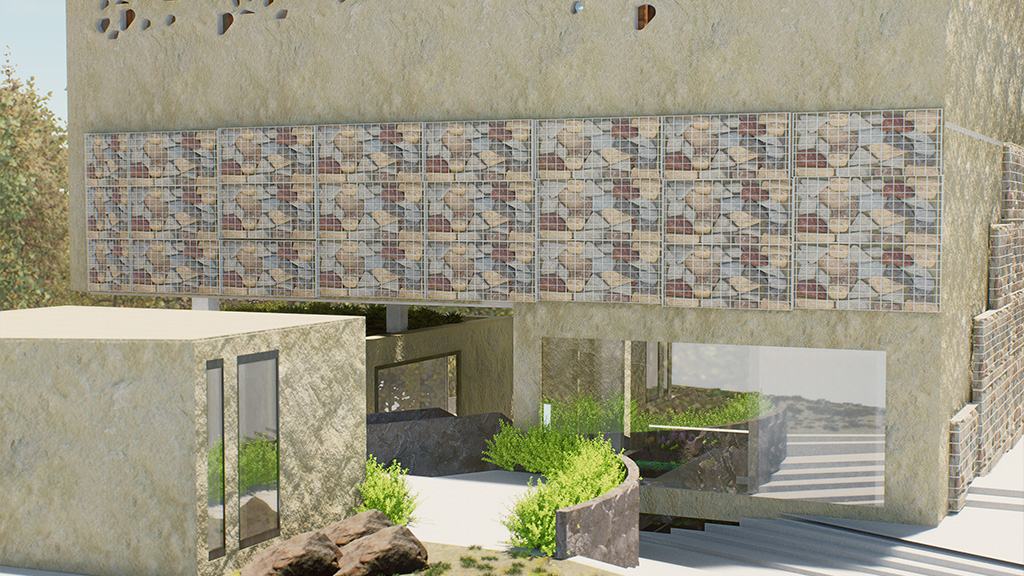
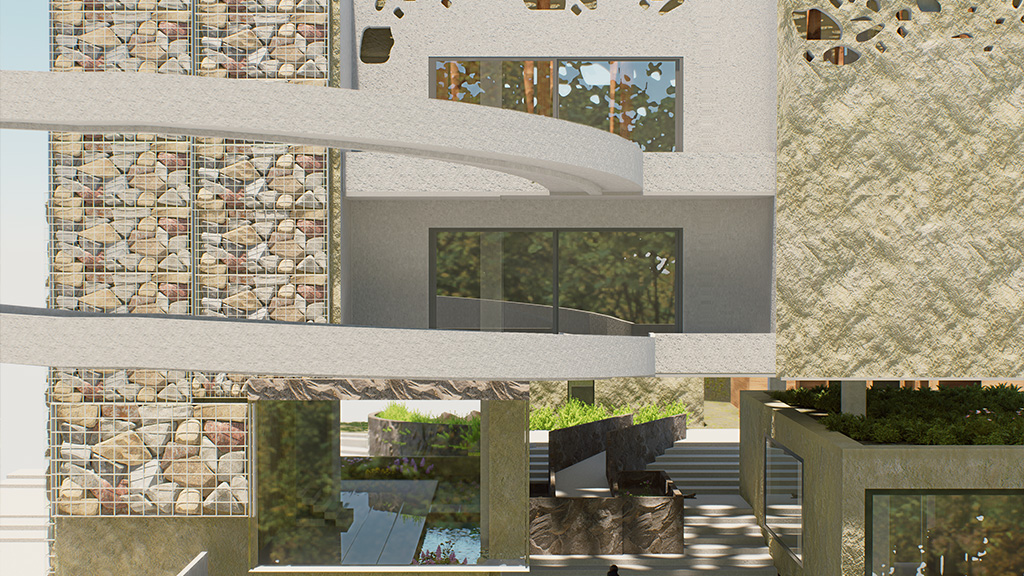
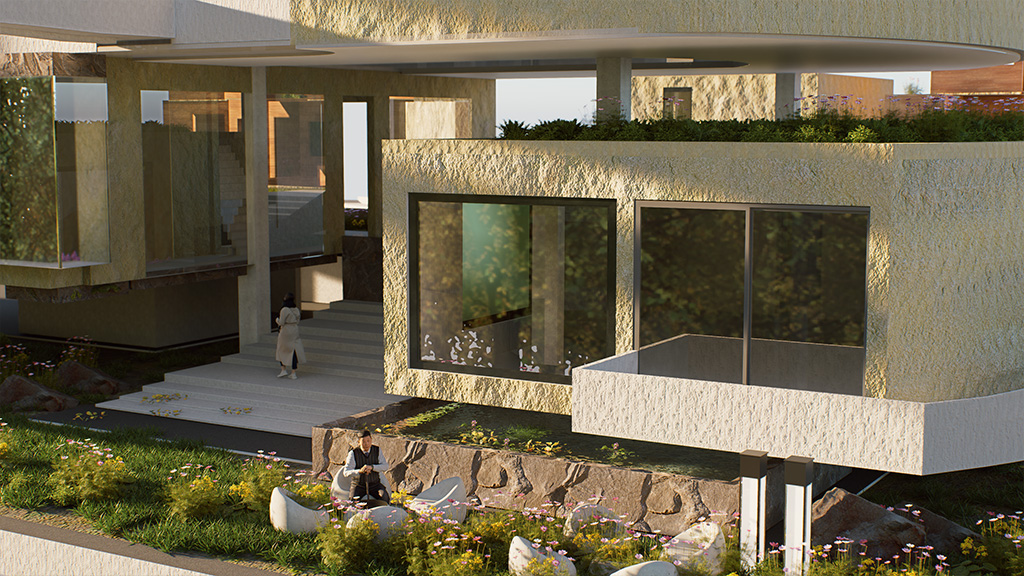
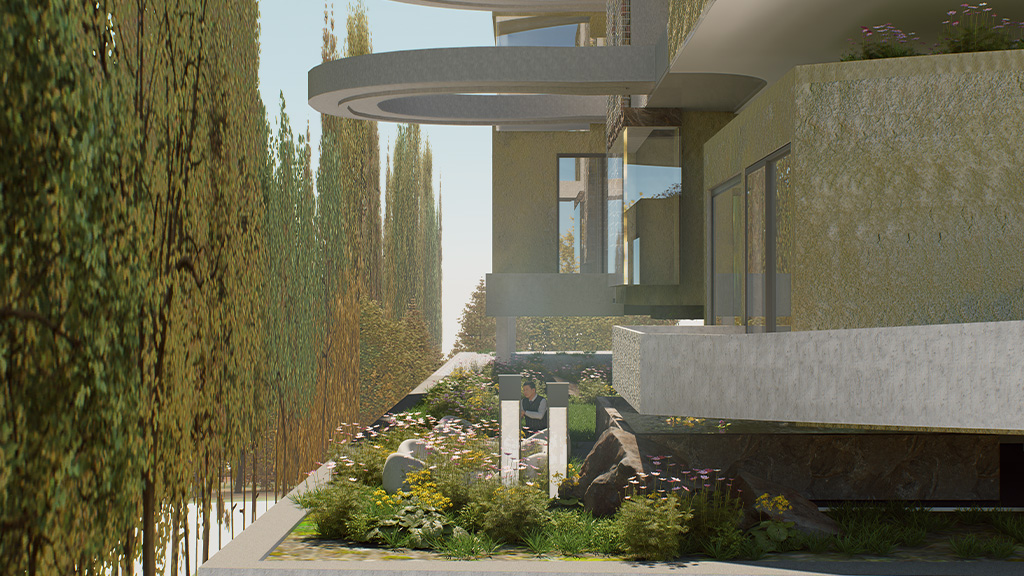
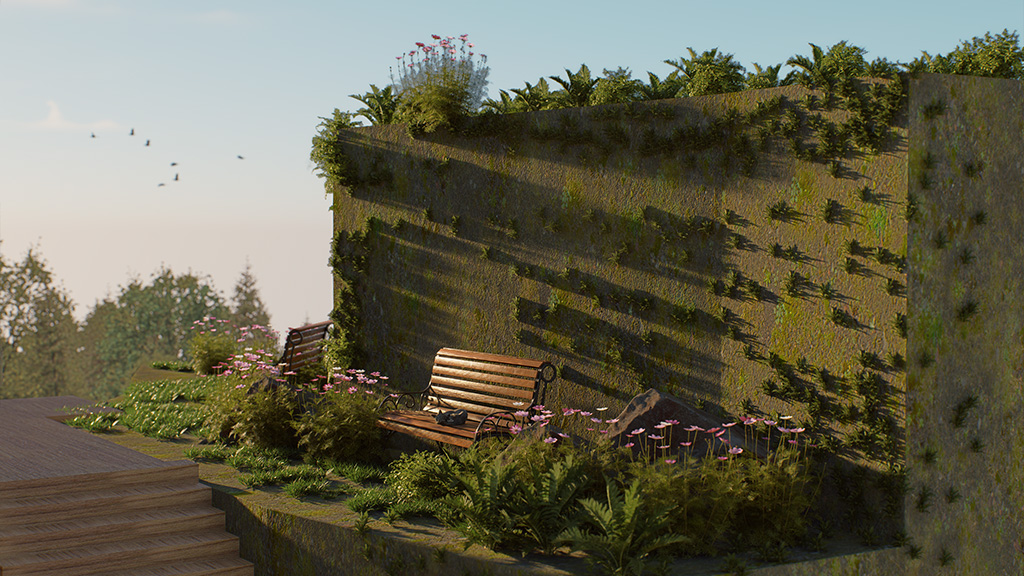
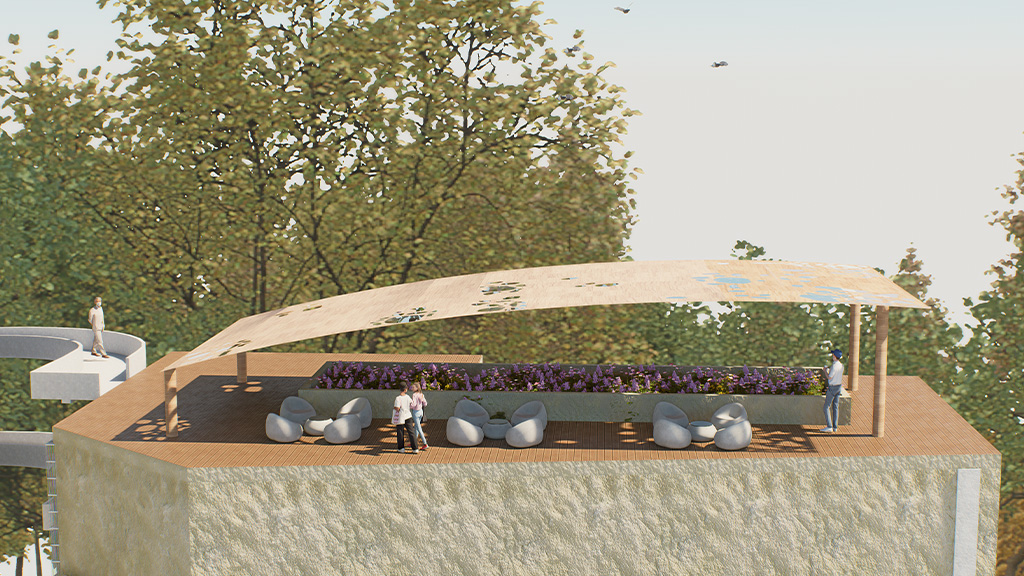
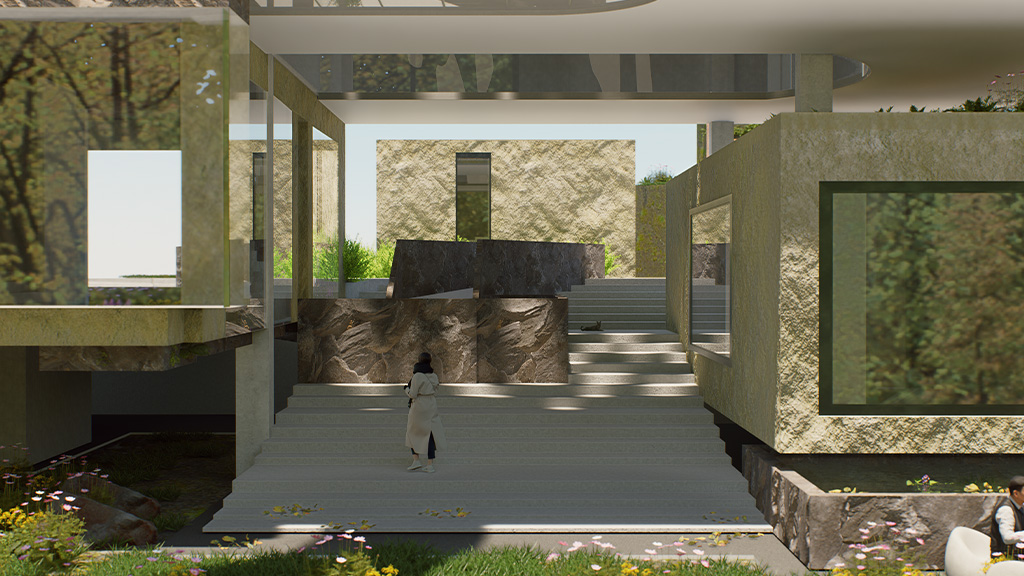
The design process began with a thorough contextual analysis, including mapping of site topography, climatic patterns, and user movement. From this, a framework emerged that emphasized harmony with the natural environment while addressing practical needs of transit infrastructure. Materials were sourced locally, echoing the textures and colors of the surrounding hills, and construction methods ensured minimal ecological disruption. Passive design strategies play a central role—natural ventilation, shading devices, and orientation aligned with solar patterns reduce reliance on mechanical systems and enhance comfort throughout the year. The hub is not a closed structure but a fluid one, opening itself to the forest around it. Spaces are layered with vegetation, pathways are aligned with natural contours, and decks extend outward to provide panoramic views. This sustainable approach not only lowers environmental impact but also amplifies the hub’s experiential quality. It is an architectural gesture that values resilience, adaptability, and ecological stewardship as integral to mobility infrastructure.
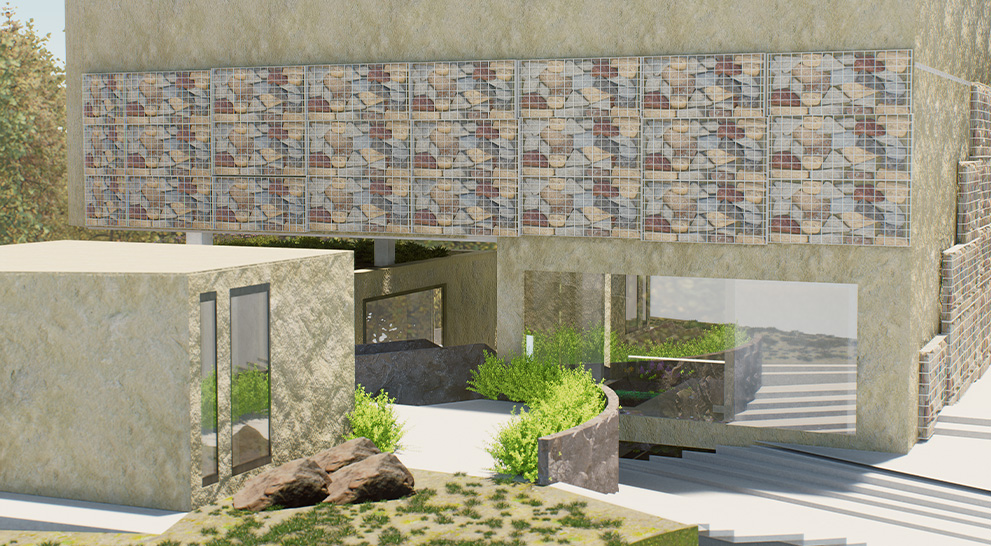
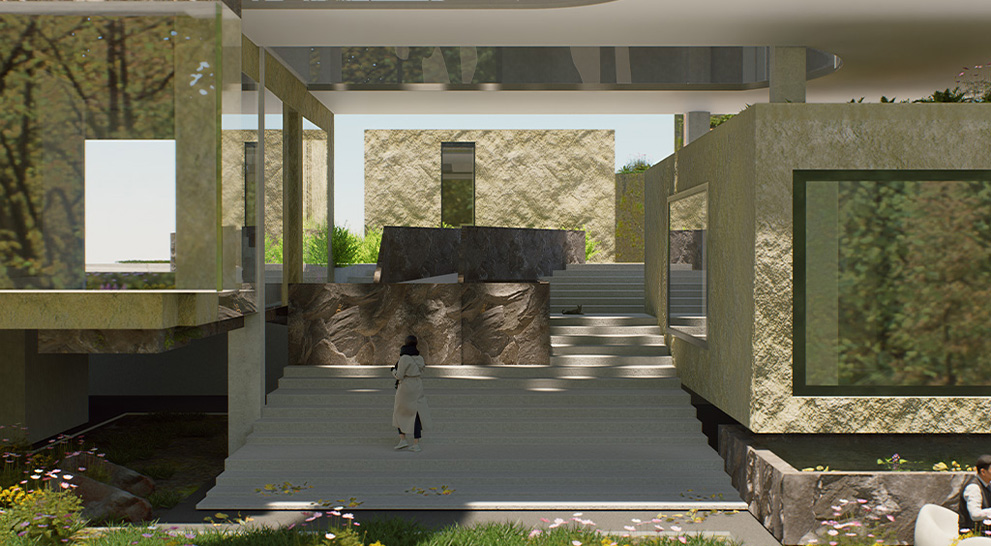
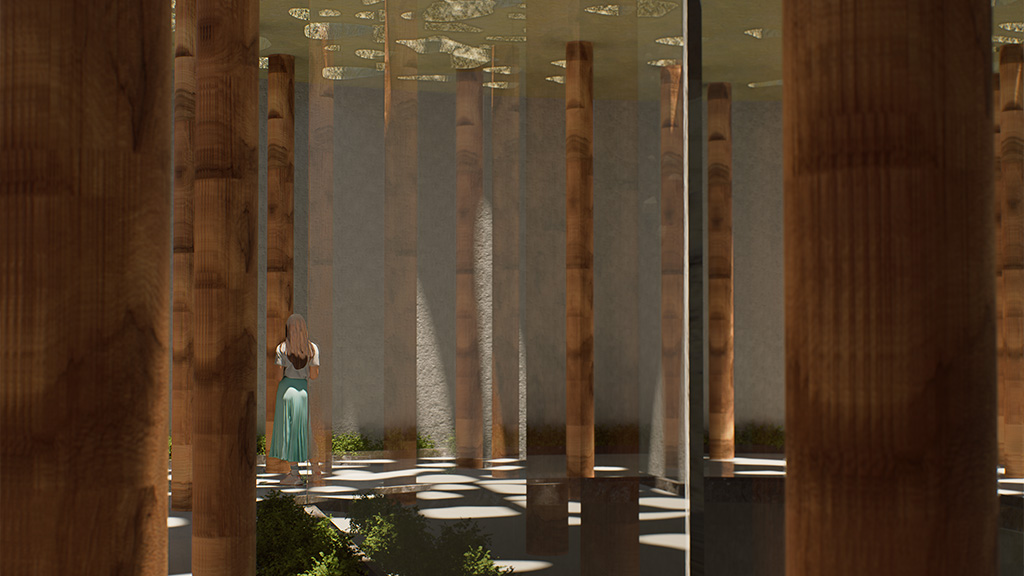
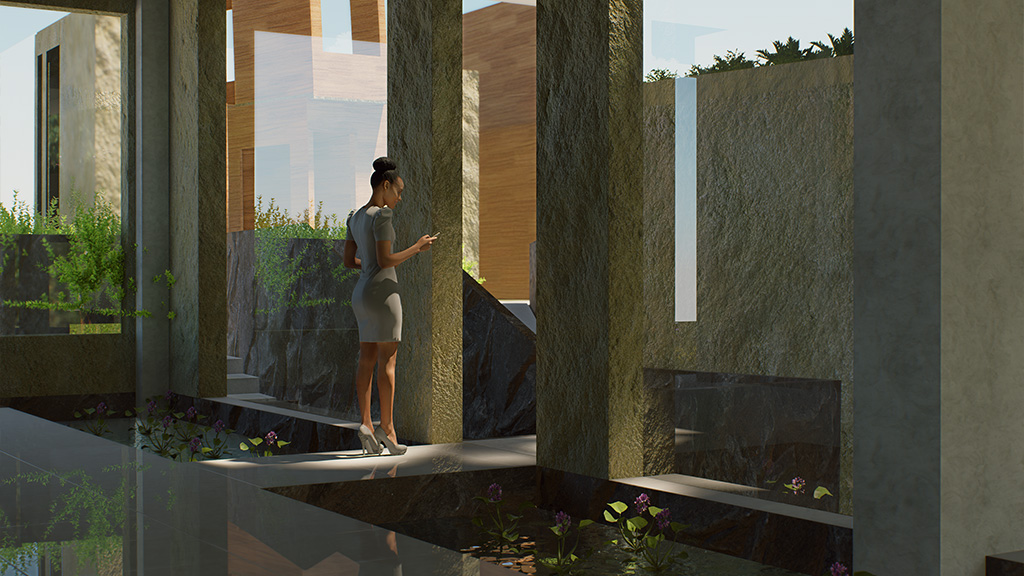
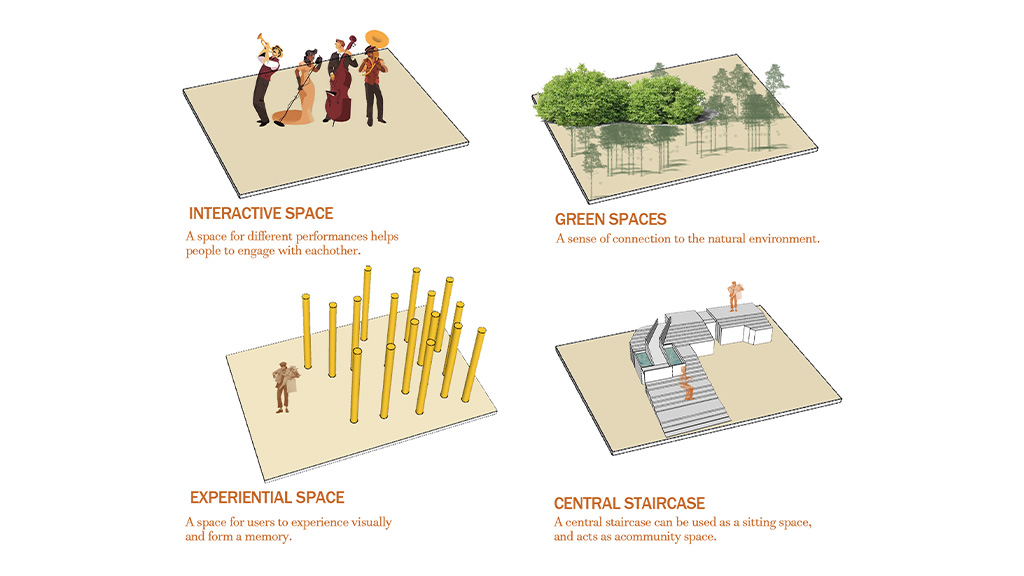
The Mobility Hub is designed to heighten awareness of the natural context while facilitating movement. Beyond its transit function, the space offers sensory engagement that deepens users’ connection to place. Open viewing decks invite travelers to pause and gaze at the forested hills, while layered vegetation creates natural thresholds between active and quiet zones. Light is used as a dynamic material, with openings that shift the play of sun and shadow throughout the day. Acoustic elements—rustling leaves, flowing air, and distant bird calls—become part of the architectural narrative, turning waiting time into moments of reflection. Even transitional spaces such as walkways and seating areas are conceived as immersive experiences, guiding people to slow down and engage with their surroundings. Whether tourists pausing for rest, locals awaiting transport, or visitors simply passing through, each interaction is designed to leave an emotional imprint. The hub transforms the act of mobility into an opportunity for exploration, stillness, and memory, enriching journeys with a sense of belonging to nature.
Contact Designers || Portfolio
You Might Find These Interesting
 DESIGNED BY: Zainab Waqas
Placeness of Space
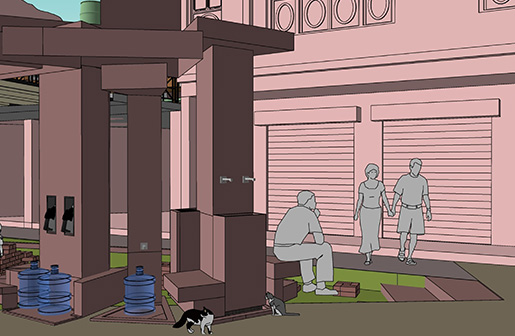
Purana Qila Water Filtration Plant, Rawalpindi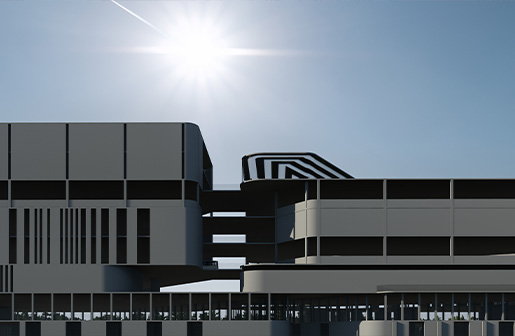
 DESIGNED BY: Uswa Naseer
Rhythms in Motion
Skyways Bus Adda, Chungi No. 26, Zone I, Islamabad