Placeness of Space
Reviving a Rawalpindi street by transforming the area around a water plant into parklets with greenery and seating, fostering community connection, storytelling, and a renewed sense of belonging.
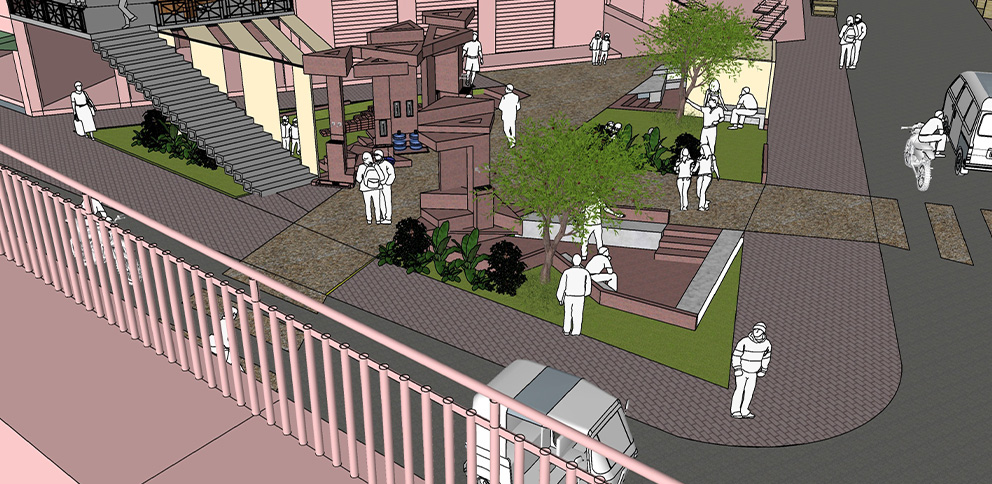
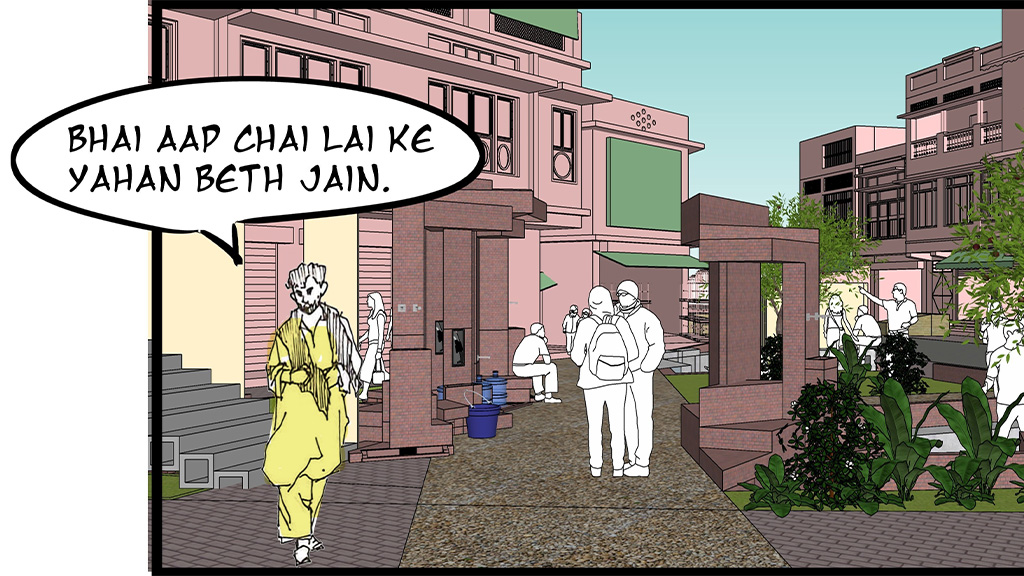
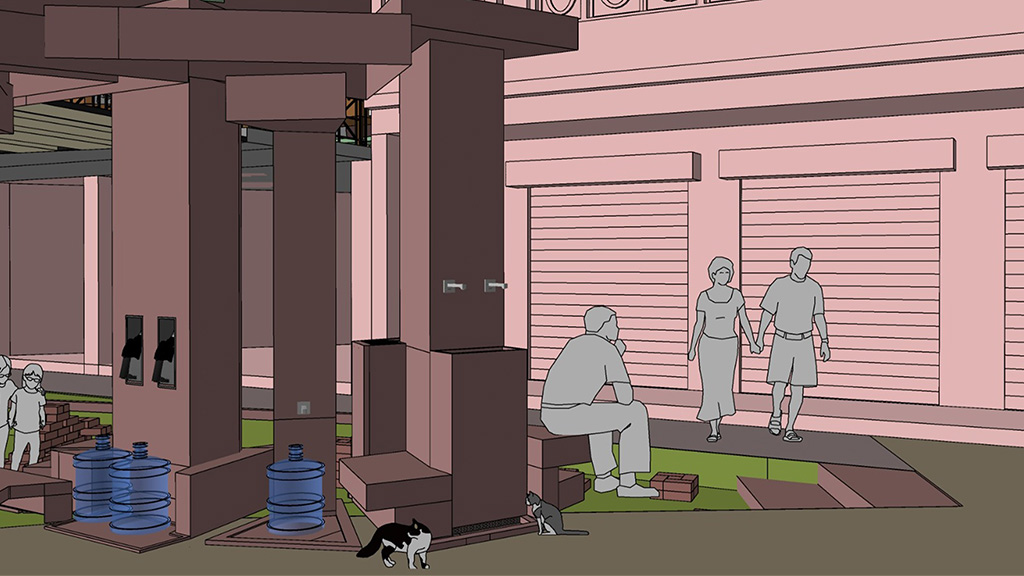
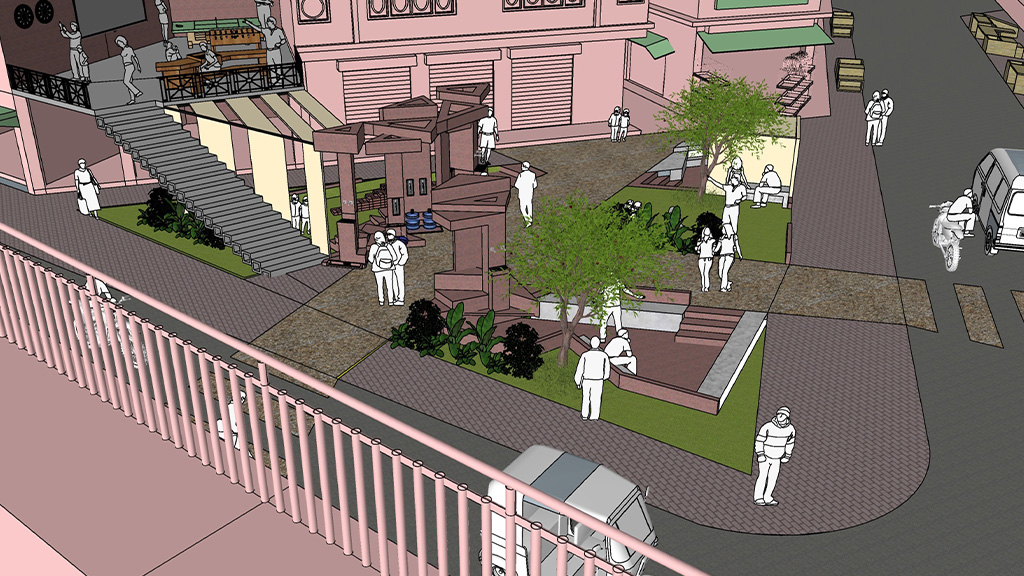
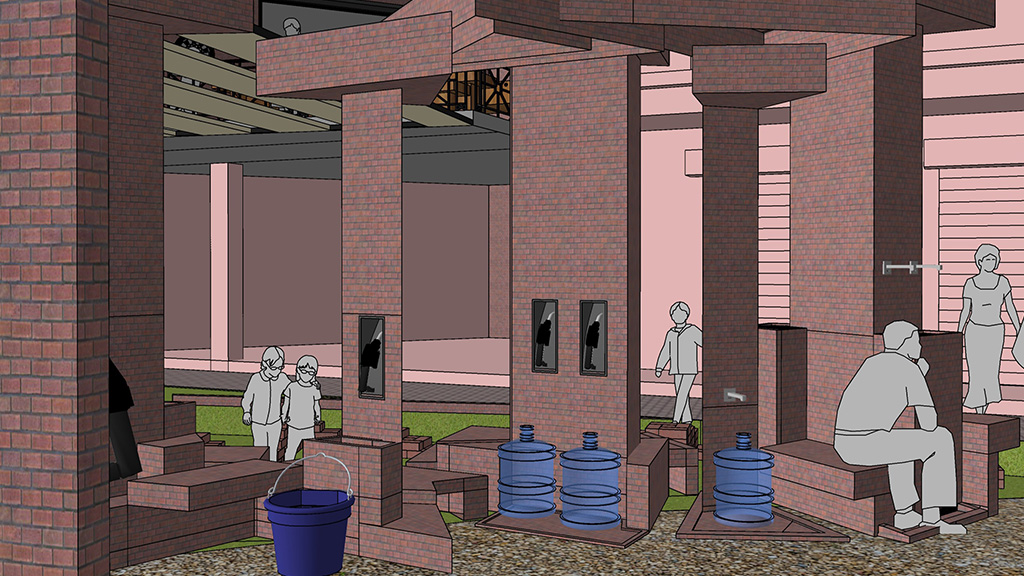
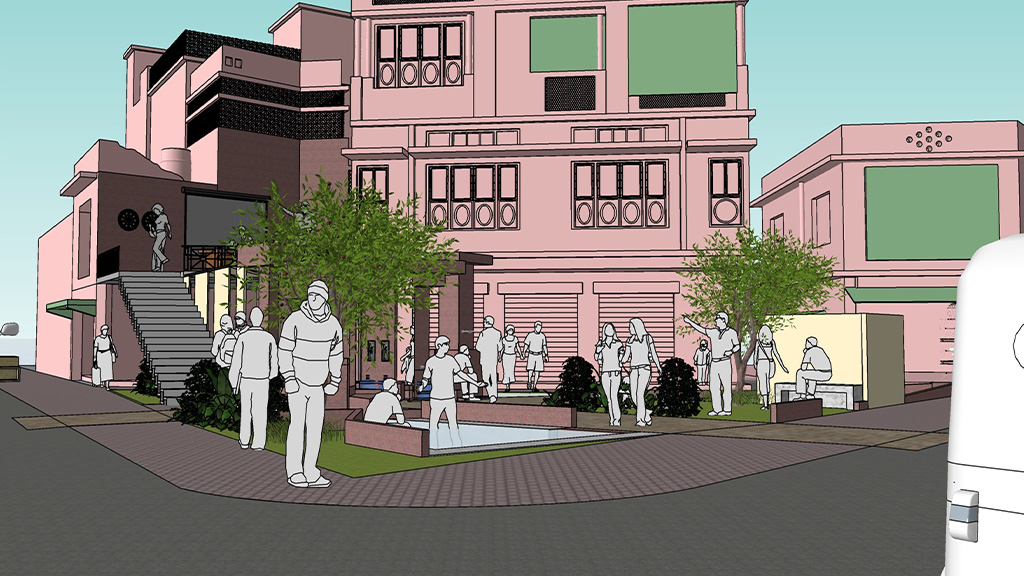
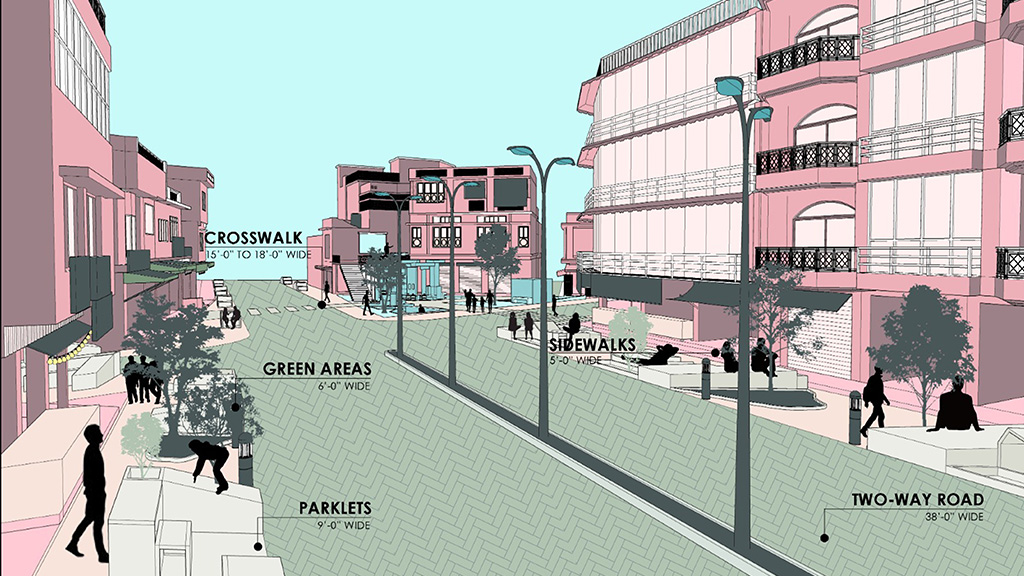
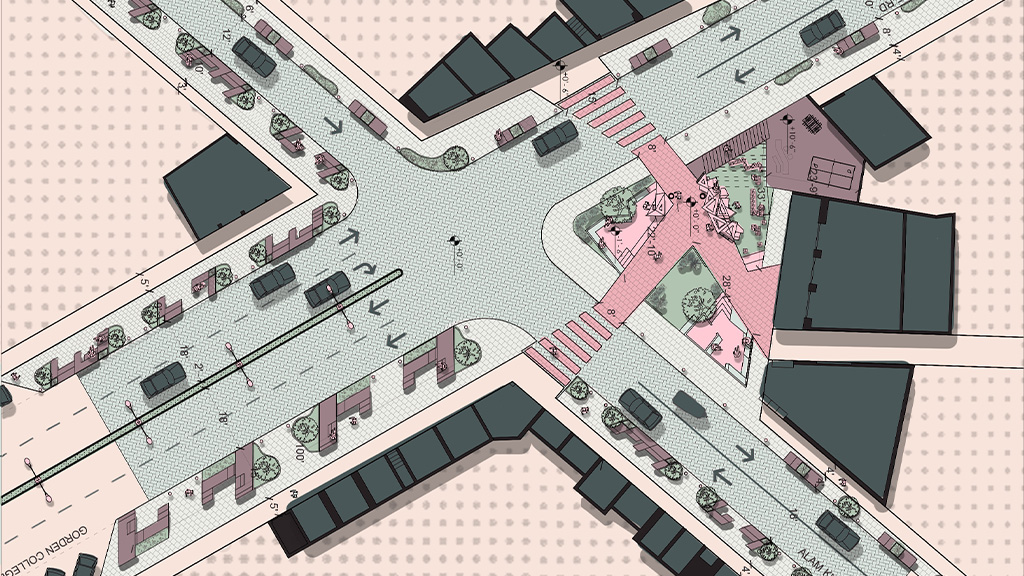
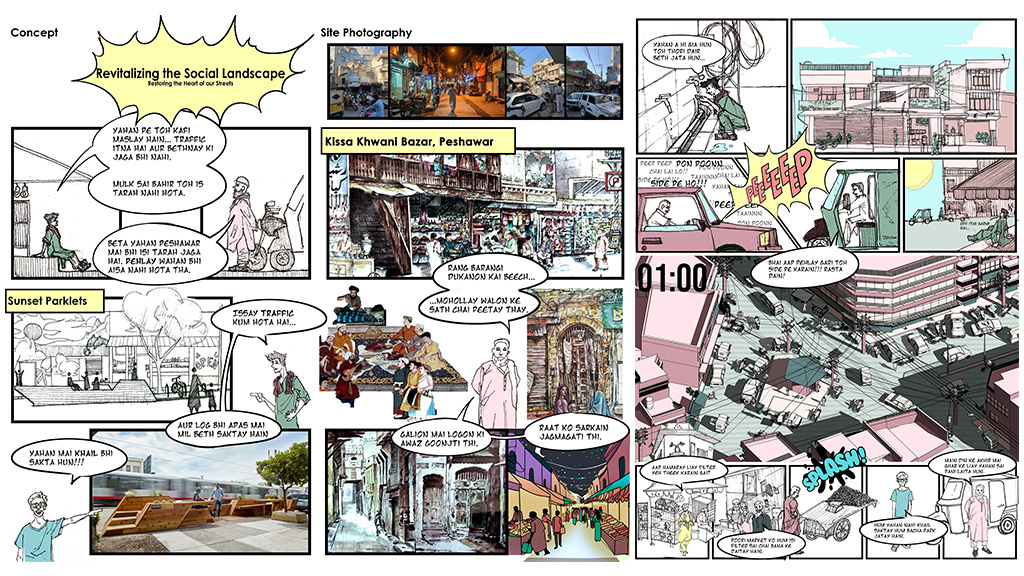
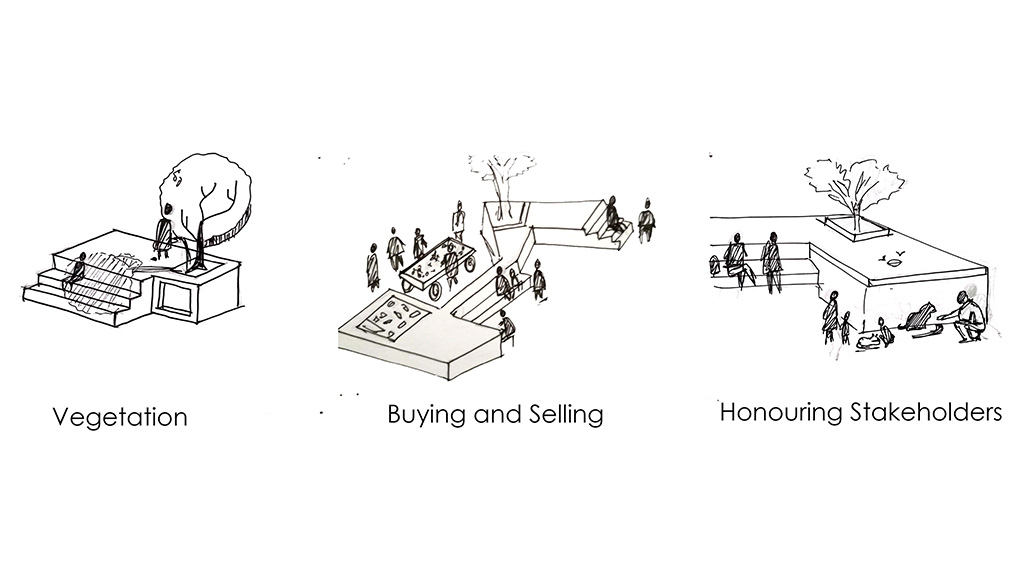
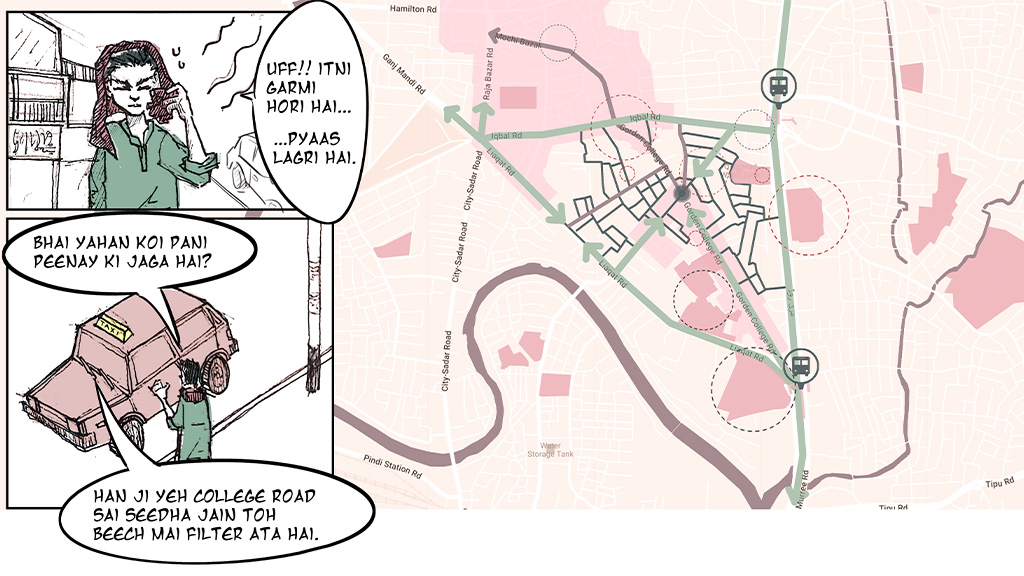
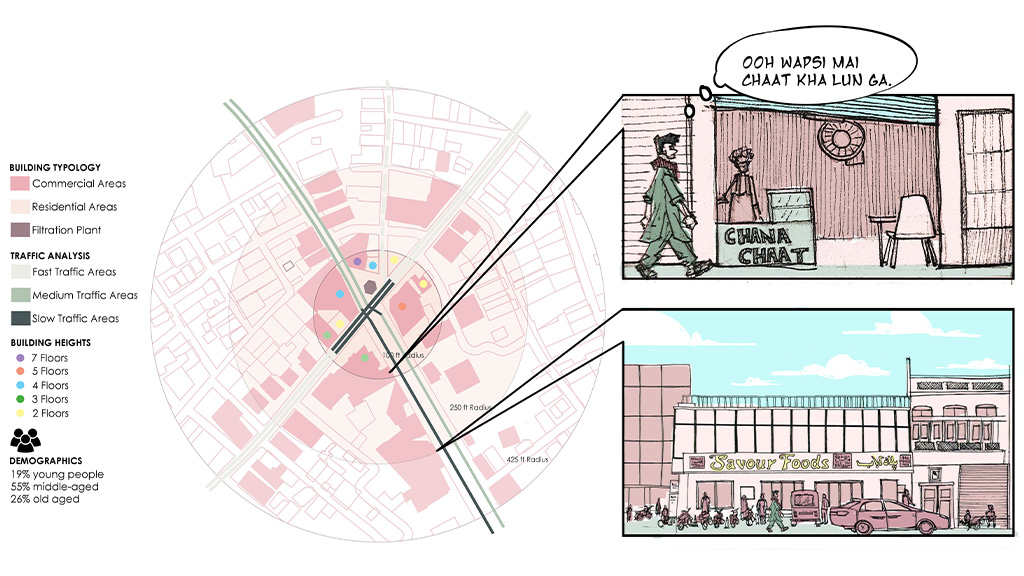
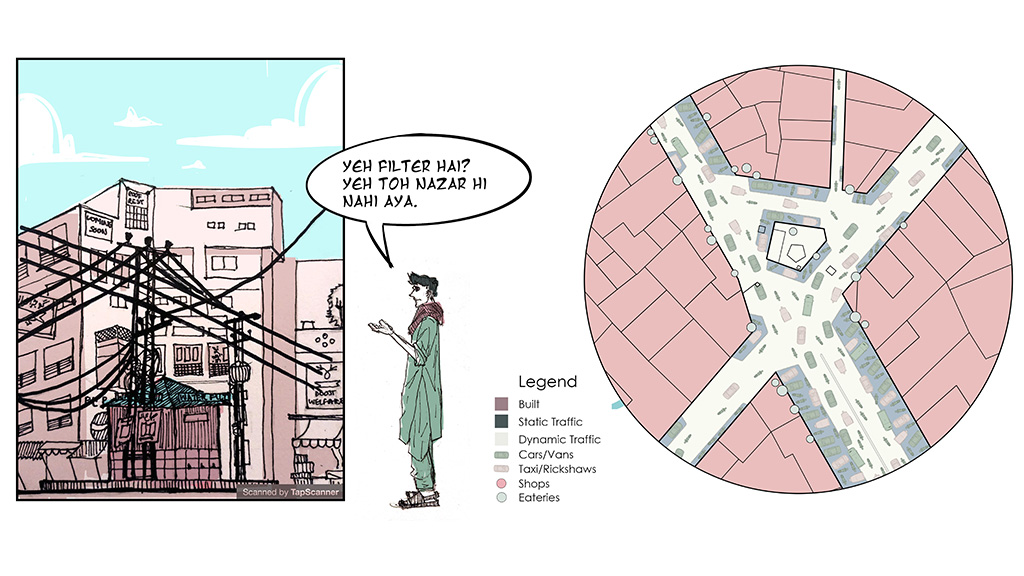
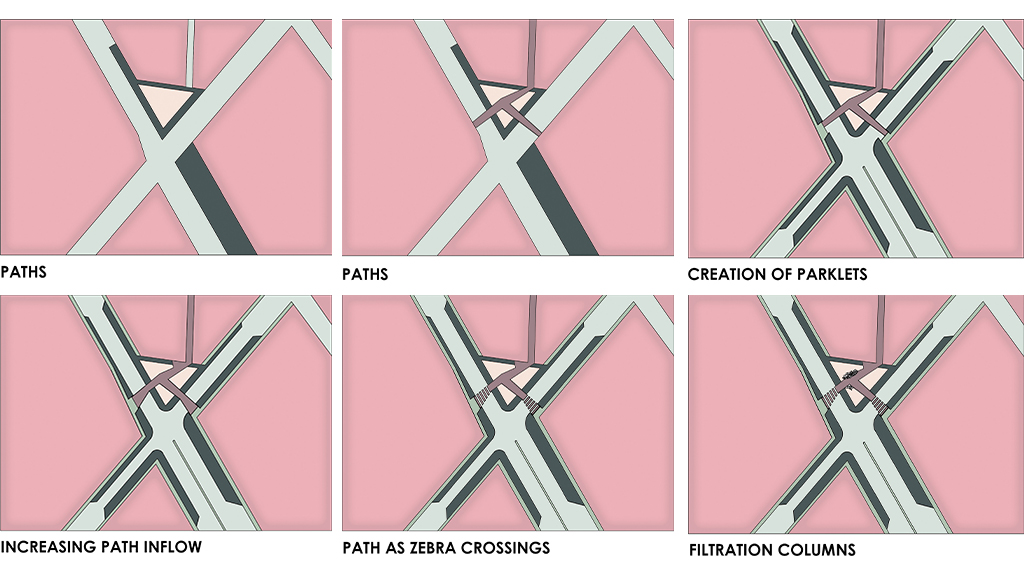
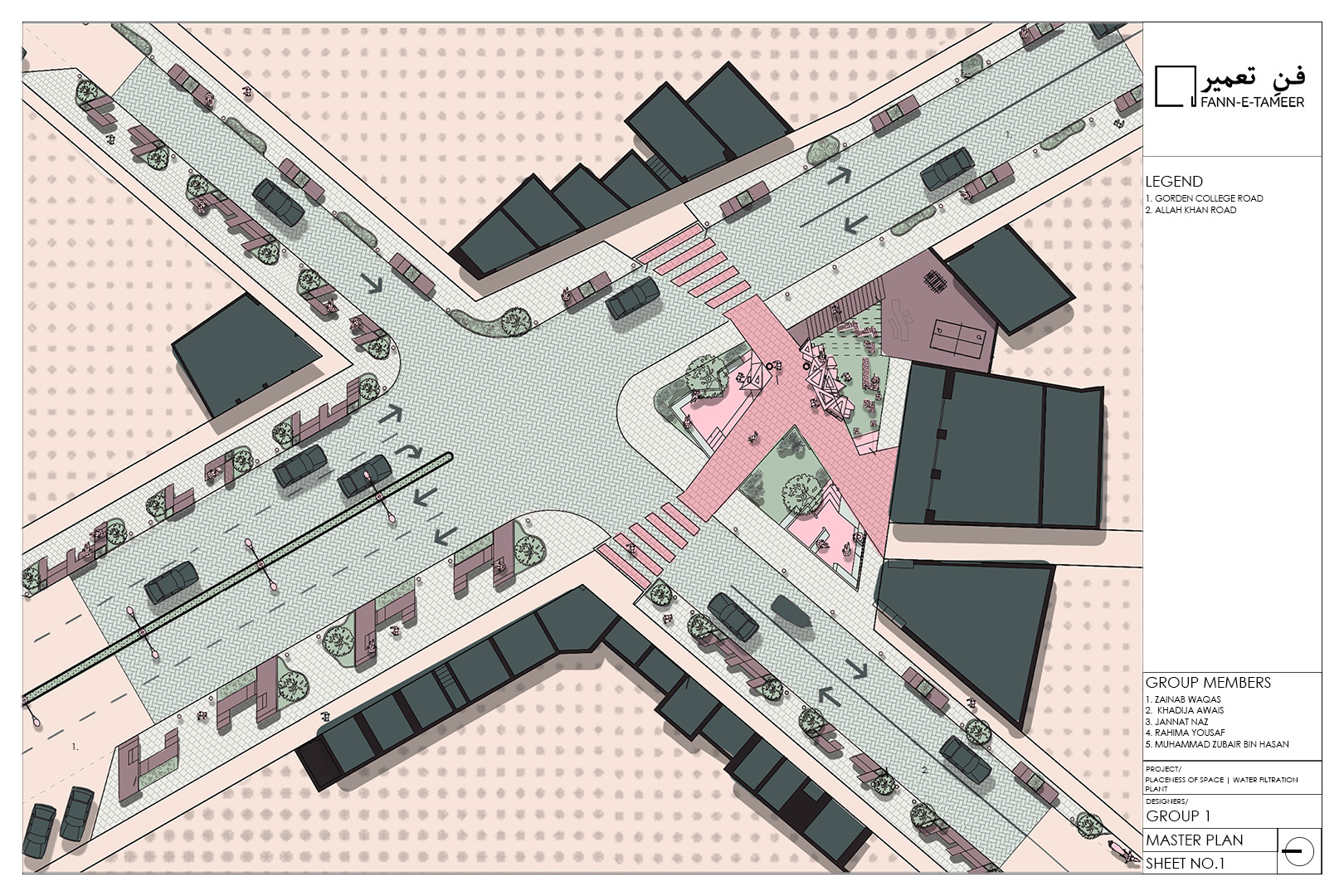
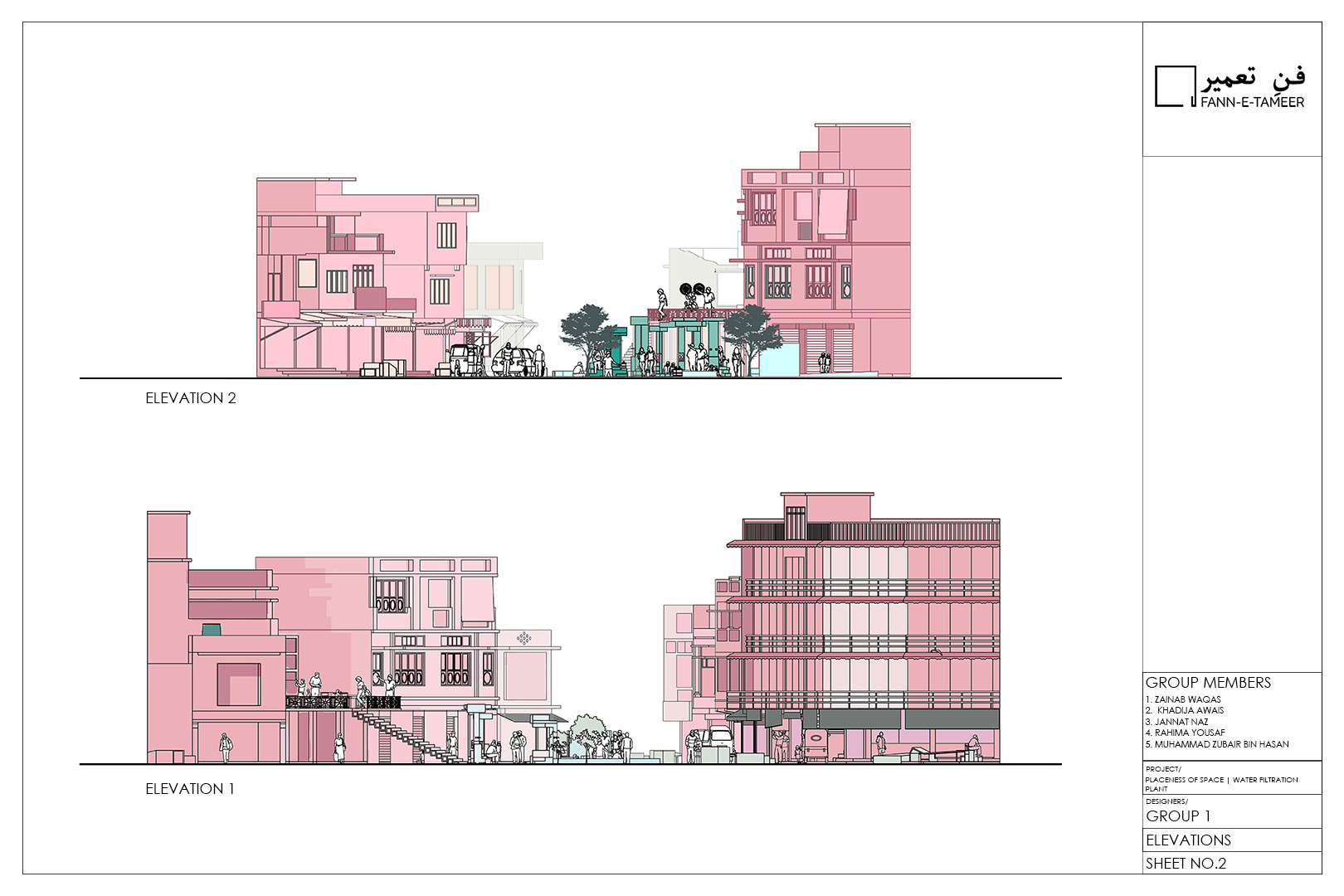
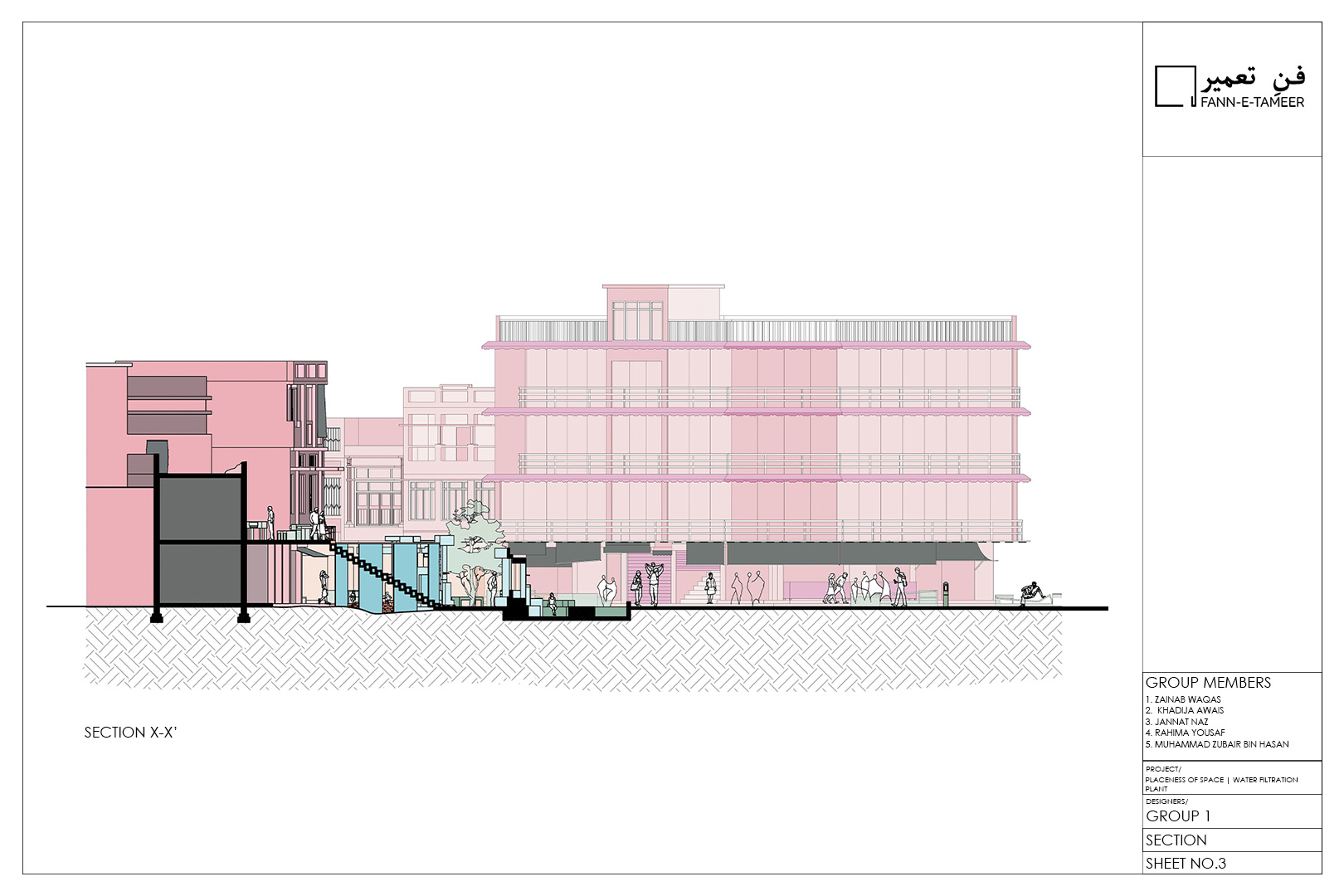
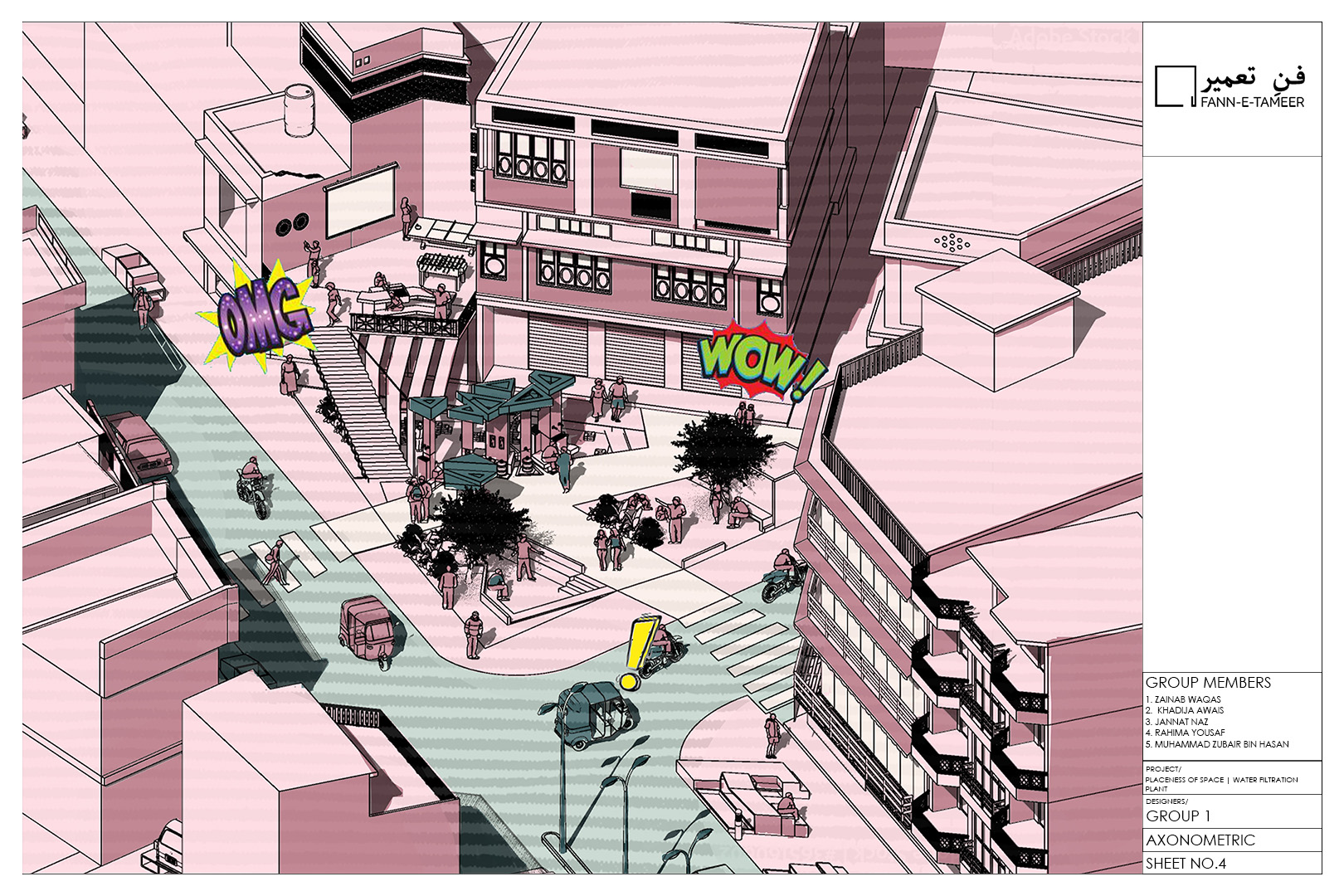
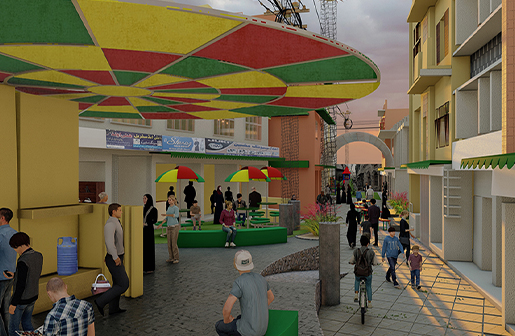
In the heart of Rawalpindi, a simple water filter plant is more than just a source of clean water—it’s a place where daily life unfolds. Over the years, however, the street around it has lost its unique character, becoming just another busy road dominated by the flow of vehicles. The familiar hum of community interaction has faded, replaced by the constant movement of traffic. This project aims to restore that lost vibrancy by reclaiming parts of the road for people, not just for cars. The idea is to introduce parklets—small, inviting pockets of greenery and seating—along the stretch. These spaces would encourage neighbors to pause for a moment, exchange greetings, share a conversation, or simply take in their surroundings. What was once a routine stop for collecting water could transform into an opportunity for connection and storytelling, enriching the social fabric of the street.
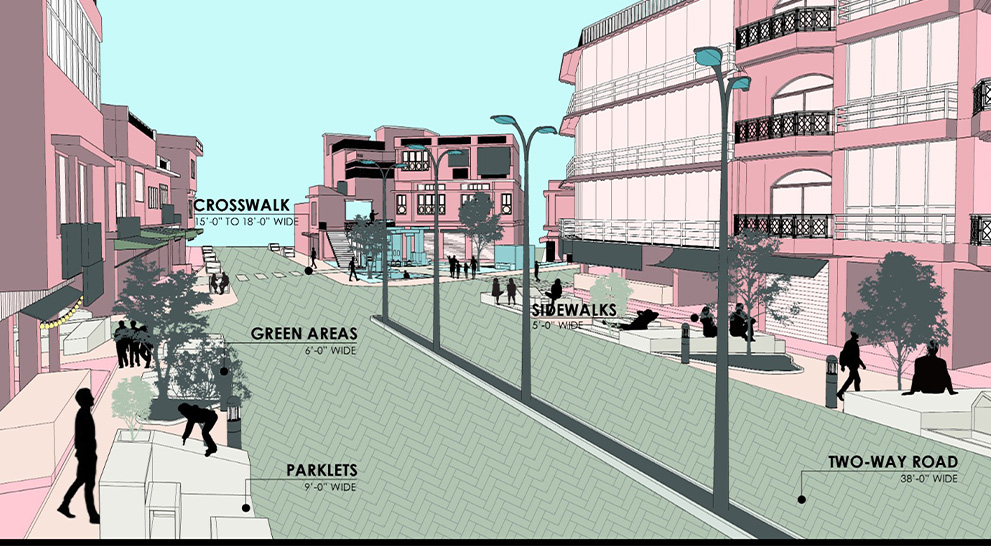
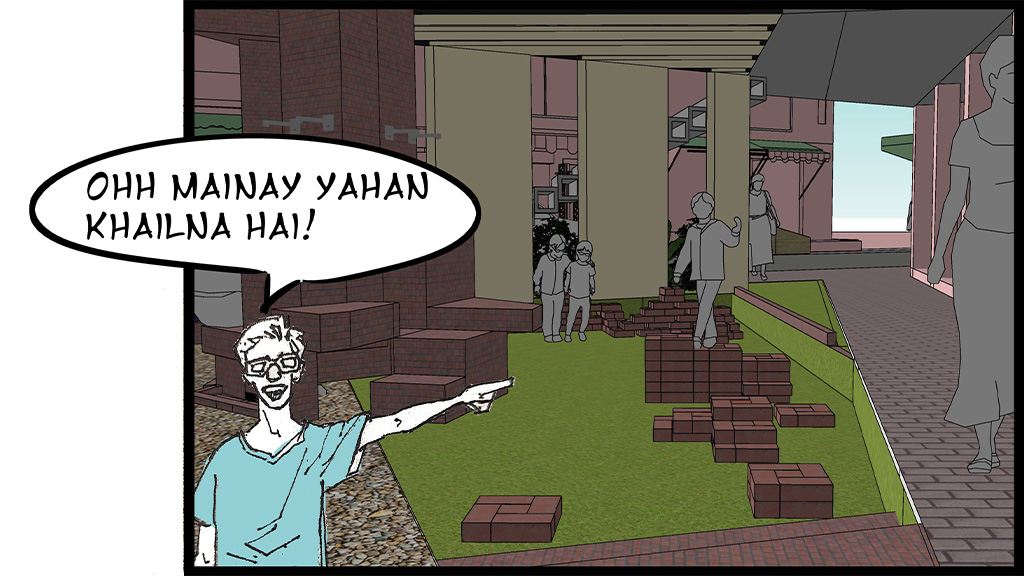
The vision for these parklets goes beyond adding physical elements; it is about reimagining the role of the street in people’s lives. A water plant remains at the center, serving its vital function of providing clean drinking water, but its surroundings now invite people to linger. Imagine a shopkeeper who comes to refill his bottle and ends up staying to chat with friends. Picture children gathering around a storyteller, captivated by tales of the neighborhood’s past. Visualize an elderly resident finding a shaded bench to rest and observe the gentle flow of life. These moments, small yet significant, build a renewed sense of community ownership. The street, once merely a thoroughfare, becomes a space that celebrates human presence and interaction. This transformation shifts the narrative from a focus on vehicles and efficiency to one that prioritizes people and meaningful connections.
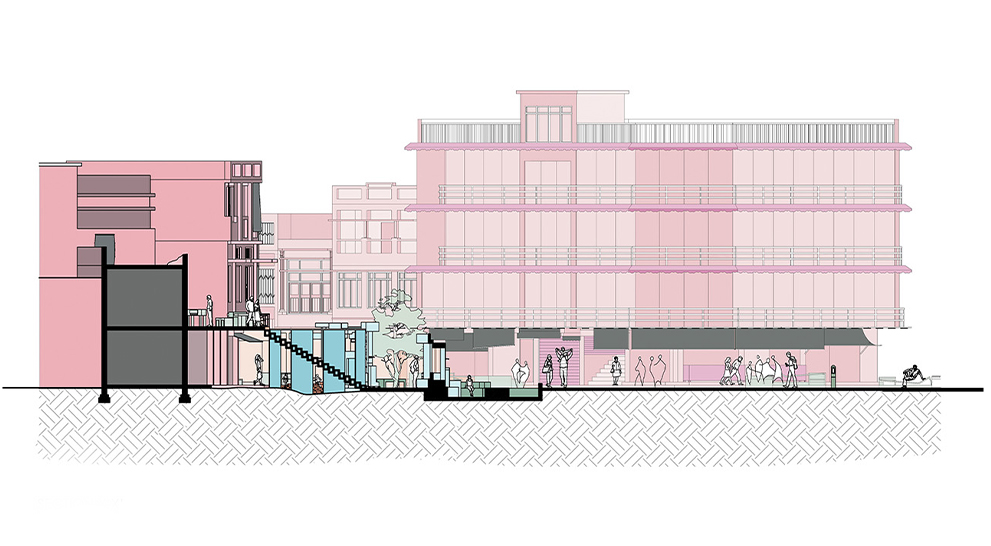
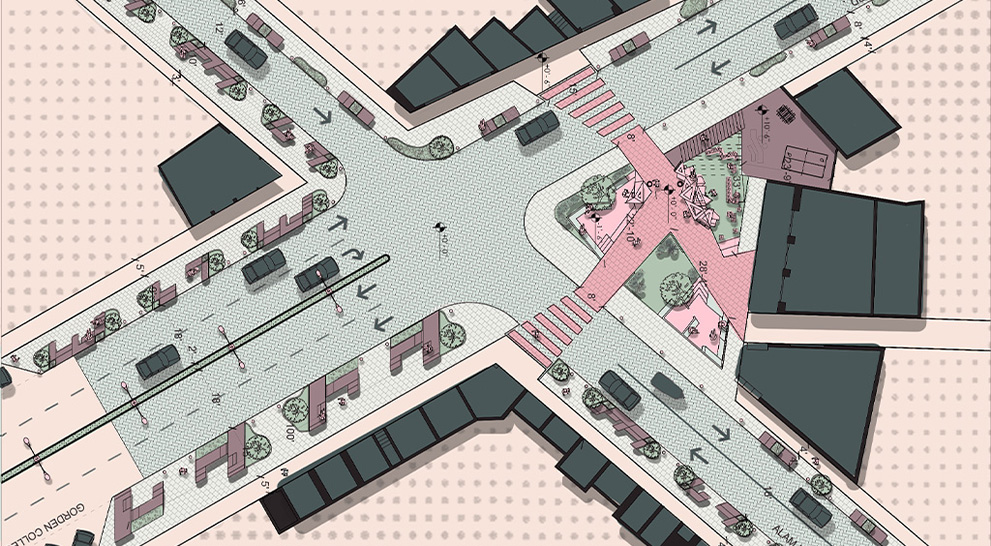
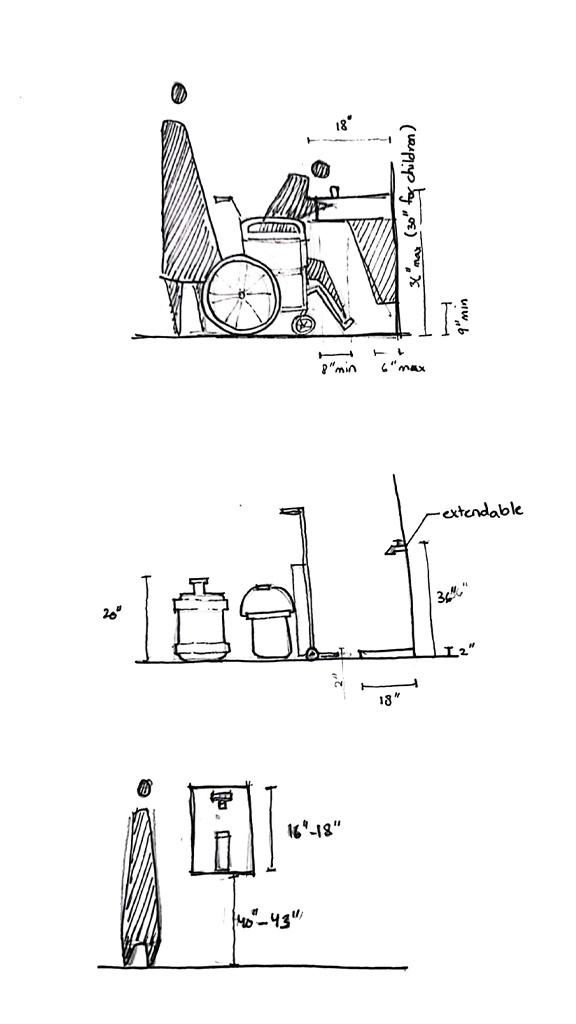
By reclaiming space from traffic and giving it back to the community, the project restores the street’s role as a stage for everyday life. The parklets, designed with careful attention to comfort and accessibility, provide opportunities for people of all ages to participate in the social rhythm of their neighborhood. They encourage spontaneous interactions, whether it’s two strangers discussing the day’s events or friends meeting by chance. Over time, these simple encounters help rebuild the neighborhood’s identity, making it more than just a location on a map—it becomes a place where people belong. In doing so, the initiative not only addresses the physical design of the space but also revives the emotional and cultural ties that bind residents together. Through this lens, the street is no longer seen as a space for movement alone but as a living, breathing environment for community life.
Contact Designers || Portfolio
You Might Find These Interesting
 DESIGNED BY: Uswa Naseer
Rhythms in Motion
Skyways Bus Adda, Chungi No. 26, Zone I, Islamabad DESIGNED BY: Faiza Rehman
A Transit Hub, Reimagined
Chungi No 26 Bus Stop, Homes Road, Islamabad