Tales of Lalkurti
Reimagining Lalkurti’s old neighbourhood through a gamified urban exploration, crafting an inclusive and active neighborhood that celebrates its history and culture.
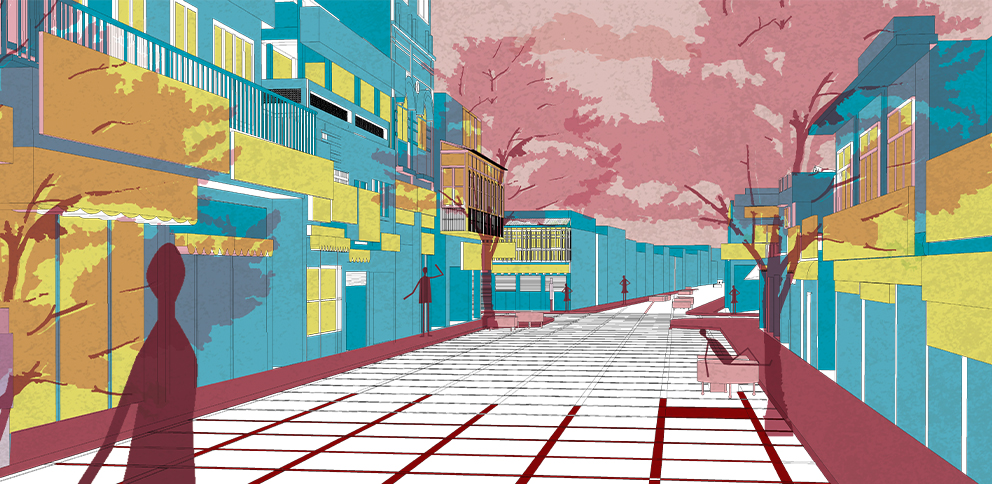
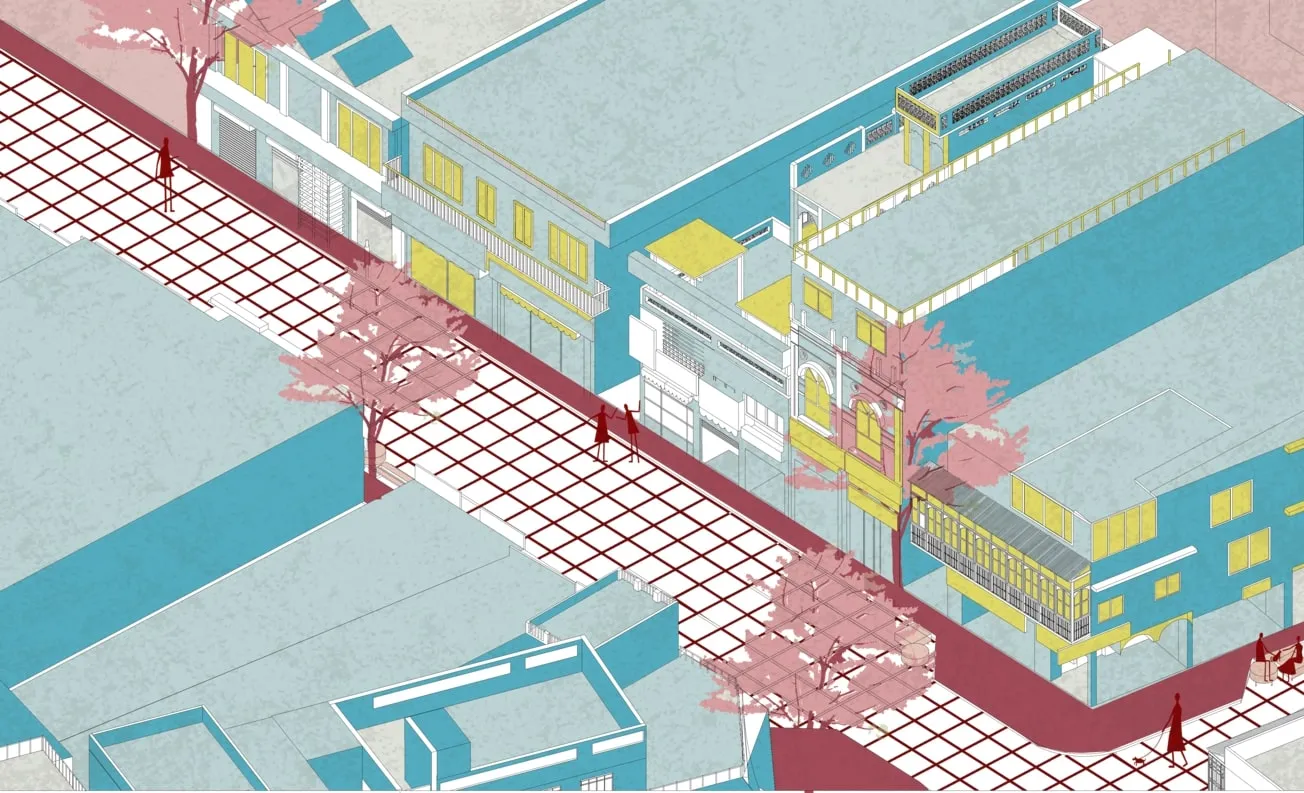
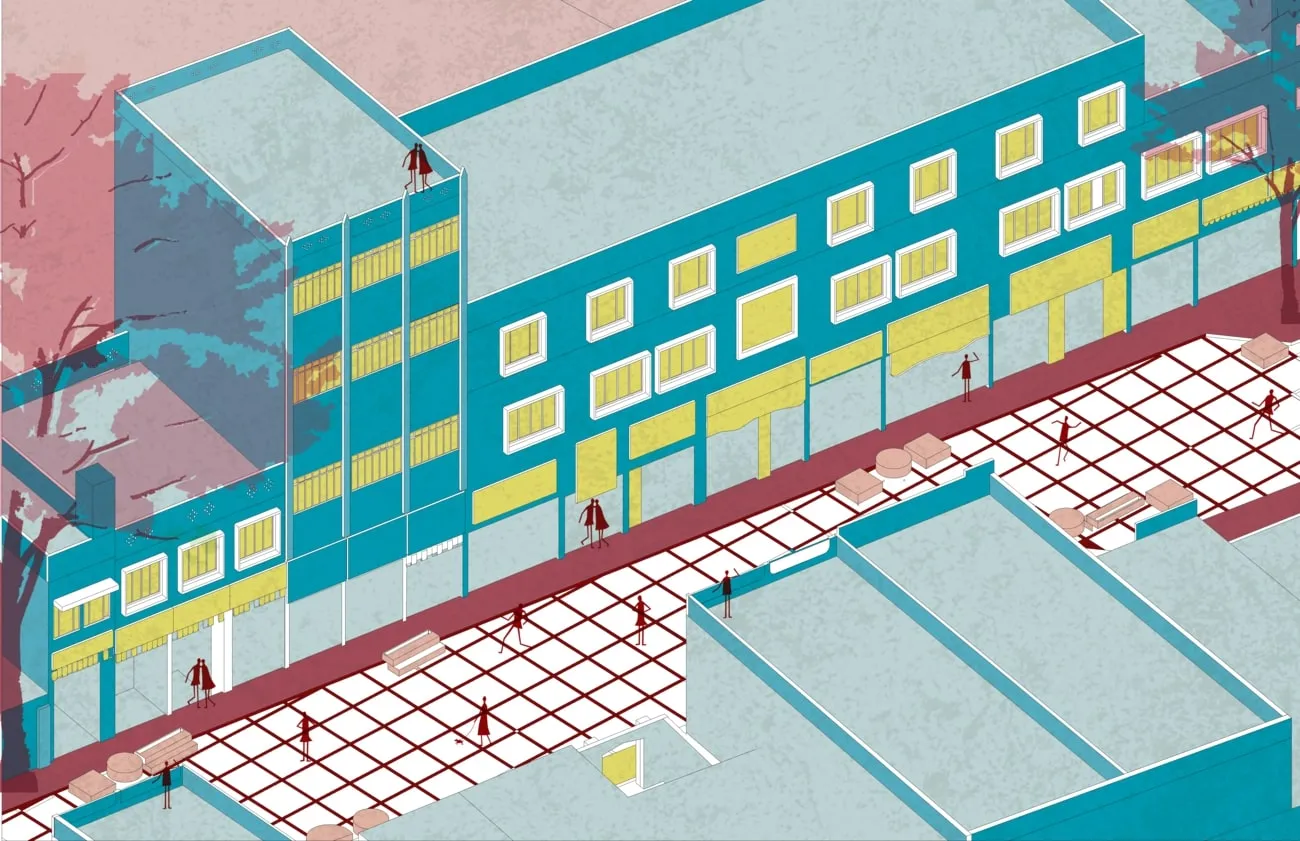
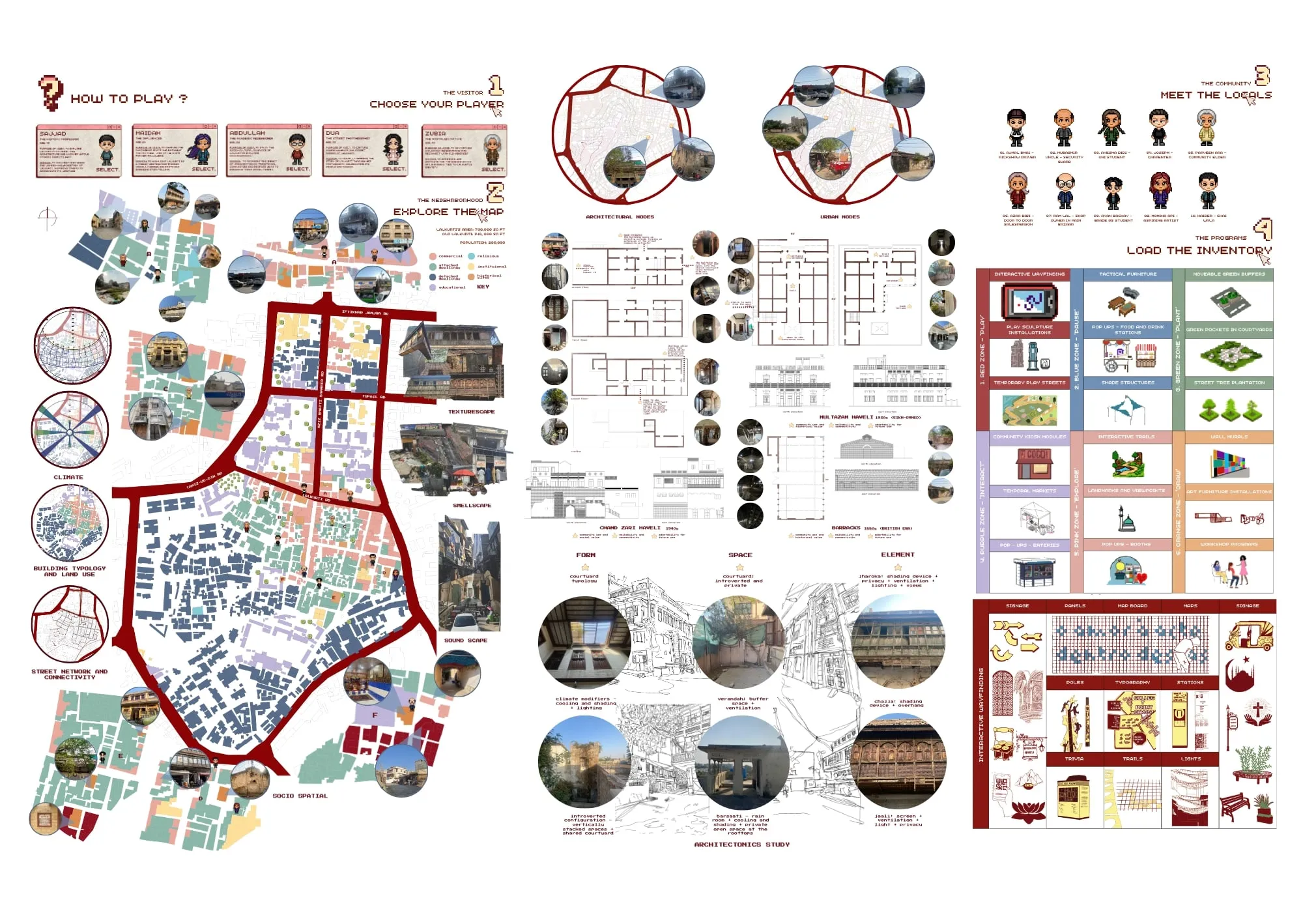


Through a macro-to-micro approach, Laiba Tirmizi’s undergraduate thesis proposes tactical urbanism as a solution to explore and reimagine Lalkurti’s old neighbourhood. Tales of Lalkurti emphasizes the importance of a multifaceted design process that prioritizes the voices and experiences of the local community through the conceptual lens of a place-making game, ensuring that the neighbourhood is a space where all individuals, regardless of age, can participate in the community’s life. Through a gamified urban exploration, the design aims to bridge the past with the future, creating an inclusive and active neighborhood that celebrates its history and culture while promoting dynamic social interaction between locals and visitors who get to experience the neighborhood’s evolving identity. Through design, the forgotten alleys are reanimated, the urban voids are turned into spaces of pause and play, and architecture becomes an enabler of shared stories.
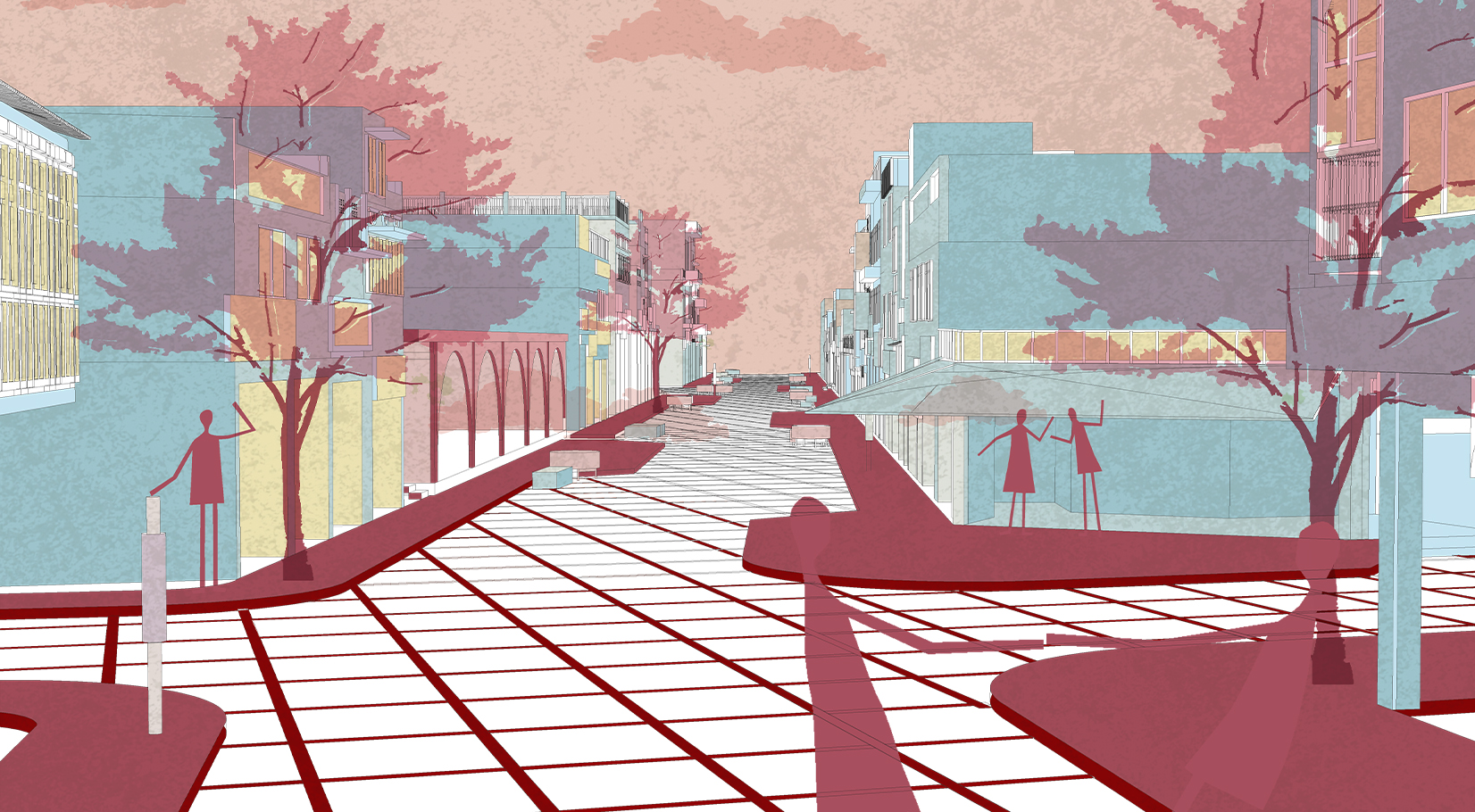
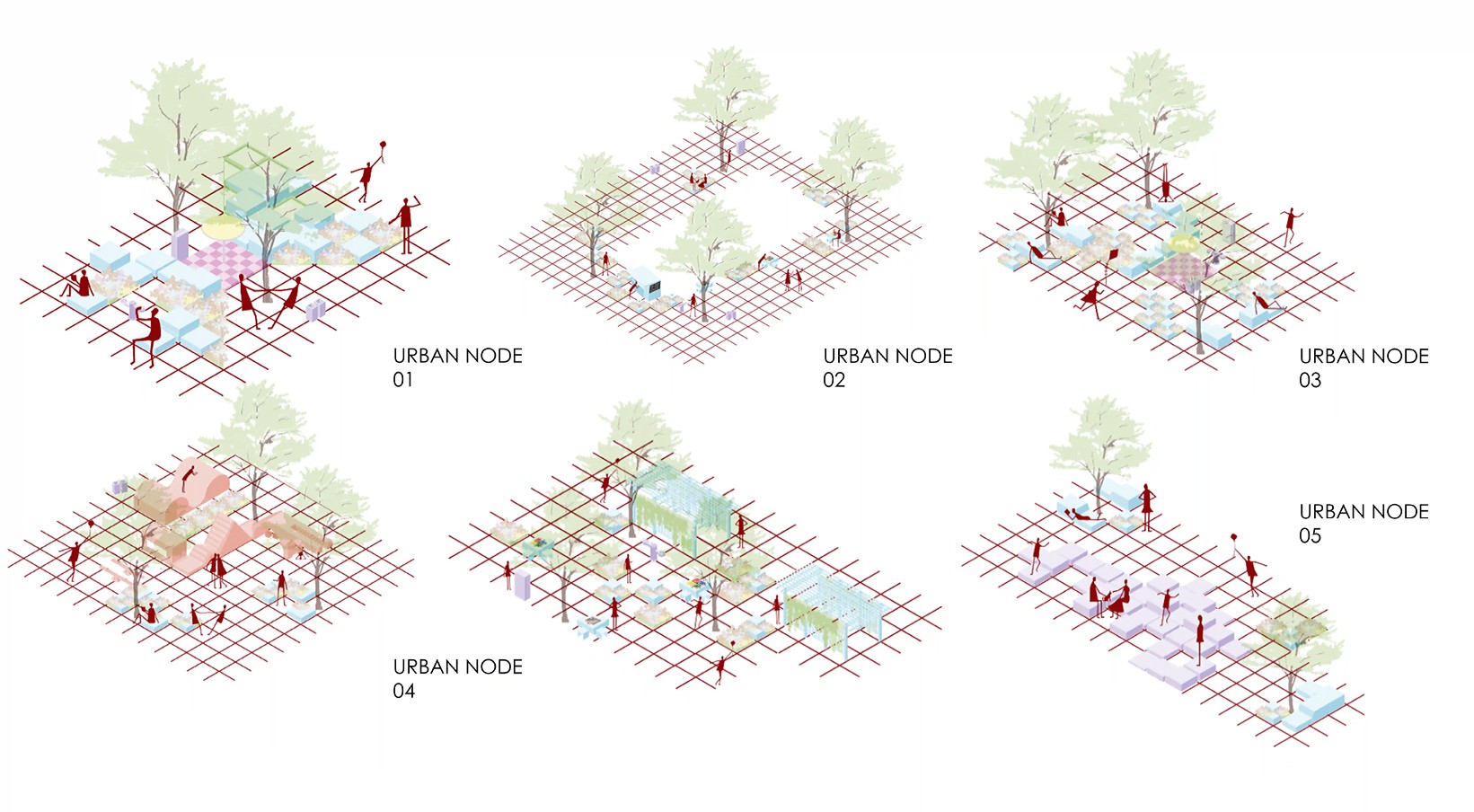
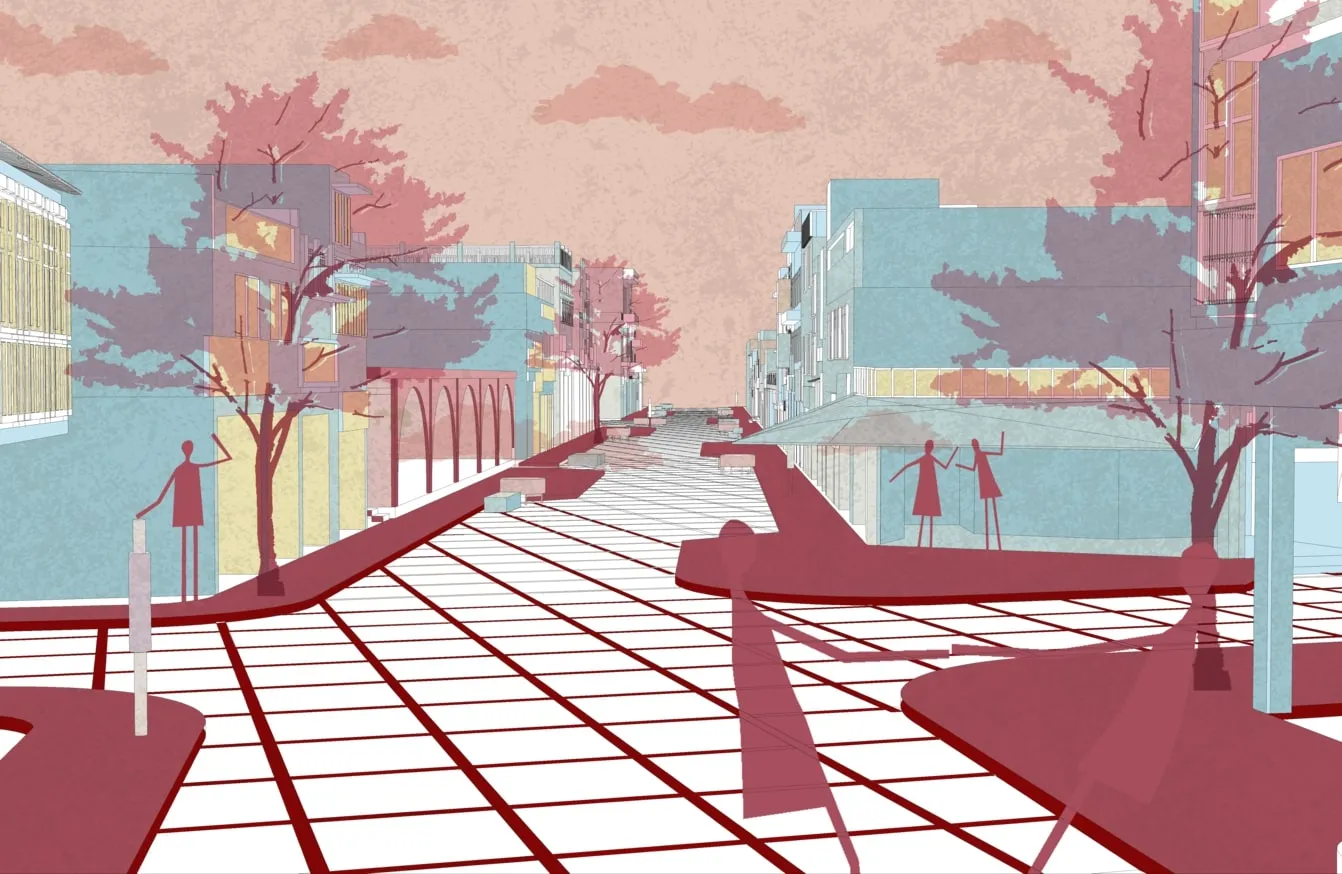
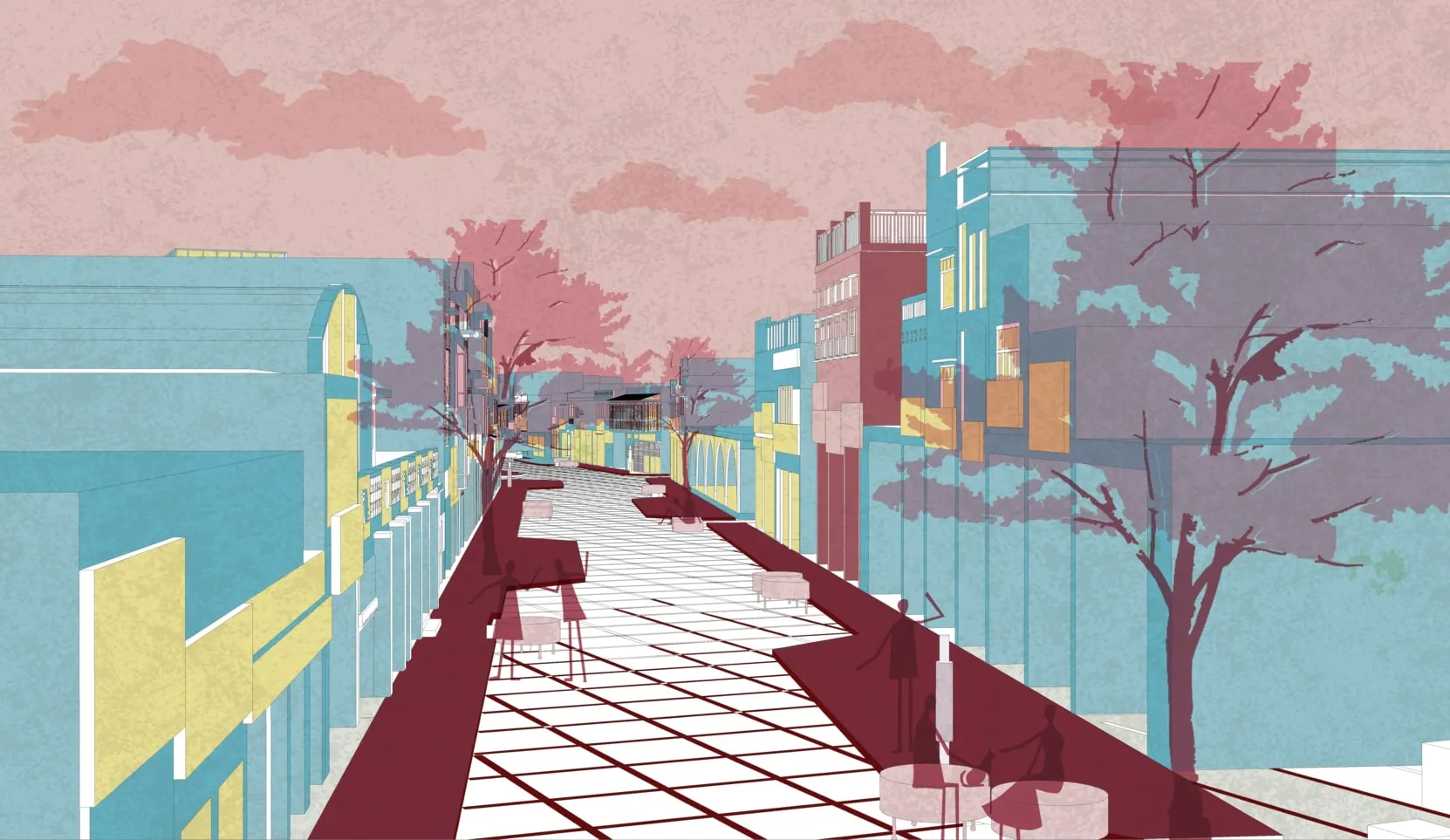
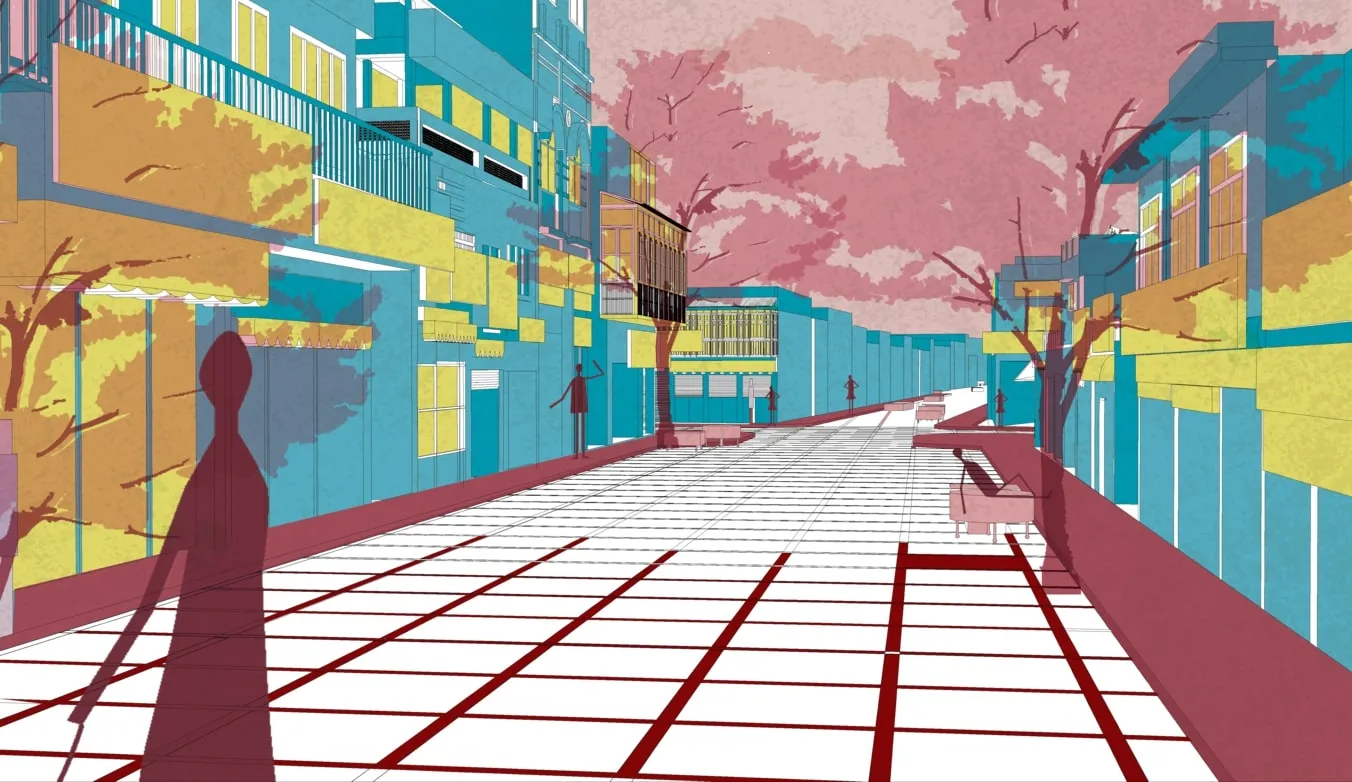
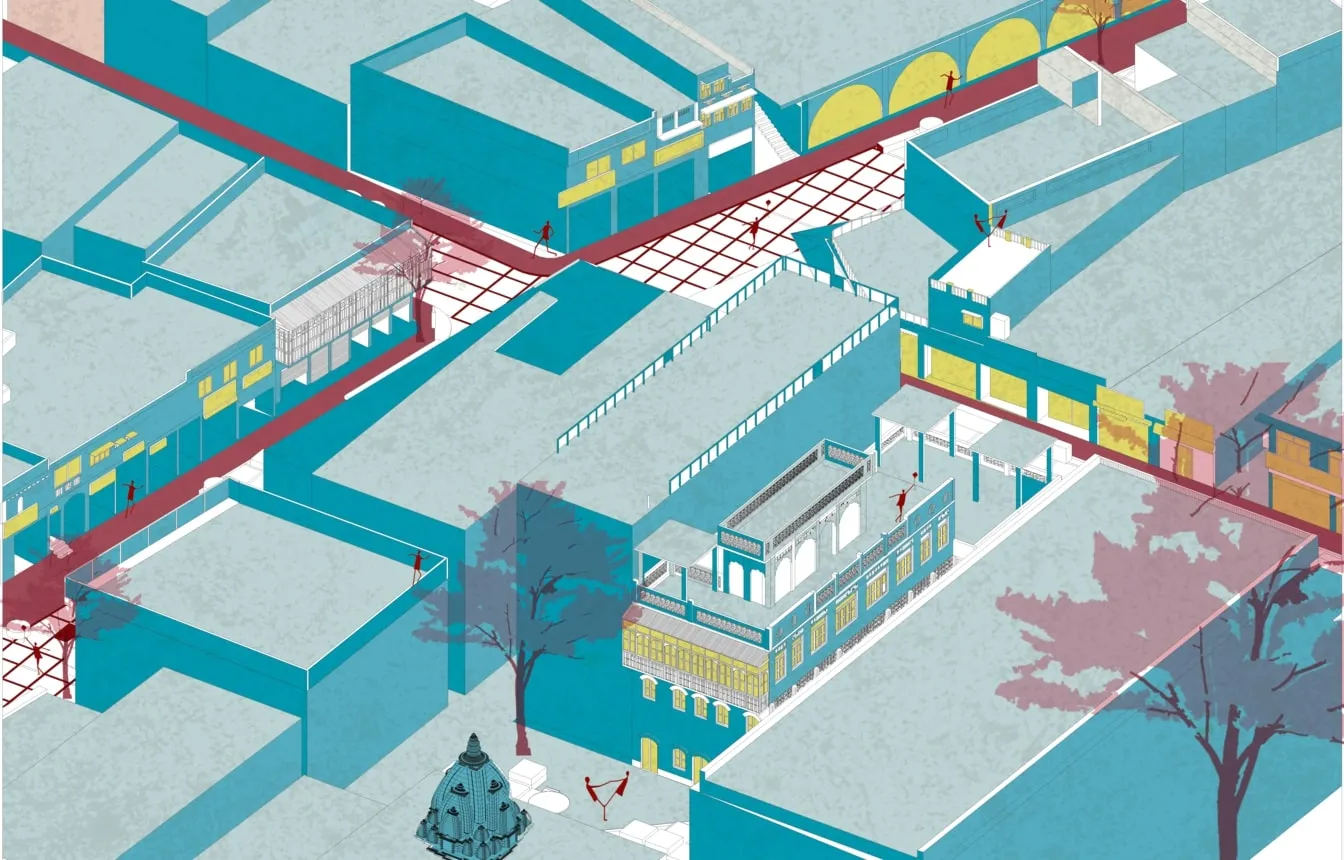
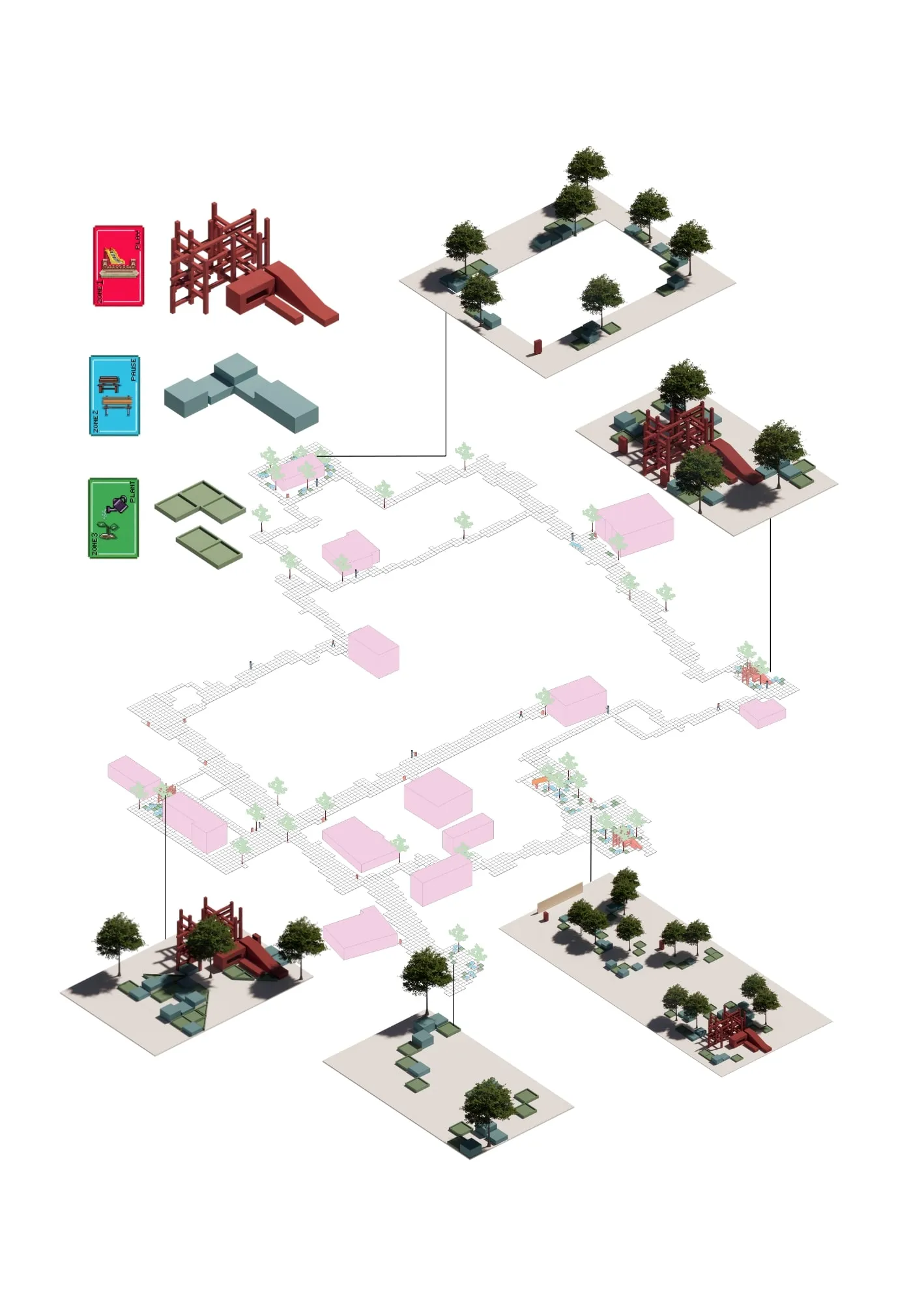
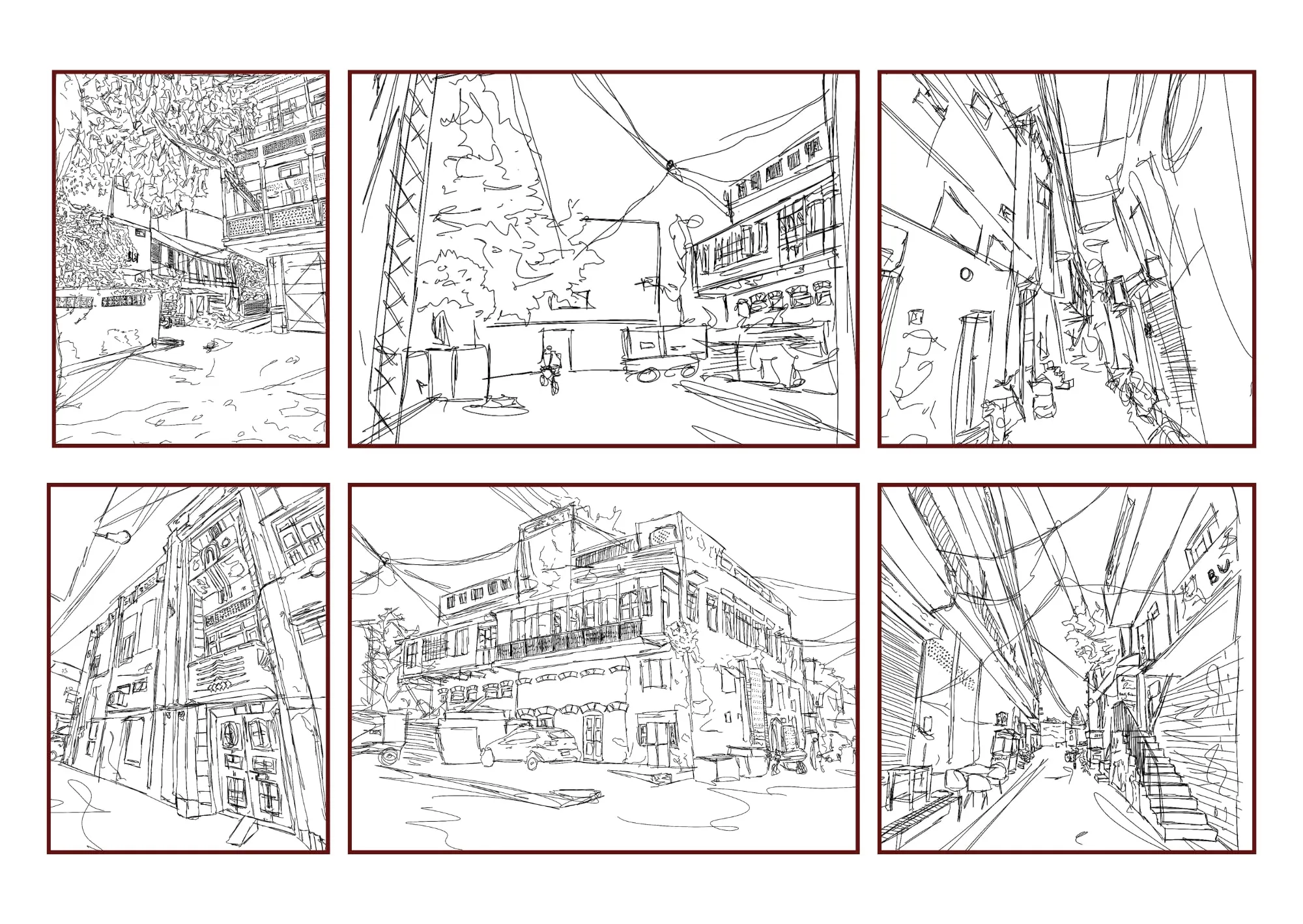
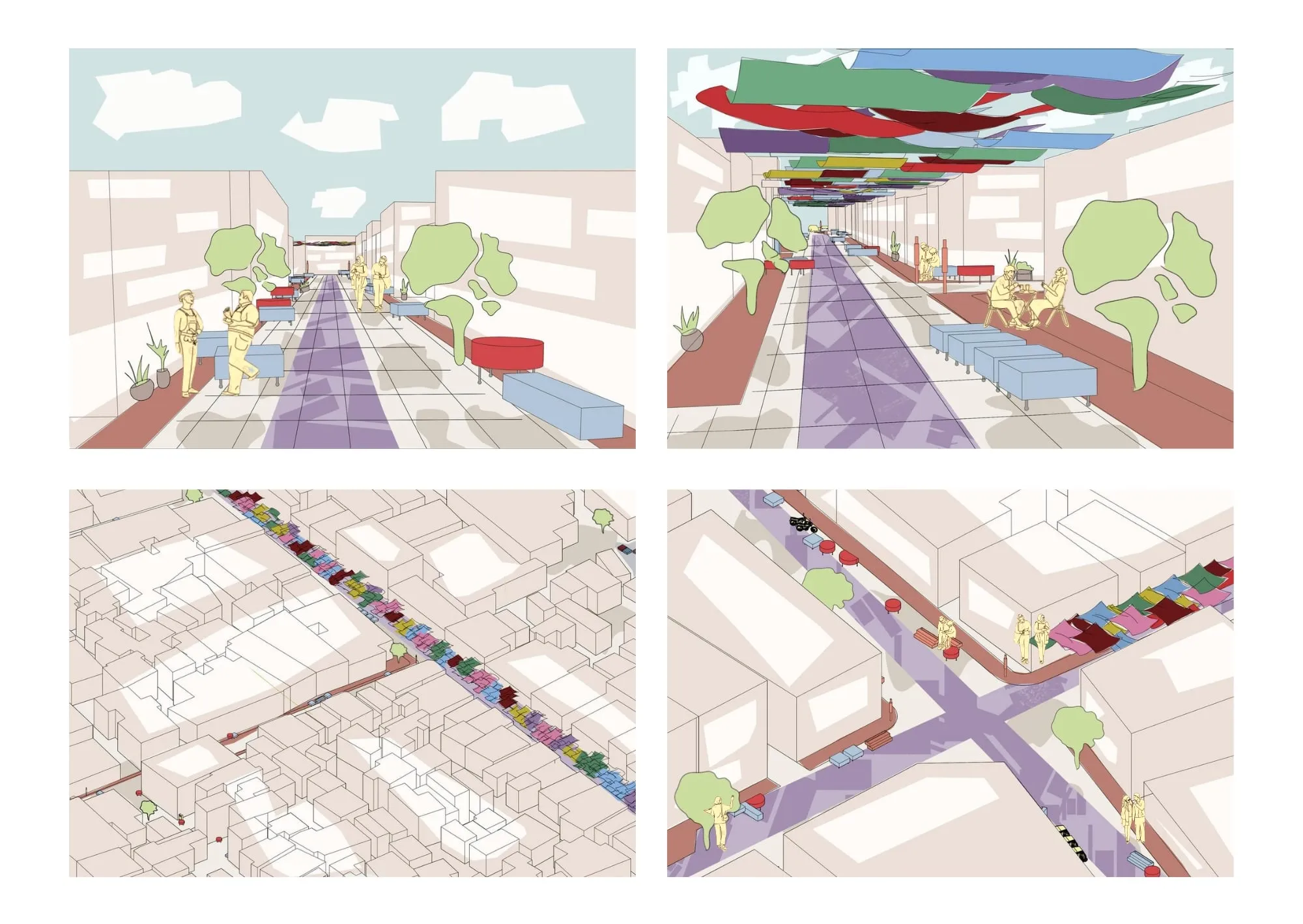
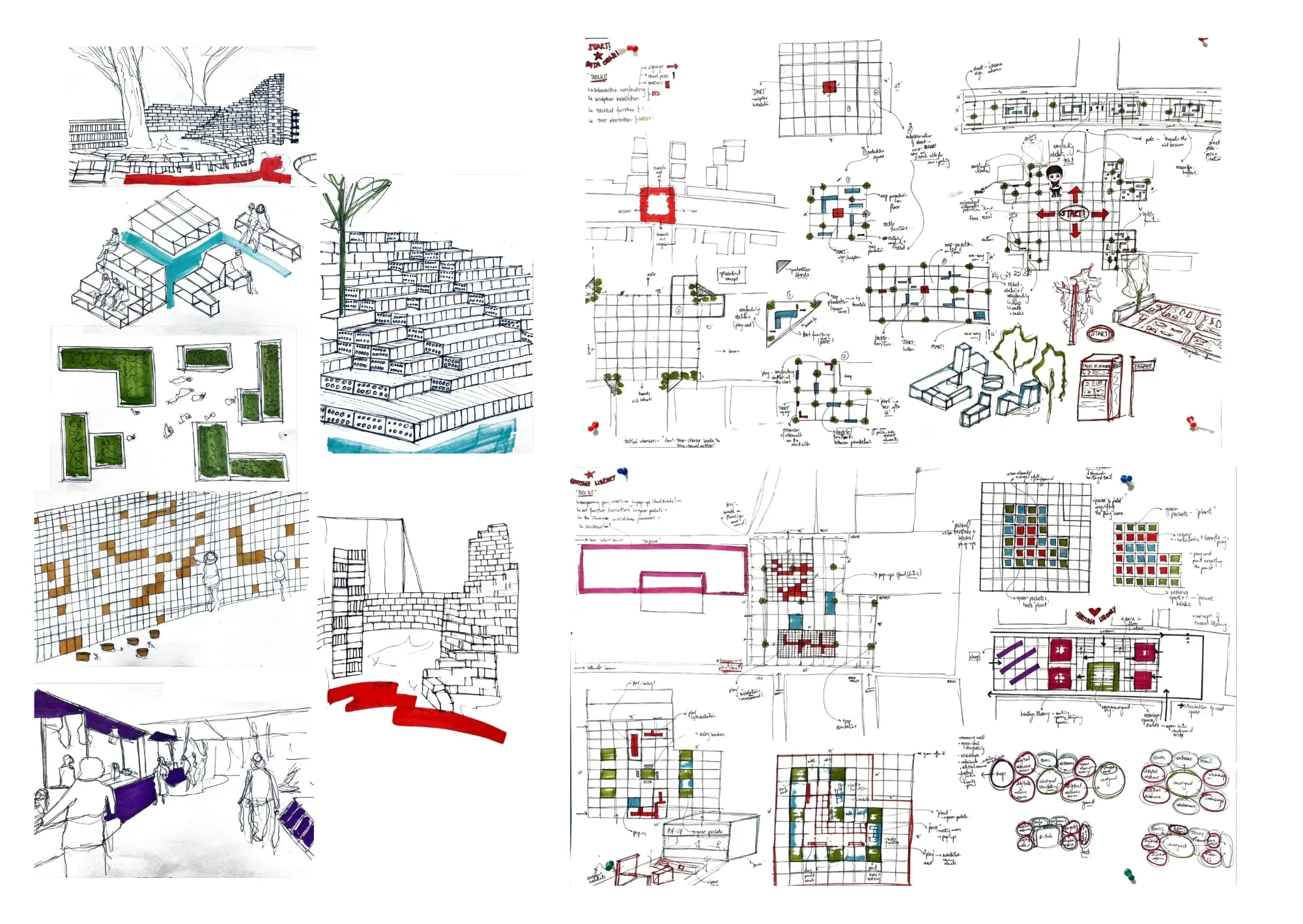
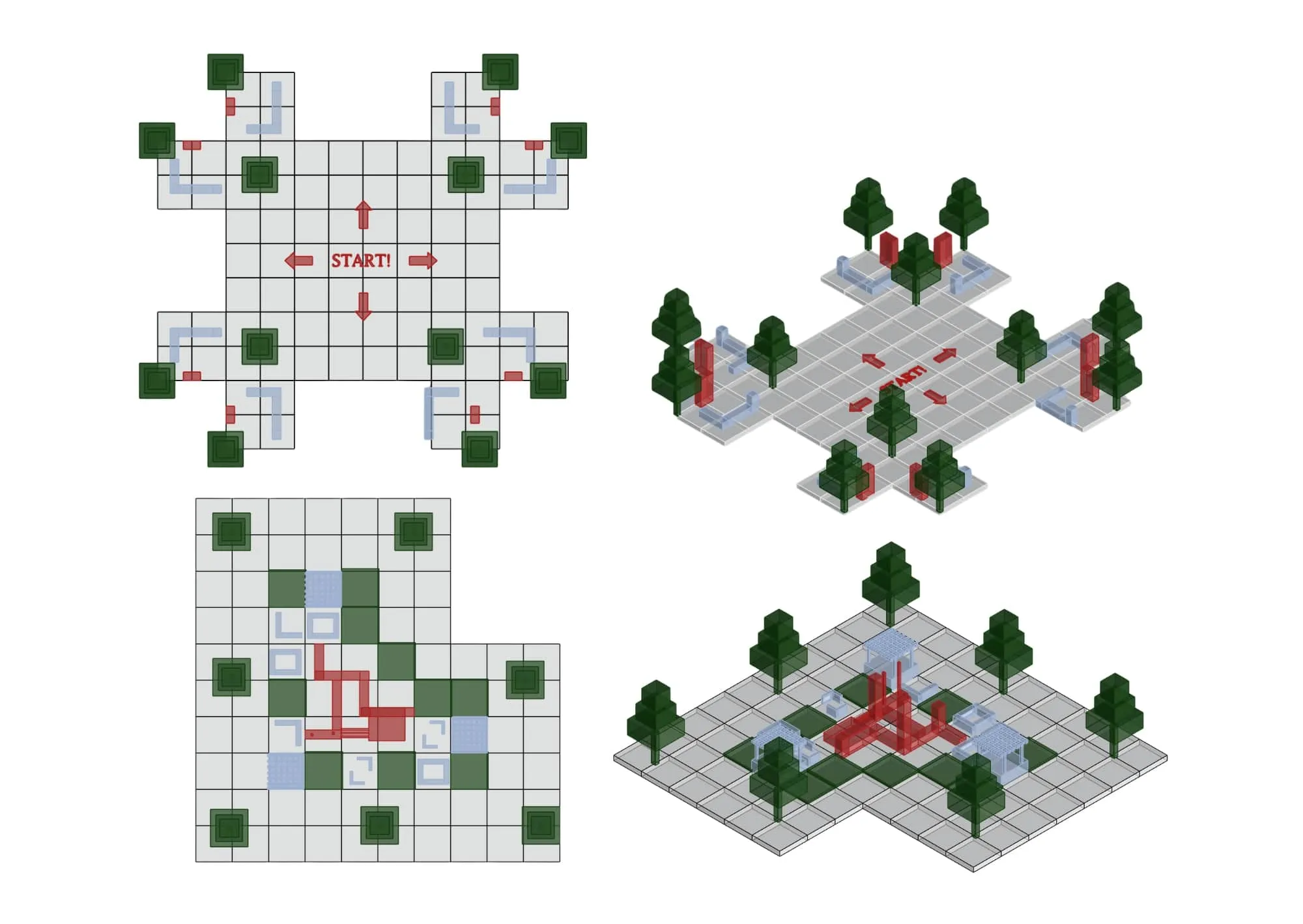
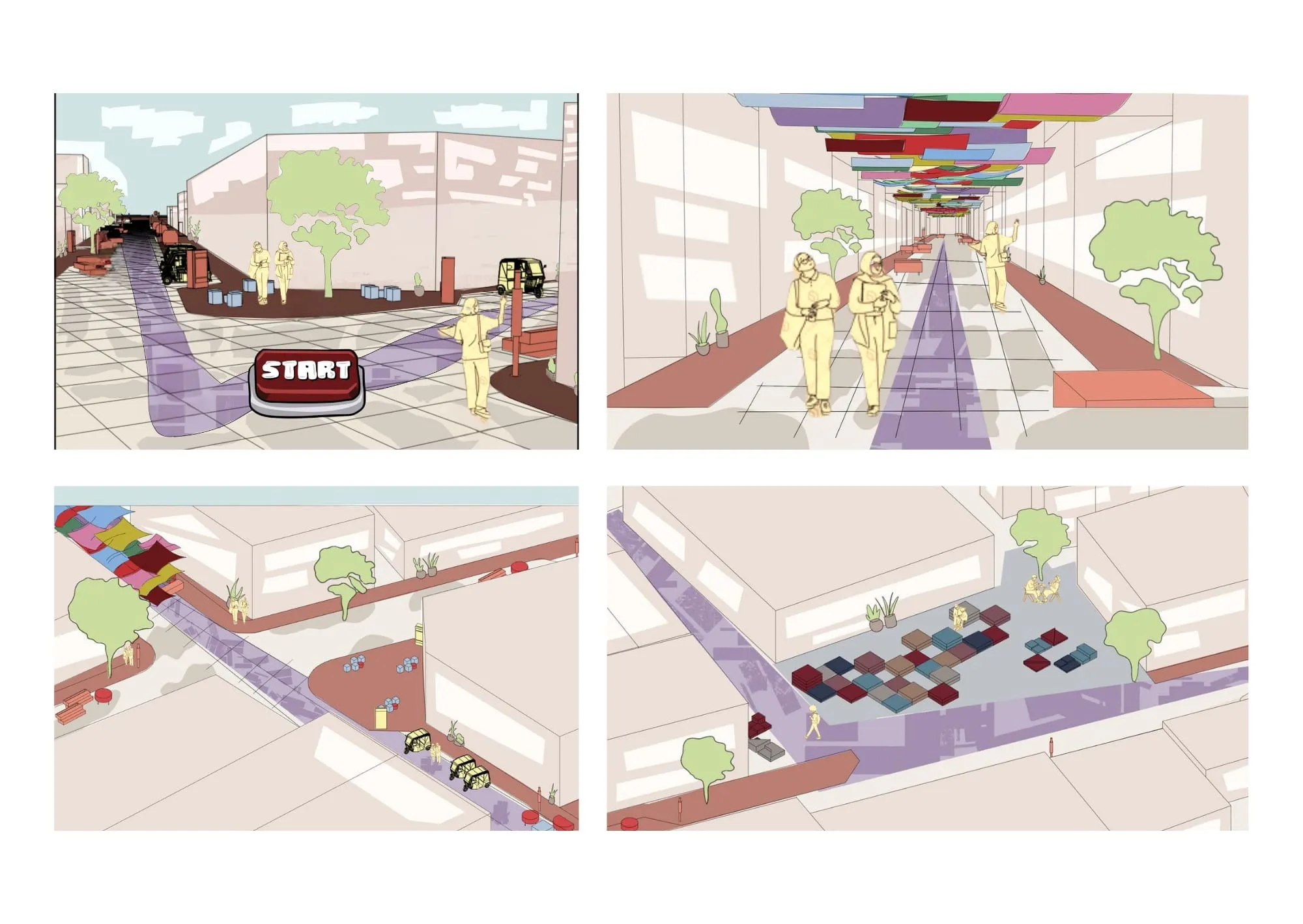



The inspiration for the project stems from the everyday animation of Lalkurti, its fractured yet fertile public spaces, the quiet endurance of its people, and the rhythmic choreography of daily life. Drawing from psychogeographic methods, the walk itself became a tool of mapping emotions, spatial behaviors, and sensory perceptions. Tactical urbanism, self-build culture, and modular craft practices informed the design language, where the city is not designed at once, but discovered and crafted in levels, each responding to a different actor, memory, and need. The masterplan is a spatial storybook. The heritage walk weaves through historically and socially significant pockets, temples, old markets, compounds, courtyards. Urban interventions are sited along the route, working as both visual and programmatic anchors. These include shaded seating zones, community info boards, playful installations, and craft kiosks, all placed strategically to revive public life and enhance walkability. The nodes are not static objects but responsive platforms. Some host mobile performances or workshops; others function as viewing decks, pop-up cafes, or storytelling pits. This layered approach creates an episodic rhythm for the walk, with pauses, surprises, and participatory moments
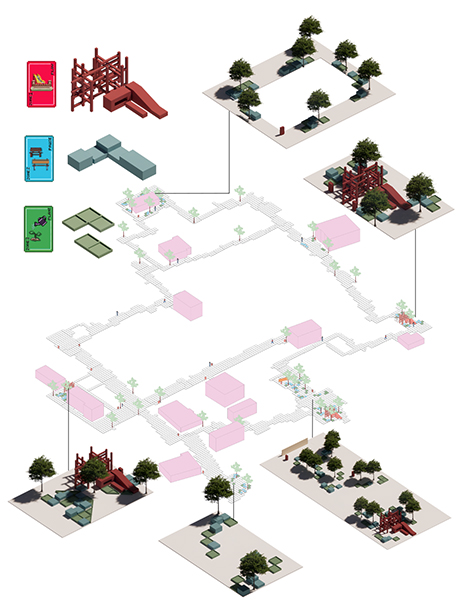
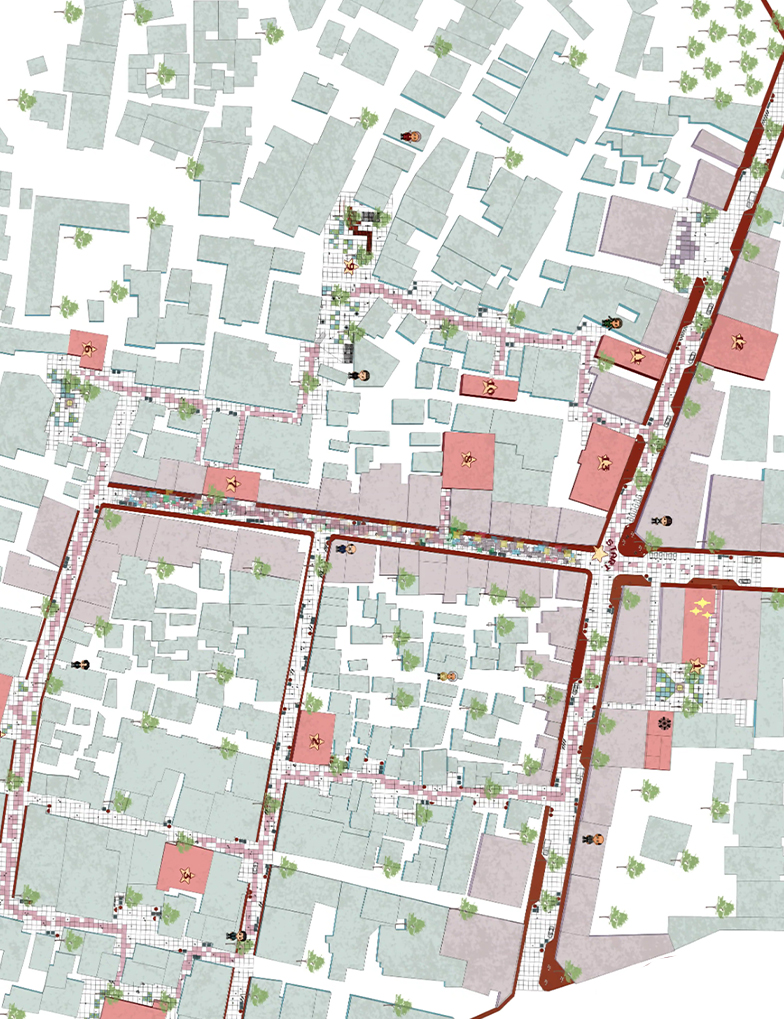
The levels of Lalkurti are a response to the lived complexity of place. They reframe design as a participatory game, playful yet deeply rooted in context. Each level allows the user to unlock new ways of belonging, creating, and remembering. Whether through walking, crafting, resting, or eating, the spaces stitched into the masterplan invite a continual inhabitation of the city. They are not final solutions, but beginnings. They are invitations. The heritage walk, punctuated by five carefully selected urban nodes, invites users to interact, reflect, rest, and play, making the neighborhood legible, engaging, and layered with meaning. Ultimately, the project offers a model for regenerating historic neighborhoods in a way that is both rooted in place and forward-thinking, where design becomes a tool for storytelling, social cohesion, and sustainable urban futures.
Contact Designers || Portfolio
You Might Find These Interesting
 DESIGNED BY: Zainab Waqas
Placeness of Space
Purana Qila Water Filtration Plant, Rawalpindi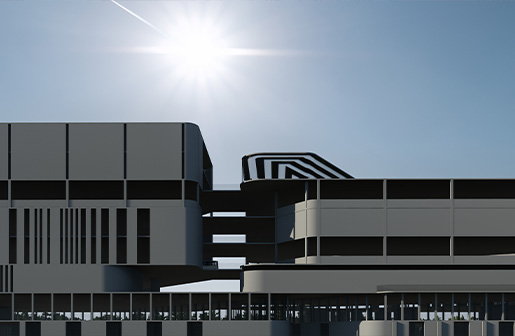
 DESIGNED BY: Uswa Naseer
Rhythms in Motion
Skyways Bus Adda, Chungi No. 26, Zone I, Islamabad