CODE-Q
CODE-Q is a hands-on, screen-free coding tool for kids aged 5–9, using interactive blocks to teach logic, problem-solving, and programming through play.
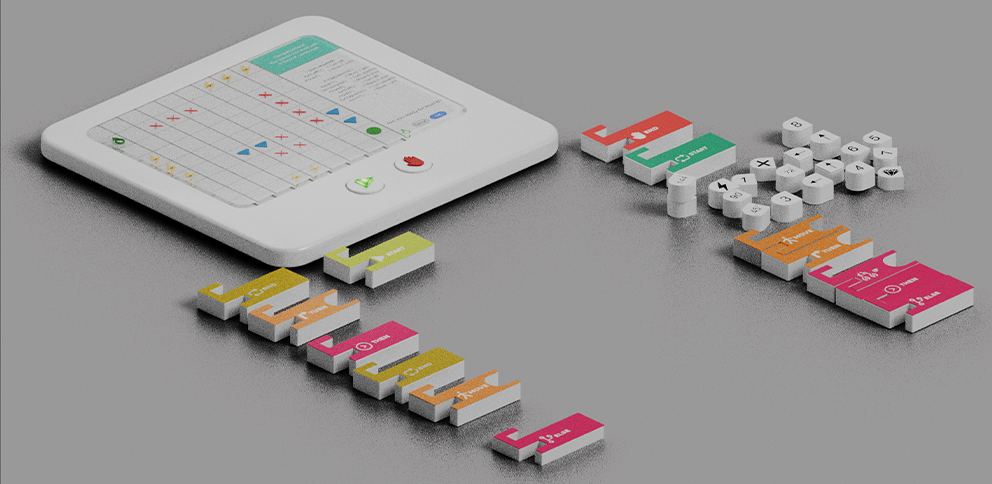
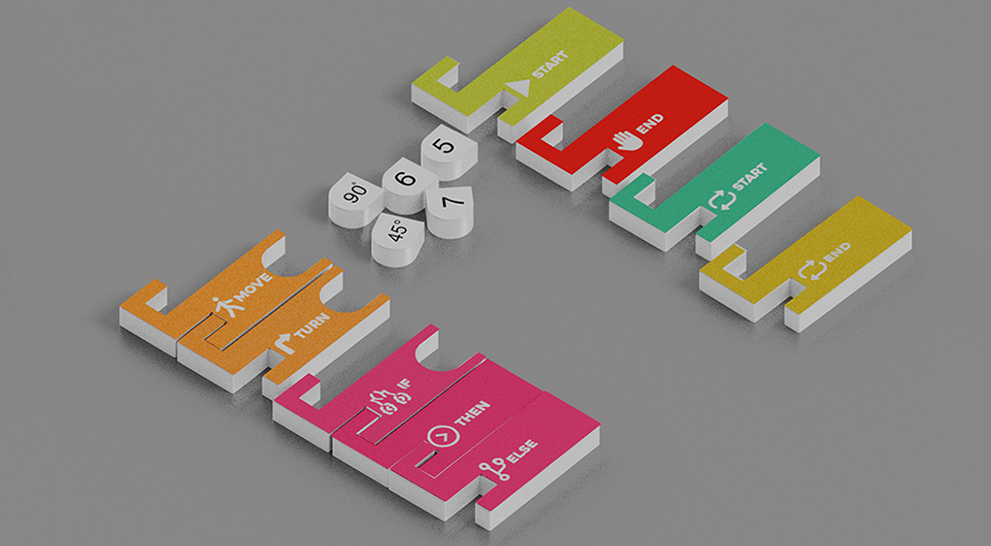
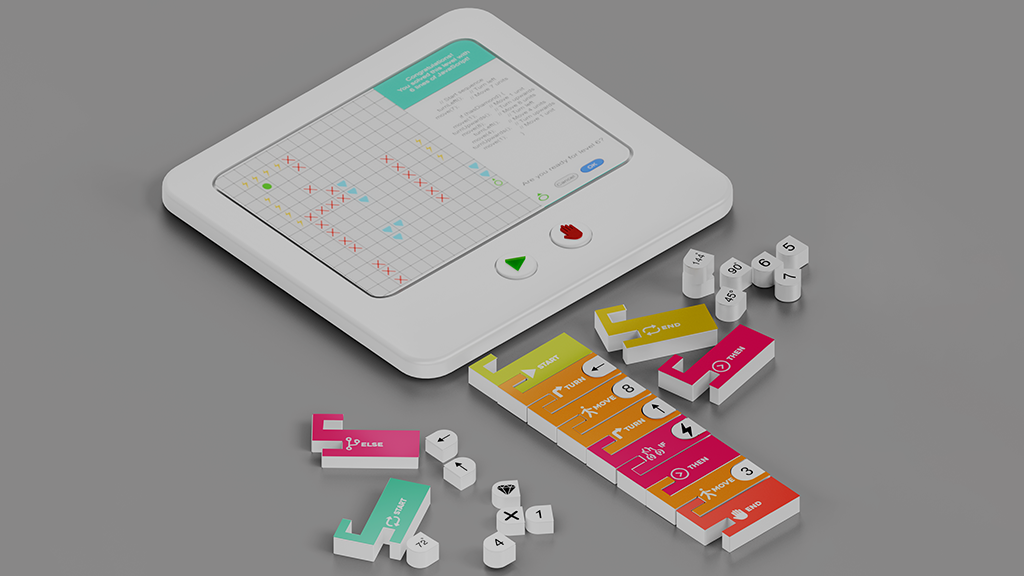
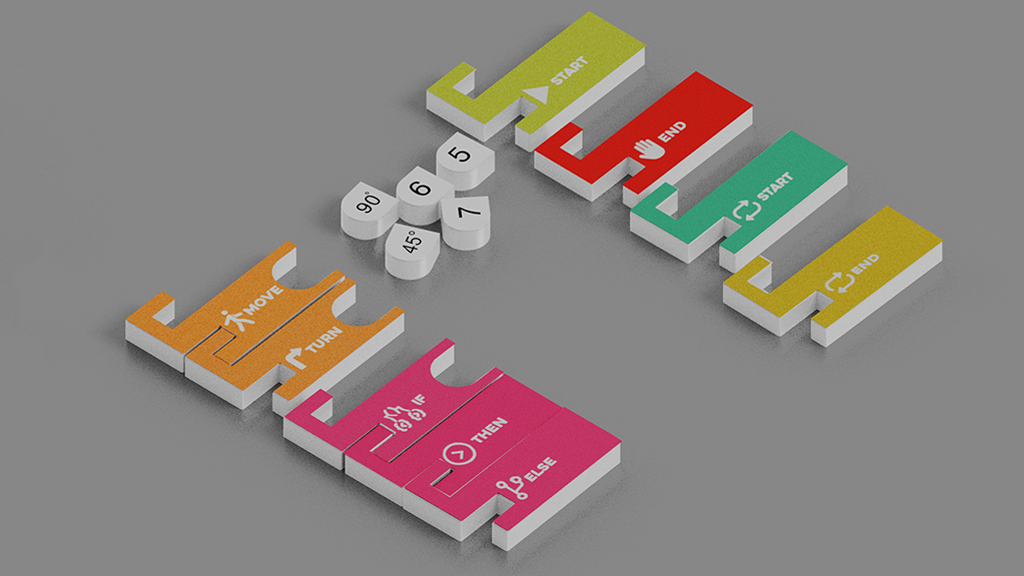
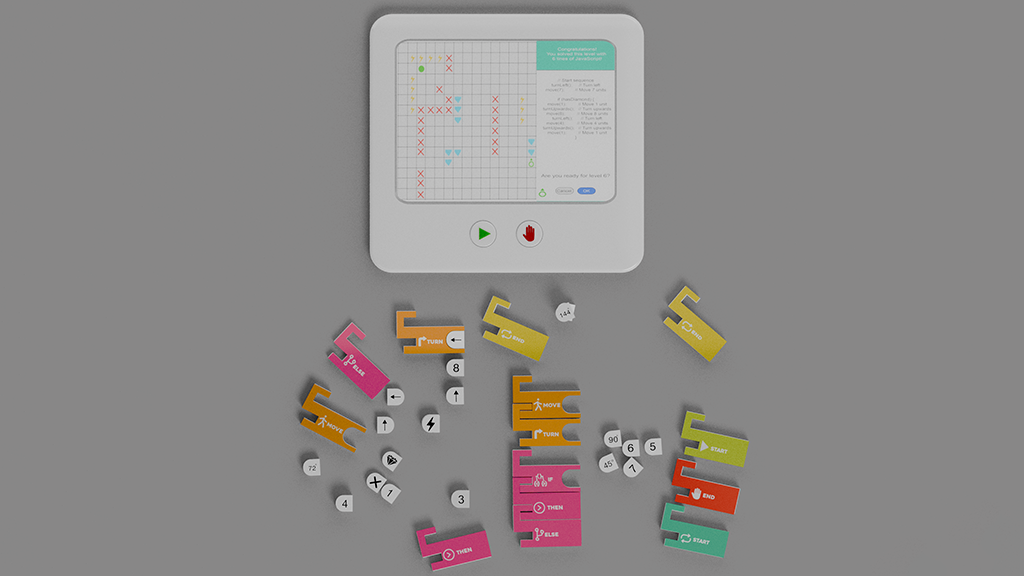
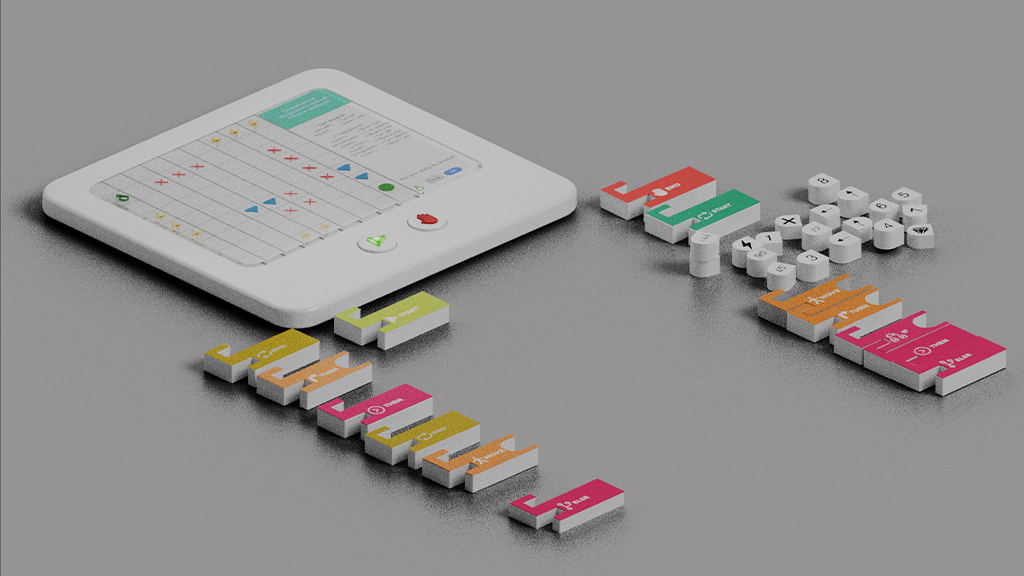
CODE-Q is a pioneering hands-on learning system that teaches children aged 5 to 9 programming without screens. Based on the belief that coding isn’t limited to keyboards and monitors, CODE-Q turns it into a playful, physical activity that sparks curiosity and encourages tangible exploration. Children use colorful, easy-to-handle blocks representing coding commands and logic functions like loops, sequences, conditionals (if-else), and action triggers. By physically connecting these blocks, they build logical flows and programs with real-world outcomes, making abstract coding concepts intuitive and concrete. Designed for both independent and group learning, CODE-Q promotes collaborative problem-solving, strategic thinking, and communication. Children can work solo or in teams, testing sequences, identifying errors, and adjusting their code in real-time through tactile trial and error. Informed by cognitive science and learning psychology, CODE-Q is more than a toy, it’s a developmental tool. Its screen-free, modular, and colorful design supports imaginative play and benefits children who learn through movement, touch, and visual storytelling while building foundational programming knowledge.
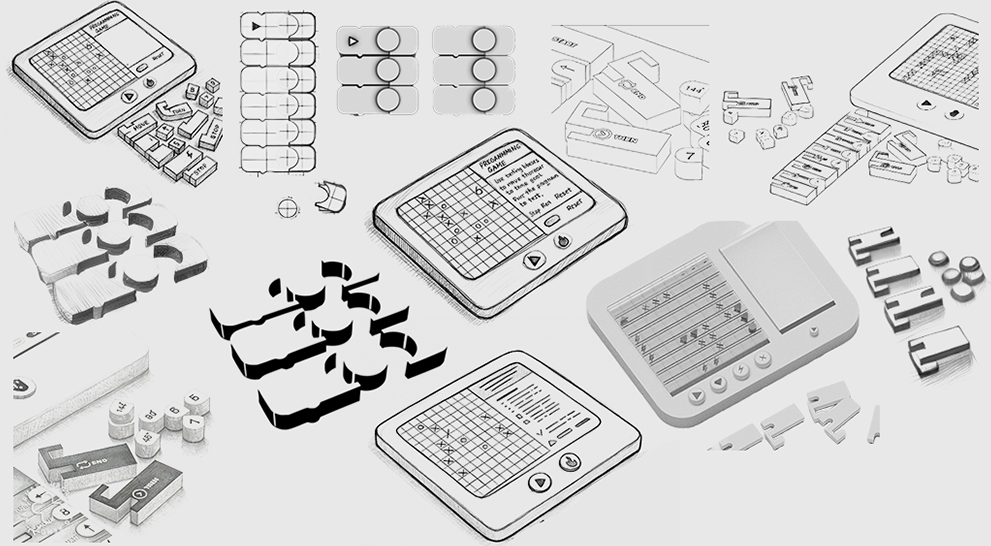
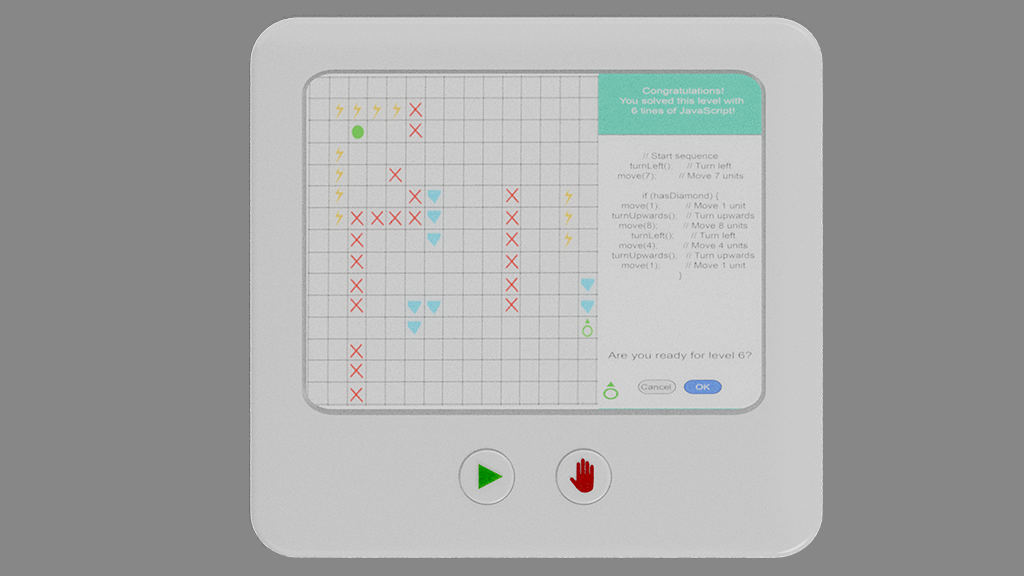
What makes CODE-Q stand out is its ability to empower young learners with the mindset of a programmer with no prior technical exposure needed. Children don’t have to read code or use complex devices; instead, they interact with physical pieces that snap together easily, triggering visual, mechanical, or auditory feedback to show if their logic works. This immediate response turns debugging into an engaging game. When outcomes differ from expectations, it sparks curiosity and encourages kids to rethink, rearrange, and try again, mirroring real programming, but with the warmth and freedom of play. Ideal for classrooms, STEM labs, maker spaces, or home, CODE-Q gives educators a new way to teach computational thinking without screens or advanced tools. It supports differentiated instruction, letting children of different learning speeds and cognitive levels progress at their own pace. Storytelling through themed missions, characters, or scenarios adds narrative motivation, making technical concepts exciting and relevant.