EvaQ
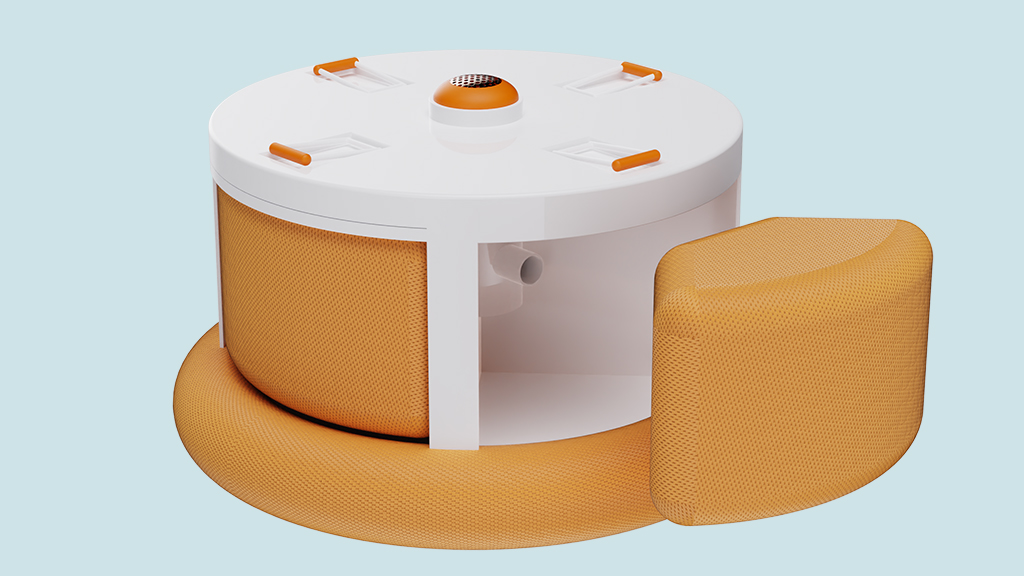
EvaQ is a rapid-response flood evacuation system, comprising a compact kit with a central hub and detachable rafts that deploy instantly, link together for groups, and ensure safe, organized escape.
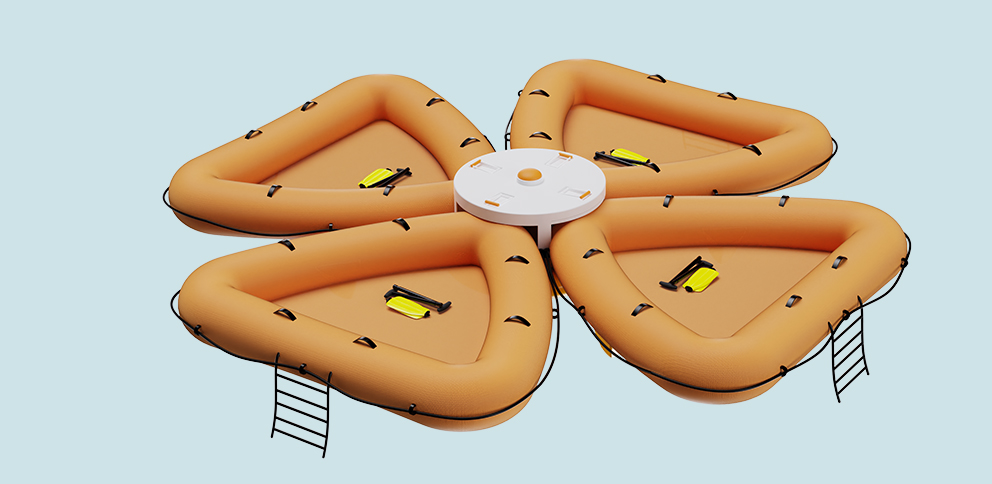
EvaQ is a modular flood evacuation system created to strengthen early-stage response when rising water forces people to move before organized rescue arrives. It was developed in view of the growing frequency and severity of floods in Pakistan and other vulnerable regions, with a specific focus on the gap between first alarm and formal relief. By centering that window, the project targets the most chaotic moments of displacement when families must reach safer ground, carry essentials, and maintain dignity without clear instructions or infrastructure. Its purpose is to support the capacity of rescue teams and empower civilians to act immediately, avoiding the typical bottlenecks, confusion, and loss of agency that accompany ad-hoc flight. The objective is simple but urgent: give people a dependable, human-centered way to get off inundated streets fast, orient themselves, and protect belongings while responders mobilize. That strategic framing defines the problem space, the users, and its intended value through faster departures, safer transitions, and calm decisions under pressure. It is framed for large-scale flood disasters and turned into the realities of dense neighborhoods where access routes fail quickly, and help may be hours away; movement must remain orderly.
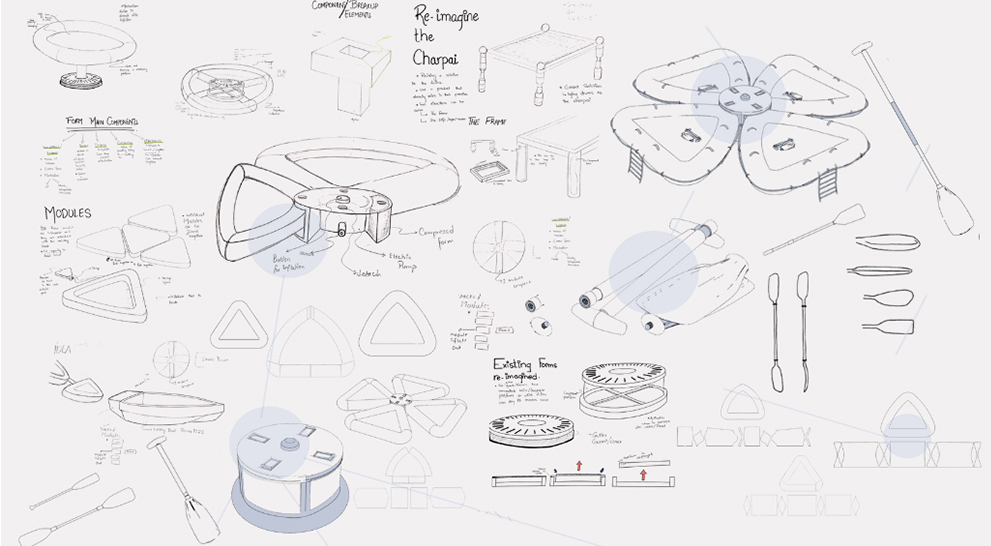
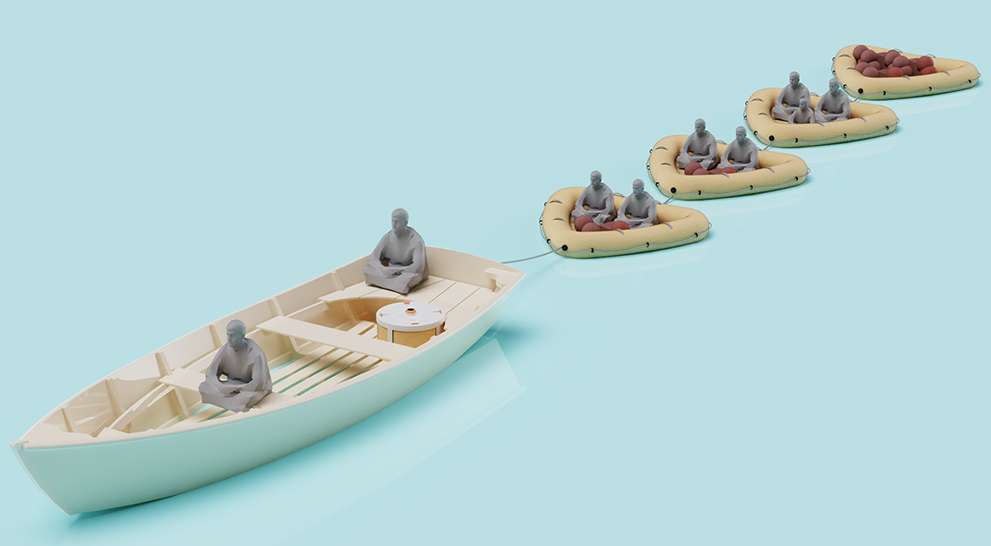
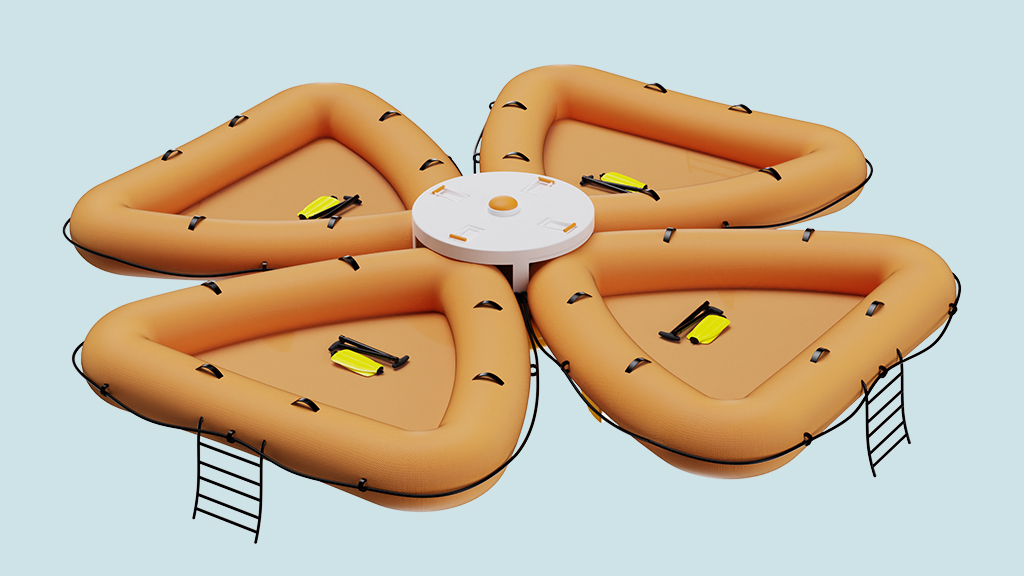
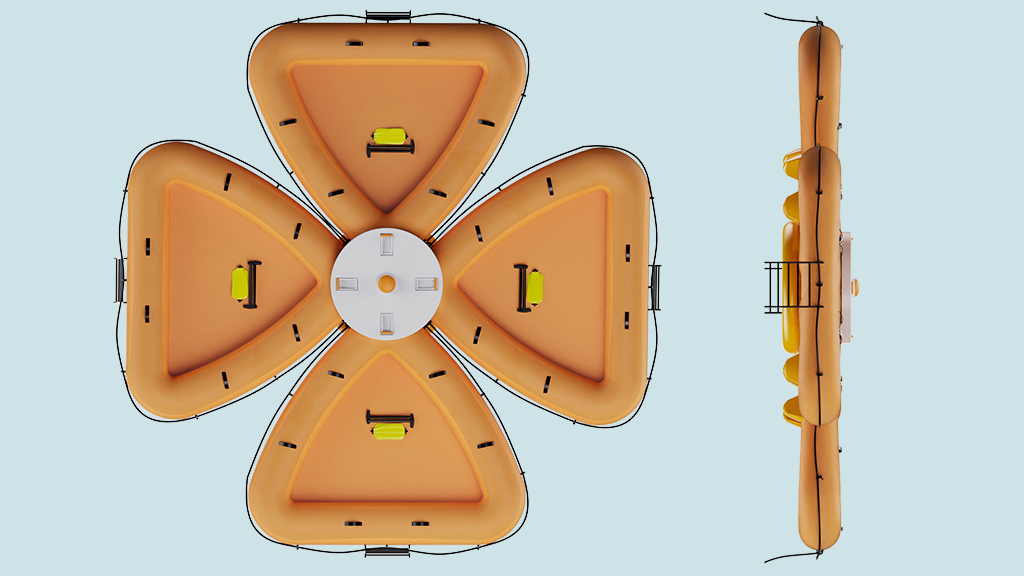
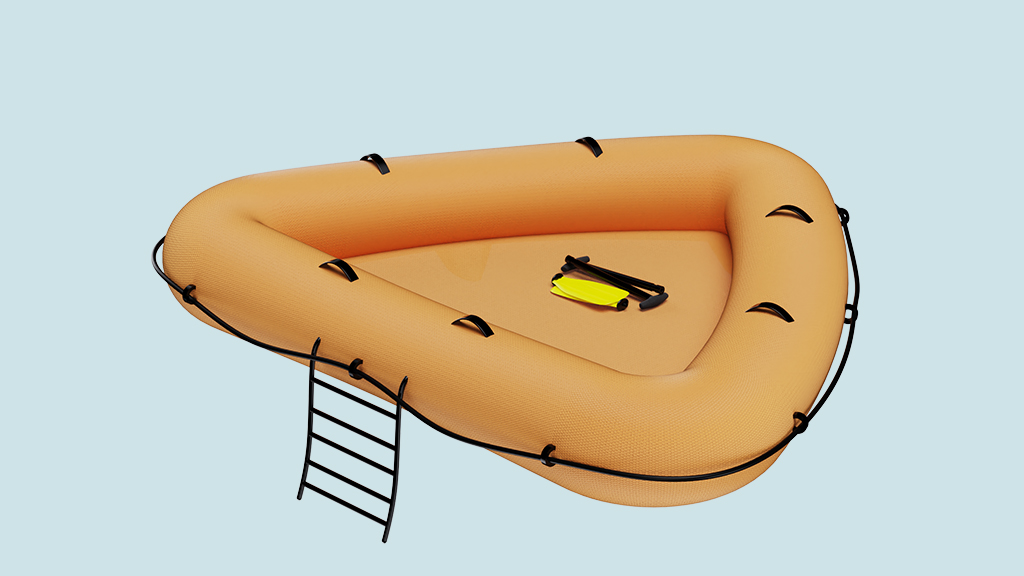
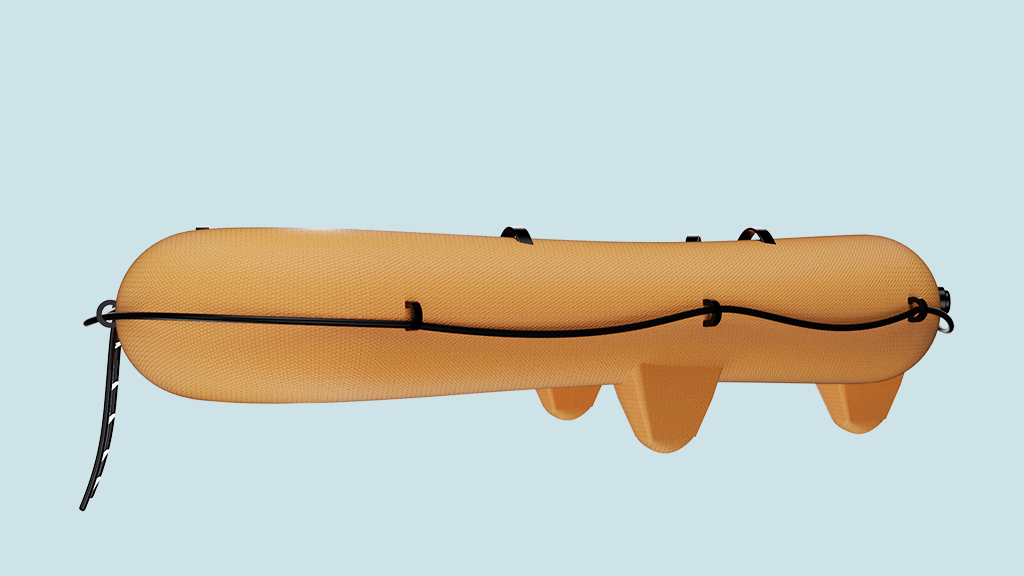
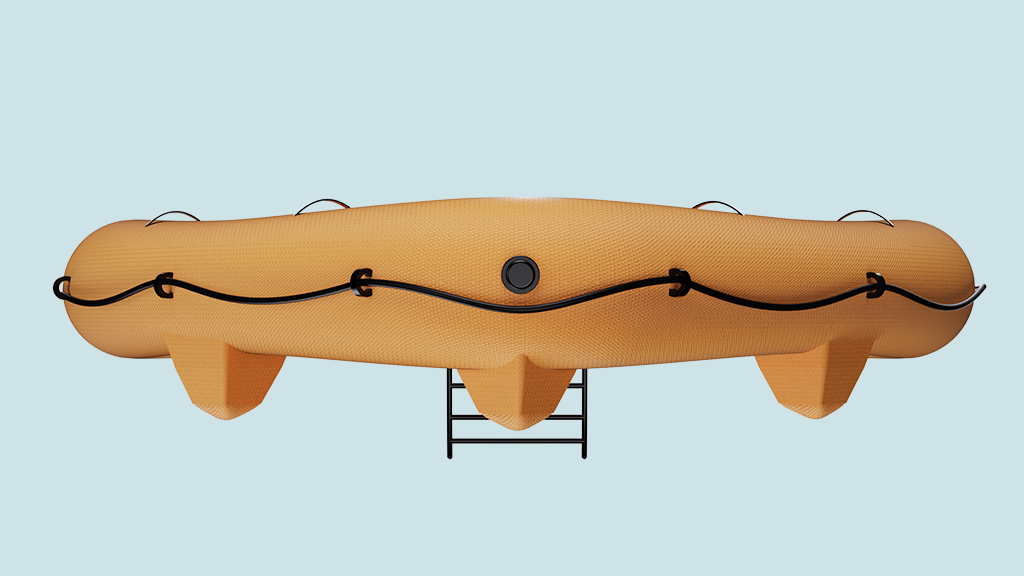
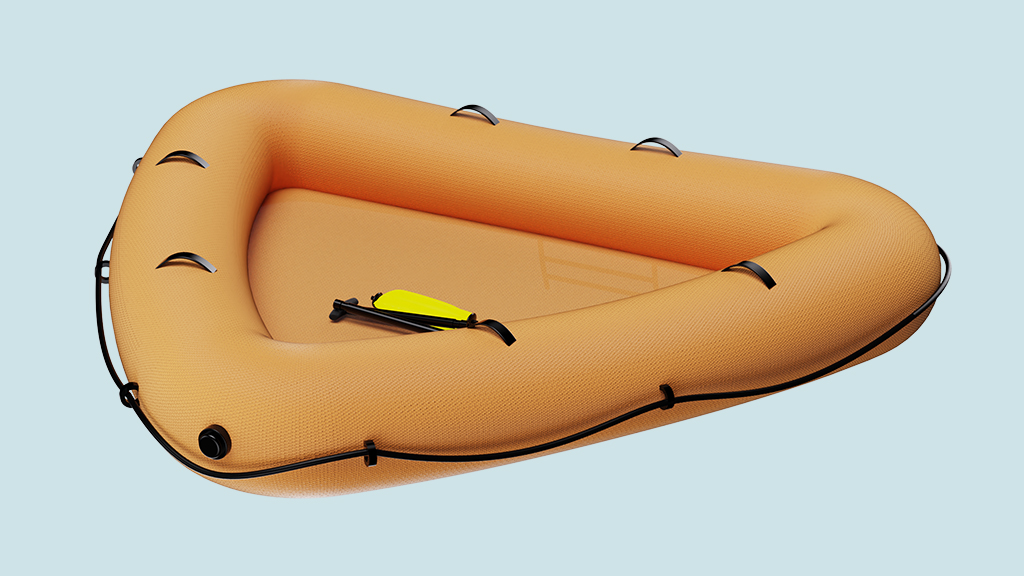
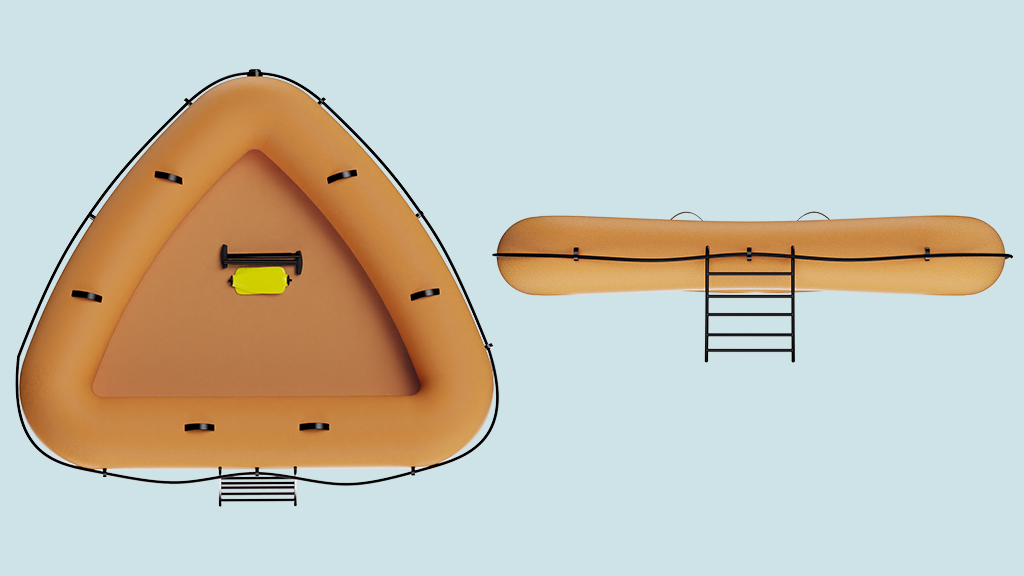
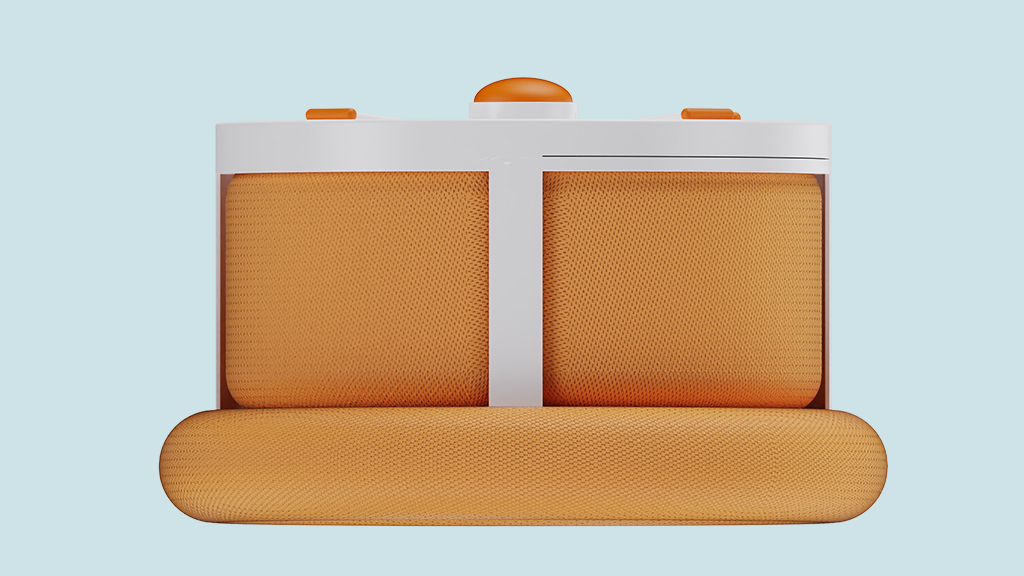
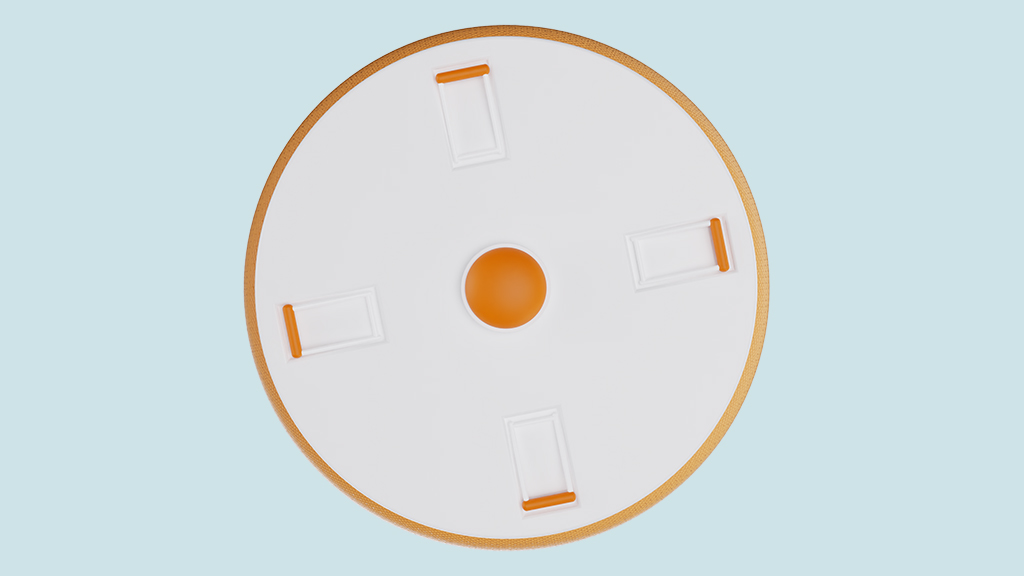
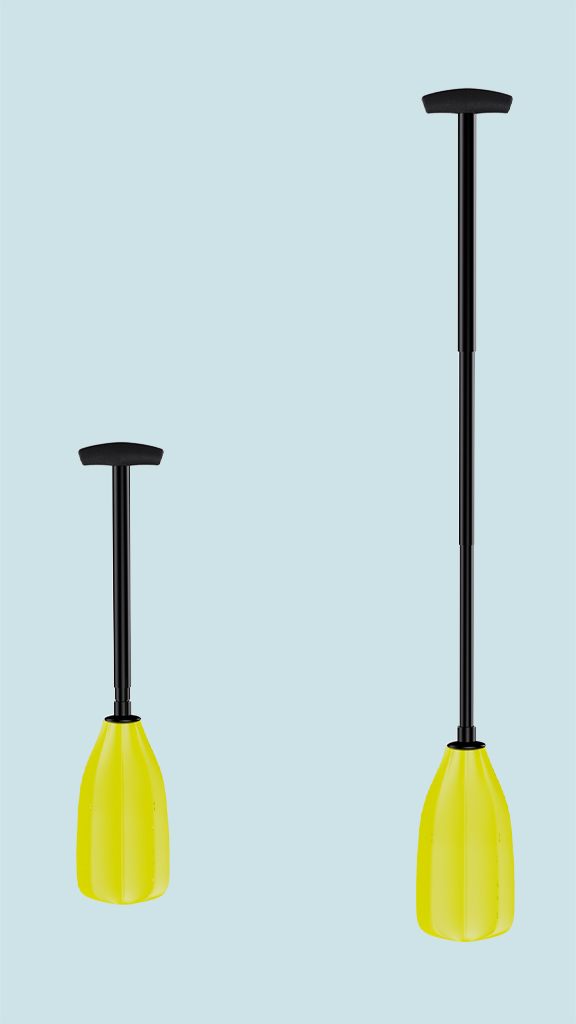
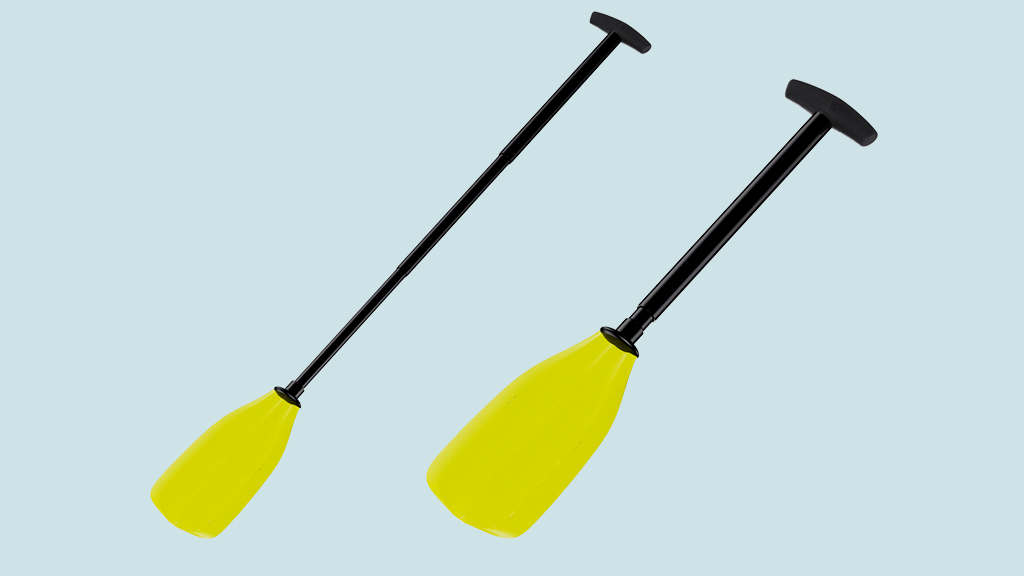
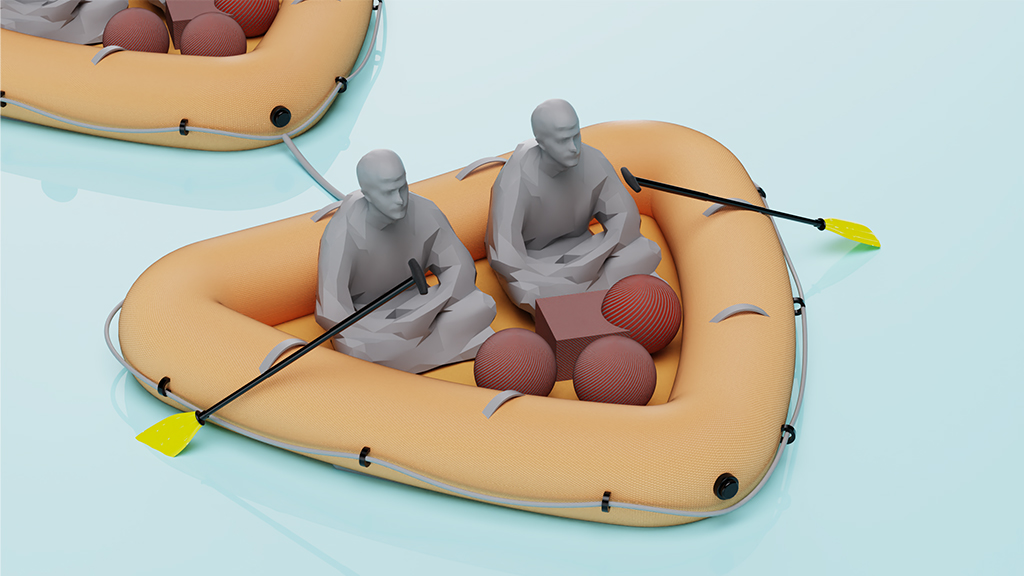
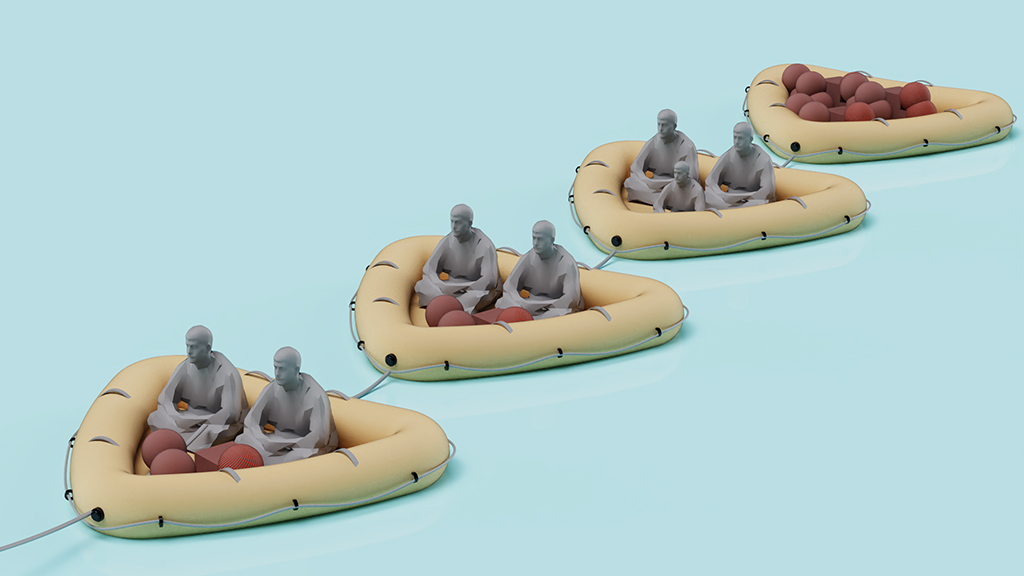
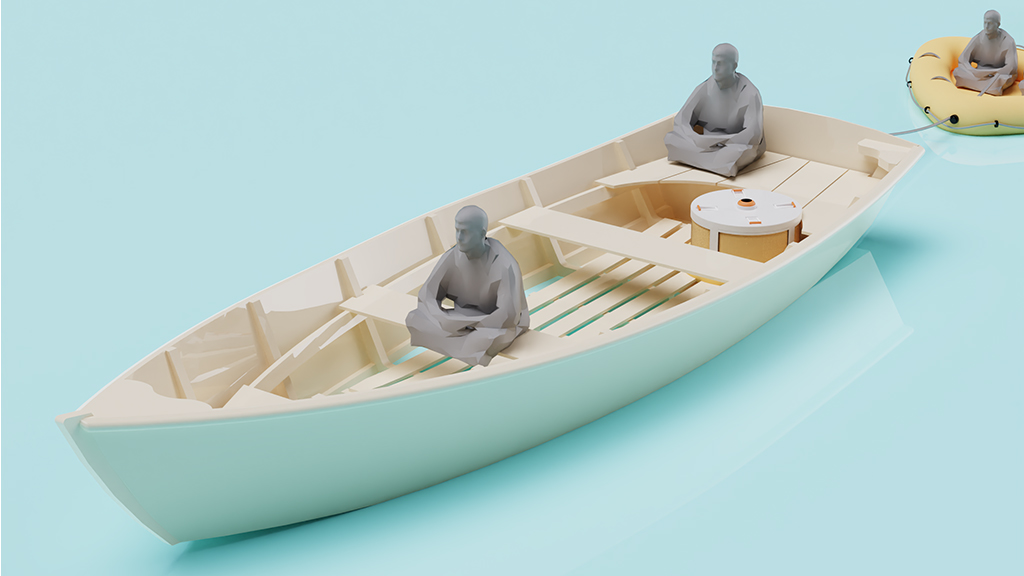
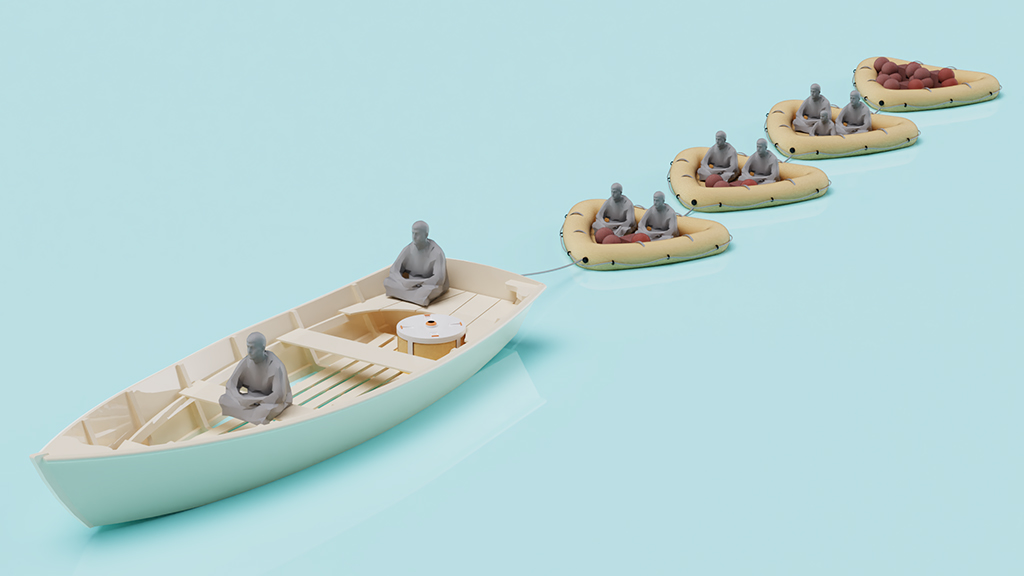
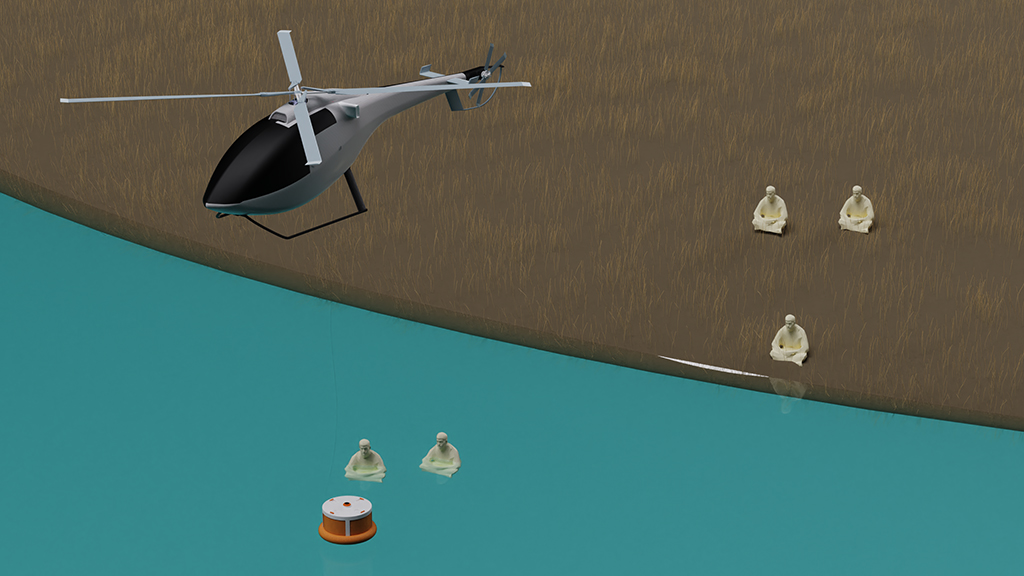
EvaQ’s design pairs a compact inflatable hub with four detachable raft modules, each sized to carry two people plus their essentials without compromising stability. It offers two operating modes: users can paddle individual rafts by hand, or interlock modules into larger floating clusters to suit context and group size. The system is engineered for field realities such as it packs small for transport on rescue boats and can be air-dropped by helicopter directly into flooded streets for immediate pickup. Planned use-cases span deployment by emergency responders, self-evacuation by residents, and flexible setups tailored to needs such as a raft dedicated to bags and supplies, safer arrangement for children or elderly passengers, or clustered modules that keep family units together. These patterns aim to balance safety, speed, and dignity, ensuring that movement remains orderly and adaptable across neighborhoods with different water depths, currents, and access constraints. Scenarios explored during development emphasize quickly reconfiguring modules as conditions change, maintaining group cohesion, and preserving essential items. Interlocking scales as neighbors join or split, supporting clear boarding and simple roles for paddlers versus seated passengers.
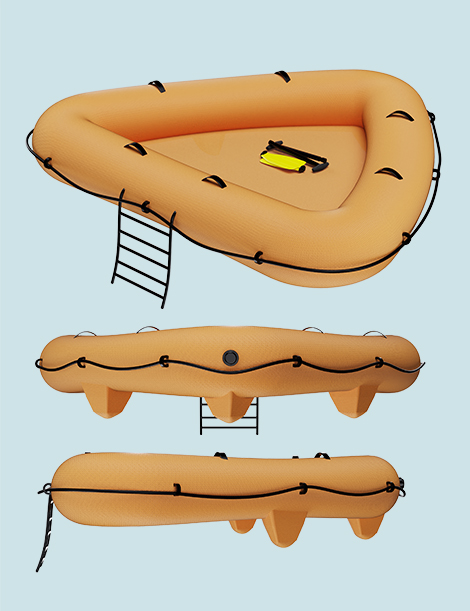
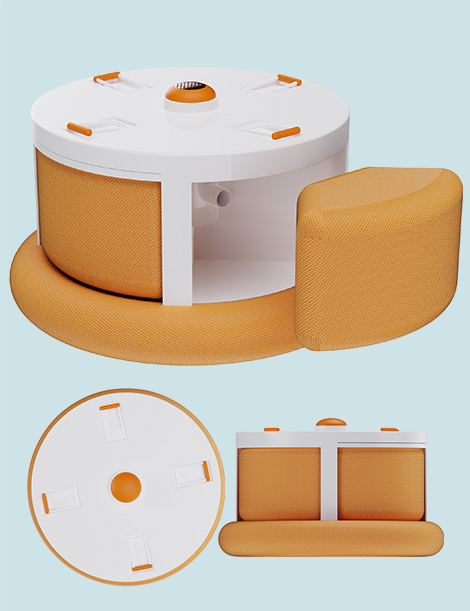
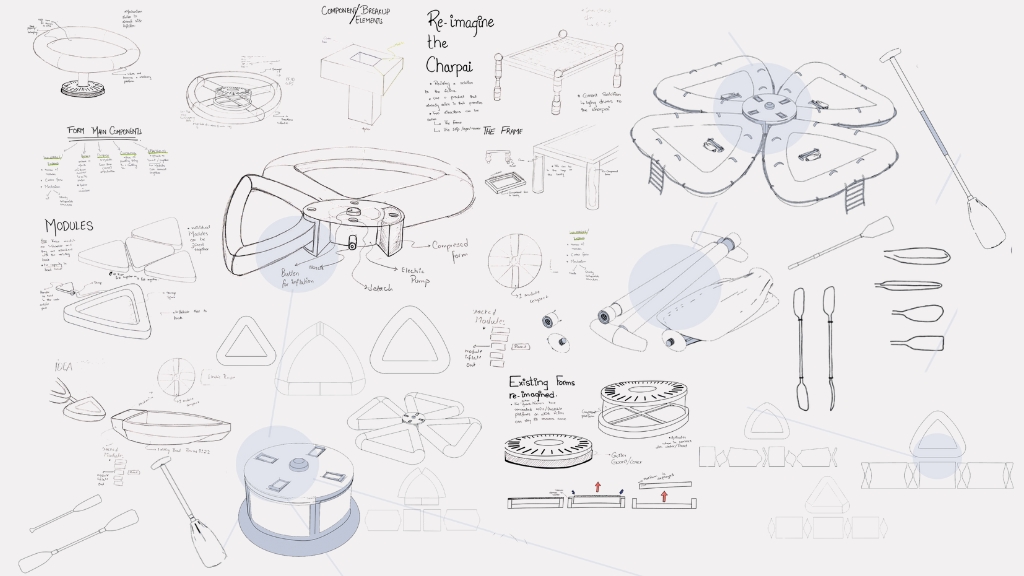
The design process combined research into disaster response mechanisms, stakeholder interviews, material exploration, and iterative prototyping to expose obstacles of mobility, access, and missing human-centric tools in the first hours of evacuation. EvaQ therefore emphasizes ergonomic seating, intuitive handling, and modular efficiency so stressed users can operate without instruction overload. Inflatable components use TPU-coated nylon, and the central hub uses HDPE which are materials selected for low weight, durability, and water resistance. Visual language supports function by using orange, yellow, black, and white for high visibility and psychological reassurance, and the brand expression signals urgency with a calm, directive tone. The name “EvaQ” fuses “evacuation” with responding “on cue,” underscoring readiness. The system is designed to be practical, scalable, and lifesaving which restores dignity to evacuees while extending the reach of responders. These choices turn research into a deployable kit which is easy to recognize, set up and trust during flood response.