HydraCycle
Hydracycle is a modular in-home greywater recycling system that collects, treats, and reuses household wastewater for non-potable needs without requiring plumbing changes.
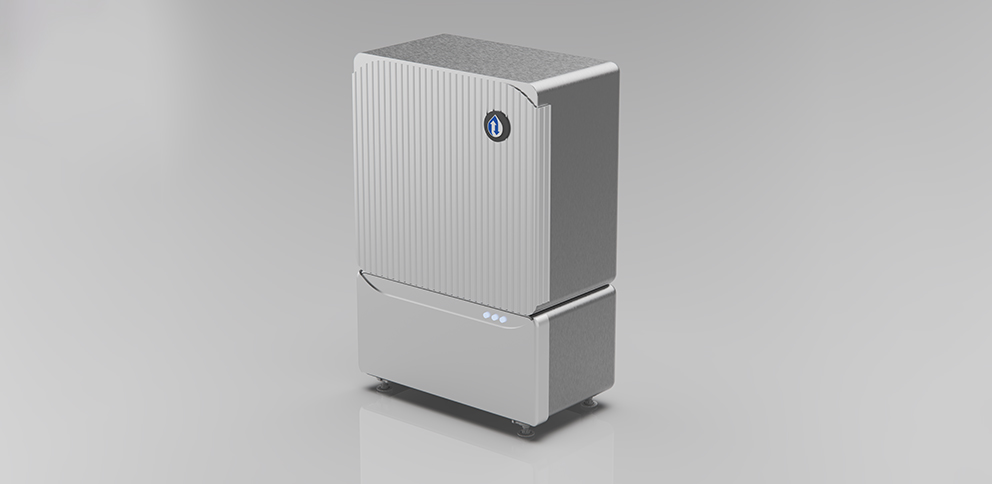
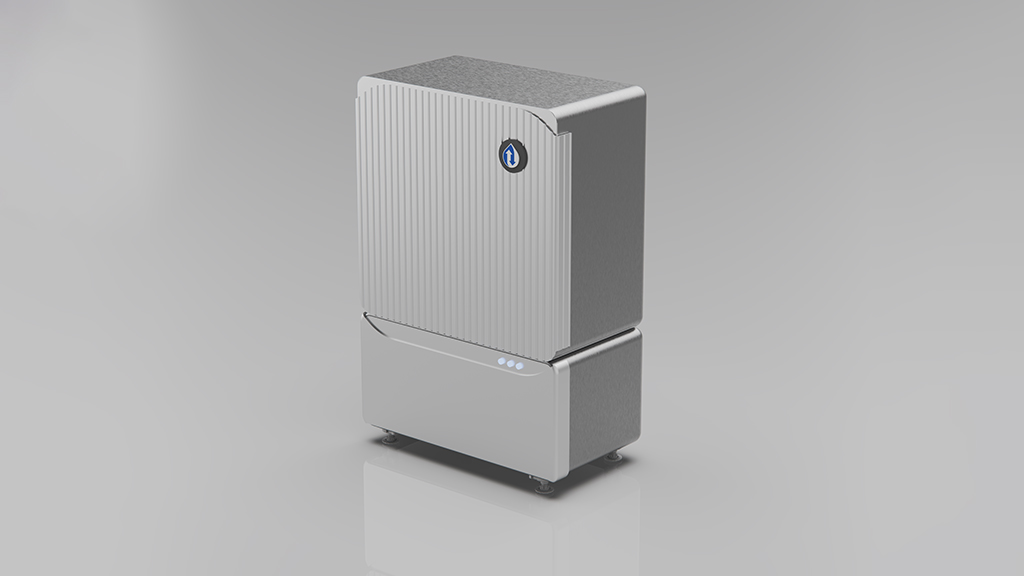
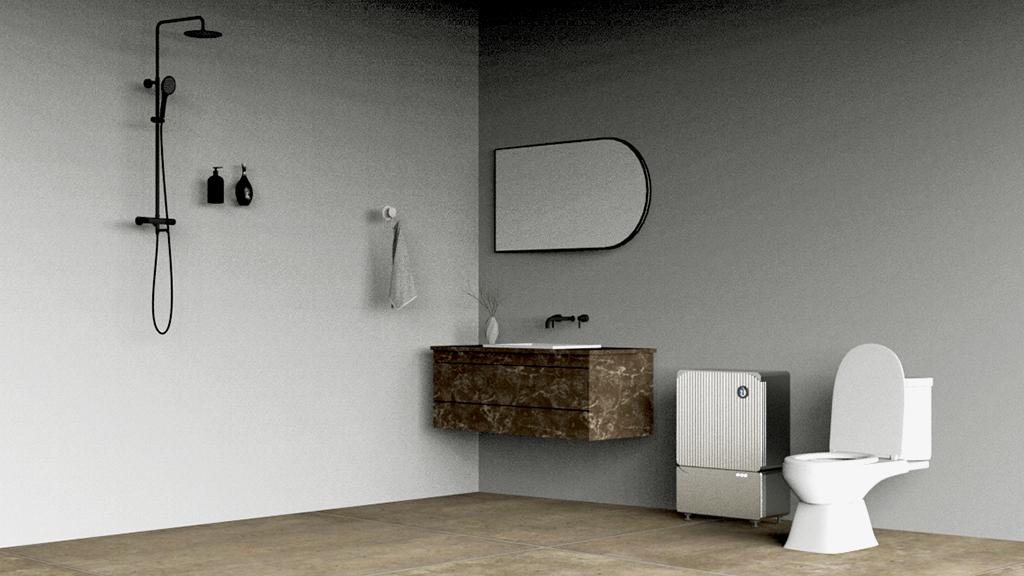
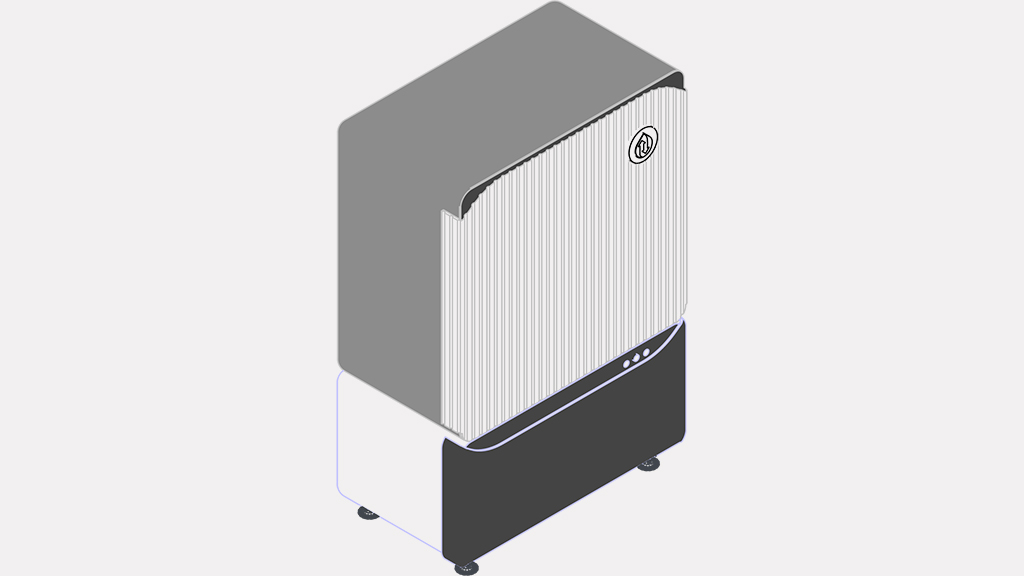
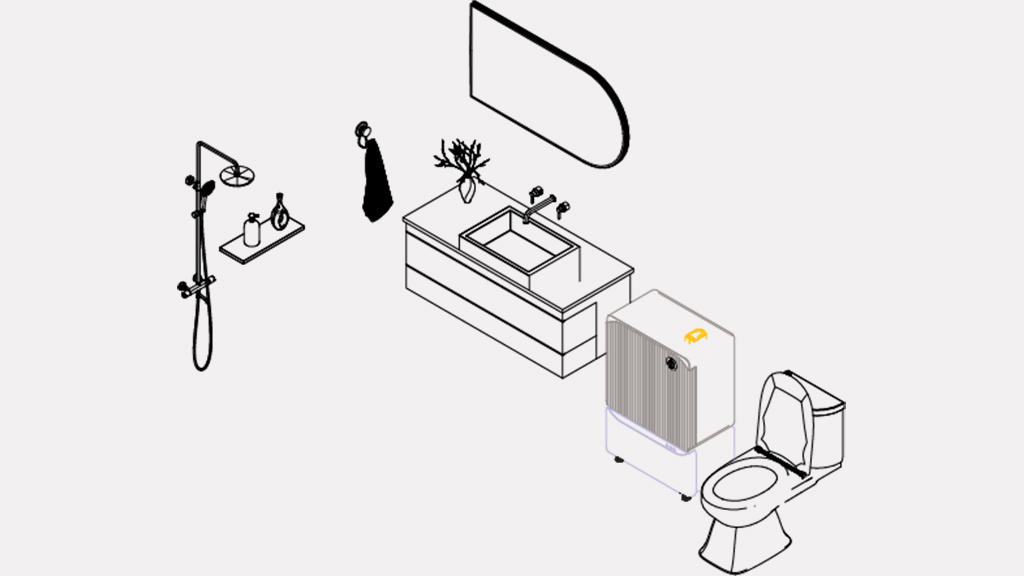
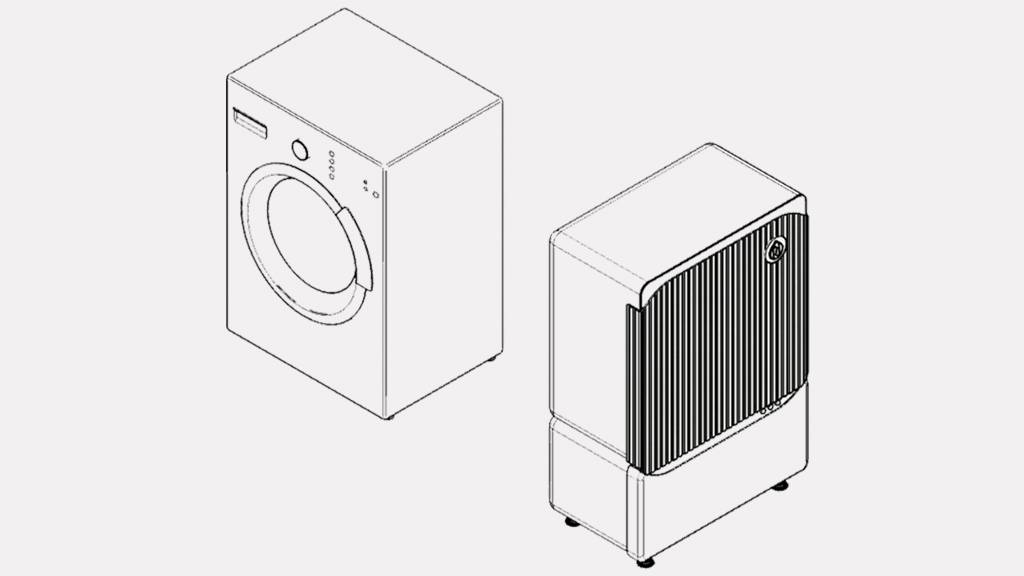
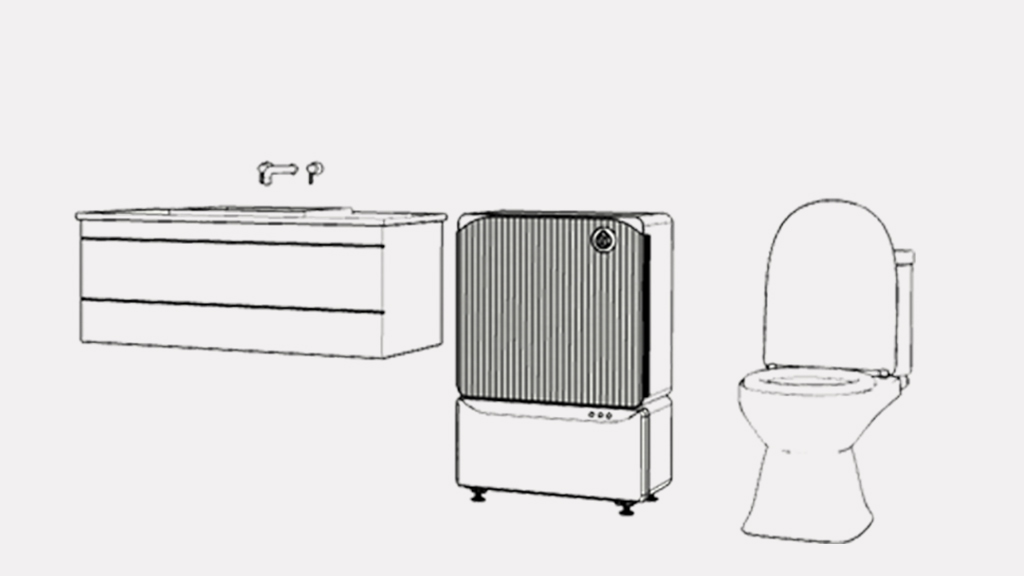
HydraCycle is a compact in-home greywater recycling system designed for urban households in Pakistan, directly tackling the challenge of growing water stress without the need for costly infrastructure or disruptive plumbing changes. The portable, modular unit collects water from bathroom sinks, showers, and washing machines, then treats and routes it for non-potable uses such as toilet flushing, household cleaning, laundry, or watering plants. With three model variations tailored to different household sizes and footprints, it supports adoption across families of 2–5 members, renters, and space-constrained apartments with equal ease. Its design emphasizes affordability, space efficiency, and compatibility with existing plumbing, making it widely deployable across dense neighborhoods and urban blocks. By turning everyday wastewater into a dependable second supply, HydraCycle functions as civic infrastructure in miniature, fostering sustainable living, encouraging mindful use of resources, and embedding long-term conservation habits into daily household comfort.
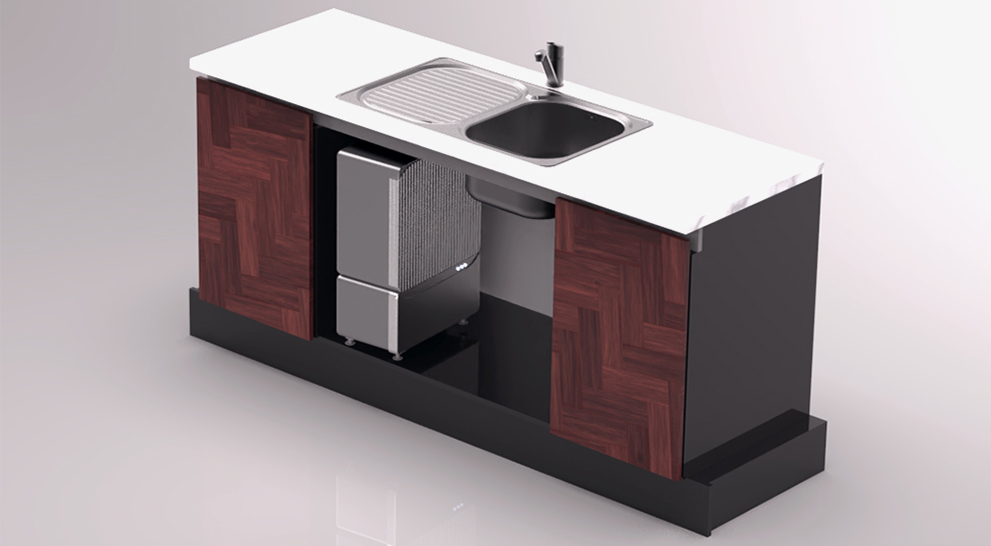
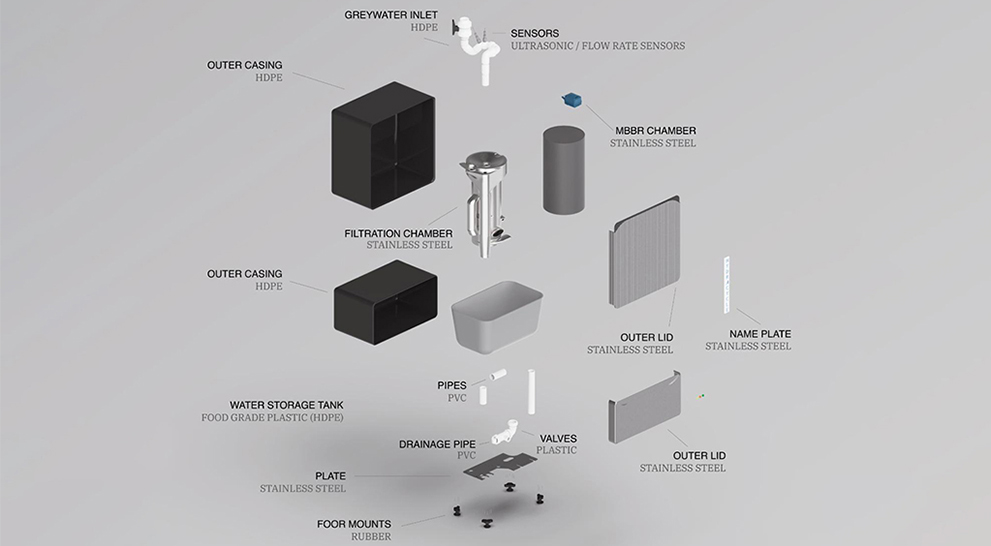
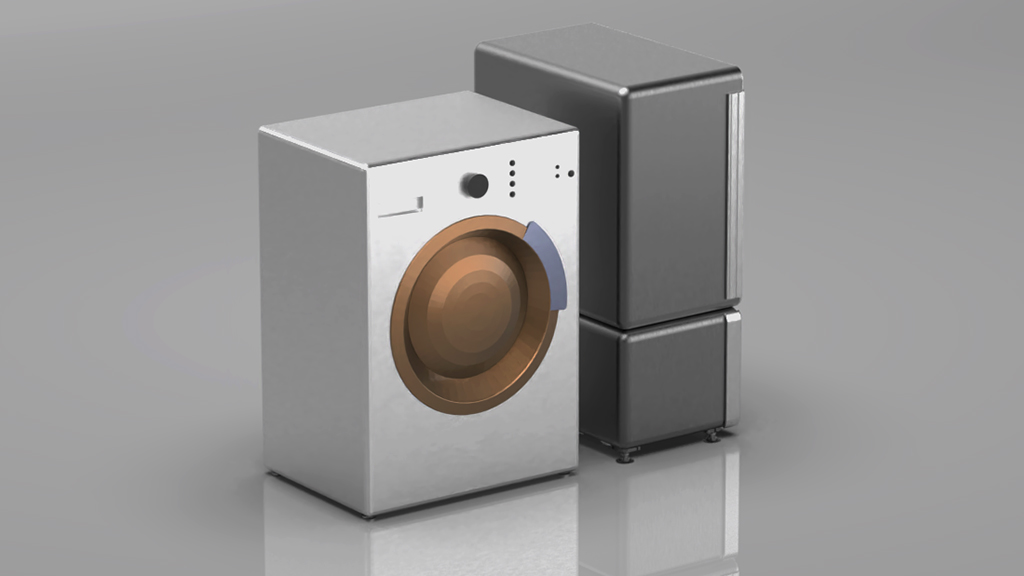
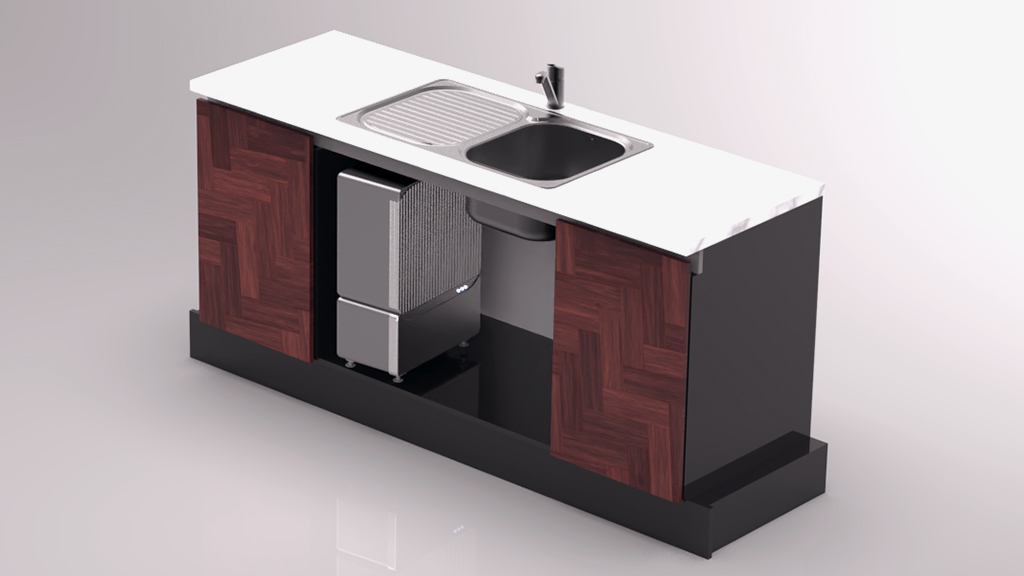
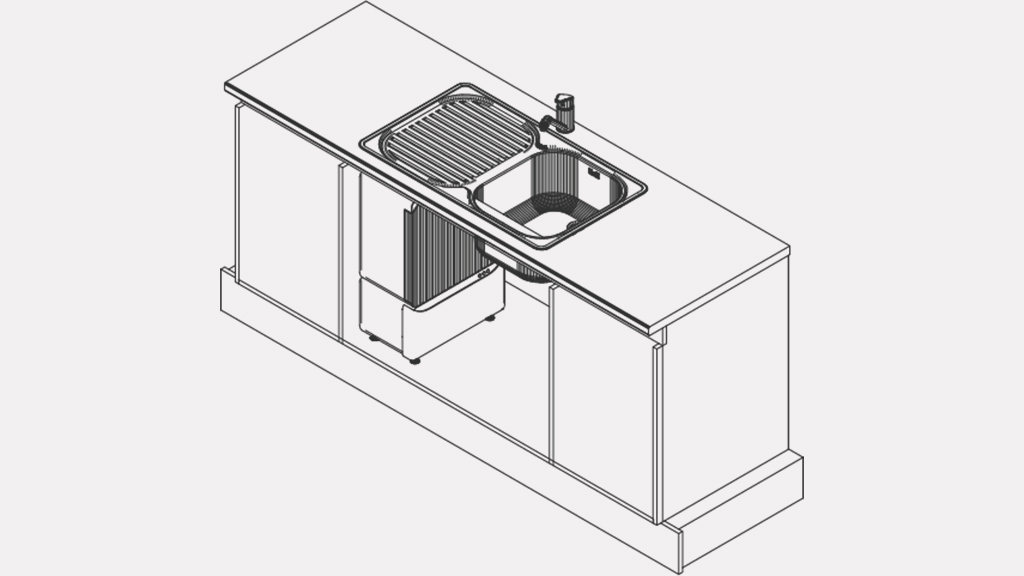
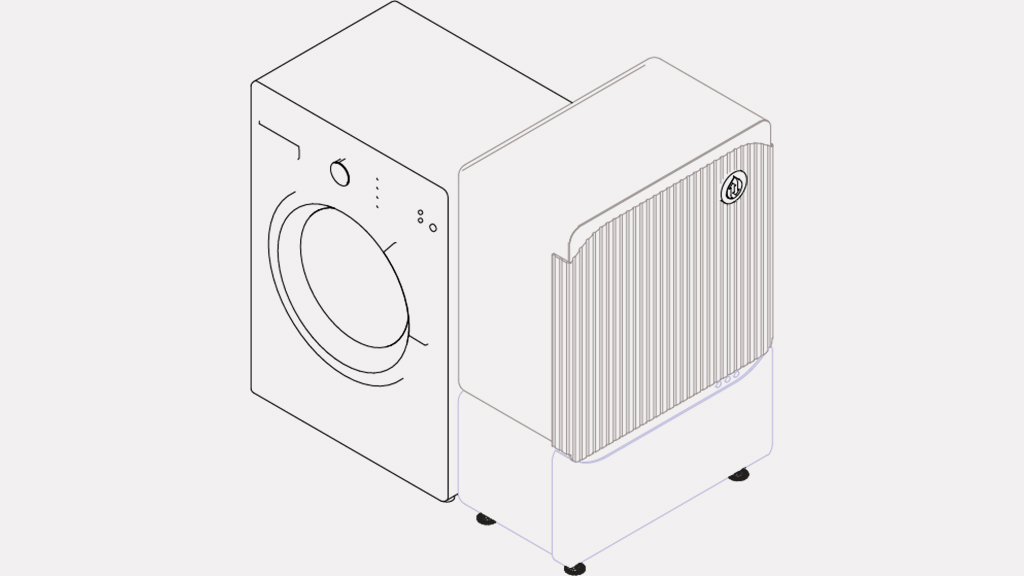
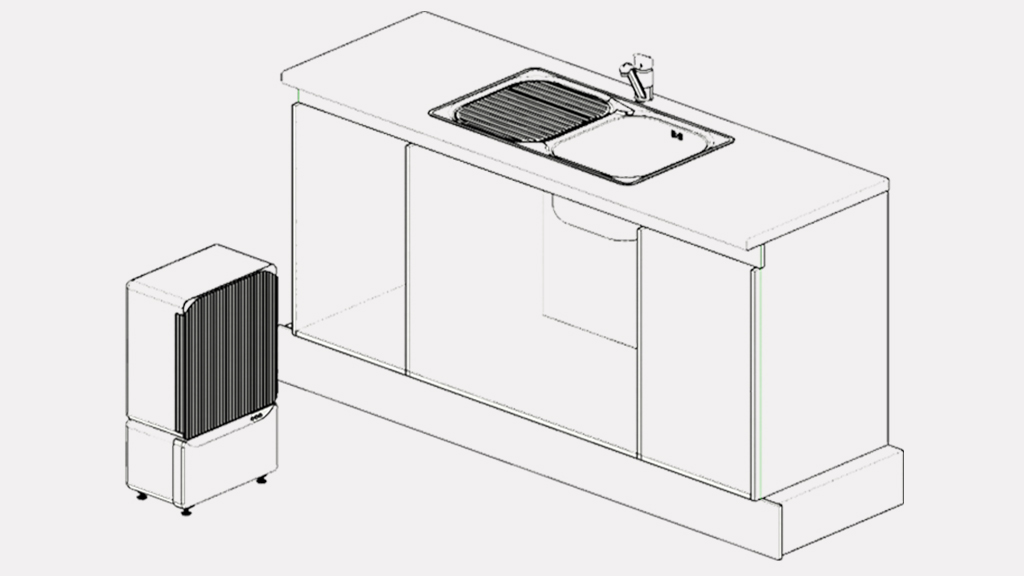
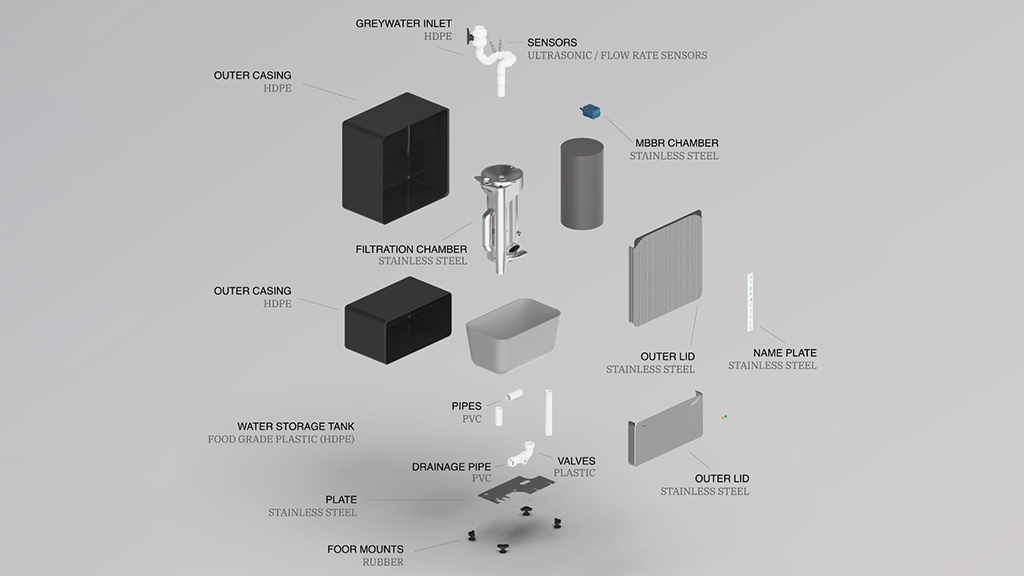
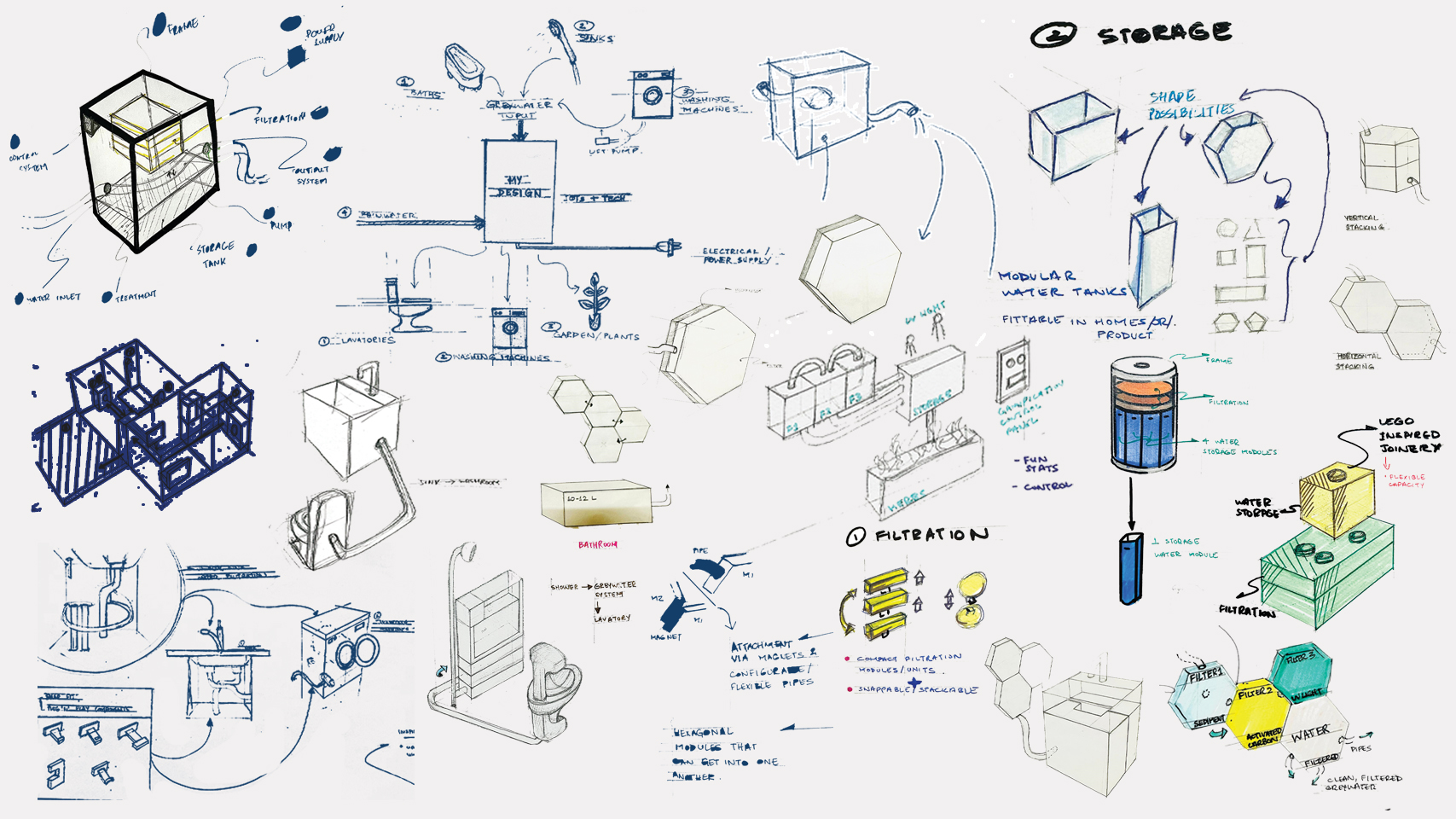
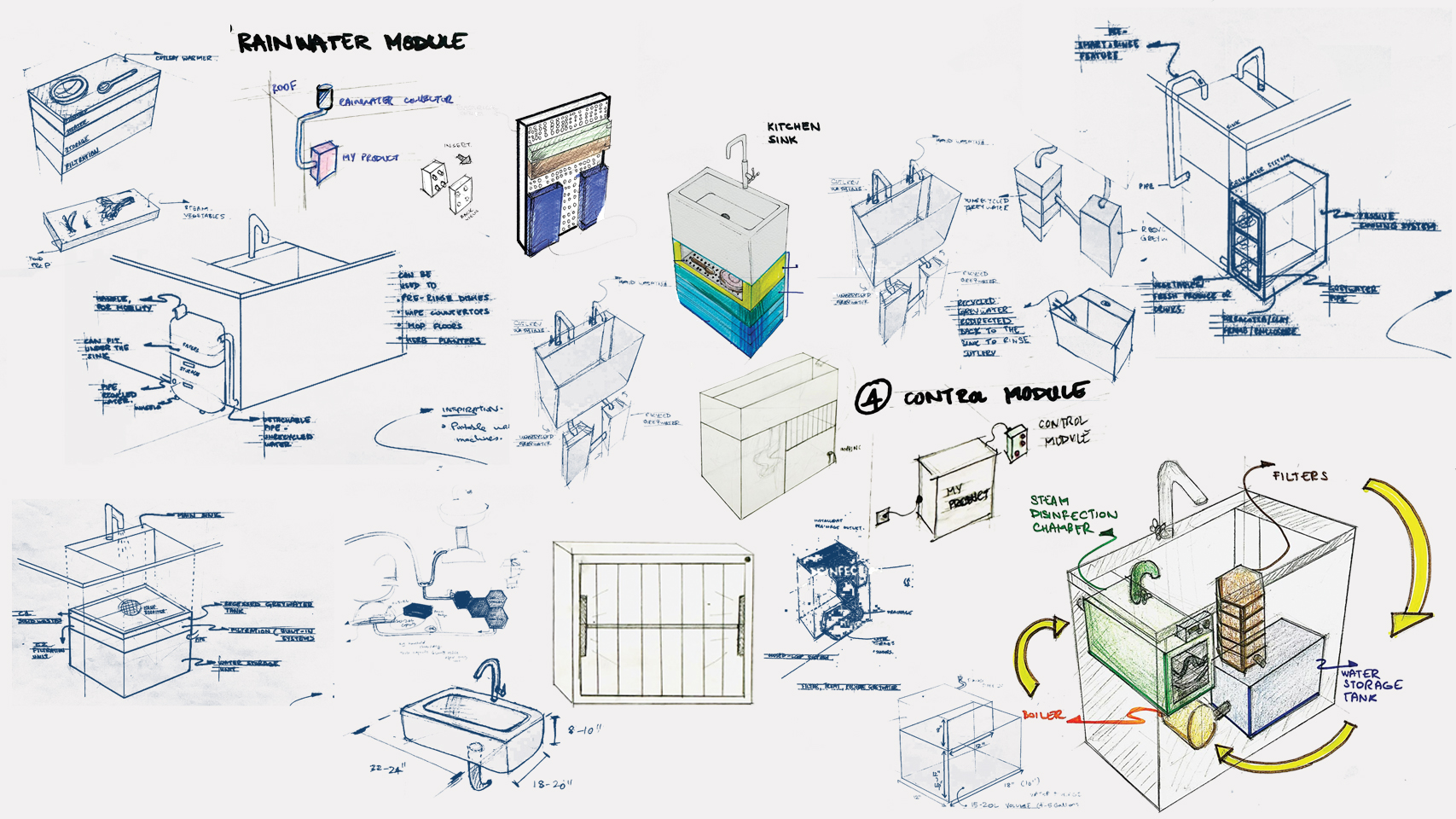
The system runs household greywater through multi-stage treatment combining layered filtration and disinfection, alongside filter-less techniques to balance performance, cost, and upkeep. Clean water is safely stored and accessed via a user-friendly interface with cues for quality, capacity and maintenance, while semi-automation keeps routines effortless. Smart monitoring tracks savings over time, building awareness of each liter conserved and helping households form durable eco-habits. Designed around local constraints such as limited plumbing access, high bills and a preference for low-maintenance solutions, HydraCycle uses locally available, repairable materials that cut costs and support scale-up. Positioned near washers or under counters, it integrates smoothly into homes of varying layouts. Modeling suggests households can cut water use by up to 30%, offering savings and easing stress on networks when multiplied across communities. As a sustainable home appliance, it empowers families with measurable benefits, ecological responsibility, and resilience, while aligning with global goals on clean water, sanitation, and urban living.