LiftAid
Ergonomic home-use mobility mattress with inflatable cushions and a simple remote, helping patients sit, turn and reposition independently while reducing caregiver strain.
Around 35 percent of older adults with mobility limitations struggle with this basic task, and the inability to move freely leads to rapid muscle loss, pressure ulcers, deep vein clots, and respiratory risks. Long periods of immobility also damage mental health, lowering self-esteem and creating feelings of isolation. Caregivers, who are often women, face immense physical and emotional strain, as nearly 75 to 95 percent experience musculoskeletal pain from repeated lifting and pulling. With aging populations and nursing shortages, families increasingly manage care at home, but typical solutions such as electric hospital beds are often too bulky, costly, and unsuitable for household environments. Health guidelines discourage manual lifting and recommend assistive devices, noting that early mobilization can reduce disability by up to 75 percent. A key hazard is bed migration, where patients slide toward the footboard, causing shear stress on the sacrum and raise ulcer and aspiration risks. Keeping the torso elevated at 30 degrees or more is recommended to lower the chance of pneumonia. LiftAid addresses these challenges with an ergonomic, affordable, and adaptable bed-mobility aid designed to restore independence and ease caregiver burden.
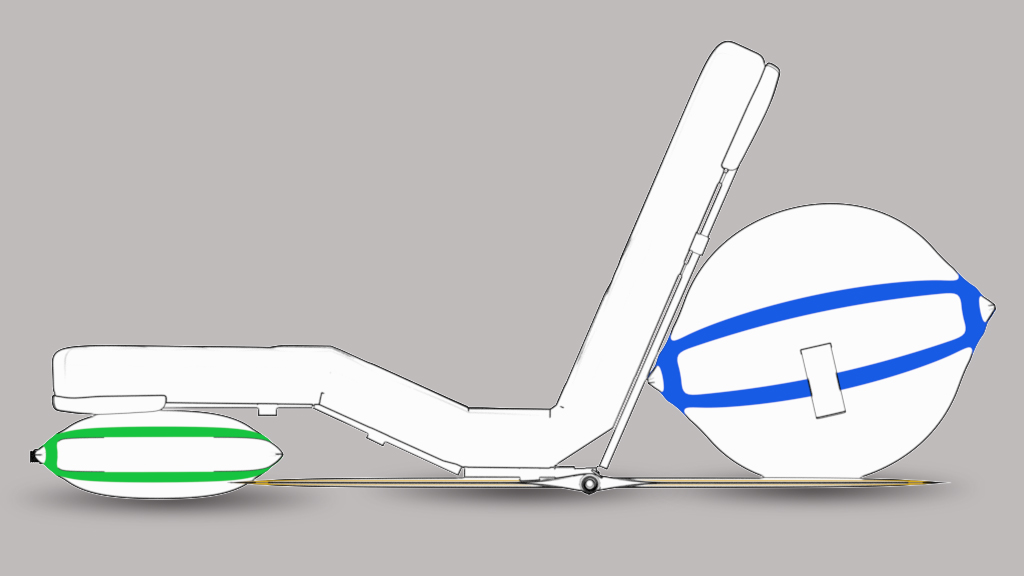
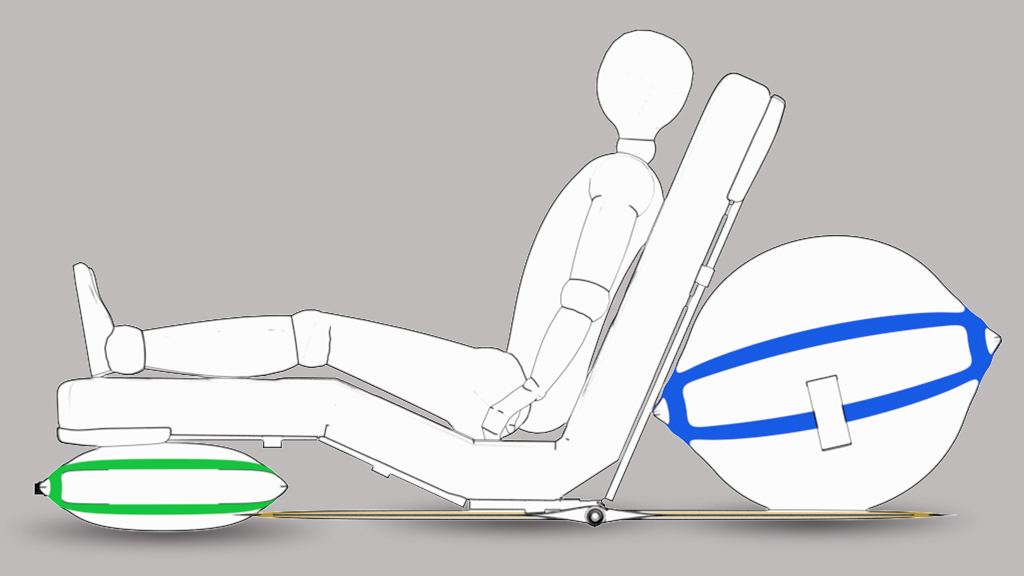
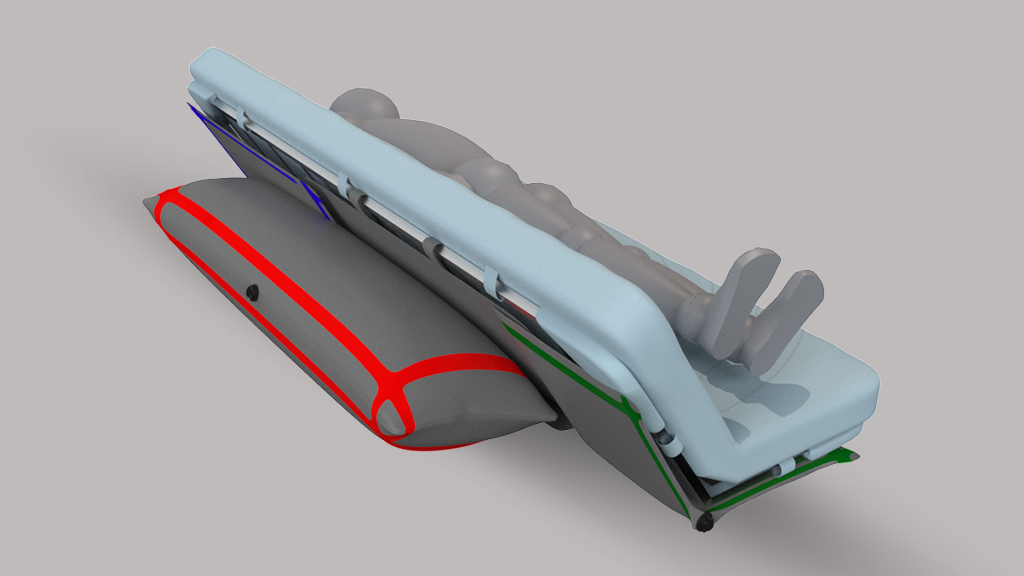
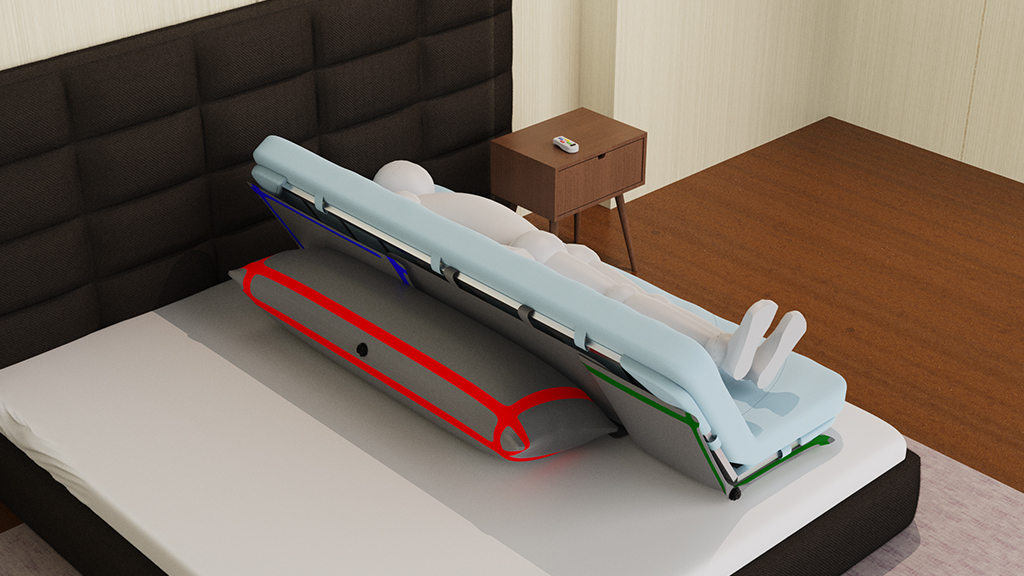
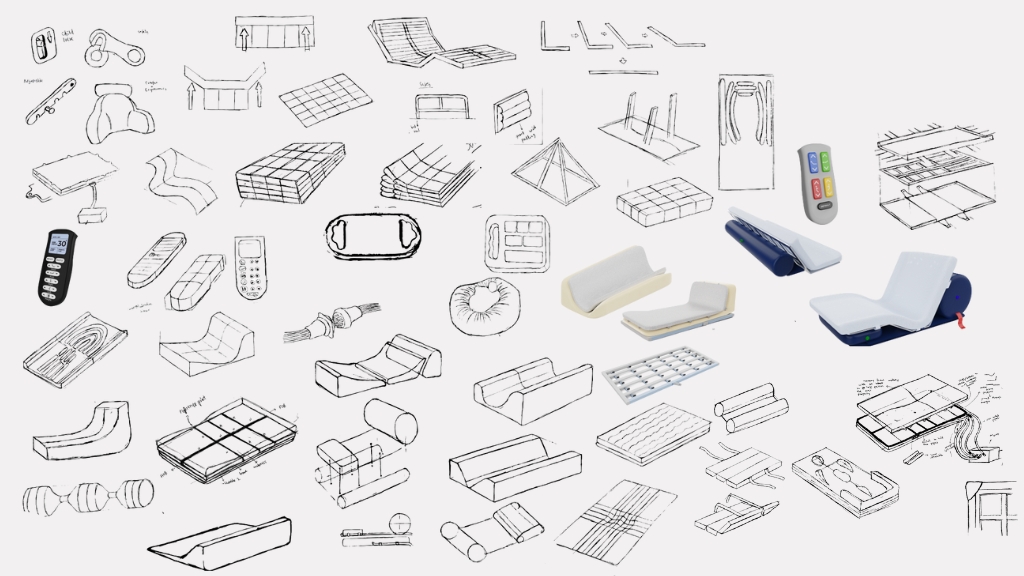
The design process followed the Double Diamond model, with research using literature reviews, interviews, field observations, and surveys to capture needs. Findings were analyzed both thematically and statistically, while a research-through-design approach enabled rapid iteration. Ergonomic studies guided the geometry of the system, focusing on sitting height that enables comfortable elevation, hip and shoulder breadth that provides adequate support, and backrest angles that stabilize the body in seated posture. Anthropometric measures of thigh-to-calf ratios informed safe positioning while ensuring pressure was distributed evenly to avoid discomfort. Prototyping explored different frame structures, bending patterns, and actuation options that included mechanical, pneumatic, and electromechanical methods. Textile and polymer materials were also tested for their durability, ability to retain air, and comfort during prolonged use. The final principle relied on controlled inflation under the mattress, adapting proven airbag lifting techniques to raise, tilt, or roll the user’s body with minimal complexity. This approach reduced the reliance on heavy manual handling and offered safe, repeatable repositioning within home environments.
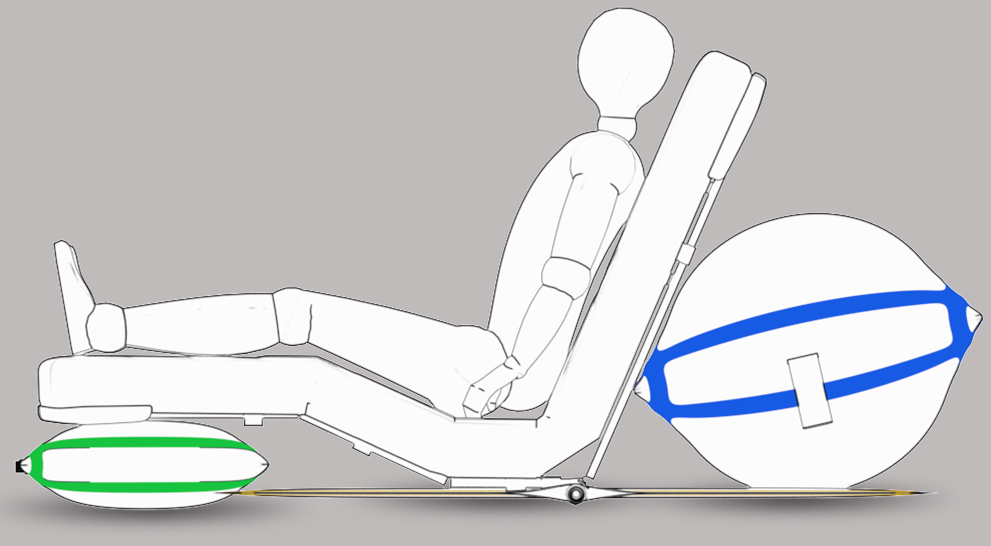
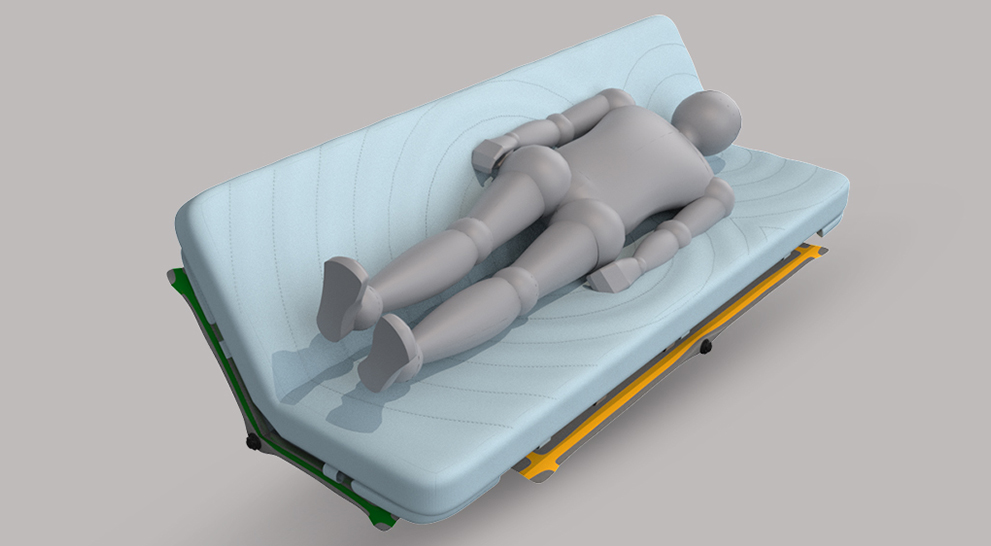
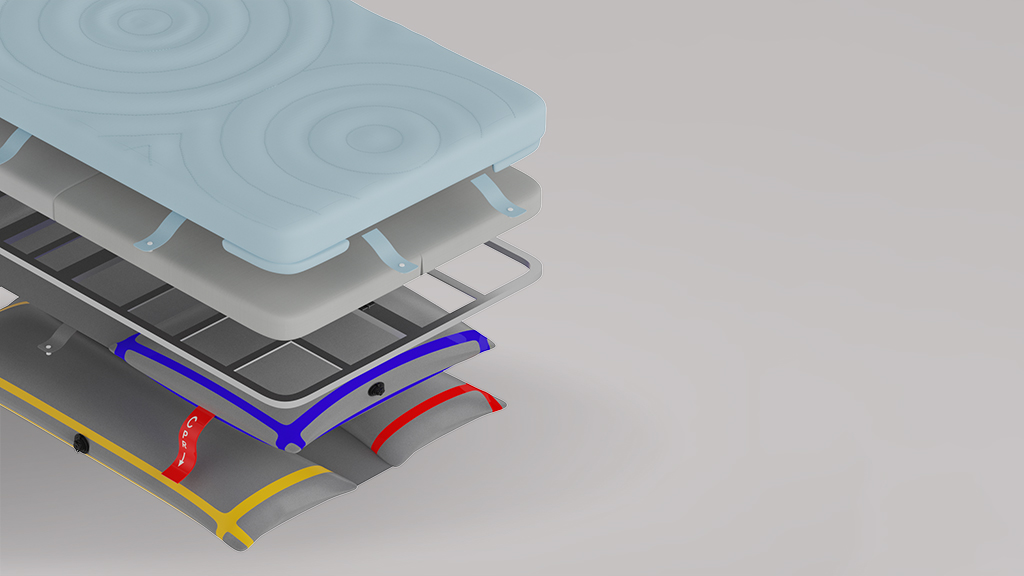
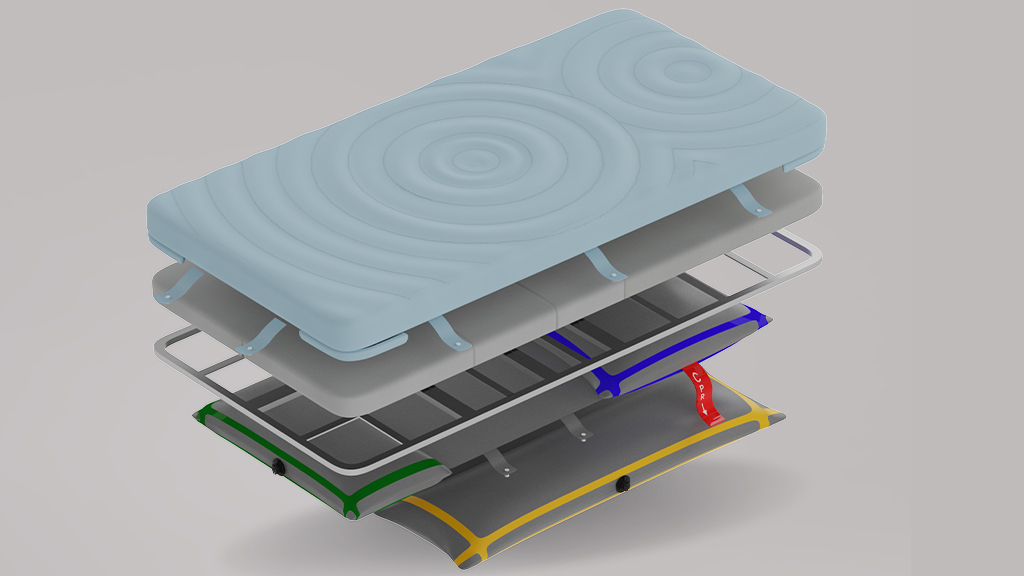
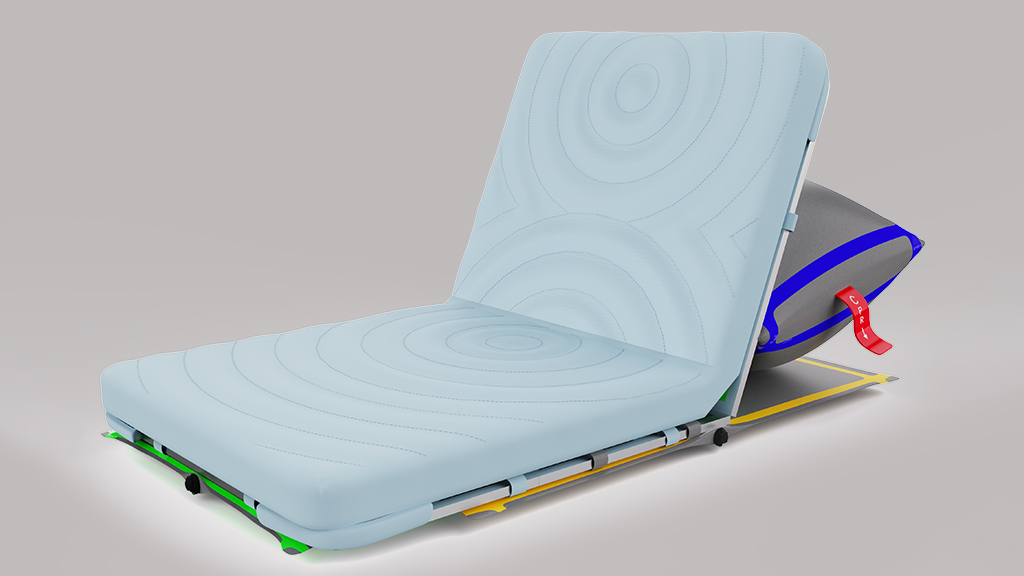
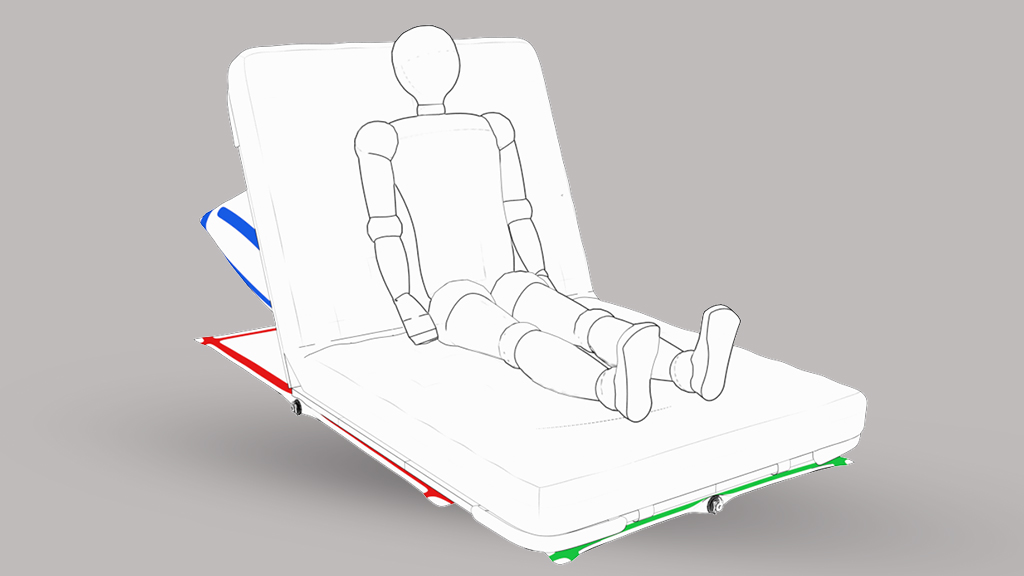
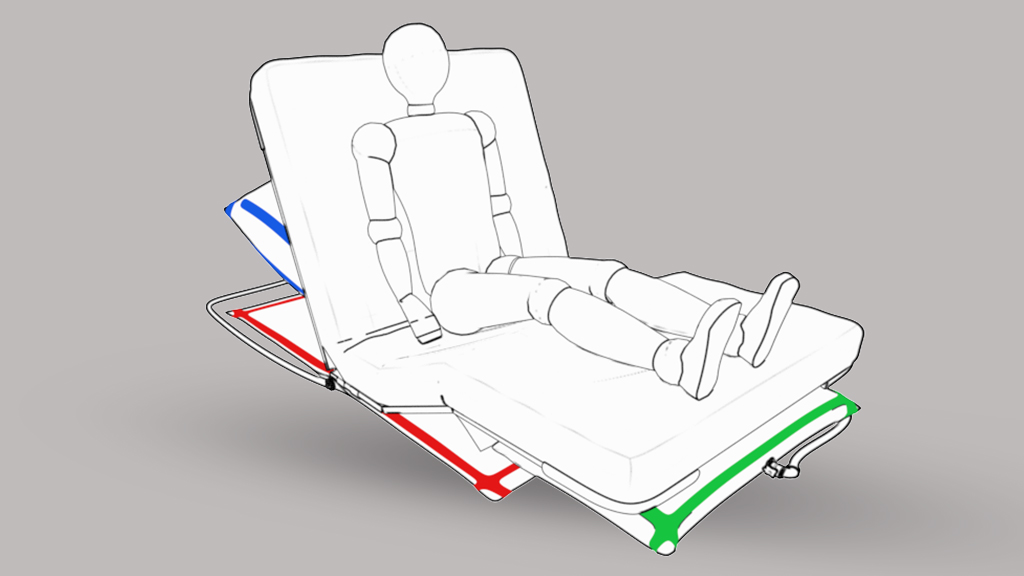
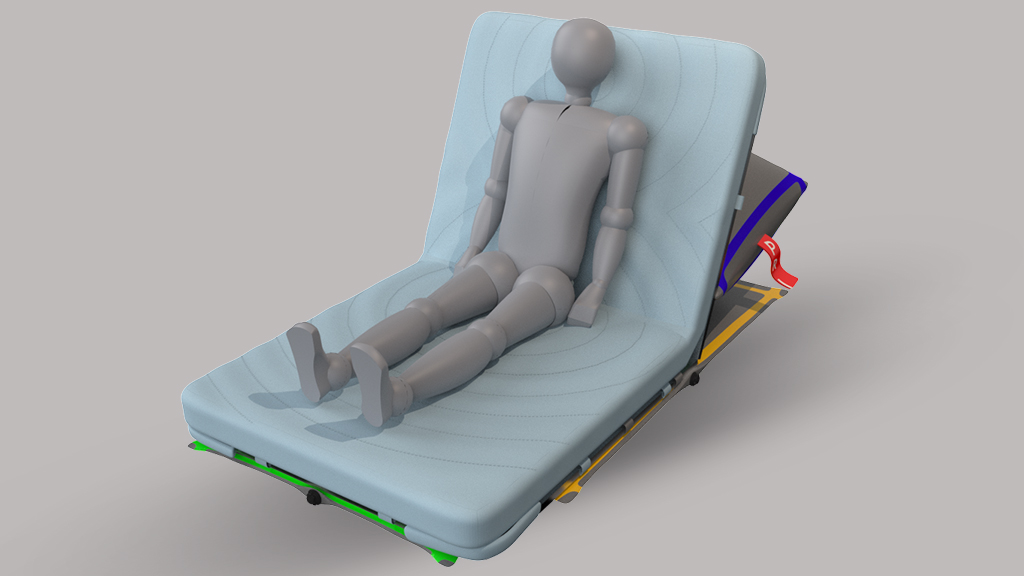
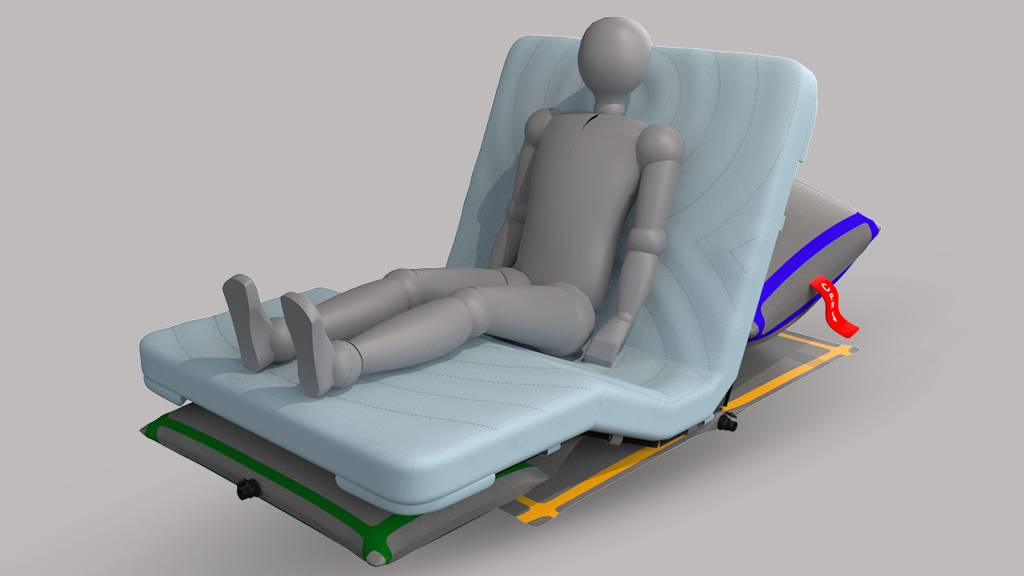
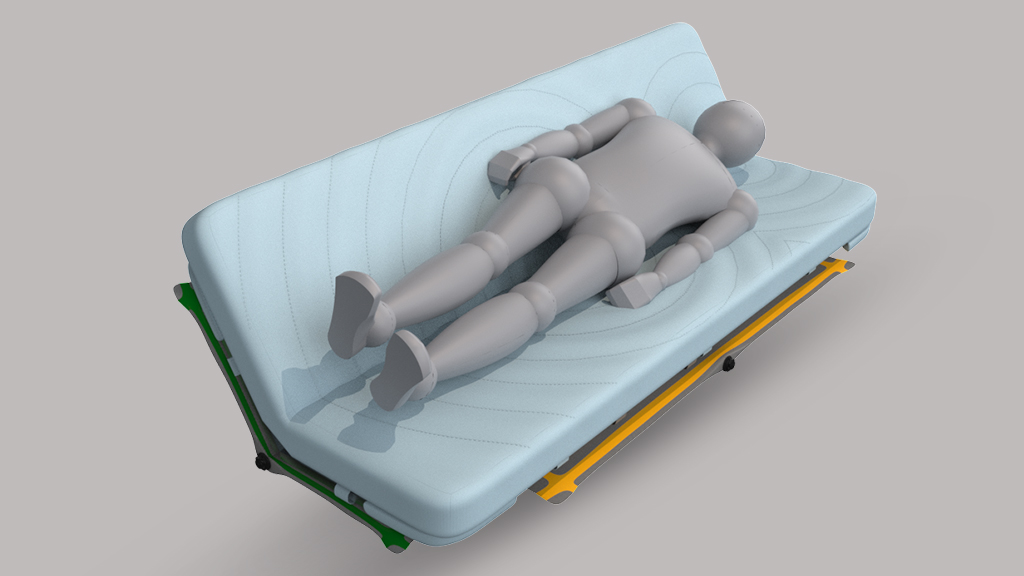
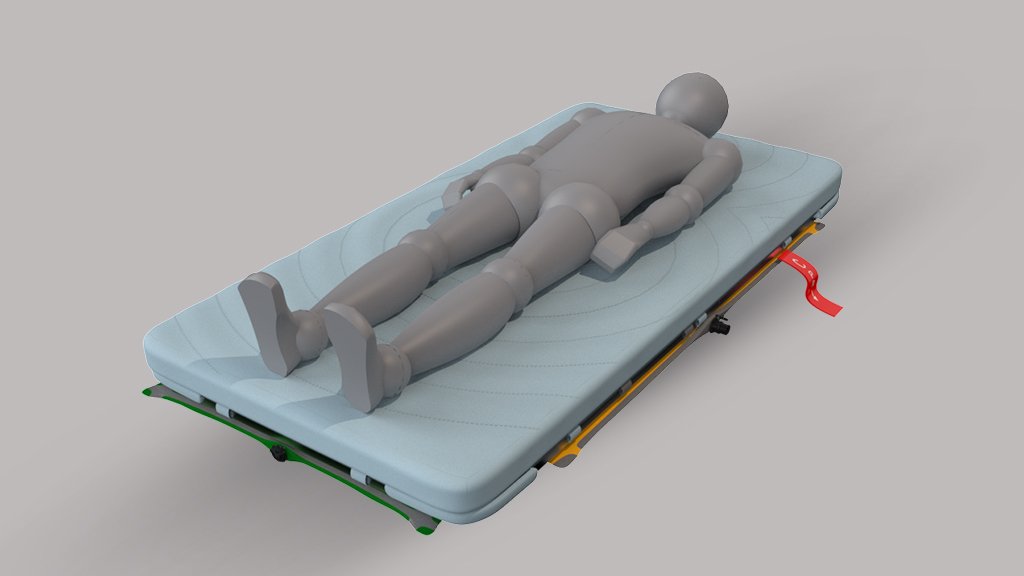
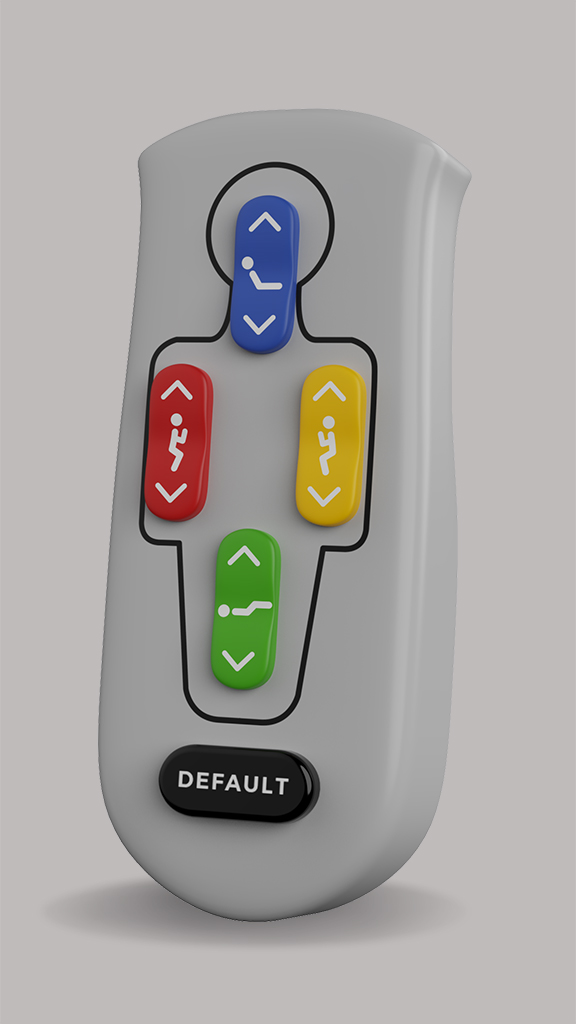
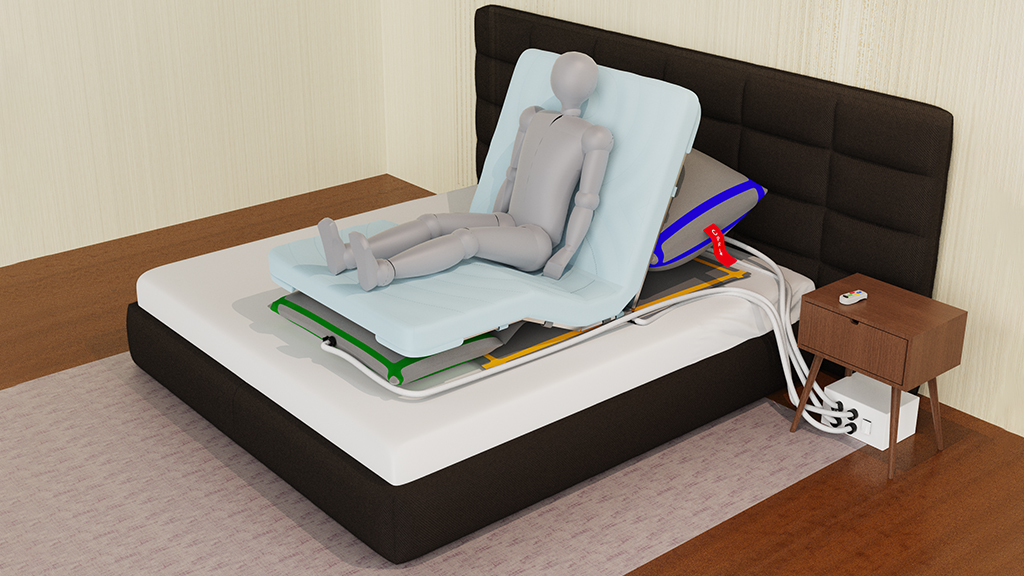
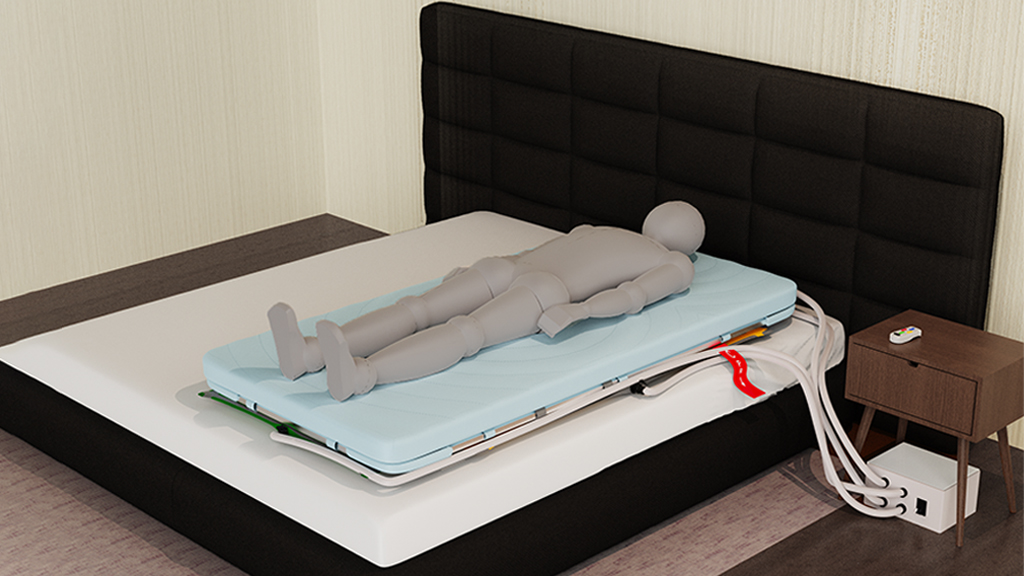
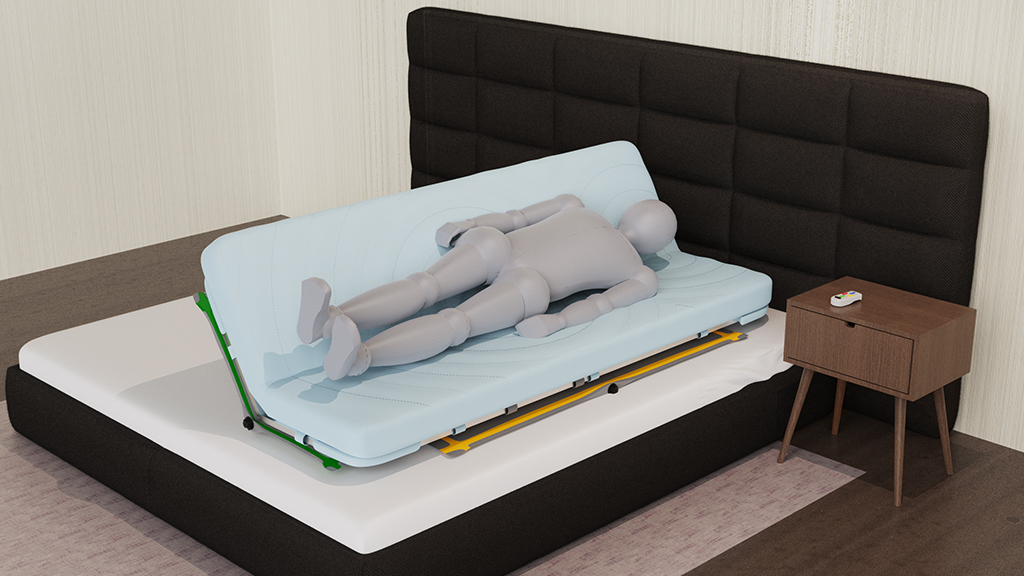
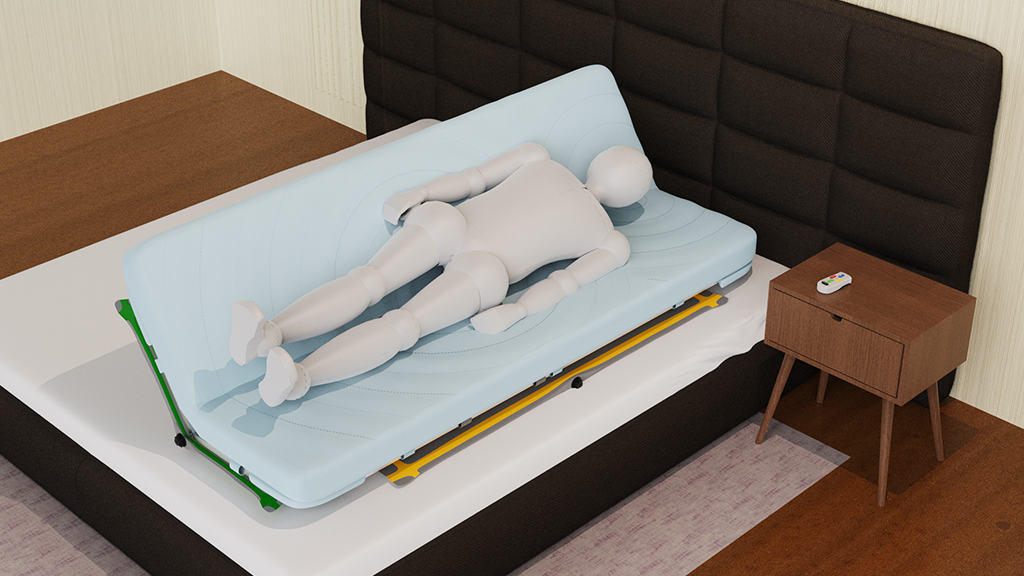
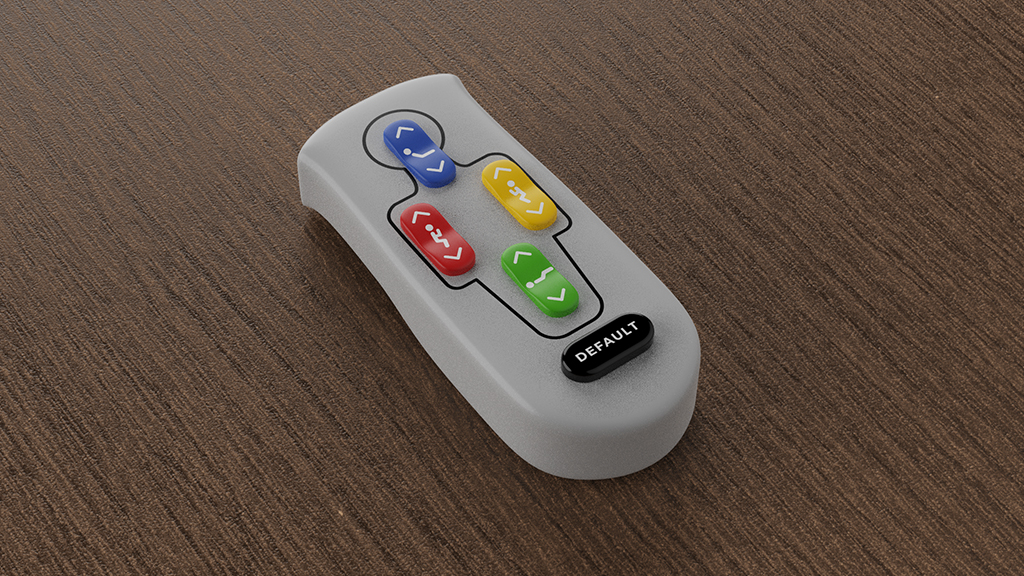
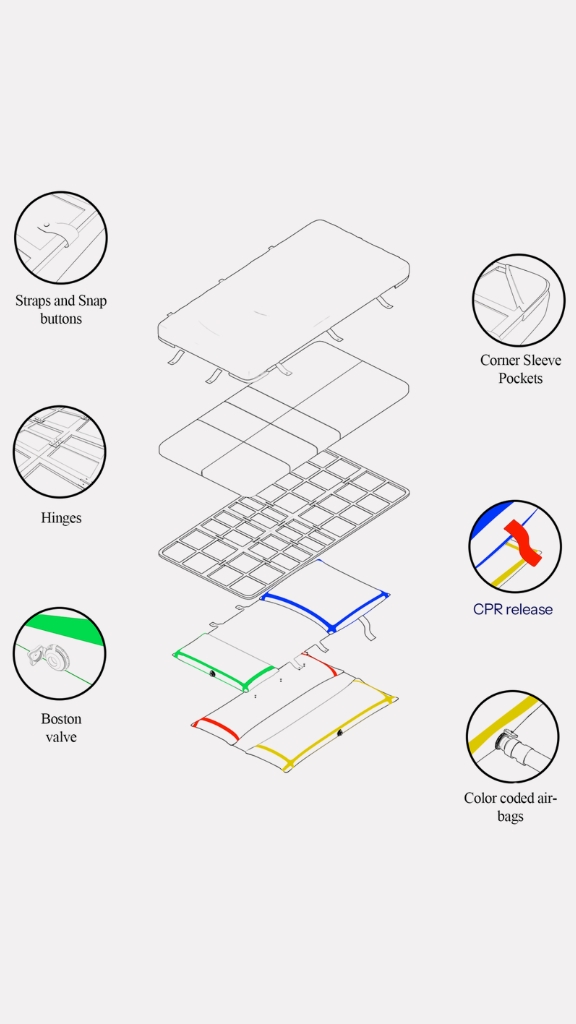
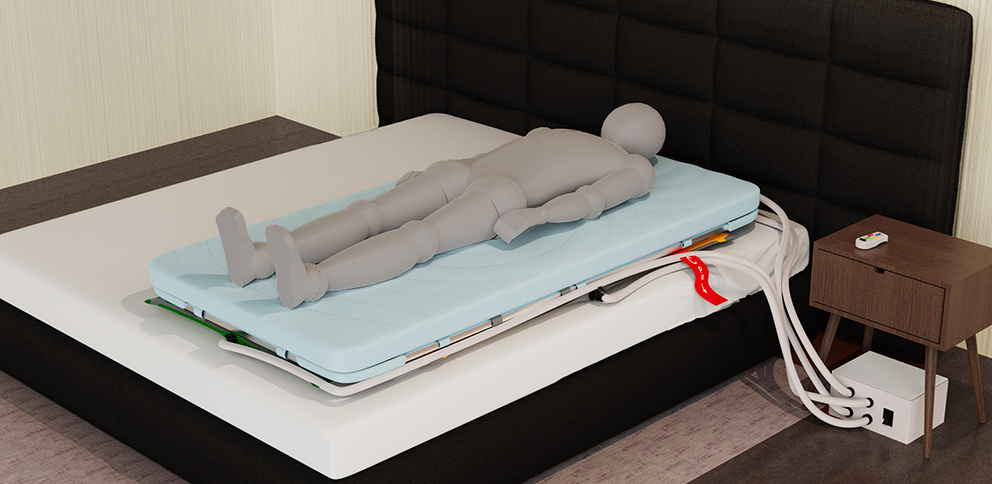
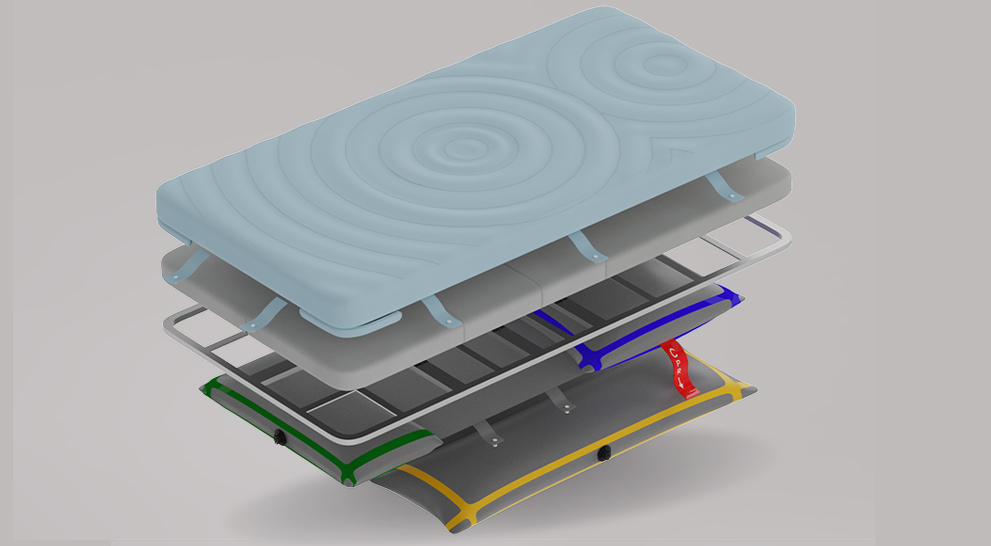
LiftAid is a supportive bed-mobility mattress mounted on a frame that uses four independently inflatable cushions placed under the mattress at the head, foot, left, and right zones. Users control these cushions through a simple wireless remote that features body-mapped buttons and color codes, enabling them to sit up, tilt, or roll sideways without confusion. The mattress incorporates memory foam with surface patterns that guide the body toward the center, helping to reduce bed migration and keeping posture stable. The system supports vital postures including supine rest, Fowler or semi-Fowler positions at 30 to 60 degrees for breathing, eating, and aspiration reduction, and lateral positions that prevent ulcers, aid lung drainage, and allow hygiene care. It has TPU-coated nylon cushions and a waterproof cotton-satin cover for bed. The compact remote includes a one-touch deflate function, a pressure display, and simple navigation. Electronics integrate a microcontroller with an air pump, solenoid valves, sensors, and safety switches to prevent overinflation. User tests showed the design was easy, accurate, and faster than manual methods, with feedback noting comfort and less caregiver strain.