Navband
Navband is a wearable device that guides tourists through cultural sites with LEDs, haptics, and audio, offering personalized tours, accessibility features, and immersive storytelling.
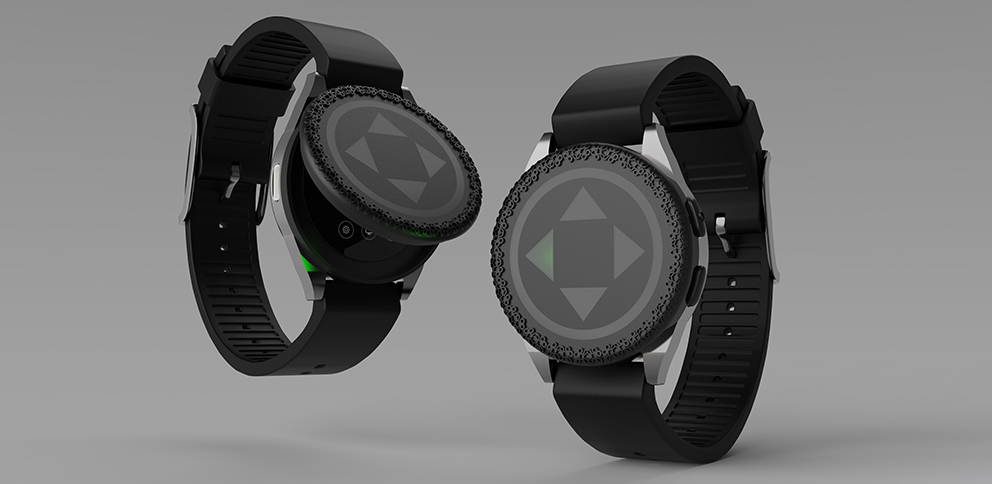
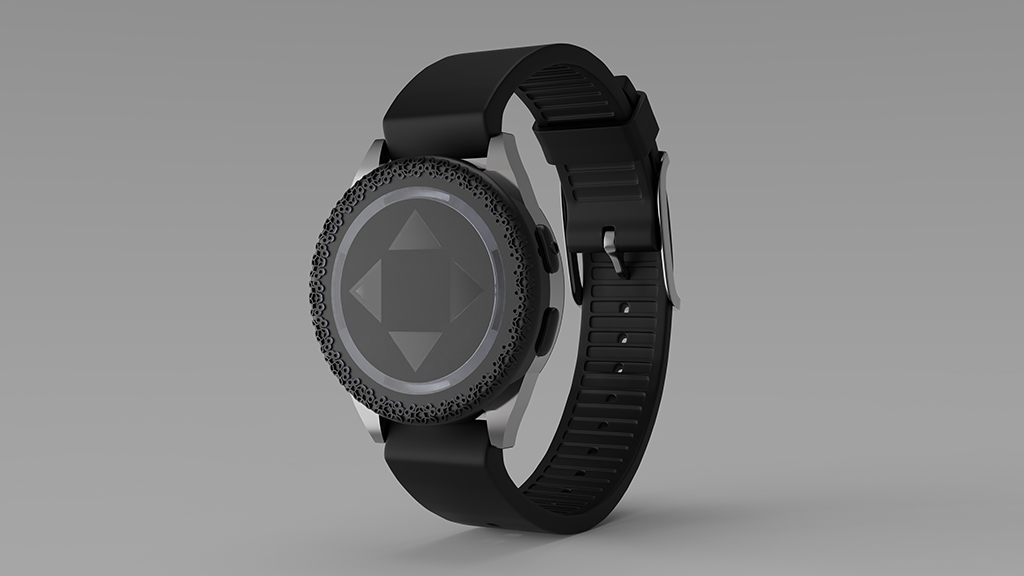
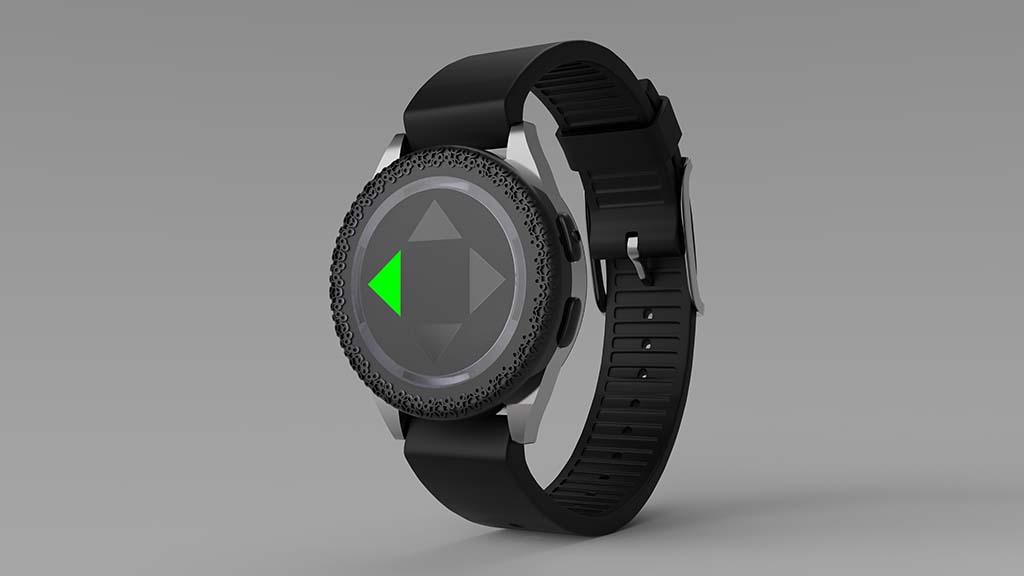
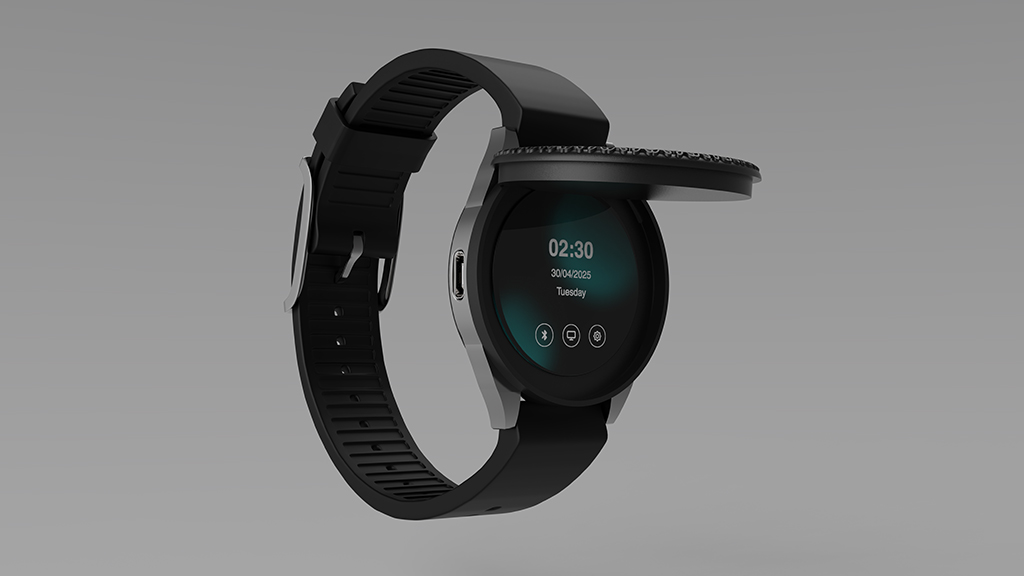
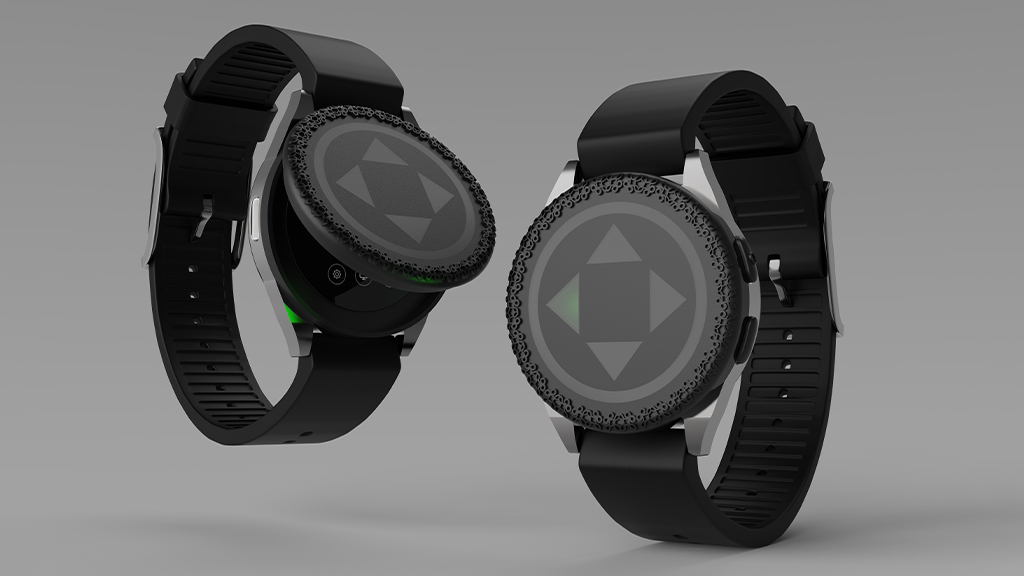
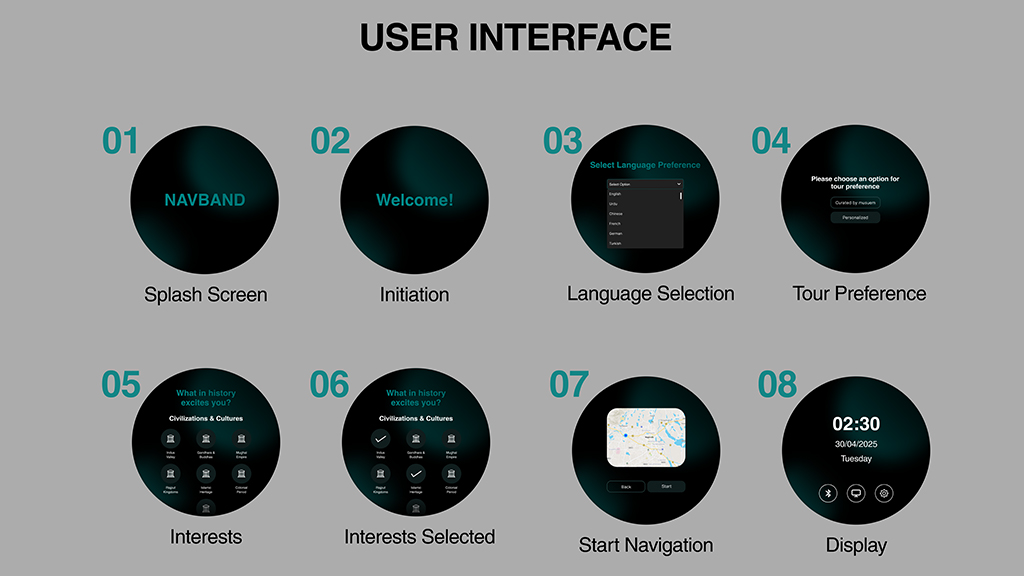
Navband is a wearable navigation and guidance device created to enhance experiential tourism by enabling visitors to explore cultural and historical sites independently and meaningfully. Designed for venues such as museums, art galleries, forts, mosques, and heritage homes, it addresses common barriers in heritage tourism of poor navigation, lack of contextual storytelling, and accessibility challenges. The device uses Bluetooth Low Energy (BLE) beacons placed throughout the venue to track location. A built-in microcontroller processes this data, guiding users to designated points via four directional LEDs that indicate the correct path. Navband offers two tour modes: a preference-based mode where visitors select topics of interest through its touchscreen, generating a curated storyline; and a general tour mode following the venue’s pre-set route. For visually impaired users, it provides a haptic mode with progressive vibration alerts when off-path and silence when on course. Audio narration, accessed through Bluetooth earbuds, enriches the journey with historical insights and cultural stories, while gentle vibrations mark each destination’s arrival, ensuring every visitor enjoys a more immersive, informed, and inclusive touring experience.
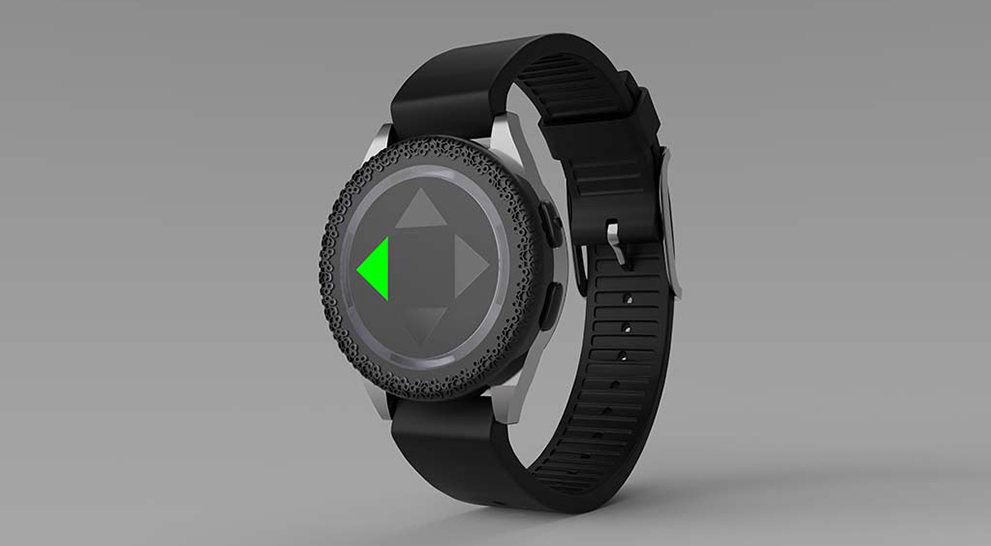
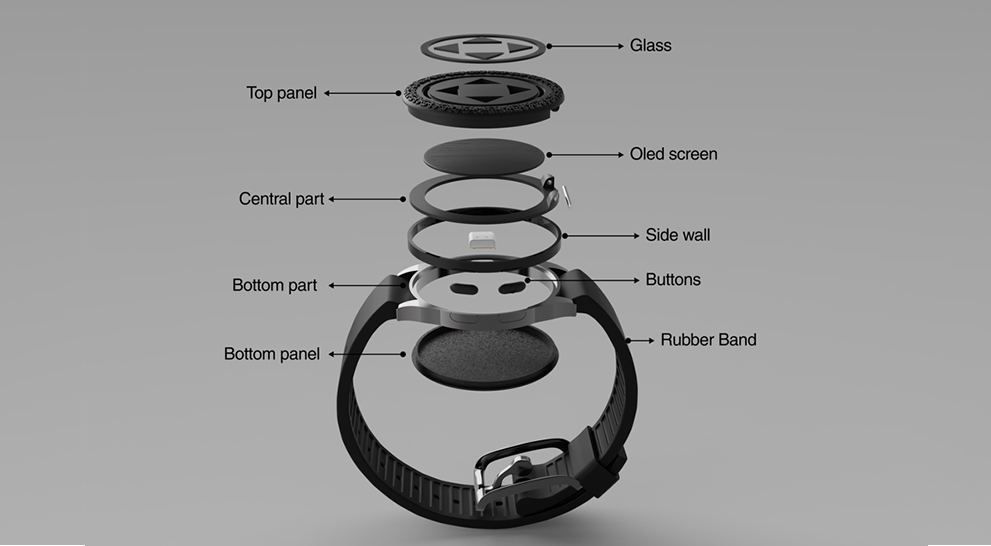
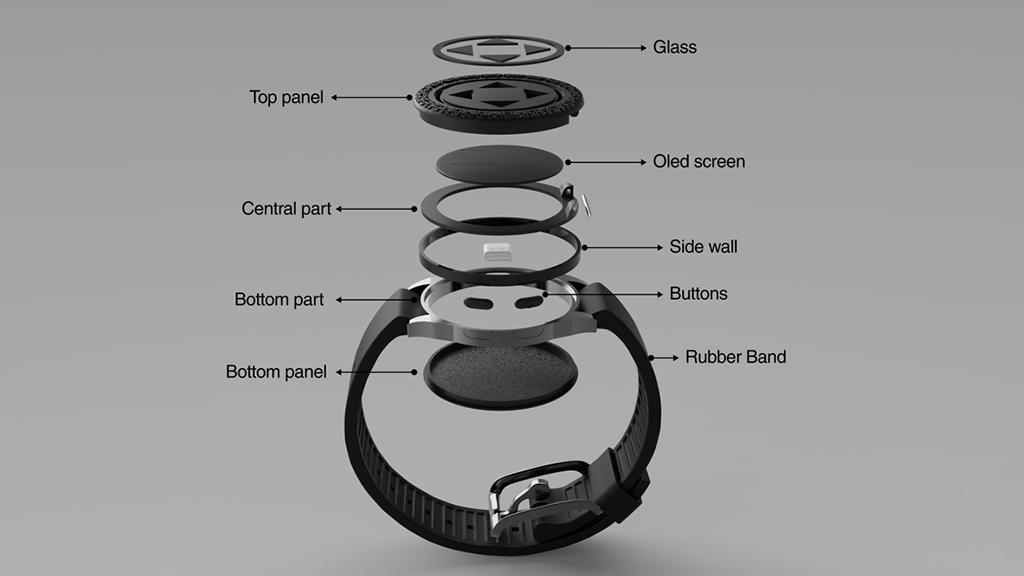
Navband’s design focuses on accessibility, autonomy, and immersive engagement. It enables travelers to choose between self-tailored exploration and expert-curated tours, catering to diverse interests such as architecture, folklore, or daily life. The device’s non-intrusive feedback system keeps users engaged with their surroundings instead of screens. LED cues provide clear navigation in crowded or visually complex areas, while haptic feedback ensures inclusiveness for those with visual impairments. Audio narrations deliver rich cultural context without overwhelming the visitor, and a side button allows quick toggling of sound. An innovative feature connects users with nearby visitors sharing similar interests, encouraging social interaction and collaborative exploration. Its ergonomic, lightweight build ensures comfort during extended wear, and its durable materials—polycarbonate casing, tempered glass over LEDs, and silicone straps—support active use in diverse environments. By combining navigation, storytelling, and social connection, Navband transforms passive site visits into dynamic cultural experiences that deepen emotional and intellectual engagement with heritage spaces, leaving visitors with lasting, meaningful memories.
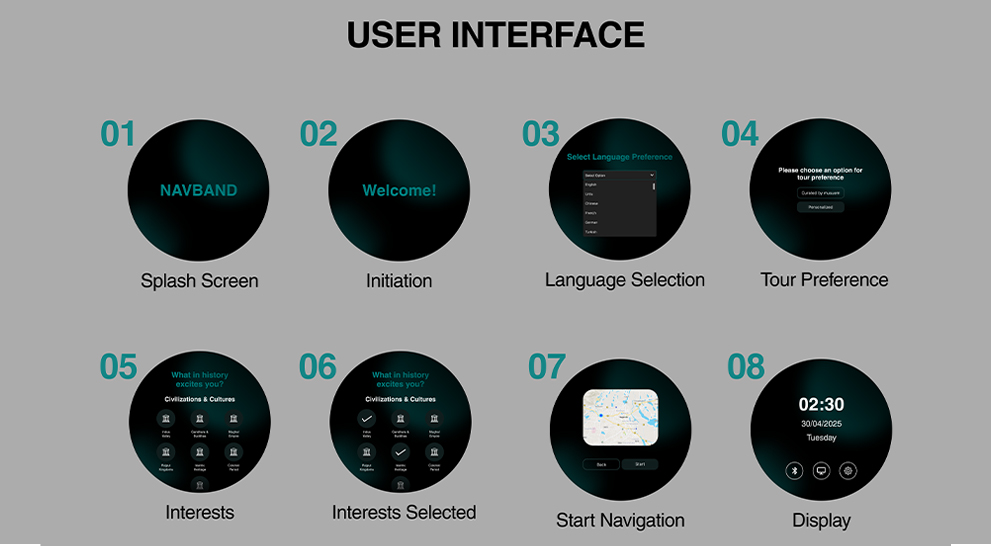
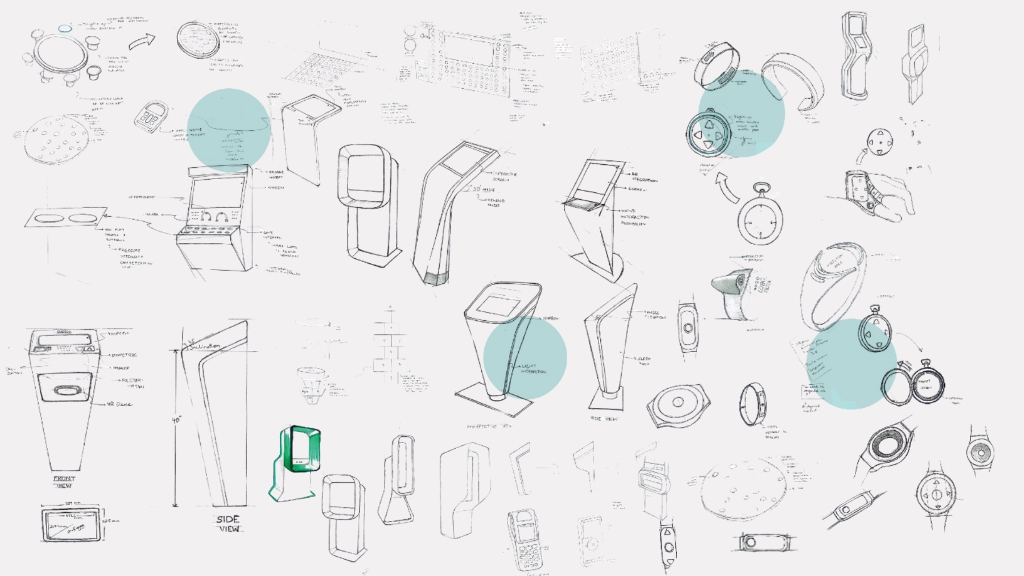
The development of Navband stemmed from research into the limitations of static, screen-based solutions like kiosks, which often disrupt immersion. User testing confirmed the need for a portable, intuitive system that complements, rather than competes with, the physical environment. Navband fulfills this by delivering guidance and information discreetly, empowering visitors to explore at their own pace. Its BLE beacon network ensures accurate indoor positioning, while the multi-modal feedback adapts to varying visitor needs through visual LEDs, tactile vibrations, and audio. Usability tests showed that users valued the independence it offered, especially when navigating complex spaces without constant phone use or a tour guide. For institutions, Navband provides an opportunity to create structured, inclusive tours that highlight lesser-known areas, improving site accessibility and visitor satisfaction while encouraging repeat visits. Ultimately, it bridges technology and cultural heritage, offering a scalable, sustainable tool for enhancing tourism experiences, fostering deeper engagement, and preserving the authenticity of the sites it serves for future generations.