Face Mask
A sustainable, reusable facemask with biodegradable filtration layers, ergonomic design, and enhanced airflow—crafted to combat Pakistan’s smog and pollution while reducing waste.

Pakistan faces some of the world’s harshest environmental challenges, with urban smog, dust, and industrial emissions posing serious health risks. In response, millions rely on disposable face masks during pollution spikes and public health crises, but these single-use products generate immense ecological waste. Most masks are made of synthetic, non-biodegradable materials that end up in landfills and waterways, breaking down into harmful microplastics. This dual crisis—rising respiratory and cardiovascular diseases on one side, and mounting plastic pollution on the other—demands solutions that safeguard human health without deepening environmental damage. This project responds by rethinking the face mask as a sustainable, long-term product designed to serve both people and the planet, merging public health protection with ecological responsibility.
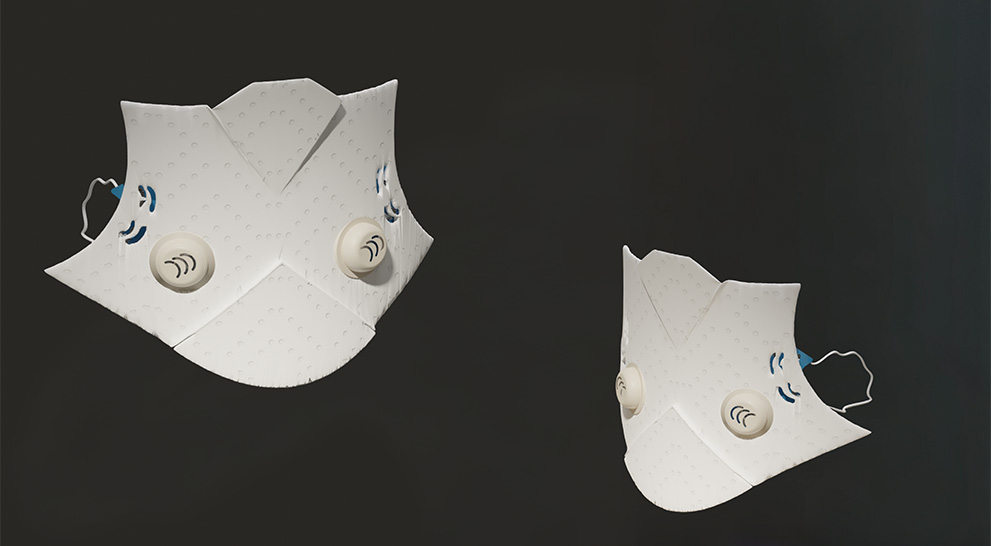
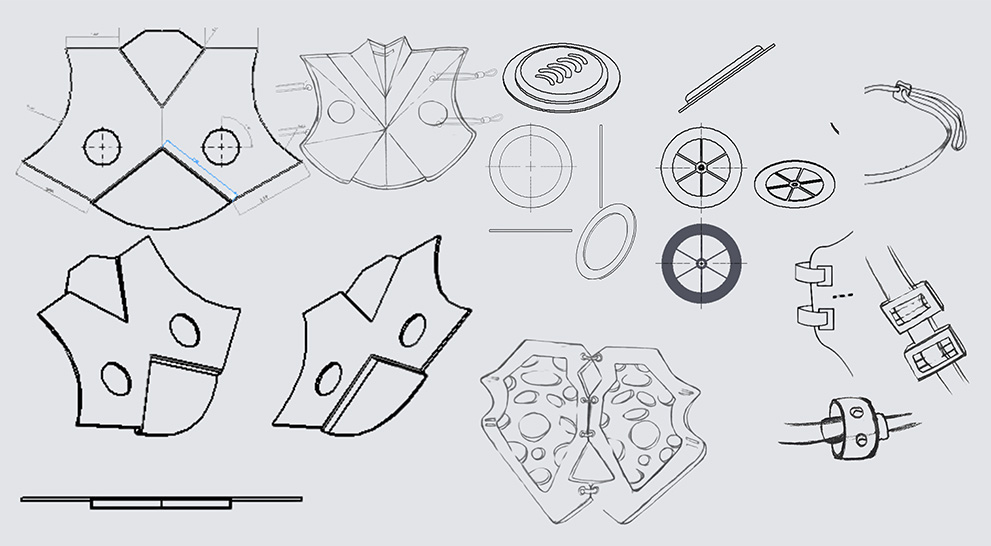
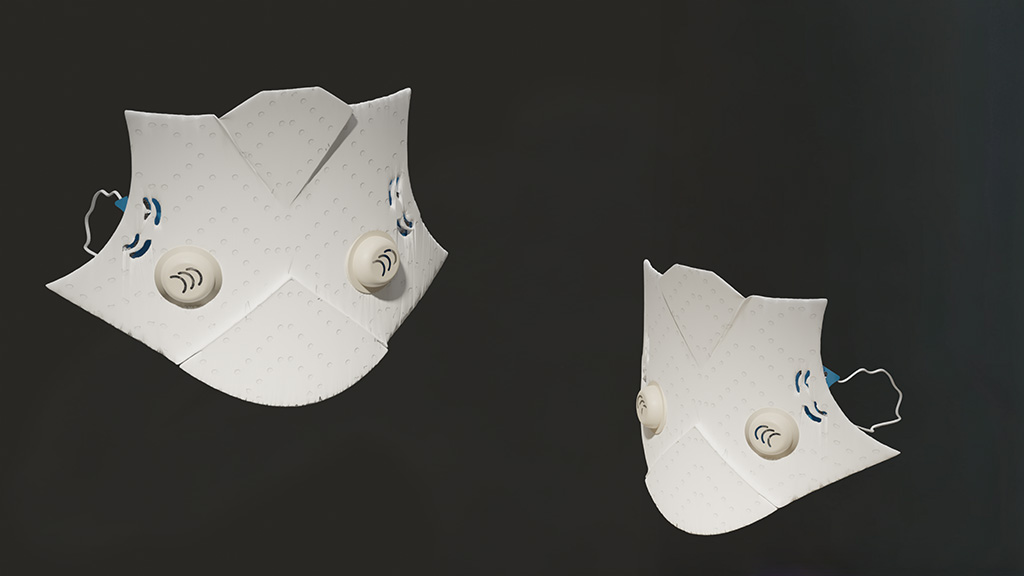
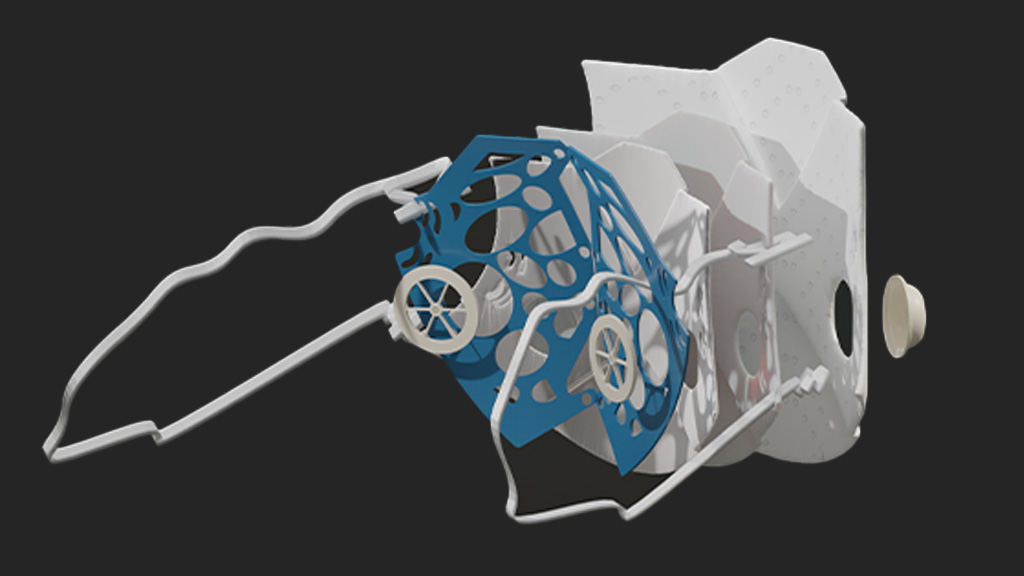
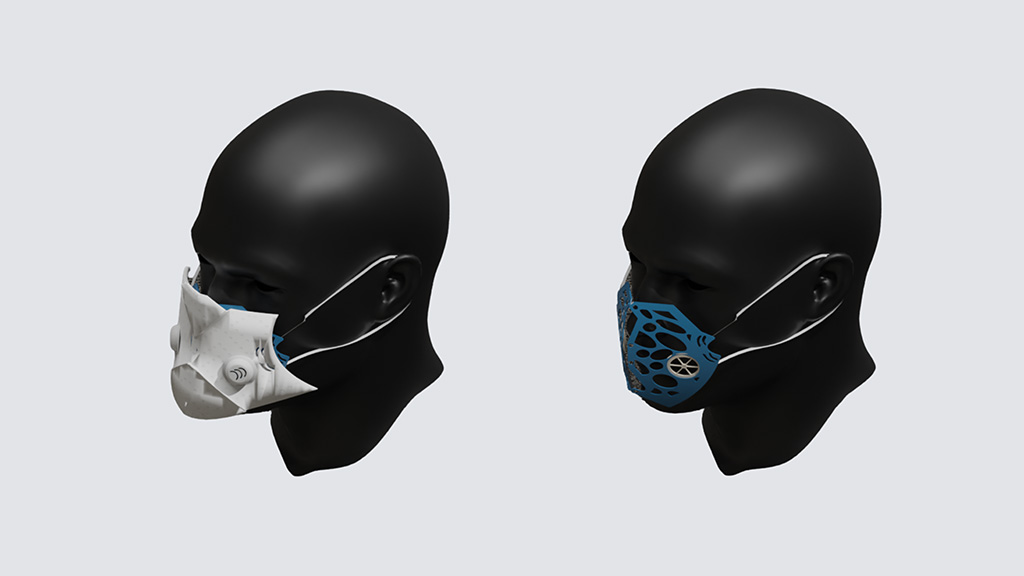
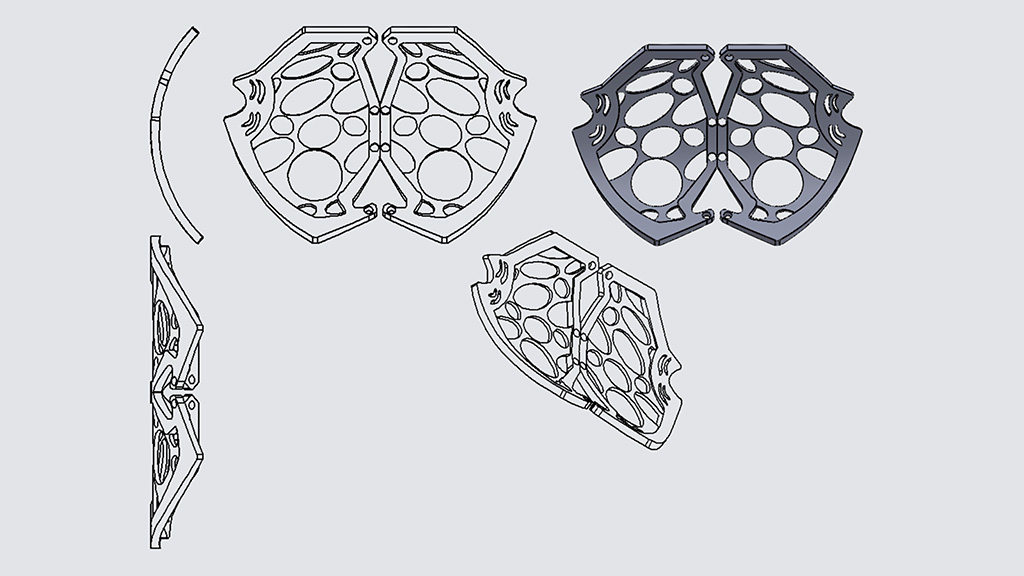
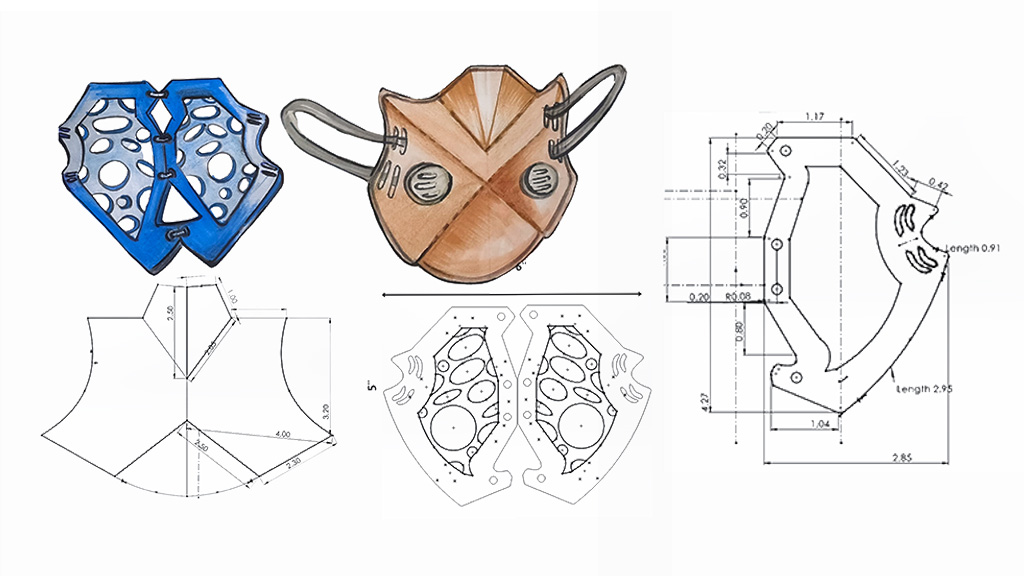
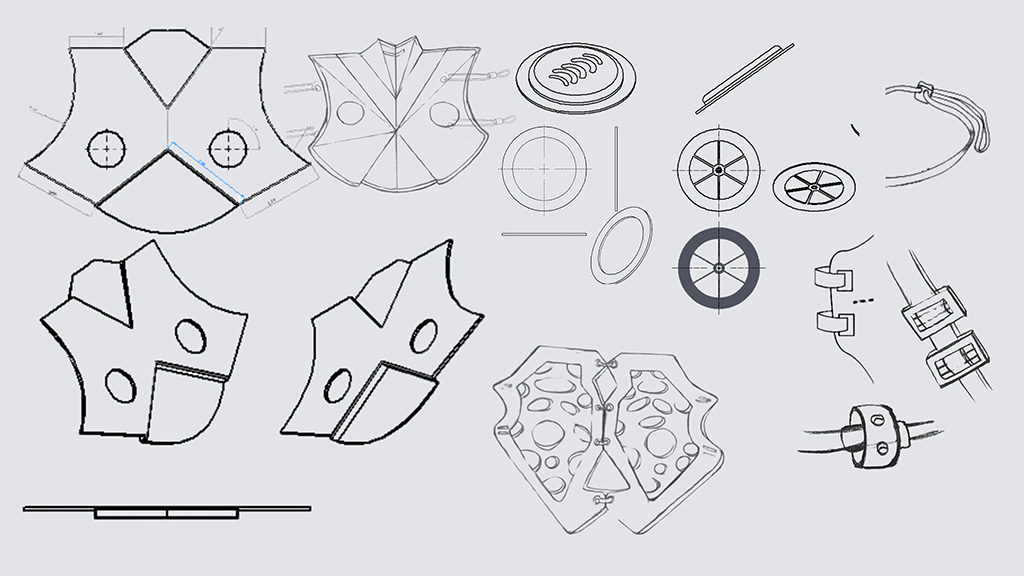
The mask combines ergonomic geometry with renewable materials, balancing comfort, durability, and function. Its flexible, angular form adapts to different faces, while a breathable mesh layer prevents irritation and maintains hygiene. A biodegradable multi-layered system features hemp fabric for antibacterial strength, a PLA-based nanofiber middle layer for fine particulate capture, and a silk inner lining that adds comfort and electrostatic filtering. Discreet valves improve breathability and reduce fogging, with optional HEPA or carbon inserts for high-pollution zones. Built for longevity, the mask encourages reduced replacement cycles, while biodegradable construction minimizes waste. Adjustable sizing ensures inclusivity, from adults to children. Beyond protection, the mask becomes a lifestyle accessory rooted in sustainability, proving that everyday products can be reimagined to shift consumer behavior and set a precedent for eco-conscious design.